Ski Travel
Best Value Ski Resorts in North America: 13 Destinations Worth Booking
Thirteen North American ski resorts that deliver strong snow and terrain for less than their best-known competitors, plus the trade-offs to weigh before you book.
Introduction
Lift ticket prices at the best-known destination resorts have climbed high enough that a ski week now feels like a major purchase. Yet plenty of mountains still deliver top-tier snow, terrain, and scenery for meaningfully less than the headline names. The destinations below consistently offer more mountain per dollar than their better-known peers.
A quick note on the numbers. The average one-day ticket prices referenced here are weighted averages built to reflect how a typical visitor actually buys: weekend and holiday dates carry more weight than off-peak weekdays, and advance purchases carry more weight than window rates. The list also deliberately spans several regions. Ranked on price alone, it would have been almost entirely western Canada.
How We Picked These Resorts
Value is not the same as cheap. A resort earns a place here when its snow quality, terrain variety, lift infrastructure, and access hold up against resorts charging noticeably more, and when the ticket price stays reasonable by comparison. Several of these mountains sit within a few dollars per day of each other, so the deciding factor is usually what else you get for the money.
It is worth knowing that the picks come from a wider look at more than 75 North American resorts, filtered for value rather than prestige.
One pattern shows up again and again: the strongest values tend to be places with limited on-site lodging, or places in Canada where the exchange rate works in favour of US travellers. Both situations lower the ticket price and change how a trip is planned. If a walkable ski village matters more to you than daily savings, some of these mountains will feel like a compromise rather than a bargain.
Alta Ski Resort: Premium Snow, Sensible Pricing
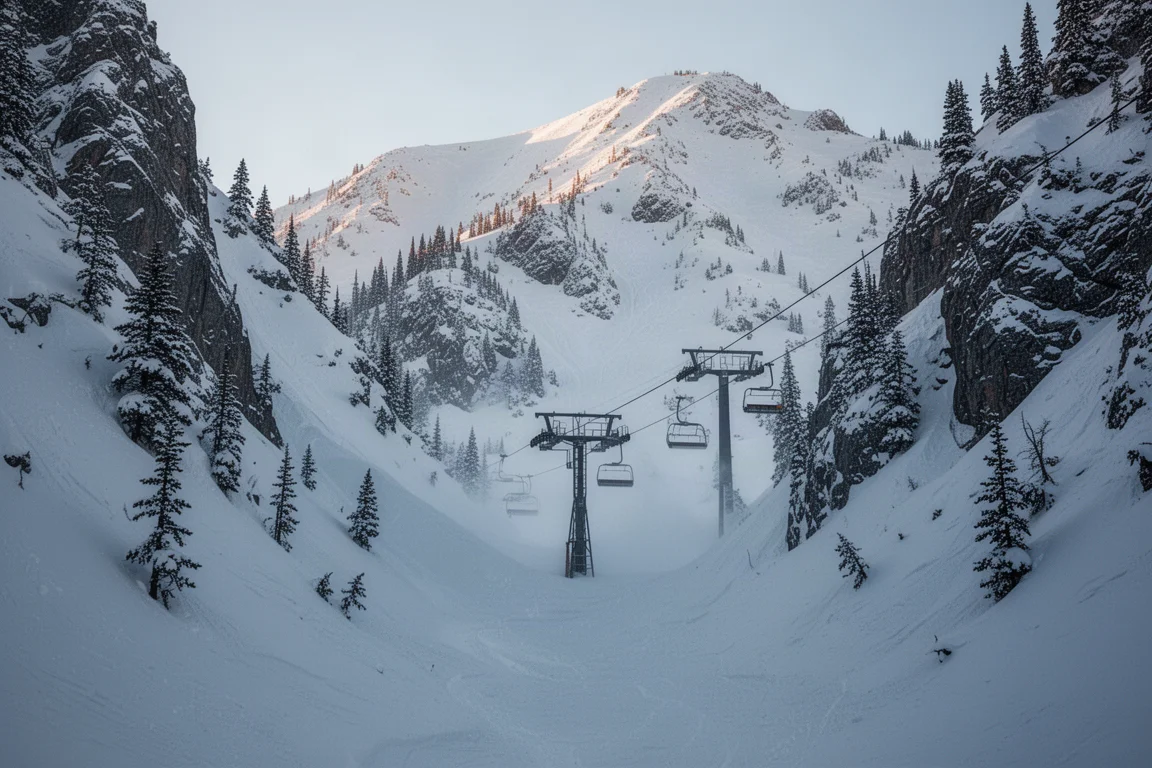
Alta sits in Utah’s Little Cottonwood Canyon and is known for some of the highest snow totals of any resort in North America, with a light, dry consistency that many other mountains simply do not match. Terrain is unusually distinctive, particularly for expert skiers, and the layout produces an inbounds atmosphere that is hard to find elsewhere.
An average one-day adult ticket runs about $163, dropping as low as $135 on off-peak weekdays. That is not trivial, but it undercuts most well-known Rockies competitors, which now average closer to $200 per day. The trade-off is the setting itself: there is very little off the slopes, the limited accommodation that exists is expensive and books up quickly, and snowboarding is not permitted at Alta.
Snowbird Ski Resort: The Same Canyon, Slightly Cheaper
Snowbird shares the canyon’s exceptional snowfall and benefits from the same light, dry snow that defines the area. Expert terrain is a genuine strength here, and the mountain’s footprint delivers a comparable sense of scale and character to its neighbour up the road.
Pricing is marginally lower, with an average one-day adult ticket around $162 and a cheapest one-day rate near $142. Unlike Alta, Snowbird welcomes snowboarders, which makes it the practical choice for riders making the trip up the canyon. The same caveat applies: the on-mountain village is minimal, so you are paying for the skiing rather than the resort experience around it.
Whistler Blackcomb: North America’s Largest Lift-Served Footprint
Whistler Blackcomb offers the largest skiable footprint available with a lift ticket in North America, backed by a top-tier lift system, terrain that suits every ability level, and a one-of-a-kind aesthetic. There is also an excellent slopeside village, which is exactly what the Utah resorts on this list lack.
A one-day adult ticket averages about 196 Canadian dollars, or roughly $145 US at current exchange rates. That places it well below comparable Colorado and Utah competition. Whistler remains the most expensive resort in Canada, but it is also the best single option for the average vacationer. The catch is weather: rain spells occasionally hit the lower mountain, while the upper mountain, home to the most distinctive terrain, is more reliable. Even when it rains low down, the upper slopes are usually still worth the trip.
Arapahoe Basin: High-Alpine Terrain With Weekday Value
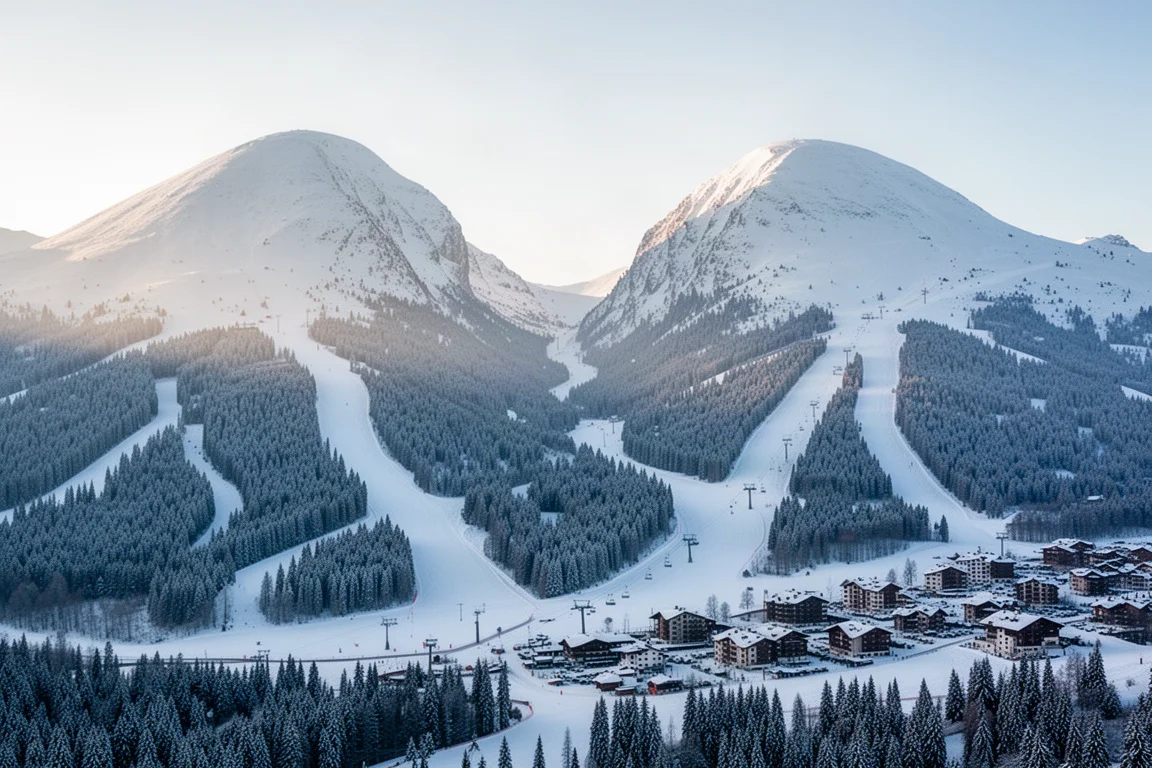
Arapahoe Basin has changed substantially over the past two decades. Long known for demanding high-alpine terrain and a local feel, it has moved from a no-frills hill with slow chairs to a modern mountain with two high-speed lifts, and its skiable footprint has essentially doubled through two major terrain expansions since 2007.
Outside peak periods, it remains an excellent ticket value. The average one-day lift ticket is around $134, and a weekday adult ticket bought only a few days in advance can fall as low as $89. Weekend and holiday pricing is a different story, climbing as high as $209, which is hard to justify. The low weekday rates reflect the resort’s nature as a day-trip mountain: with no on-site lodging, it draws Denver-area skiers rather than destination crowds, which also means very short lift lines outside powder days.
Loveland Ski Area: A Nearby Alternative for Peak Dates
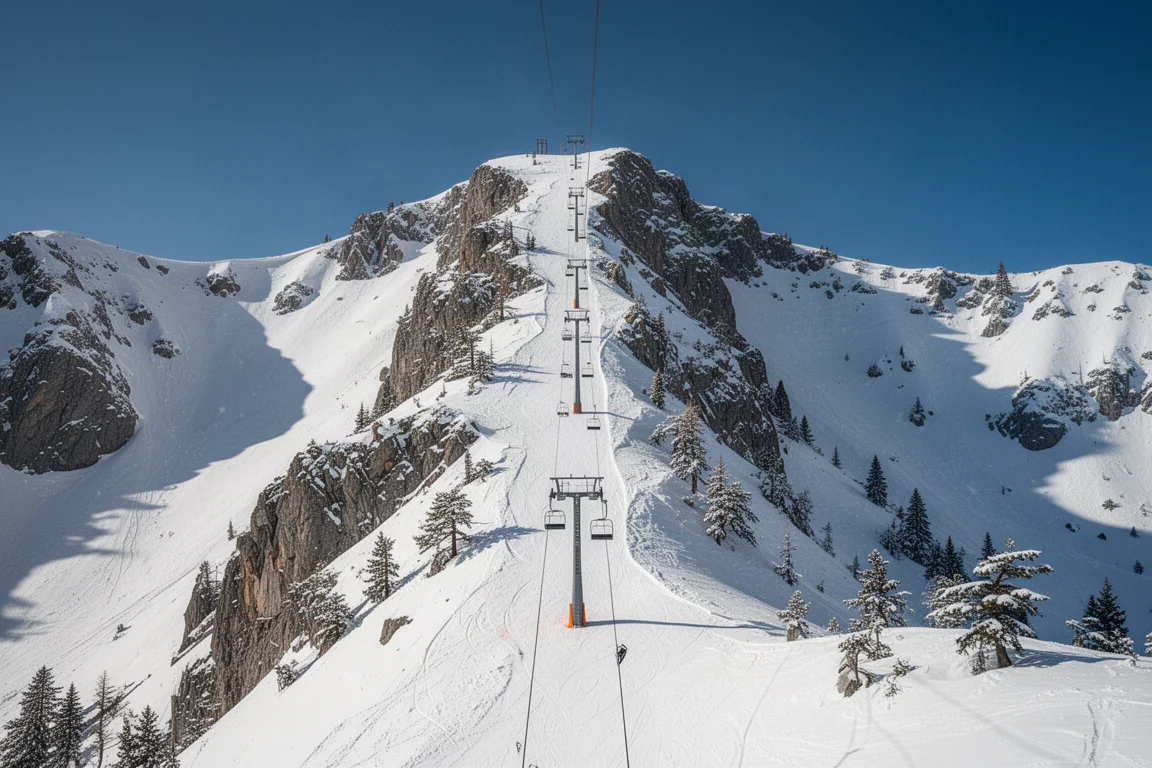
If your trip falls on a weekend or holiday, the nearby Loveland Ski Area is a strong alternative, offering solid slopes at a genuinely good price during the busiest dates of the season.
Lake Louise: Big Terrain at a Favorable Exchange Rate
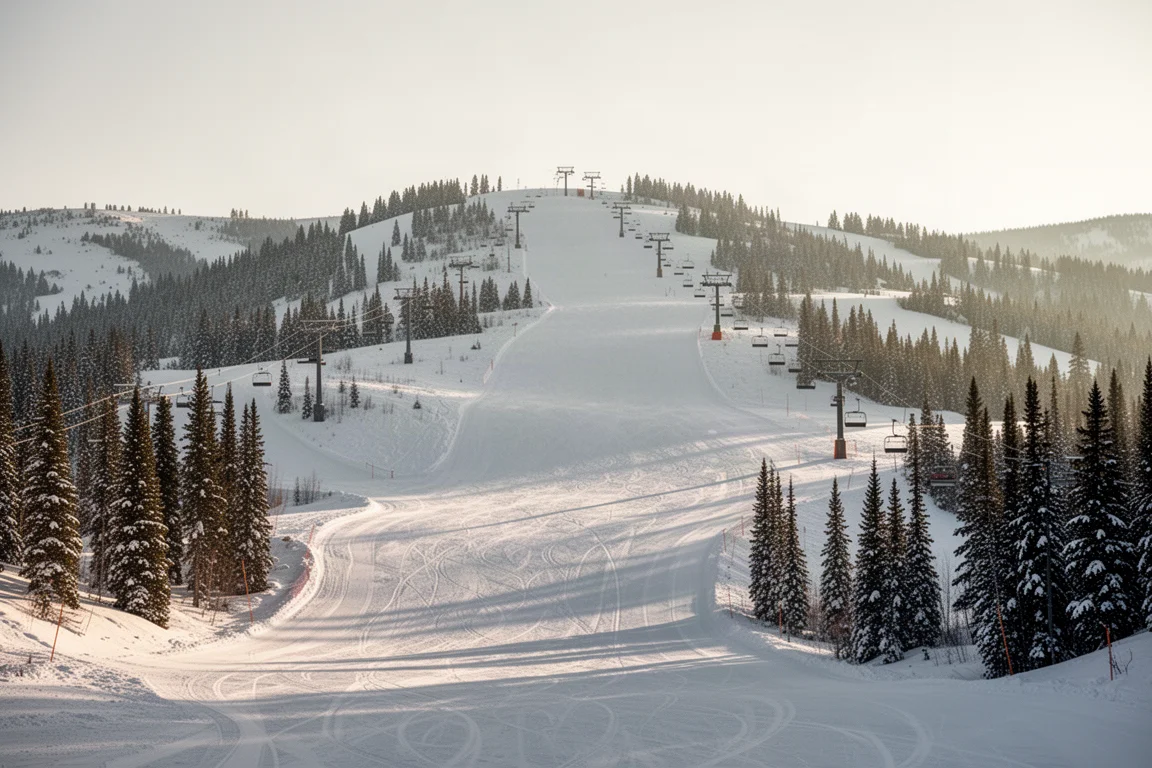
The Banff region’s destination resorts are compelling alternatives to the better-known US Rockies. Lake Louise offers an extensive variety of terrain, excellent snow preservation, and some of the most beautiful ski slopes anywhere. It also stands out on price: an average one-day ticket works out to roughly $107 US at current exchange rates, far below several American counterparts that are not even close in on-mountain terms.
For US visitors, the exchange rate accounts for part of the savings, but a few other factors are worth planning around. The gateway is Calgary, and convenient flights can get expensive depending on where you are flying from and how close to your date you book, which can cancel out the ticket savings. The region also occasionally sees extreme cold spells, with temperatures dropping as low as negative 30 degrees Fahrenheit for days at a time. Those spells rarely occur after January. Lodging directly on site at Lake Louise does not exist, though the town of Banff is a charming base with readily available shuttle services.
Banff Sunshine Village: Scenery, Snow Preservation, and Value
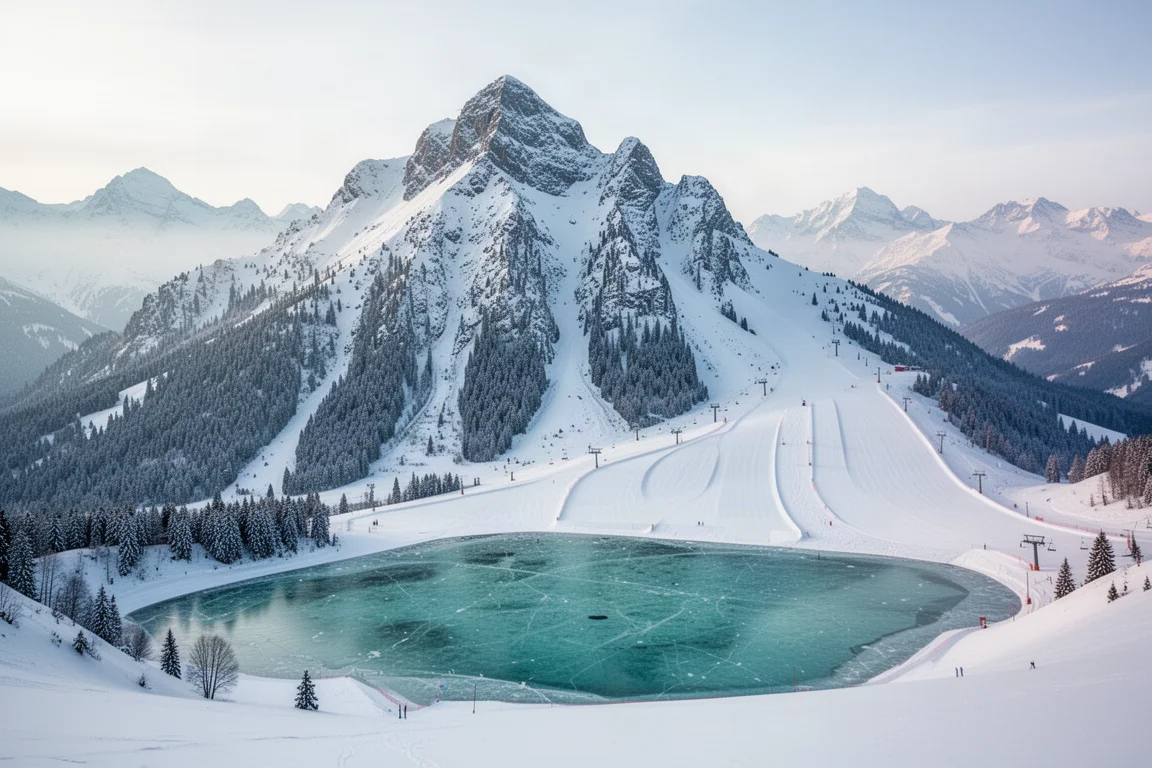
Banff Sunshine Village shares the region’s strengths: a wide variety of terrain, strong snow preservation, and remarkably beautiful slopes. An average one-day ticket comes in around $190 US at current exchange rates, which remains below several comparable American destinations.
The practical considerations mirror Lake Louise’s. There are very limited lodging options directly on site, the Calgary airport adds cost and planning, and cold snaps can disrupt a trip booked at the wrong time. Booking flights with reasonable notice and choosing dates later in the season makes the value proposition much more convincing.
Brighton Ski Resort: Utah Snow at a Family-Friendly Price
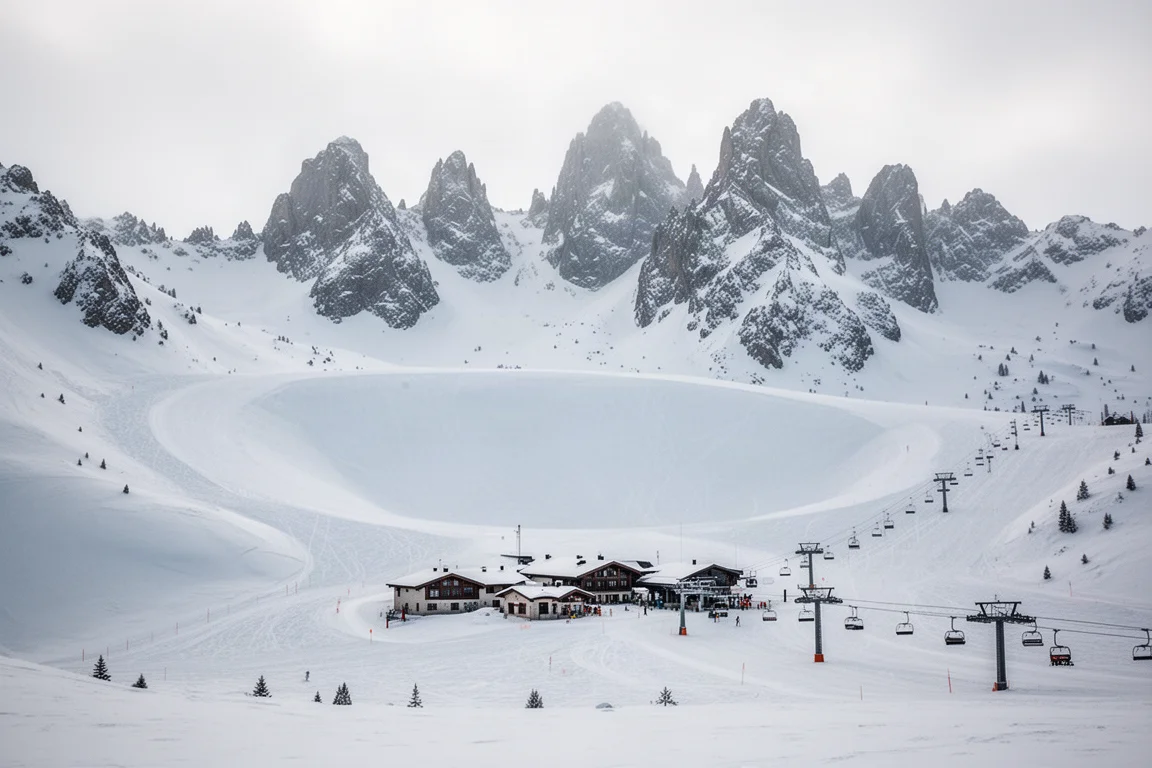
Brighton does not have the raw acreage of its Little Cottonwood Canyon cousins, but it offers nearly as good snow for a solid discount. An average one-day lift ticket runs about $119, and off-peak weekday tickets can drop as low as $95, well below both Alta and Snowbird and most well-known Rockies destinations.
It is also one of the most family-friendly resorts in Utah, with plenty of easier terrain that some neighbours lack in quantity, plus one of the best terrain parks around. The main drawback is size: an 890-acre skiable footprint and a 2,000-foot vertical drop are respectable but not generous. On-site lodging is also quite limited. Even so, the Cottonwood snowfall is hard to beat at this ticket rate.
Sierra-at-Tahoe: A Tahoe Comeback With Fair Pricing
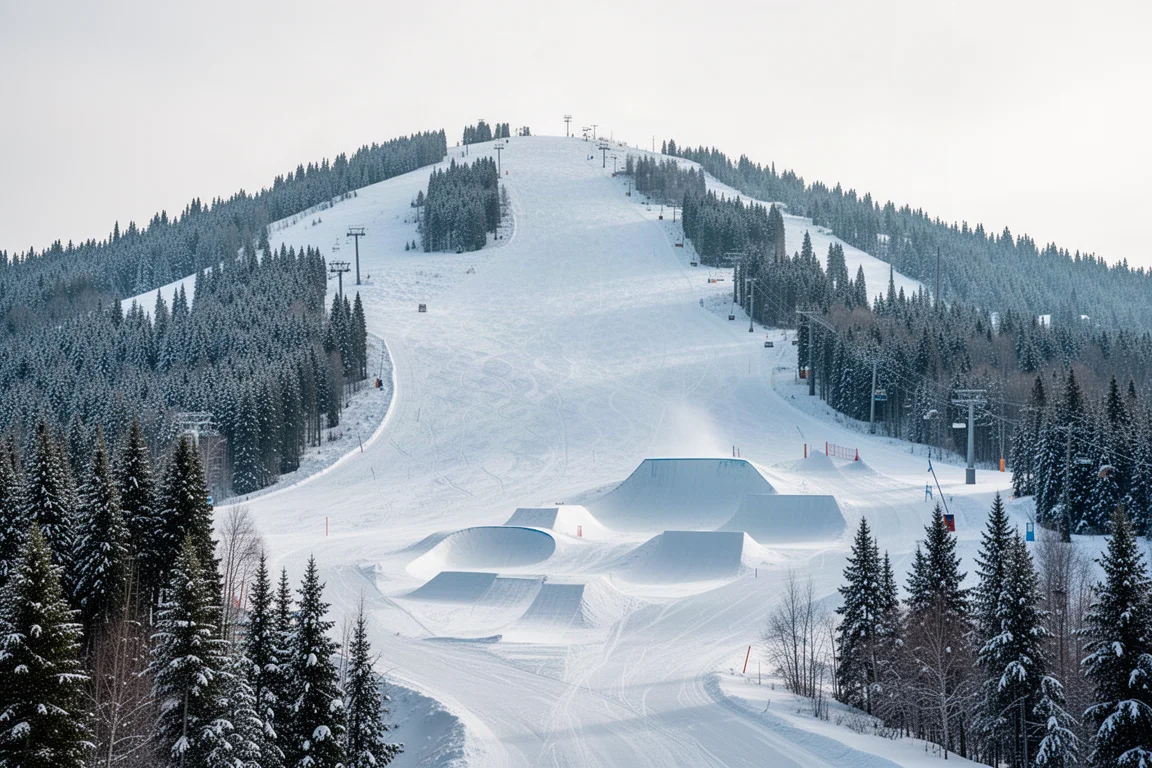
Sierra-at-Tahoe has had a difficult run in recent years. A massive wildfire in August 2021 caused damage severe enough to force the resort to close for an entire season while operations were restored. It is back, and while the footprint looks somewhat different, the value proposition has not changed.
One-day adult tickets average about $108, with off-peak weekday rates as low as $86.40. The resort retains the local feel and family-friendly slopes it has long been known for, with some remaining fire recovery work expected to wrap up by next season. The real catch is lodging: there is nothing on site, and the few nearby inns and lodges offer very little for most vacationers. The best accommodation is in South Lake Tahoe, roughly half an hour away.
Jay Peak: East Coast Terrain at a Reasonable Price
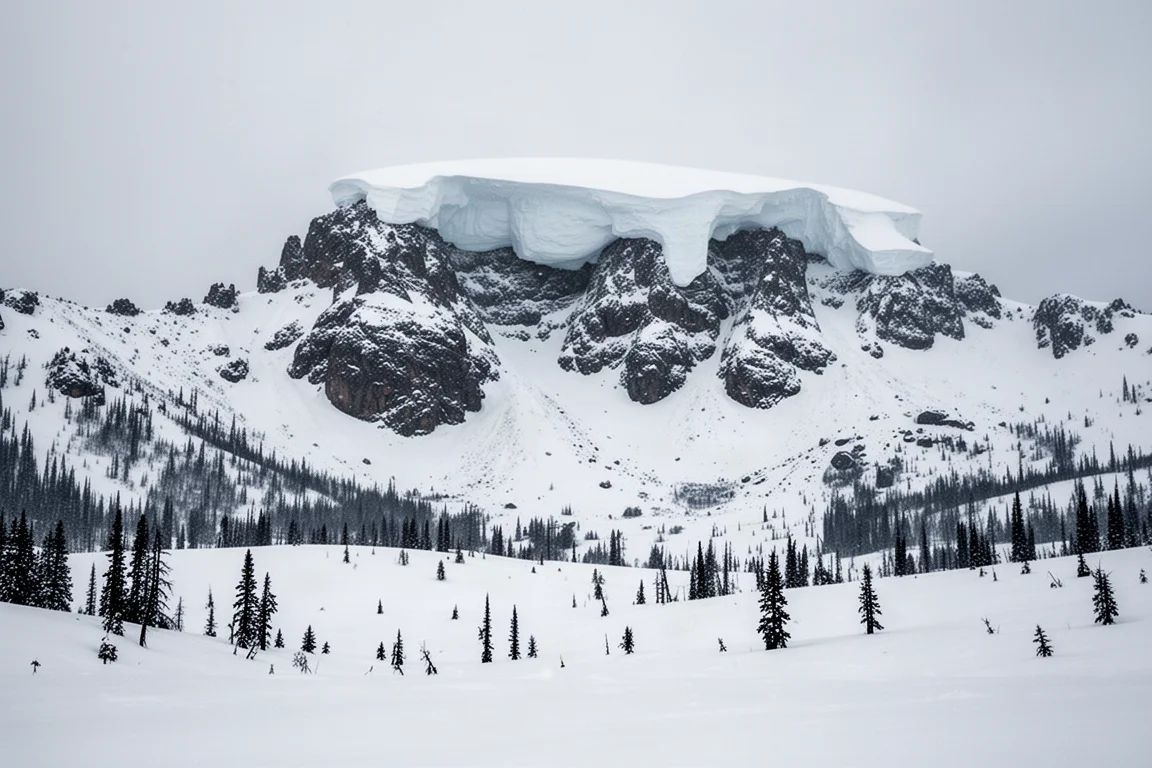
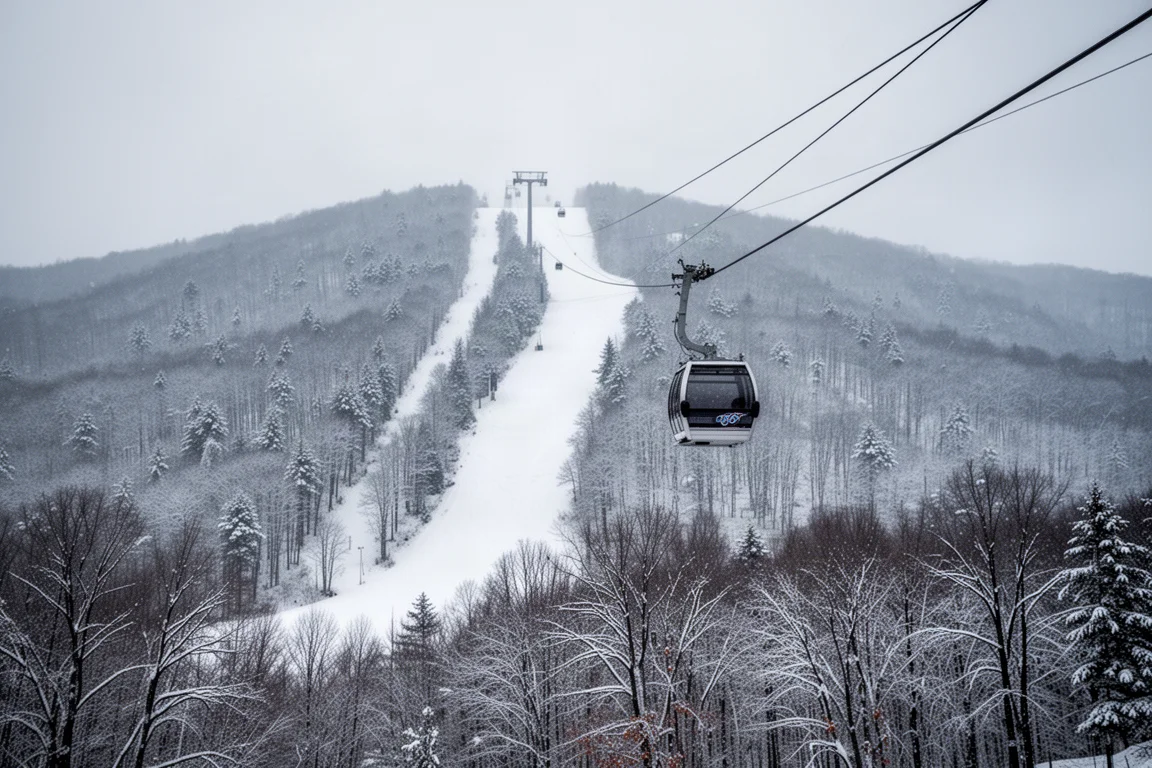
Eastern resorts are generally weaker value than their Rockies and West Coast counterparts, but Jay Peak is the exception. It already enjoys the highest average snowfall totals on the East Coast, some of the best expert and tree terrain in the region, and Vermont’s only aerial tram.
An average one-day adult ticket goes for just $99, and even at the ticket window on a peak holiday you will not pay more than $109. That makes Jay Peak’s rates more than 40 percent cheaper than some of its most expensive competitors.
The trade-offs are real. Conditions are among the most variable in the region, with regular wind holds and less robust snowmaking than other Vermont mountains. The lift system is not as modern as some competitors, and genuinely frigid spells compound the issue. Location is the other hurdle: Jay Peak sits further north than every other Vermont ski area, which puts it at least six and a half hours from New York City and four hours from Boston. For those who can handle the drive and book close to their travel date with a good read on conditions, it is the best value mountain in Vermont.
Mount Baker: Enormous Snowfall, One Flat Ticket Price
Mount Baker is one of the most remarkable ski areas in North America. This Washington State mountain delivers gargantuan snowfall totals, seriously technical terrain, easy backcountry access, and scenery with no sign of civilisation visible from almost anywhere on the resort.
It also offers some of the best value lift tickets on the continent. One-day adult tickets cost just $95 whenever you go, and they are only available at the window, with no advance purchase option. There is no need to plan ahead to get that rate, though there is a need to plan for everything else.
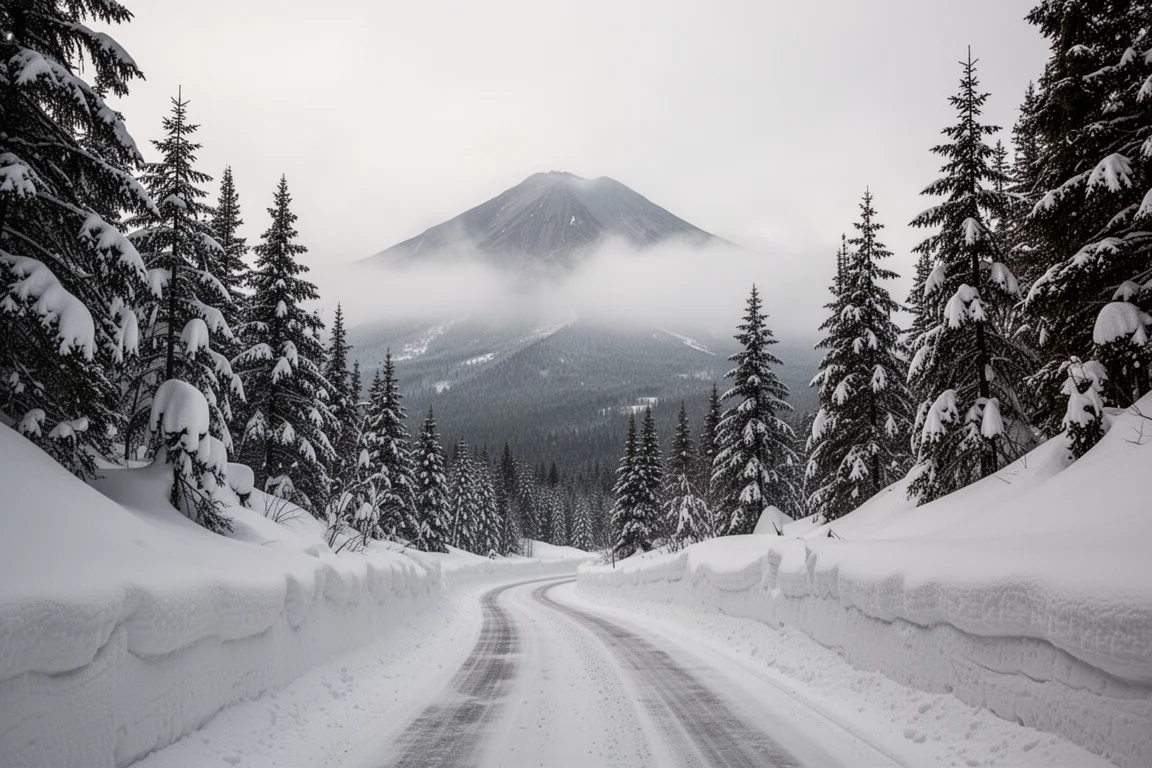
On-site lodging does not exist, and there is essentially nothing within 30 miles of the mountain, so expect at least an hour of round-trip driving on every day you ski. If it is near freezing, the access road can be genuinely sketchy. Overnight parking is allowed, so a tent and sleeping bag are a reasonable option for multi-day trips. Conditions are variable too: visibility is often low, snow turns icy or heavy if it has not snowed recently, and rain is not out of the question even in December or January. With a 1,500-foot vertical drop, little grooming, and mostly slow lifts, Mount Baker is not the biggest or fanciest area out there. Go prepared for its eccentricities and time it right, and few places offer a better deal for the experience.
Wolf Creek: Consistent Snow in Remote Southern Colorado
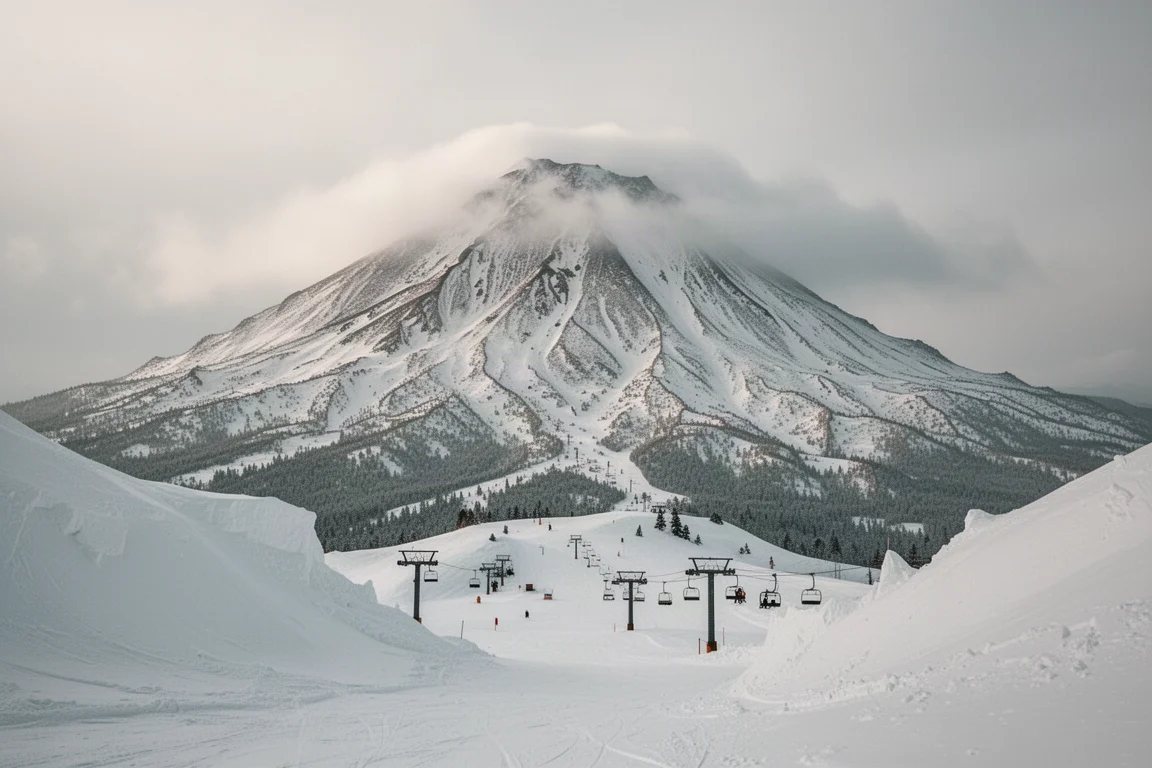
Wolf Creek feels very different from the traditional Rockies destination. Despite a short vertical drop and limited amenities, this remote southern Colorado resort sees some of the most consistent snowfall and reliably open slopes in the region, with excellent tree terrain and essentially no lift lines.
Ticket pricing is outstanding. An average one-day lift ticket costs just $89, and even at the ticket window on peak holidays the price never rises above $95, which is remarkable for a mountain with such consistent powder and low crowds. Low ticket costs can largely be attributed to the resort’s remote location and lack of on-site lodging. Wolf Creek is several hours from the nearest major cities, with Santa Fe, Colorado Springs, Albuquerque, and Denver all roughly three to five hours away, and it sits at least 20 miles from the closest lodging options.
Whitefish Mountain Resort: The Best Overall Ticket Value
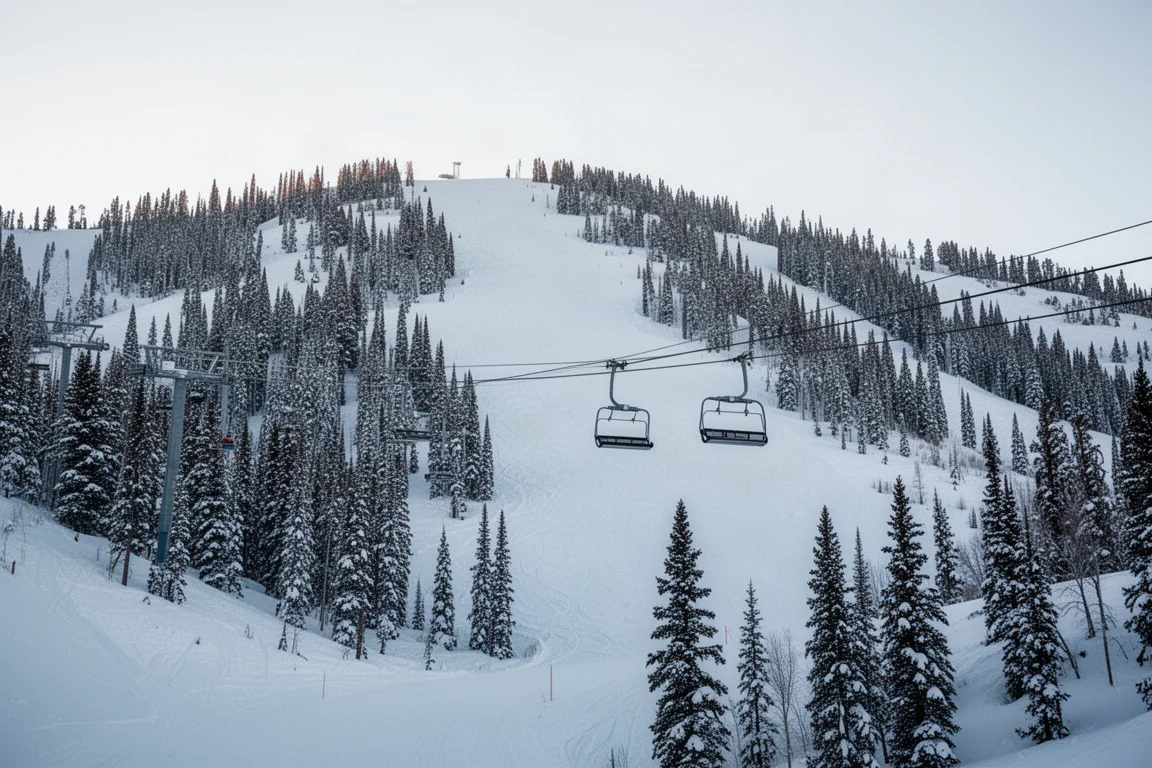
Whitefish is not the biggest resort out there, though it does boast over 2,000 skiable acres in northern Montana. It can face extremely tough visibility and variable weather through the course of a season. Even so, it is the best value of any mountain on this list.
One-day adult tickets average just $86 and top out at $94, with even better rates available on advance and multi-day pass purchases. The recent installation of the Snow Ghost Express six-pack means the resort rarely sees significant lift lines, even on peak holidays. For context, one-day Whitefish tickets sell for roughly 57 percent less than in-state rival Big Sky on average. Whitefish still offers incredible tree skiing, some genuinely gnarly expert lines, and a charming town.
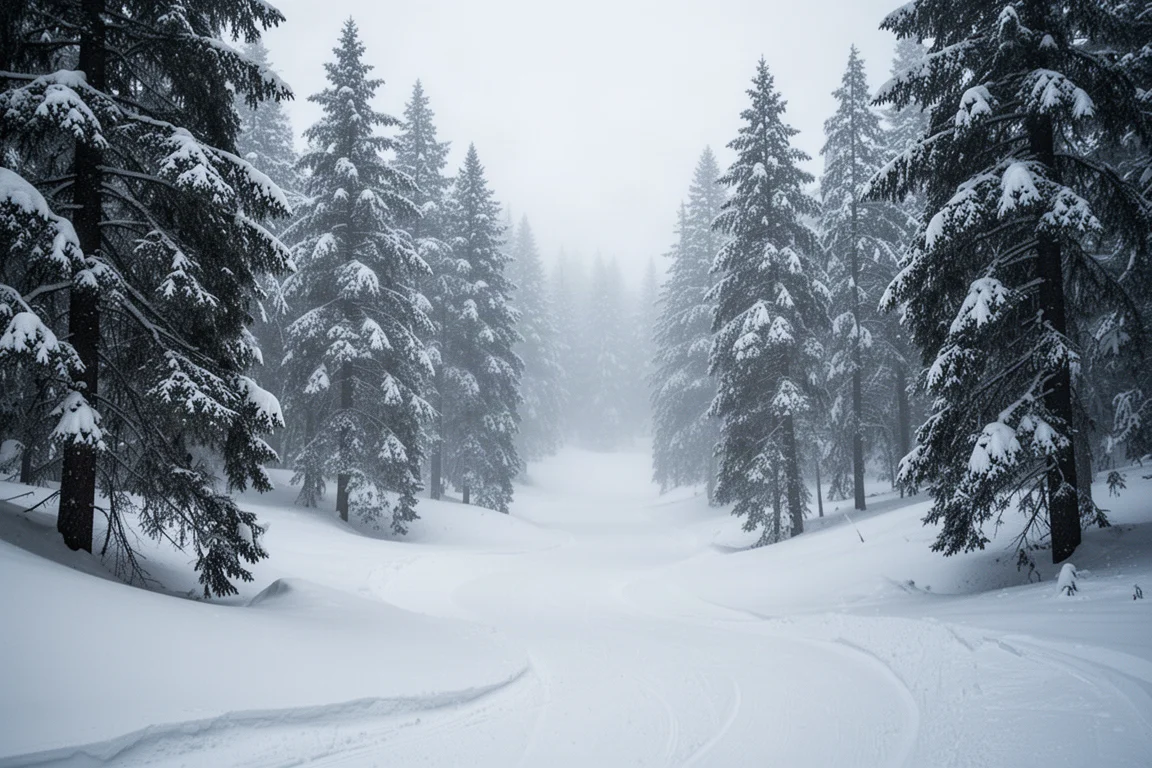
The main obstacle is access. Whitefish is quite remote, and Glacier Park International Airport is not the easiest to book, with no direct flights from many major cities. Despite that, the mountain has no business selling lift tickets under a hundred dollars for the quality of its slopes.
Overall Buying Advice
A theme runs through this list. The best-value mountains either have very limited on-site lodging or sit in Canada, where the exchange rate does part of the work. Both situations lower the ticket price but shift cost and effort elsewhere, usually into driving, flights, or a longer commute to the slopes.
If you want the deepest savings, target a chiefly drive-to mountain on an off-peak weekday. Weekday pricing is dramatically lower at several of these resorts, and the difference between an $89 weekday ticket and a $209 holiday ticket at the same mountain is the single biggest lever available. If you are travelling from outside Canada, the exchange rate on Canadian resorts is worth factoring into the total trip cost rather than judging the ticket alone.
Conclusion
Every resort here offers a well-above-average on-mountain experience for a ticket price that undercuts scores of similarly good competitors. Many of them are still expensive in absolute terms, and paying over a hundred dollars a day for any mountain is not a small commitment. But if you are going to spend the money, it is hard to make your dollar go further than at these peaks. Match the mountain to the kind of trip you actually want, and the value holds up.
Further reading
Related Reviews
Ski Travel
Best Ski Resorts in Western Canada: 8 Standout Mountains Ranked
A ranked guide to eight standout ski resorts in Western Canada, covering terrain, snowfall, lift flow, and which kind of skier each mountain suits best.
Ski Travel
Canada's Best Ski Trip Options: Seven Ways to Plan Your Next Mountain Getaway
From Whistler's big-resort buzz to the quiet Powder Highway, seven Canadian ski trip styles worth planning around, with honest trade-offs for each.
Ski Travel
Most Expensive Ski Lift Tickets in North America: 10 Resorts and What Their Pricing Means
Ten North American resorts now charge up to $279 for a single day on the mountain. Here is what each one delivers, and how to avoid paying window rates.