Running Shoes
The Most Expensive Running Shoes Right Now: A Category-by-Category Price Breakdown
From a $198 daily trainer to $310 carbon-plated trail racers, here is what the priciest performance running shoes on the market cost and what justifies the price.
Introduction
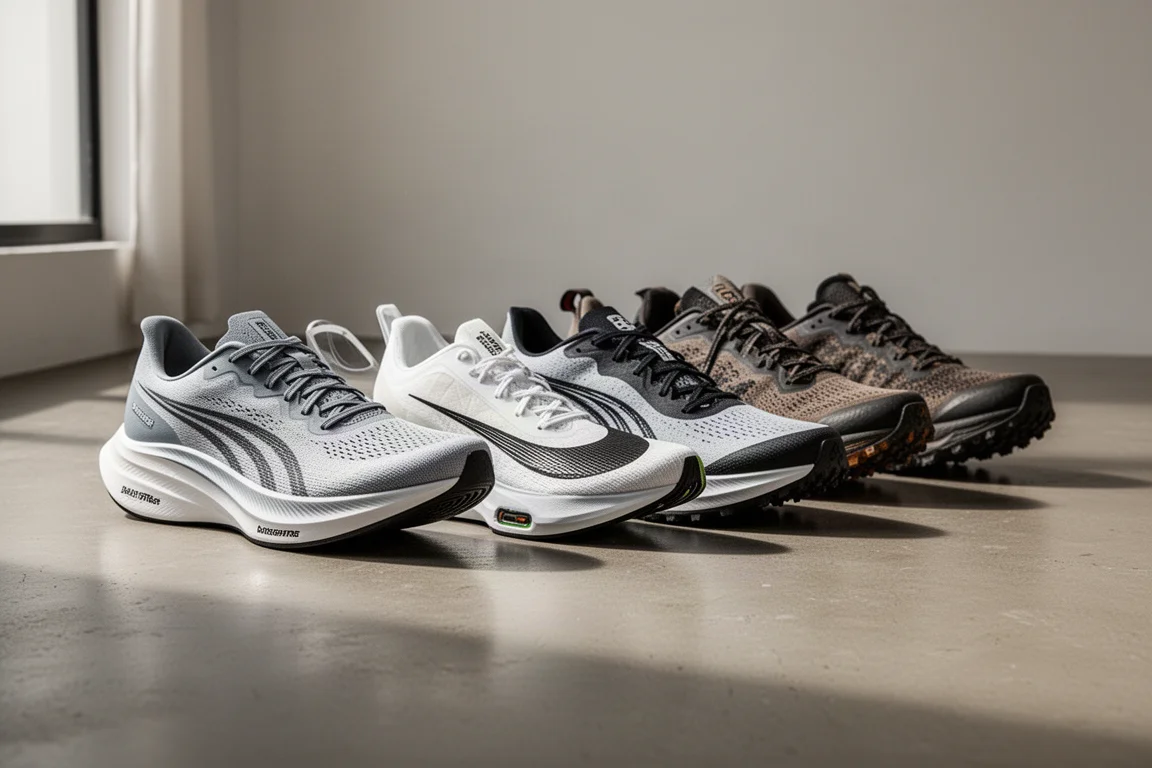
Performance running shoes have quietly gotten expensive. While plenty of super shoes now sit around the $250 mark, a handful of models across every category push well past that. This list looks only at true performance running shoes: no fashion collaborations, no lifestyle retros, just serious running shoes with a serious price tag.
The picks span four categories: daily trainers, tempo shoes, trail shoes, and carbon-plated racers. That matters because if the list were racers only, it would be wall-to-wall $250-plus carbon shoes. Spreading across categories shows where the premium pricing really comes from, and whether it is actually earned.
Most Expensive Daily Trainer: Tracksmith Elliott Runner
The priciest daily trainer on the market is the Tracksmith Elliott Runner at $198. The price is justified by a dual foam midsole: the sock liner uses supercritical PEBA foam, which is softer and bouncier, while the main midsole is a full-length bed of standard PEVA. That two-layer construction gives it a plush, energetic feel you do not usually get from a non-plated trainer.
There is also the brand factor. Tracksmith is a Boston-based boutique running brand, and boutique running brands charge a premium across everything they make, from winter running gear to shorts, half tights, and socks. That brand cachet is baked into the $198.
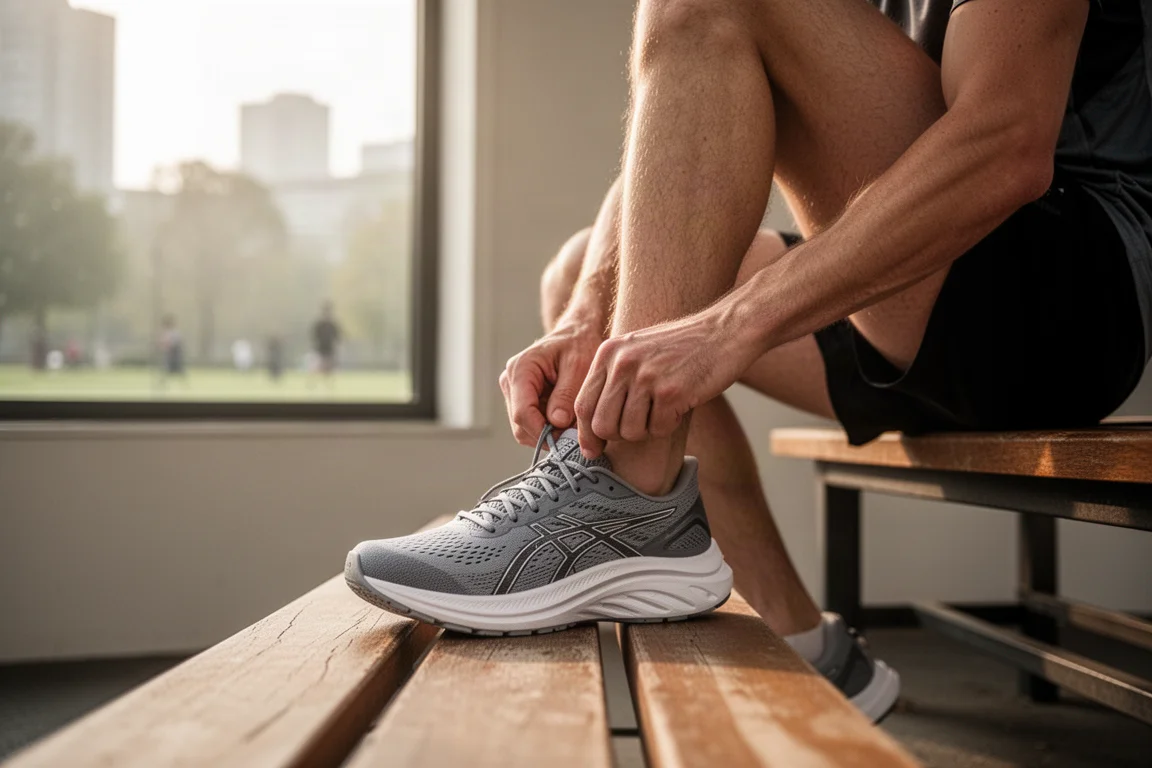
If you want a genuinely premium non-plated trainer with a distinctive build, this is the one. Just know you are paying for the brand as much as the foam.
Most Expensive Max-Cushion Trainer: Asics Superblast
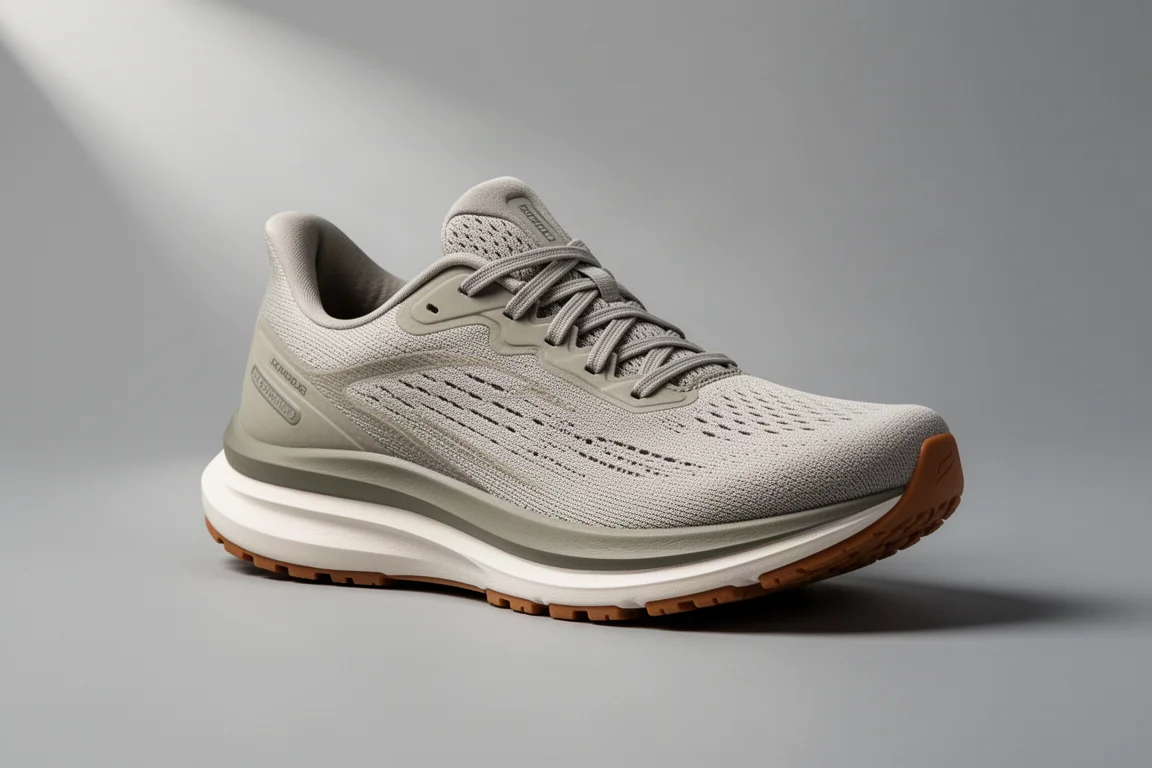
The Asics Superblast hits $200, making it the most expensive max-cushion trainer without a plate. What earns that price is the foam combination: Asics stacks their super foam, FF Turbo, on top of a standard midsole foam, giving a total stack height of 45.5 millimeters. That is one of the tallest stacks in the game.
Because the full stack is not entirely super foam, some of the premium you might expect is diluted by the standard EVA layer underneath. Still, the tall, bouncy ride makes it a favorite for long miles, and it is the benchmark for plateless max-cushion shoes.
Most Expensive Tempo Shoe: Nike Zoom Tempo Next%
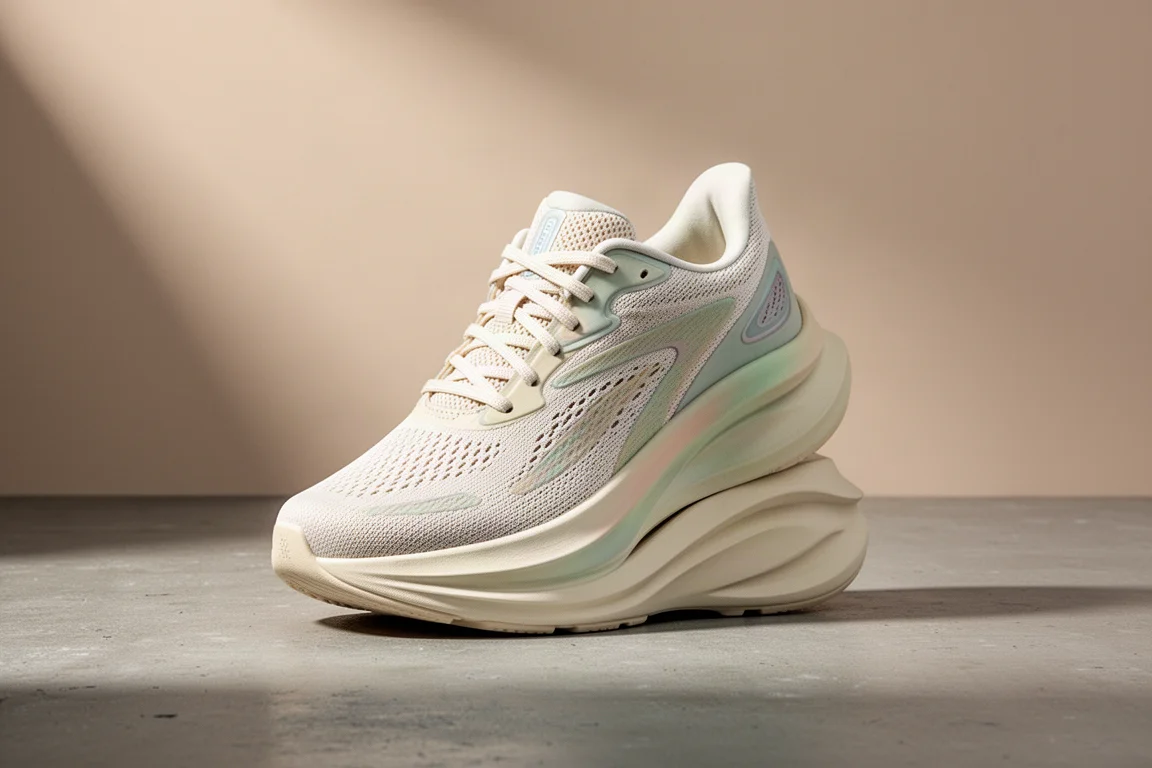
The most expensive tempo shoe is the Nike Zoom Tempo Next% at $200. It launched as a companion to the Alphafly and replaced the Pegasus Turbo, but it never quite reached that shoe’s level of desirability. It does have a carbon composite plate and ZoomX foam, but the ride lacks the pop of the Alphafly and reads as somewhat watered down by comparison.
The bigger problem is the market around it. Shoes using a similar formula, like the Adidas Adizero Magic Speed 3 and Puma Deviate Nitro 2, now sit around $160. At $200, the Tempo Next% feels hard to justify, especially in a super trainer segment that keeps getting more competitive.
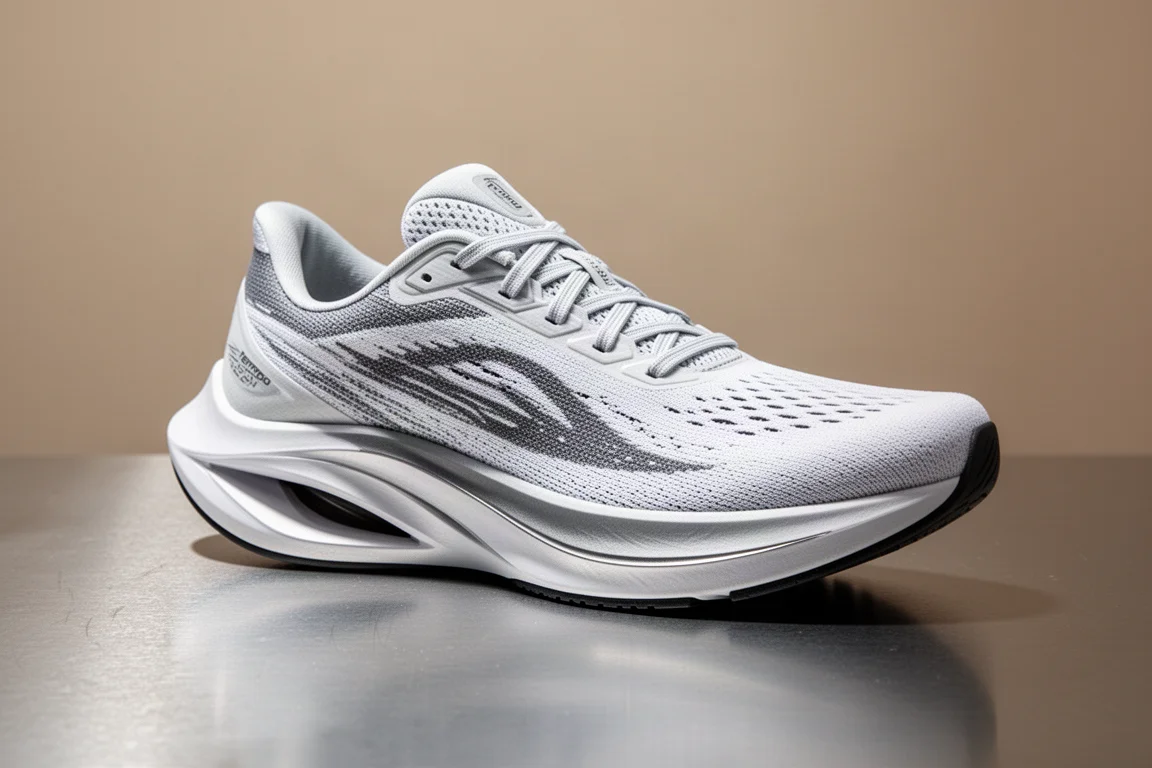
Most Expensive Trail Shoe: Speedland GS:TAM
The Speedland GS:TAM tops the trail category at $310. It is a carbon-plated trail racer built on a massive stack of PEBA foam, and that super foam is what drives the price to the top of the category. If you skip the carbon plate, you can grab it for $275; the carbon plates are an additional $35 on top.
Early feedback has been strong, and it lines up against plated trail racers like the Saucony Endorphin Edge and The North Face Vectiv Pro. This is a shoe that could genuinely take hold in the trail running community over the next couple of years.
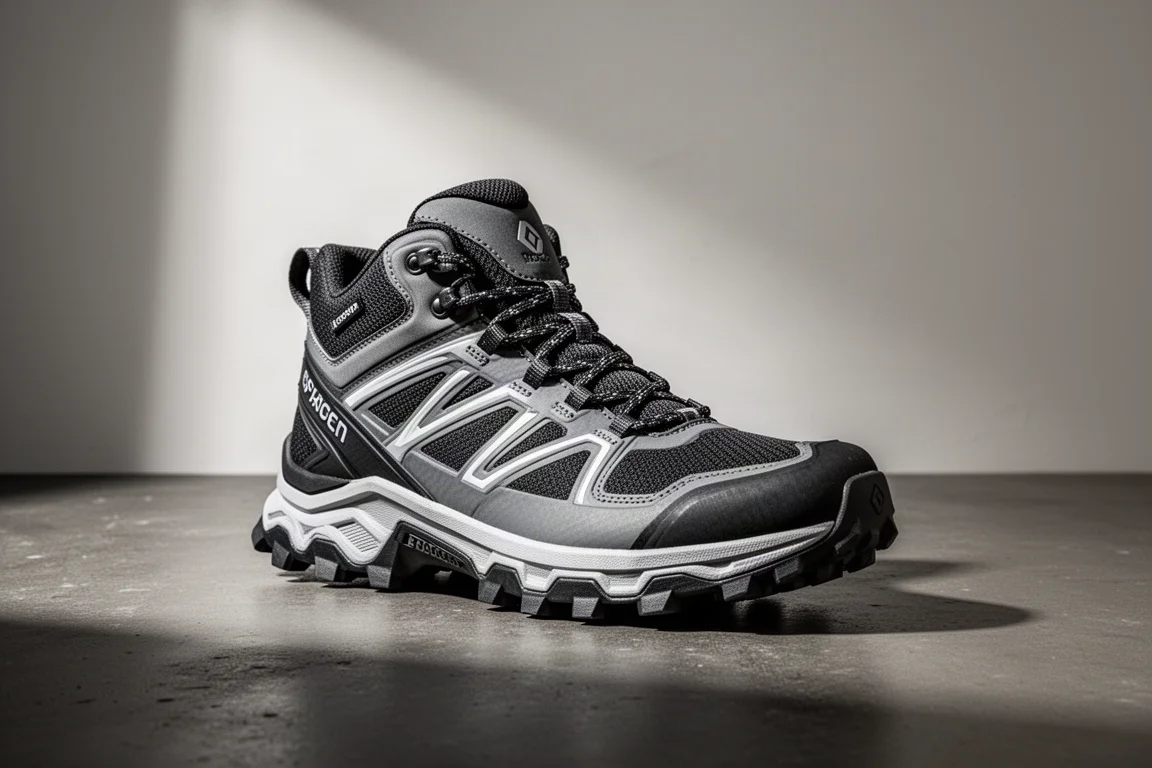
Most Expensive Non-Plated Trail Shoe: Norda 002
Norda 002 comes in at $295, which rounds up to a clean $300. Norda is a Canadian performance running brand focused entirely on building the best trail shoes, and the 002 is positioned as an additional model in the lineup rather than a replacement for the 001. It gets a slightly lower stack than the 001 and a $10 price bump to claim the top-tier spot in the range.
The lower stack should make it more nimble and responsive on technical trails than its sibling, which suits runners who want a faster, more connected feel underfoot.

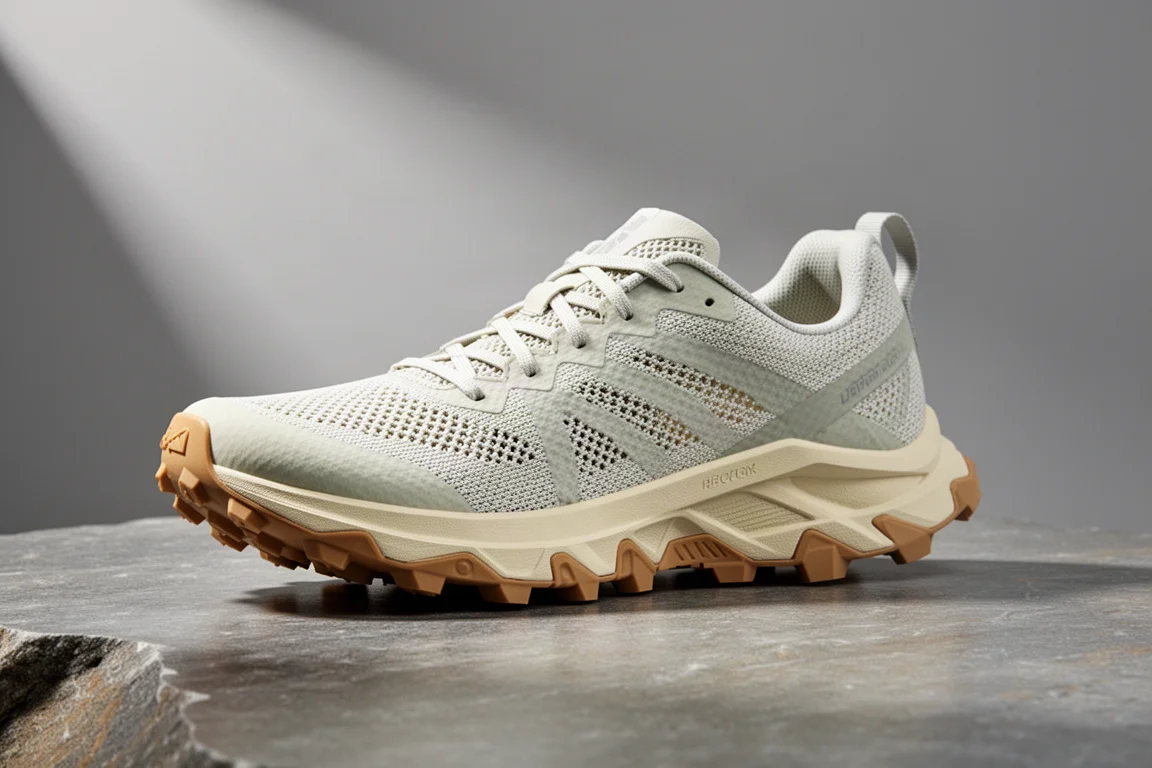
Norda 001: The Trail Shoe With a Dyneema Upper
The Norda 001 is the shoe that put the brand on the map, and it remains a standout. The upper is made from Dyneema, a material the company claims is stronger than steel, so it resists rips, abrasion, and scratches from rocks. The same Dyneema material runs through the laces as well.
Underneath, it uses a Vibram midsole, one of the only shoes on the market to do so, paired with a Vibram outsole for serious grip. It is super grippy, super tactile, and beautifully constructed overall, the kind of shoe that holds up on multi-day trail racing weekends without complaint.
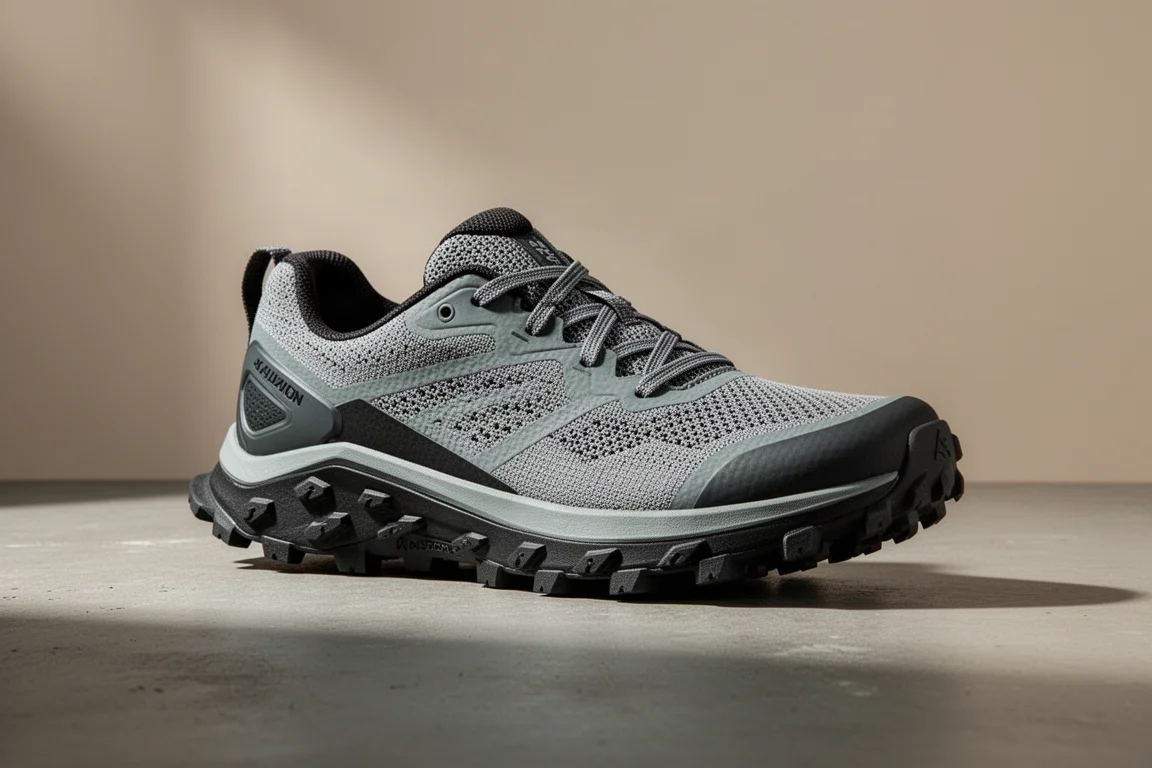
Most Expensive Carbon-Plated Racer: On Cloudboom Echo 3
The On Cloudboom Echo 3 is the most expensive carbon-plated racer on the market at $290. It has a full PEBA midsole with a lower profile than something like the Vaporfly, and the ride has been described as snappy and responsive. It is a legit super shoe.
The question is the price. Is the $40 premium over the Nike Vaporfly or Adidas Adizero Adios Pro worth it? On is used to charging a $10 to $20 premium on daily trainers, where buyers are more mainstream and trend-driven. But race day shoe buyers are influenced by what works, and On has not yet proven a performance edge that justifies $290 here. Probably not, is the honest answer.
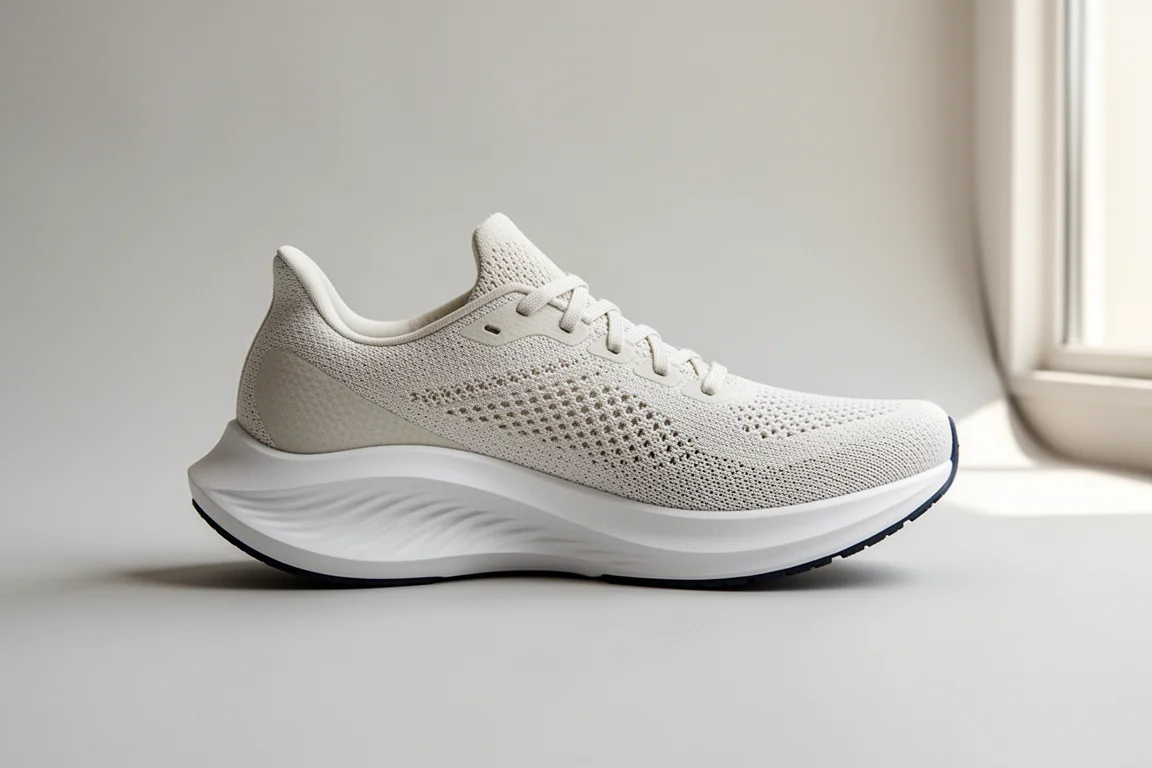
Nike Alphafly Next% 2: The Proven Race Day Weapon
At $275, the Nike Alphafly Next% 2 is tied for the second-most-expensive carbon racer. This is the lineage of the famed shoe worn when Eliud Kipchoge set his sub-two marathon record, now in its second iteration. It keeps the Zoom Air unit in the forefoot, the carbon fiber plate, and the ZoomX PEBA midsole, retaining the performance qualities of the original.
Is it worth the money? Absolutely. If it is still good enough for Kipchoge to race in, it is good enough for the rest of us.

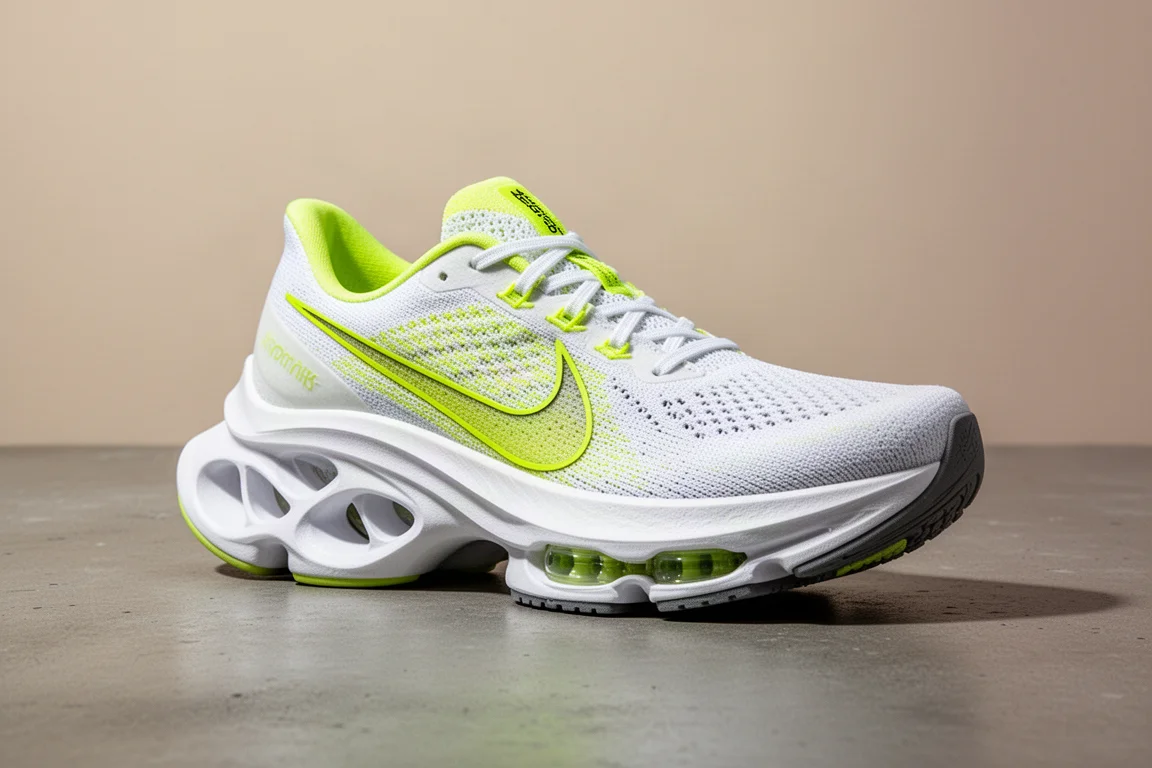
Saucony Endorphin Elite: The New King of the Saucony Lineup
Tied with the Alphafly at $275 is the Saucony Endorphin Elite, the new flagship above the $250 Endorphin Pro 3. The key difference is the foam: the Elite uses PWRRUN HG, a supercritical foam injected with gas during processing, which makes it bouncier, denser, and more responsive than the non-supercritical PWRRUN PB in the Pro.
It also has a slotted carbon fiber plate for cornering and forefoot flexibility, plus a very aggressive rocker. Early feedback says the price is worth it because you get a faster feel than the Pro. The worry is what the $275 price point signals to the rest of the market: it invites a price war at the top of the super shoe category, with $300 race shoes becoming the norm.
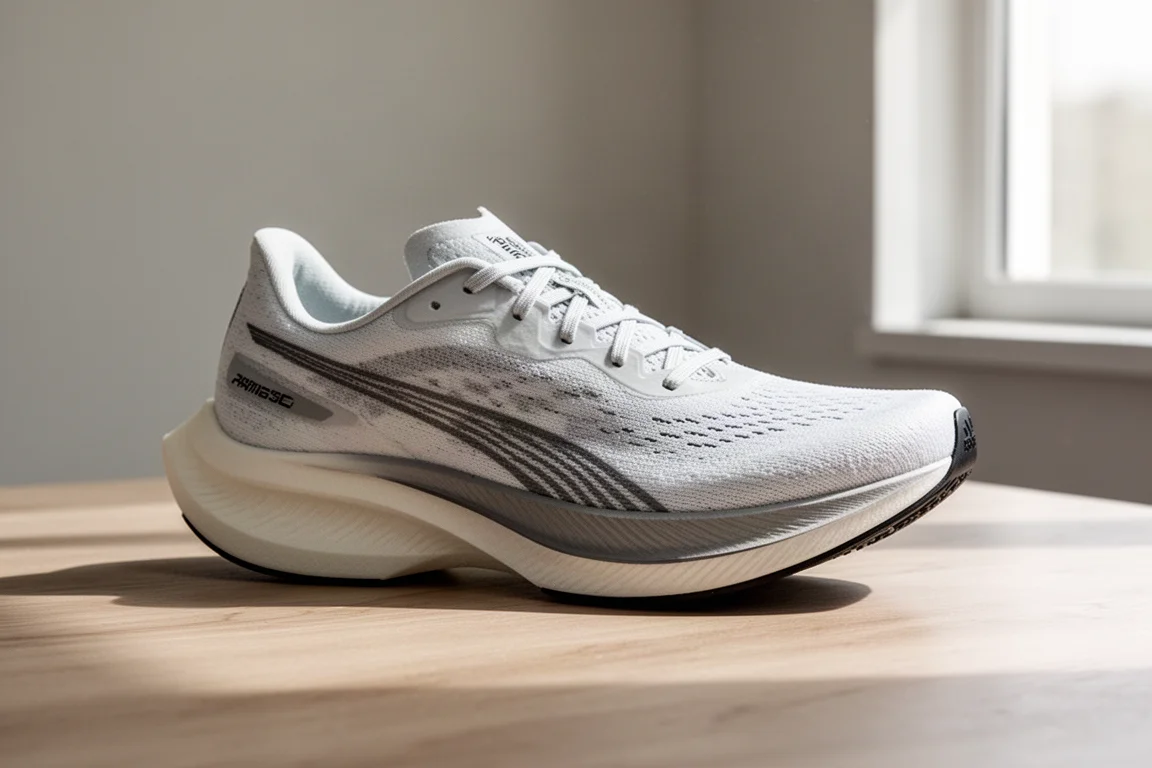
Most Expensive Max-Cushion Recovery Shoe: Adidas Prime X Strung
The Adidas Prime X Strung, at $300, is arguably the most expensive max-cushion recovery shoe you can buy. It carries a massive 50 millimeter stack of Lightstrike Pro, Adidas’ supercritical, very bouncy and responsive compound. The ride is a bit unstable, but it effectively does the work of running for you, making easy paces feel effortless while still adapting when you want to pick things up.
Unlike other max-cushion shoes, it never feels heavy or clunky thanks to plates and rods that reinforce the ride and add pop. Compare it to the Superblast: that shoe uses a dual foam layer rather than full super foam and has no plate. The Prime X goes full super foam with plates, plus proprietary Strung upper technology, so the $300 has a real case behind it. Worth it? Maybe, but the justification is solid.
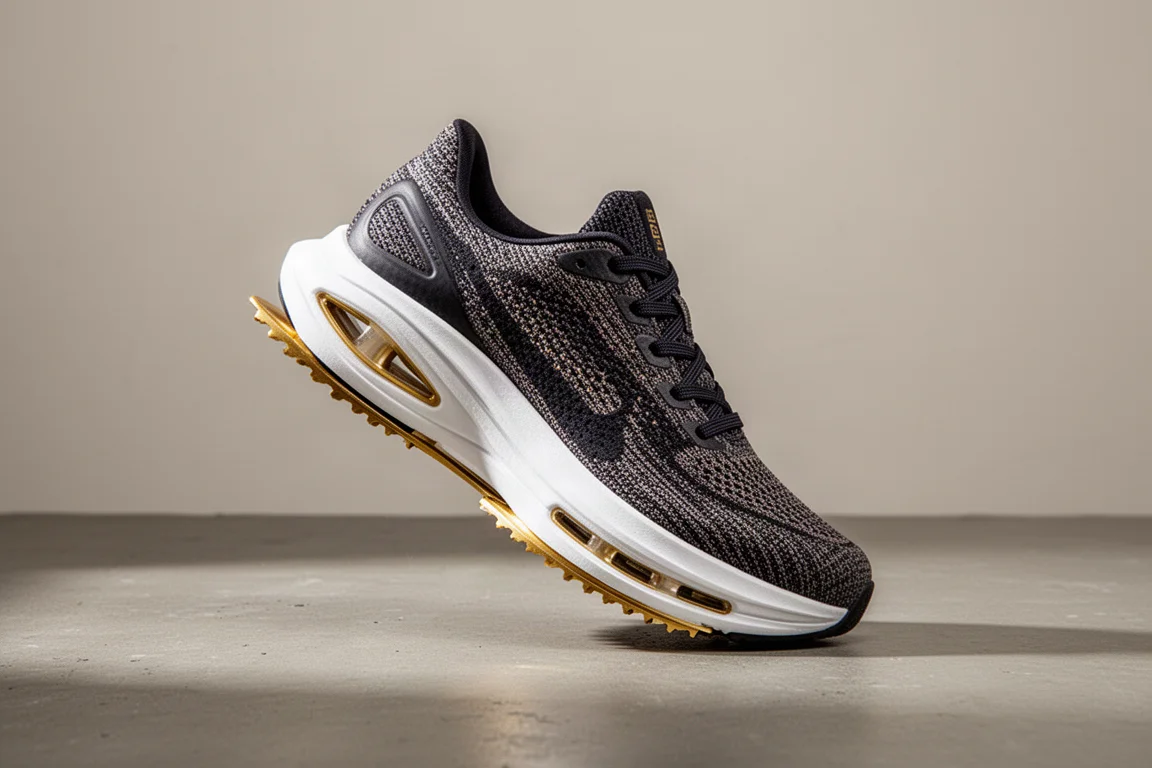
APL TechLoom Zipline: The $300 Fashion-Forward Pick
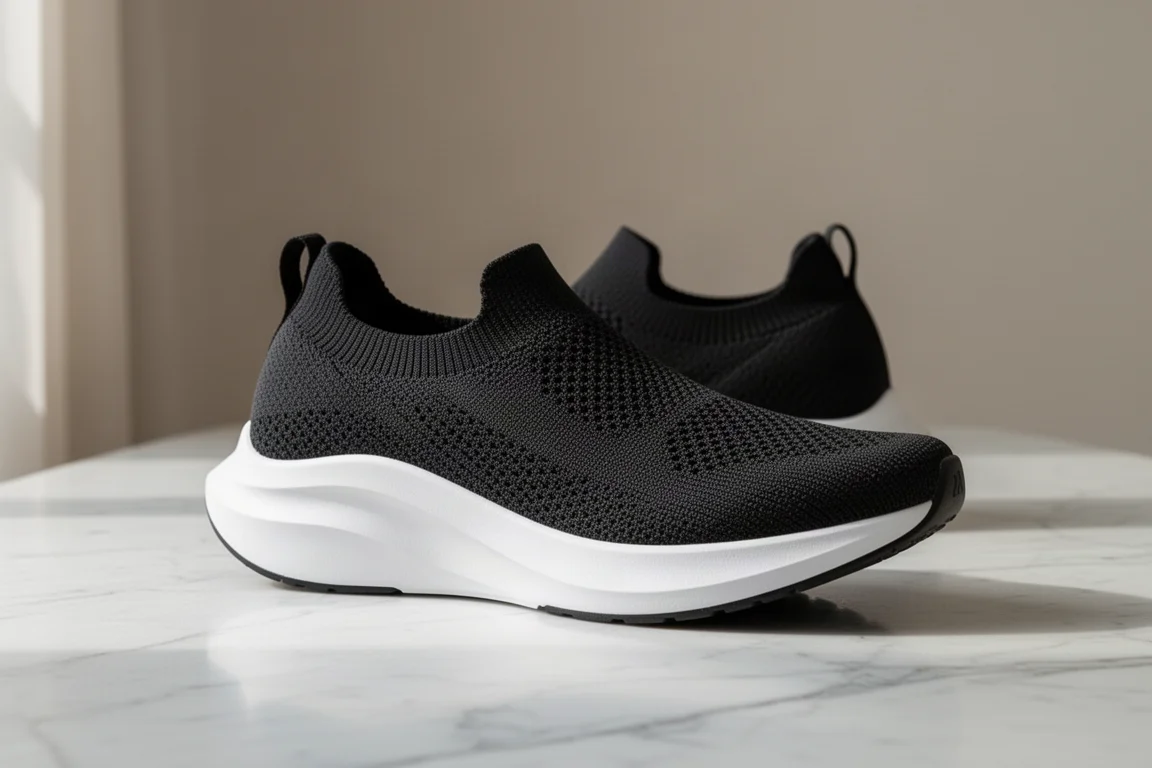
The most expensive running shoe overall is the APL TechLoom Zipline at $300, a performance trainer from a fashion-first brand. APL made its name with basketball shoes that essentially put mini trampolines in the midsole, earning an NBA ban for helping players jump too high. The TechLoom Zipline is their play at a legitimate daily trainer, and it has picked up good reviews.
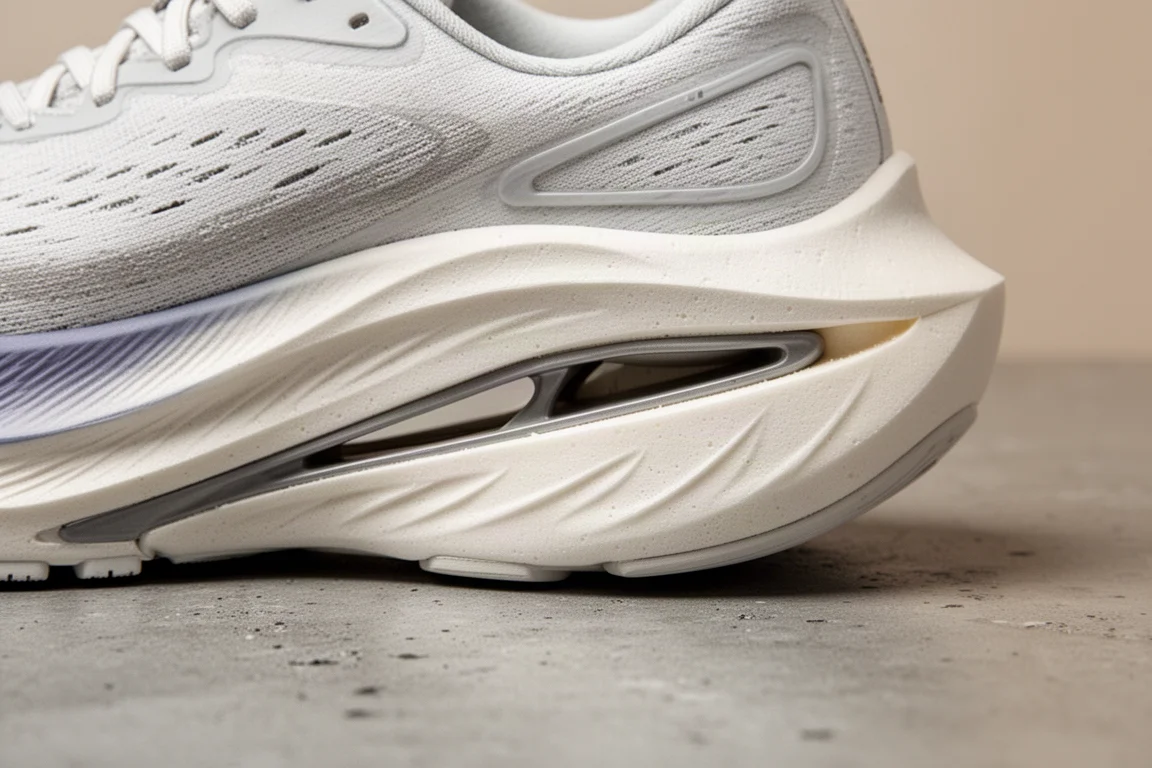
The catch is the midsole: it is still EVA-based, whatever the marketing chooses to call the foam. An EVA midsole in a $300 performance shoe is hard to defend on materials alone; only a fashion brand like APL has the pull to move it at that price. It belongs outside the serious daily trainer category, even though it is a real running shoe you can genuinely run in.
Overall Buying Advice
Looking across the list, the pattern is clear. Premium prices are easiest to defend when supercritical foams, carbon plates, and rare materials like Dyneema are actually in the shoe, as with the Prime X Strung, Endorphin Elite, Alphafly Next% 2, and Norda lineup. They are hardest to defend when the premium rests mainly on brand cachet or an EVA midsole, as with the Tempo Next% and the TechLoom Zipline.
If you are shopping at the top end, match the shoe to the job: plated trail racers for fast mountain races, max-cushion super stacks for recovery and long miles, and proven carbon racers for race day. And expect $300 super shoes to keep climbing, because the pricing ladder at the top of the market is only going up from here.
Conclusion
The most expensive running shoes today range from a $198 boutique daily trainer to $300-plus super foam monsters and trail shoes built with aerospace-grade fibers. Some of these price tags are earned with genuinely advanced materials and construction; others ride on brand prestige alone. Knowing which is which is the difference between buying performance and buying a label.
Further reading
Related Reviews

Running Shoes
Best Road-to-Trail Running Shoes: Three Versatile Options for Mixed Terrain
A practical guide to three road-to-trail running shoes that handle both pavement and mild trails, with clear strengths and trade-offs for different runner types.

Running Shoes
Best Running Shoes for Achilles Tendonitis: Three Options Explained
Three running shoes with different heel drops and support features designed to help reduce Achilles tendon pain during walking and running.

Running Shoes
Best Running Shoes for Women: Five Top Choices Ranked
A ranked guide to five women's running shoes, from versatile daily trainers to high-performance racing options, with real strengths and trade-offs for each.