Cookware
12 Expensive Pots and Pans Tested: Which Ones Are Worth It
We tested the priciest skillets, fry pans, and Dutch ovens from Field Company, All-Clad, Hestan, Demeyere, Le Creuset, and more. Here is what justifies its price.
Introduction
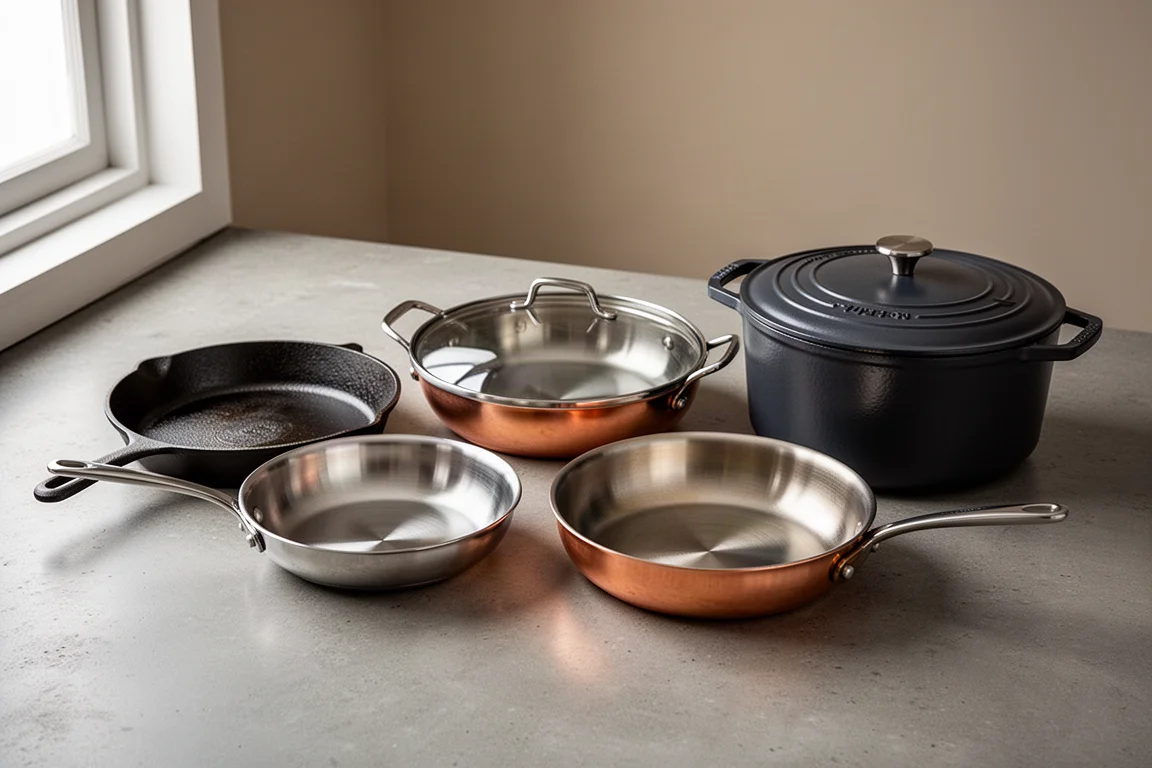
We have tested dozens of cookware brands over the years, and some of the most interesting results come from the most expensive pieces. This roundup covers twelve premium pots and pans, including the priciest skillet we have ever tested, and explains which ones justify their cost and which ones do not. Where a cheaper alternative performs nearly the same, we name that too.
Field Company 12-Inch Cast Iron Skillet
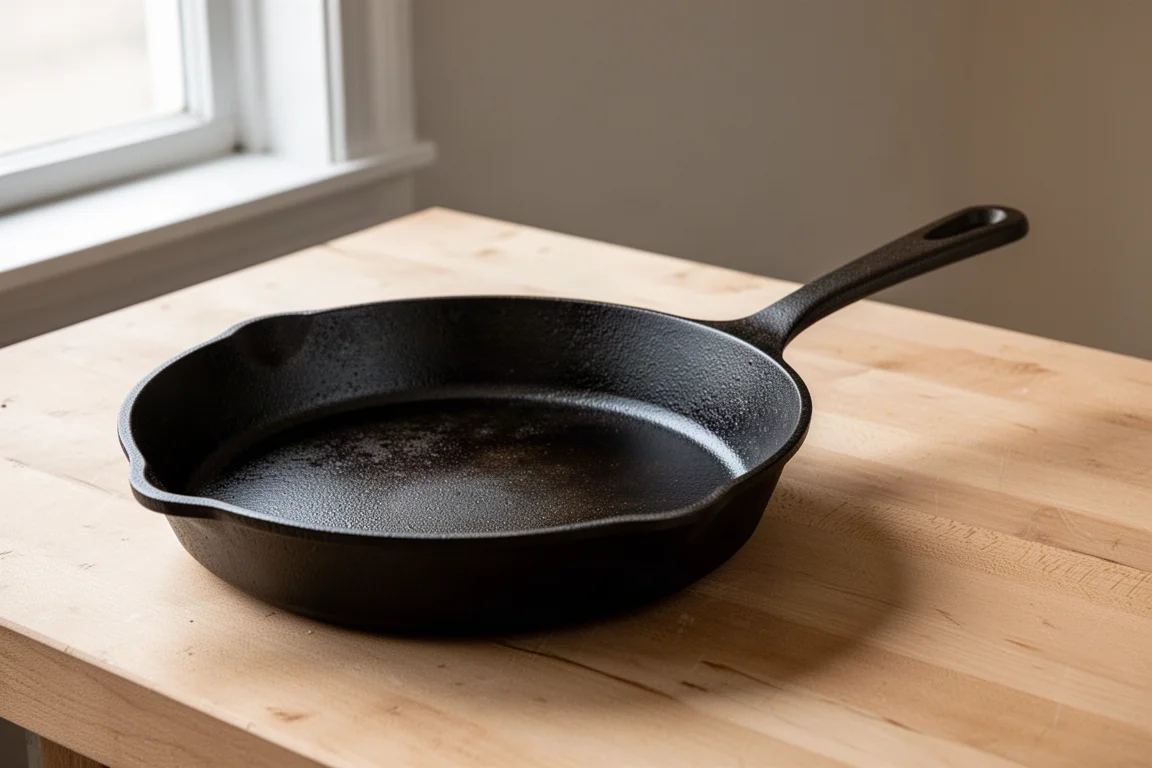
The Field Company 12-inch cast iron skillet is listed at $215 on FieldCompany.com, roughly seven times the price of the top-selling cast iron brand on the market, Lodge. The main benefit is that it is lightweight and heats fast, but because the construction is thinner than most cast iron skillets, it does not retain heat as well.
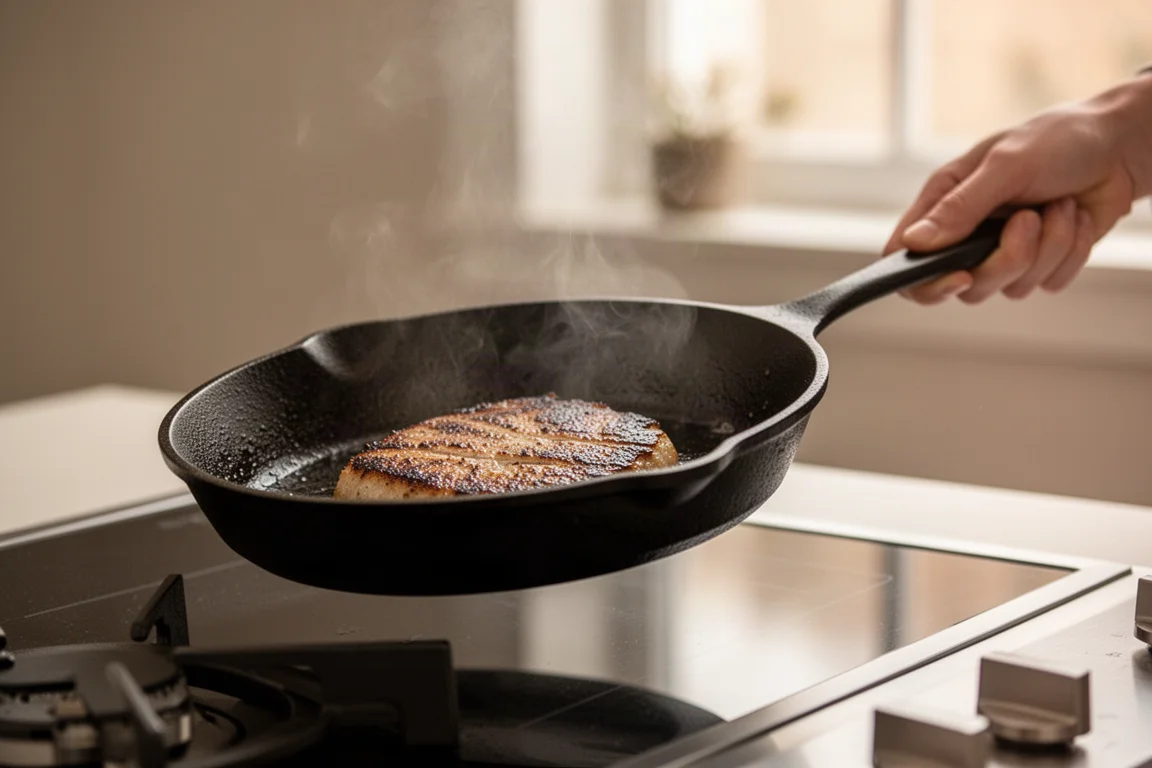
If you want a cast iron skillet that is easy to move around, Field is worth the money. If weight is not a priority, a carbon steel skillet from Matfer or Made In delivers similar performance at a lower cost.
360 Cookware 11.5-Inch Frying Pan
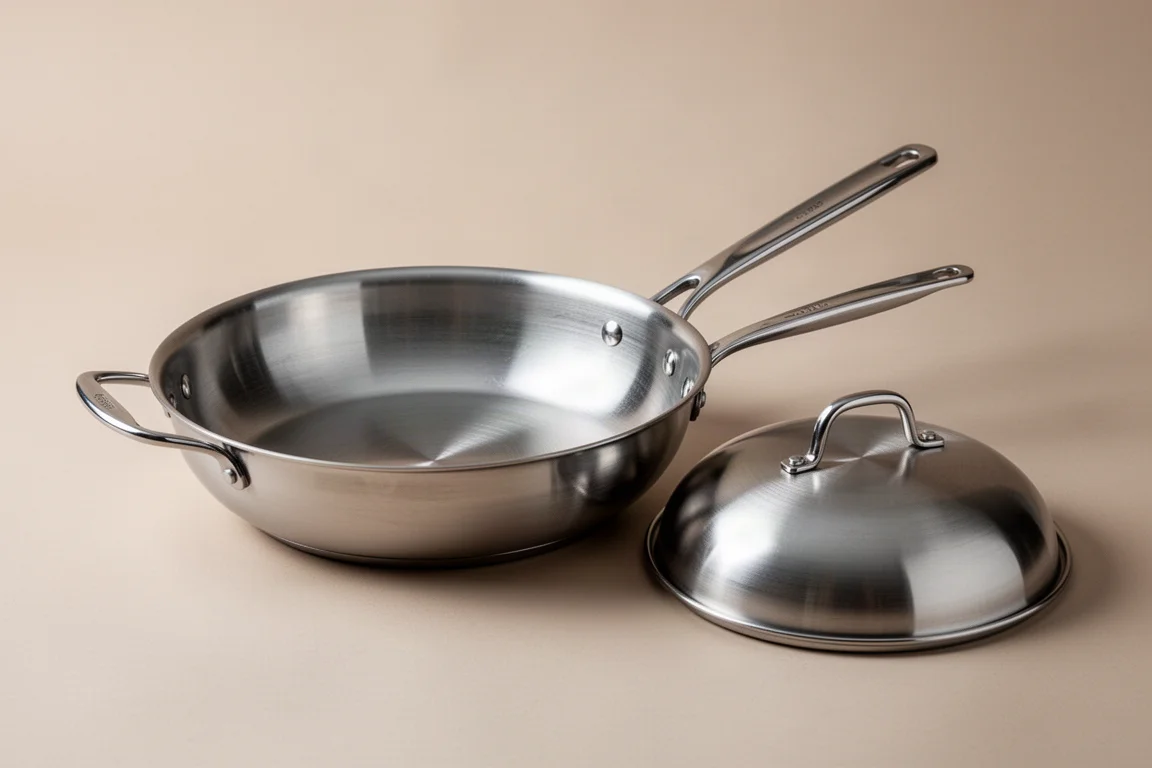
360 Cookware makes good quality stainless steel cookware in the USA, but it is expensive: the 11.5-inch frying pan is $220 on 360Cookware.com. The headline feature is the brand’s “vapor cooking” technology, where the lid seals tightly to lock in moisture so food cooks in its natural juices with little to no added fat.
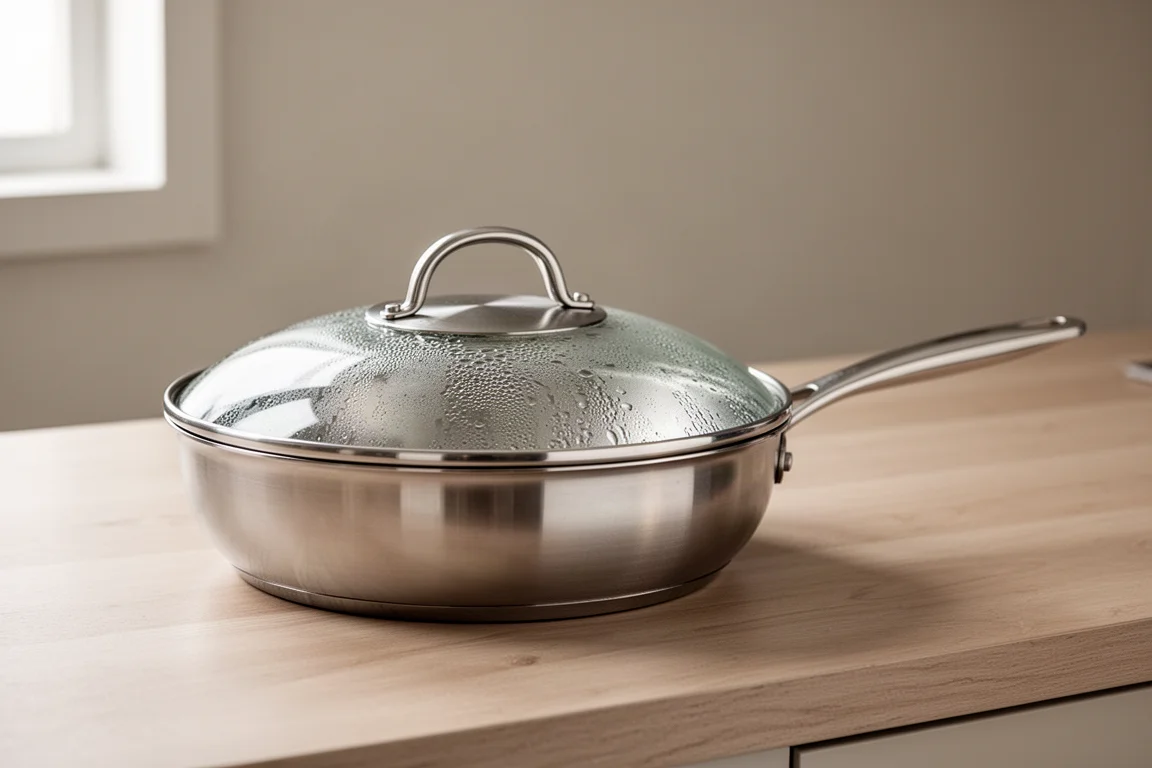
In testing, vapor cooking proved messy and easy to burn food with if you do not do it right. The helper handle also sticks out more than necessary without being wide enough to fit a hand comfortably. Unless you are specifically into vapor cooking, brands like Goldilocks and Tramontina offer similar performance for far less.
All-Clad D5 12-Inch Fry Pan
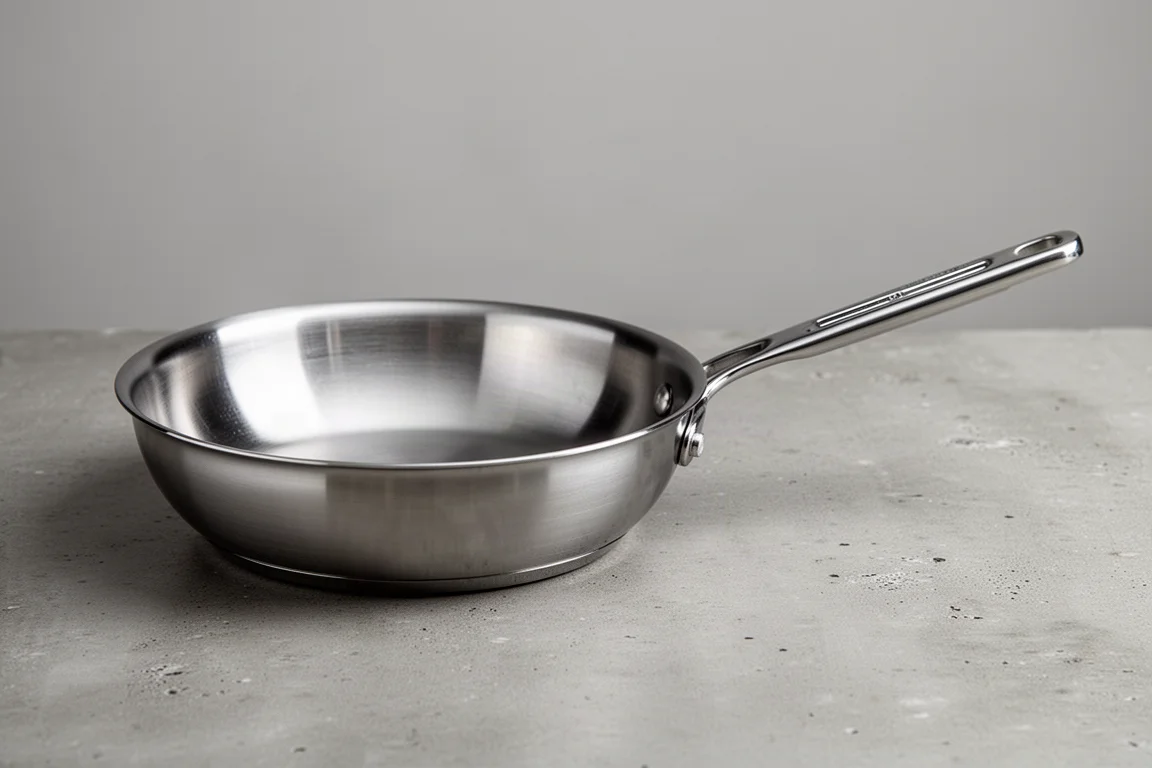
The All-Clad D5 12-inch fry pan costs $250 on All-Clad.com. It is made in the USA, the brushed finish hides fingerprints and smudges, and performance is excellent. The main downside besides price is the handle: it has a deep groove on top that prevents your hand from slipping, but it is not the most comfortable design to hold.
If you are a fan of that handle, All-Clad D5 is worth the investment. If you prefer rounder or flatter handles, Made In, Heritage Steel, and All-Clad D3 Everyday are cheaper and better options.
Hestan ProBond 12.5-Inch Frying Pan
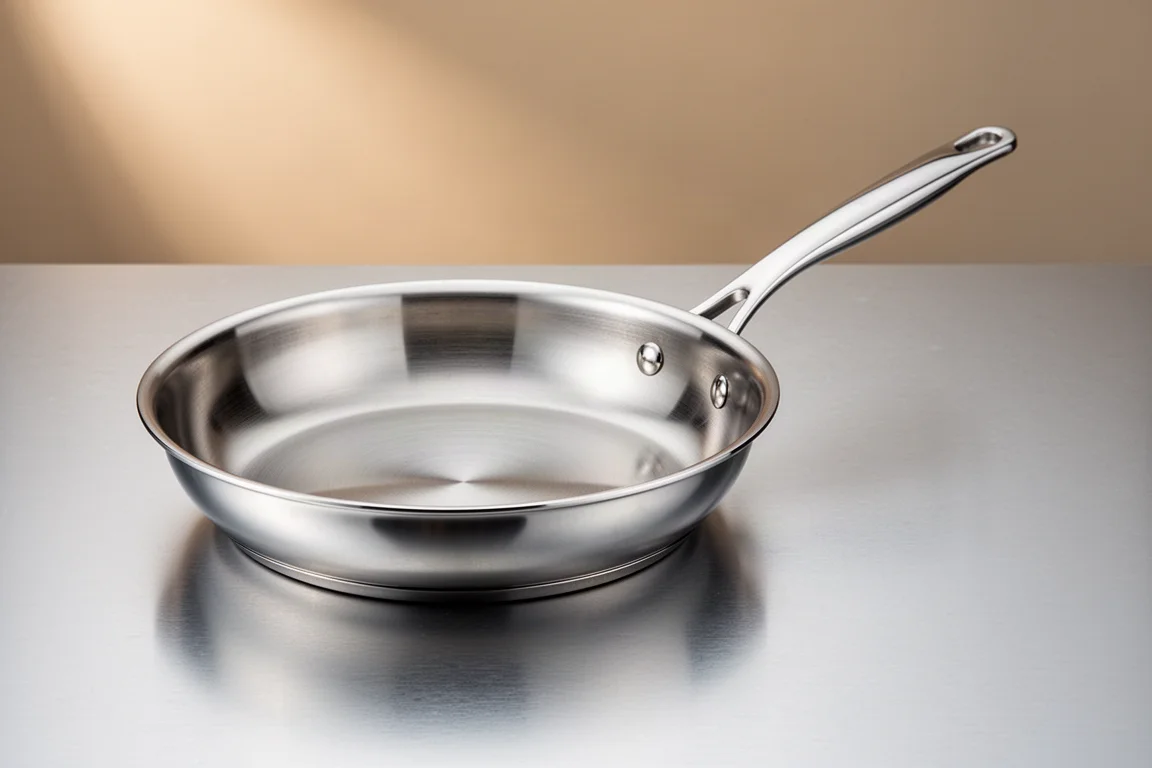
The Hestan ProBond 12.5-inch frying pan is listed for $250 on Hestan’s website, about the same as All-Clad D5. It brings genuine upgrades, including sealed rims, flush rivets, and a more comfortable handle. One minor complaint: the end of the handle is thin and the hanging loop is unnecessarily large, so you cannot grip the whole handle and need to choke up a bit.
If you want high-end stainless steel cookware that will last, ProBond is a solid investment. If sealed rims and flush rivets do not matter to you, the high price is hard to justify.
Hestan ProBond TITUM
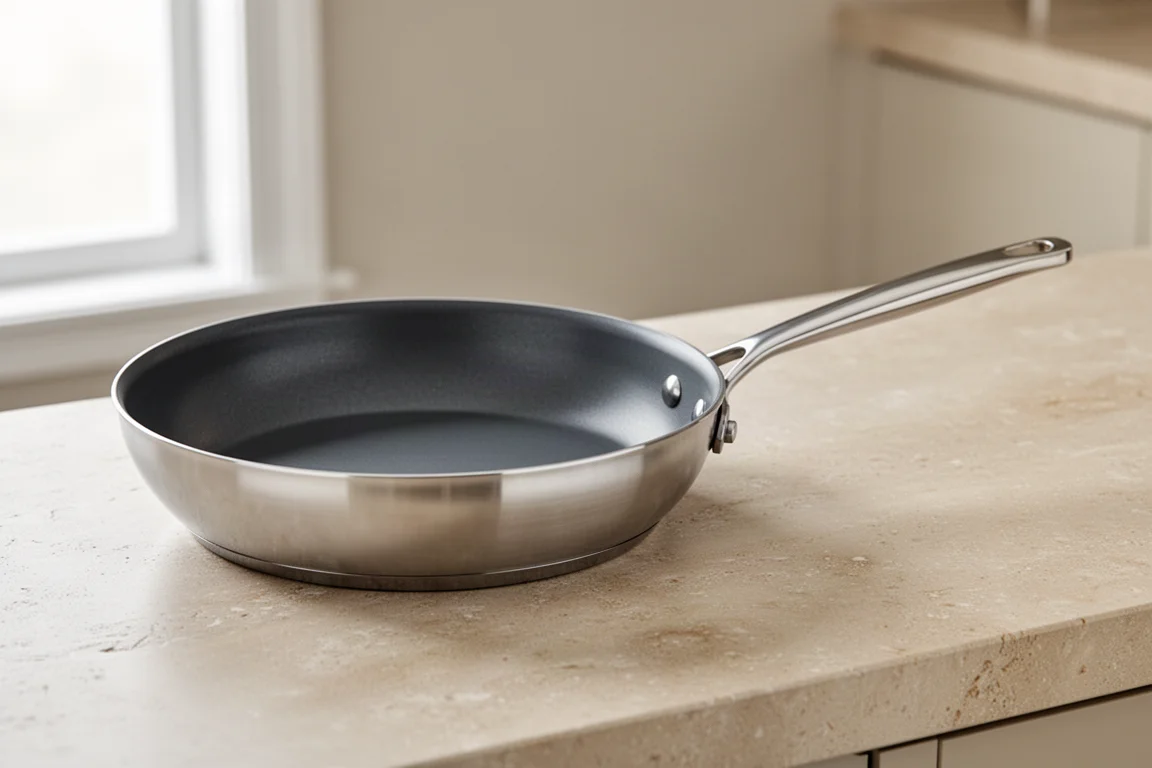
Within the ProBond collection is a series called ProBond TITUM. These pans share the same construction and design, but the cooking surface has a non-stick coating, and a 12.5-inch pan is listed at $270 on Hestan’s website. Regardless of how well it performs, no one should spend $270 on a non-stick pan. Stainless steel and cast iron can justify that investment because they can last forever; non-stick cannot. Unless you baby them, most non-stick pans need replacing within five years.
A pan like the Tramontina Professional costs less than $50 on Tramontina’s website and performs almost the same.
All-Clad Copper Core 12-Inch Pan
All-Clad Copper Core is similar to D5, but the handle is longer at almost nine and a half inches, the exterior is polished, and instead of a thin steel core it uses a thick copper core. Copper delivers fast, even heating, but it makes the pan heavier and much pricier: $280 on All-Clad.com when on sale, and considerably more otherwise.
The added benefits are nice to have but not essential. For home cooks, aluminum-core stainless pans like All-Clad D3, Made In, and Heritage Steel are a much better value.
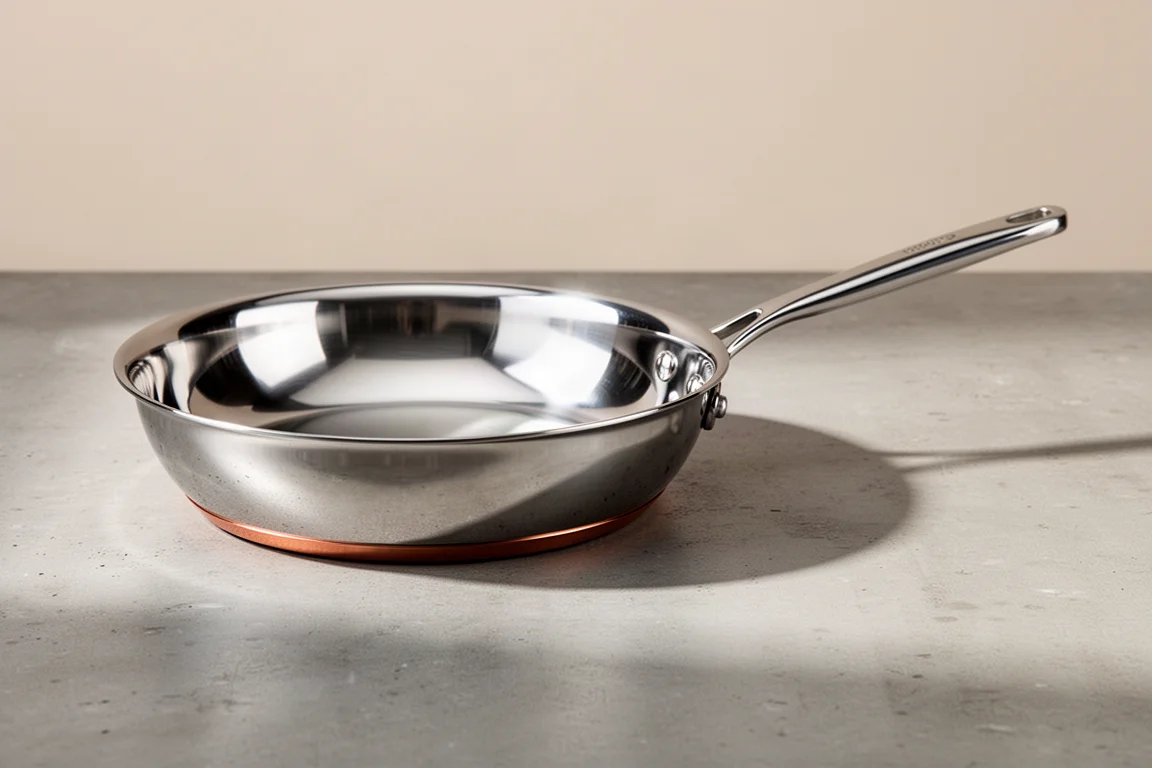
Demeyere Atlantis Proline 11-Inch Frying Pan
The Demeyere Atlantis Proline 11-inch frying pan is listed for $300 on Zwilling.com, and what you buy at that price is thickness. At 5.5 mm, it is nearly twice as thick as brands like All-Clad and Hestan. It heats slower but retains heat much better, cooking like cast iron without the seasoning or maintenance that cast iron requires.
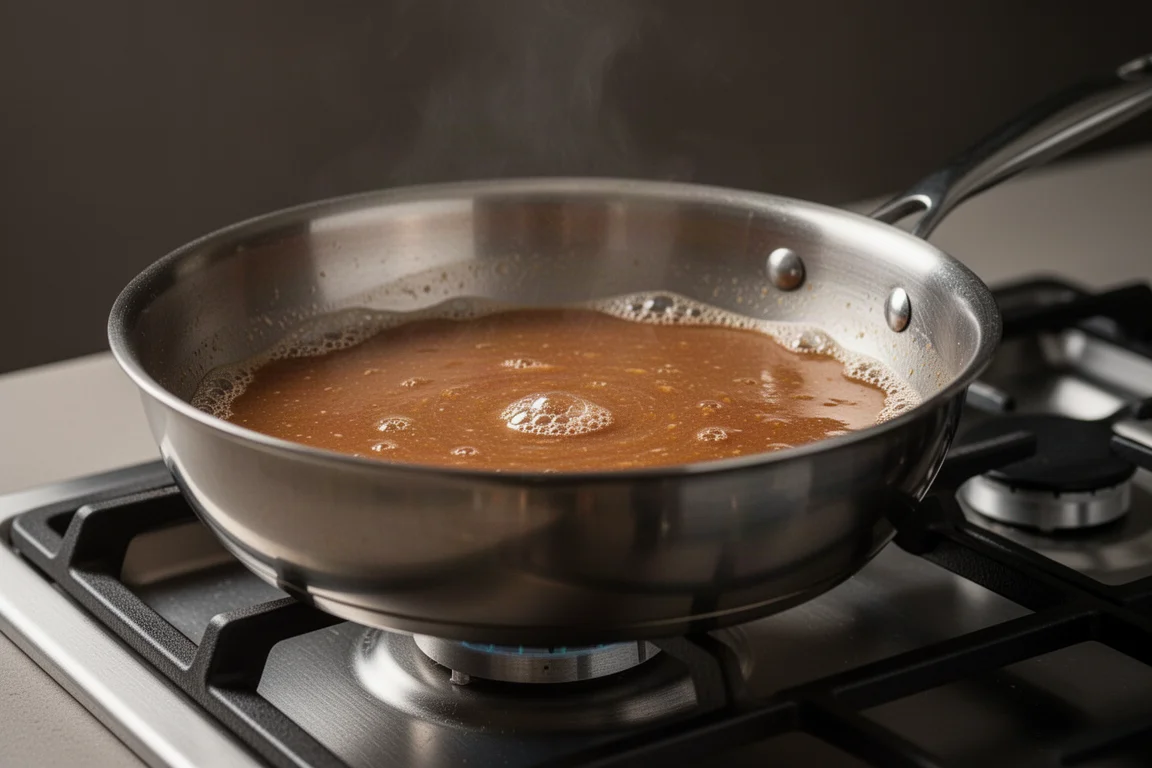
One warning: the welded handle can break off. It is rare, but it happened during testing. If you accept that risk, this collection is genuinely worth it.
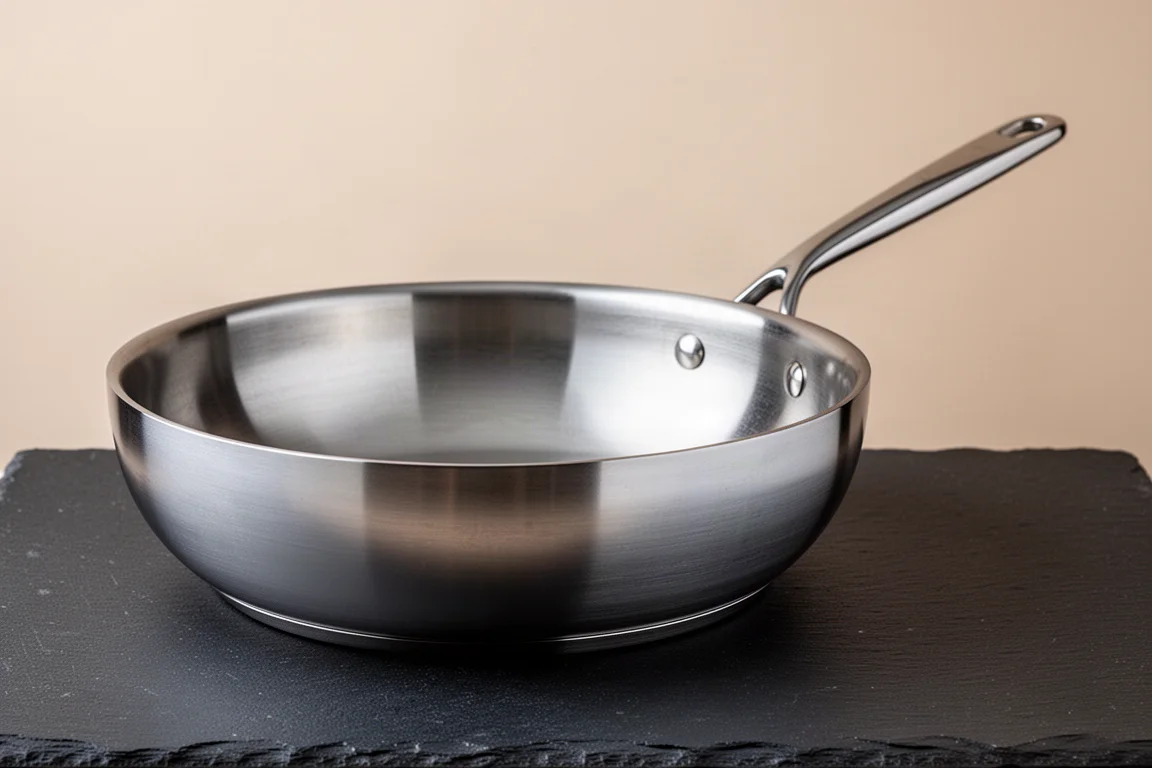
Le Creuset and Staub 5.5-Quart Dutch Ovens
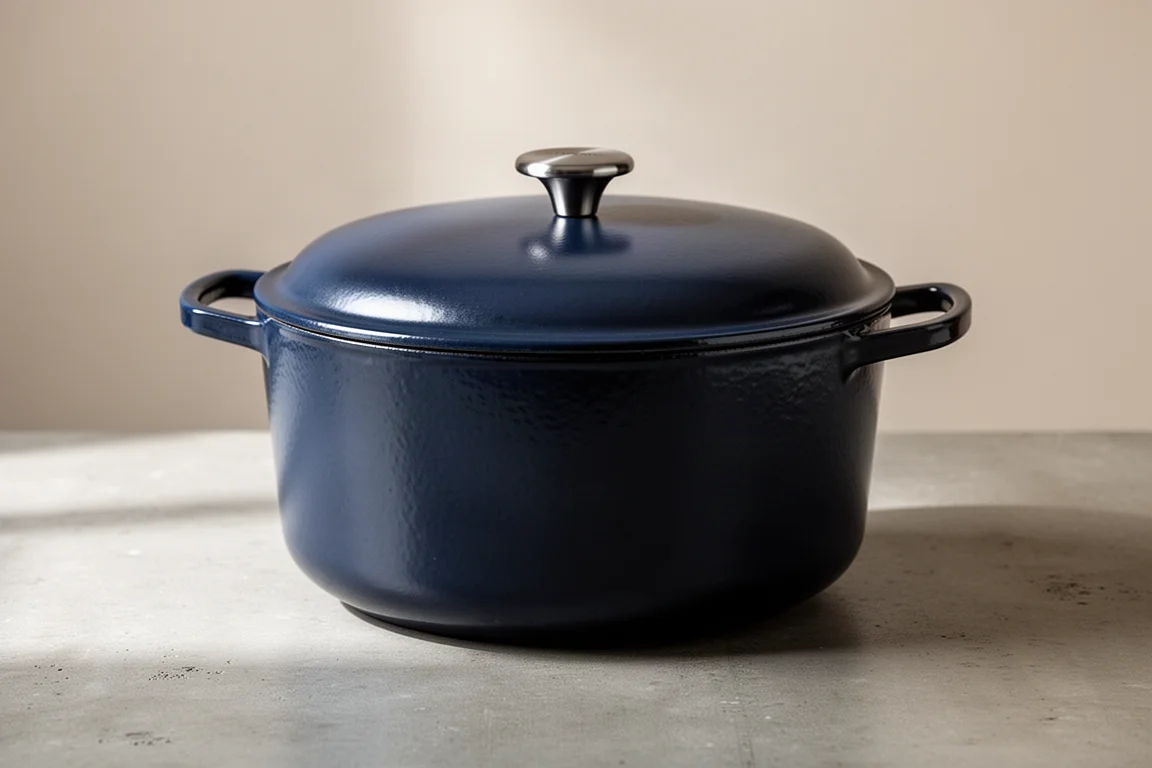
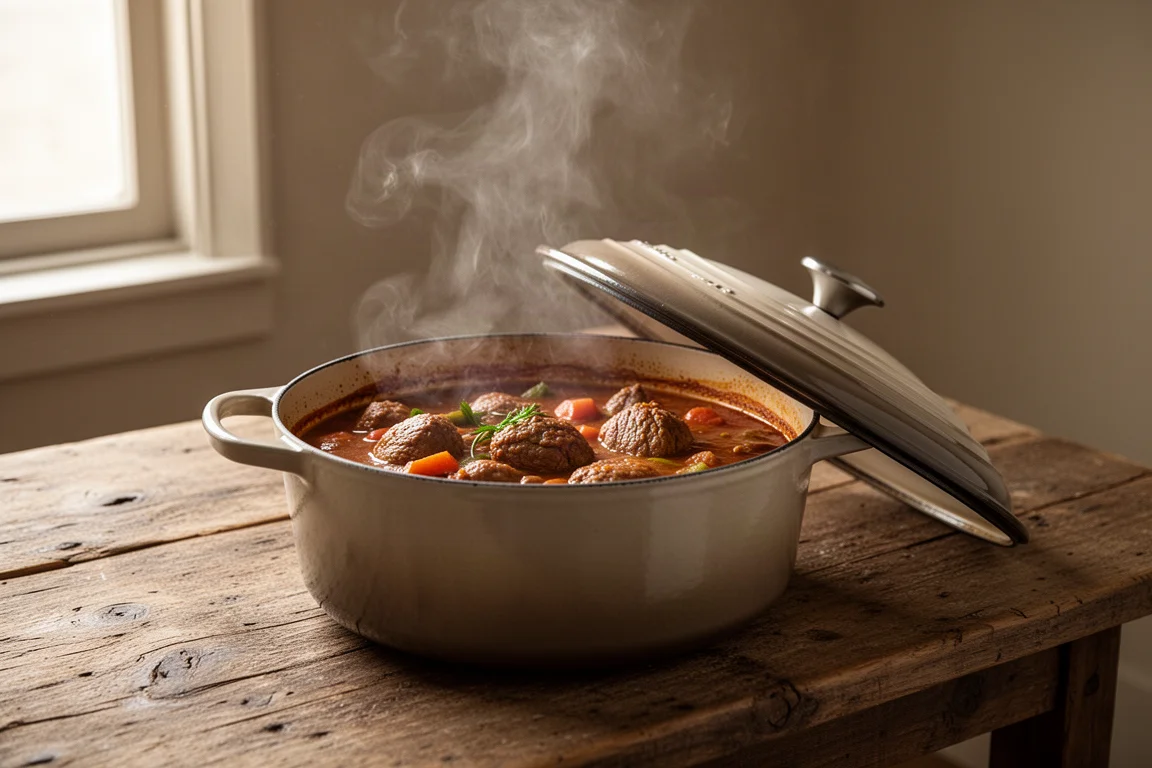
Le Creuset and Staub are two of the most popular enameled cast iron brands, and two of the most expensive, with both 5.5-quart Dutch ovens listed around $400 on their websites, some colors costing even more. Both perform exceptionally well and can last for decades. Their heavy lids lock in moisture, and the thick walls retain heat and maintain steady temperatures.
Le Creuset has two main advantages over Staub: wider handles and more colors. However, testing shows Staub retains moisture better, and its self-basting lid distributes liquid more evenly over the pot.
Cheaper Dutch ovens exist, but enamel chipping issues are much more common with those brands, which is why investing in Le Creuset or Staub is worthwhile if it fits your budget. If it does not, Cuisinart, Tramontina, and Made In are great alternatives.
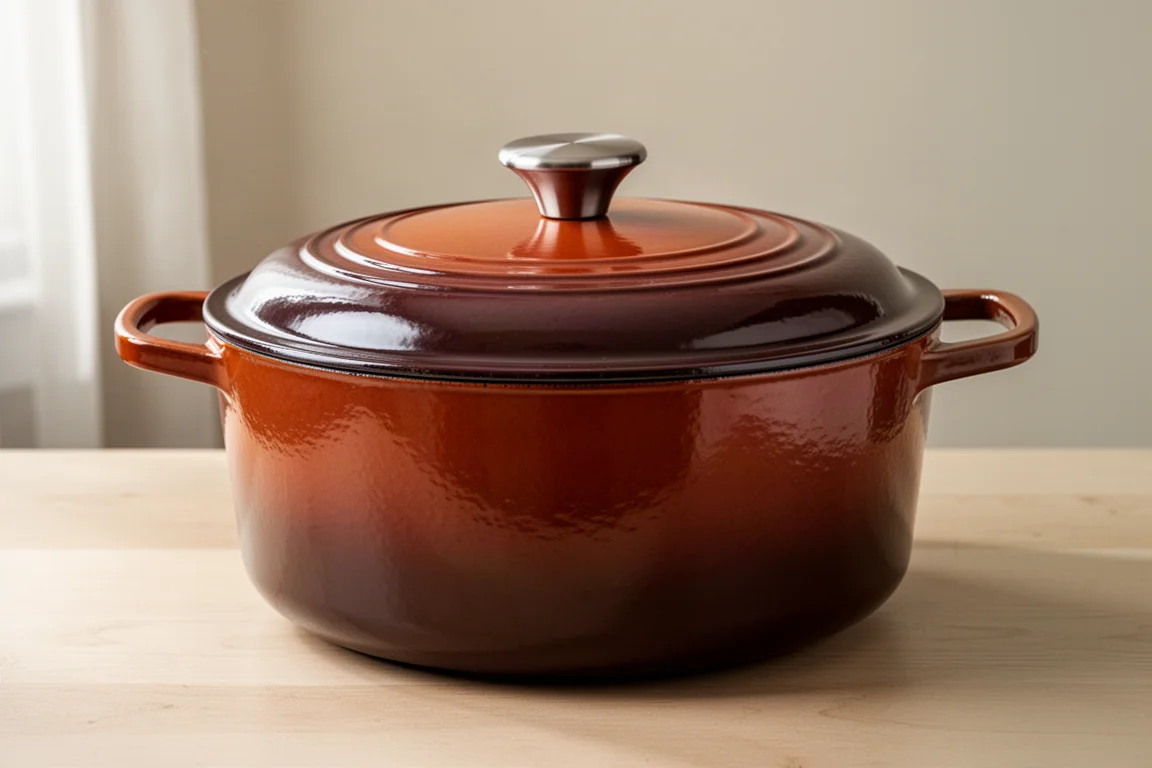
Hestan CopperBond 12.5-Inch Frying Pan
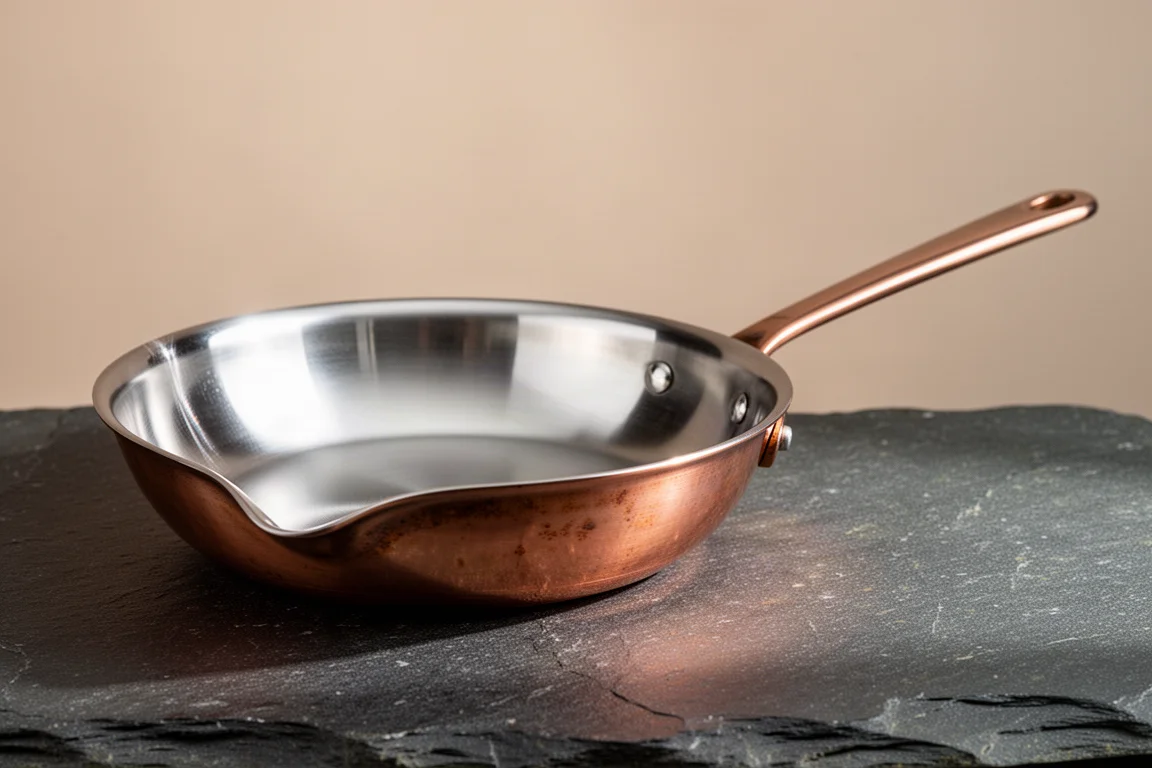
The Hestan CopperBond 12.5-inch frying pan is the third most expensive frying pan we have tested, listed at $420 on HestanCulinary.com. It heats fast and evenly and shares the long handle, wide cooking surface, and flared rims of the ProBond collection. But because of the copper, it is heavy and the exterior tarnishes.
As with All-Clad Copper Core, this collection is only worth it if you truly value copper’s responsiveness, and the difference is not something the average home cook would notice. Legend makes copper core pans with similar materials and construction for less than half the price.
Hestan NanoBond 12.5-Inch Frying Pan
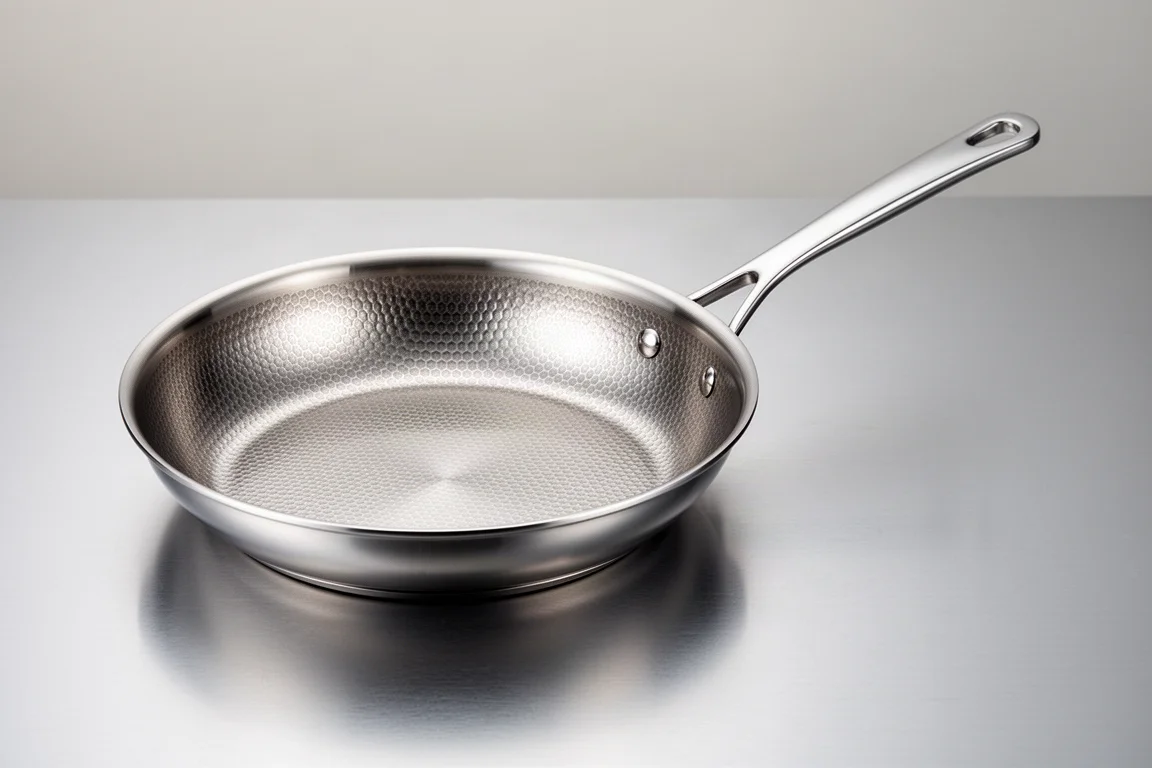
Hestan NanoBond is even more expensive than CopperBond: the 12.5-inch frying pan is listed for $450 on Hestan’s website. The price is high, but the pan offers two unique benefits. First, titanium is bonded to the surface, making it harder and more resistant to scratches. Tested with the rough side of a sponge and a knife, it is not scratch-proof but resists damage far better than standard stainless steel.
Second, because the surface is so hard and non-porous, it is ultra-smooth, giving slightly better non-stick properties than a typical steel pan. For most home cooks these benefits are overkill. But if you have the budget and want cookware that maintains its original appearance for a very long time, NanoBond is one of the best you can buy.
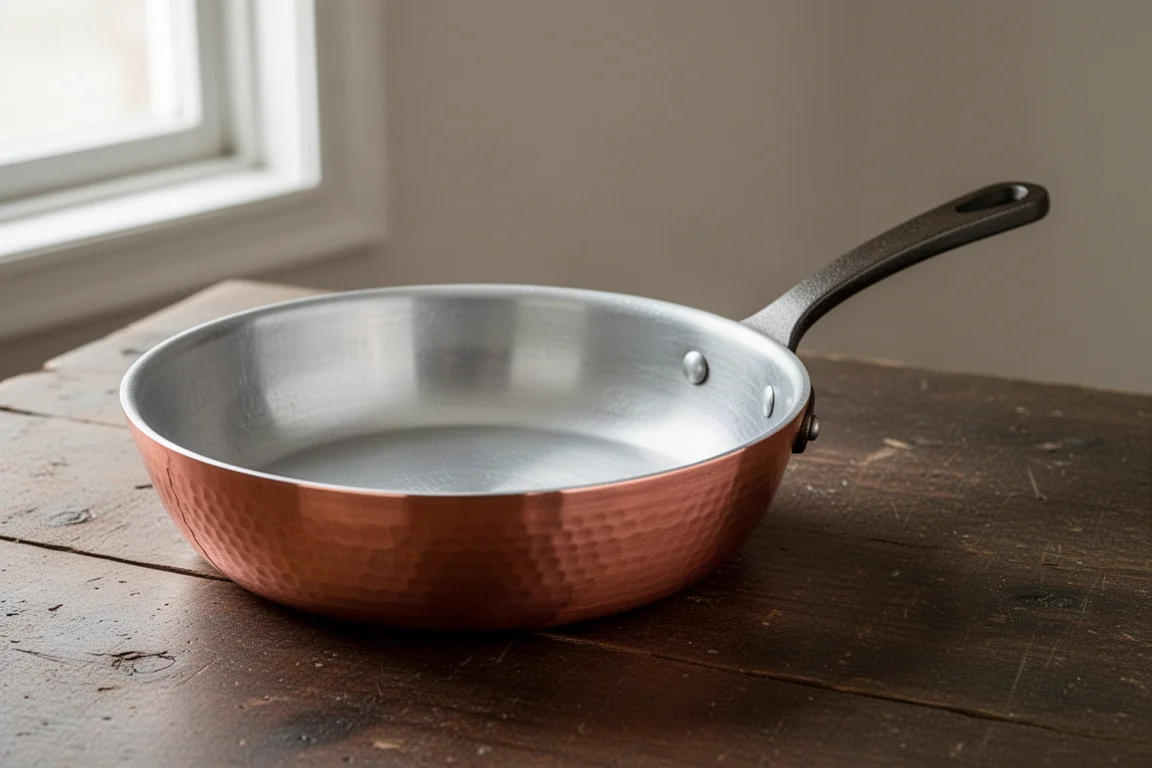
Matfer Copper Frying Pan
The Matfer copper frying pan is the most expensive piece of cookware we have tested by far, listed on restaurant supply websites for between $600 and $700. In head-to-head testing against a $60 Goldilocks pan, Matfer heated more evenly and retained heat better in controlled tests, but the $60 pan performed the same or better in actual cooking, and even did a better job searing pork chops.
Beyond the price, the pan is incredibly heavy at almost six pounds, and there is a gap between the pan and the handle where moisture and bacteria can get trapped. It performs fine, but nothing about it justifies the cost.
Overall Buying Advice
The pattern across this list is clear: premium price only pays off when it buys something durable, like well-made stainless steel, cast iron, or enamed cast iron. Non-stick at these prices, or copper whose benefits most home cooks cannot detect, rarely justifies the outlay. Cheaper alternatives from Goldilocks, Tramontina, Made In, Heritage Steel, and Cuisinart covered most performance needs in testing.
Conclusion
The most expensive cookware is not automatically the best. Field Company, All-Clad D5, Hestan ProBond, Demeyere Atlantis Proline, Le Creuset, and Staub all earn their price for the right buyer, while ProBond TITUM, CopperBond, NanoBond for most people, and the Matfer copper pan are better skipped or replaced with a far cheaper alternative.
Further reading
Related Reviews
Cookware
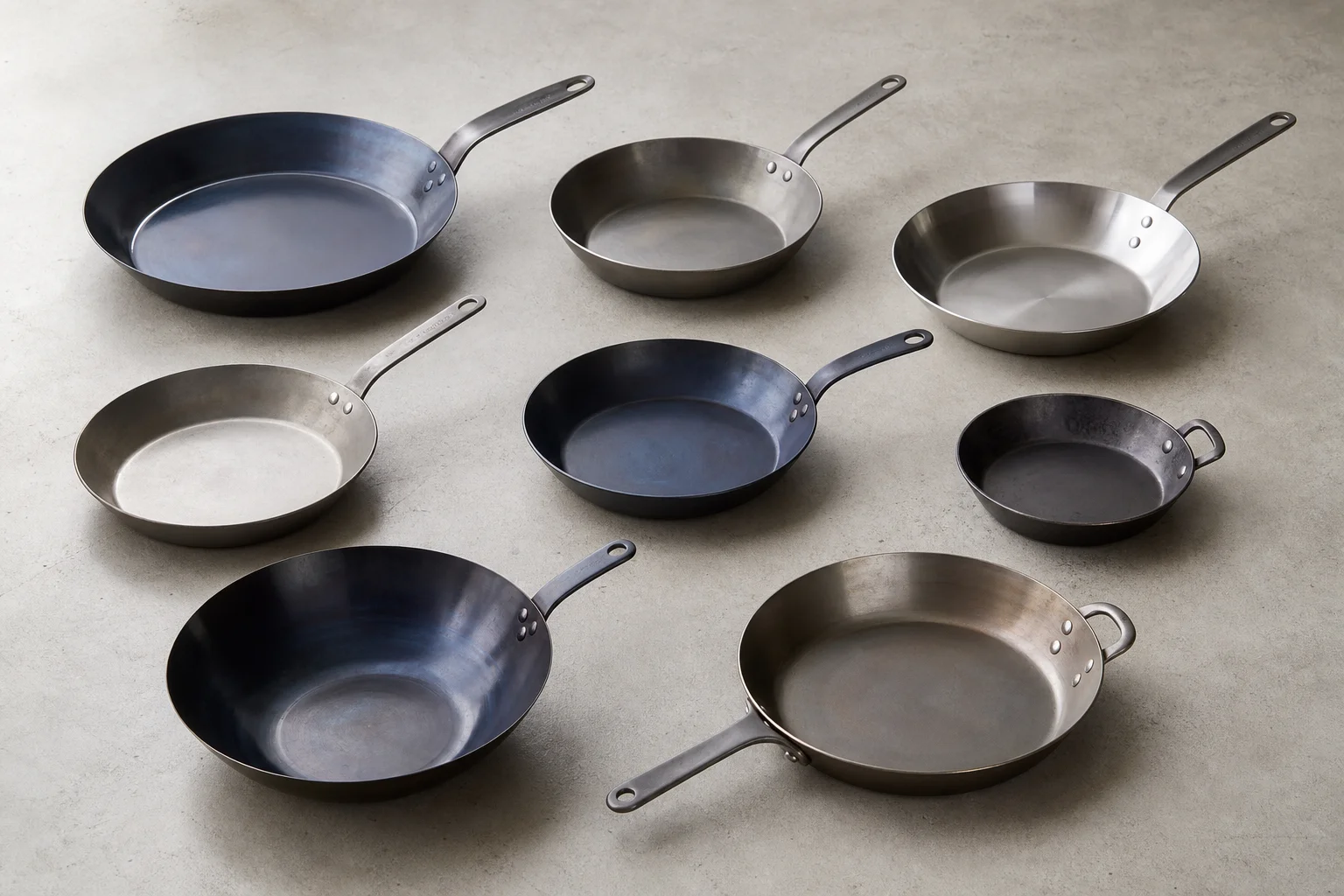
Best Carbon Steel Pans Tested: Which Brands Deliver Real Value
We tested eight popular carbon steel pans with controlled durability, heat, and cooking tests. Here's which ones perform best and which to avoid.
Cookware
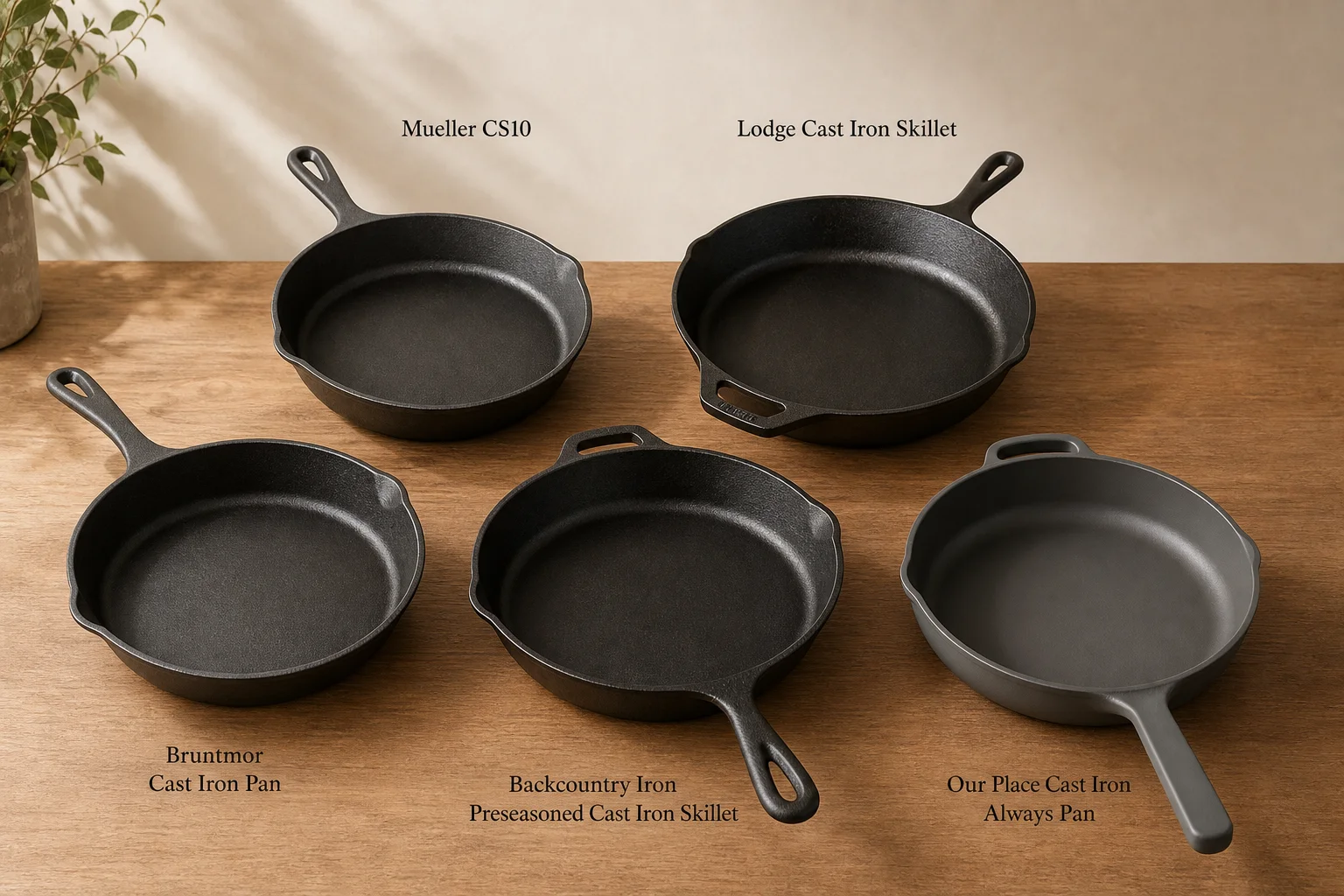
Best Cast Iron Pans 2026: Five Options from Budget to Premium
A practical breakdown of five cast iron skillets, from affordable Mueller to premium Our Place, with clear strengths and trade-offs for different cooking needs.
Cookware
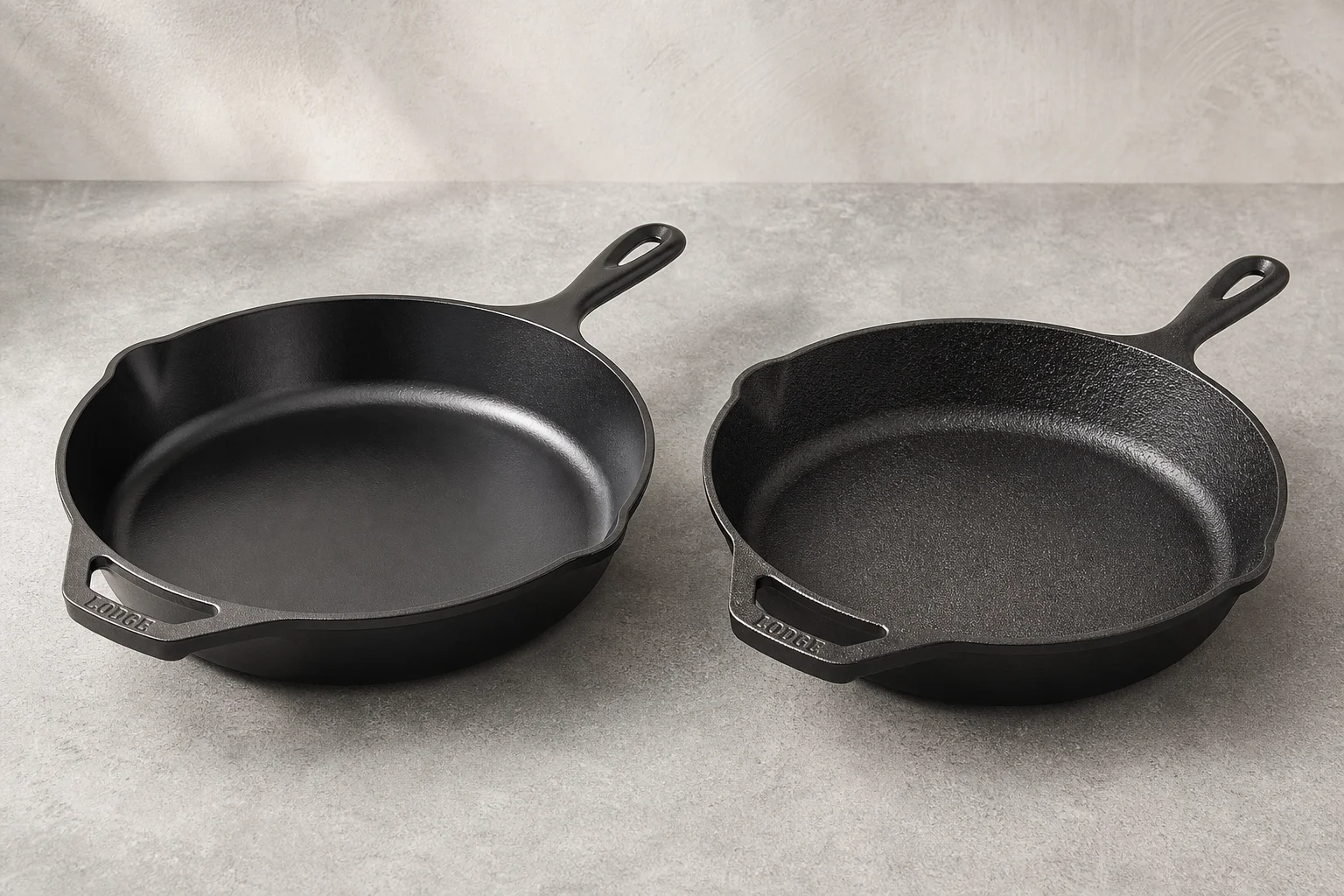
Best 12-Inch Cast Iron Skillets: Premium Craftsmanship vs. Reliable Budget Option
Two standout 12-inch cast iron skillets tested for heat retention, surface finish, and durability. One premium choice and one budget-friendly alternative that both deliver.