Running Shoes
The 5 Most Exciting Running Shoe Releases Expected in 2026
Nike, Adidas and ASICS leaks point to a wild Vaporfly prototype, a Metaspeed Sky 2, the Alphafly 4, the Adizero Adios Pro Evo 3 and the Evo SL 2. Here's what to expect and how they stack up.
Introduction
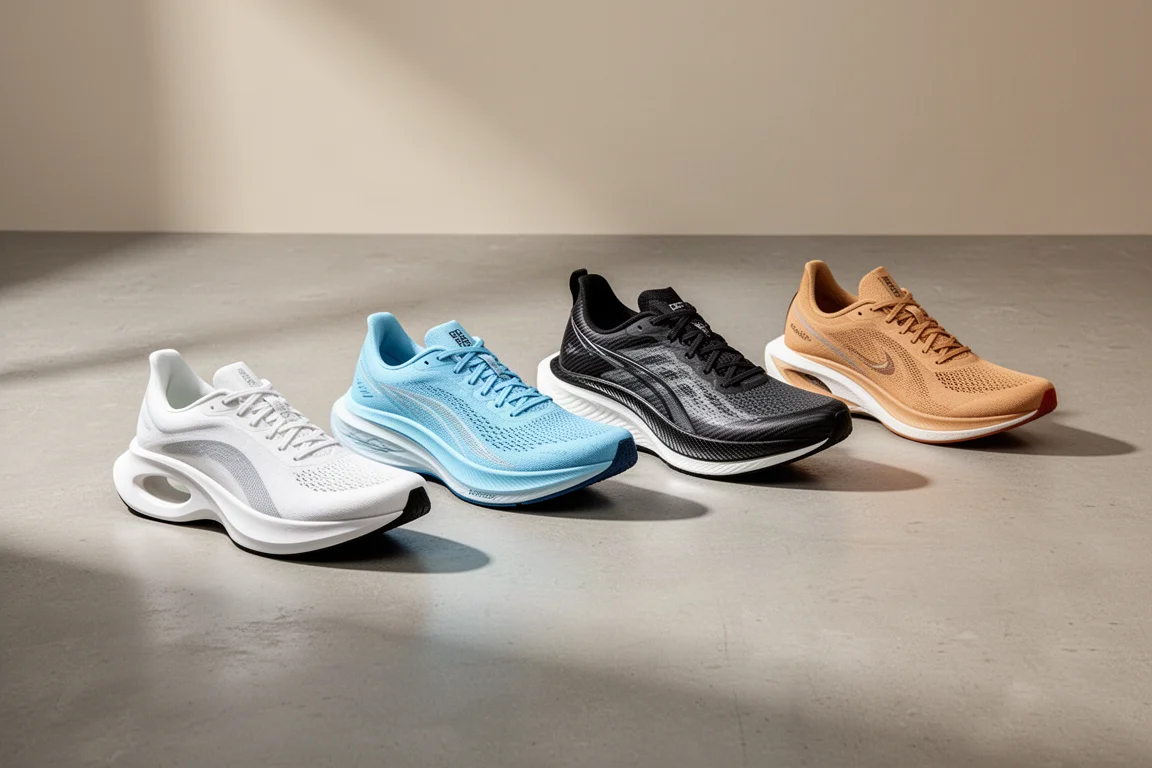
The 2026 racing shoe season is shaping up to be one of the most interesting in years. Leaks from Nike, Adidas and ASICS point to five releases worth watching: a bizarrely minimal Vaporfly prototype, a revised Metaspeed Sky 2, the long-anticipated Alphafly 4, the record-breaking Adizero Adios Pro Evo 3 and a follow-up to the hugely popular Evo SL.
Some of these look like genuine leaps forward. Others feel like cautious treading of water, or worse, unnecessary tinkering. We’ve ranked them from D to S to give you a quick sense of where the excitement really lies, and what to check before you commit your money.
The Nike Vaporfly 2026 Prototype
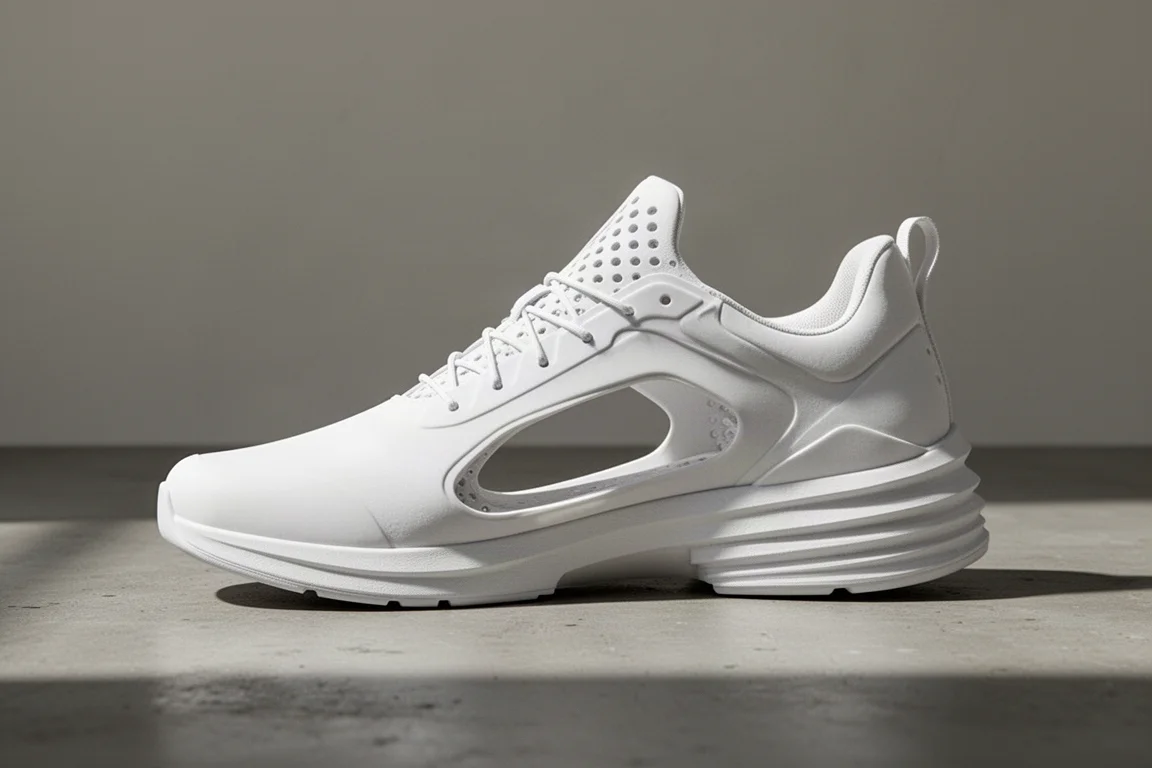
The most striking leak of the bunch is a shoe that looks more like a goat’s hoof than a traditional racer. Nike is clearly going with a less-is-more approach here, and while sample sizing makes the model look taller than it really is, this appears to be a new Vaporfly rather than an Alphafly.
The stand-out details are hard to ignore: a massive arch cutout that may expose the carbon plate to the elements, a full-stacked rear section, a weight-relieved tongue that’s been hole-punched to save grams, super-thin laces and an almost non-existent drop. There’s also a thick section under the forefoot, possibly positioning a plate closer to the ground just above the rubber elements for stability. Whether the forefoot is all foam remains unclear, as does whether there’s even a carbon plate in there at all.
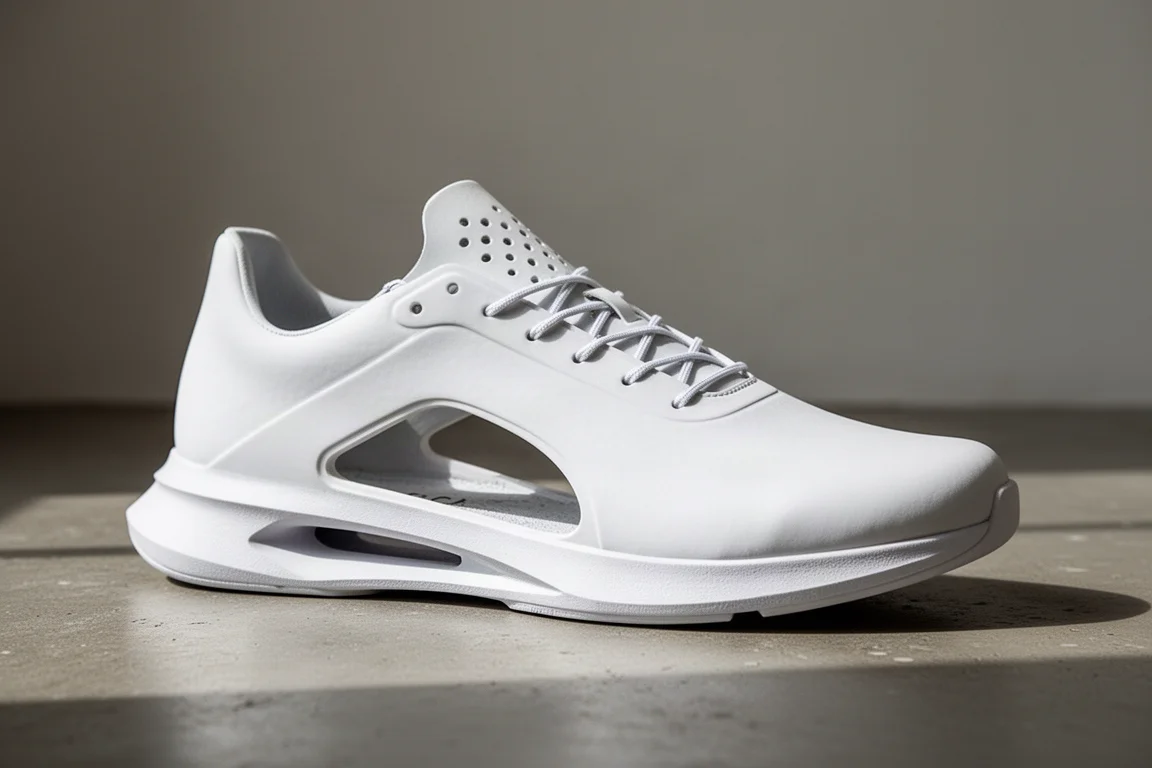
The upper is almost entirely white, with no trace of the red-brown Kenyan soil tinge you’d expect from a heavily tested racer. That suggests a very early prototype, possibly still deep in development. With Nike running multiple prototypes at any time, nothing is confirmed, but this is a shoe with genuine character, and it’s bound to generate plenty of conversation with its bizarre styling.
The ASICS Metaspeed Sky 2
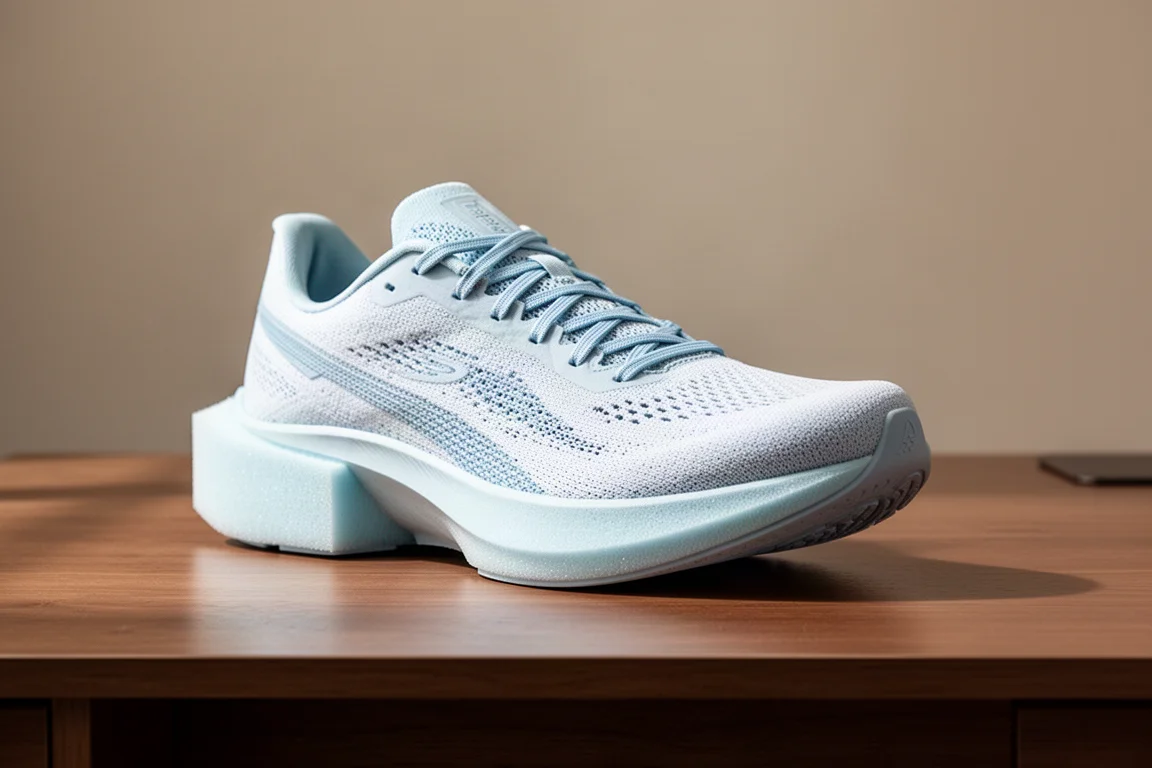
No official word on a Metaspeed Sky update yet, but leaked images of what appears to be a Metaspeed Sky 2 show a shoe that’s noticeably blockier than its predecessor. There are fewer cutout areas in the arch, a wider surface area underfoot, and foam spilling over the sides of the upper for a broader base of stability.
The forefoot also gets a much more pronounced, very early rocker, seemingly to amplify toe-off. It remains super light, but the narrowness of the original Sky meant that many runners found it best suited to shorter distances run at lightning pace. At marathon effort, where the pace is dialed back to something more sustainable, the narrow platform may have limited its appeal as a full marathon shoe for most people.

That additional width could well be ASICS responding directly to that kind of feedback. If it works, this could become a more versatile race-day option. As it stands, it earns a B grade here: promising, but potentially still more of a fast half marathon shoe than an all-distance racer.
The Nike Alphafly 4
There’s still no release information for the Alphafly 4. Plenty of new colorways of the Alphafly 3 keep surfacing, which is good news for buyers since older pairs are being discounted, but the silence around the successor is odd. A version was shown months ago, the talk died down, and the feeling now is that Nike is further refining the model to lower the weight and get closer to what Adidas has been doing with newer foams.
The Alphafly 3 itself is a great shoe, one of the best sellers of recent years, though it hasn’t changed all that much from the first version and it does feel as if the design has had its time. The open questions are obvious: will the update bring a lower drop thanks to a higher forefoot stack, can it actually be lighter than the AF3, and will it keep that wider heel area?
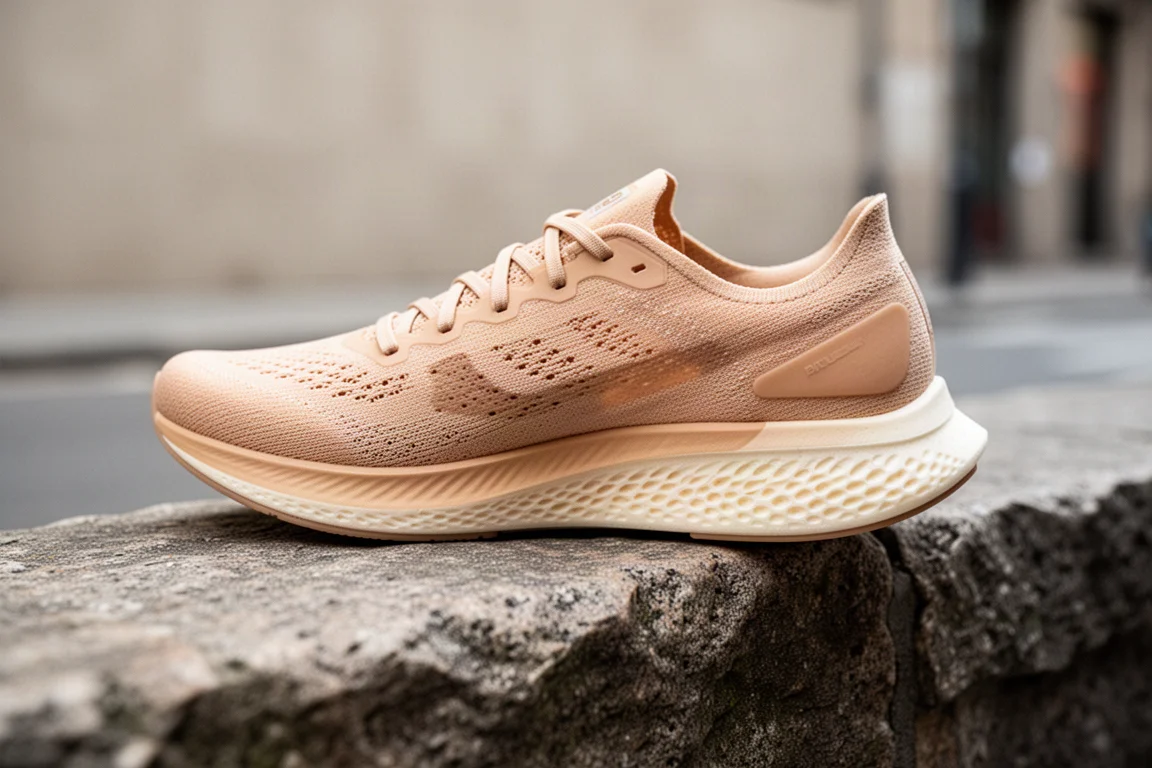
Pricing is the real worry. Positioned around 285 to 290, it would be a wild price for a running shoe, especially against competitors that sit closer to 220 or 230. Uptake on the V3 was slow at full price, with most buyers waiting for discounts. Until Nike confirms details, this stays speculative, which is why it lands fourth with a C grade: hard to see it being a big departure from the 3, since that model was already refined extensively from the V1.
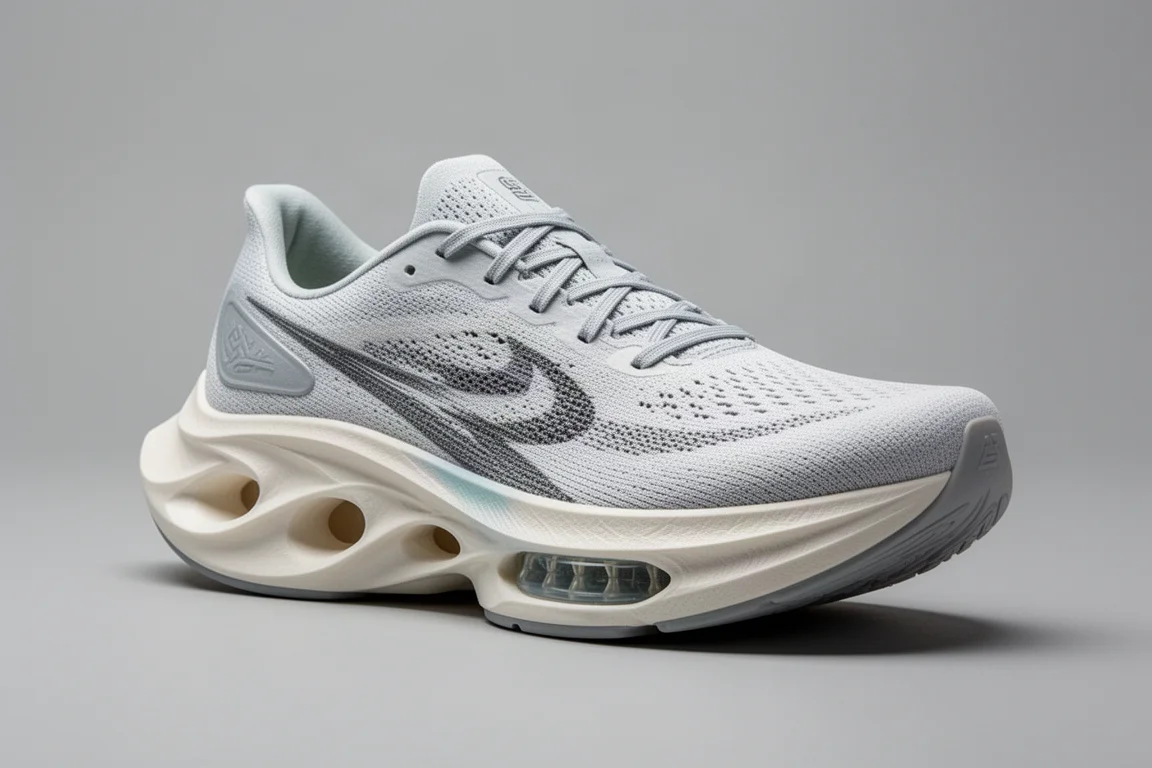
The Adidas Adizero Adios Pro Evo 3
The Adizero Adios Pro Evo 3 is genuinely exciting, even if the price is not. At £450 in the UK, it’s a mythical, almost unobtainable shoe, the sort of product most of us can only dream about. But it’s a race shoe that helped someone break the marathon world record, and the technology inside is the real story.
The Lightstrike Pro Evo material delivers incredible energy return, and the expectation is that it will eventually trickle down into far more accessible shoes. Think of it appearing in models like the Prime X as a sandwich foam between plate sections for superb return, or as a puck or pod in the forefoot of a standard Lightstrike Pro midsole for extra bounce at toe-off. Picture something like a soft, responsive trainer with that super bouncy Lightstrike Pro Evo material and you get the idea.
That’s why this takes the S rank at the top of the list. The foam is one of the most exciting things in running right now, not because of the shoe you may never buy, but because of the faster tempo shoes and more obtainable racers it could enable down the line.
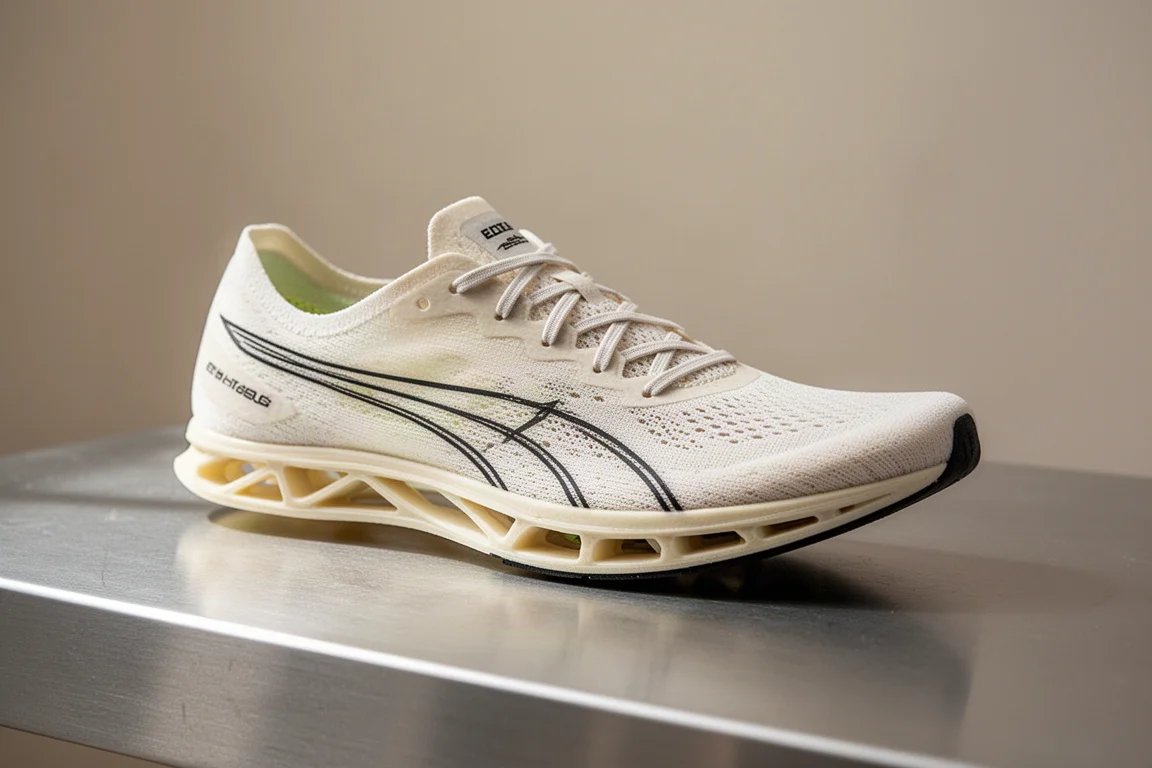
The Adidas Evo SL 2
The Evo SL 2 is the one that raises concern. The original Evo SL has been a consistent performer across multiple versions, and the fear is that this update is tinkering for tinkering’s sake. The changes include foam placed in areas where it isn’t really needed, such as excess material around the heel, plus more rubber on the outsole where there was already enough. All of it adds up to more weight, which feels like a backwards move.
There’s a case for doing something smarter instead: putting some of the softer Lightstrike Pro into the forefoot, as seen in the Adizero Pro 4, to make the shoe bounce more. What most runners don’t need is extra stability in the heel, since other shoes, like the Boston 13, already do that job very well. A slimline shoe with a consistent midsole feel would be far more welcome than something that looks like a cheaper version of the Pro Evo 3.
Overall Ranking and Buying Advice
Ranked from D to S, the order is: Evo SL 2 in fifth with a D, the Alphafly 4 in fourth with a C, the Metaspeed Sky 2 in third with a B, the Vaporfly prototype in second, and the Lightstrike Pro Evo foam story behind the Adios Pro Evo 3 at the top with an S.
The practical takeaway for buyers is straightforward. If you want a proven race shoe today, discounted Alphafly 3 colorways are worth a look while Nike stays quiet on the successor. If your racing is short and fast, wait for the Metaspeed Sky 2 to see if the added width makes it more versatile. If you can afford and find the Adios Pro Evo 3, it’s exceptional, but most runners should watch for that Lightstrike Pro Evo foam to appear in more affordable trainers later in the cycle. And if the Evo SL 2 simply adds heel foam and outsole rubber without a lighter build, the original Evo SL may remain the smarter buy.
Conclusion
The 2026 line-up splits cleanly into genuine excitement and unnecessary caution. Nike’s Vaporfly prototype is the wild card with real character, ASICS’s added width could fix the Sky’s biggest limitation, and Adidas’s Lightstrike Pro Evo foam is the technology most likely to change what we all run in. Meanwhile, the Alphafly 4 and Evo SL 2 need to prove they’re more than refinements and additions. Watch the price tags closely: the best value in this cycle may come from discounted current models and from top-tier foam trickling down.
Further reading
Related Reviews

Running Shoes
Best Road-to-Trail Running Shoes: Three Versatile Options for Mixed Terrain
A practical guide to three road-to-trail running shoes that handle both pavement and mild trails, with clear strengths and trade-offs for different runner types.

Running Shoes
Best Running Shoes for Achilles Tendonitis: Three Options Explained
Three running shoes with different heel drops and support features designed to help reduce Achilles tendon pain during walking and running.

Running Shoes
Best Running Shoes for Women: Five Top Choices Ranked
A ranked guide to five women's running shoes, from versatile daily trainers to high-performance racing options, with real strengths and trade-offs for each.