Running Shoes
The 5 Most Disappointing Running Shoes of 2026
Five highly anticipated releases that did not live up to expectations, from a stiff Li-Ning max cushion shoe to a Nike race shoe that has stayed on the market far too long.
Introduction
Not every release can be a winner. Out of the hundreds of shoes that come through testing each year, a handful arrive with huge expectations and then fall flat. This list covers five such shoes from 2026: releases that looked great on paper, were marketed heavily, or came from brands with strong recent track records, yet still missed the mark in the ways that matter most. None of them are terrible shoes, and some will suit particular runners well. But each one left us expecting more.
5. Li-Ning Super Shadow Pro
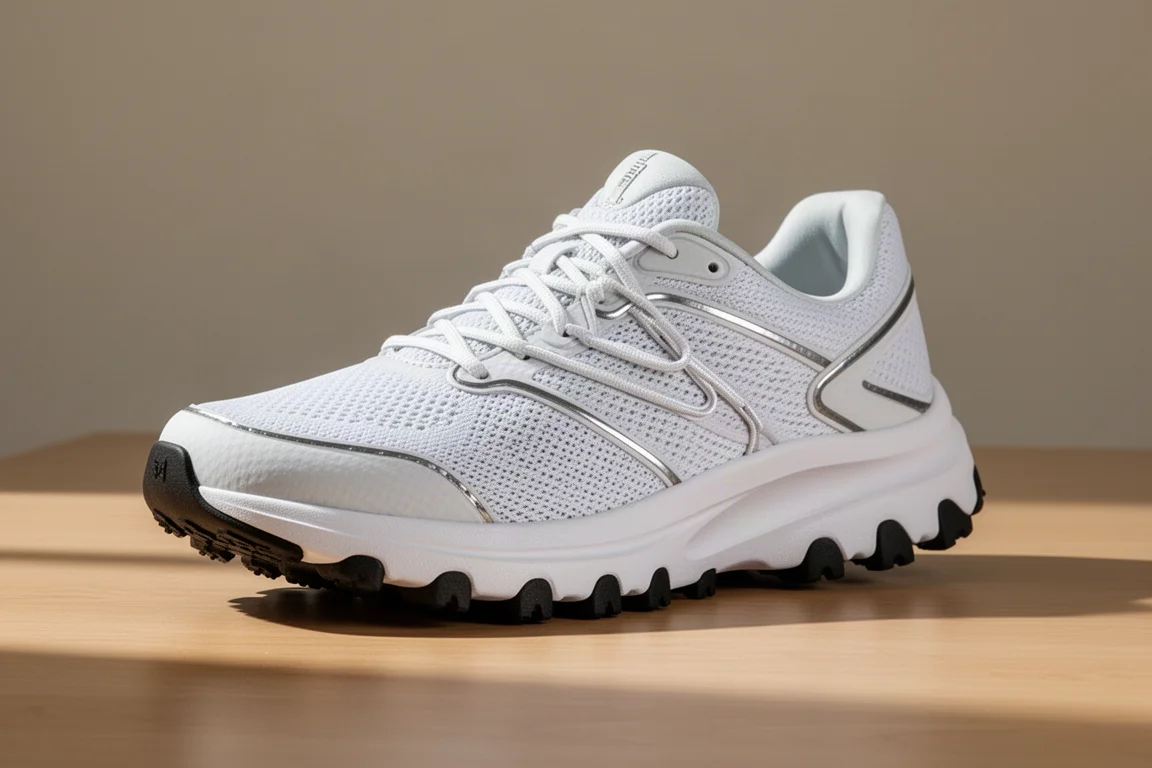
The Li-Ning Super Shadow Pro is a shoe we went out of the way to track down, since it is not sold widely in the American market. On looks alone, it promises a lot: the sculpted midsole aesthetic resembles a soft, bouncy cushion wrapped in an icing-like outer layer, and the shoe simply looks fantastic. The problem is the feel. It is stiffer than expected, lacks bounce, and never delivers the fun, energetic ride that the “super boom” branding on the midsole implies. If you print super boomy on the midsole, the ride should feel super boomy.
That is especially frustrating given Li-Ning’s recent form. The Red Hare 9 Ultra is excellent, and the Fadian 6 Elite, Fadian 5 Ultra, and Fadian 6 Ultra are all excellent. Compared with those, this shoe is merely okay, closer to a step down than a step forward. It may well be positioned as more of a lifestyle shoe, but the aggressive rocker and the midsole branding set performance expectations that the ride cannot meet. Our hope is that Li-Ning builds a genuine non-plated max cushion competitor: something more stable than the Red Hare 9 Ultra that meets the comfort and structure needs of the American consumer. This shoe is not that.
4. New Balance Ellipse
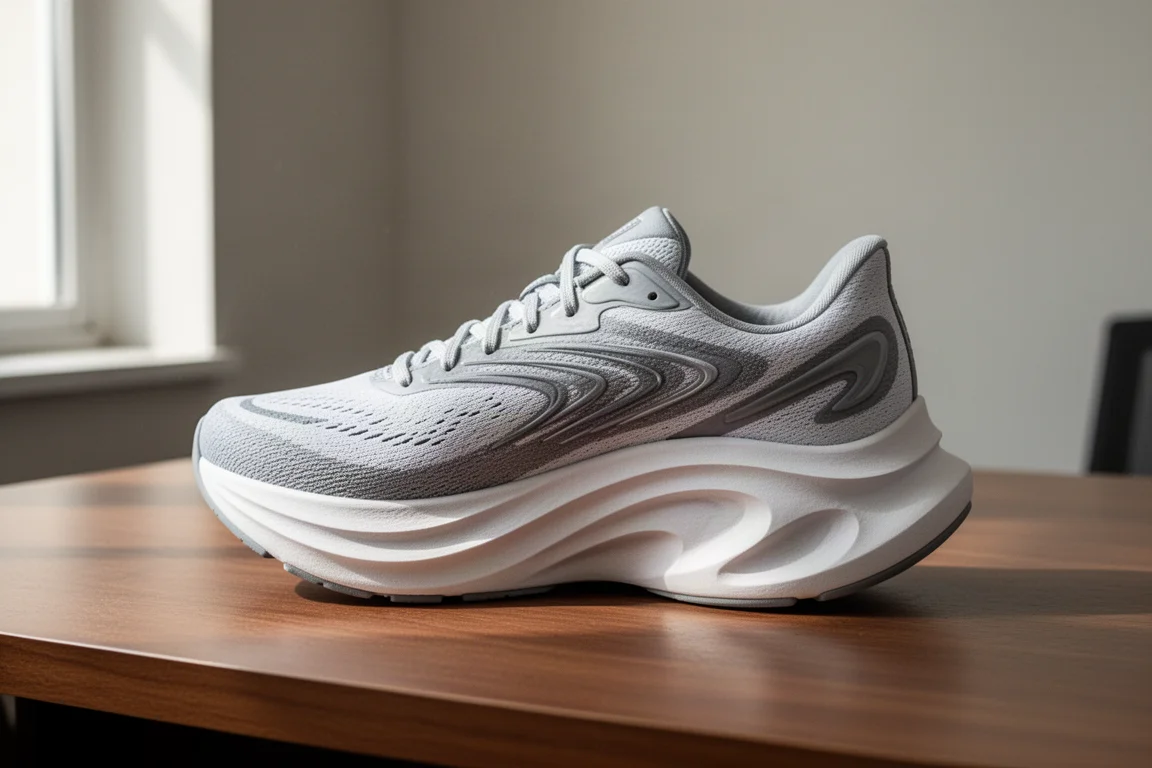
The New Balance Ellipse is a daily trainer priced around $145 to $150, and its biggest problem is that the midsole foam simply could not compete. It produced a lot of squish, felt low to the ground, and did not offer much bounce. Overall, the midsole felt unrefined, closer to a budget and entry-level option than to the top-tier marathon training and performance shoes on the market.
That would be fine if the marketing matched the product, but New Balance put serious effort into promoting this shoe, and runners in the entry-level segment right now are craving speed and value. Every brand is chasing what Adidas achieved with its breakout lightweight trainer, and the Ellipse is not that. As a pure daily trainer for 30 to 45 minute easy runs, it is okay and looks good doing it. For the dedicated runner who wants performance from their daily rotation, it falls short. There are reasons for optimism: the SC Rebel has now arrived, the SC Elite V6 looked promising, and the brand seems to be returning to the form that produced the Rebel v3 and the SC Trainer v1 and v2. The Ellipse may end up as the last in a line of training-side duds.
3. Saucony Paramount Max
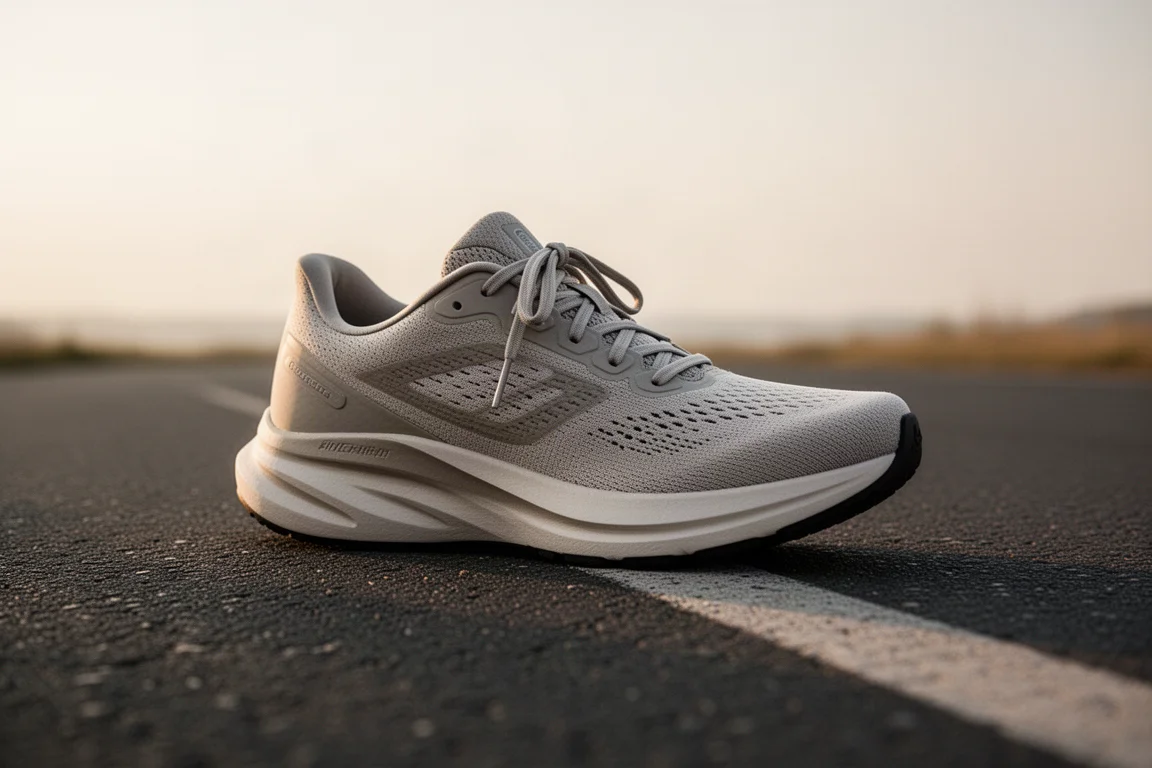
The Saucony Paramount Max hurt the most to test, because on paper it was aimed directly at the max cushion crowd. A 40 to 45 mm stack of the brand’s best foam, the same soft and bouncy compound loved in the Endorphin Elite 2 and 3? That is exactly the kind of shoe the max cushion faithful dream about. The reality is different. The foam in this trainer is not the same version as in the race shoe, and this first attempt at a training application of that compound feels dramatically different from the Endorphin Elite. Brands stretch foam naming all the time, but the ride here does not deliver what the name promises.
At $200, expectations are different too. That price point now implies super trainer versatility: think shoes that move well, return real energy, and handle everything from easy miles to faster sessions. The Paramount Max is instead closer to a sluggish competitor to traditional cushioned cruisers. It has little pop, and the geometry makes it feel like a big boat. A fair comparison point is the Nike Vomero Plus, which is actually heavier but feels lighter and moves better because of its geometry. Saucony already has the Guide, the Triumph, and the Hurricane. What the lineup needed was a non-plated super trainer that could compete with the heavy hitters, not another comfortable max cushion shoe.
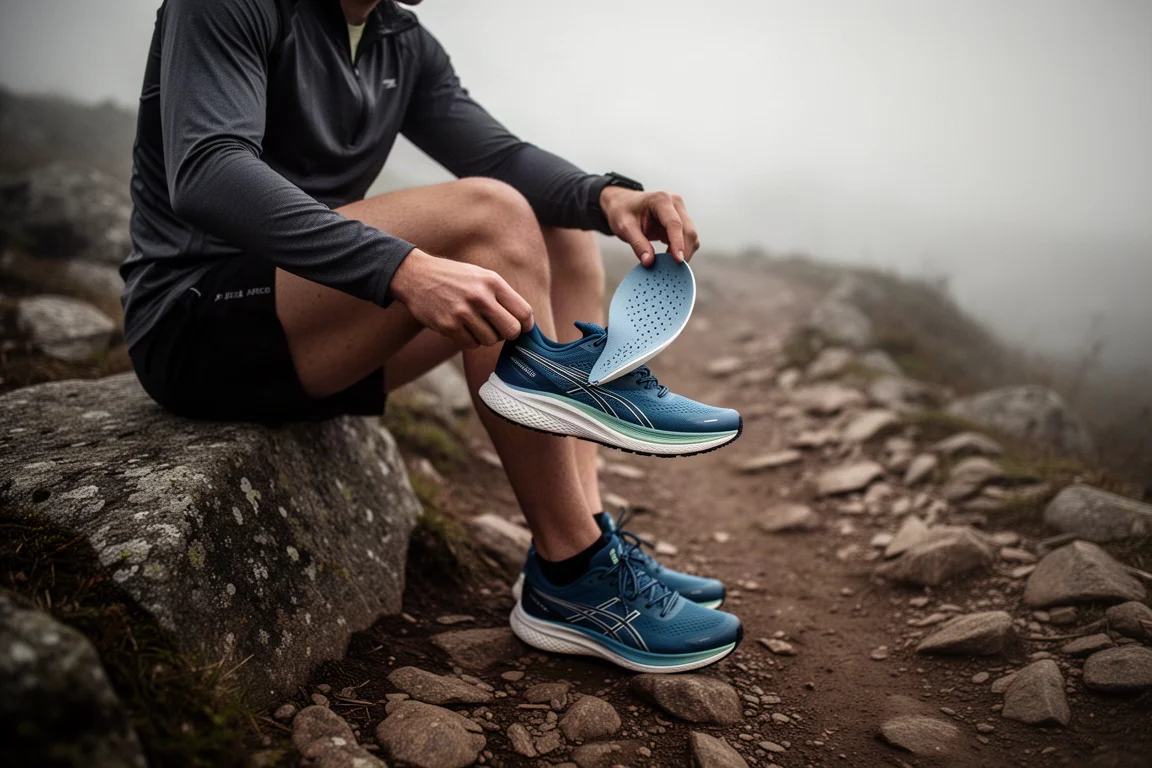
The saving grace: it is genuinely comfortable and the looks are fantastic, so it works well as a walking-around shoe. If the next generation gets more punch and pep, it could become a real competitor in the super trainer space.
2. On Cloudboom Strike 2
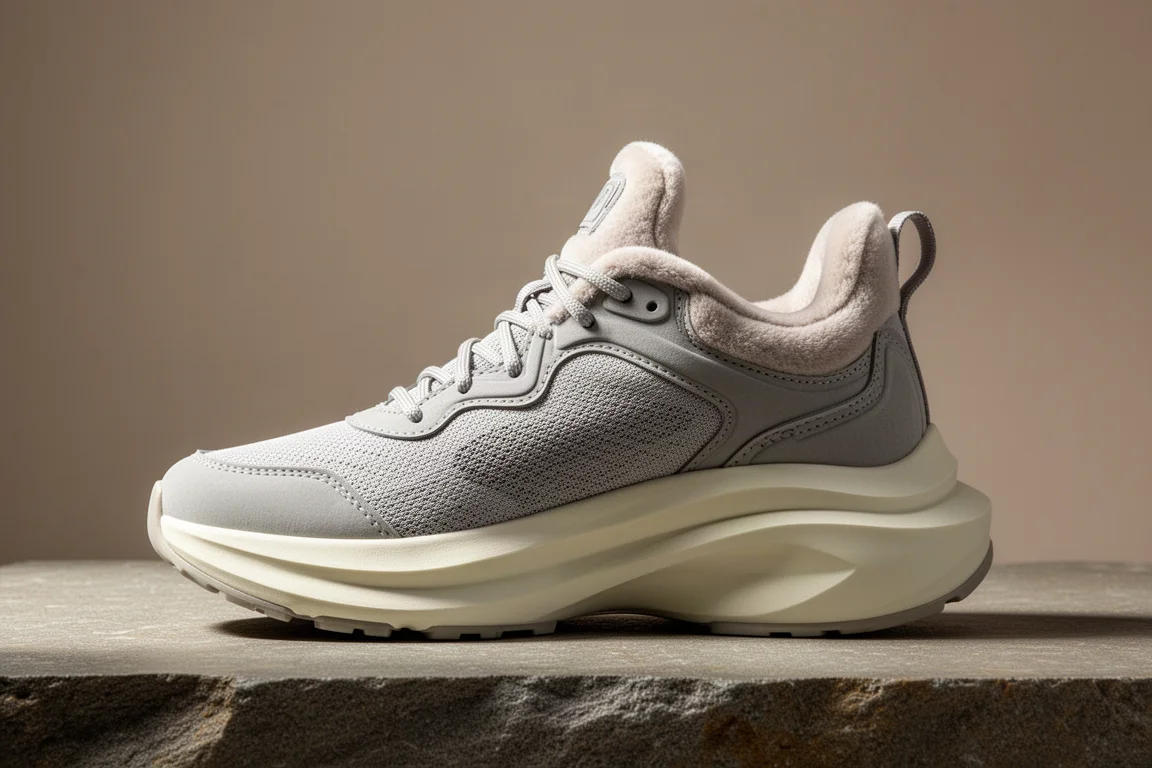
This one is the biggest on-course letdown of the year. The original Cloudboom Strike, released in 2024, was one of the favorite race shoes of that year and a legitimate top-five contender. It was fast, it was speedy, and it handled brutal threshold and marathon pace workouts with ease. The Cloudboom Strike 2 neuters that character. It is soft and sluggish in the forefoot, and when you try to put power down and crank up the pace, it feels like running on melted chocolate pudding. There is no bite back when you push.
The culprit appears to be the CloudTec sphere technology in the forefoot. In its current state it simply expands under load instead of pressurizing and returning energy, and it is too soft to support fast running. Fixes are possible: reinforce the structure around the sphere so it compresses and rebounds properly, or go dual foam and make the forefoot piece firmer and more responsive. As it stands, the shoe is not a total loss. There is a real consumer for it, the runner spending four-plus hours in the marathon who wants maximum leg protection and comfort. One tester has even called it the best $250 recovery shoe, because it genuinely pampers your legs. But a race shoe should feel speedy, and this one does not. The upcoming LightSpray version may feel different, since the LightSpray Hyper did differ from the standard Hyper, so that remains worth watching.
1. Nike Alphafly 3: The Shoe That Refuses to Retire
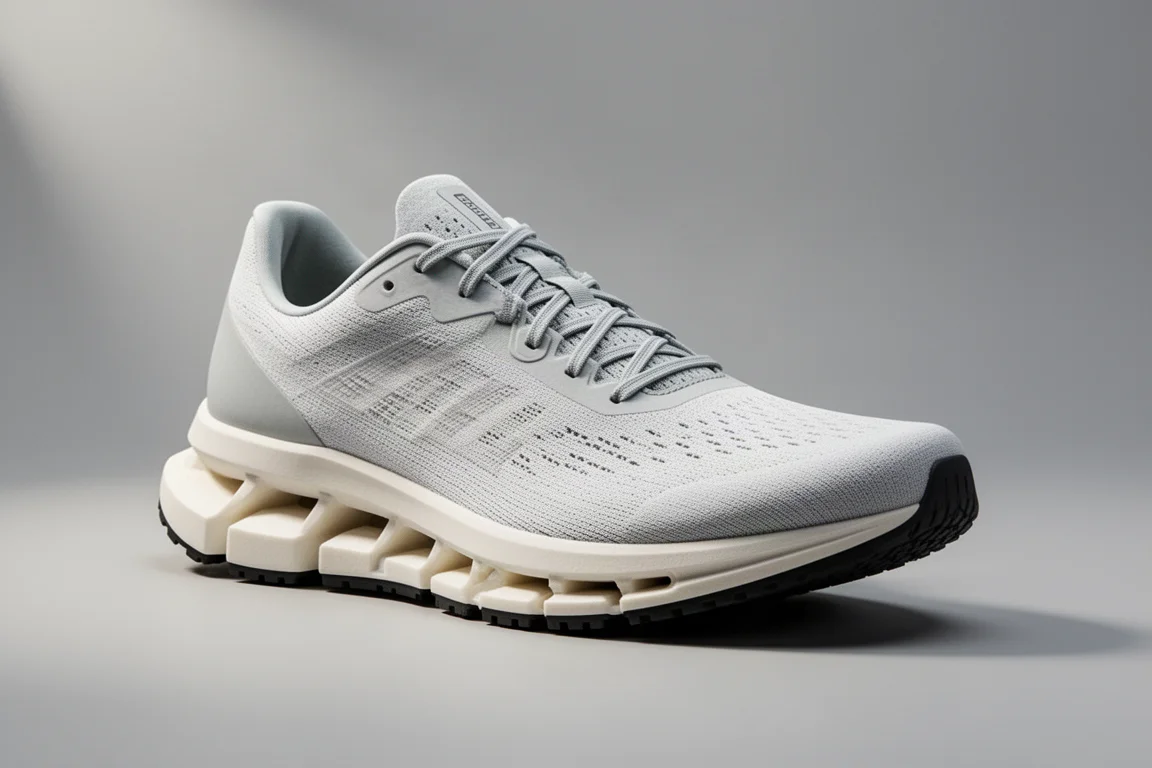
Here is the funny part: the number one disappointment of 2026 is a shoe that has not even been updated in 2026. The Nike Alphafly 3, first released in 2023, remains Nike’s pinnacle race shoe as of August 2026, and a new version is only rumored to arrive around the Chicago Marathon. In a market where dozens of super shoes, likely 40-plus models, have launched or been updated since the Alphafly 3 came out, that is a stunning lack of urgency from the market leader in sportswear.
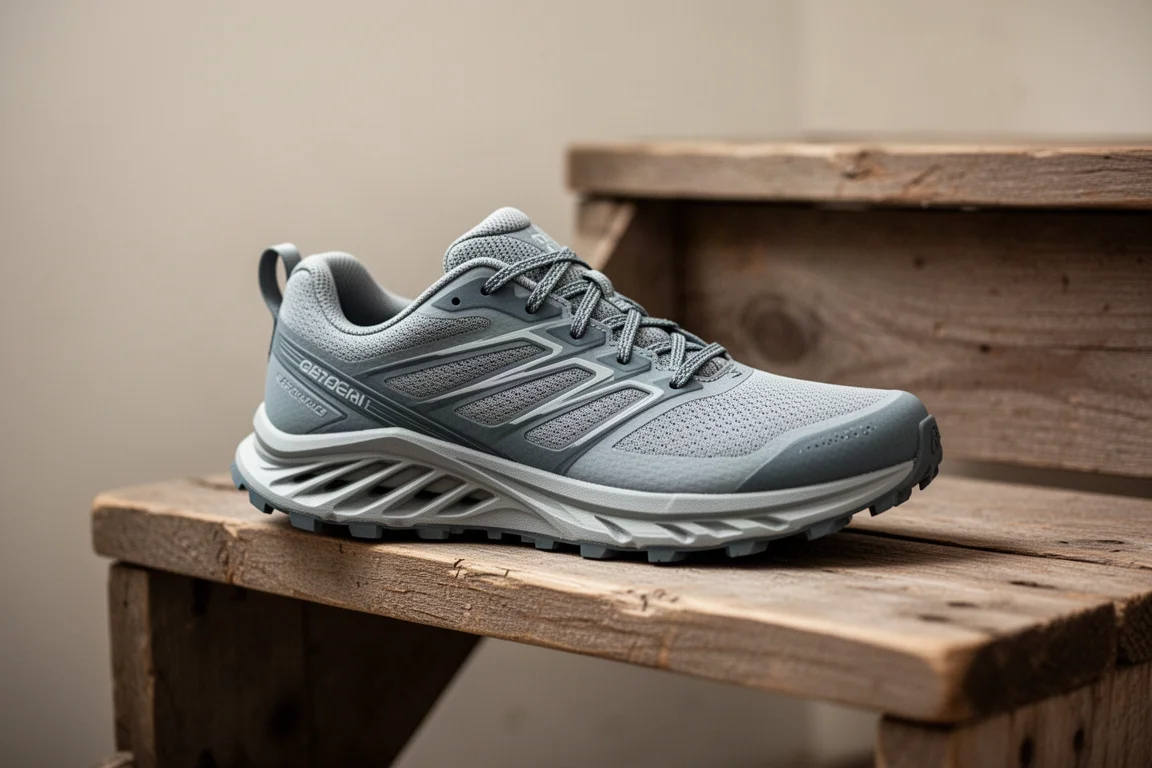
The context makes it worse. A few years ago, the technology gap was so large that elite athletes were reportedly abandoning sponsor shoes and buying Nike racers out of pocket just to compete. In 2026, every top-10 brand has at least one, if not two, legitimate super shoes and is updating them year over year. Adidas now has a sub-100-gram race shoe. Puma has dropped five race shoes. Mizuno has released somewhere between eight and ten. The Alphafly 3 itself is not a bad shoe; the disappointment is that the brand with the most resources has let its flagship sit still for three years while the entire field caught up. The new version cannot just be good. After this long a wait, it has to be genuinely competitive, and expectations are now sky-high. The longer Nike waited, the bigger the target on its back.
Overall Buying Advice
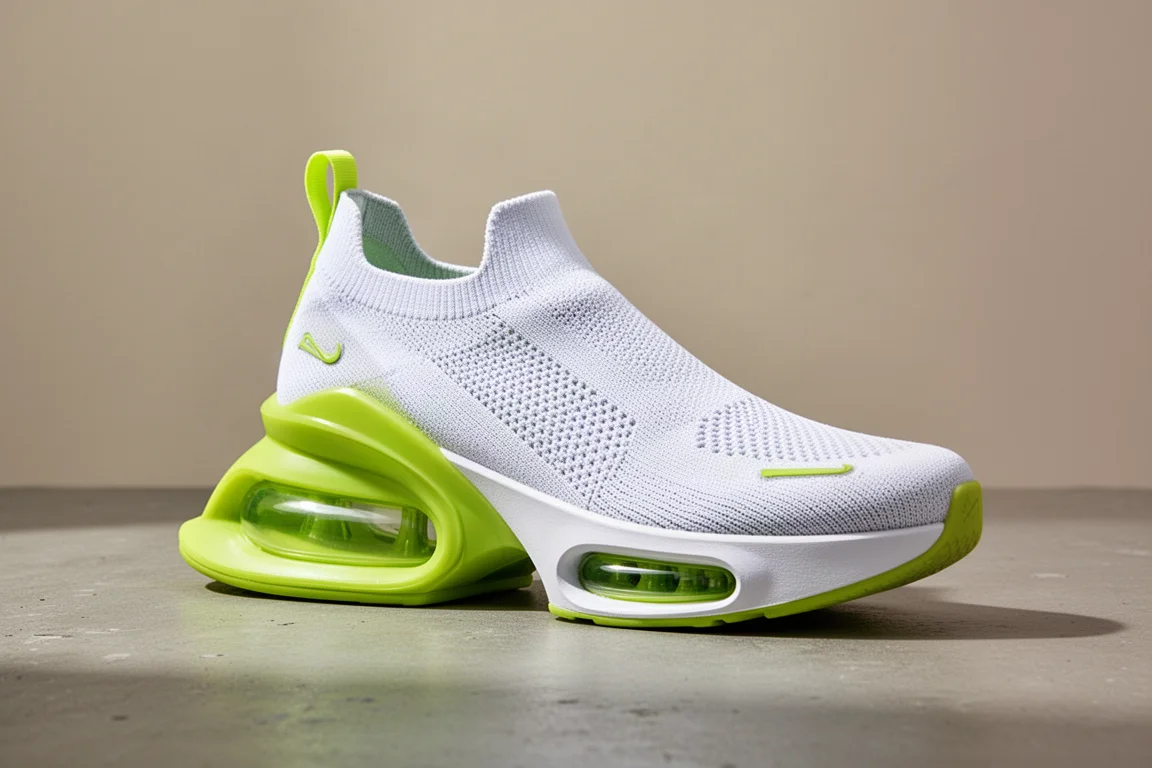
The theme across this list is mismatched expectations: branding and price points promising performance the ride does not deliver. If you are shopping from these five, be honest about what you actually want. The Li-Ning Super Shadow Pro works if you value looks and a lifestyle-leaning ride. The New Balance Ellipse suits short, easy runs only. The Saucony Paramount Max is a comfortable, boat-like cruiser for slow miles and walking. The On Cloudboom Strike 2 makes sense for slower marathoners who prioritize leg protection over speed. And the Nike Alphafly 3 remains a legitimate race shoe, but at three years old it no longer defines the category the way it once did. For speed-focused buyers, other brands now offer sharper options.
Conclusion
Disappointment in running shoes usually comes from gap between promise and reality. In 2026, that gap showed up in stiff midsoles wearing performance branding, entry-level foam carrying premium marketing, a $200 shoe without super trainer credentials, a race shoe that feels like dessert, and a flagship racer left untouched for three years. None of these are unmitigated disasters, but all five left us hoping for more. Which releases would you have added or removed from this list?
Further reading
Related Reviews

Running Shoes
Best Road-to-Trail Running Shoes: Three Versatile Options for Mixed Terrain
A practical guide to three road-to-trail running shoes that handle both pavement and mild trails, with clear strengths and trade-offs for different runner types.

Running Shoes
Best Running Shoes for Achilles Tendonitis: Three Options Explained
Three running shoes with different heel drops and support features designed to help reduce Achilles tendon pain during walking and running.

Running Shoes
Best Running Shoes for Women: Five Top Choices Ranked
A ranked guide to five women's running shoes, from versatile daily trainers to high-performance racing options, with real strengths and trade-offs for each.