Running Shoes
The Most Disappointing Running Shoes of 2025: Six Hyped Models That Fell Short
Six running shoes that promised a lot but delivered less, including hyped trail shoes, a first-timer road shoe, and a £240 letdown.
Introduction
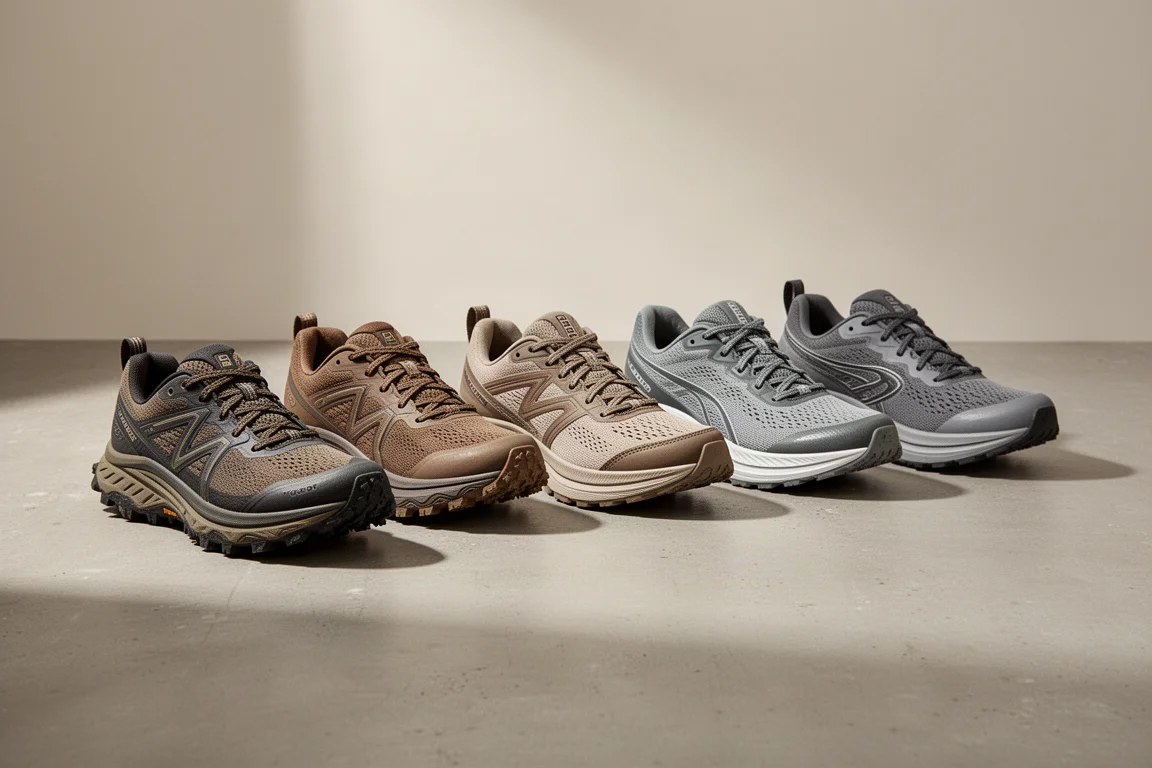
Testing dozens of running shoes in a year means a lot of highs, but also a few genuine letdowns. This roundup looks back at six shoes that did not live up to the hype in 2025, counting up from the least disappointing to the biggest disappointment of the year.
Running shoe choice is a deeply personal thing, and what failed for one tester might be a favourite for someone else. Take these as one runner’s experience rather than a universal verdict, and use them as a checklist of things to watch out for before you spend your money.
6. Nike Kiger 10
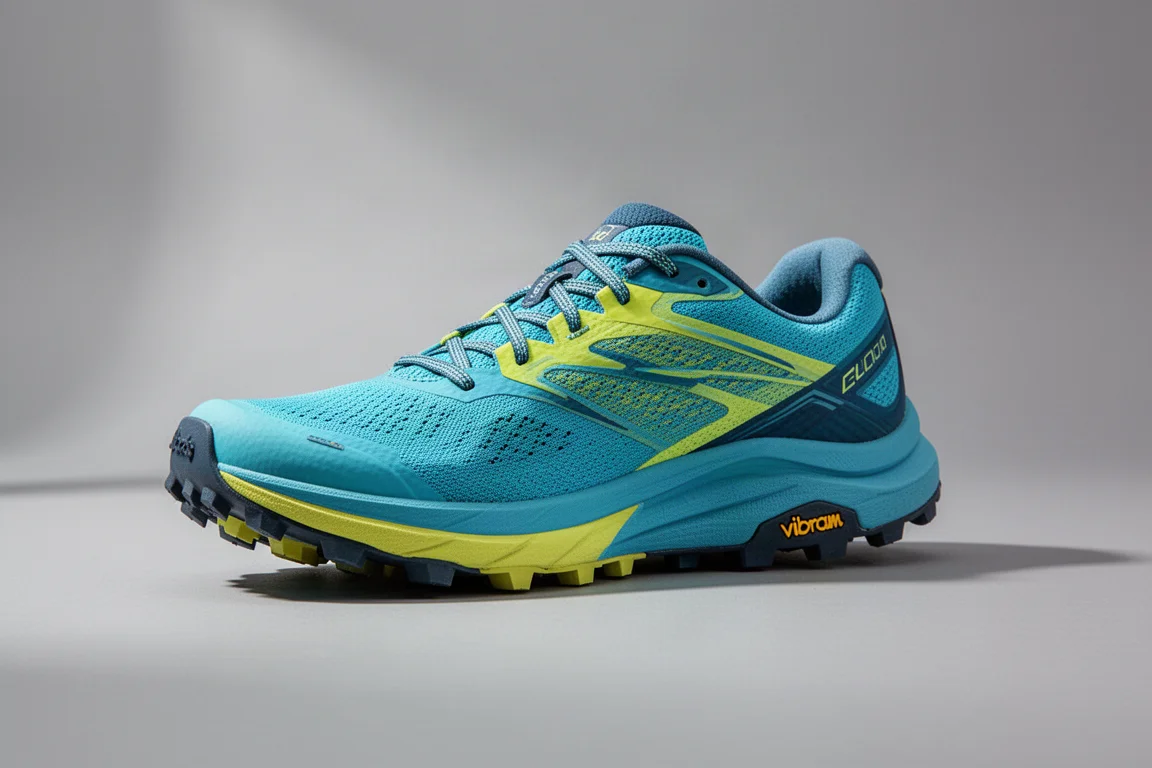
Nike’s Kiger 10 had two things going for it. It is a fairly light trail shoe compared with much of Nike’s trail lineup, and it uses a sticky Vibram Mega Grip rubber outsole, a big improvement over the in-house rubbers on older Nike trail shoes that struggled badly for traction on wet, rocky trails. The move to Vibram rubber was a clear step in the right direction.
The problem is the lug depth is shallow, and the Kushlon 3.0 midsole undoes the good work. At a time when midsole foams are getting lighter, softer, and more energetic, this one feels flat, undercushioned, and short on energy return, which is baffling given what Nike achieves with its road running foams.
5. ASICS Trabuco Max 4
The Trabuco Max 4 started well. On a dry mixed-terrain route with tarmac, loose gravel, and soft sand, it felt comfortable straight out of the box and made a pleasant first impression.
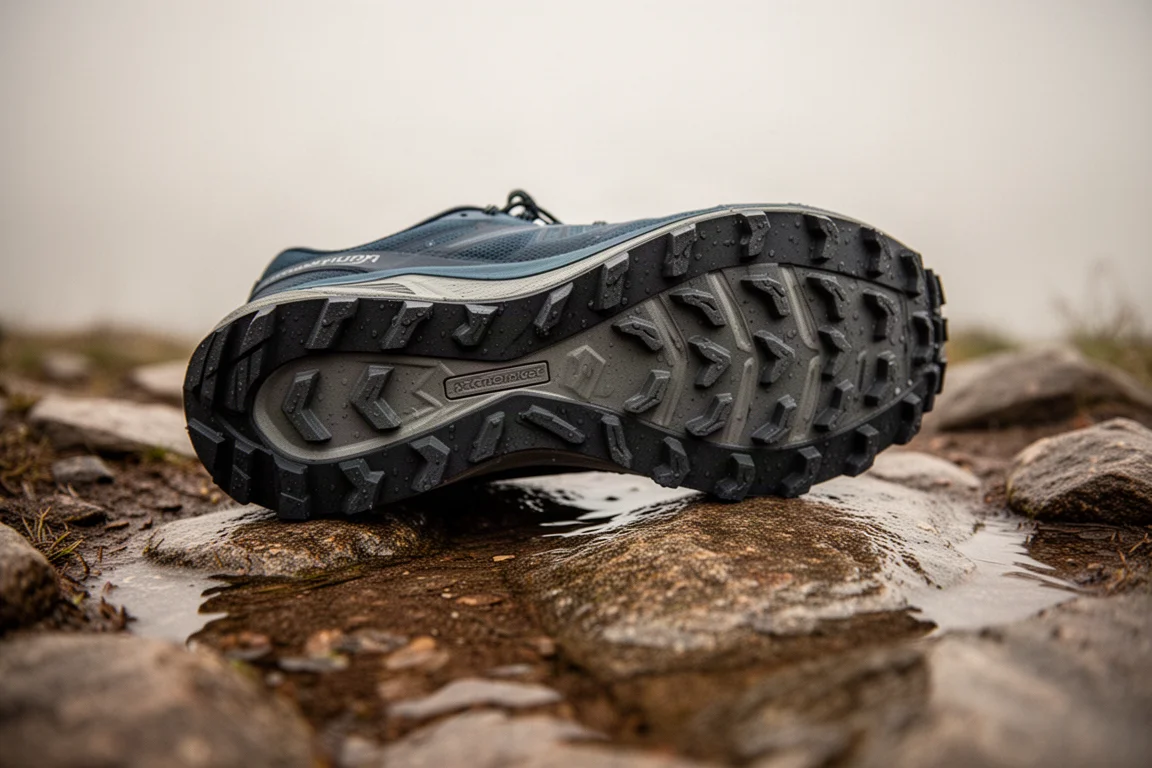
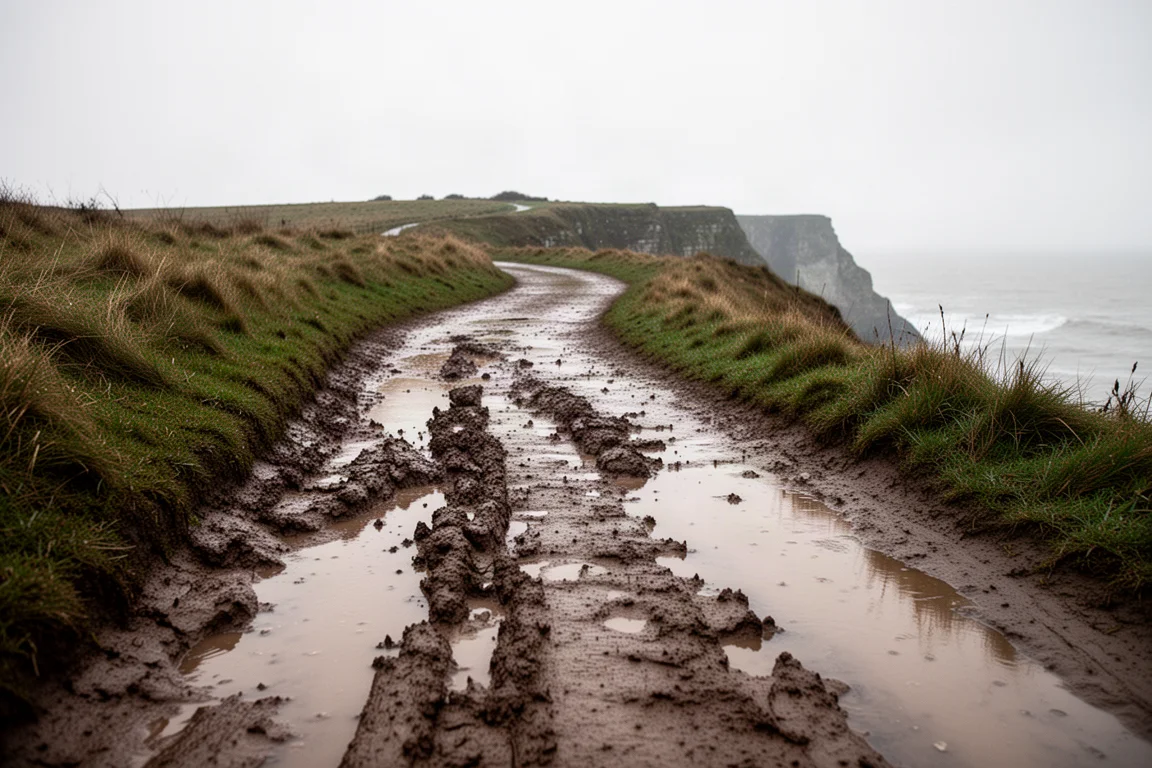
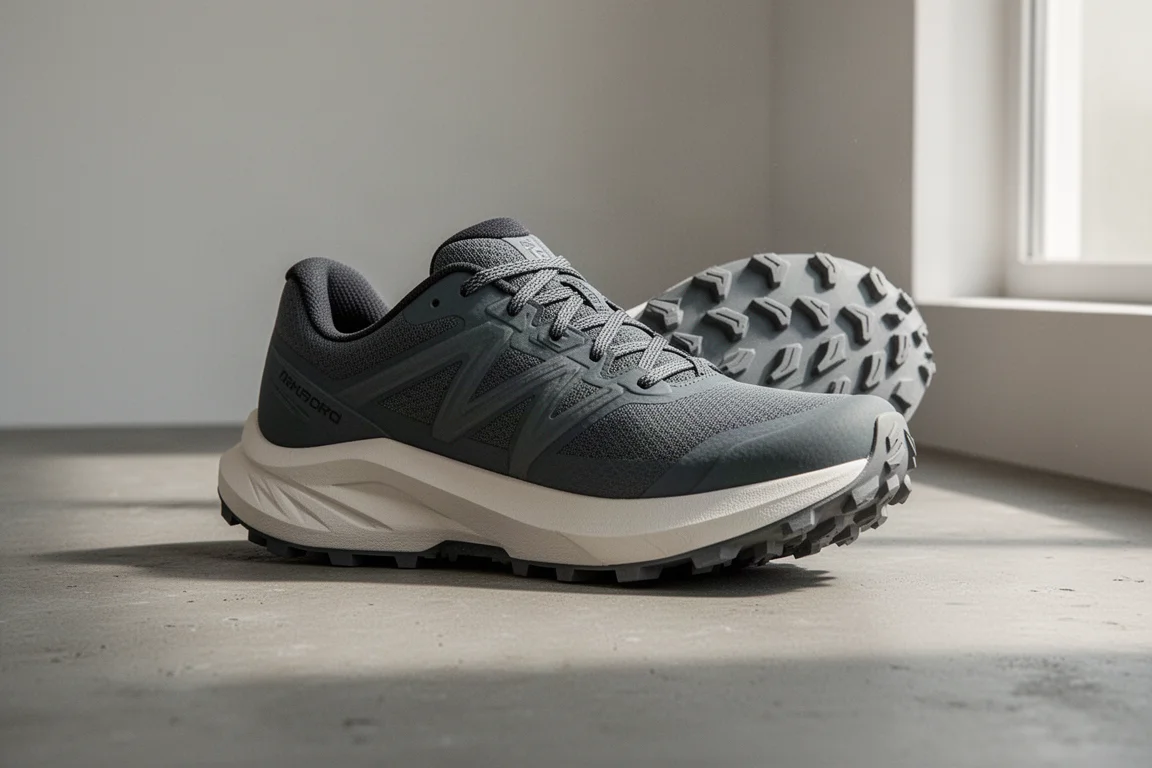
Everything changed on a wet long run. On muddy trails the outsole offered almost no traction, with slipping on even light mud before a heavy fall on more challenging ground. Looking closely at the lug pattern afterwards, the lugs appear to be oriented to form little M shapes for “Max” rather than to bite into soft ground. It is a case of style over substance, and it makes this shoe risky in anything wet.
4. C Omnis Bow
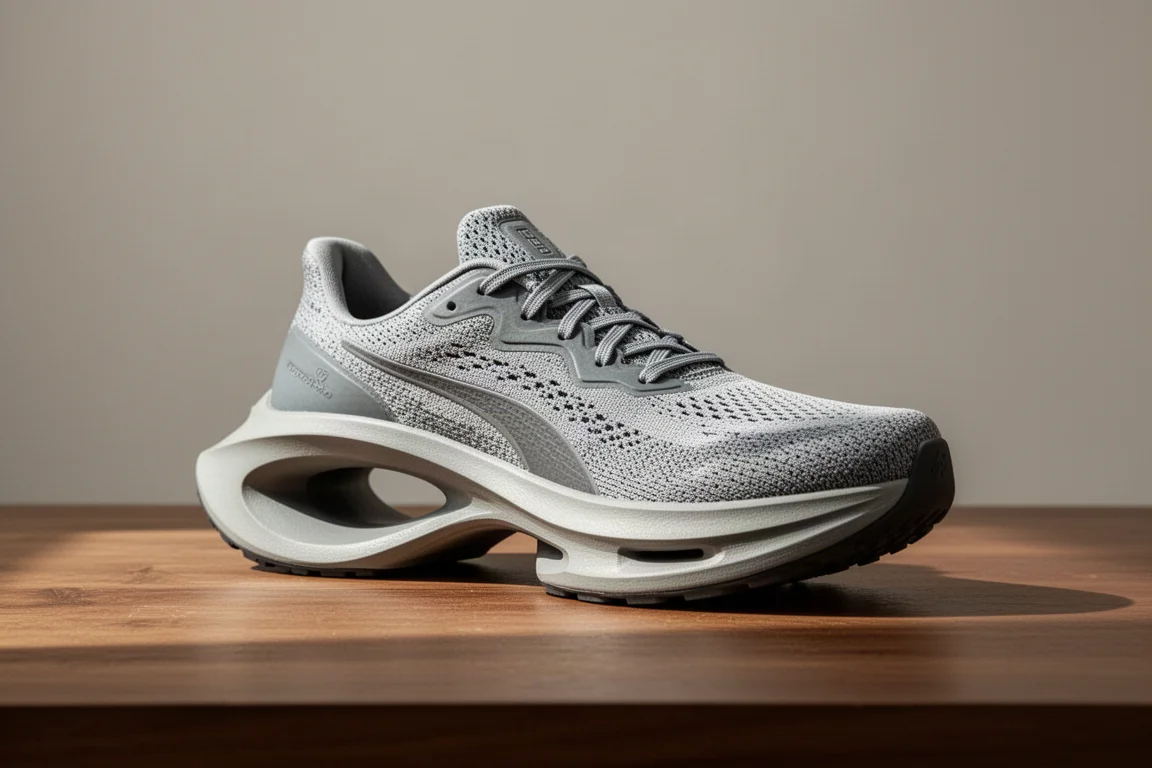
The Omnis Bow is the only road shoe on this list, and it comes from a brand new to running shoes. That is worth acknowledging: it is a first attempt, and innovation should be encouraged. But C took on a lot at once, with bold claims that the Omnis Bow technology enhances natural foot mechanics, boosts energy return, and provides a healthier run.
In practice, the shoe felt heavy and clunky underfoot, unstable, and unnatural to run in. Multiple test runs failed to improve things, and the testing eventually stopped because of foot pain. A cautious approach makes sense here if you are considering this shoe.
3. NNormal Kaibos 01
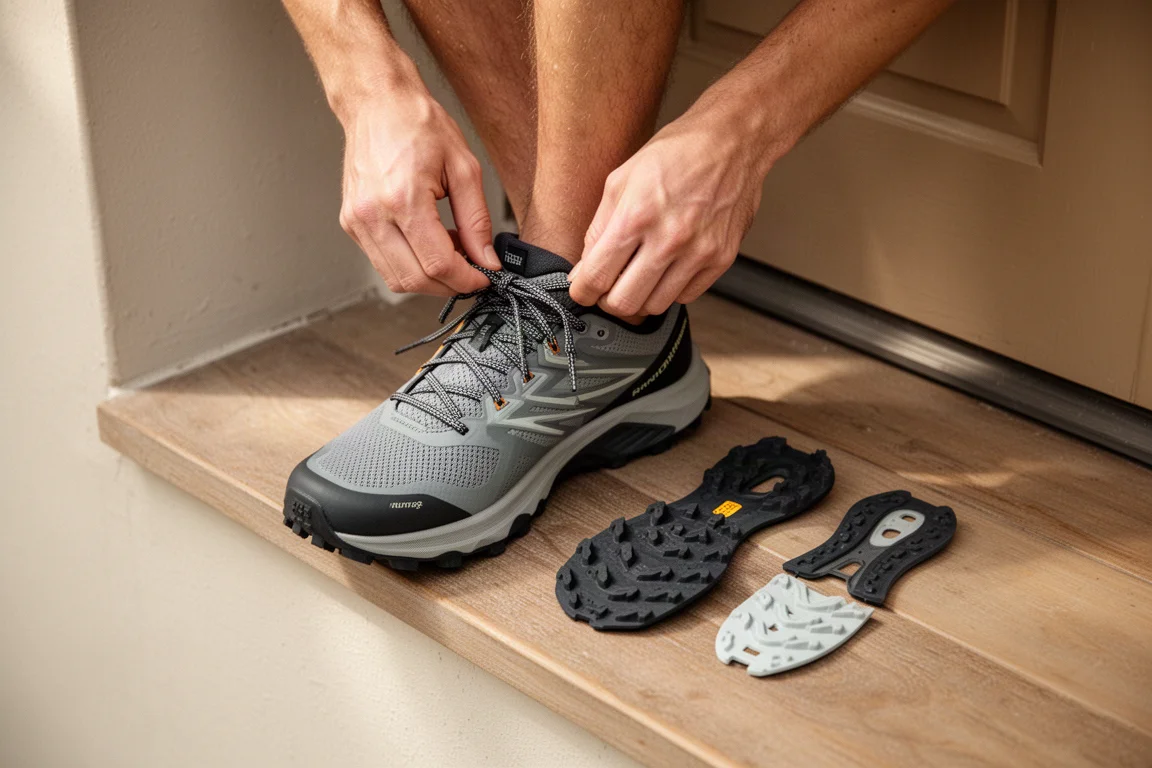
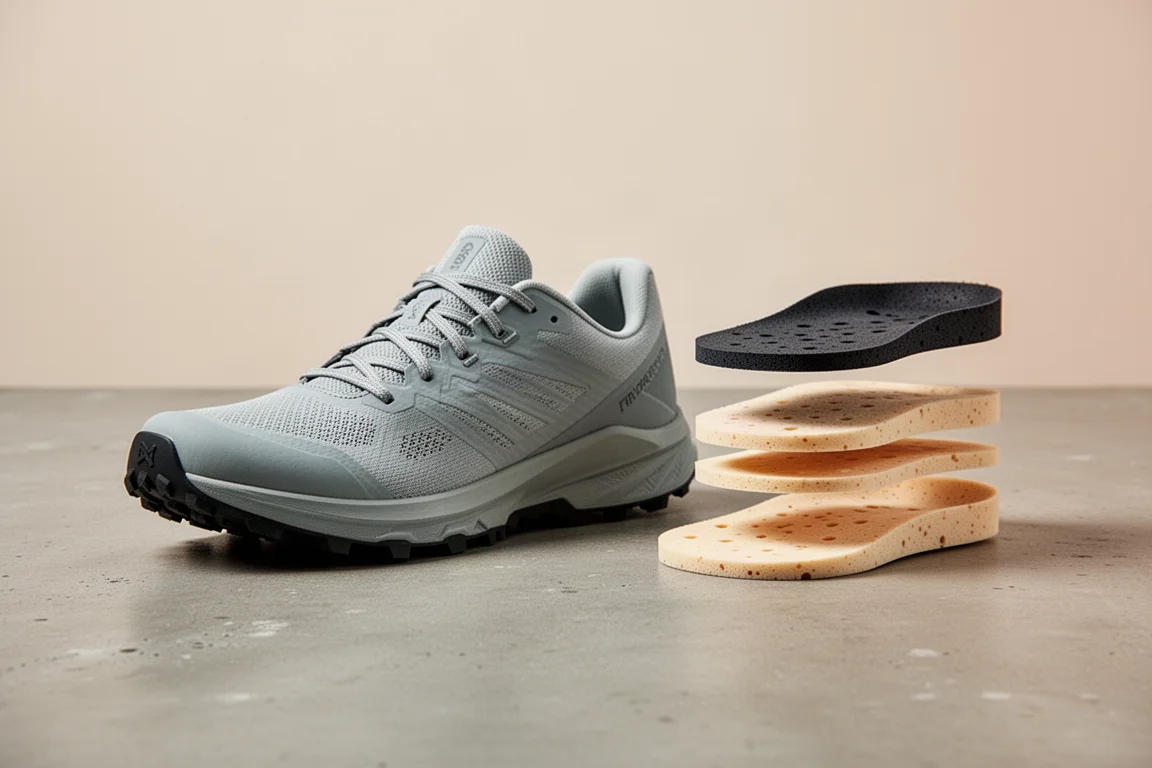
On paper, the Kaibos 01 should have been groundbreaking. The modular concept gives you one upper and three interchangeable midsoles: soft supercritical EVA foam for easy runs, a firmer supercritical TPU foam for faster efforts on technical terrain, and a deeply cushioned, high-energy-return midsole for longer days out. Credit to NNormal for attempting something genuinely ambitious.
The execution is where it falls down. The upper leaves very little room for the foot, with a shallow and narrow toe box and a shallow midfoot, even for a runner with a naturally narrow, shallow foot shape. Around three or four miles into each run, feet started to swell and everything felt cramped, to the point where getting the shoes off was the priority. The innovation is real, but the fit is a serious barrier.
2. Salomon S/LAB Ultraglide
The S/LAB Ultraglide was one of the most hyped releases of the year, with buzz going back to its first showing at the UTMB expo. And it is a genuinely good-looking shoe; the design team did a superb job. But you should never pick a running shoe on looks alone, and this is a textbook example of why.
The performance did not match the design. It felt clunky, unresponsive, and somewhat uncomfortable, which is unusual for a shoe from Salomon’s performance S/LAB division. The innovative midsole, intended to diffuse pressure and reduce fatigue over long distances, did not deliver, and long runs left the legs more fatigued than normal. One bright spot: no heel slippage, an issue many other runners reported and which Salomon addressed with a redesigned heel counter in the Ultraglide 1.5. At £230, though, much more was expected.
1. Satisfy Rocker
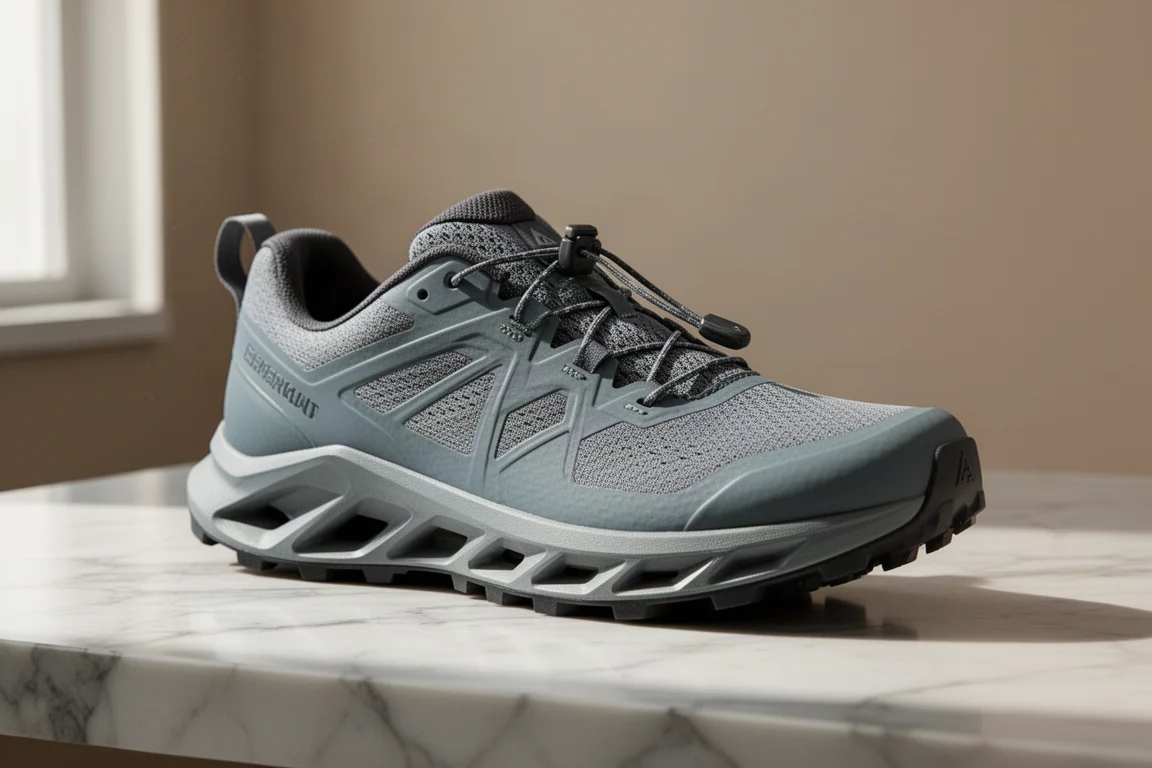
The most disappointing shoe of 2025 is the Rocker, the first running shoe from the high-end French running apparel brand Satisfy. It arrived with plenty of hype, an impressively presented box covered in facts and figures, and smart looks, though the design does have a NNormal-like quality about it.
The problems start with fit. Straight out of the box, the toe box felt very shallow and narrow, and the midfoot very shallow, possibly a result of the asymmetric lacing system. Feet felt cramped just standing in a living room, and it only got worse on the run as feet expanded and the upper became constricting and uncomfortable. A half size up from a UK 9.5 to a UK 10 might have helped with width and depth, but the fit was fundamentally off for this foot shape.
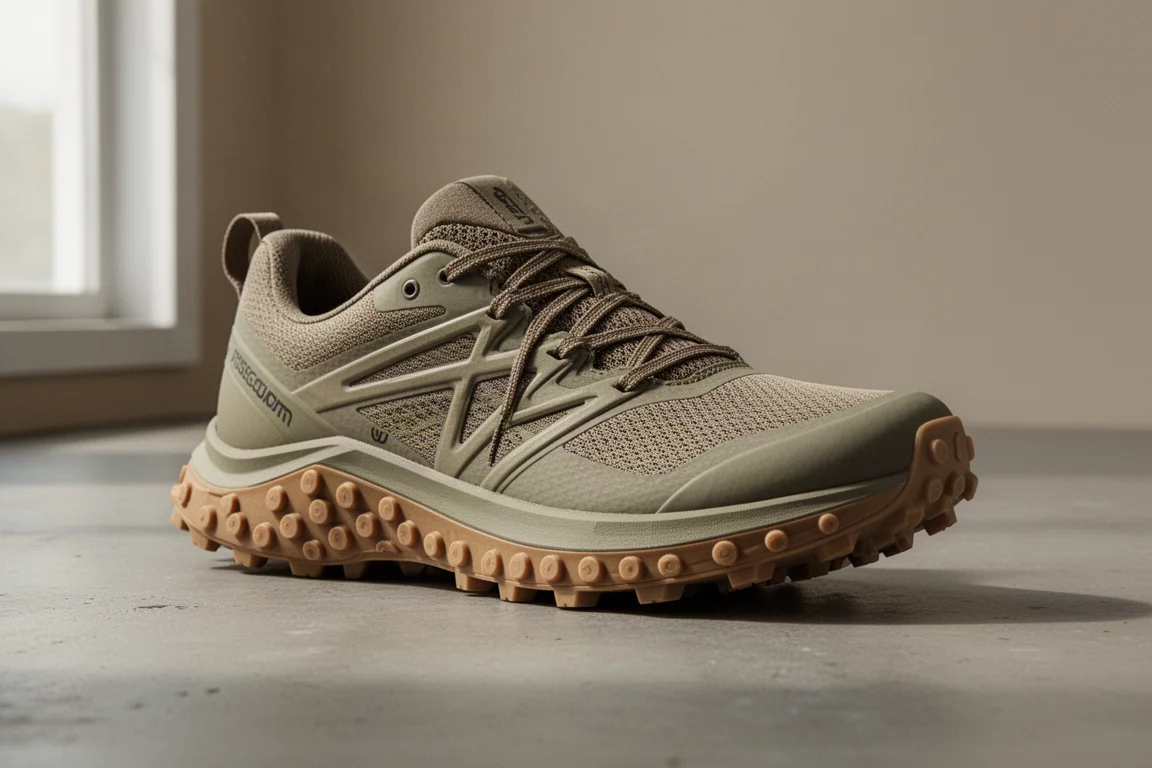
Traction made things worse. On loose gravel, it was hard to maintain forward motion with feet slipping and energy leaking away, thanks to a perfectly round lug design that simply does not work on trail. That is a strange choice for a Vibram outsole given the brand’s deep experience with trail rubber. To be fair, the Euphoria S foam midsole, a blend of PE and EVA, was genuinely enjoyable: well cushioned, energetic, and fun to run on. But with a UK retail price of £240, a bad-fitting upper and near-zero traction are hard to forgive.
Buying Advice
Across these six shoes, a few patterns are worth carrying into your next purchase. First, outsole design matters more than branding on the rubber: shallow lugs, oddly oriented lugs, or round lugs all caused real traction problems on wet and loose terrain. Second, fit is non-negotiable. Two of the most innovative shoes on this list were undone by uppers that were too shallow and narrow, so try shoes on and check toe box depth, especially with brands new to footwear. Third, hype and good looks are not performance, and a high price raises expectations rather than guaranteeing them.
If a shoe you own appears on this list and works for your feet, that is what counts. The lesson is simply to prioritise fit and traction over design stories and marketing claims.
Conclusion
Innovation, style, and hype were the themes of this year’s disappointments, from a flat-feeling midsole in an otherwise promising Nike trail shoe to a beautifully designed S/LAB shoe that did not perform, and a £240 debut that got the outsole fundamentally wrong. The encouraging part is that several of these brands are clearly iterating, and some of these problems are fixable in a next version. Check fit, check lugs, and let performance lead the way.
Further reading
Related Reviews

Running Shoes
Best Road-to-Trail Running Shoes: Three Versatile Options for Mixed Terrain
A practical guide to three road-to-trail running shoes that handle both pavement and mild trails, with clear strengths and trade-offs for different runner types.

Running Shoes
Best Running Shoes for Achilles Tendonitis: Three Options Explained
Three running shoes with different heel drops and support features designed to help reduce Achilles tendon pain during walking and running.

Running Shoes
Best Running Shoes for Women: Five Top Choices Ranked
A ranked guide to five women's running shoes, from versatile daily trainers to high-performance racing options, with real strengths and trade-offs for each.