Running Shoes
The Most Comfortable Running Shoes of 2026: 13 Picks From Race Day to Recovery
Thirteen tested running shoes covering race day, daily training, value buys, long runs, recovery jogs, and a few wild cards, with honest strengths and trade-offs for each.
Introduction
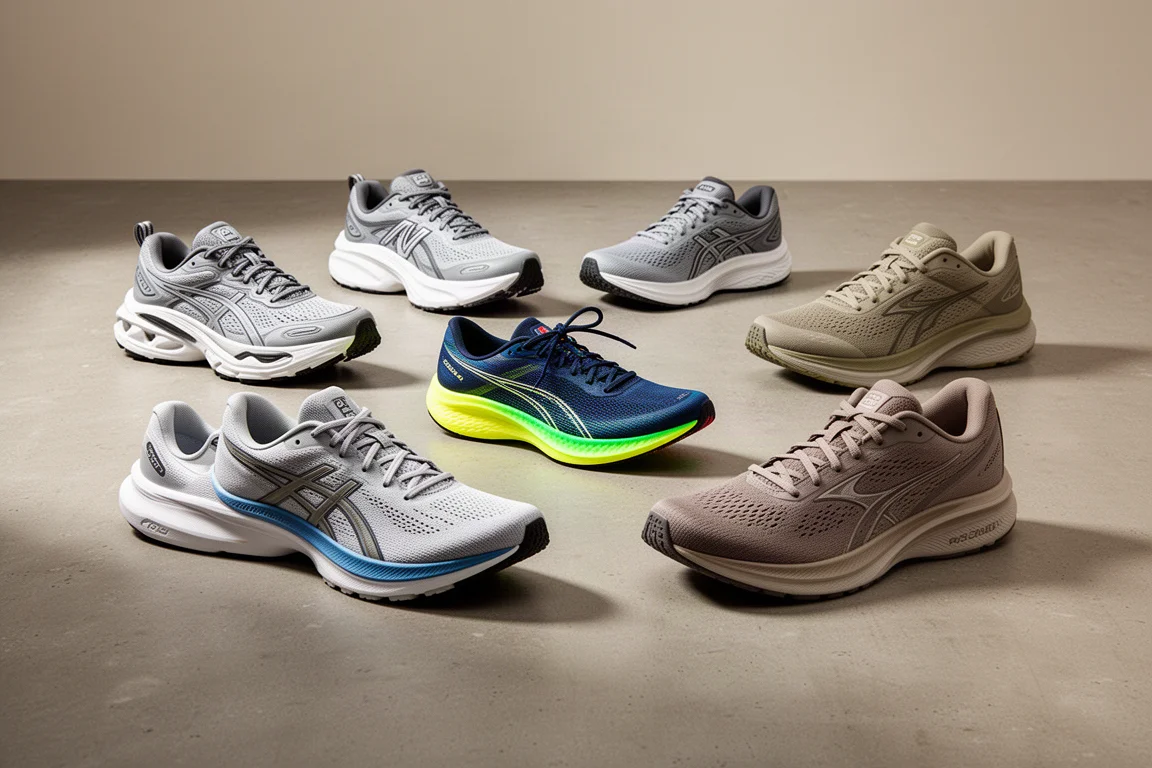
Few things are more frustrating than spending good money on a new pair of shoes only to find they rub, cause blisters, and generally make running miserable. Comfort is the one quality that matters in every shoe you own, whether it is a race day rocket, a daily workhorse, or a recovery-day marshmallow. This guide pulls together thirteen shoes that stand out for comfort, covering every category from fast race day picks and daily trainers to value buys, long run shoes, and a few genuinely quirky wild cards. Whether you are a beginner looking for one really good shoe or building out a full rotation, there should be something here for you.
Comfiest Race Day Shoes
Many race shoes are either too aggressive for anyone outside the front of the pack, or so stripped back that rubbing and blisters become a real problem. These two options manage to be both comfortable and quick.
Nike Zoom Fly 6
The Nike Zoom Fly 6 costs around £155, with a 42 mm stack, an 8 mm drop, and a weight of 322 g in the tested size. The midsole pairs ZoomX foam over an EVA layer with a carbon plate, and the shoe runs true to size, though there is no wide option. The ride is smooth and bouncy without being overly aggressive, with the ZoomX and EVA combo plus the plate propelling you forward on every stride. It works for racing, long runs, and weekly speed sessions, and it is a durable pick that delivers strong value given the premium foam and carbon plate at this price. Wider-footed runners are well served by an accommodating fit, with solid padding around the heel and a secure lockdown. On the downside, it is a clunky shoe for walking around in, very much a running-only shoe, and slightly heavier than some rivals in this category.
Hoka Rocket X 3
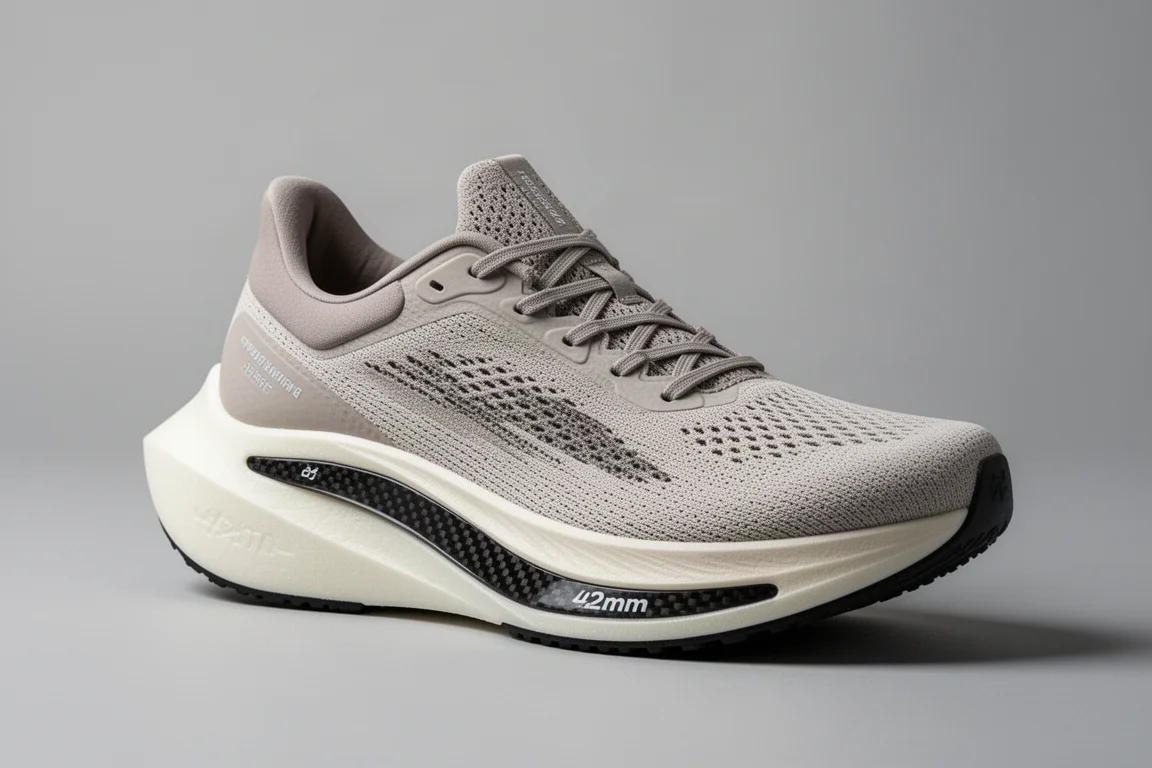
The Hoka Rocket X 3 comes in at £220, with a 40 mm heel stack, a 7 mm drop, and a light 241 g weight. It uses a dual-density PEBA midsole with a winged carbon plate, runs true to size, and unfortunately offers no wide option. Fit and comfort are a big improvement over the previous version, with much more padding around the heel and a secure, supported feel as the foot sits down into the foam. It is one of the most stable super shoes on the market right now, making it a strong choice for runners who normally need a stability shoe, and it delivers a smooth ride however you strike the ground. That smooth but fast ride is not overly aggressive, which makes it a great pick for three to five hour marathon runners who want a race shoe they can actually enjoy. The main caveat is the premium £220 price, though it can often be found around £180 with some searching.
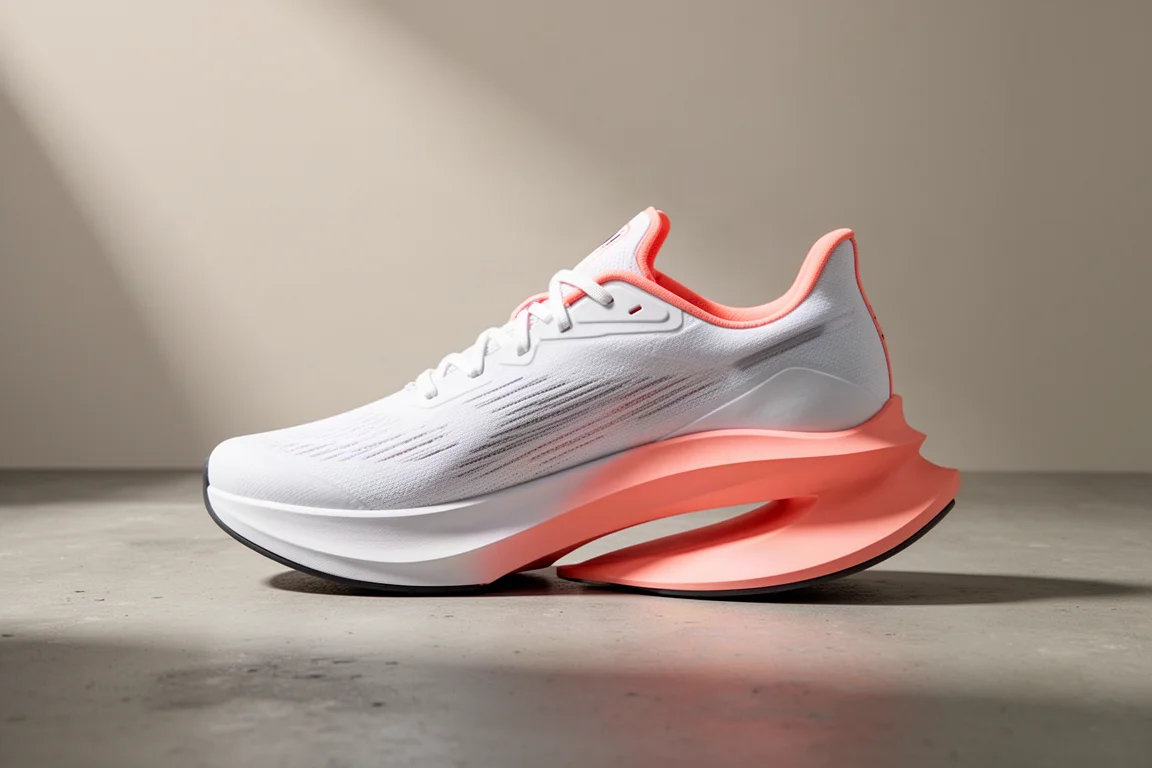
To sum up the race day picks: choose the Zoom Fly 6 if you want a versatile training and racing shoe at a good price, or the Rocket X 3 if you want something lighter and faster for racing.
Best Daily Shoes
The daily shoe category matters most, since this is where most of your weekly mileage happens. Both of these handle a wide range of paces and distances well, making them ideal whether you want a one-shoe rotation or the foundation of a bigger one.
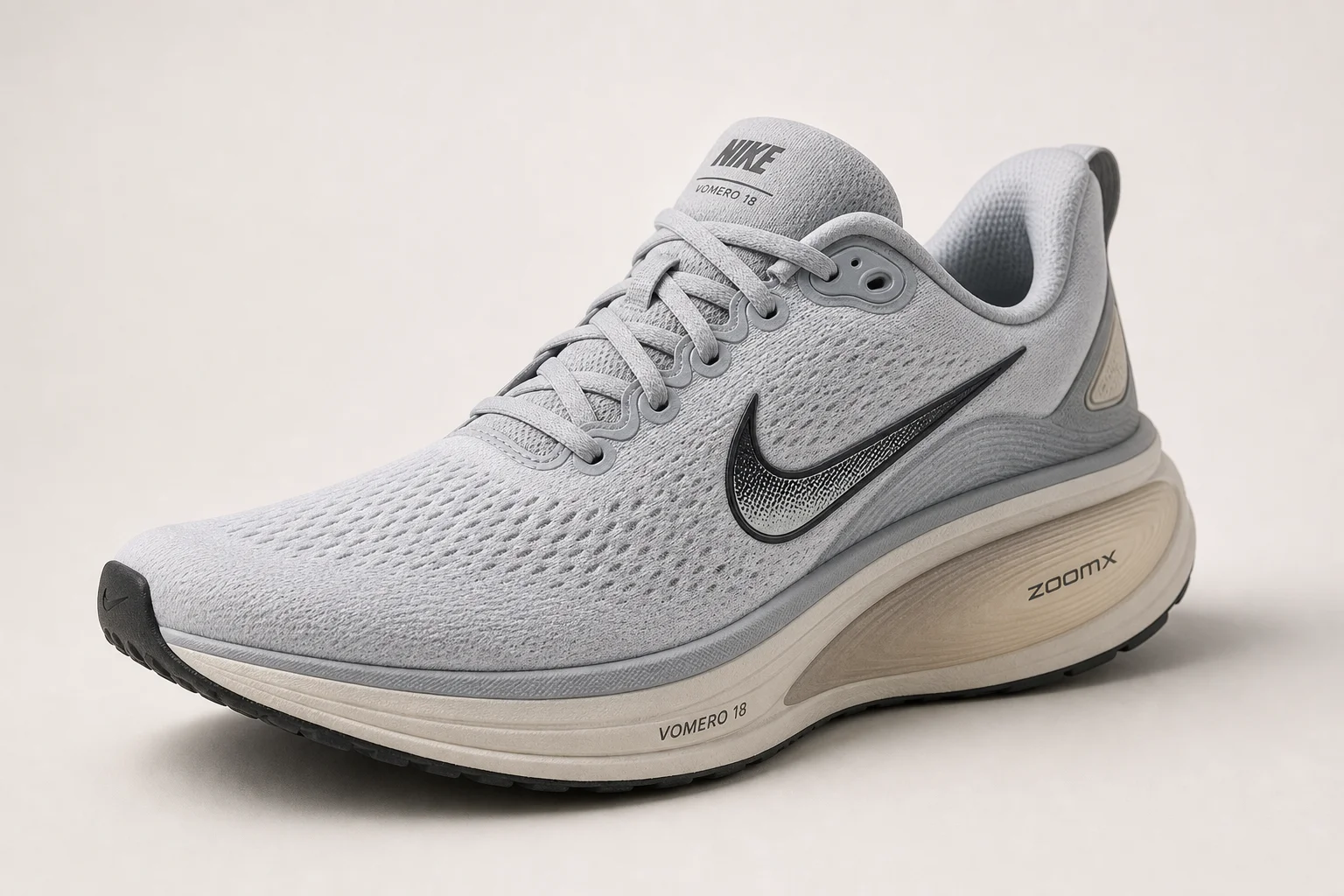
Nike Vomero 18
The Nike Vomero 18 costs £135, with a 46 mm heel stack, a 10 mm drop, and a 362 g weight, so it sits a little on the heavier side. It uses a ZoomX midsole over a ReactX layer with no plate, runs true to size or possibly half a size down if unsure, and importantly a wider fit option is available. The ride is plush and well cushioned with lots of toe box width, generous heel collar padding, and surprising stability at that high stack. Versatility is the real strength here: it handles easy runs, long runs, and some race pace work, making it a great all-rounder for half marathon and marathon training and a more versatile option than the standard Pegasus. It is a solid, safe, reliable bet. The main thing to watch is the weight, which can make shorter 5K and 10K efforts feel a bit sluggish, so consider pairing it with a speed shoe if those sessions are a big part of your week.
Saucony Kinvara
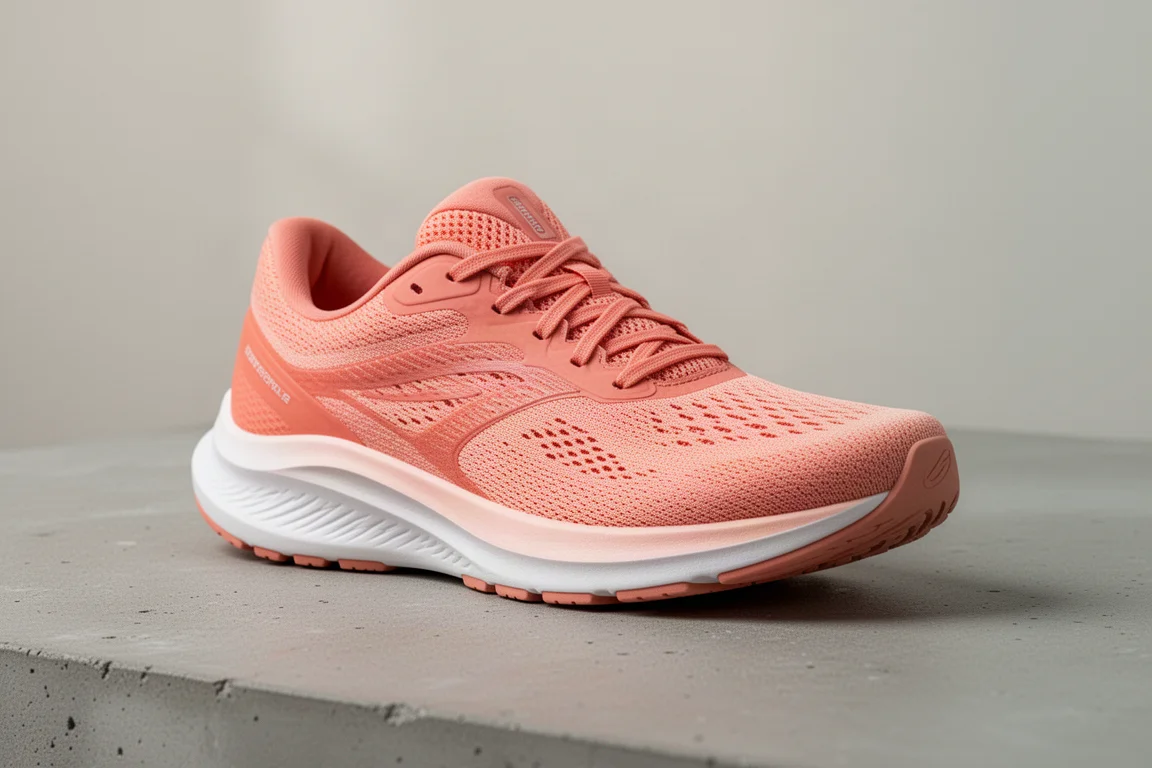
The Saucony Kinvara costs £140, with a 40 mm heel stack, an 8 mm drop, and a nicely light 296 g weight. It uses Saucony’s PWRRUN PB PEBA foam with no plate, runs true to size, and there is no wider fit option. The ride is fun and engaging, with the shoe constantly edging you on to pick up the pace: the lightweight foam and Speedroll rocker get you up onto your toes with a lovely smooth transition, and the foam strikes a fine balance between soft and firm. Heavier runners are well looked after with no risk of bottoming out the foam. It is versatile enough for long runs, easy runs, sessions, and a bit of tempo work, a genuine do-it-all shoe at a decent price, and comfortable over long distances thanks to padding in all the right places and a breathable, lightweight upper. Two minor gripes: the tongue has a habit of sliding down during runs, and the colorways will not be to everyone’s taste.
Choose the Vomero 18 if you want a max cushion shoe for easy and long runs, especially if you have wider feet, or the Kinvara if you want a lighter, more responsive do-it-all shoe that handles everything from recovery jogs to tempo sessions. It is also worth noting the ASICS Novablast 5 as another very comfortable daily option, and with version 6 about to launch you may well find a cracking deal on version 5. The New Balance 1080 is another very comfortable pick, but at £180 it is just a little too expensive for this list.
Value Picks That Punch Above Their Price
Comfortable shoes do not have to break the bank, and these two prove it.
Adidas Evo SL
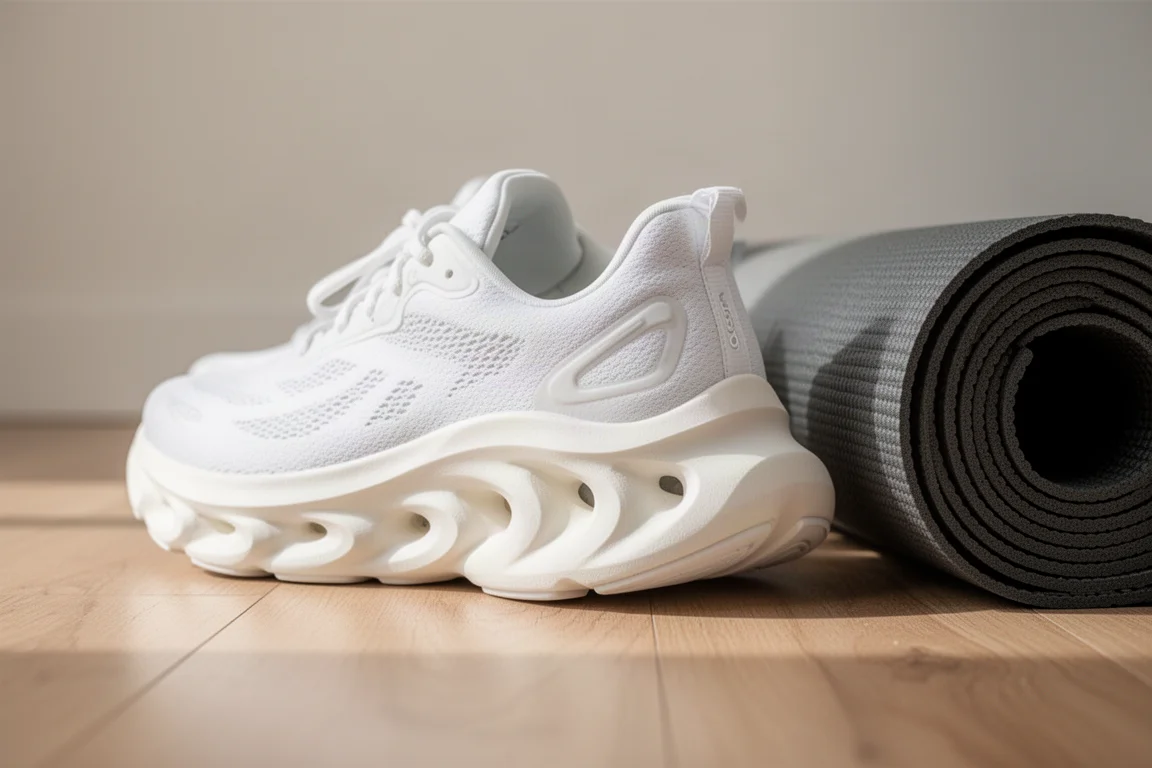
The Adidas Evo SL costs £130 and can often be found on sale for around £100, which is absolutely blinding value. It has a 39 mm heel stack, a 7 mm drop, and a lightweight 267 g build. The midsole is Adidas’s brilliant Lightstrike Pro foam, the same foam used in the brand’s high-end racers, paired with a 100% PEBA plate, though technically a small shank provides the stability. It runs true to size with no wide option, and while Adidas shoes can run narrow, the Evo SL is not too bad. The ride is bouncy, responsive, and hugely versatile, shining from around 3 minutes per kilometre down to easy jogs, with the sweet spot at faster paces. It could happily carry you through a race up to half marathon distance, though a full marathon is probably a stretch. The thin upper means the lockdown is not hugely secure on sharp corners or uneven ground, which combined with the soft foam can feel a little unstable; the Evo SL woven version is a lot better if that concerns you.
Puma Velocity Nitro 4
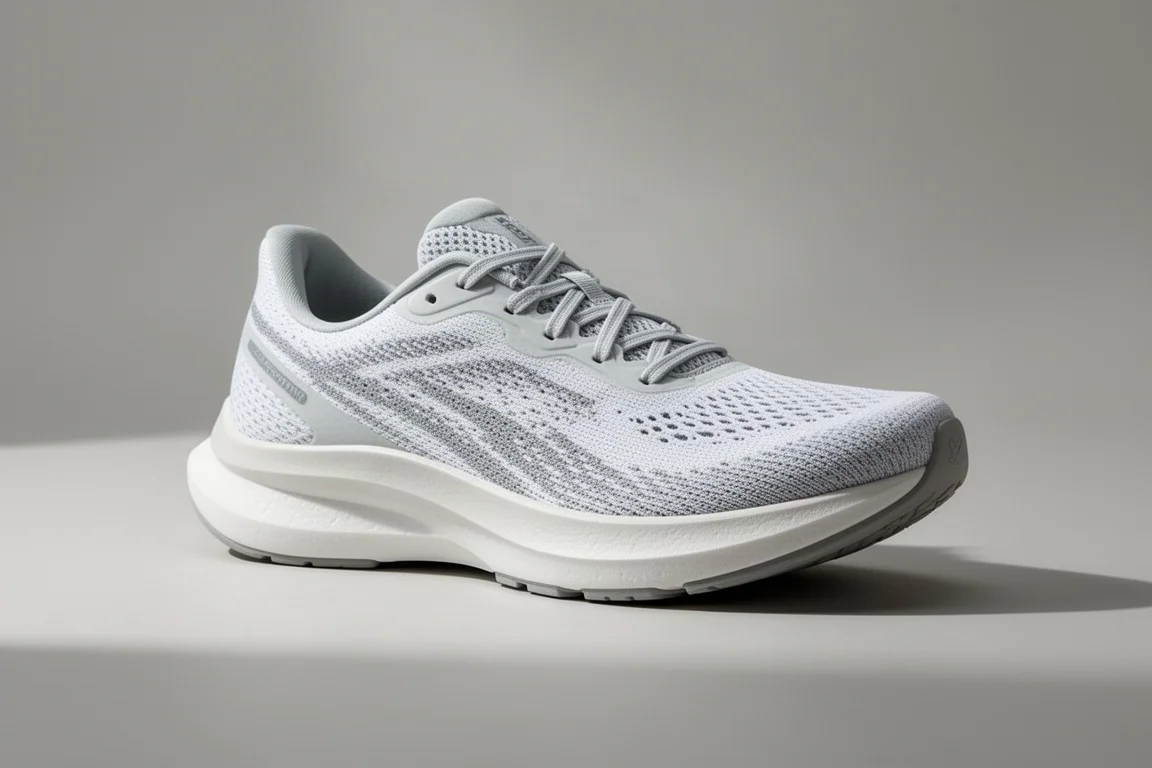
The Puma Velocity Nitro 4 has an RRP of £110 and is usually available for around £70 to £90. It has a 36 mm heel stack, a 10 mm drop, and a light 282 g weight, with Puma’s Nitro foam and no plate. Sizing is true to size, but there is no wide option. The Nitro foam is bouncy and poppy, delivering a genuinely enjoyable ride that feels far more premium than the price suggests, with excellent energy return at all paces. PumaGrip is best in class, especially in wet conditions, which makes this one of the most perfect parkrun shoes out there: light, nimble, and grippy on twisty courses, and equally popular on hilly routes where grip matters. The main catch is the fit: it runs slightly narrow through the midfoot, and sizing up would leave the shoe too long, so wider-footed runners should probably give this one a miss.
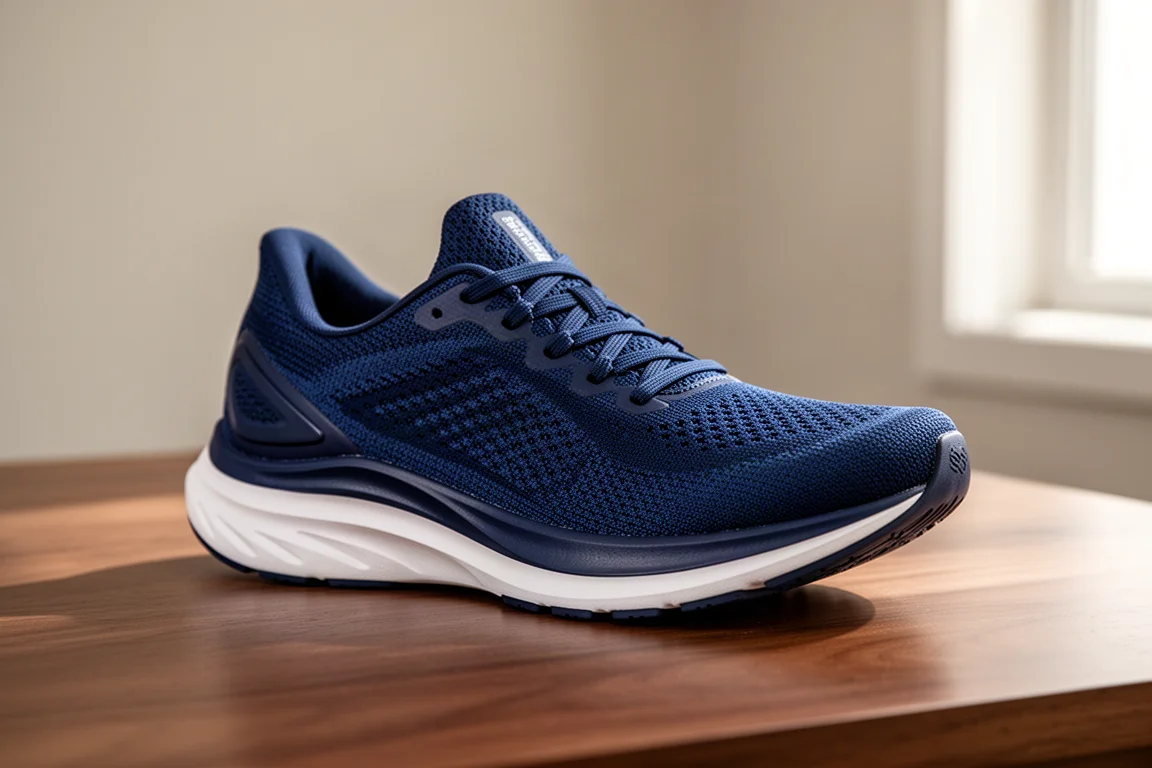
Out of the two, go for the Evo SL if you want a fast, lightweight ride at a bargain price, or the Velocity Nitro 4 if you want an affordable all-rounder with amazing grip.
Best Long Run Shoes
The long run is one of the most important sessions of the week, and a really comfortable pair of shoes makes all the difference, especially during marathon training. The daily shoes above will serve most runners well, but if you want a dedicated long run shoe for big weekend efforts, these two are favorites.
Asics Superblast 3
The Asics Superblast 3 cost £200 as tested (bought in Spain for €220). It has a 46.5 mm heel stack, an 8 mm drop, and an impressively light 276 g weight. The midsole uses Asics’s FF Blast with a full layer of FF Blast Plus at the bottom for added stability, running true to size with no wider fit option. The FF Blast foam, Asics’s top-tier racing foam, gives a soft, bouncy ride that is noticeably poppier and more responsive than the outgoing version 2. It genuinely feels like it looks after your legs better than any other recent shoe, leaving them feeling fresh at the end of big efforts, which is exactly what a long run shoe is for. At 276 g it is insanely light for a shoe of this size and volume, significantly lighter than the most obvious rivals, and the toe box offers great width and height with brilliant lockdown and a nice gusseted tongue, meaning zero issues with blisters or rubbing. It simply eats up the miles: 20Ks, 30Ks, marathon pace blocks, even a full marathon. The downsides are durability that does not match version 2, something to watch for high mileage runners, and a high price point, albeit for a premium product.
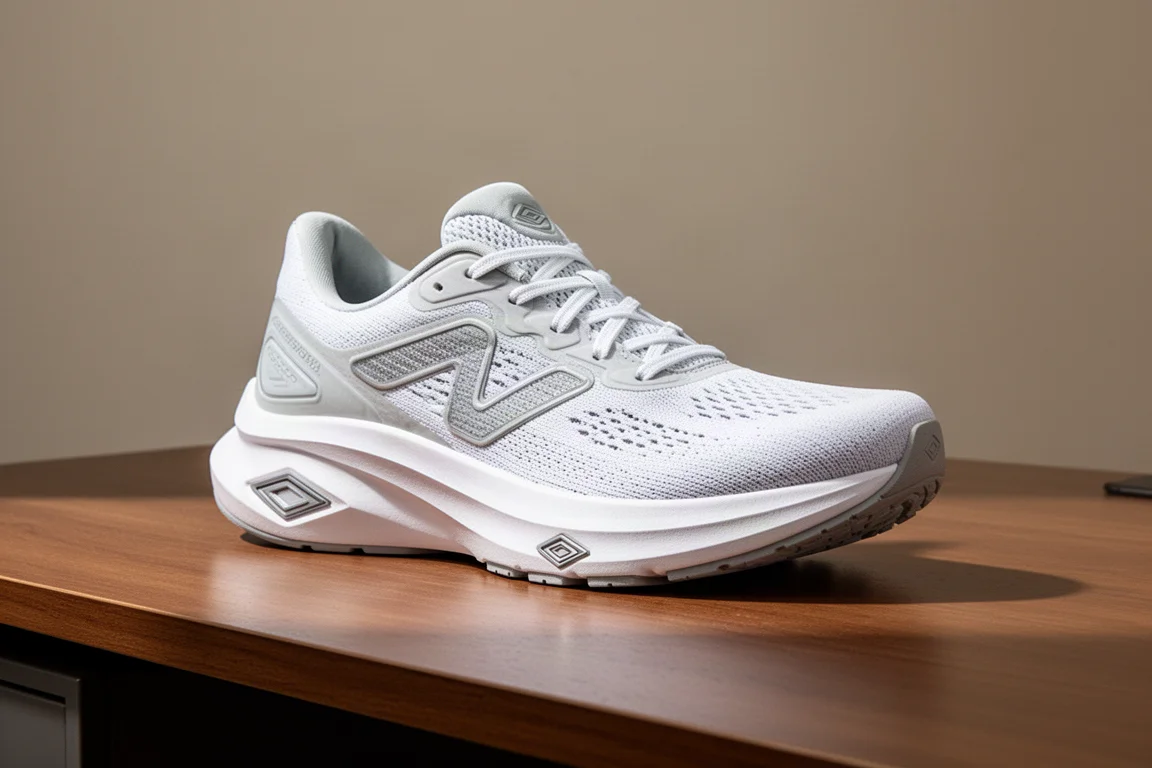
Puma Magnamax 2
The Puma Magnamax 2 came in at £170 earlier this year. It has a 46 mm heel stack, an 8 mm drop, and a heavier 324 g weight, with Nitro foam and no plate. It runs true to size with no wide fit option. Durability is the headline: this is a shoe built to last, with high-quality materials throughout, a stretchy sock-like tongue, and nice padding with good breathability. As with the Velocity Nitro 4, you get that amazing PumaGrip, which at this price point you would hope for, and it handles wet roads, wintry conditions, and mixed surfaces with ease. The rocker geometry tips you forward nicely for a smooth long run ride, and the slightly firmer foam, firmer than the Superblast 3, makes it a really good option for heavier runners too. It is on the heavier side and does not provide as much pop and bounce as the Superblast, but for long runs where you are not pushing the pace, it laps up the miles.
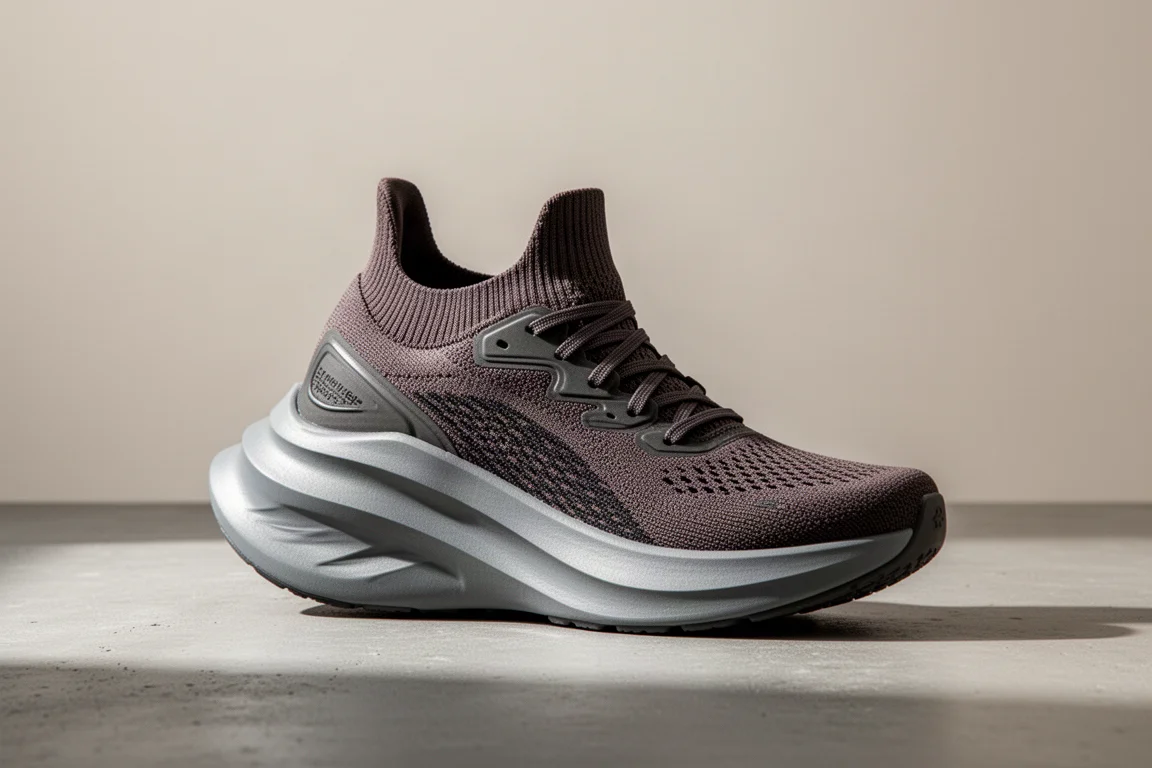
Choose the Superblast 3 if you want a lightweight, responsive long run shoe that handles faster paces, or the Magnamax 2 if you want a firmer ride for really big mileage weeks in bad weather, with durability as the priority.
Comfiest Easy and Recovery Shoes
If comfort is your number one priority and you do not care about speed or weight, these two are right up your street. The goal here is maximum plush, soft comfort to look after your legs and bring them back fresher for the next run.
New Balance More v6
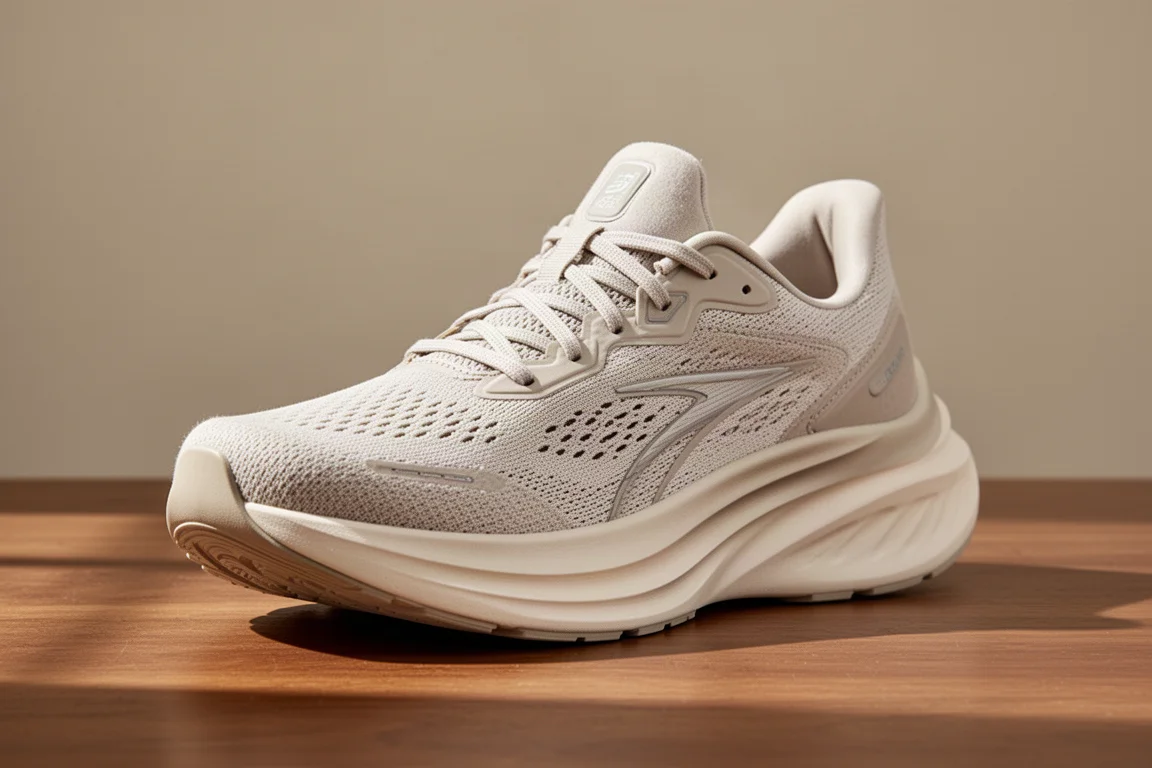
The New Balance More v6 costs £150, with a 44 mm heel stack, a 4 mm drop, and a heavy 361 g weight. It uses a Fresh Foam X midsole with no plate, runs true to size, and a wide fit option is available. This is about the closest thing to running on clouds you can find right now: very soft and marshmallowy, with Fresh Foam X absorbing every bit of impact without feeling dead and mushy. Version 6 improves stability over version 5 with a wider platform, a slightly stiffer heel counter, and a little extra structure, so you can trust it on longer recovery runs without worrying about ankle wobbles. It is also a great all-day shoe for healthcare workers, commuters, or anyone on their feet all day. The downsides are the weight and very little versatility: this is purely a jogging-around recovery shoe, plain and simple.
Asics GEL-Nimbus 28
The Asics GEL-Nimbus 28 costs £180, with a 43.5 mm heel stack, an 8 mm drop, and a 335 g weight, which is not bad for such a big recovery-style shoe. It uses Asics’s FF Blast Plus, runs true to size, and a wider fit option is available. The upper and tongue are in a class of their own for comfort: a super stretchy knit tongue hugs the foot perfectly, with lots of heel padding, and from the very first wear there are no blisters or hot spots to worry about. It is 49 g lighter than its predecessor, making it slightly more nimble, and like the More v6 it works well for all-day wear, with exceptional build quality that should last a very long time. Two things to note: the foam feels a little dated now, and at £180 you are paying a premium that feels slightly overpriced for the comfort and quality on offer.
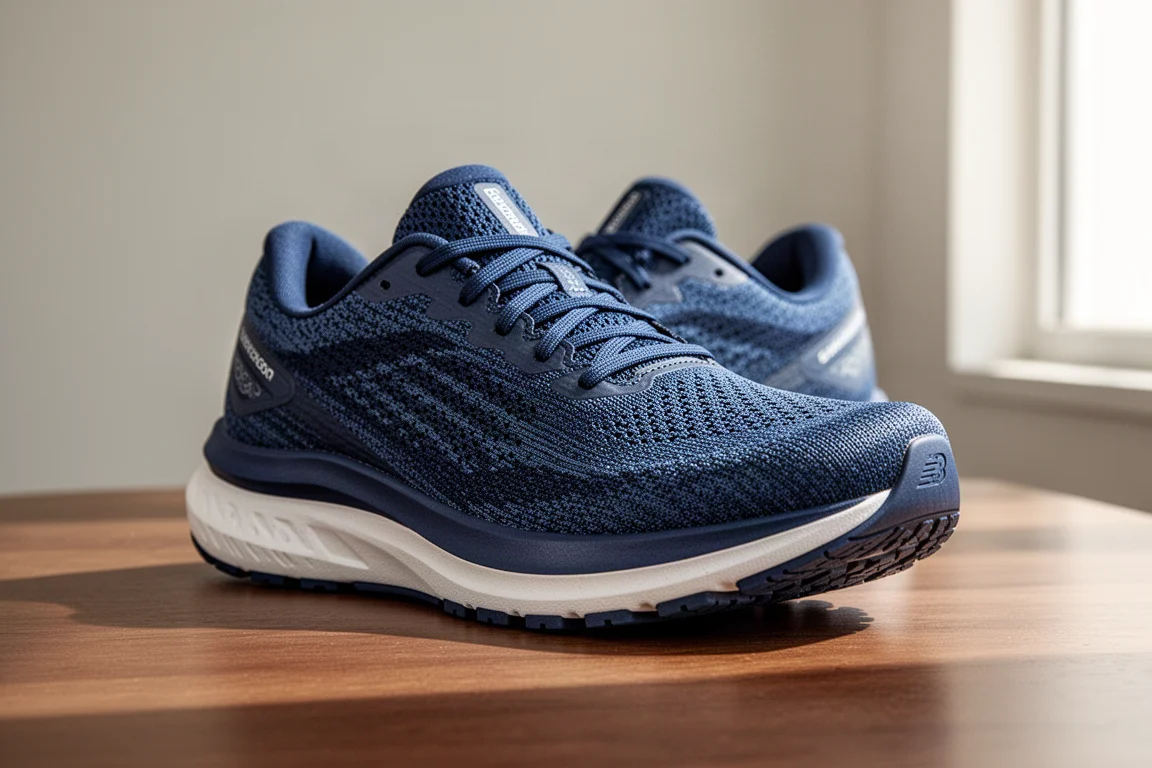
Choose the More v6 if you want the softest, squishiest recovery ride at a slightly lower price, or the GEL-Nimbus 28 if you want a firmer, more stable easy run shoe built to last longer. And if you are wondering about the Nike Vomero Premium: it is definitely very comfy, with 55 mm of stack and the ultimate soft, squishy recovery ride, and if it were a little cheaper it would have made the top two.
Wild Cards Worth a Look
Finally, three wild cards for anyone after something a little more quirky.

Rad UFO 8
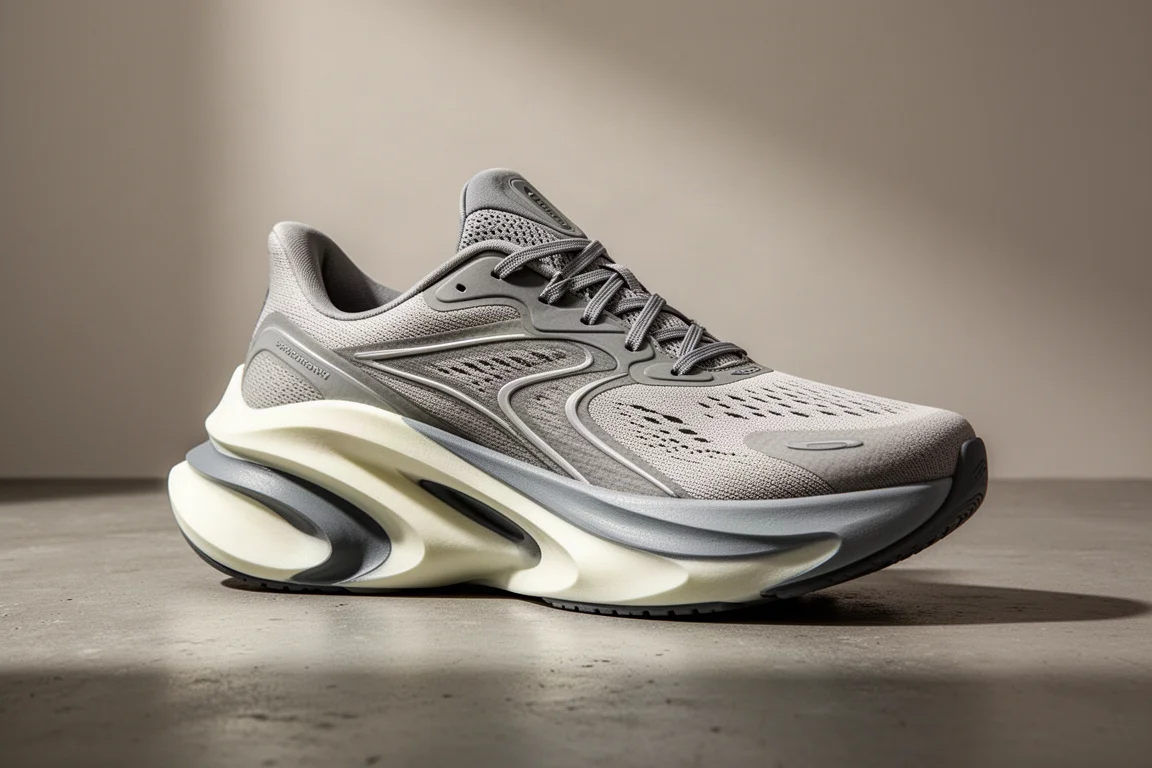
The Rad UFO 8 costs around £180 and is a debut running shoe from an exciting, up-and-coming brand, with a radical look to match. Its dual-layer PEBA foam is really soft and bouncy, making it one of the most fun rides of the year. The one thing to avoid is wet roads, because the grip is really not very good in the rain. Comfortable, it definitely is.
Red Hare Ultra 9
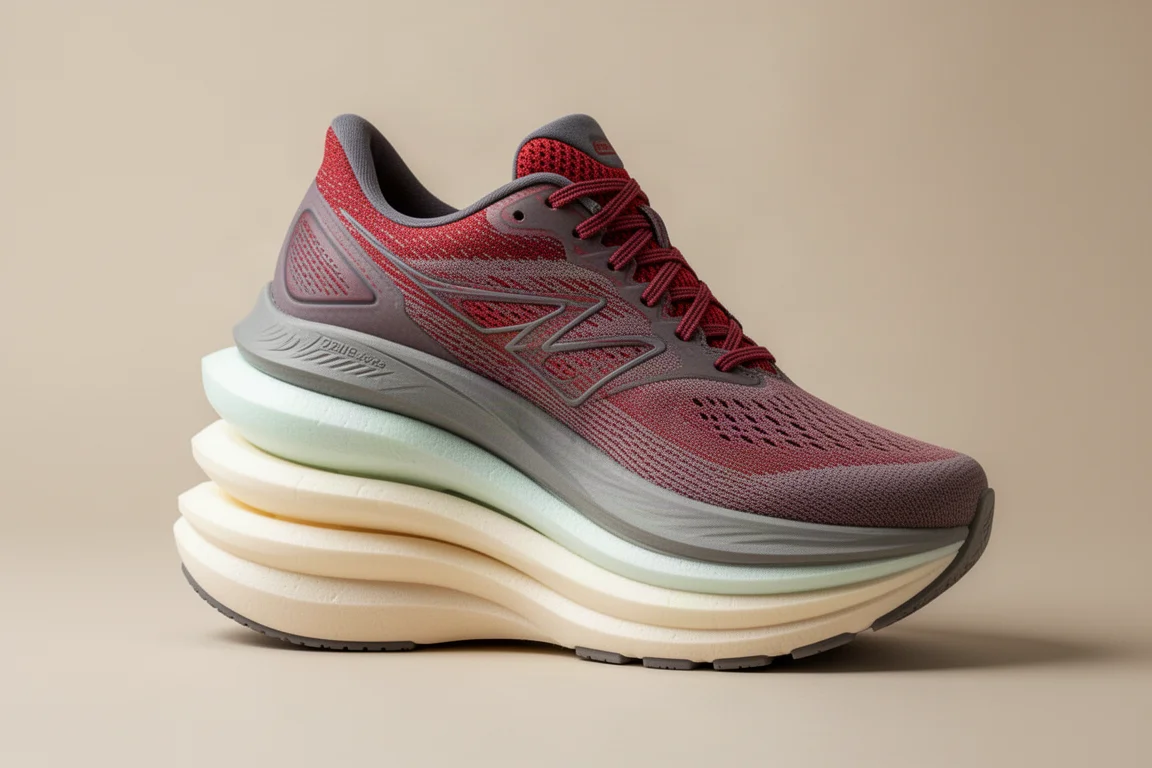
The Red Hare Ultra 9 cost £116 when bought from China via AliExpress, which is exceptional value for a long run super trainer. It packs a wild triple layer of foam that is very soft yet surprisingly responsive and stable, remarkable given how much stack the shoe has. It stayed comfortable at every pace tested.
Mountaco C1
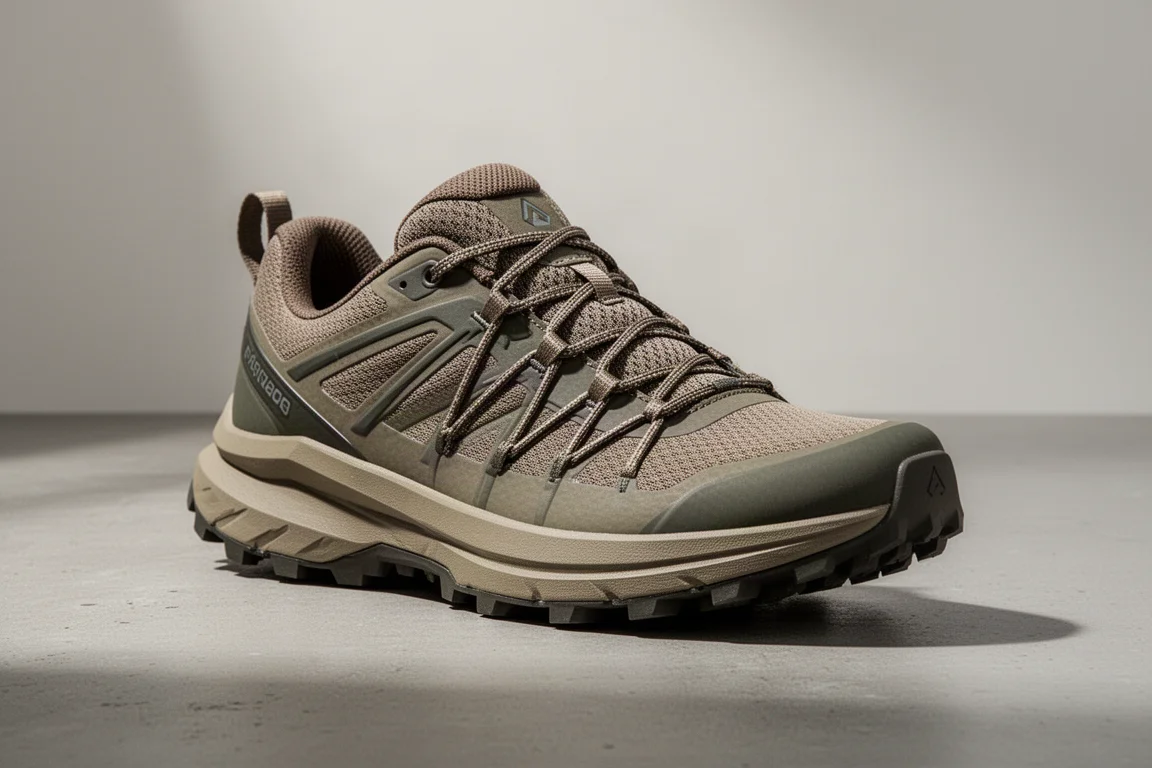
The Mountaco C1 costs around £170 from another of the most exciting up-and-coming brands right now. It is a very stable max stack shoe and a genuinely durable option, with a clever dual lacing system at the front that lets you dial in a fully customized fit and get the pressure just right across the front of the foot. That makes it a great ultra and long distance shoe, especially for anyone training for ultramarathons. It is a little on the firm side, but very dependable, built to last with comfort all the way. The C stands for comfort, and that claim holds up.
Conclusion
Comfort should never be an afterthought when buying running shoes, and this list proves there is a comfortable option for every role and budget. Race day runners can pick between the versatile Zoom Fly 6 and the lighter Rocket X 3, daily training is covered by the plush Vomero 18 and the fun Kinvara, the Evo SL and Velocity Nitro 4 show that great comfort does not require a big budget, the Superblast 3 and Magnamax 2 take care of long run duties, and the More v6 and GEL-Nimbus 28 deliver maximum recovery-day softness. Add in the three wild cards and there is genuinely something here for every runner, whether you want one reliable shoe or the start of a full rotation.
Further reading
Related Reviews

Running Shoes
Best Road-to-Trail Running Shoes: Three Versatile Options for Mixed Terrain
A practical guide to three road-to-trail running shoes that handle both pavement and mild trails, with clear strengths and trade-offs for different runner types.

Running Shoes
Best Running Shoes for Achilles Tendonitis: Three Options Explained
Three running shoes with different heel drops and support features designed to help reduce Achilles tendon pain during walking and running.

Running Shoes
Best Running Shoes for Women: Five Top Choices Ranked
A ranked guide to five women's running shoes, from versatile daily trainers to high-performance racing options, with real strengths and trade-offs for each.