Running Shoes
3 Most Anticipated Running Shoes of 2026: ASICS, Adidas and Puma
Three upcoming race-day and speed-day shoes we are most excited to see land in 2026, from a featherweight ASICS racer to a lower-stack Puma option.
Introduction
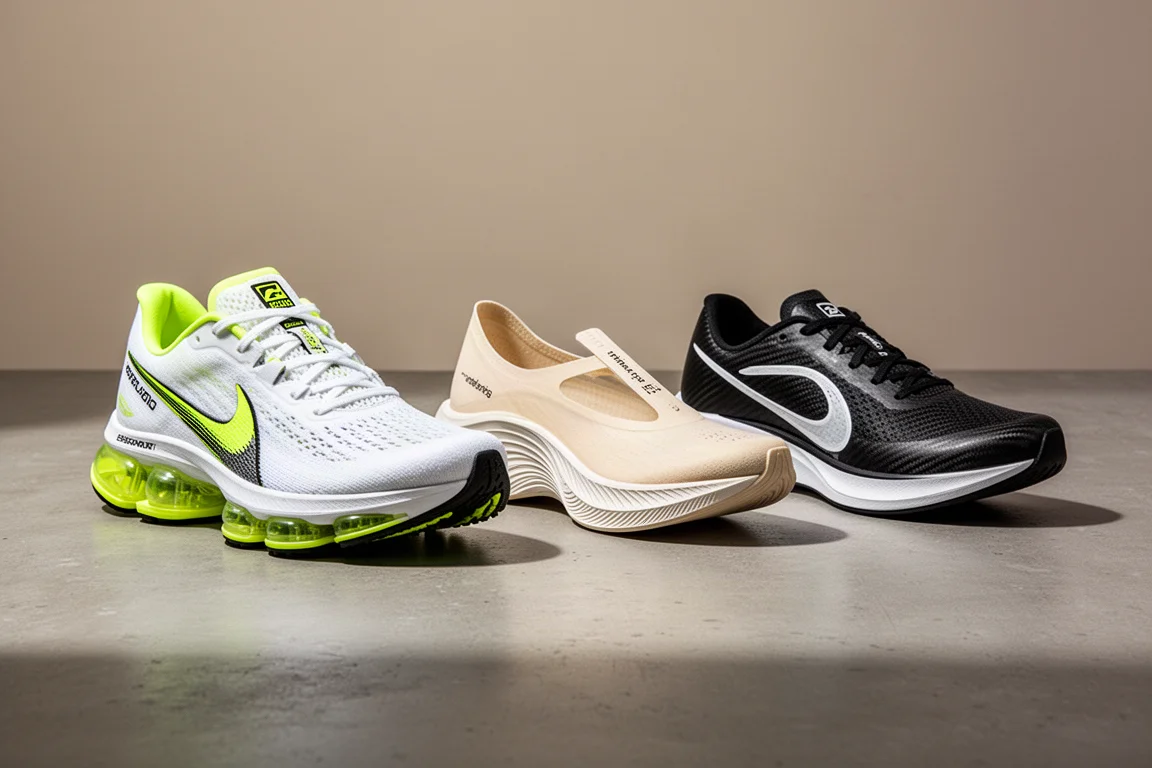
Every year brings a handful of running shoe releases that genuinely get the anticipation levels up, and 2026 already has three models worth circling on the calendar. One of them, the Saucony Endorphin Elite 3, has already proven itself, but the next wave looks just as interesting: a sequel to one of the lightest race shoes on the market, a new take on a distinctive Adidas foam platform, and a lower-stack Puma racer built for faster, shorter distances.
None of these shoes is a proven quantity yet, and some details remain unconfirmed. What follows is a closer look at what to expect from each pair, who they might suit, and what to weigh up before committing to a pre-order.

ASICS Metaspeed Ray 2
The possible second version of the ASICS Metaspeed Ray tops the list. The update reportedly brings more forefoot stack, which was slightly scaled back in the first version of this very soft shoe. More FF Leap Foam is only good news: that foam delivers an impressive amount of compression and ranks among the highest energy return of any midsole foam on record here. It is also so light you barely feel it on foot.
The first version was one of the lightest race shoes available, lighter even than Adidas’ expensive Pro Evo 1 and 2 models. Very few changes are noted in this second update, which is reassuring for anyone who enjoyed the original. The forefoot rocker may be a little less extreme this time around; it was quite prominent in V1. The extra foam will no doubt adjust the drop slightly, though it is unlikely to add much weight.
Adidas Hyperboost Run
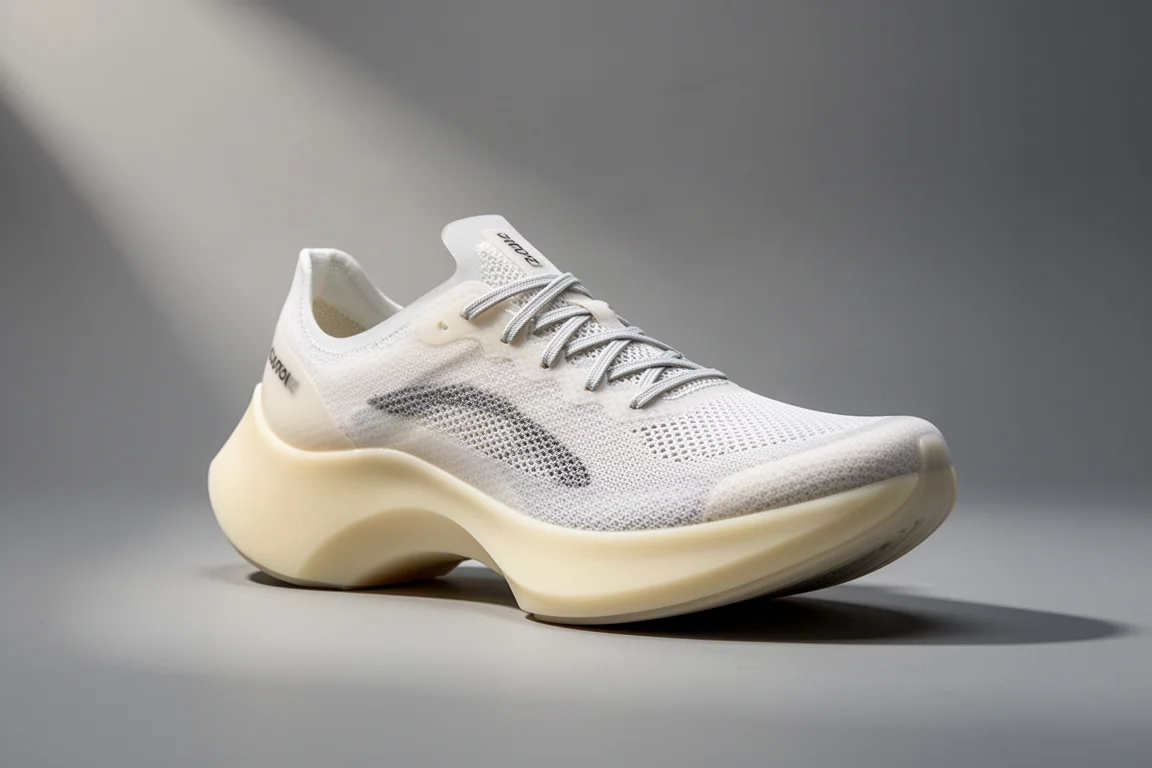
Adidas appears to have more Hyperboost-related fun planned, this time with a slightly more running-oriented upper, though it does not look like a massive departure from the Hyperboost Edge upper. The Hyperboost Run reportedly adds specific extra eyelets at the end of the lacing chain and what might be a two-level midsole, hinted at by slightly different coloring on the top section of the midsole. Whether that signals a different variation of the Hyperboost Pro foam or is simply paint remains to be seen, though it would make sense for Adidas to set it apart from the current version.
Other visible details include slightly thicker laces, a more mesh-like upper material, and a tongue very similar to the current Hyperboost Edge, with the same heel padding and the cutout at the back of the shoe. Some people did not get on with that heel cutout, though it posed no problems personally. The outsole looks slightly modified, with Continental rubber pods in the forefoot and possibly the heel too. The full traction outsole used on recent Adizero models has proven superbly durable, so expectations are high here. Adidas is probably still tinkering with how it implements that foam, and the results should be worth watching.
Puma Fast-R Nitro Elite 2
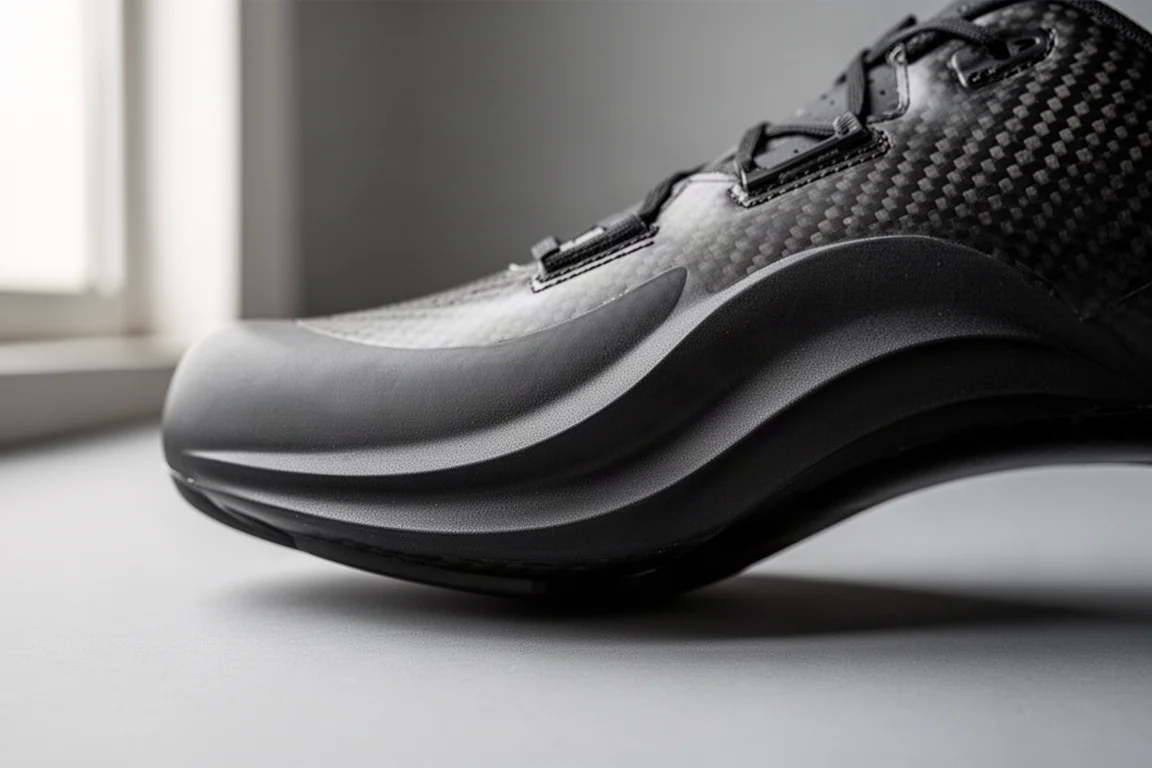
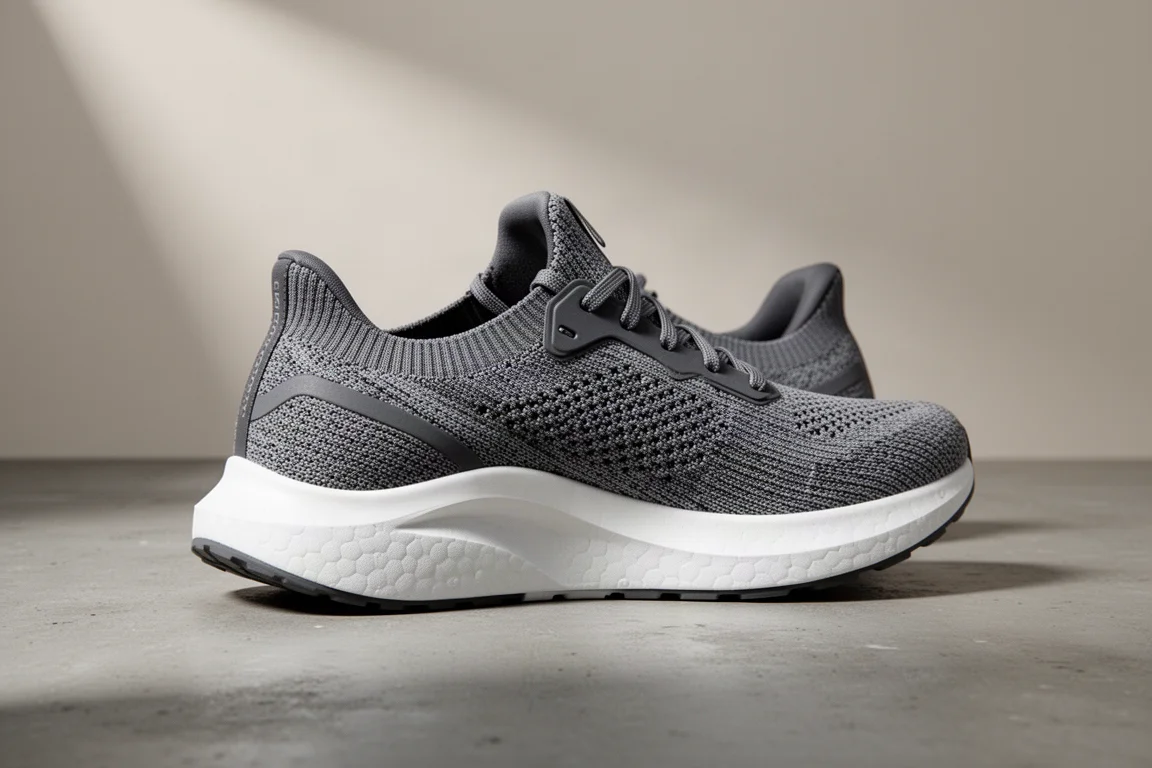
Third on the list is the Puma Fast-R Nitro Elite 2. The original was a lighter-weight, slightly lower-stack option aimed at faster, shorter racing distances. A big part of the excitement here comes from how light the Deviate Nitro Elite 4 turned out to be: around 200 grams in a larger size is very rare, and that shoe pairs it with a 40 mm stack and a slightly more responsive feel.
If the Fast-R Nitro Elite 2 lands with even less weight, it could be a winner in the mold of something like the Takumi Sen 11, but with a touch less weight again. The Nitro Elite midsole material in the Deviate Nitro Elite 4 has also proven very durable, which was not necessarily expected, so a durable yet light training and racing option looks plausible.
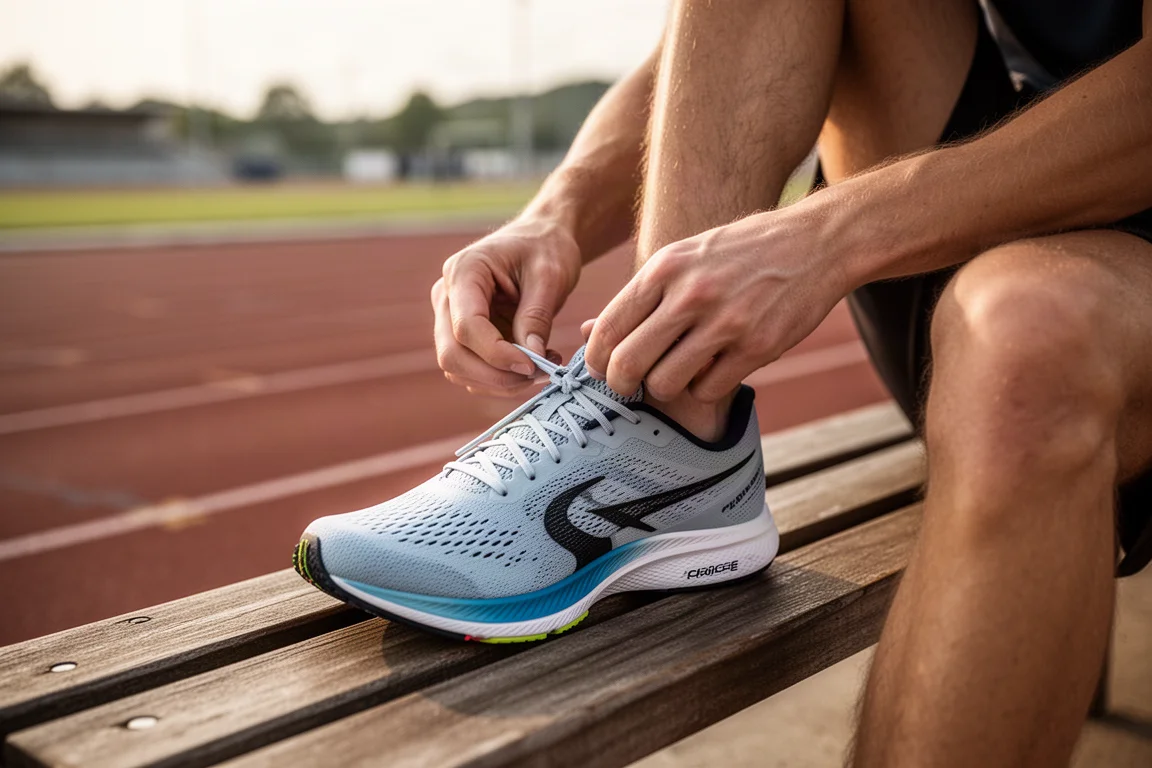
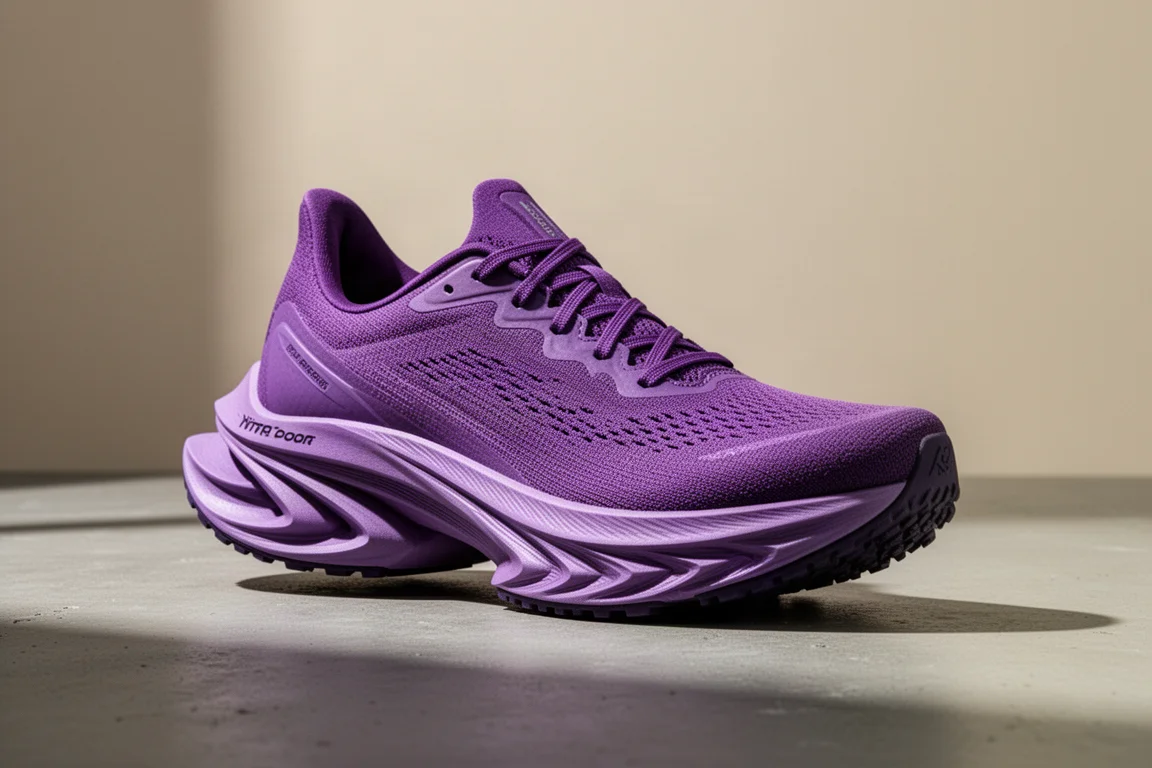
This one also shines as an alternative for runners who do not want a massive wedge of foam in the heel. As cushioning stacks have grown since 2019, options with a bit more road feel have become rare. It is worth remembering that 34 mm of stack would once have counted as a whole lot of cushion, and the Vaporfly 4% back in 2017 ran about 31 mm of heel stack. The Fast-R Nitro Elite 2 still offers a huge amount of stack by historical standards, just with a lower, nimbler profile than the max-cushion competition.
Overall Buying Advice
If maximum energy return at a featherweight is the priority, the ASICS Metaspeed Ray 2 looks like the safest source of intrigue, especially given how light and soft the first version was. Runners curious about Adidas’ Hyperboost foam and willing to wait for confirmed specs should keep an eye on the Hyperboost Run, though the heel cutout is worth trying before buying if possible. For anyone tired of cumbersome max-cushion trainers, particularly taller, lighter-built runners who find big stacks feel like foam bricks, the Puma Fast-R Nitro Elite 2 is the one to watch.

These are all upcoming releases, so exact specs, weights and prices are not confirmed yet. Waiting for final launch details before committing is the sensible play, but all three have clear reasons to be excited.
Conclusion
The ASICS Metaspeed Ray 2 promises more foam in one of the lightest racers around, the Adidas Hyperboost Run teases a running-focused evolution of a distinctive foam platform, and the Puma Fast-R Nitro Elite 2 points toward a nimbler, lower-stack alternative in a market dominated by towering midsoles. Each addresses a different need, and together they make 2026 a year worth watching for racing shoe fans.
Further reading
Related Reviews

Running Shoes
Best Road-to-Trail Running Shoes: Three Versatile Options for Mixed Terrain
A practical guide to three road-to-trail running shoes that handle both pavement and mild trails, with clear strengths and trade-offs for different runner types.

Running Shoes
Best Running Shoes for Achilles Tendonitis: Three Options Explained
Three running shoes with different heel drops and support features designed to help reduce Achilles tendon pain during walking and running.

Running Shoes
Best Running Shoes for Women: Five Top Choices Ranked
A ranked guide to five women's running shoes, from versatile daily trainers to high-performance racing options, with real strengths and trade-offs for each.