Running Shoes
Most Anticipated Running Shoes of 2023: 17 Releases Worth Watching
From super shoes to max-cushion daily trainers, these are the upcoming running shoes generating the most buzz this year, with real strengths and trade-offs to weigh before you buy.
Introduction
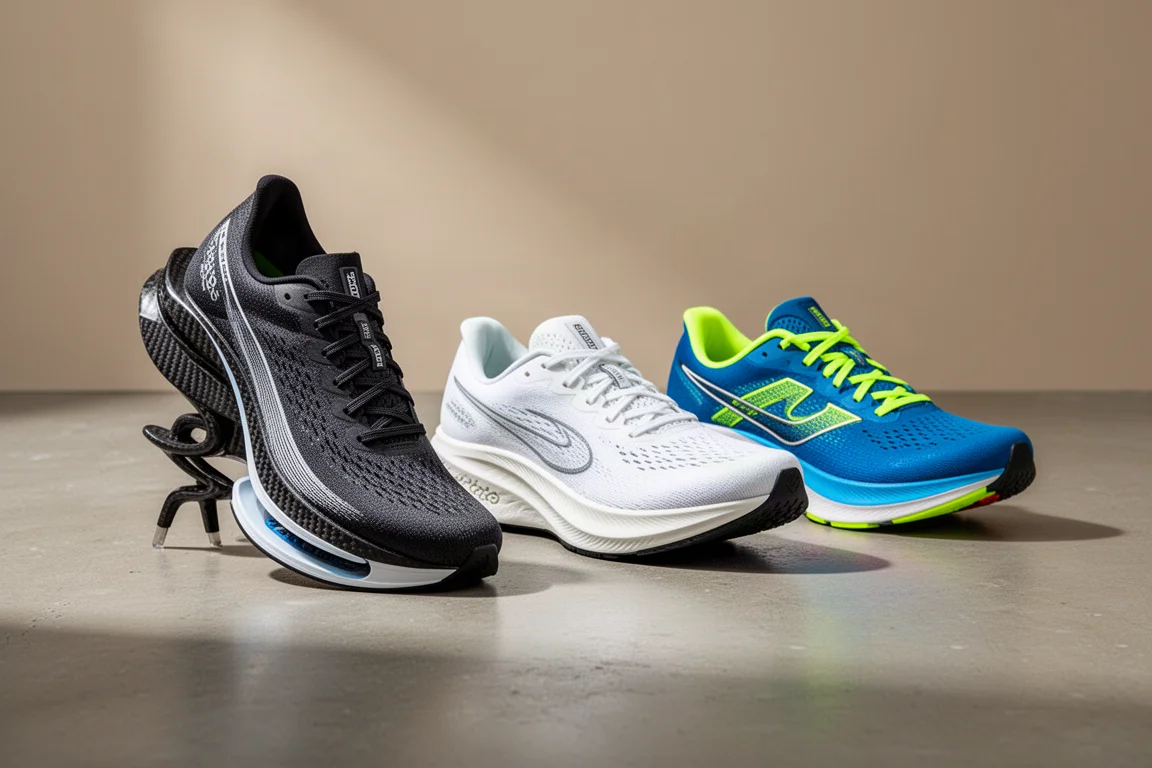
If you follow running gear, this is one of the most interesting stretches in recent memory. Nearly every major brand has something notable in the pipeline: brand-new super shoes with creative foam stacking, heavily refreshed daily trainers, and a few long-awaited returns. We pulled together the releases that genuinely deserve a spot on your calendar, along with what to expect from each one and who each shoe makes the most sense for.
Mizuno Wave Rebellion
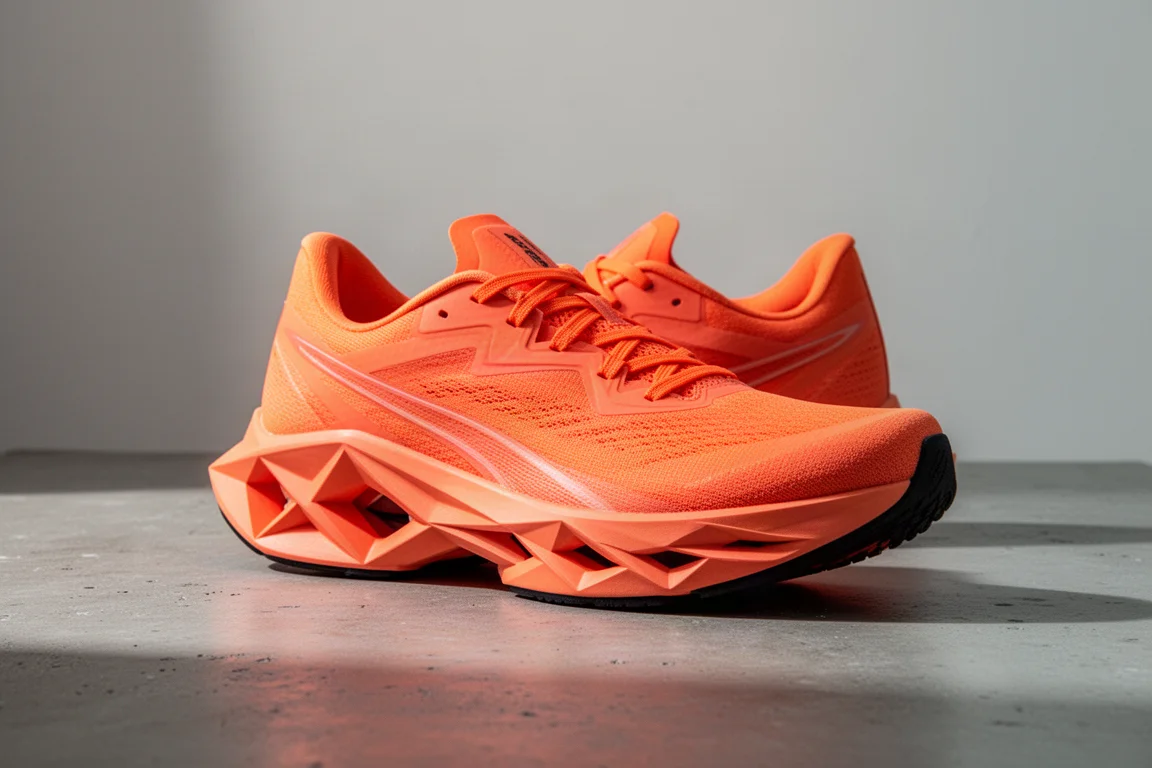
Mizuno’s newest race day shoe is something special, and it earns a spot at the top of any anticipation list. It reports a 40 mm heel stack height, and the brand took a very creative approach around the World Athletics rules to deliver what looks like closer to 50 mm of cushioning underfoot. The midsole uses two layers of foam, with the bouncier Energy Light Pro on top and standard Energy Light below, separated by a plate.
Both of our testing impressions came from intervals and long runs, and the shoe earned praise in both settings. The one consistent drawback: the toe box runs very tight. It fits properly through the midfoot, but several testers reported sore big toes after longer efforts, so size and fit deserve careful attention. This colorway arrives in March for $250, with a broader release in February.
Saucony Endorphin Elite
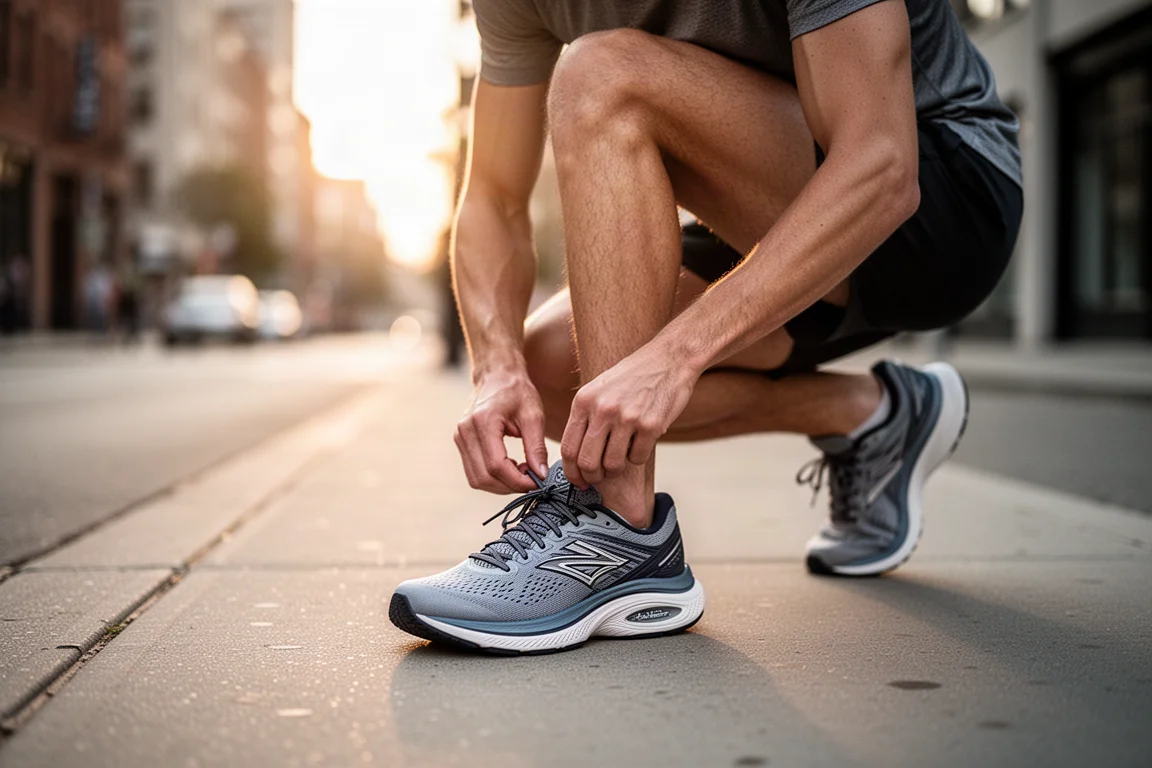
Saucony’s answer to the super shoe arms race is striking in every sense, including that sandal-like silhouette that has been circulating widely. The Endorphin Elite uses a new Power Run HG foam (reportedly hydrogen-infused) in a 40 mm stack height, and it is remarkably light at 7.2 ounces for a men’s size 9.
Early impressions suggest the foam runs a touch firmer than expected, which may suit runners who find the softest super shoes unstable at pace. With Saucony also producing the Endorphin Pro 3, a shoe many considered last year’s race day pick, the Elite appears to be a celebration of the brand’s 125th anniversary and may function as a halo product rather than a full lineup replacement. It lands next month, so keep an eye out.
New Balance SC Trainer v2
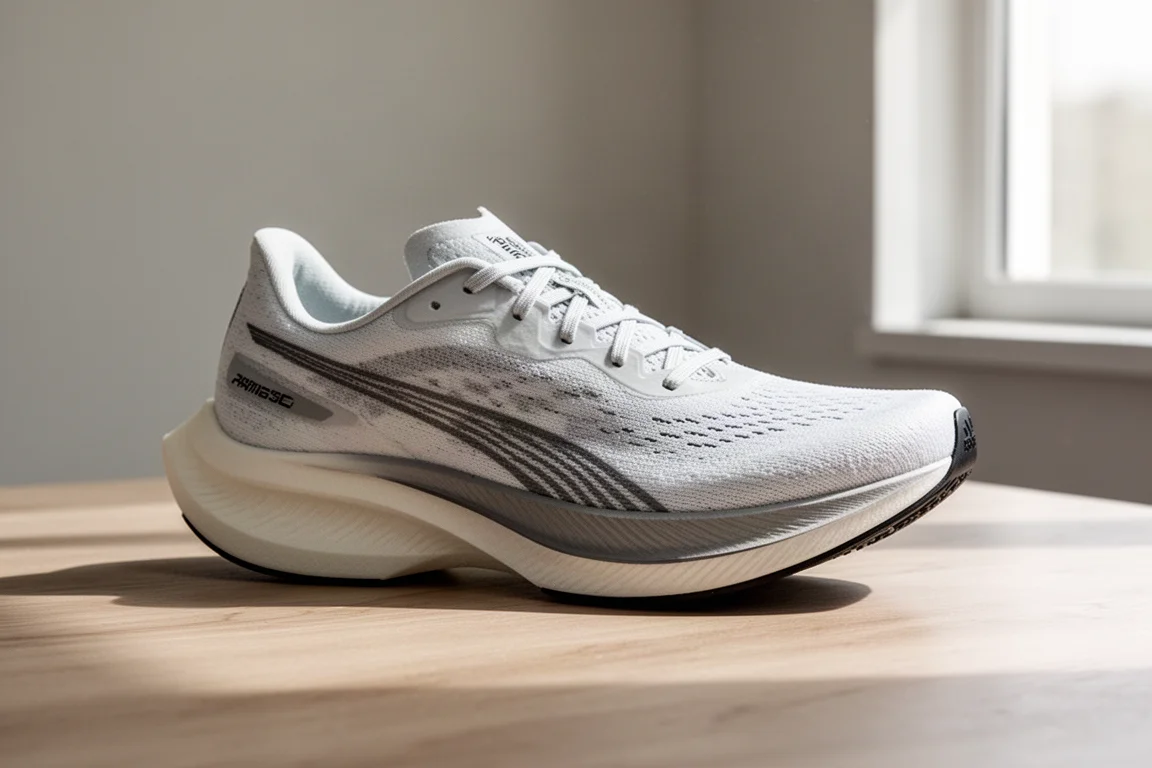
The original SC Trainer was one of the favorite daily trainers of its year, competing closely with the Novablast 3 despite a heavier build and a 47 mm heel stack. Its full-length carbon fiber plate and FuelCell foam delivered genuine energy return, and plenty of runners completed full marathons in it.
Version 2 arrives in July at the same $180 price, and it comes with trade-offs worth thinking about. It loses an ounce but also drops to a 39 mm heel and 33 mm forefoot. That reduction in stack height raises a fair question about whether the shoe will keep its magic. Our take: the Elite 3-style racing shoes do not offer this much cushioning underfoot, so if your goal is a comfortable marathon experience rather than a qualifying time, the SC Trainer v2 could still be exactly the shoe you want.
Skechers Max Road 6 and Go Run Ride 11
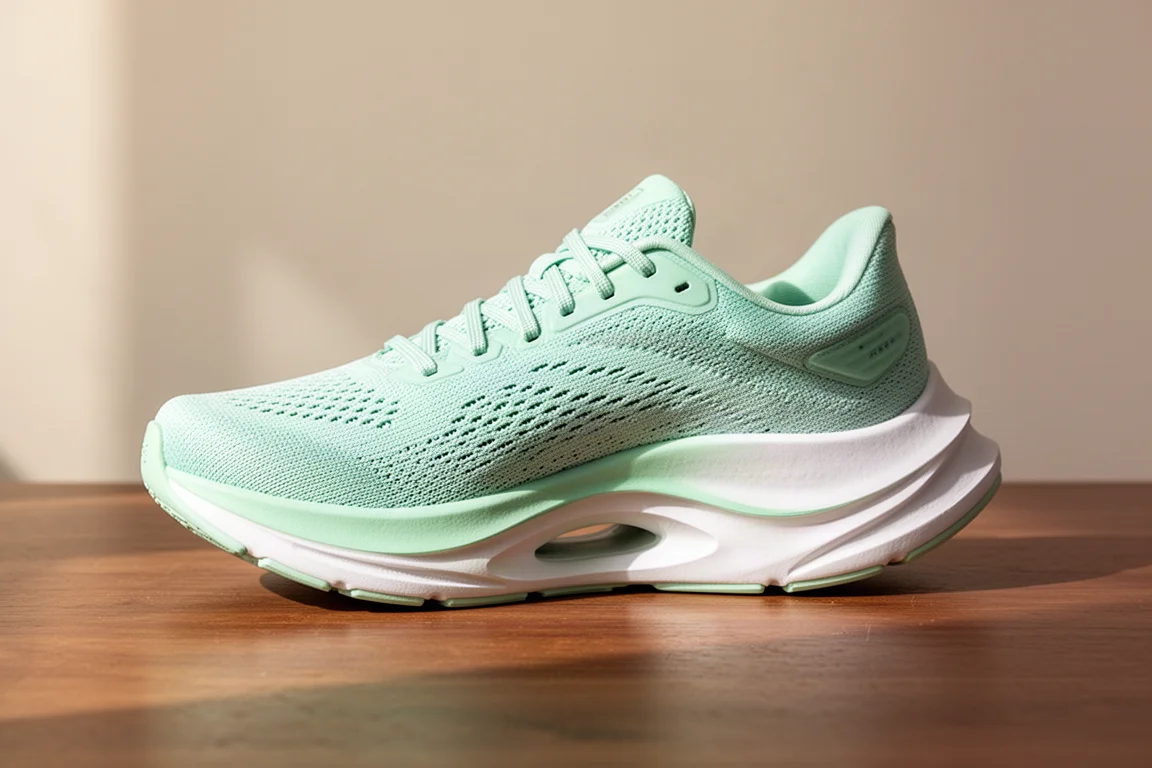
Skechers is quietly building one of the more interesting value lineups in running. The Max Road 6 gains four millimeters of stack height over the Max Road 5, which many runners considered one of the best shoes of its release year. The trade-off is about an ounce of added weight, taking away some of the lightness that made the previous version special, though the cushioning and rolling ride remain.
The more interesting watch, though, is the Go Run Ride 11. Skechers itself has suggested the Ride 11 will carry more of the spirit that made the Max Road line beloved. Both shoes retain the brand’s H-plate design and both arrive in the first half of the year, so if you want maximum stack, look at the Max Road 6; if you want the successor to a favorite, watch the Ride 11.
ASICS Gel Nimbus 25
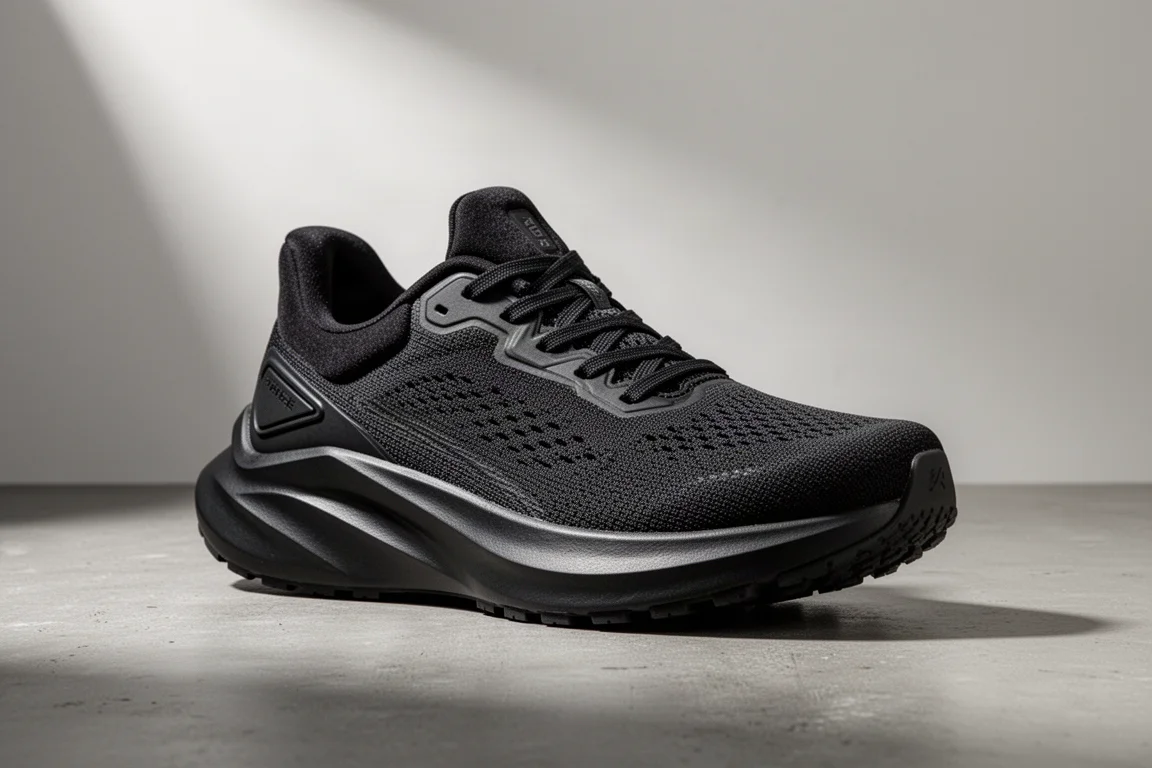
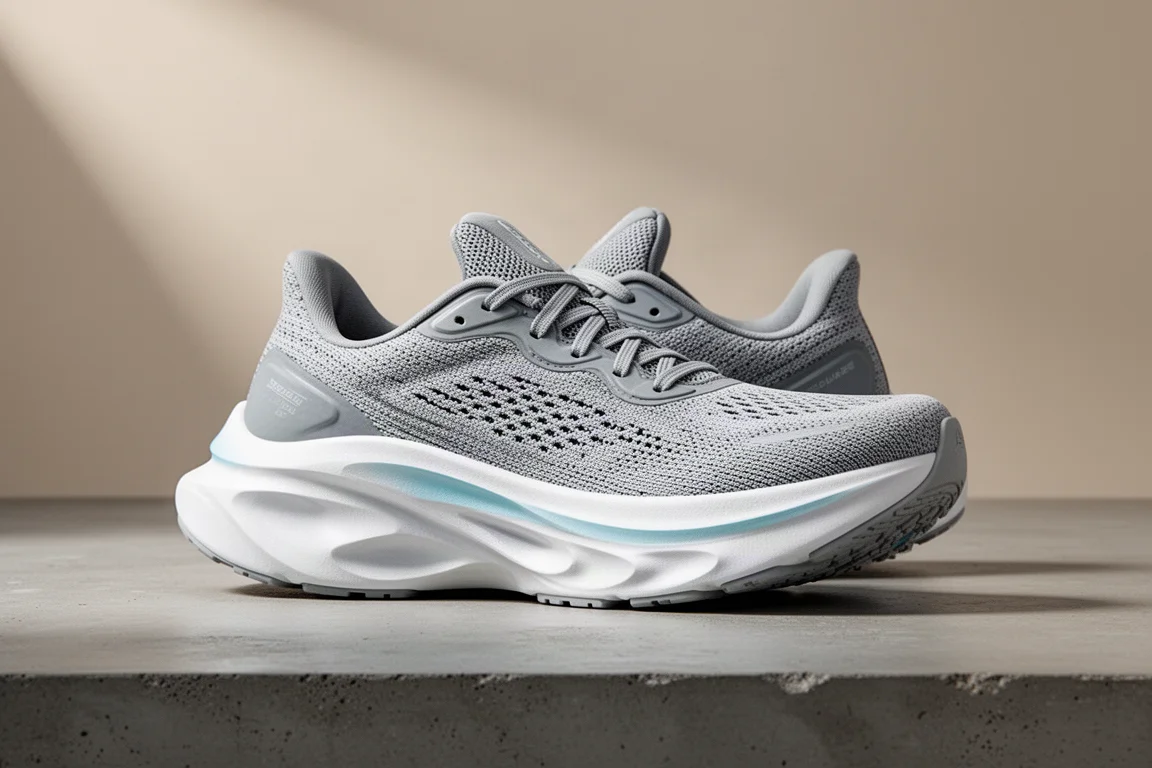
The Gel Nimbus 25 is out now, and it fully commits to the max-cushion category. With over 60 miles of testing in hand, the picture is clear: this is a very soft shoe with a wide, stable platform, a 41.5 mm heel stack, and six additional millimeters of foam in the forefoot that keep it from bottoming out the way the previous version could.
At 10.2 ounces in a men’s size 9, it carries the same weight as the prior Nimbus, but the plush upper and comfortable tongue make it feel lighter than the spec sheet suggests. As a long-run tool, the feedback was striking: after a 60-mile day, legs reportedly felt great the next morning. At $160, it competes directly with the Hoka Bondi and New Balance More v4 for runners who want soft, comfortable miles.
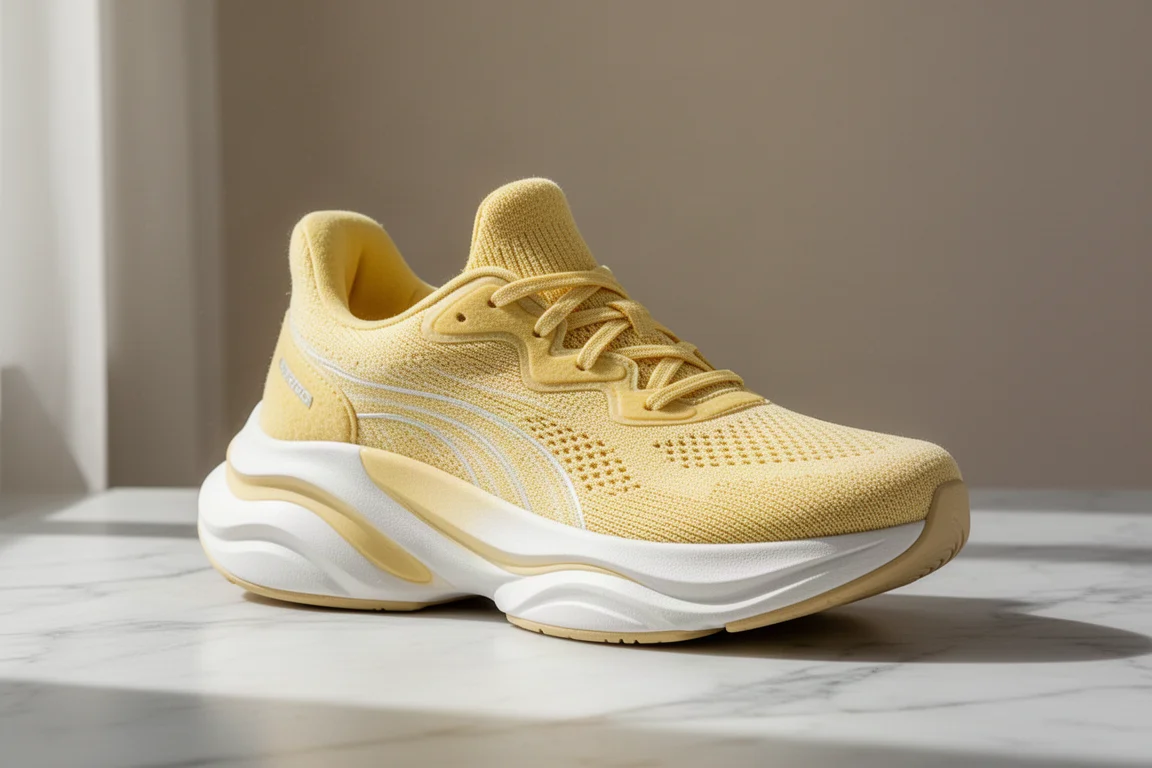
Nike Vaporfly Next% 3
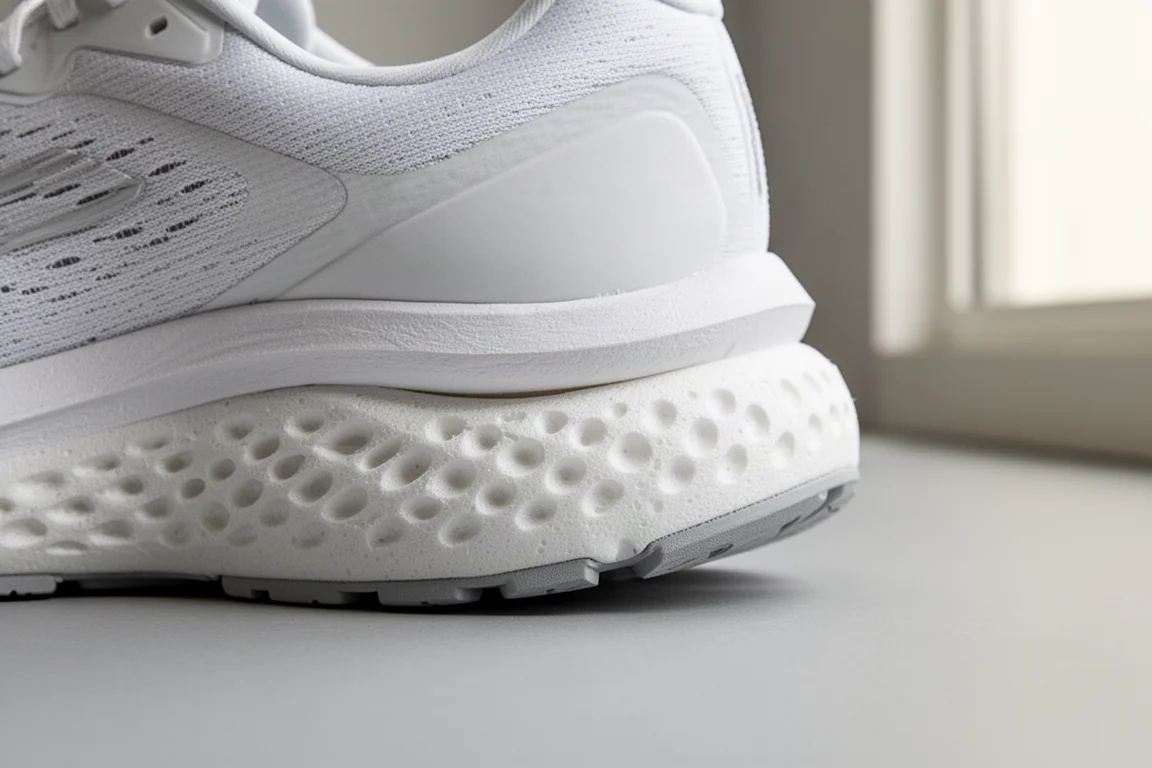
Few releases generate the immediate sell-out energy of a new Vaporfly, and the Next% 3 will be no different. Expect to be poised at the buy button when it drops, with broader availability hopefully following. Two early observations are worth noting. The ZoomX foam feels firmer in hand than before, and the upper shifts to a more open, breathable mesh compared with the Next% 2.
Even with those changes, expectations should stay high. The Vaporfly and Alphafly are among the most athlete-tested shoes in the sport, and lab testing continues to rank them among the most efficient racing shoes available. It is hard to imagine this one disappointing.
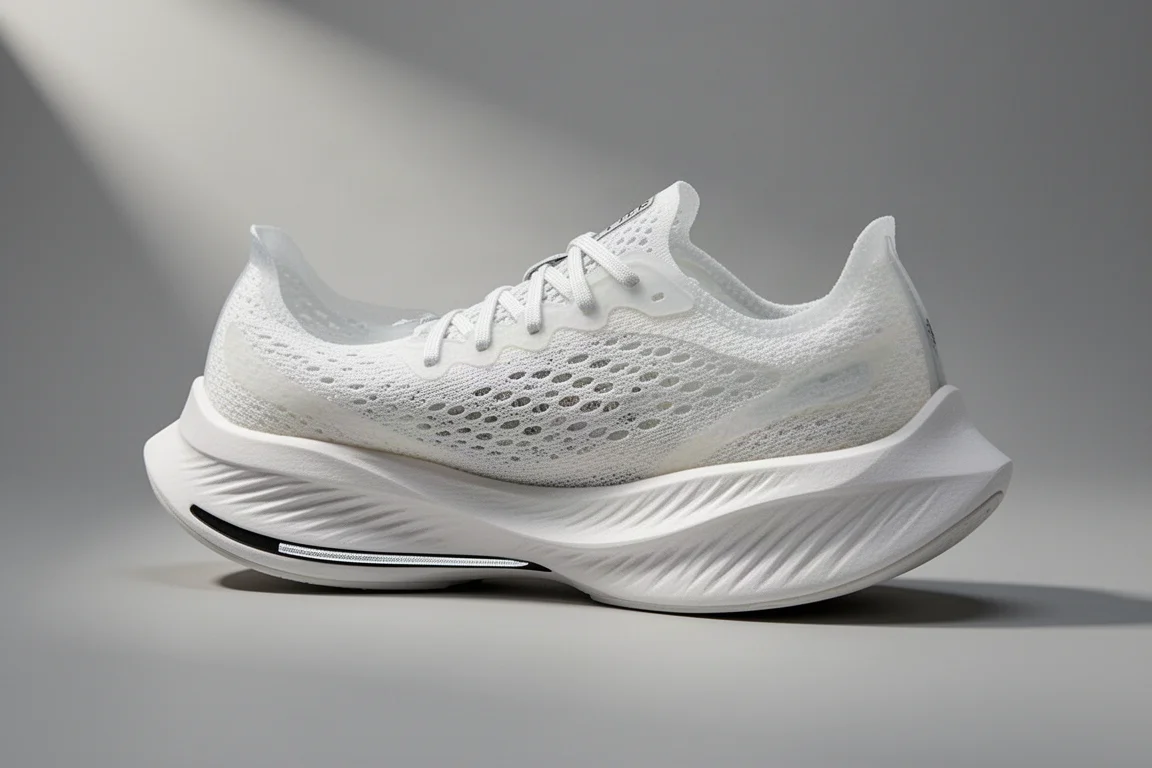
Nike Vomero 17
The Vomero has shifted purpose over the years, and version 17 finally gives it a clear identity: Nike’s premium daily trainer. For anyone who has mourned the discontinued Zoom Turbo, this is effectively that formula, ZoomX over React, returned in a bigger, better-looking package.
It slots cleanly above the Pegasus as a softer, more cushioned option, and the foam set alone makes it one of the more appealing premium trainers on the roadmap. Runners who missed the Turbo should pay close attention to this one when it arrives in February.
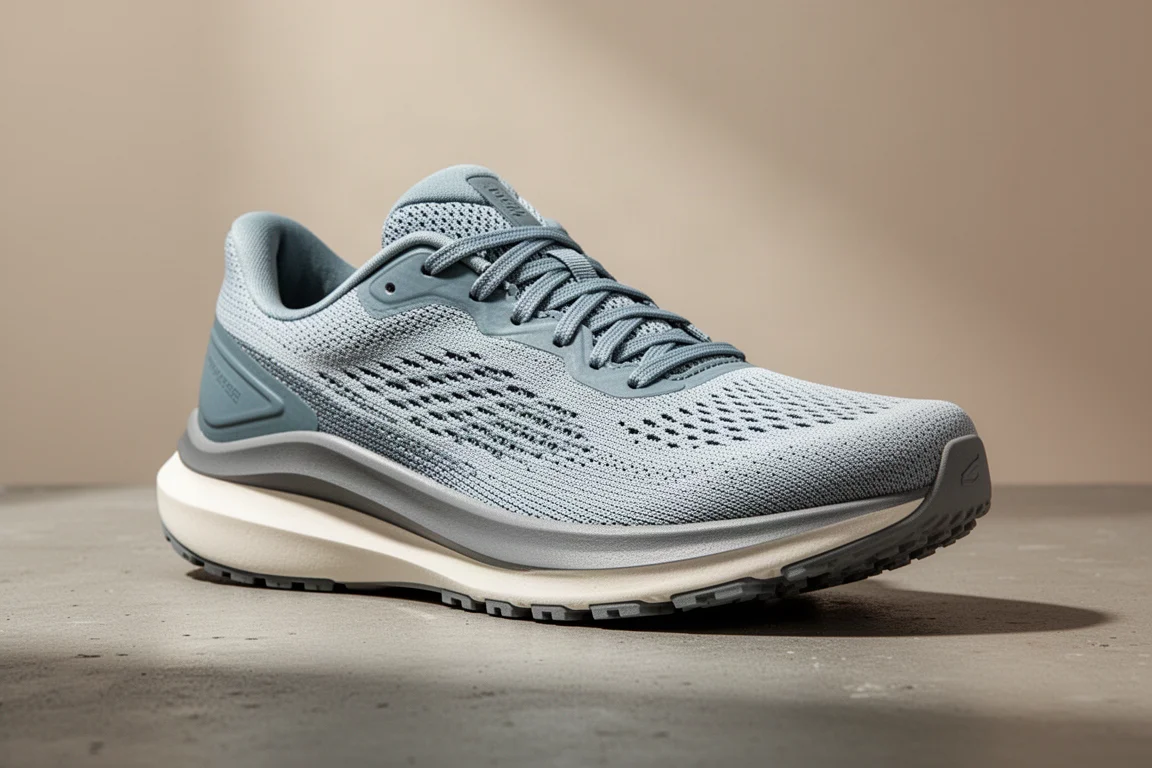
Puma Deviate Nitro Elite 2
The first Deviate Nitro Elite had a rocky launch, but version 2 addresses the shoe’s biggest weakness. The midsole and outsole are largely unchanged, but Puma reworked the plate into a new spoon-style single plate with more foam underfoot, aimed squarely at delivering a bouncier, more aggressive toe-off.
The original was a light shoe that wanted to be pushed but lacked that final gear at pace. The Elite 2 looks set to fix exactly that, and at $200 it undercuts most carbon-plated racers. Puma is also expanding into more brick-and-mortar retail, which should mean better availability than the first version ever managed.

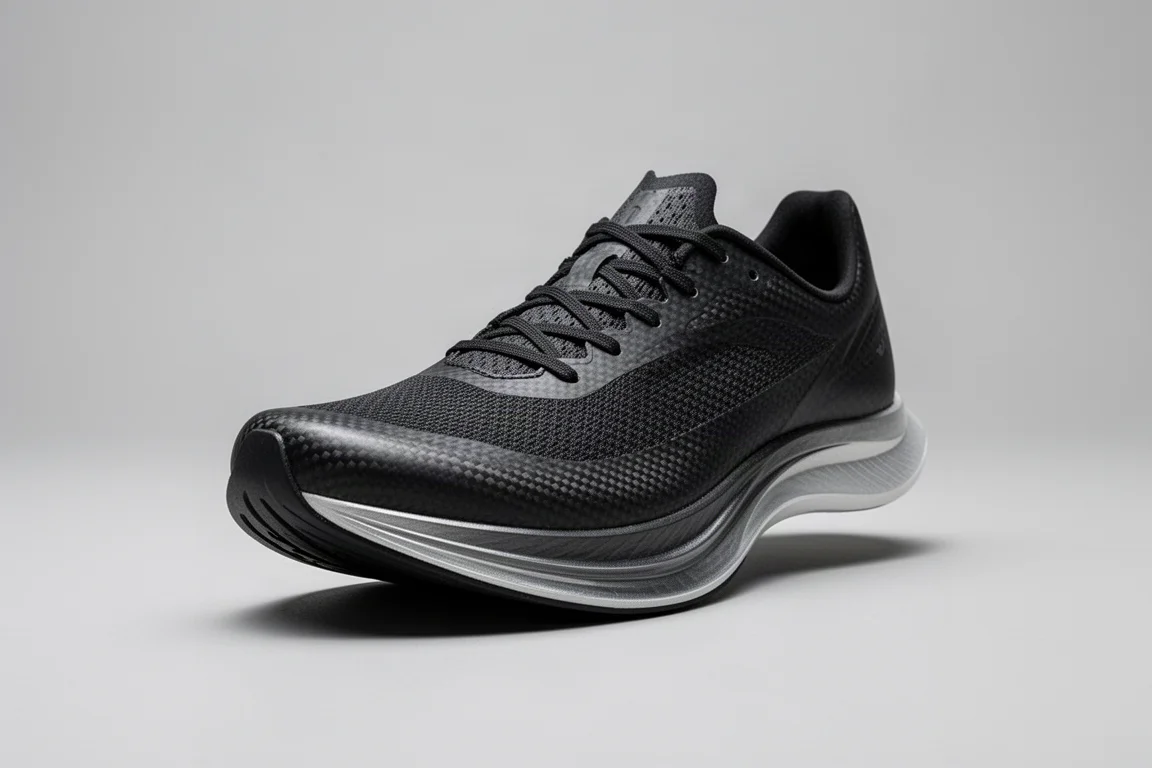
Craft CTM Ultra Carbon and Norda Light Speed
Craft’s first generation of running shoes had real issues: heavy foam, chunky outsole rubber, and an upper that did not fit well. The encouraging news is that the brand is iterating quickly, with lighter foams and a diverse road and trail lineup that functions almost like the gravel bike of running shoes.
The CTM Ultra Carbon remains the model most in need of refinement, but the more interesting upcoming release is the Norda Light Speed, arriving in February at $235. It packs a carbon fiber plate with nitrogen-infused foam and is positioned as one of Craft’s most durable shoes, built to last hundreds of miles. At a reported 9.5 ounces, it sits between a daily trainer and a race shoe, and the design range, from paint-splattered looks to clean monochrome, is genuinely appealing. Prices remain high, but the durability story partially justifies it.
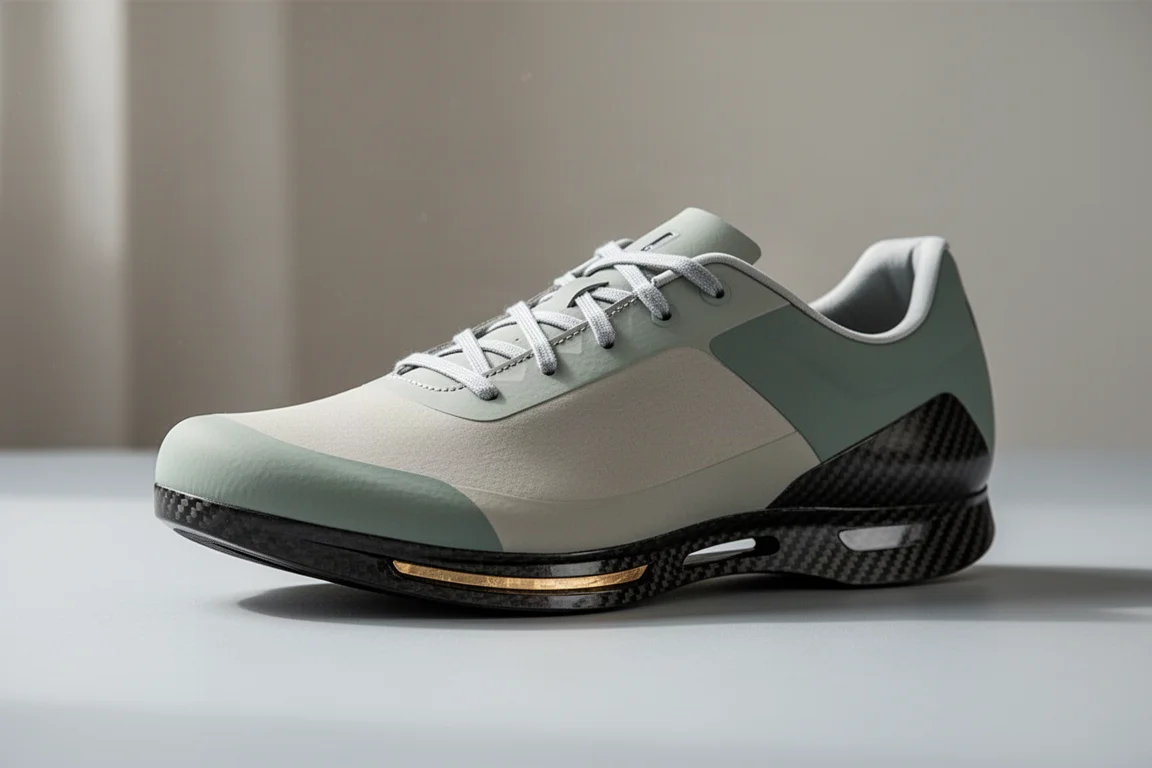
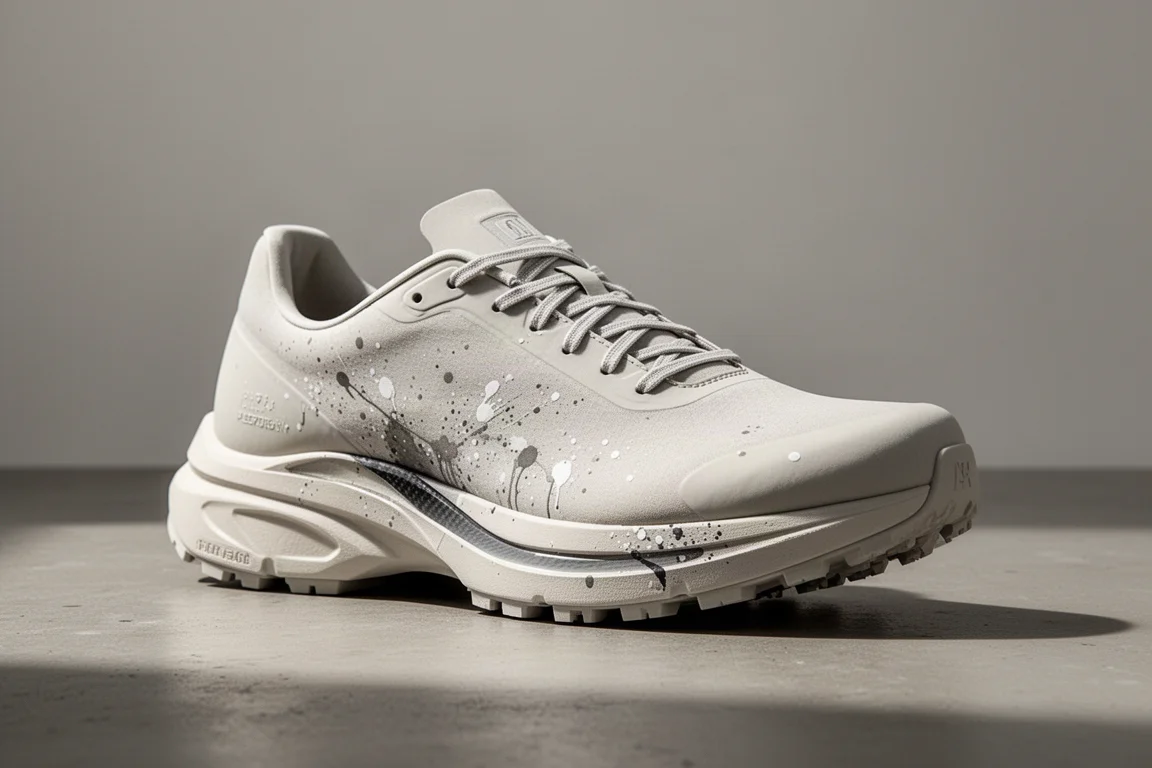
Adidas Boston 12
The Boston 11 disappointed a lot of runners, and the Boston 12 looks like a corrective update in the best way. Adidas has increased the Light Strike Pro content and reduced the standard Light Strike, pushing the shoe back toward the faster temperament the Boston name built its reputation on.
If you liked the classic Boston formula of a tempo-capable trainer with real race-day credentials, this is the version to wait for. It has not shipped to testers yet, so judgment is still pending, but the direction is right.
Hoka Mach X and Rocket X2
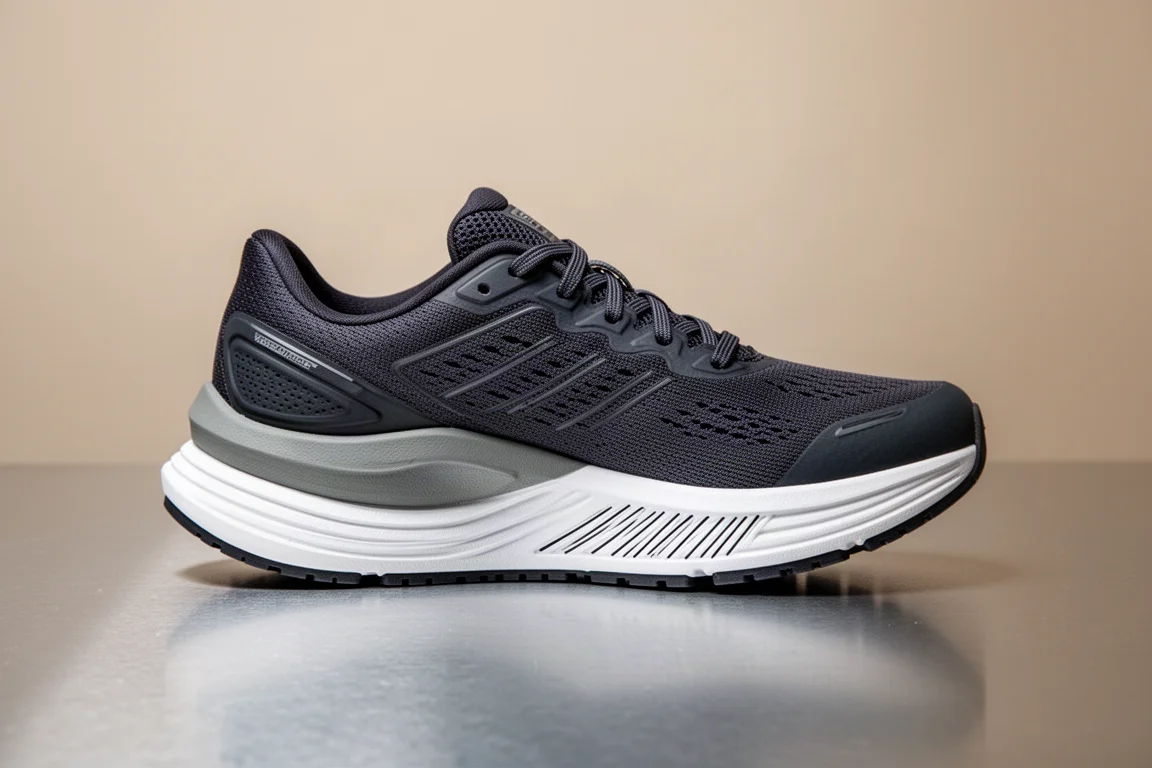
Hoka is having its super shoe moment, and two releases define it. The Mach X applies the carbon-plate treatment to the Mach line, one of the favorite lightweight daily trainers of its generation, and it will be fascinating to see how that platform responds to a plate. The Ride 11-style max cushion crowd should also note how this pairs with Hoka’s broader push.
The Rocket X2 is the bigger headline: Hoka finally appears to have built a genuinely competitive race day shoe. At a believed $250 price point, it enters a field crowded with excellent super shoes, which is good news for runners shopping by fit and feel rather than logo. When that many race day options exist, you can actually find the shoe that matches your stride instead of defaulting to one model.
Saucony Kinvara 14 and Kinvara Pro
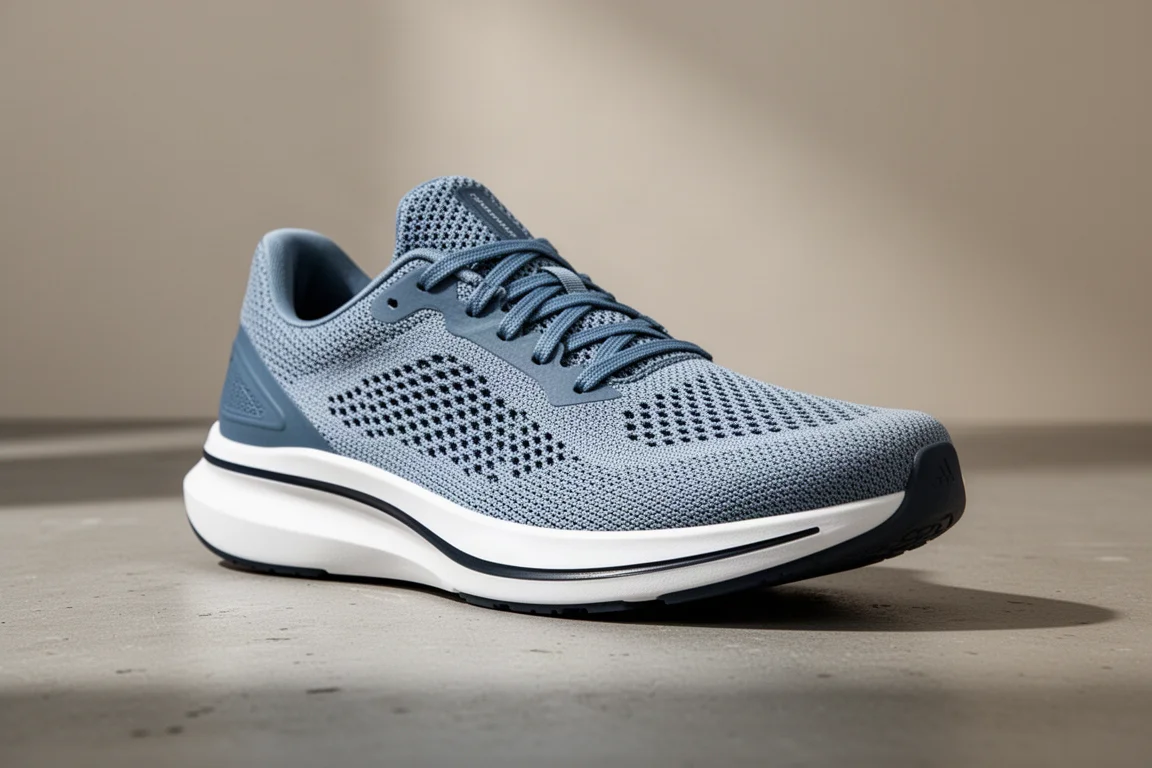
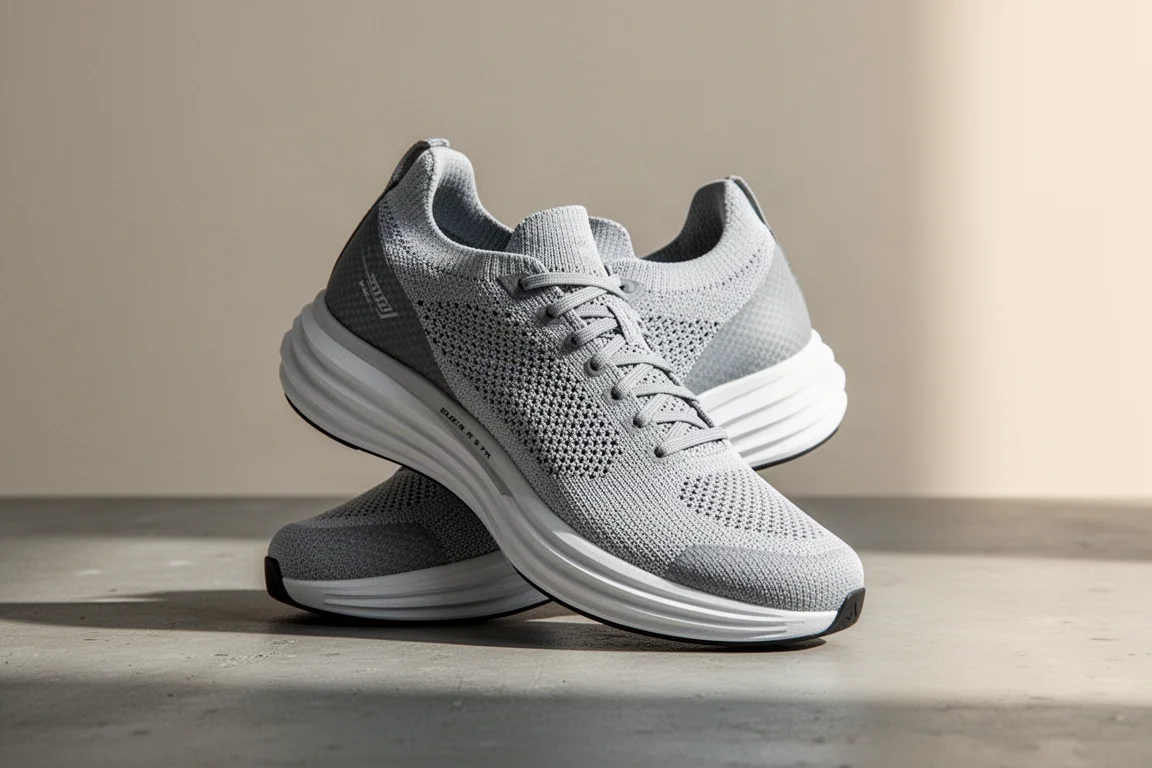
This pair covers two very different runners. The Kinvara 14 stays true to the traditional Kinvara identity that grew out of the minimalist era: roughly seven ounces, a PowerRun midsole, a modestly increased stack height, and the light, snappy ride the line has always delivered. If you want the classic Kinvara feel, this is your shoe.
The Kinvara Pro is the wildcard. It carries a 42 mm heel and 34 mm forefoot in a nine-ounce package, stacking a PowerRun PB top layer with a carbon plate and PowerRun Plus underneath. That is a kitchen-sink approach, and combining that many technologies can go either way. The comparison worth holding in mind is the Turbo’s ZoomX-over-React recipe, which worked beautifully. It is a big, bold, slightly Hulk-like take on the Kinvara name, arriving in August at $180.
Adidas Prime X Strung 2
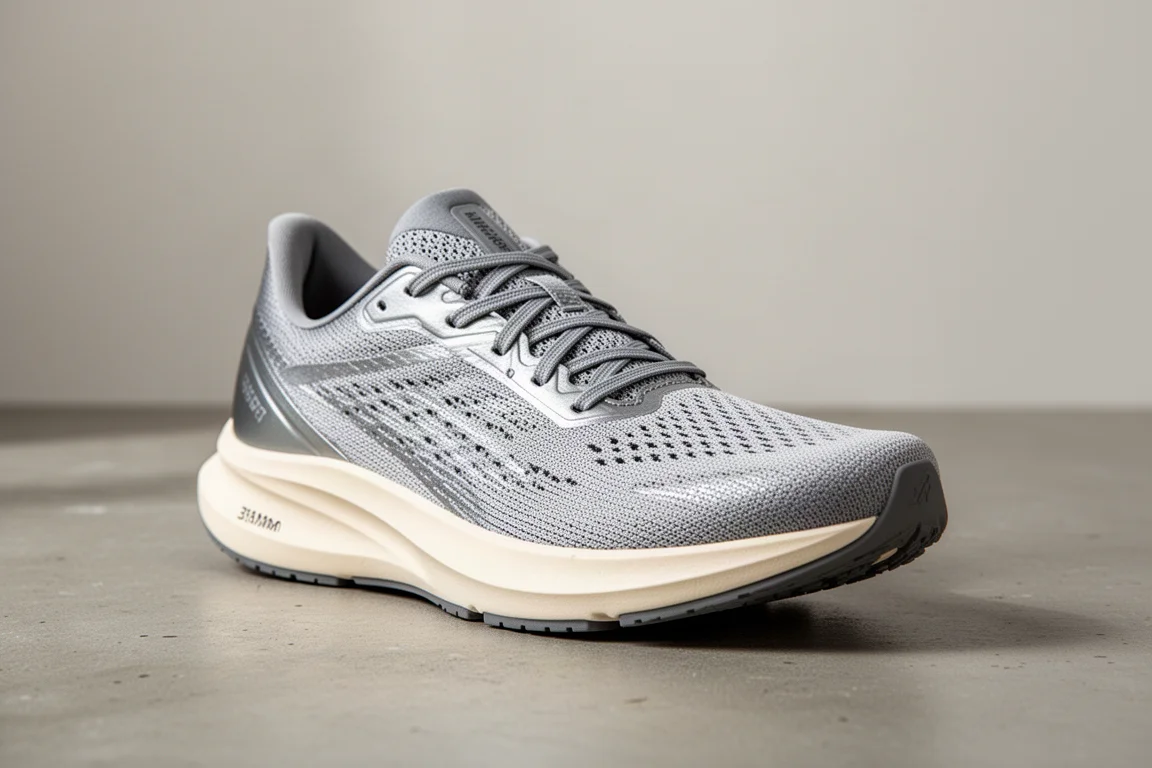
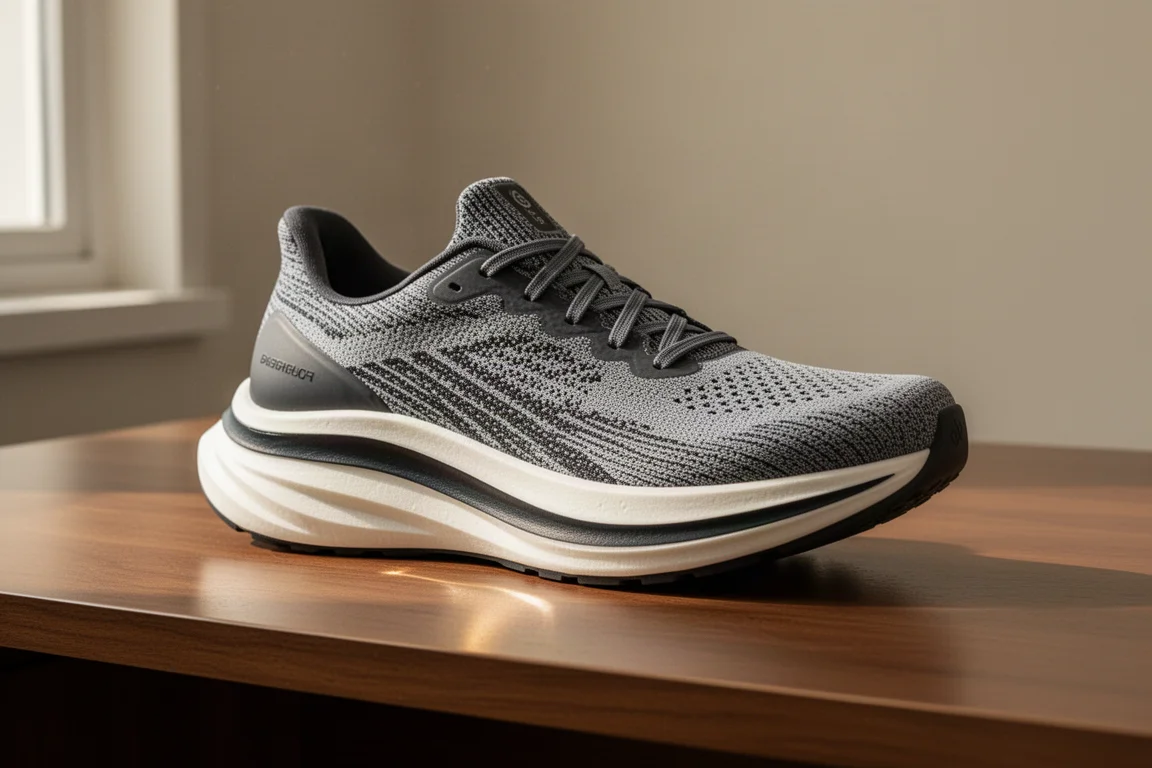
This was the standout hands-on of the year, and it may be the most polarizing shoe on this list. The original Prime X was unstable enough to cause rolled ankles, but the Strung version solved that with an upper that held the foot securely over the enormous Light Strike Pro slab, and one tester raced in it and bounced all the way to the finish.
Version 2 goes further. Adidas has effectively set aside the rulebook, adding undisclosed design elements that testers described as unlike anything they had handled in a running shoe. Expectations among those who tried it are extremely high, with some wondering whether amateur racing rules may eventually need to catch up. It is expected late in the year at $300, so if you want the most extreme cushioned racer on the market, start saving now.
Overall Buying Advice
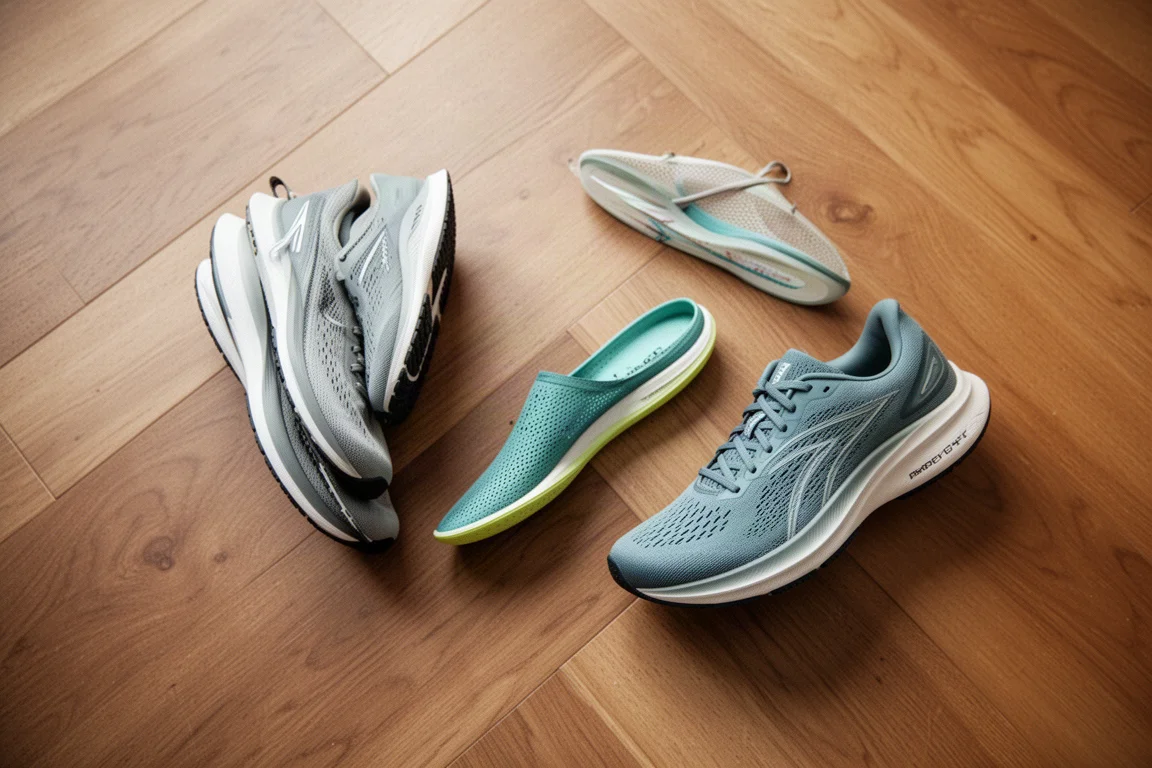
With this many strong options arriving, the smartest approach is to shop by use case rather than hype. For soft, comfortable daily miles, the Gel Nimbus 25 is already proven. For a cushioned marathon experience without elite racing ambitions, the SC Trainer v2 is a strong candidate. For pure race day speed, the field now spans the Vaporfly Next% 3, Endorphin Elite, Deviate Nitro Elite 2, Rocket X2, and the boundary-pushing Prime X Strung 2, each with a distinct fit and feel. Lighter, snappier everyday runners are covered by the Kinvara 14, Mach X, and Boston 12. And if durability matters more than race weight, the Norda Light Speed stands out.
Conclusion
2023 is shaping up as a year where nearly every runner can find a shoe that genuinely fits their stride, budget, and goals. Watch the February arrivals first, then the summer super shoe wave, and keep some budget aside if the Prime X Strung 2 sounds like your kind of extreme. Whatever your pace, there is something on this list worth the wait.
Further reading
Related Reviews

Running Shoes
Best Road-to-Trail Running Shoes: Three Versatile Options for Mixed Terrain
A practical guide to three road-to-trail running shoes that handle both pavement and mild trails, with clear strengths and trade-offs for different runner types.

Running Shoes
Best Running Shoes for Achilles Tendonitis: Three Options Explained
Three running shoes with different heel drops and support features designed to help reduce Achilles tendon pain during walking and running.

Running Shoes
Best Running Shoes for Women: Five Top Choices Ranked
A ranked guide to five women's running shoes, from versatile daily trainers to high-performance racing options, with real strengths and trade-offs for each.