Kitchen Appliances
Morphy Richards Fast Bake vs Panasonic SD-YR2540: Which Bread Maker Delivers Better Value
A practical comparison of two bestselling bread makers: the budget-friendly Morphy Richards Fast Bake and the feature-rich Panasonic SD-YR2540, with guidance on what to prioritize when choosing.
Introduction
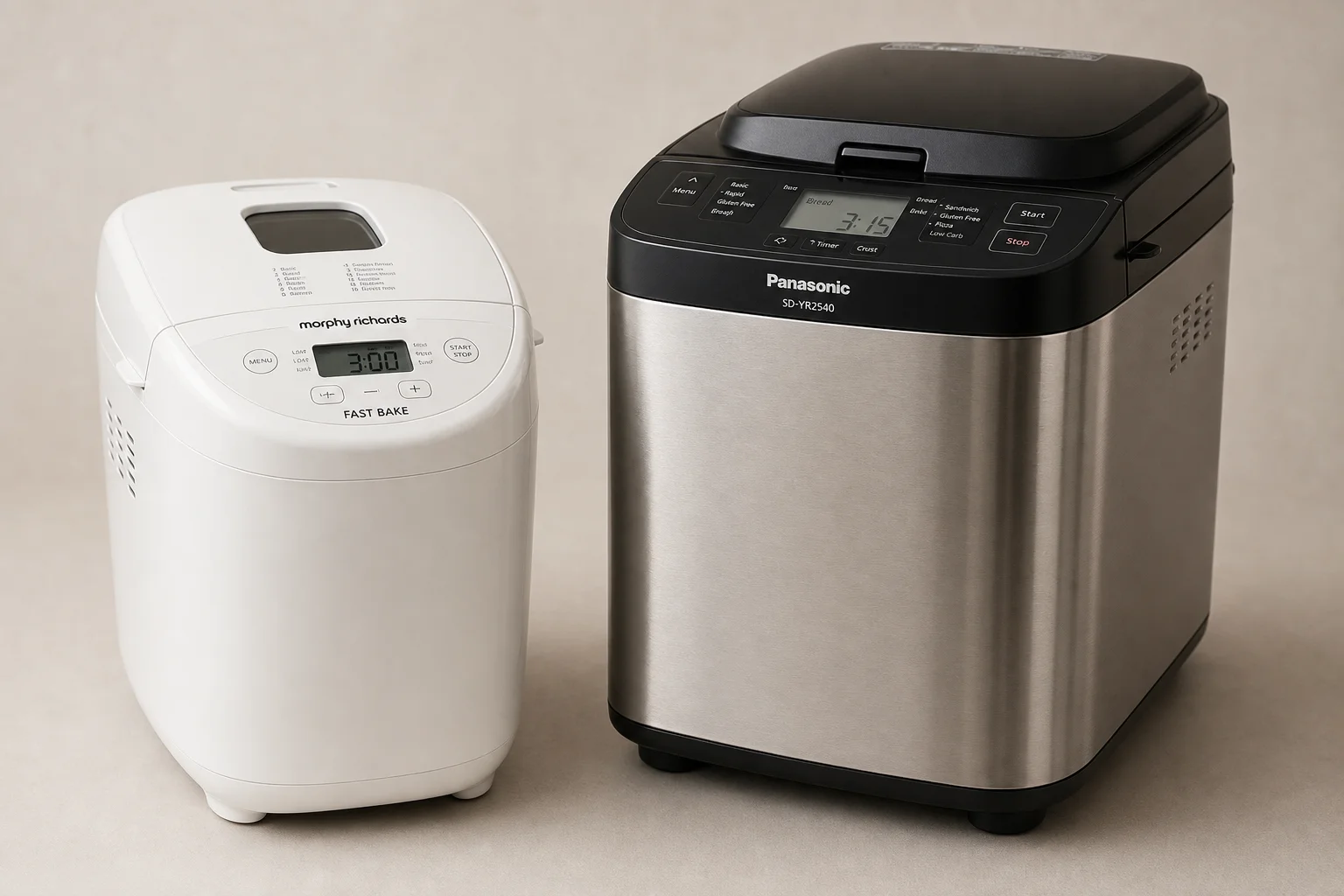
Bread makers have become increasingly popular for home bakers seeking convenience without sacrificing quality. Two models consistently rank among bestsellers: the Morphy Richards Fast Bake, a budget-conscious option that has maintained strong sales for over 15 years, and the Panasonic SD-YR2540, a feature-packed machine designed for those exploring specialist bread varieties. This comparison examines both machines in practical use, highlighting the features that matter most when choosing a bread maker.
Morphy Richards Fast Bake: Budget-Friendly Workhorse
The Morphy Richards Fast Bake is a compact bread maker that produces loaves up to 2 pounds, matching the standard size of a conventional oven-baked loaf. Its modest footprint makes it suitable for most kitchen worktops, though you will need clear space overhead to open and prop the lid during operation.
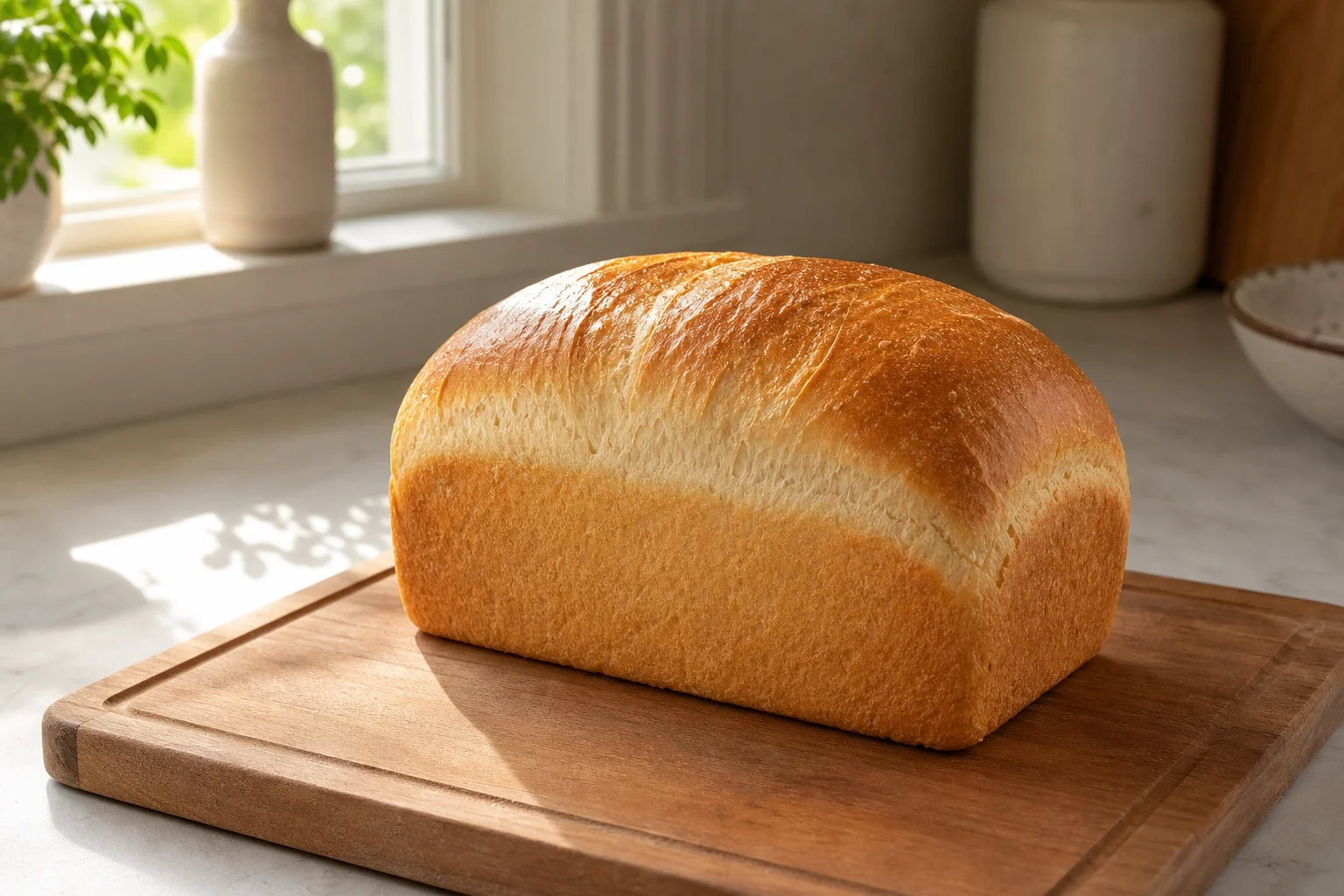
The control panel is straightforward, featuring buttons for loaf size selection, crust color (light, medium, or dark), program selection, and a time button for setting the delayed start. The digital display shows your selected options and a countdown timer, though it lacks a progress indicator showing which stage of the baking cycle is underway. However, the transparent window allows you to monitor the loaf visually as it bakes.
The machine offers 12 programs covering everyday baking needs: basic, French, whole wheat, quick, sweet, fast bake (two variants), dough, jam, cake, sandwich, and extra bake. The basic program runs for 3 hours, while the fast bake option produces a loaf from scratch in under an hour, though the crust may require additional browning time using the extra bake function.
A key advantage is the delayed start feature, allowing you to set the machine to begin baking up to 13 hours later. This means you can prepare ingredients before bed and wake to fresh bread in the morning. The machine includes an automatic keep-warm function for one hour after baking completes.
One practical consideration: the kneading blade can be tricky to remove if the pan has cooled and dough has dried around it. Conversely, inserting the bread pan into the machine is notably easier compared to the Panasonic model. The recipe book provides reliable, tested formulas that produce consistent results.
Key Features and Program Options
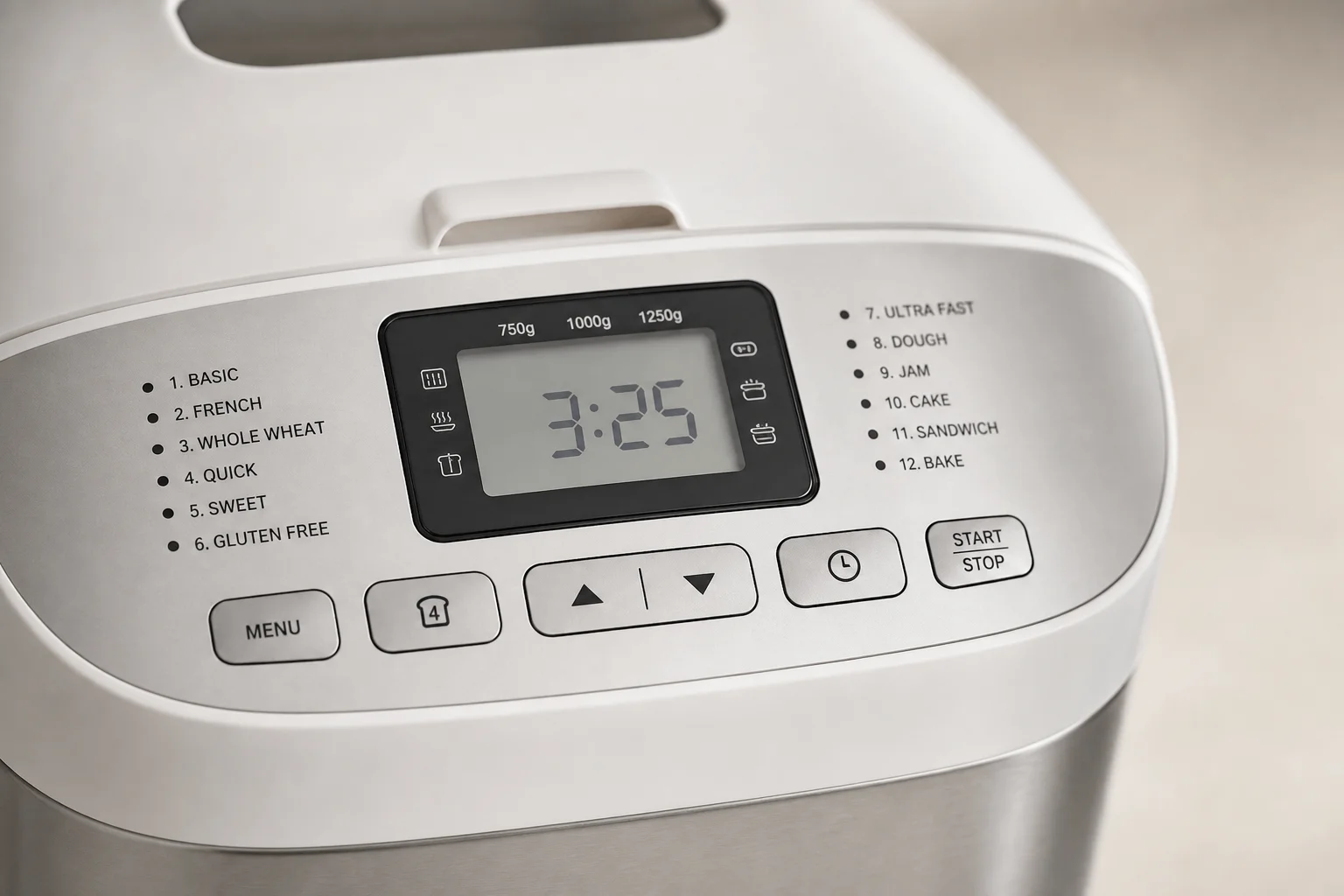
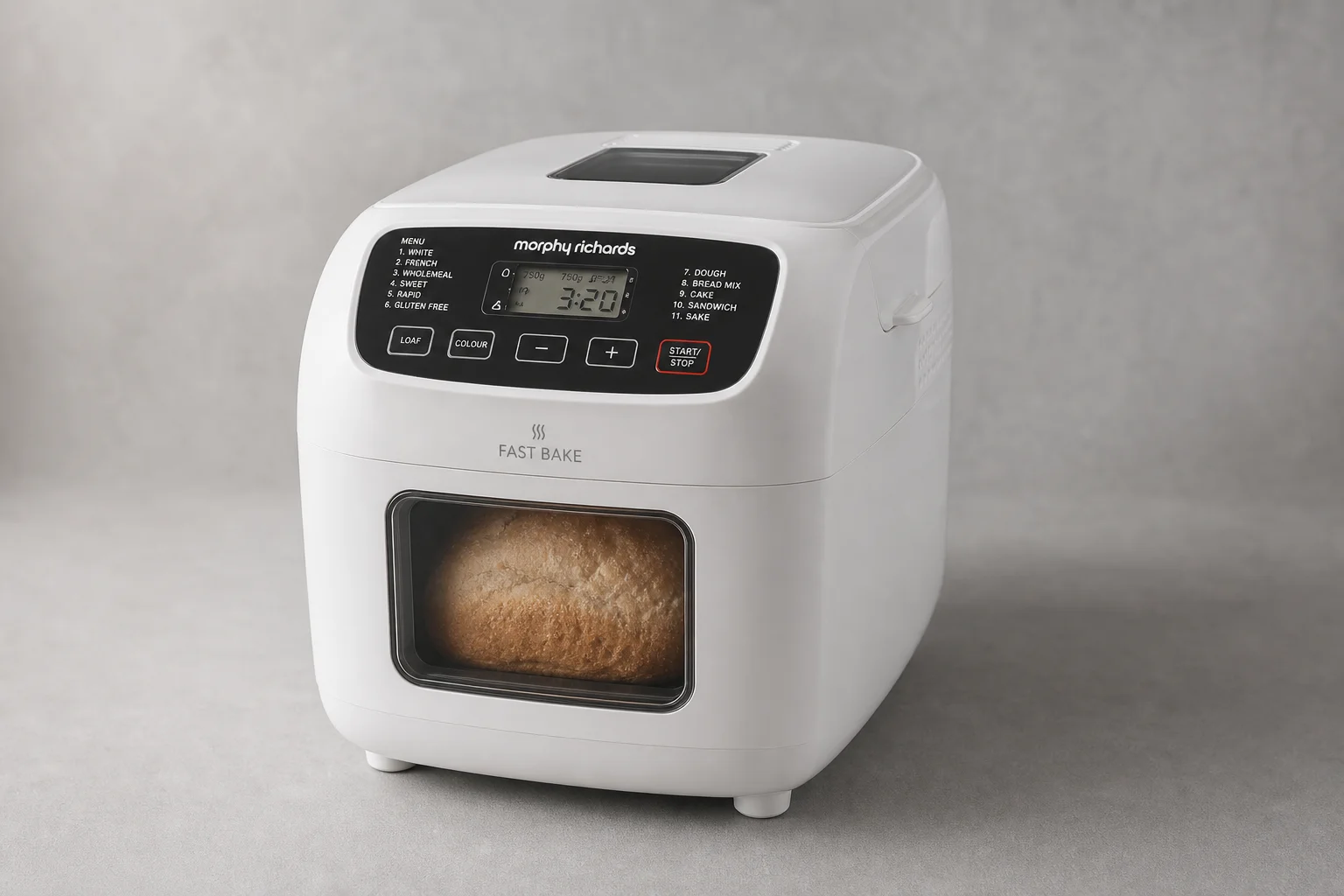
When evaluating bread makers, several features deserve priority consideration. A delayed start function is essential if you want to leverage the primary advantage of machine baking: waking to fresh bread without manual intervention. Loaf size flexibility is valuable, ideally supporting both 2-pound loaves for family baking and smaller options for daily use. Crust color options allow customization to personal preference. A viewing window provides reassurance during baking and helps catch mistakes early, such as a forgotten kneading blade.
Panasonic SD-YR2540: Advanced Features for Specialist Baking
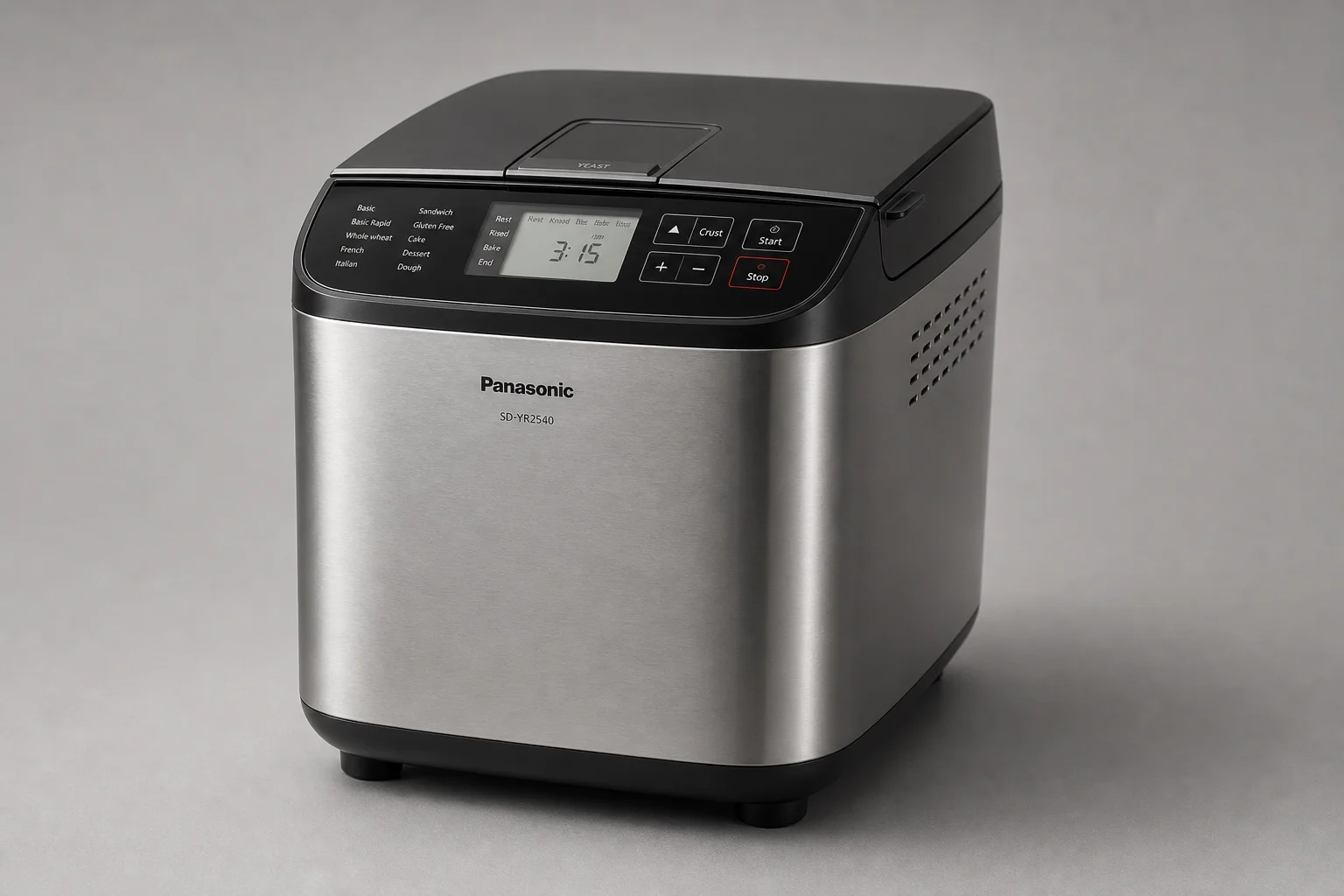
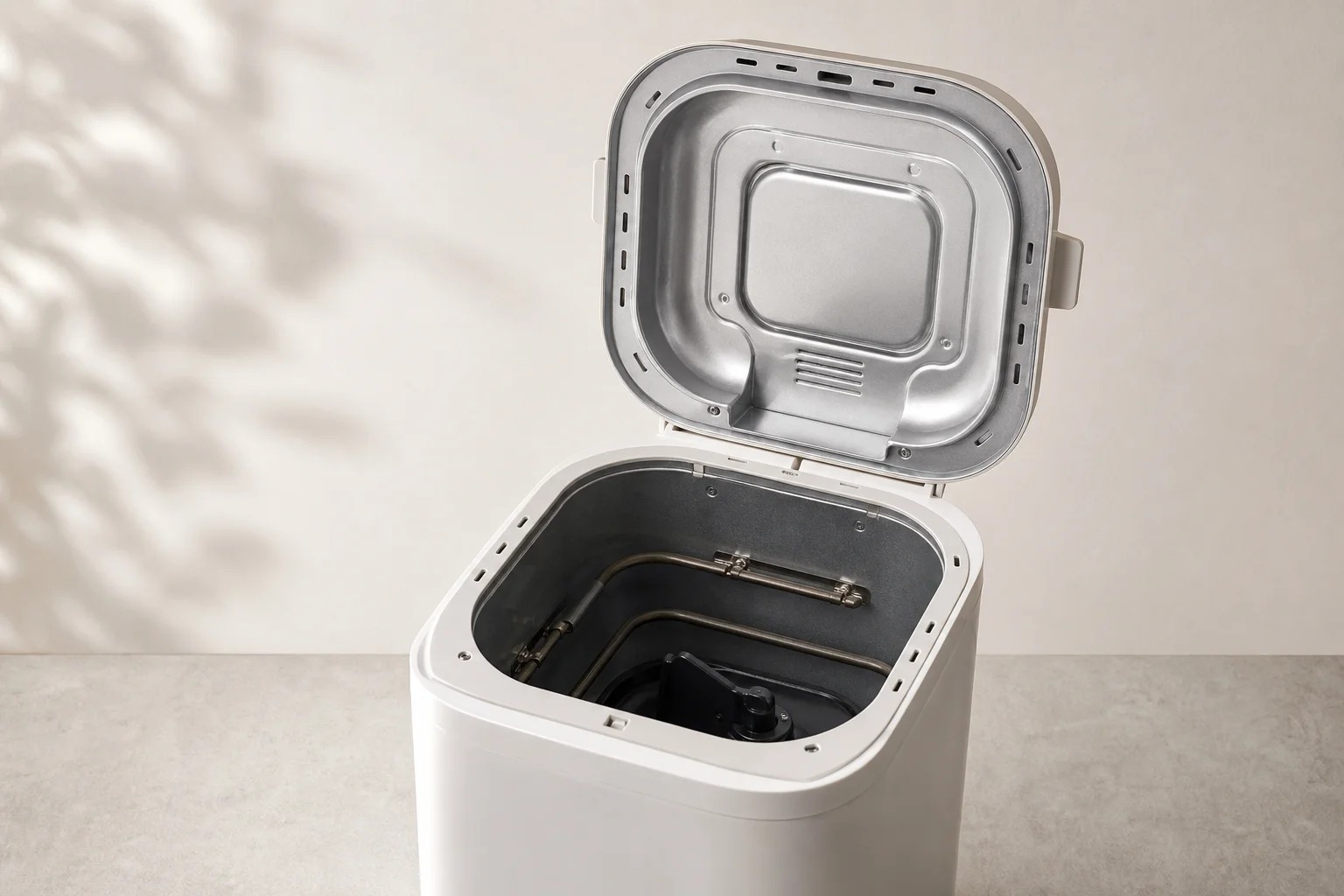
The Panasonic SD-YR2540 is substantially larger than the Morphy Richards, requiring careful consideration of kitchen storage and placement. This machine is designed for bakers interested in exploring specialist bread types and advancing their bread-making skills.
The standout feature is its 32 different programs, including dedicated options for gluten-free, rye, and sourdough breads. The machine incorporates two temperature sensors (one internal, one external) to gauge ambient conditions and adjust baking accordingly. It also includes an automatic yeast and raisin dispenser in the lid, plus two different kneading blades, with the second designed for artisan-style kneading suited to rye bread production.
The basic cooking cycle runs for 4 hours, longer than the Morphy Richards’ 3-hour program, and produces noticeably larger loaves. Three loaf size options and three crust color choices provide flexibility.
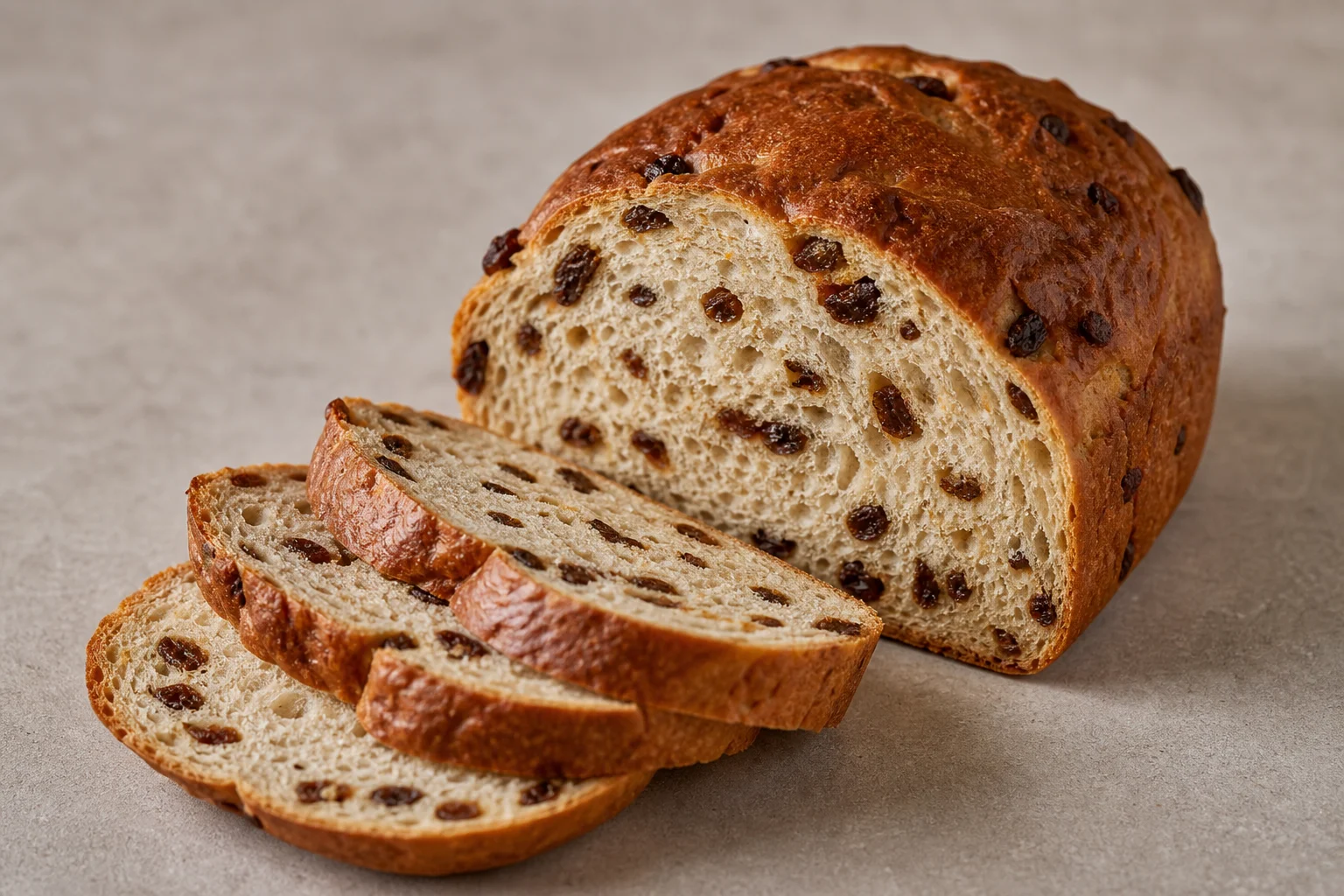
The automatic raisin and nut dispenser proved effective during testing, distributing raisins evenly throughout dough without manual intervention. This is genuinely useful for specialty loaves where even distribution matters. However, the yeast dispenser in the lid is less convincing. Traditional bread recipes do not typically call for mid-cycle yeast addition, and the design creates a practical risk: after closing the main lid, it is easy to forget to add yeast to the separate compartment, particularly in a busy household. The Morphy Richards approach of layering yeast on top of flour before starting the machine is simpler and equally effective.
A notable limitation is the absence of a viewing window. While the control panel displays your position in the baking program, you cannot visually confirm what is happening inside. This became problematic during testing when a forgotten kneading blade went undetected until the cycle completed, resulting in a failed batch. A window would have caught this error immediately.
Initial testing revealed recipe inaccuracies in the Panasonic instruction book, resulting in sunken loaf tops and undercooked rye bread despite following instructions precisely. When the same white loaf recipe from the Morphy Richards book was used, results were perfect. This suggests the Panasonic’s advanced features require careful recipe validation, particularly for specialist breads.
Delayed Start and Convenience Features
Both machines offer delayed start functionality, allowing you to schedule baking up to 13 hours in advance. This is the single most valuable feature a bread maker can offer, transforming the appliance from a convenient tool into a genuinely transformative kitchen device. The ability to wake to the aroma of fresh bread is a genuine advantage over manual baking.
Setting the delayed start requires simple arithmetic: calculate the total time from the current moment until you want the loaf ready, accounting for the program duration. For example, if it is 9 PM and you want bread ready at 7 AM, and the program runs 3 hours, you would set a 10-hour delay.
Both machines include automatic keep-warm functions that maintain the finished loaf at serving temperature for approximately one hour after baking completes.
Buying Advice
The Morphy Richards Fast Bake represents excellent value for most home bakers. It delivers reliable results, offers essential features without unnecessary complexity, and occupies minimal kitchen space. The recipe book is trustworthy, and the machine handles everyday baking—white loaves, whole wheat, flavored breads, and quick bakes—with consistent success. The fast bake program, while producing a lighter crust, is genuinely useful when you need bread quickly.
The Panasonic SD-YR2540 is the choice for bakers committed to exploring specialist bread varieties and willing to invest in a larger, more complex machine. Its 32 programs, dual temperature sensors, and artisan kneading blade open possibilities for rye, sourdough, and gluten-free breads. However, this complexity comes with a learning curve: recipe validation is necessary, the yeast dispenser adds operational risk, and the lack of a window limits visibility into the baking process.
For most households, the Morphy Richards Fast Bake delivers better value. It is reliable, straightforward to use, and produces excellent bread without requiring specialist knowledge. The Panasonic suits those ready to commit time to mastering advanced bread-making techniques and willing to accommodate a larger appliance on their worktop.
Conclusion
Both bread makers excel at their intended purpose, but they serve different baker profiles. The Morphy Richards Fast Bake is the practical choice for everyday baking, offering proven reliability and strong value. The Panasonic SD-YR2540 appeals to enthusiasts seeking to expand their bread-making repertoire with specialist varieties. Whichever you choose, the delayed start feature alone justifies the investment, transforming bread baking from a time-consuming process into an effortless morning ritual.
Further reading
Related Reviews
Kitchen Appliances
Arboleaf Smart Kitchen Scale Review: Connected Cooking Made Simple
A Bluetooth-enabled kitchen scale that syncs with a nutrition-tracking app, offering real-time weight monitoring and recipe guidance for home cooks.
Kitchen Appliances
Best Air Fryer Toaster Ovens: Three Top Picks for Multi-Function Cooking
Three high-performing air fryer toaster ovens tested for versatility, ease of use, and real-world cooking results. Find the right fit for your kitchen.
Kitchen Appliances
Best Air Fryer Toaster Ovens Under 100: Five Practical Options for Budget-Conscious Kitchens
Five air fryer and toaster oven combinations that deliver real cooking performance without breaking the bank, each with distinct strengths for different kitchen needs.