Trail Running
Montrail T1 and H1: Two New Trail Shoes Built From Mountain to Coast
Montrail adds two trail runners to its ultra-centric lineup: a versatile, durable T1 for technical terrain and a cushioned H1 hybrid for road-to-trail days.
Introduction
Montrail has built its reputation as an ultra-centric brand, and its shoes can obviously handle more than ultra distances. What the lineup lacked, from a trail running perspective, was dedicated trail shoes. That gap closes now with two new offerings: the T1 and the H1. One is built to attack technical trails, the other to bridge the road and the dirt. Here is how they differ and who each one suits.
Montrail T1: The Do-It-All Trail Shoe
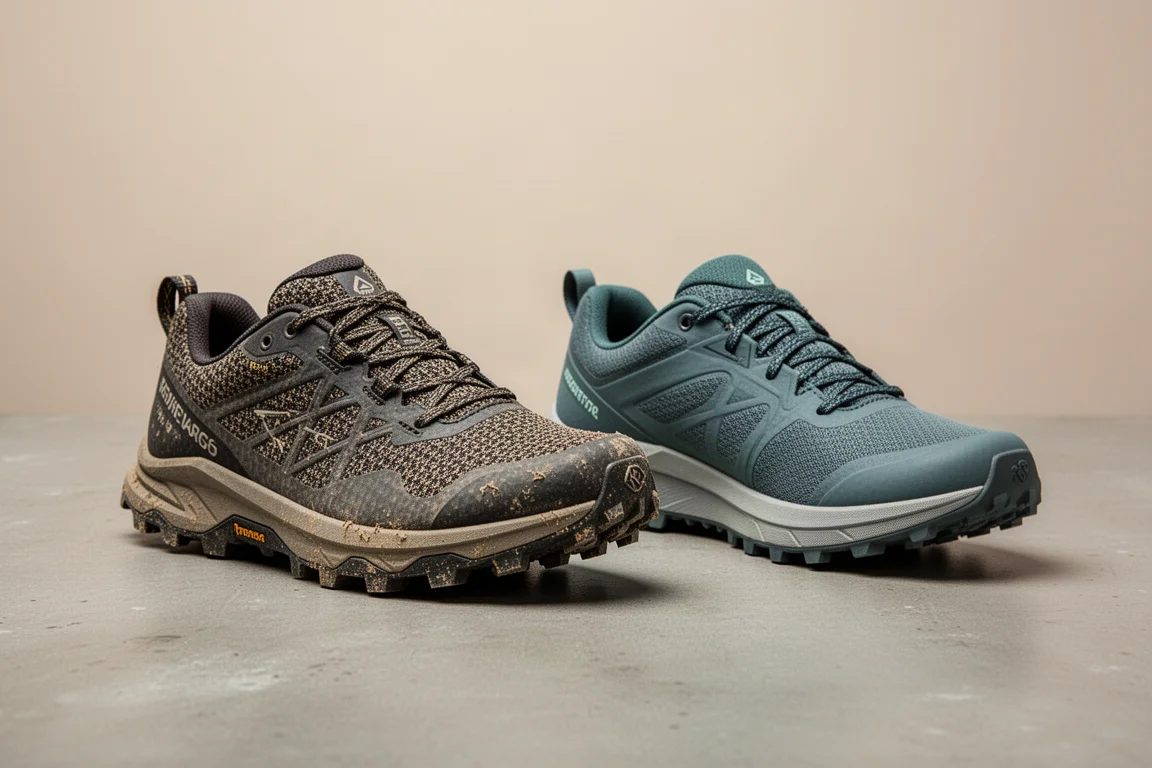
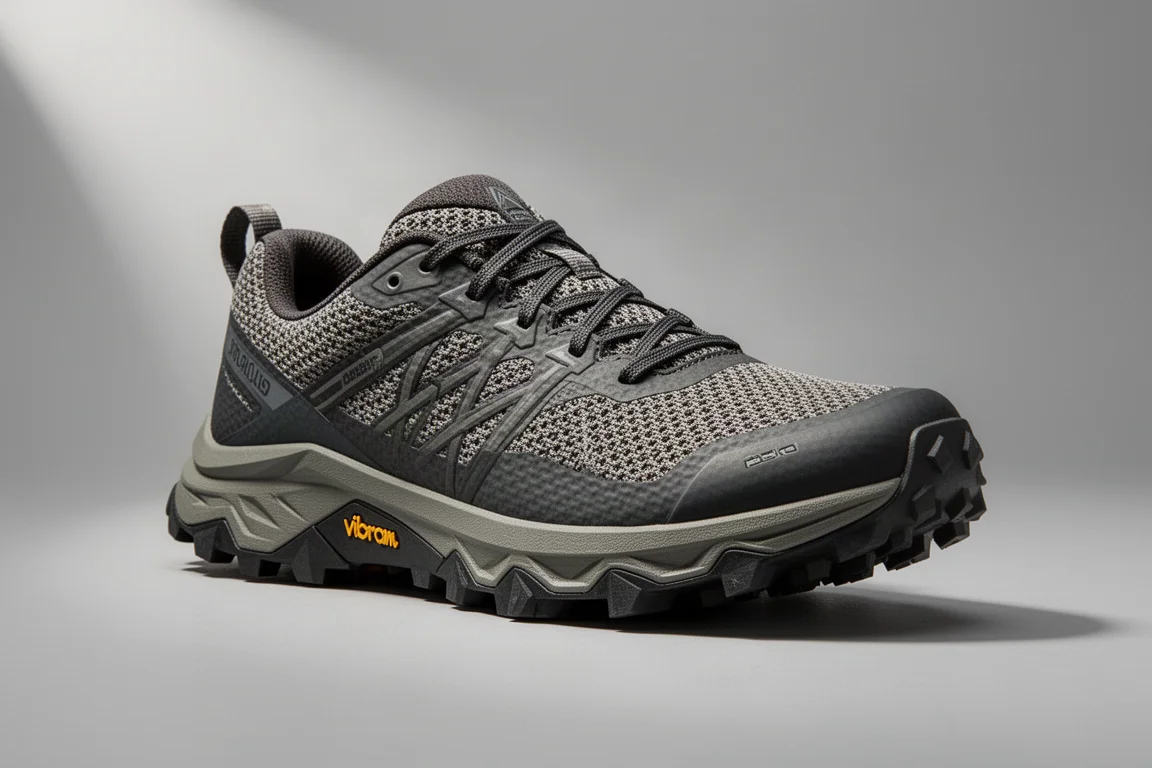
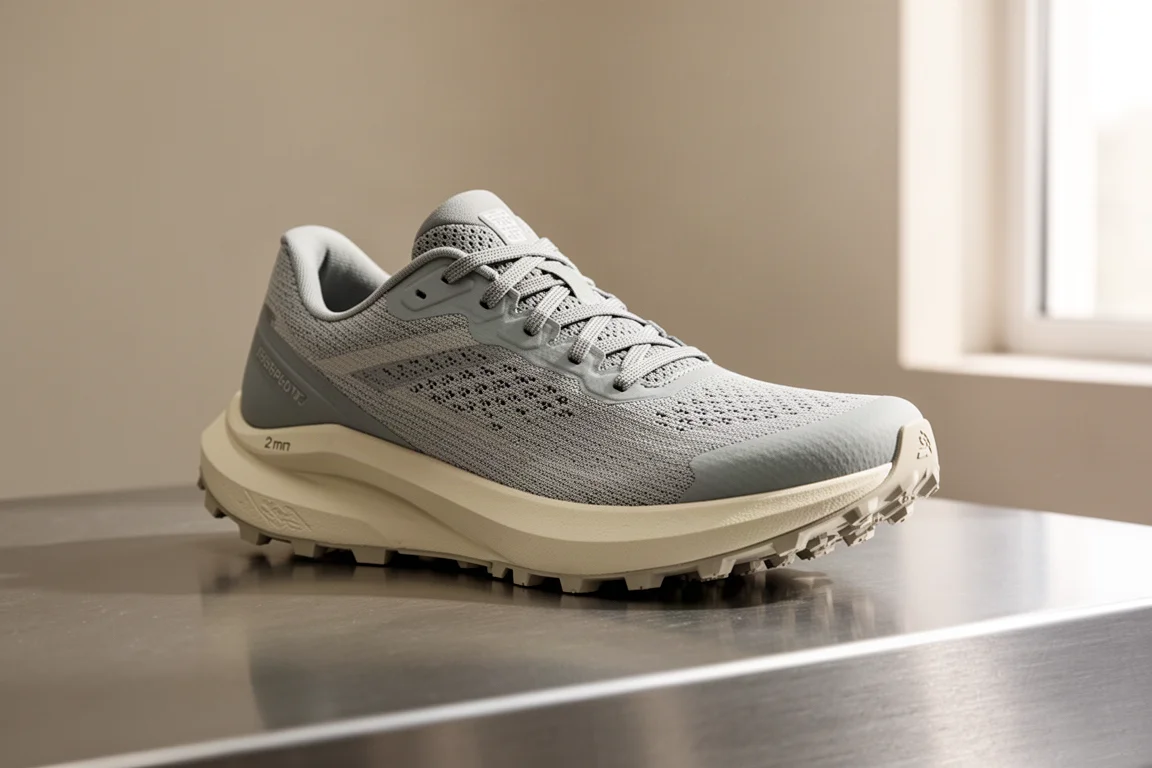
The T1 is Montrail’s dedicated trail shoe, and it is built for versatility. Kevlar is woven into the upper, which makes it very durable, water phobic, and quick to dry. It also carries the brand’s dual lacing system, so you can dial in a comfort fit both in the forefoot and around the ankle and midfoot.
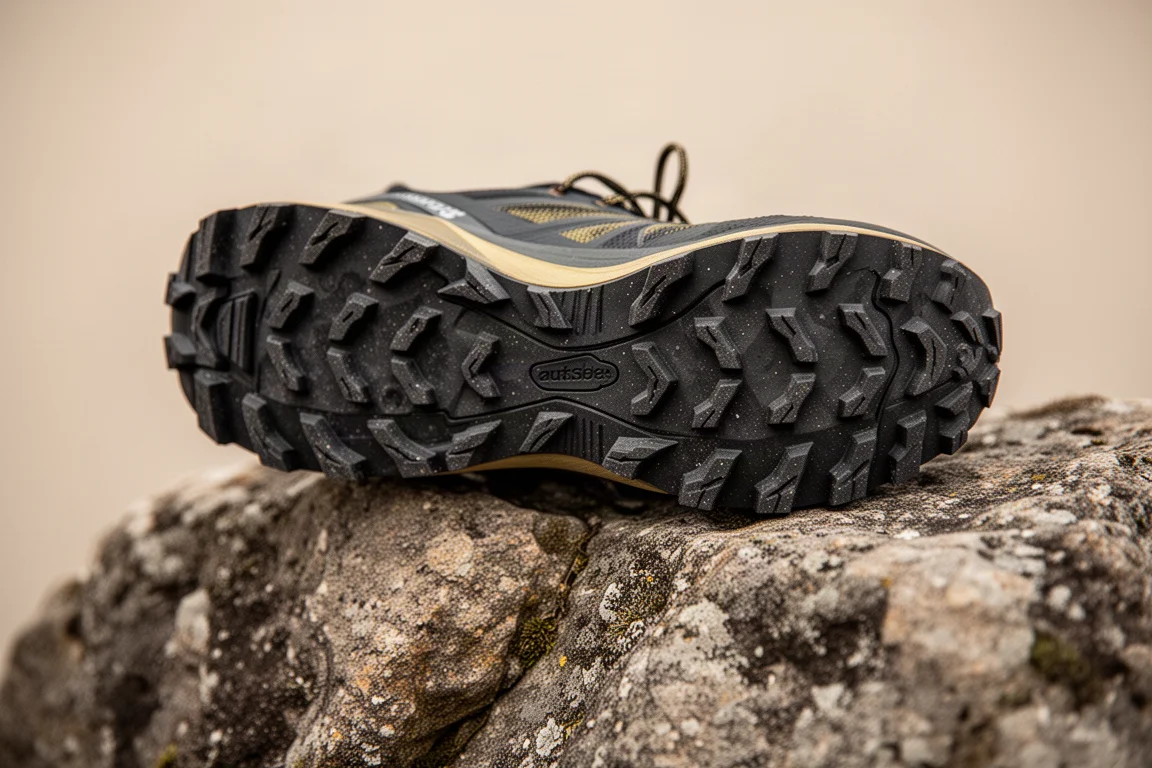
Underfoot, the T1 uses a Vibram Lightbase and Megagrip midsole and outsole combination. That pairing is described as super light with strong grip, ready for anything from the most technical trails in the US down to gravel and rock. Gator hooks on the shoe let you attach gaiters for debris-heavy routes.

The T1 sits a little lower to the ground with a moderate stack height and a 4 mm drop. That means you still get some of the ground feel most trail runners want, while the shoe handles both technical terrain and smoother stretches. In practice, it fits a do-it-all, speedgoat-style category: a single shoe that can cover a wide range of trail surfaces. It also shares the R1’s fit, including a wider toe box with the ability to cinch it up as needed, which is useful for runners coming over from Montrail’s road or mountain side.
The T1 is priced at $180 and launched June 1st.
Montrail H1: The Road-to-Trail Hybrid
The H1 is meant for hybrid use. Its lugs are much less aggressive at 2 mm, and the shoe is designed specifically to run on both road and trail. If you have a trail a couple of miles from your house, it should feel great on the roads getting there and still grip the dirt and gravel once you arrive.
The H1 also sits a bit higher than the T1, so you get a little more cushioning underfoot. It shares the same dual lacing system as the R1 and, like the T1, has Kevlar woven into the upper, so the two shoes have very similar uppers.

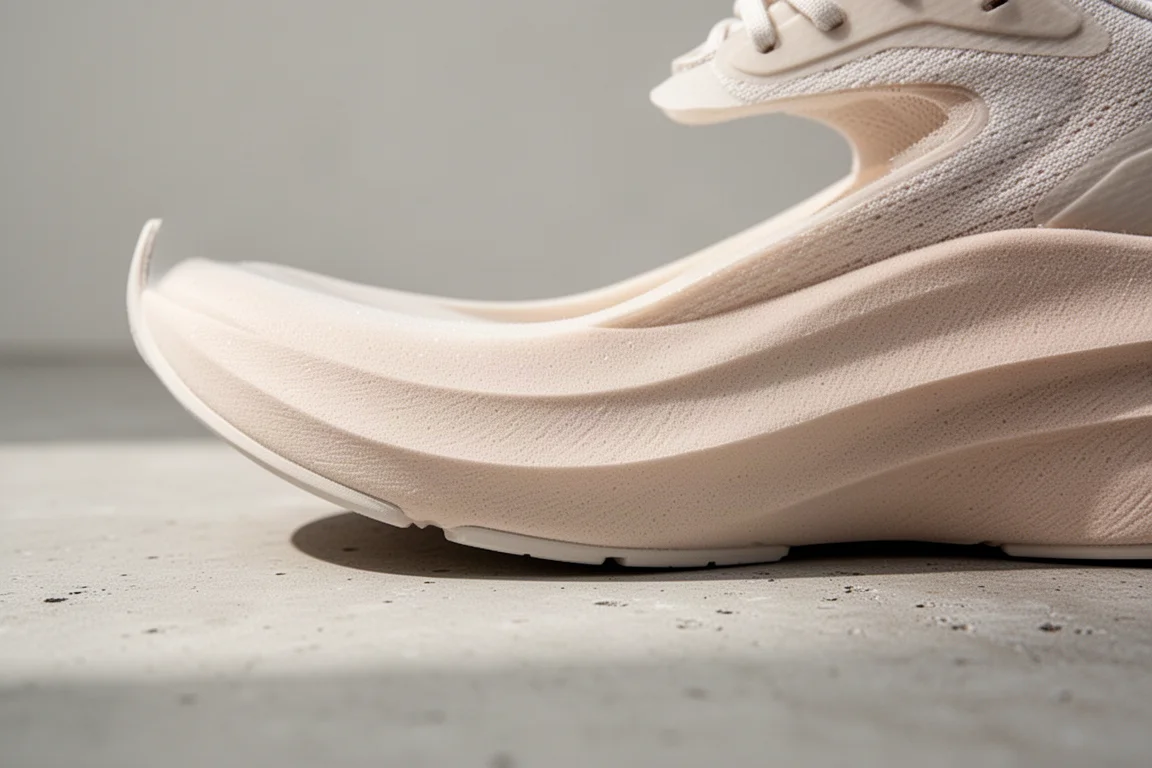
The big story underfoot is a new foam called Circlesell. The name references the recycling and green story behind it: the foam uses PBAT as a component, so there are no petroleum products in it. Montrail claims it is both more durable and better performing than the original foam, with more energy return. It is a rare case where the sustainability push and the practical, good-feeling shoe appear to line up.
Which One Should You Buy?
Choose the T1 if your runs lean toward genuine trail terrain, including technical sections, gravel, and rock, and you want a durable, lower-to-the-ground shoe with strong grip. Choose the H1 if your routes mix road miles with dirt and gravel, and you would rather trade some lug depth for more cushioning.
Conclusion
Montrail’s first two trail shoes cover complementary ground. The T1 is the versatile, rugged option for attacking varied trails, while the H1 is a cushioned hybrid with a greener, more durable foam for road-to-trail days. Together they give trail-curious Montrail fans two sensible entry points.
Further reading
Related Reviews
Trail Running
How to Choose Trail Running Shoes: A Guide to Shoe Type, Cushioning, and Drop
Learn the three most important factors when selecting trail running shoes: shoe type, cushioning level, and heel-to-toe drop.
Trail Running
Trail Running Poles: A Complete Guide to Technique, Fit, and Use
Learn why trail running poles redistribute workload, how to choose the right length and strap system, and master three essential climbing techniques for longer races.
Trail Running
Arc of Attrition Kit List: The Gear Worth Packing for a Winter Ultra
A practical look at the shoes, waterproofs, lighting, race vest and poles lined up for a brutal 100-mile winter coastal ultra, and why each piece earned its place.