Fountain Pens
Montblanc Bespoke Nibs Explained: Calligraphy Flex, Twin Line, Curved, and Ballpoint Tipping
A close look at Montblanc's bespoke and specialty nib options, from the calligraphy flex and twin line to the curved and kougal ballpoint tipping nibs.
Introduction
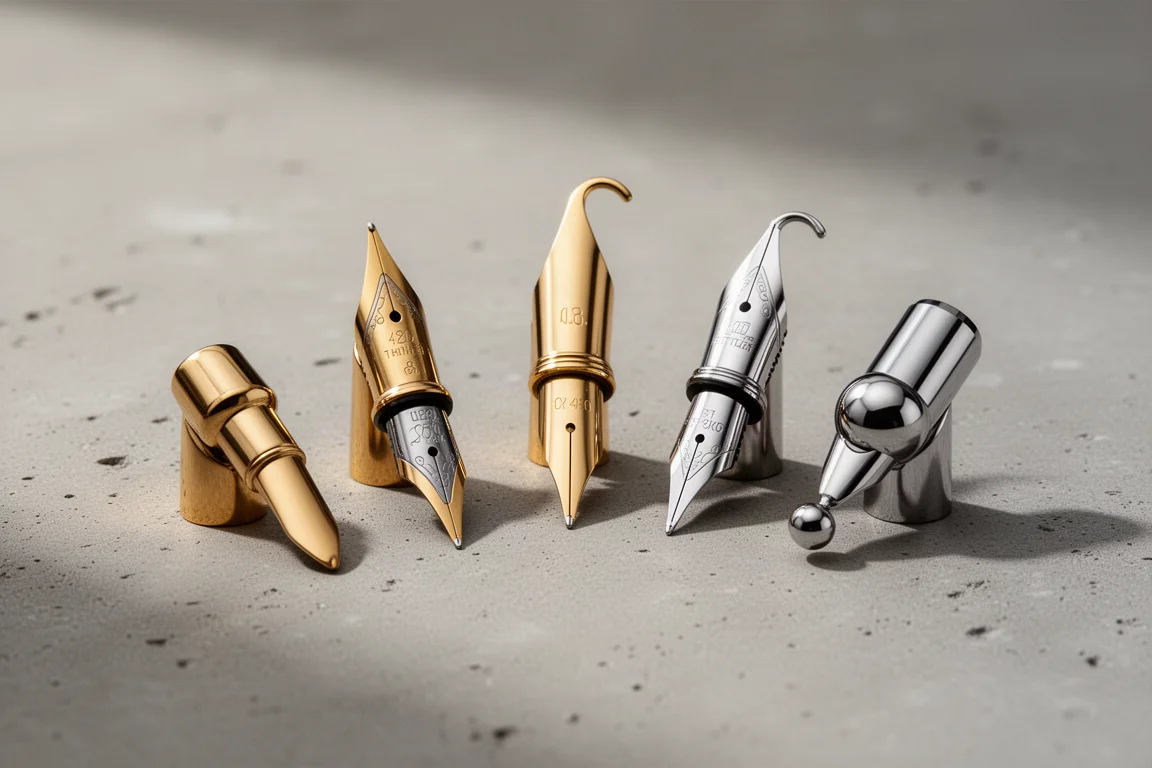
Montblanc’s standard nib range is well known, but the boutique and bespoke options are where things get genuinely interesting. Beyond the familiar extra fine through double broad grades, there is a whole tier of specialty nibs that usually require exchanging an existing nib to obtain: soft writers, ballpoint tipping, curved nibs, italic and calligraphy options, and a twin line nib that lays down a shadowed stroke unlike anything in the standard lineup.
We spent time writing with a full demo box of nibs, and this guide breaks down how each one actually feels on the page, who it suits, and which ones are worth seeking out.
The Standard Nib Grades
The extra fine is about as close to a needle point as Montblanc offers. It is well tuned and adjusted, the tipping feels rounder than the regular extra fine, and ink flow is good. It works nicely for both print and cursive.
The regular extra fine has a slight wedge-like, architect-shaped tipping, which makes cursive slightly harder to maintain if you rotate your nib while writing. It is well suited to printing and general daily use. The fine nib pushes the architect shape further, with noticeably more wedge-like tipping, making it a strong choice for straight printing rather than cursive.
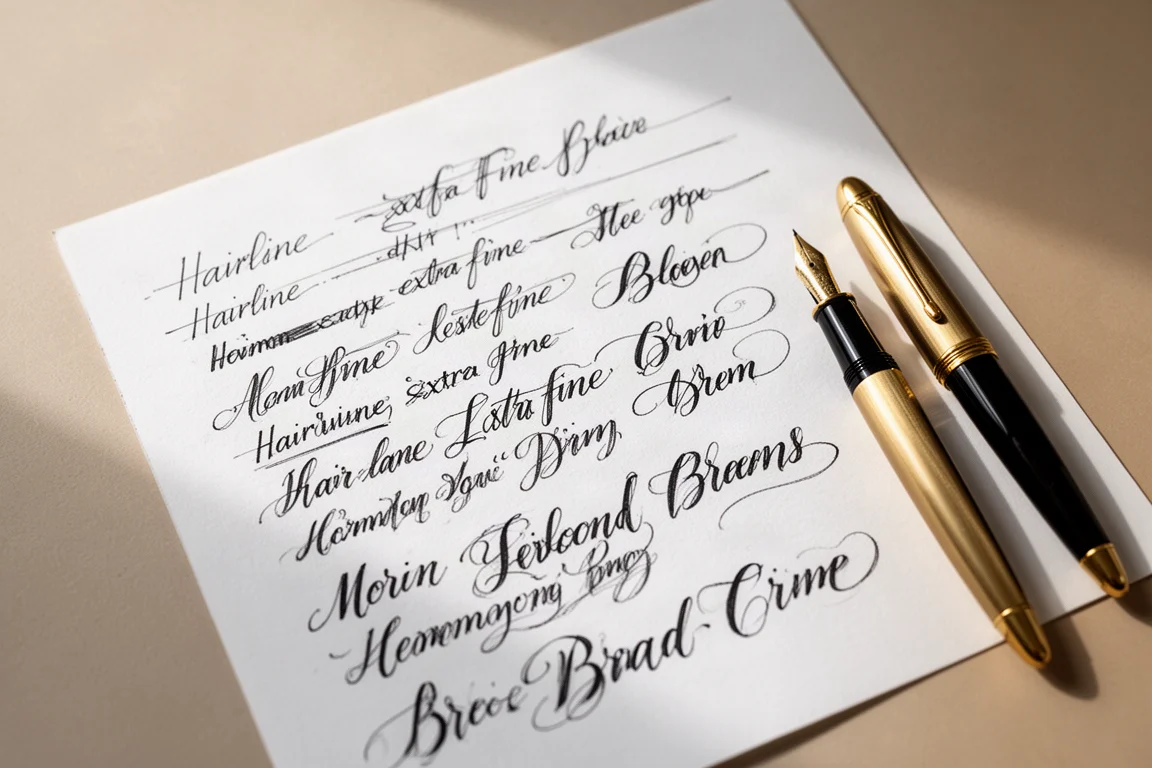
The medium is the grade most often found on boutique pens. It is a well-adjusted middle ground with a slight flat spot on the tipping, and it handles both cursive and printing comfortably.
The broad and double broad carry generous tipping with a stub-like shape, which gives some line variation between downstrokes and crossstrokes. Both tend to run on the dry side, so writers who prefer wetter pens may want an adjustment from Montblanc or a nibmeister. There is a noticeable sweet spot on both, but they remain very enjoyable writers.
The oblique series, from oblique fine through oblique triple broad, is designed for writers who rotate their nibs. The oblique options are tuned with real precision, and they share the stub-like tipping of their regular counterparts, producing a wider crossstroke when rotated.
Bespoke Soft Nibs
The soft medium and soft double broad are subtle. Montblanc nibs are typically quite firm, and these are not flex nibs or even truly bouncy ones. They simply yield ever so slightly under pressure, adding a touch of cushion to the writing feel. If you want a hint of softness without losing the controlled Montblanc character, these are the ones.
Bespoke Calligraphy Flex
Montblanc recently released the calligraphy flex nib, though it appears to have been discontinued already and is fairly tough to find. This is not a super-flex: it is softer than the soft nib options, giving wetter lines, slightly broader lines, and a noticeably softer overall writing experience.
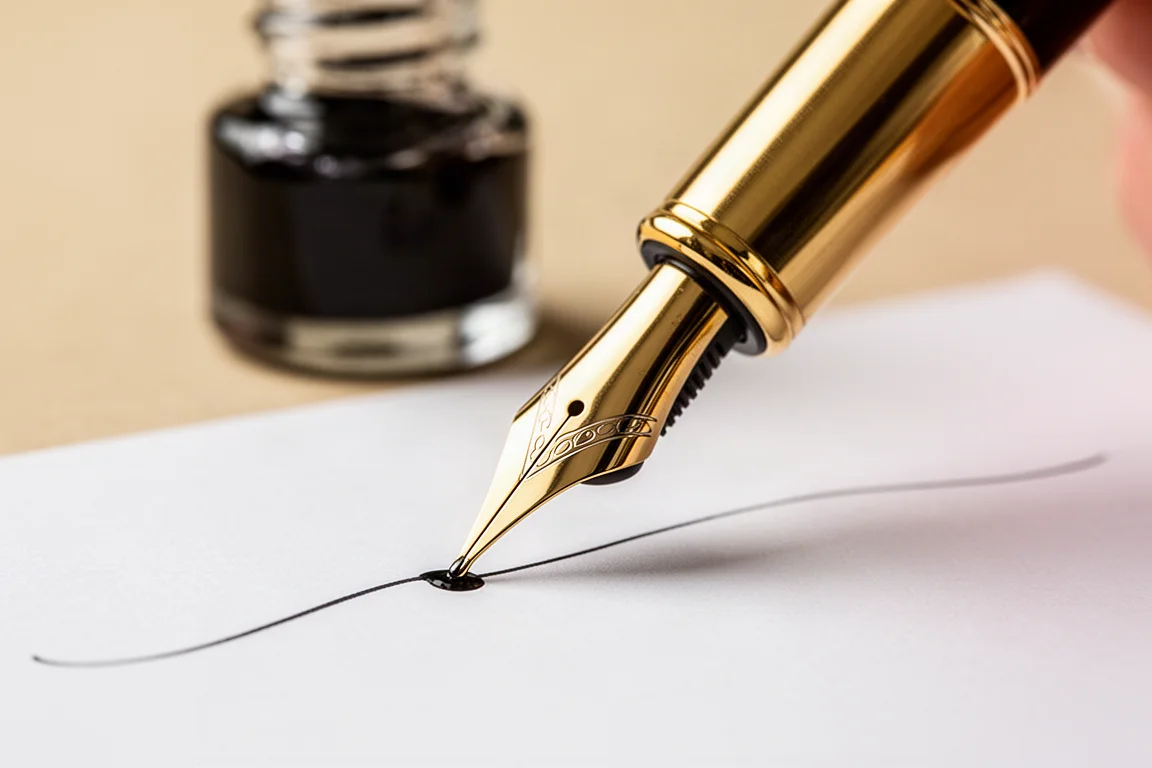
For anyone curious about line variation without committing to a vintage flex pen, this nib hits a comfortable middle ground, which makes its short availability window all the more frustrating.
Bespoke Kougal Ballpoint Tipping
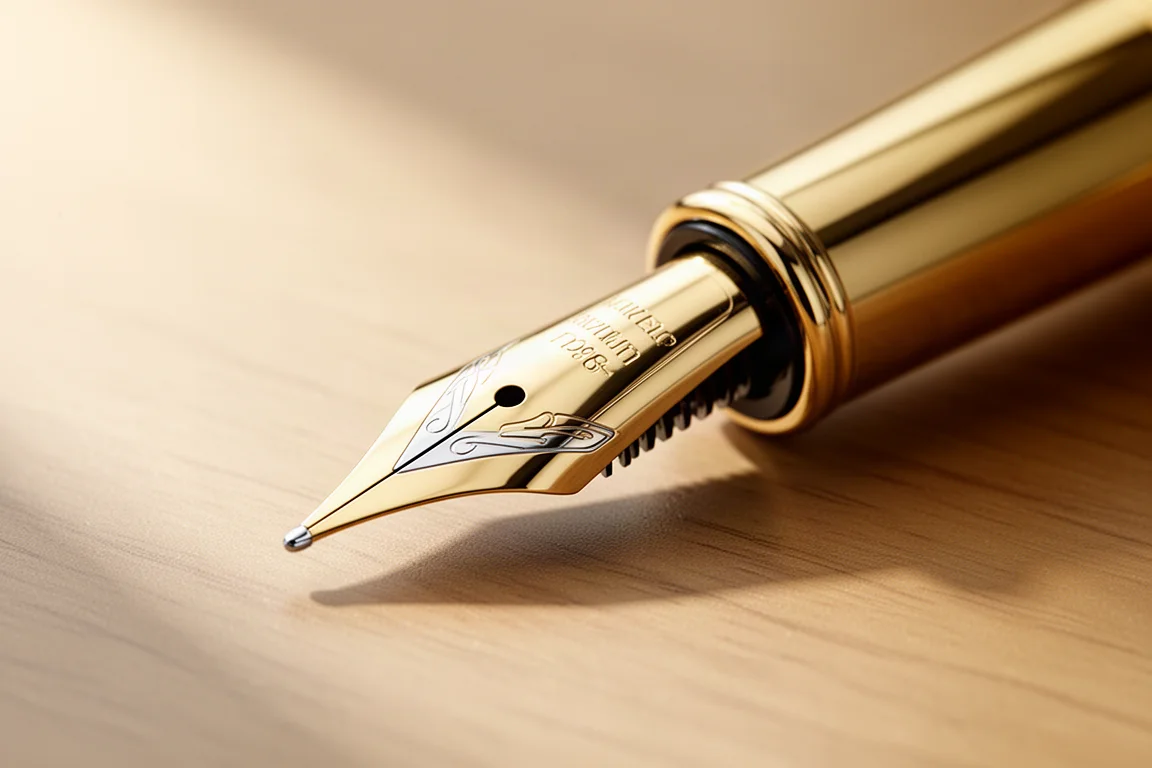
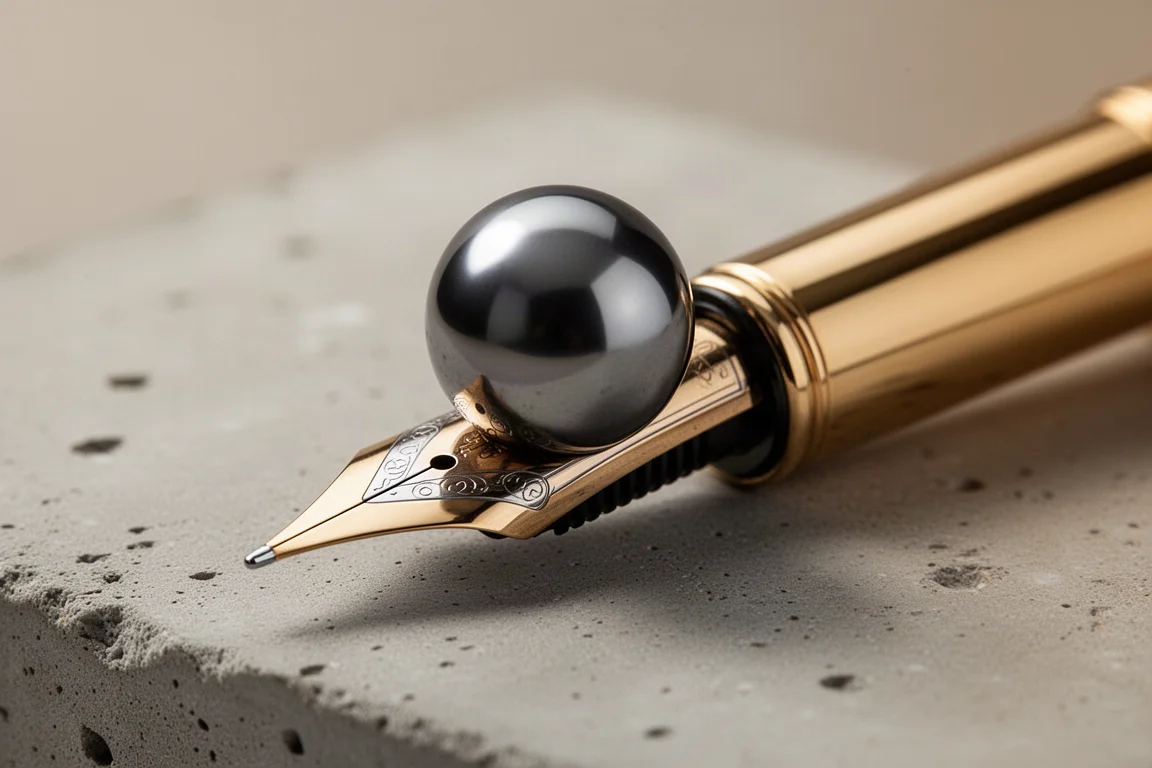
The bespoke ballpoint, known as the kougal nib, was once a standard Montblanc offering but has been absent from the lineup for a long time. The name refers to a truly round ball of tipping, not a ballpoint pen. Because the tipping is so round and chunky, it writes nothing like the stub-shaped double broad.
It is a genuinely fun writer, and its generous round tipping also makes it a good candidate for nib modifications.
Bespoke Curved Nibs
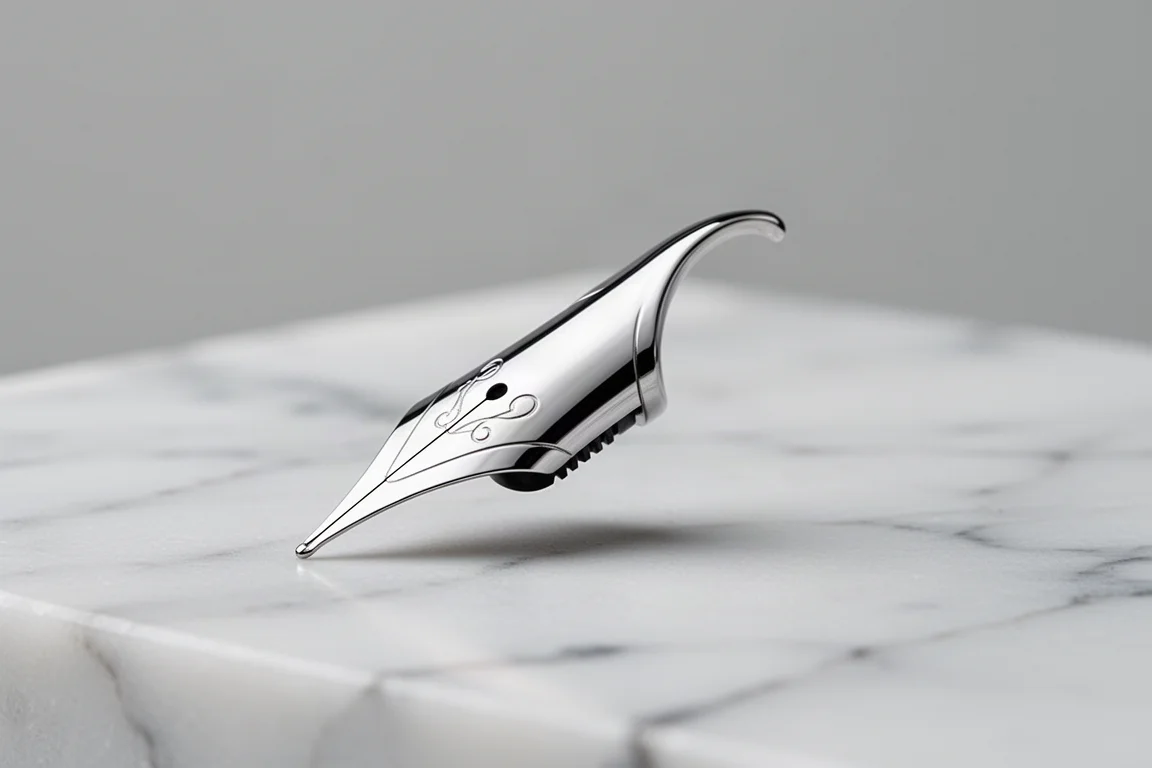
The curved small and curved large nibs behave like a smooth architect nib: extremely generous in line width and a lot of fun to use. The tip curves up slightly, which shapes the stroke in a distinctive way.
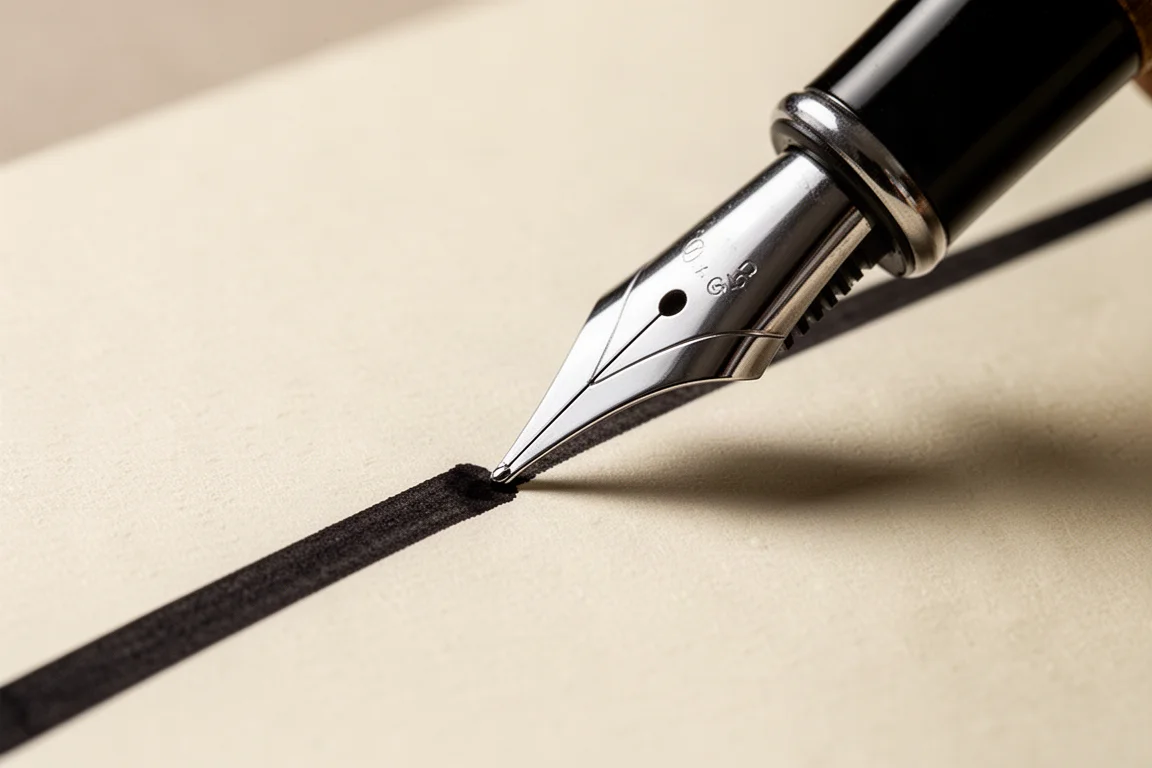
These are specialty nibs through and through. They excel at printing, while cursive can be difficult simply because they are quite broad. Basic reverse writing is possible if you need it.
Bespoke Italic, Calligraphy, and Signature Nibs
The bespoke italic broad resembles the regular broad, since both have a stub shape, but the italic version is crisper on the edges. It takes a little more practice to get comfortable, but it is a beautiful option for calligraphy or simply adding character to everyday writing.
The calligraphy left nib, like the oblique writers, is meant for people who rotate their nibs. Its tipping is seriously generous, making it great for calligraphy practice, signatures, or expressive letterforms. The calligraphy straight nib has equally generous tipping but no oblique cut, so it writes straight onto the page, with slightly crisper edges aimed at calligraphy practice and more distinct character.
The signature small sits between these worlds. It is closer to a cursive italic than a true italic, with softer edges that glide quickly across the page without cutting in. That makes it ideal for fast signatures with a bit of flare, though there is no reason you cannot enjoy it for daily writing or practice too. The small and large versions differ mainly in tipping width, with the large being extremely generous.
Bespoke Twin Line
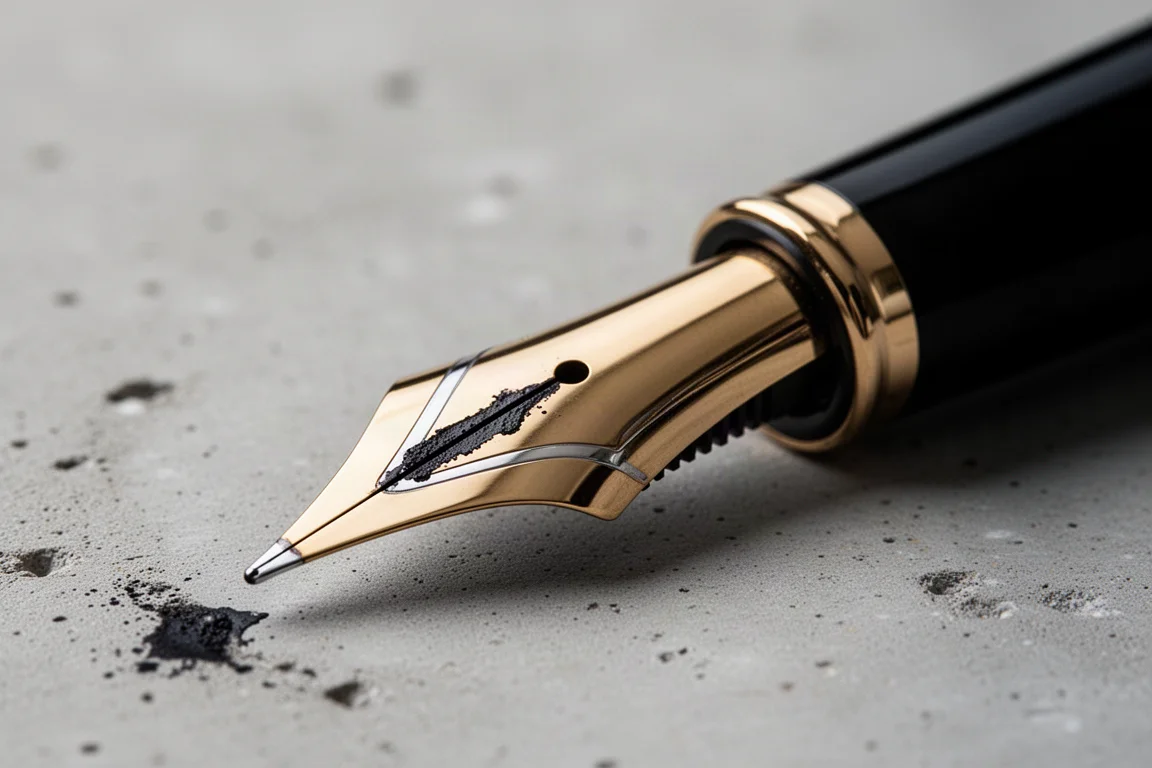
Also known as a scroll nib or shadow nib, the twin line is one of the standout pieces in the bespoke range. It lays down a wide main line with a parallel shadow line running alongside it, like a backdrop built into every stroke.
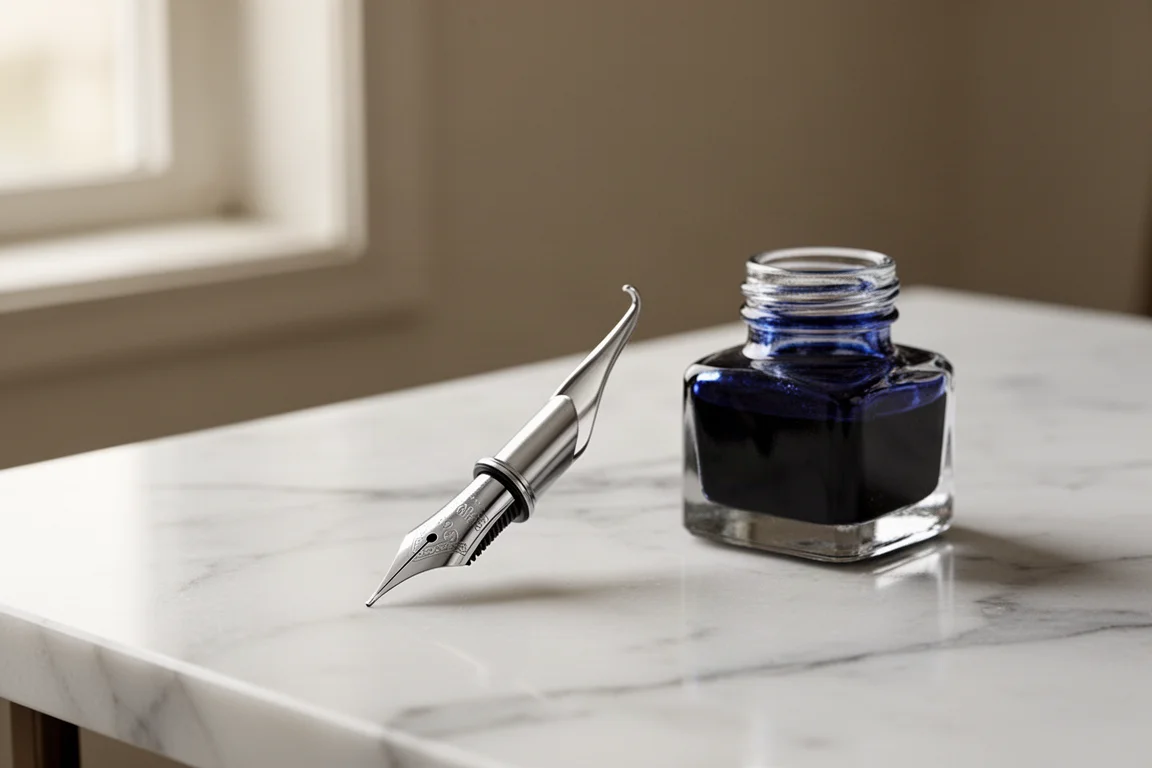
It is a fairly expensive calligraphy nib, but the effect is genuinely striking and a lot of fun to write with.
Bespoke Options and Customization
Beyond nib shapes themselves, the demo box showed some of the wider bespoke possibilities: gemstones set into nibs, engravings, regular text, and even a personal signature engraved onto the nib itself. These options turn a nib into something genuinely personal.
Buying Advice
If you write mostly in print, the architect-leaning fine and the curved nibs are natural fits. If you rotate your nib, look at the oblique series or the calligraphy left. For expressive everyday writing, the broad, double broad, and signature small offer the most character with the least adjustment period. And if you want something truly special, the twin line and calligraphy flex deliver effects no standard grade can, though both may be hard to track down. Remember that the bespoke tier generally means exchanging your existing nib at a boutique, so plan accordingly.
Conclusion
Montblanc’s bespoke nib program rewards anyone willing to look past the standard grades. The kougal ballpoint tipping is a delightfully different writer, the curved nibs make broad strokes fun, the twin line produces a signature shadow effect, and the calligraphy flex adds welcome softness even if it is already difficult to find. Match the nib to how you actually write, and the boutique exchange becomes one of the best upgrades a fountain pen can get.
Further reading
Related Reviews
Fountain Pens
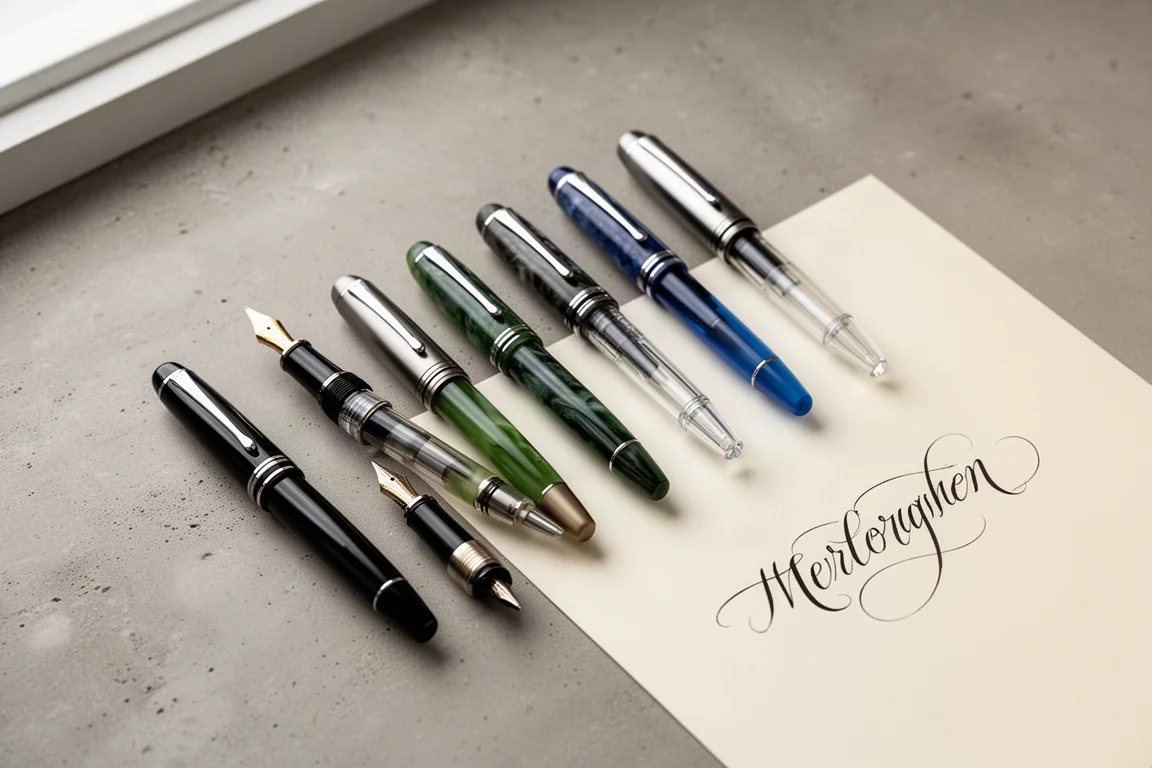
Best Budget Fountain Pens Tested: 9 Pens, One Clear Winner
A hands-on comparison of nine affordable fountain pens for everyday writing, calligraphy, and sketching, with a clear standout for flexible nib fans.
Fountain Pens
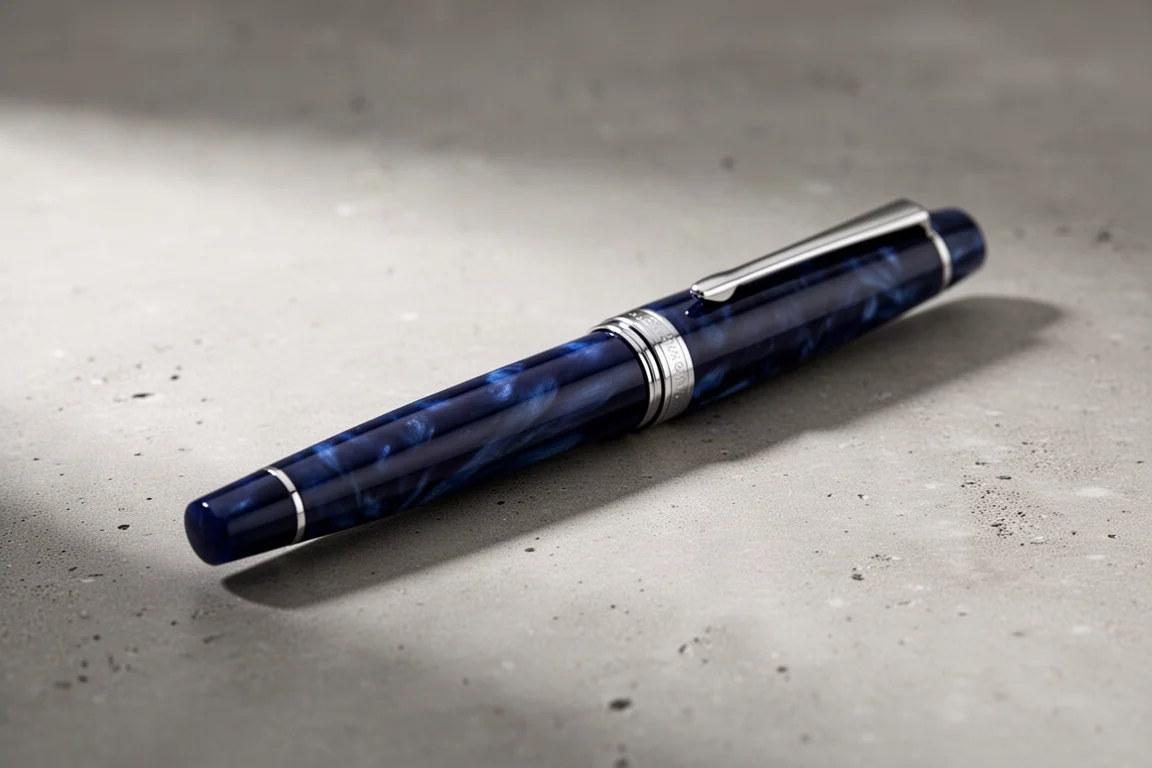
Aurora Optima Review: An Italian Piston Filler That Punches Above Its Price
A 14k gold nib, ebonite feed, and a beautifully deep oraloid body make the Aurora Optima one of the most rewarding piston fillers around.
Fountain Pens
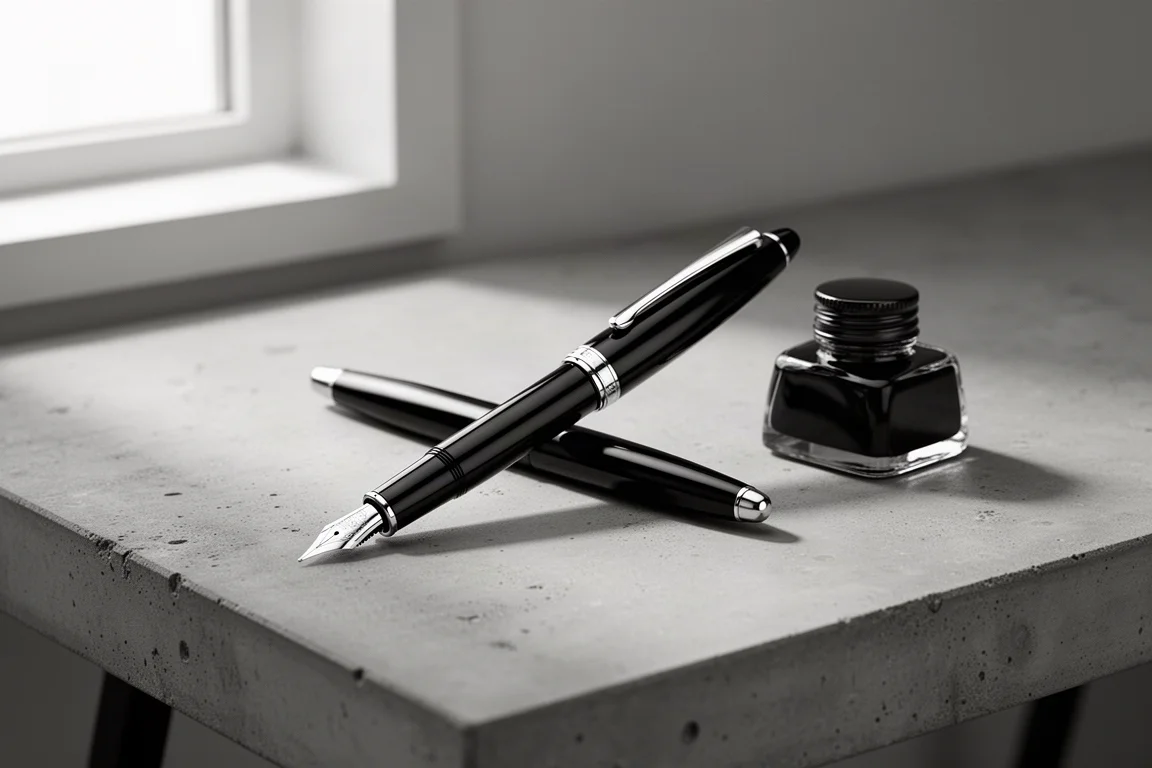
Cross Bailey Light Review: The Entry-Level Fountain Pen Worth Keeping at the Office
A plastic-bodied Cross with a metal clip, snap cap, and famously smooth extra fine steel nib. Around $15, available almost everywhere, and easy to recommend.