Fountain Pens
Montblanc 149 Review: A Gorgeous Pen That Almost Needed Rescue
A long-awaited Montblanc 149 in fine turned out beautifully after a nib tune-up, but its dry, skippy out-of-box performance raises real questions about quality control.
Introduction
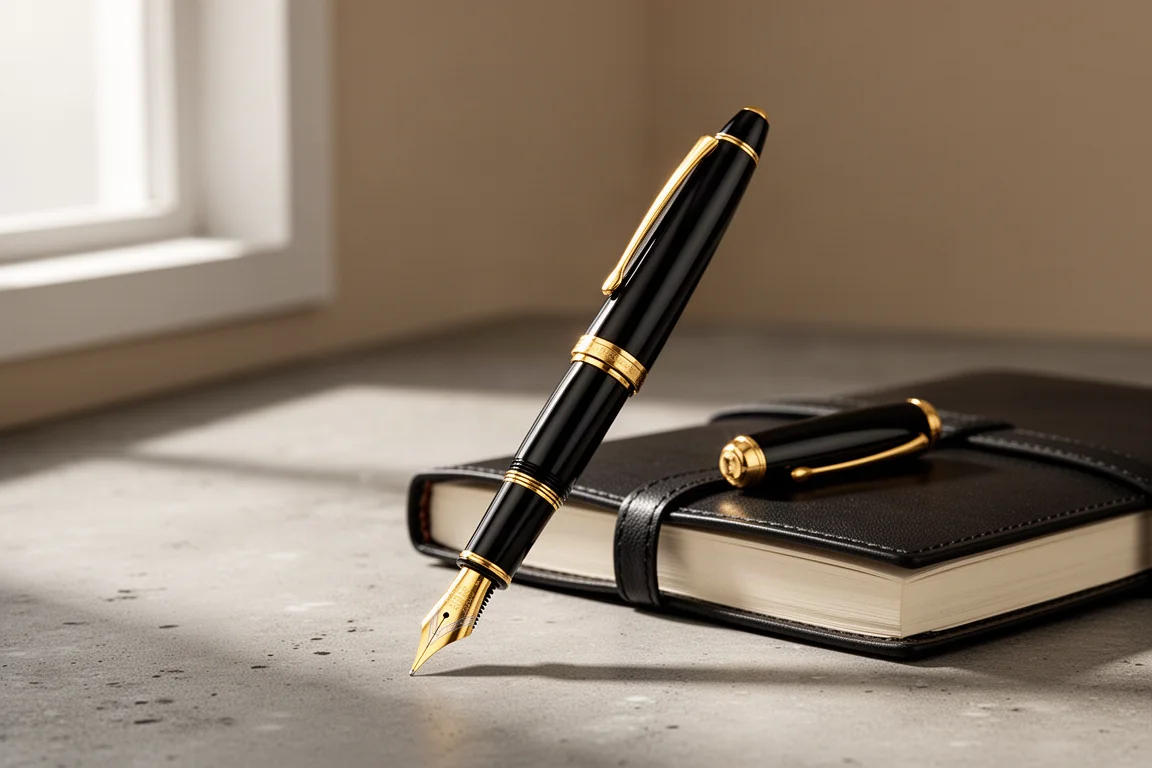
Some fountain pens win you over on the first stroke. Others take a journey. The Montblanc 149 is a pen with an enormous reputation and an even bigger story, and our recent experience with one in a fine nib covered almost every emotion a pen purchase can produce: excitement, doubt, frustration, and finally genuine delight. Here is the full picture, including what went wrong out of the box and what it took to make this pen write the way it should.
First Impressions: A Dream Purchase in Paris
This particular 149 was bought during a family trip to Paris, in a large department store with an entire stationery floor. During the biannual sales, Montblanc pens were discounted 30 percent, bringing the price below $700, and a VAT refund for non-EU visitors softened the cost further. On paper, an unbeatable deal on one of the most iconic fountain pens ever made.
Inked up at home, the pen wrote well for about a week and a half. There is always a little nervousness with any new fountain pen, whether it is a good one or a lemon, and in those first sessions everything seemed fine. Then the pen was set down while other pens took over, and that pause turned out to matter.
When the Writing Went Wrong
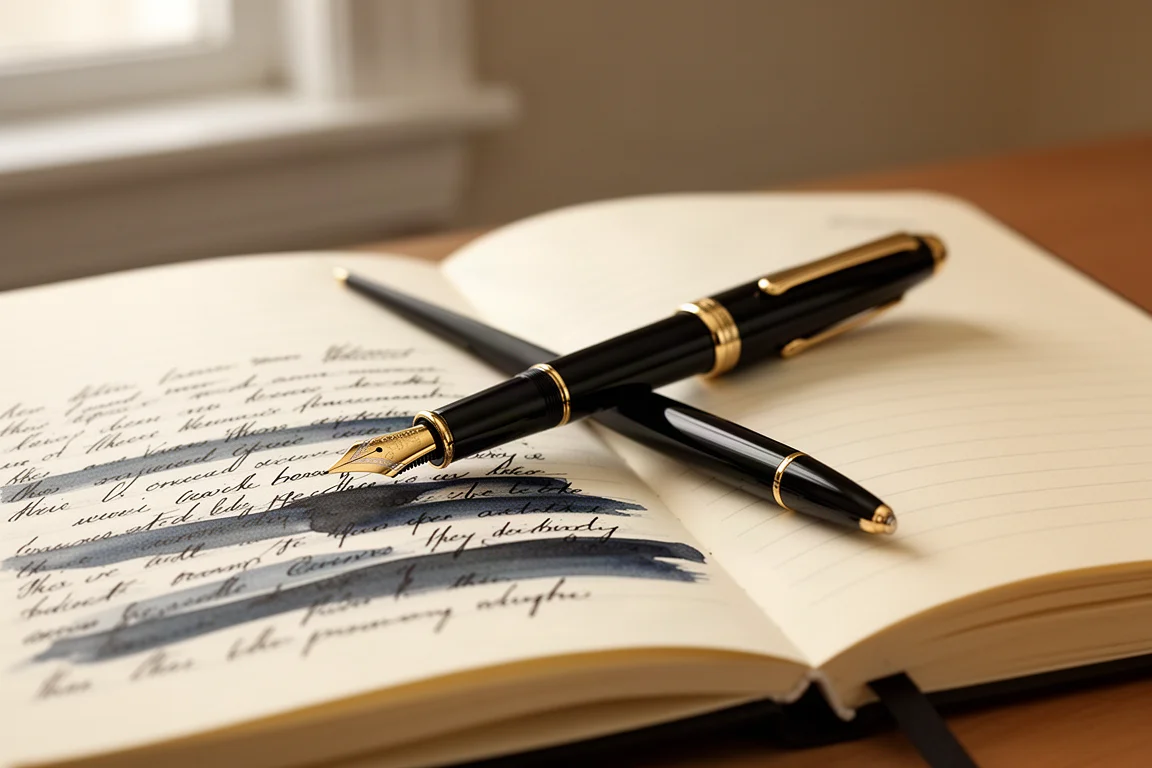
Picking the 149 back up after the break revealed the problem in the cross strokes. They felt extremely dry. Then came skipping and slow starts. At first it was easy to rationalize: maybe the pen was freshly inked with extra flow in the feed, maybe it had not been cleaned well enough for a fair test. But the dryness and skipping persisted, and it became clear something was genuinely wrong with how the nib performed.
This matters because it is not an isolated story. Among fountain pen enthusiasts, recurring reports of nib quality issues with Montblanc’s standard nibs have been hard to miss. One owner’s experience cannot settle a brand-wide question, but it can confirm a pattern.
The Fix: A Nib Tuning Session
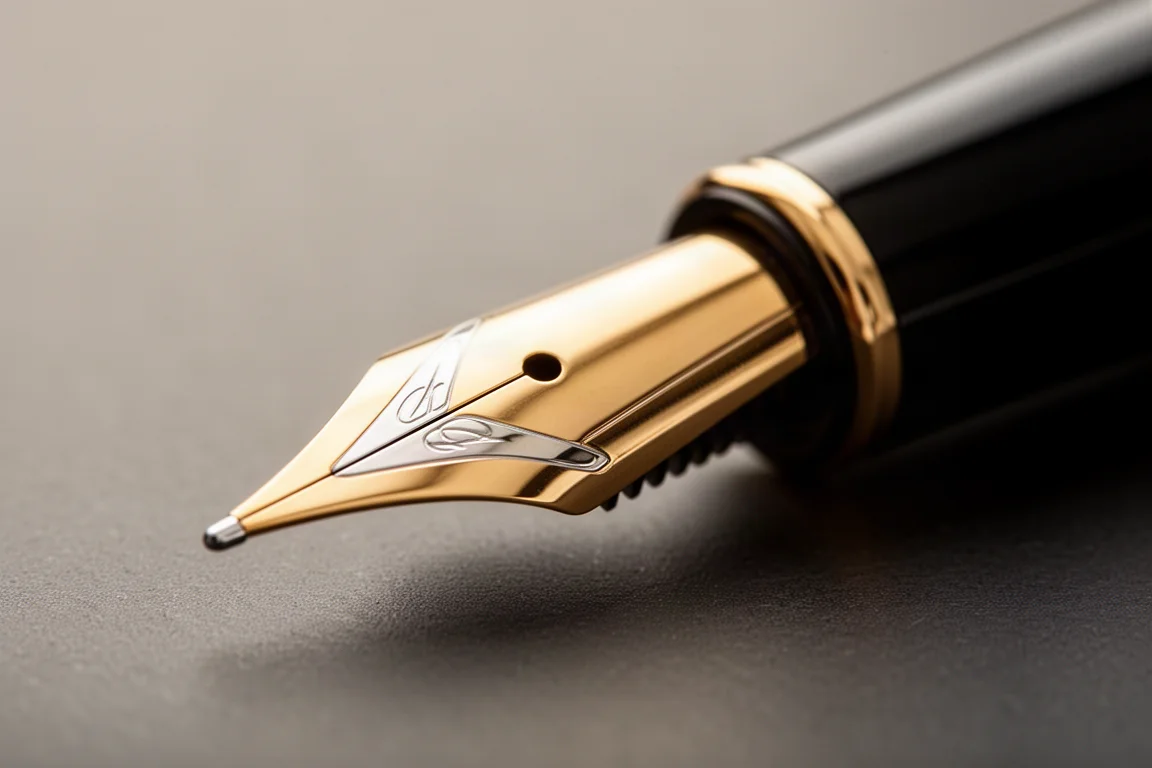
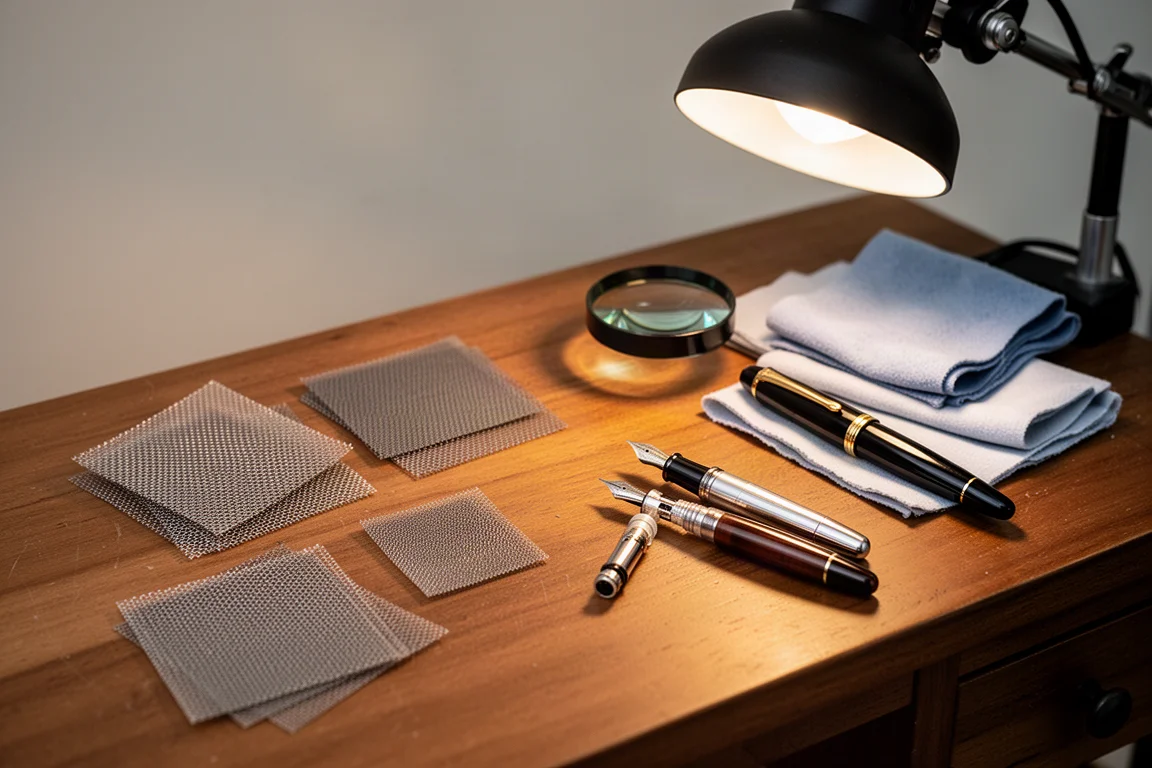
The solution came at a pen retailer’s sidewalk sale, where a skilled nib craftsman agreed to look at the pen on the spot. The process was instructive to watch. First he examined the tines and found them set too close together, then spread them by hand. From there he worked the nib with micromesh in a careful figure-eight motion, writing a test stroke, examining it, and repeating until the nib flowed the way it should.
The result was instant. The pen went from dry and skippy to the wet, smooth, flowing writing experience the 149 is famous for, matching the character of an older 149 in medium that has been in the family for over a decade. The craftsman’s verdict summed it up: it is a gorgeous pen with nothing wrong except that the nib was never finished. Out of the factory, it was simply sent out untuned.
What This Says About Montblanc Right Now
That verdict is hard to square with the price of admission. A flagship pen at this level should not need immediate tuning, and if a skilled technician can fix it in minutes, the question is why the manufacturer did not. There is a broader worry here too: some pen brands seem to be tuning their nibs drier and firmer, as if expecting people to press harder on the page, rather than building for the enthusiast who wants a wet, smooth, effortless writer.
There is also the recent memory of another high-end Montblanc release that arrived in its box rattling loose after multiple delivery delays, a shocking packaging failure for a pen in the $2,800 range, followed by an awkward return process. Add it up, and the practical advice is this: if you buy a modern Montblanc, the heritage nibs appear to be the safer bet. Pens with heritage nibs tend to have a softer, more vintage-feeling writing experience and a better reliability reputation among owners than the classic 146 and 149 with the standard nibs.
Buying Advice
If the Montblanc 149 is on your list, go in with eyes open. The design, the presence, and the history remain superb, and a good or properly tuned example is a genuinely joyful writer. But be prepared to test the nib carefully within the return window, and factor in the possibility of a professional tune-up if the pen writes dry or skips out of the box.
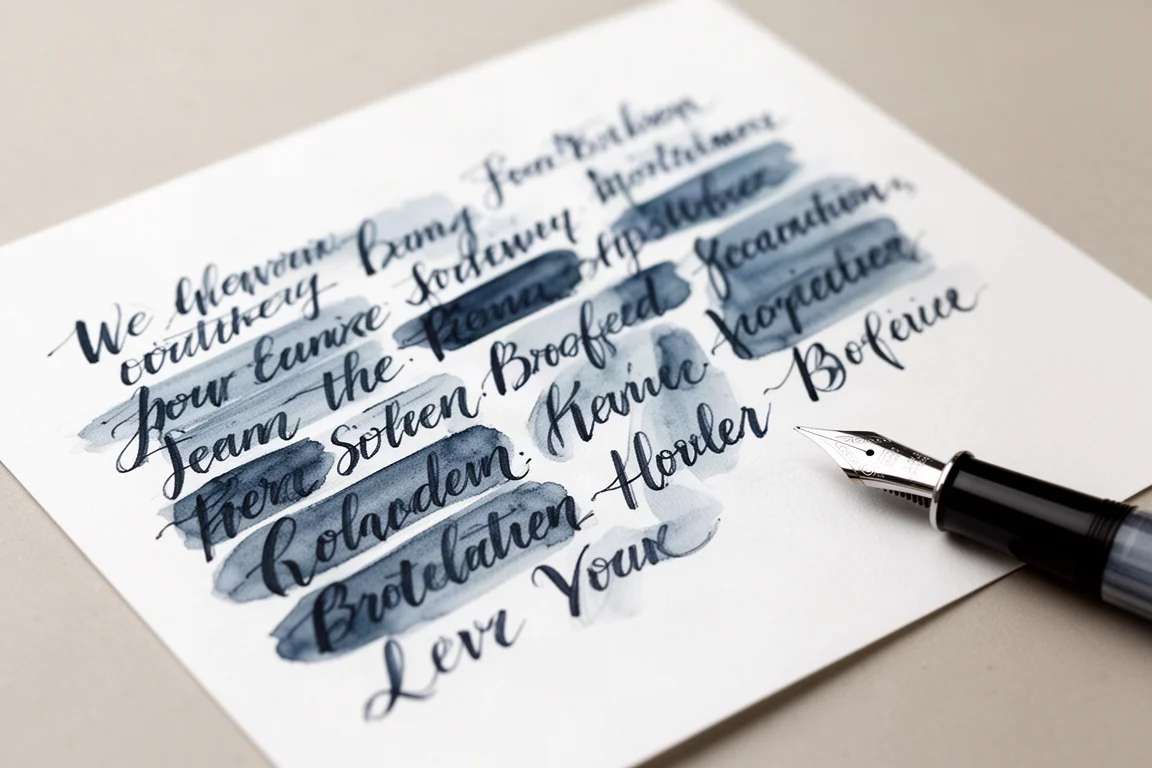
For anyone weighing alternatives at similar or lower prices, Pilot and Namiki currently inspire far more confidence at every level, delivering the kind of out-of-box writing experience that makes you never want to put the pen down. That is the standard a luxury purchase should meet.
Conclusion
The Montblanc 149 in fine ended up as a pen worth loving, but only after someone finished the job the factory left undone. It is a beautiful object with a wonderful story, and once tuned it delivers the smooth, inspired writing experience many of us chase. Whether Montblanc can restore the confidence its longtime fans once had is another question entirely. Buy one if the icon calls to you, but test it early, and do not hesitate to have the nib tuned.
Product link
View more details for Montblanc 149
This product is mentioned in the review. Check the specifications, options, and compatibility before buying.
View more details for Montblanc 149Further reading
Related Reviews
Fountain Pens
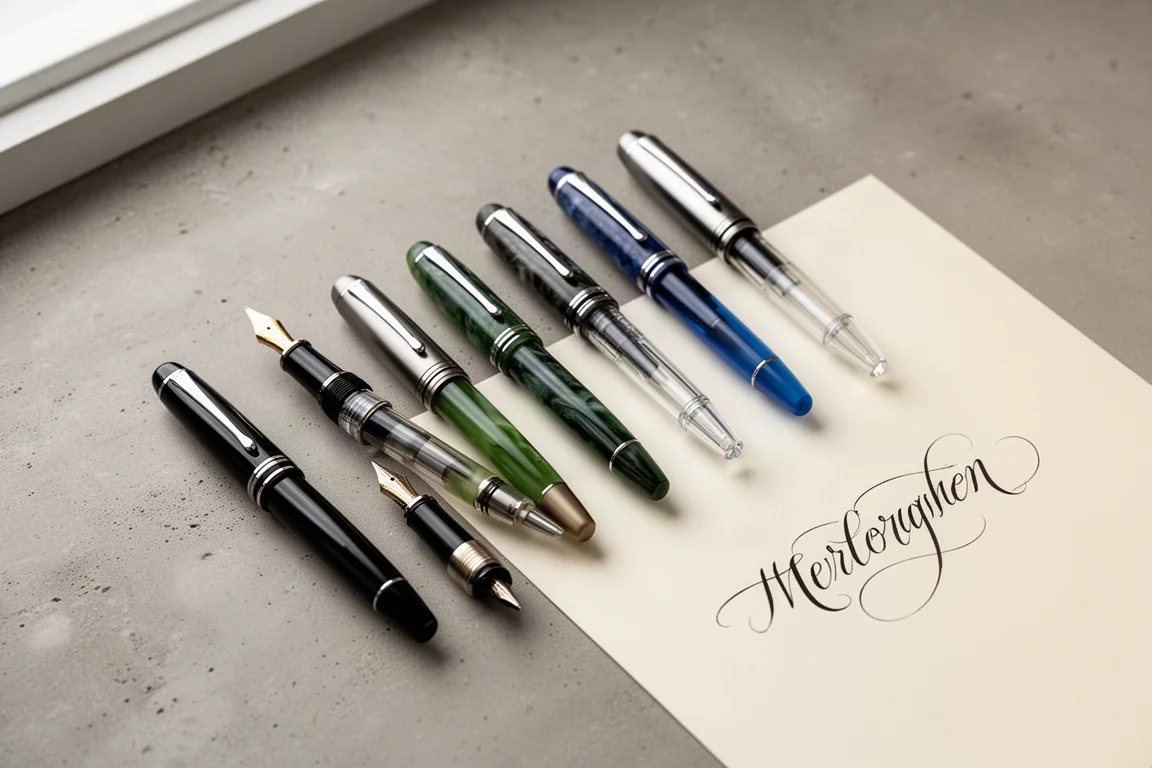
Best Budget Fountain Pens Tested: 9 Pens, One Clear Winner
A hands-on comparison of nine affordable fountain pens for everyday writing, calligraphy, and sketching, with a clear standout for flexible nib fans.
Fountain Pens
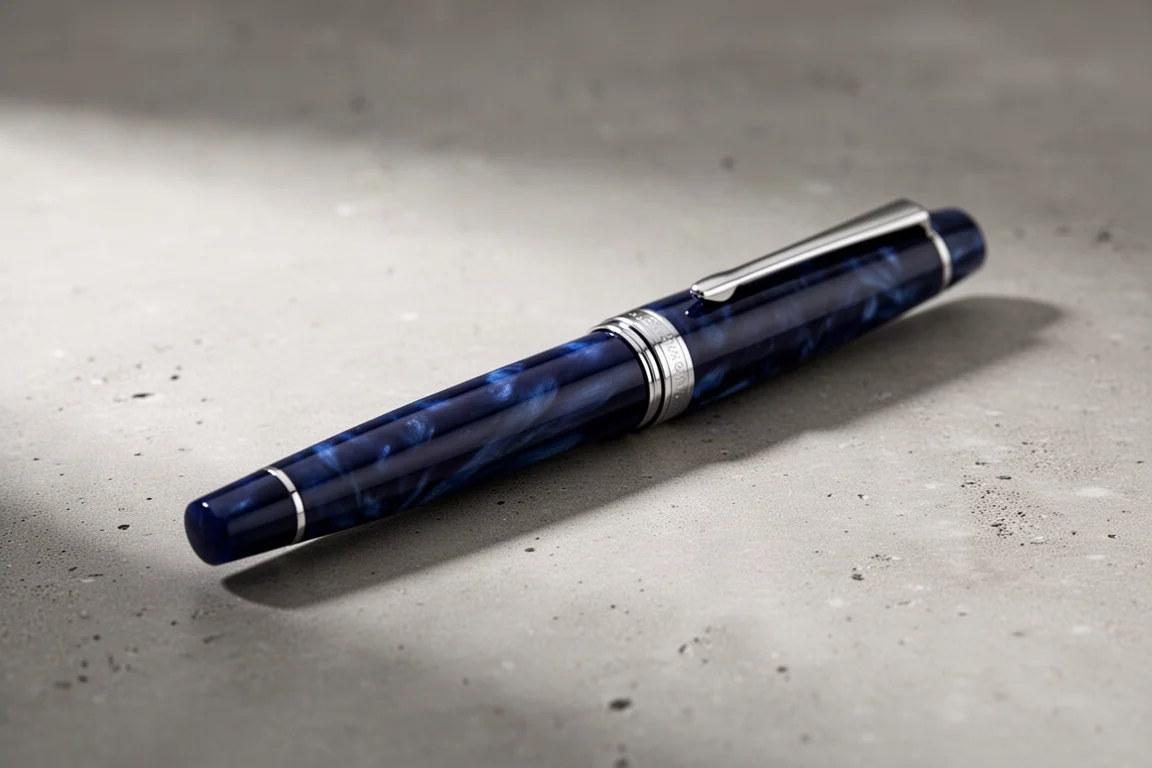
Aurora Optima Review: An Italian Piston Filler That Punches Above Its Price
A 14k gold nib, ebonite feed, and a beautifully deep oraloid body make the Aurora Optima one of the most rewarding piston fillers around.
Fountain Pens
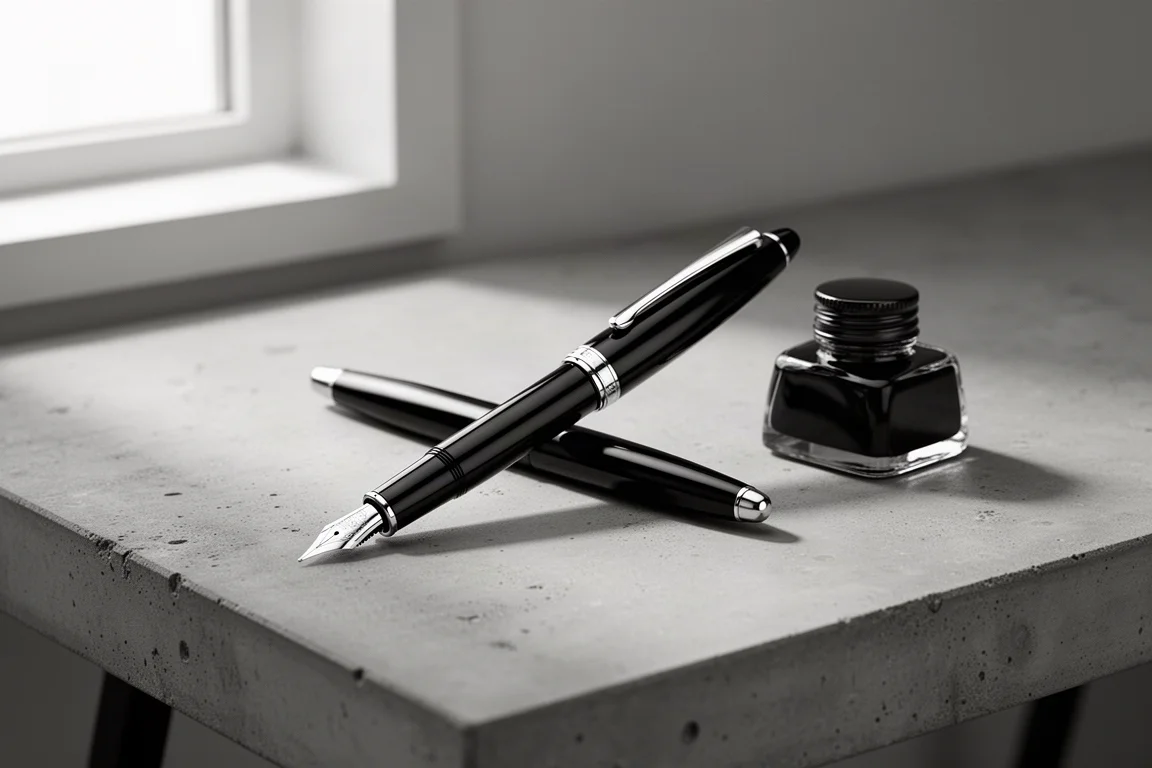
Cross Bailey Light Review: The Entry-Level Fountain Pen Worth Keeping at the Office
A plastic-bodied Cross with a metal clip, snap cap, and famously smooth extra fine steel nib. Around $15, available almost everywhere, and easy to recommend.