Fountain Pens
Montblanc 149 Meisterstück Review: Five Things to Love, Five Things to Know Before Buying
The iconic 1952 flagship fountain pen still sets the benchmark, but its price, quality control, and material story deserve a hard look before you spend the money.
Introduction
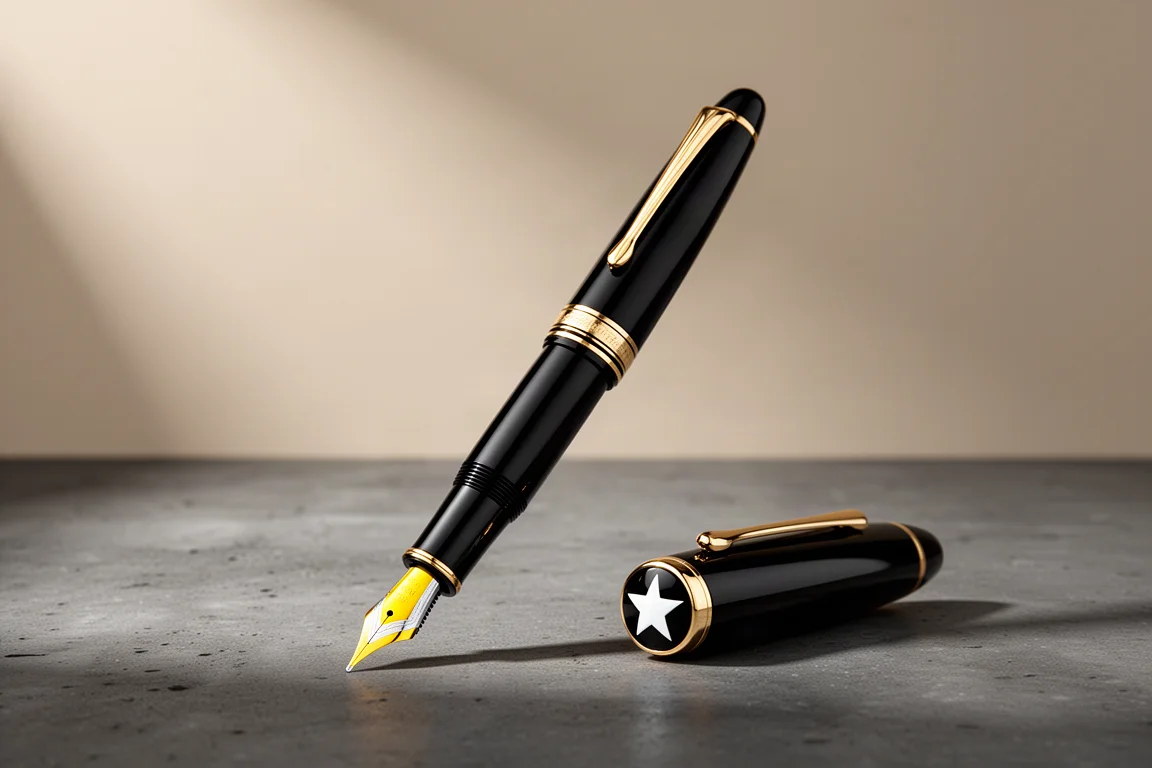
Few fountain pens divide opinion like the Montblanc 149 Meisterstück. Some people love it, some people dislike it, and both camps have real reasons. What nobody denies is that it is an icon: easily the fountain pen from which all others are measured, and a genuine benchmark of fountain pen technology. This review walks through what makes the 149 exceptional, and what should give you pause before spending roughly $1,200 on one.
The Story Behind the 149
The Meisterstück line dates back to 1924, but the 149 in essentially its present form arrived in 1952. Post-war Germany was working to reassert itself as an economic and technological powerhouse, and Montblanc wanted to reclaim its place at the pinnacle of fountain pen making. The 149 was its statement: a very large, very girthy pen designed to signal reliability, advanced engineering, and confidence in the future. In the context of the early 1950s, it was enormous. It was meant to make an impression, and it still does.
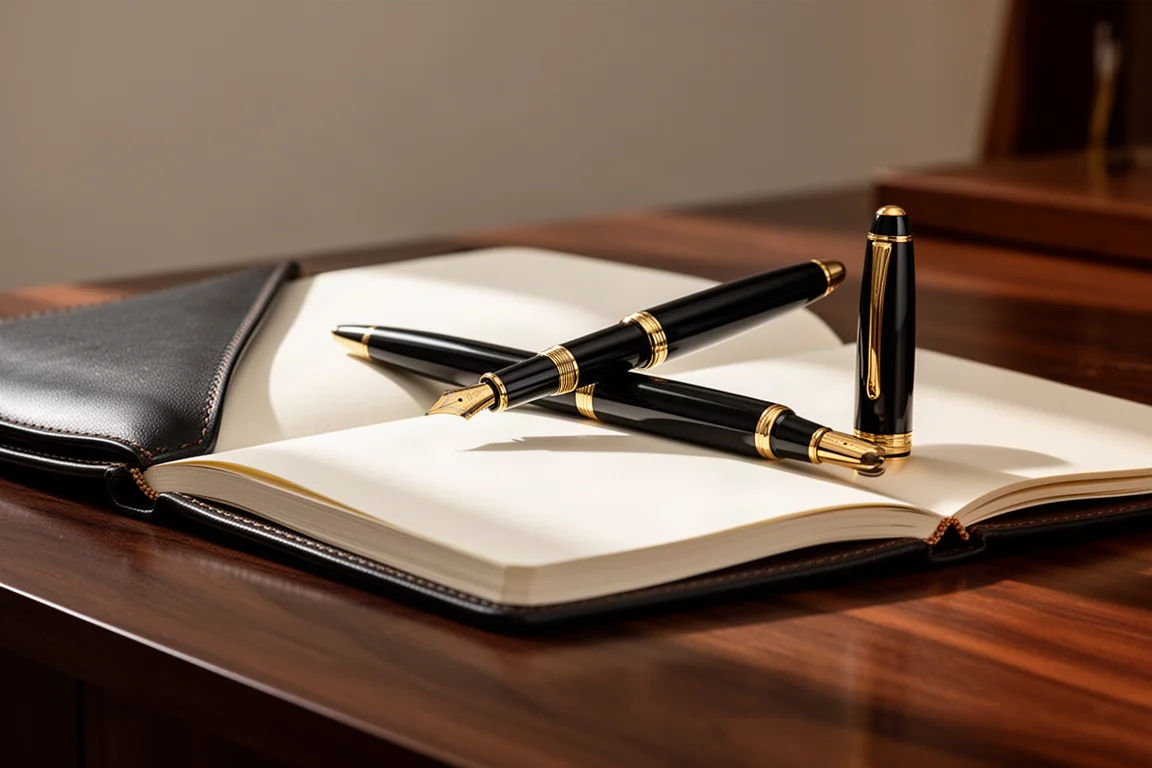
Early examples had features collectors still covet today, including celluloid bodies and ebony feeds. By the mid-1960s those were phased out in favor of the current resin material, and the pen has changed remarkably little since 1952. You would recognize the 149-ness of any example made in the last seventy years. The designation itself is descriptive: the 1 marks it as a top-tier pen in the lineup, the 4 indicates a piston filler, and the 9 refers to the large nib size.
Key Specifications
The pen measures 147 mm capped and 132 mm uncapped, which is close to an ideal length in use, and weighs about 32 g, a very well-balanced weight for a pen this size. It is a piston filler with the knob at the rear, separated by a band of gold, and typically trimmed in gold or platinum. The two-tone nib in yellow and white gold is hand-finished, hand-ground, and hand-polished, and nib sizes run from extra fine through medium and broad, sometimes double broad, with custom options available. A screw cap secures the pen, and a serial number on the top ring has appeared on current iterations for the past few decades.
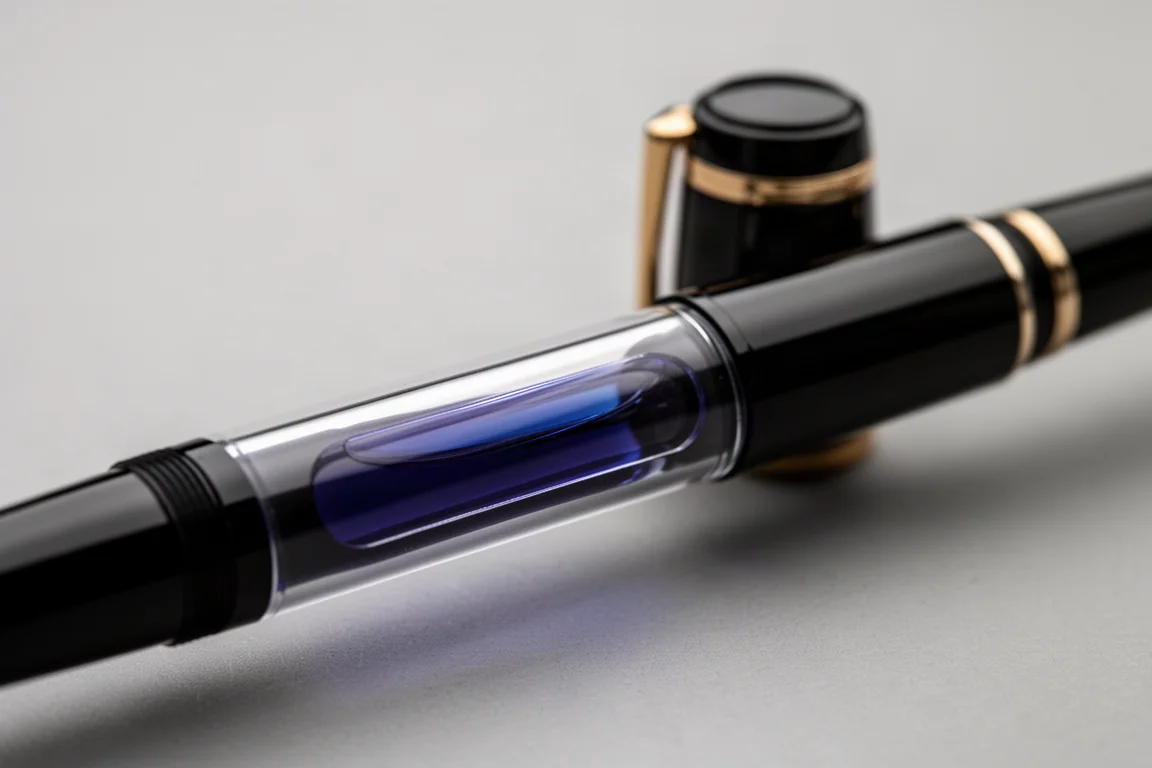
The piston mechanism holds roughly 1.4 to 1.6 ml of ink, which is a lot by fountain pen standards. There is also a small ink view window, though once the pen is filled it is easy to overlook and functions more as a charming retro suggestion that ink is running low than as a real gauge.
What We Love About the Montblanc 149
The first thing worth praising is the design itself. It is timeless, does not chase trends, and has a distinctly mid-century allure, closer in spirit to an Eames chair than to a gadget. When many people picture the words “fountain pen,” this is the object they imagine. The proportions, the screw cap, the way the piston works: it is a true paragon of fountain pen design and balance, and owning one means owning a genuine icon.
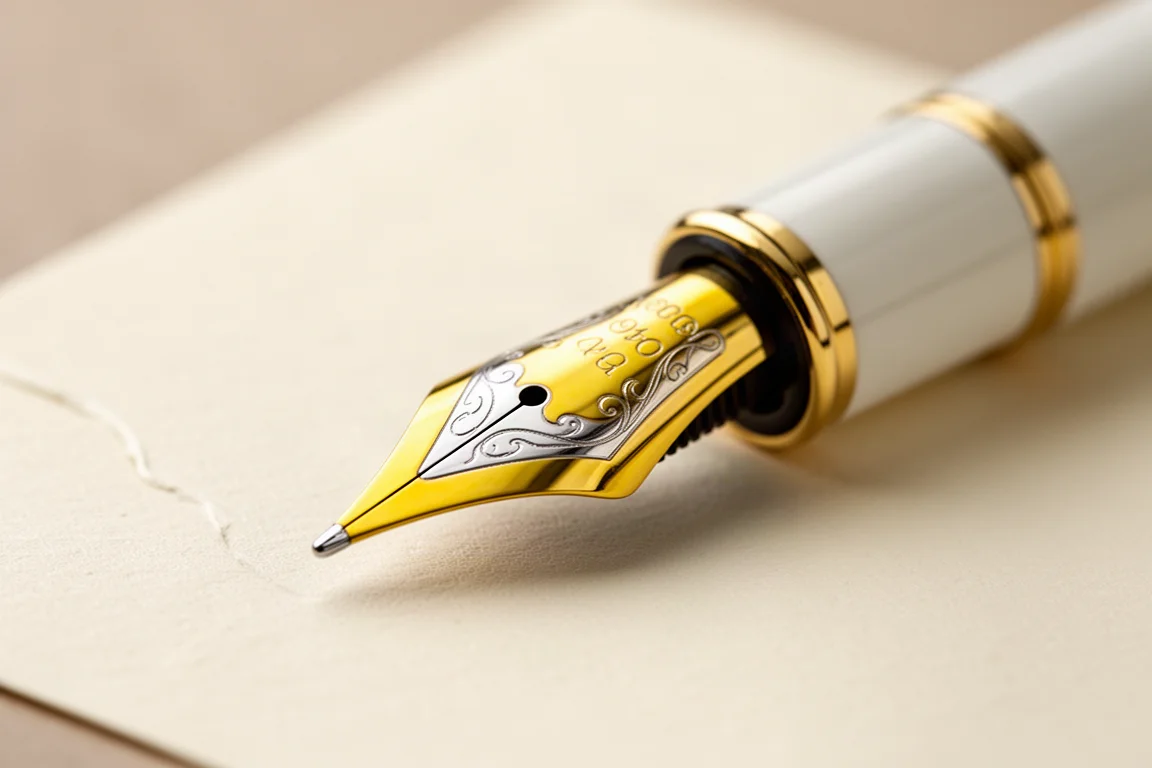
The nib is the other headline. The large 18-karat gold two-tone nib carries the markings 4810, a nod to the height of the mountain that gave the brand its name, along with 750 for gold purity and the brand’s M in the center. These nibs are tuned wet and forgiving rather than crisp and precise. Where some brands balance smoothness with feedback, this one aims for a smooth, blanketed, pillowy writing experience: no harsh feedback, little transmission of paper texture, and a comfortable feel across different writing angles. When you get a good one, it is reliable, with no skips or false starts, and genuinely expressive. There is even an unusual modern touch: the nibs are reportedly tuned for sound, with the scribing noise across the page tuned to the brand’s specifications.
The huge ink capacity deserves its own mention. With 1.4 to 1.6 ml on board, you can journal for hours without an interruption, carry the pen for long stretches between fills, and rely on it as a daily writer. It rarely dries out, and pens left unused for months have been picked up and written with perfectly. That reliability makes it a practical pen, not just a showpiece.
There is heritage here too. Montblanc has been in continuous operation for over a hundred years, never going bankrupt or being revived, and the 149 thread runs unbroken back to 1952. That longevity is not easy for any brand, and it adds real weight to the story you buy into.
Finally, the pen occupies a genuine place in popular culture. It appears as a symbol of aspiration and status in the television series Ripley, where the pen’s recognition does the storytelling without the logo ever being shown. In Donna Tartt’s novel The Secret History, a classics professor keeps a whole can of 149s casually on his desk for students to use, a characterization that only works because the pen is so universally understood as an object of refinement. A bonus point: the girth and length make it very comfortable in larger hands, letting the grip relax, and the 32 g weight sits in a near-perfect range.
Things to Consider Before Buying
The hardest thing to defend is the price. At roughly $1,200, and often close to that figure, this is big money for a fountain pen when excellent alternatives exist at a fraction of the cost, and when other fine pens deliver a comparable writing experience for far less. Unless you find one on sale or buy second-hand, which may genuinely be the best route, the materials, history, and development do not fully add up to that number. Buy it because you want it, not because it is a value proposition.
Quality control on the nibs has been inconsistent lately. At this price, the pen should be perfect out of the box, and sometimes it is not: nibs have gone out with imperfections, and stories from respected writers in the community echo that experience. If you buy one, do not settle. Test it, use the nib exchange service through a boutique or by mail if the nib is not up to standard, and keep at it until you get a good one. Montblanc does stand behind the experience and wants buyers to be happy, and the nib exchange turnaround reports vary, but the inconsistency itself is a real criticism.
The “precious resin” marketing deserves scrutiny as well. The material is more accurately described as a proprietary resin, and it is, in the end, a type of plastic. It is well engineered, warm in the hand, and polished to a flawless, glossy finish, but it is hard to romanticize it as more than what it is.
The size narrows its audience. This is a very large, girthy pen, and writers with smaller hands or those who prefer a tighter grip may find it uncomfortable. The immense desk presence and the widely recognized white star emblem also carry associations, some of them left over from the corporate excess of the 1980s, that not everyone wants to broadcast. On the positive side, 149s do hold their value better than most fountain pens, which is rare in this market.
Buying Advice
If you decide the 149 is for you, be deliberate about it. Handle one in person first if you can, especially if you have smaller hands, since the size is the biggest fit question. Consider second-hand or sale opportunities before paying full retail. And if you buy new, insist on perfection: write with it immediately, and use the nib exchange until the pen meets the standard the price implies.
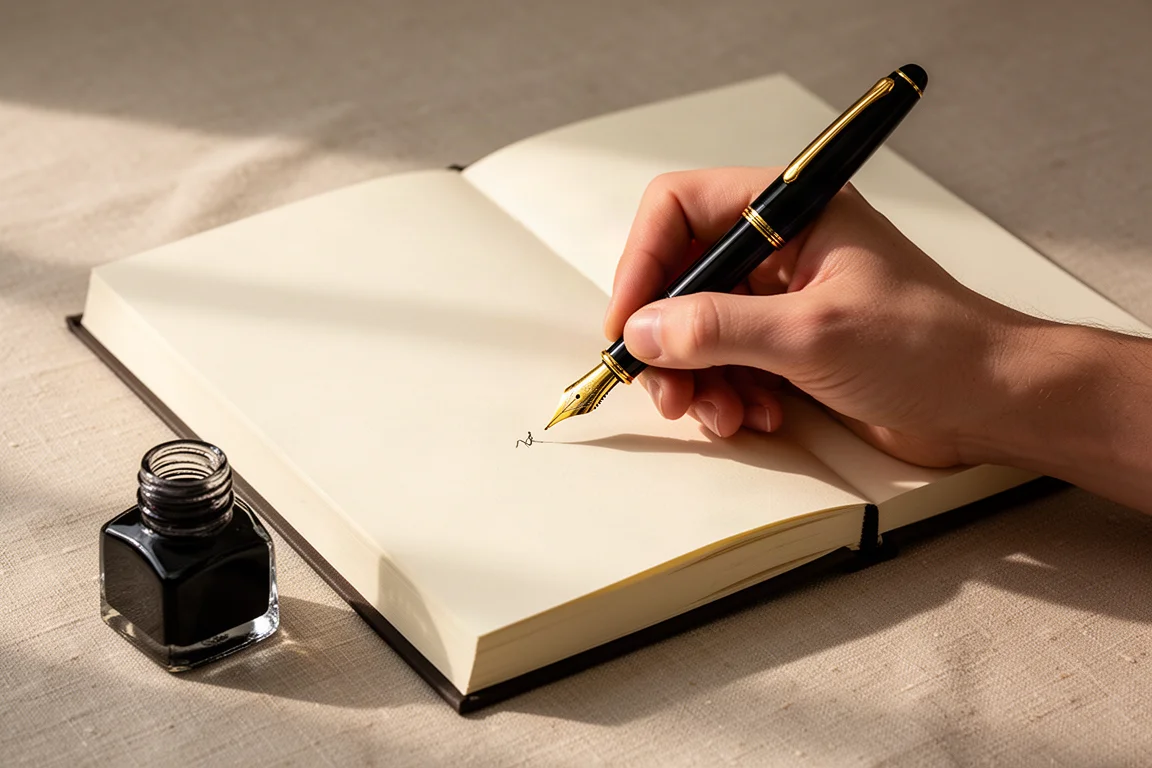
For writers who value heritage, a wet and forgiving nib, and a huge ink capacity in a pen with real presence, the 149 remains one of the most rewarding pens you can own. If price sensitivity, nib precision, or understatement matter more to you, there are stronger cases elsewhere.
Conclusion
The Montblanc 149 Meisterstück is polarizing, and that is part of its appeal. It is an icon with a brilliant writing experience, an enormous ink tank, and an unbroken heritage going back decades. It is also an expensive plastic pen with inconsistent quality control and a marketing story that leans hard on romance. We recommend it overall, just not at full retail without careful inspection. If the design speaks to you and you get a good example, it plugs you directly into the history of the fountain pen, and that is something few pens can do.
Product link
View more details for Montblanc 149 Meisterstück
This product is mentioned in the review. Check the specifications, options, and compatibility before buying.
View more details for Montblanc 149 MeisterstückFurther reading
Related Reviews
Fountain Pens
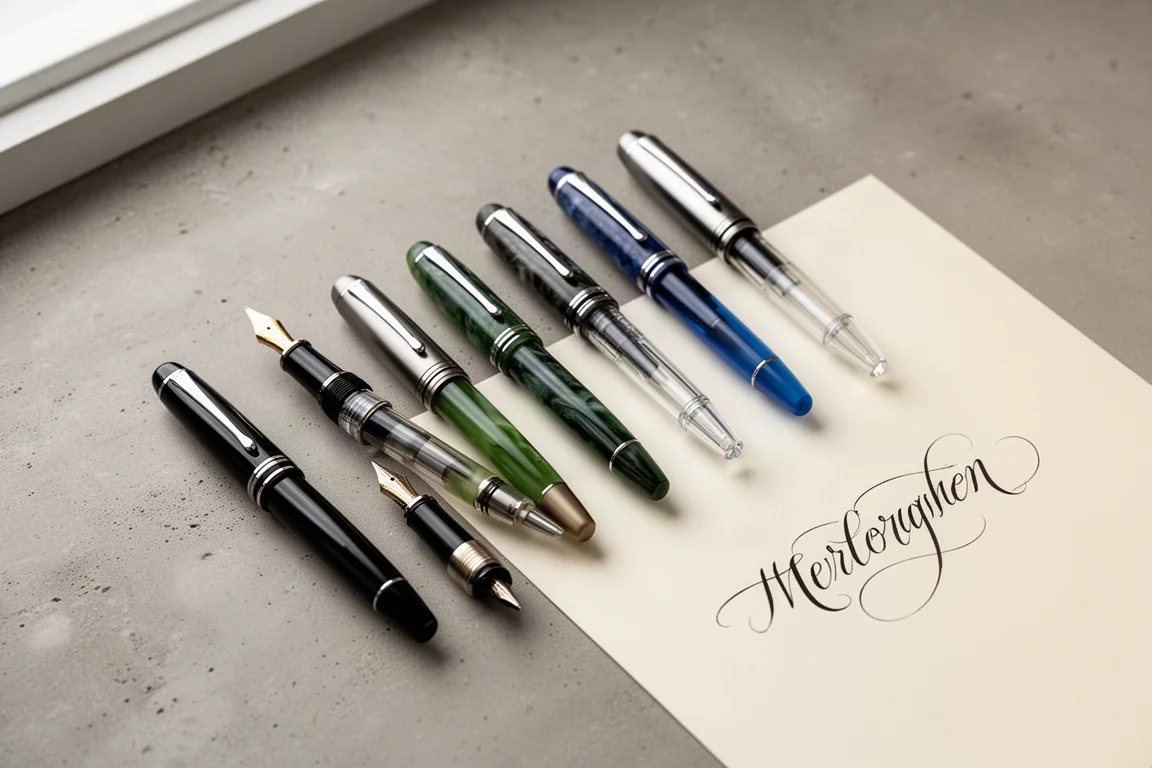
Best Budget Fountain Pens Tested: 9 Pens, One Clear Winner
A hands-on comparison of nine affordable fountain pens for everyday writing, calligraphy, and sketching, with a clear standout for flexible nib fans.
Fountain Pens
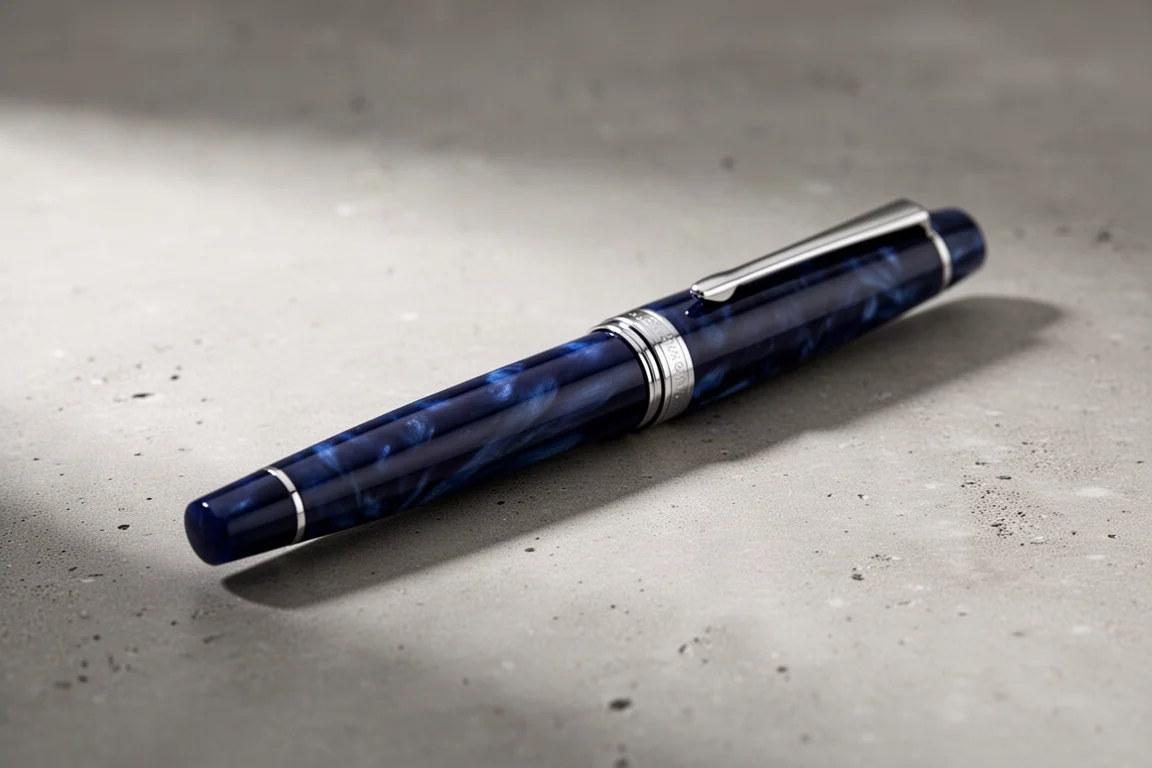
Aurora Optima Review: An Italian Piston Filler That Punches Above Its Price
A 14k gold nib, ebonite feed, and a beautifully deep oraloid body make the Aurora Optima one of the most rewarding piston fillers around.
Fountain Pens
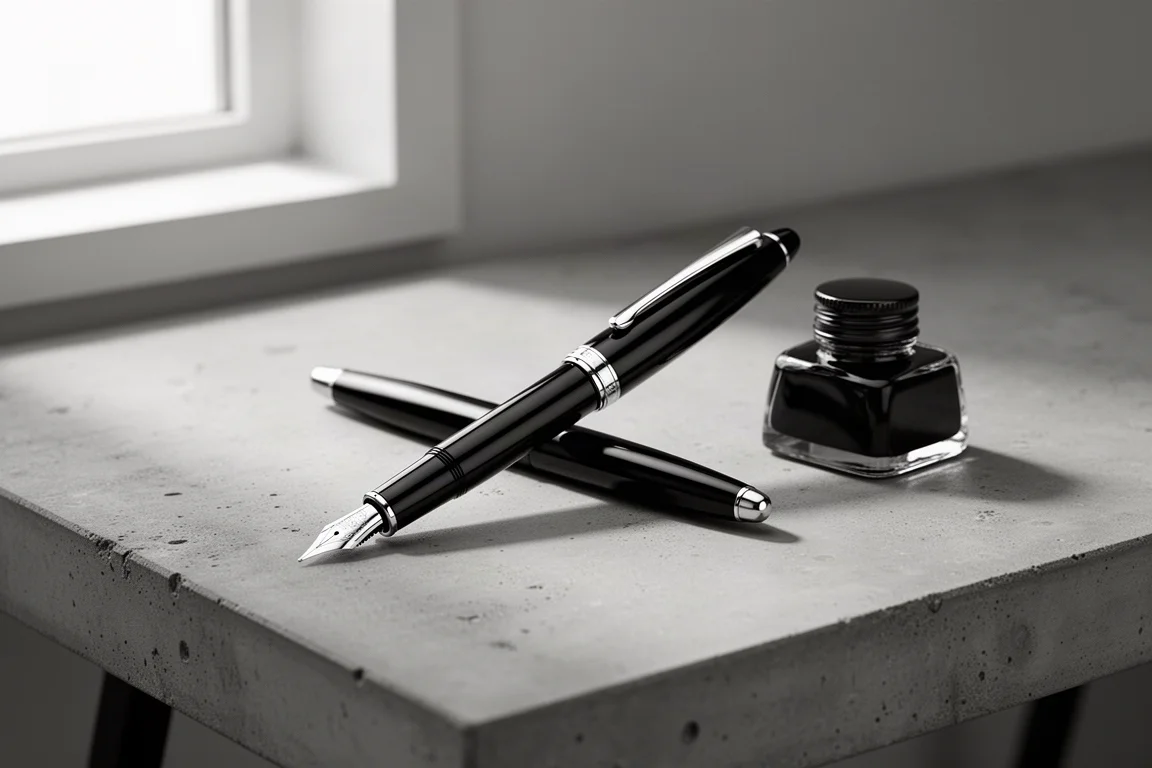
Cross Bailey Light Review: The Entry-Level Fountain Pen Worth Keeping at the Office
A plastic-bodied Cross with a metal clip, snap cap, and famously smooth extra fine steel nib. Around $15, available almost everywhere, and easy to recommend.