Audio
Monk GTR Retro Earbuds Review: USB-C Audio for Retro Handhelds
A look at the Monk GTR and Monk Retro USB-C earbuds, designed for retro handheld gaming with a warm, analog sound profile.

Introduction
The Monk GTR, also known as the Monk Retro, is a pair of $10 earbuds that terminate in USB-C, designed specifically for retro handheld gaming. These earbuds combine a classic flathead design with a built-in USB DAC, offering a warm and analog sound profile that suits the aesthetic of retro games. This review explores the story behind these earbuds, their design, sound quality, and compatibility with various devices.
Who This Product Is For
These earbuds are for anyone who uses retro handheld gaming devices, especially those that lack a 3.5 mm headphone jack. They are ideal for gamers who want a portable, affordable audio solution that delivers a nostalgic sound. The Monk GTR is also a good fit for people who prefer open-style earbuds that allow for situational awareness, rather than in-ear monitors that seal off the ear canal.

The earbuds are also suitable for listening to music and audiobooks, thanks to their warm and smooth sound profile. They are a practical choice for travel and commuting, where their small size and lightweight design are an advantage.
Design and Build
The Monk GTR features a classic flathead earbud design, which sits in the ear without sealing the ear canal. This open design allows for natural sound and situational awareness. The earbuds are available in black or silver. The black model has a sparkle finish that catches the light, while the silver model has a metallic paint finish. The earbuds come with a USB-C connector that houses the DAC, eliminating the need for a separate dongle.

The cable is a standard rubber cable, slightly thicker and stiffer than those found on many other products. It takes a couple of weeks to break in and become more pliable, but it feels sturdy and durable. The package includes a USB-A adapter, a small attachable clip, and a set of foam ear pads in red, blue, black, and orange. These pads improve comfort but can slightly compromise audio detail.
Sound Quality
The Monk GTR combines the Monk SL earbuds, known for their detail and clarity, with the Odyssey Retro DAC, which is tuned to be warm and bassy. This combination produces a sound profile that is bright and sparkly on the high end, balanced in the mid-range, and smooth on the bass. The result is a warm, vintage, and analog sound that is well-suited for retro gaming.

When listening to music, the earbuds deliver a 16-bit sound reminiscent of an old CD Walkman. They also work well for audiobooks, providing a cozier feel that makes the narration sound more natural. While other headphones may be more neutral and flat, the Monk GTR offers a distinctive warm sound that many will find appealing.
Compatibility and Limitations
USB audio is not plug-and-play with every handheld and custom firmware. The earbuds work perfectly with Android, iOS, iPads, Windows, and Linux. However, some Linux-based custom operating systems like Onion OS and MinUI do not support USB audio, so the sound will continue to come out of the speaker. More robust operating systems like RockNix work out of the box, while New UI requires a quick settings change to select the Odyssey Retro as the audio output.
There is also a 3.5 mm version of the Monk GTR for devices with a headphone jack, but it loses the warm tuning of the Odyssey Retro DAC. For most modern handhelds running Android, the USB-C version is essentially plug-and-play.
Buying Advice
The Monk GTR is an affordable option at $10 plus shipping, with the price varying slightly depending on the retailer. Shipping typically costs around five or six dollars and takes about a week. If you buy multiple pairs, shipping is often combined. The earbuds are a great value for retro handheld enthusiasts who want a portable and nostalgic audio experience.
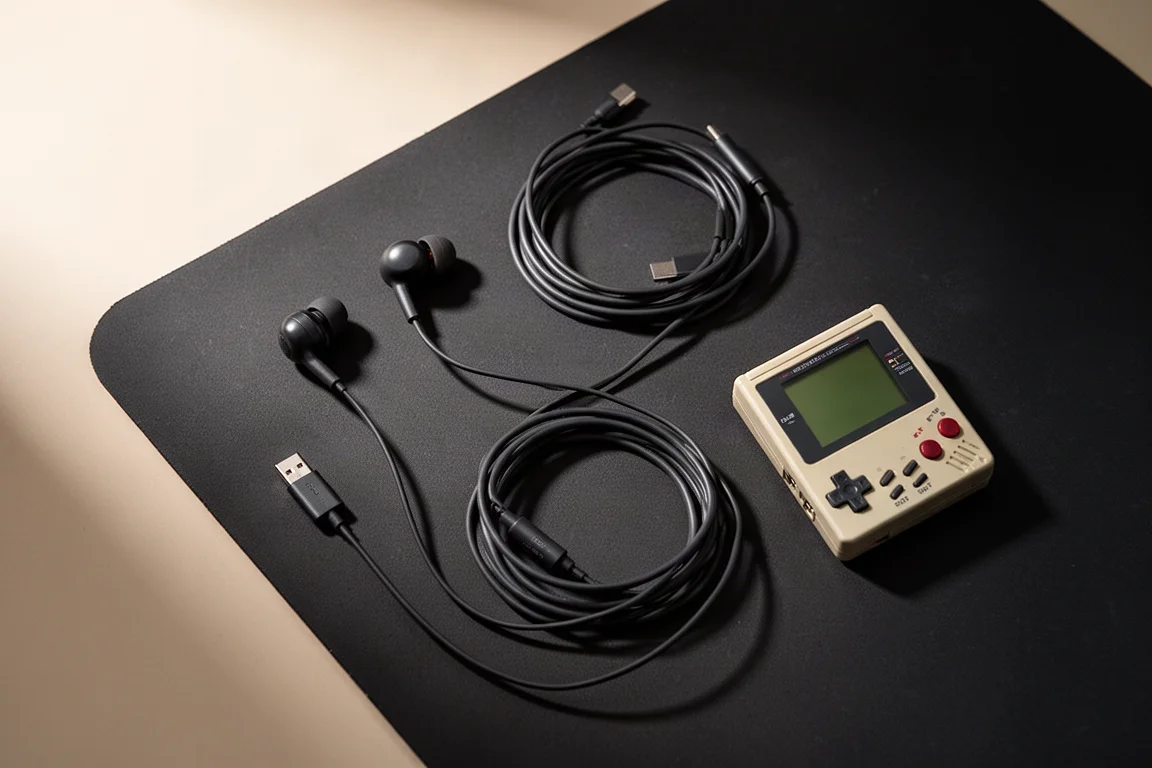
For those who prefer a more neutral sound, the Apple USB dongle at $10 or the JM6 Pro at $18 are good alternatives. For higher-end options, the Devastator Pro at $40 and the Devastator Pro Max at $60 offer more power for serious headphones. However, for retro gaming, the Monk GTR provides a unique and enjoyable sound that is hard to beat at this price.
Conclusion
The Monk GTR earbuds are a thoughtful and practical solution for retro handheld gaming. They combine a classic flathead design with a built-in USB DAC to deliver a warm, analog sound that enhances the nostalgic experience. While they are not the best headphones in the world, they are an excellent value at $10 and a perfect fit for portable retro gaming setups.
Product link
View more details for Monk GTR Retro Earbuds
This product is mentioned in the review. Check the specifications, options, and compatibility before buying.
View more details for Monk GTR Retro EarbudsFurther reading
Related Reviews

Audio
Apos x Geshelli Merlin DAC Review: A Natural Match for the Gremlin Amp
The Apos x Geshelli Merlin DAC pairs balanced and single-ended outputs with a smooth, natural sound that complements the Gremlin tube amp.

Audio
Best Budget Soundbars Under $100: Four Picks That Beat the Name Brands
We tested 16 budget soundbars under $100 to find the best value. These four stand out for sound quality, bass response, and connectivity.
Audio
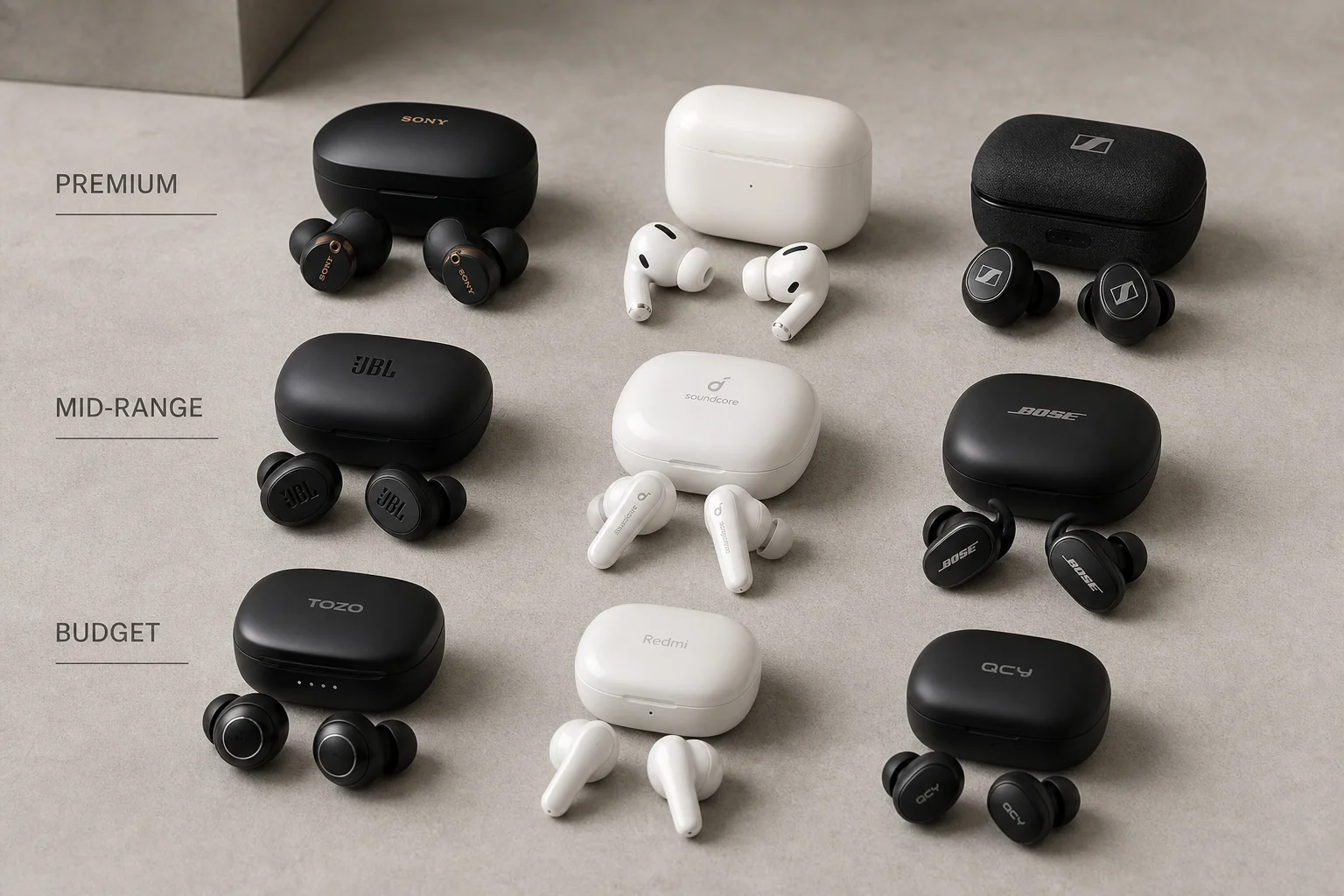
Best Earbuds 2026: Premium, Mid-Range, and Budget Picks
Nine standout earbuds across three price tiers, selected for sound quality, microphone performance, comfort, and real-world usability.