Outdoor Gear
Modern Hiking Essentials: 8 Pieces of Gear Worth Carrying
A practical look at eight pieces of modern hiking gear covering comfort, navigation, and safety, with notes on what each item does well and what to check before buying.
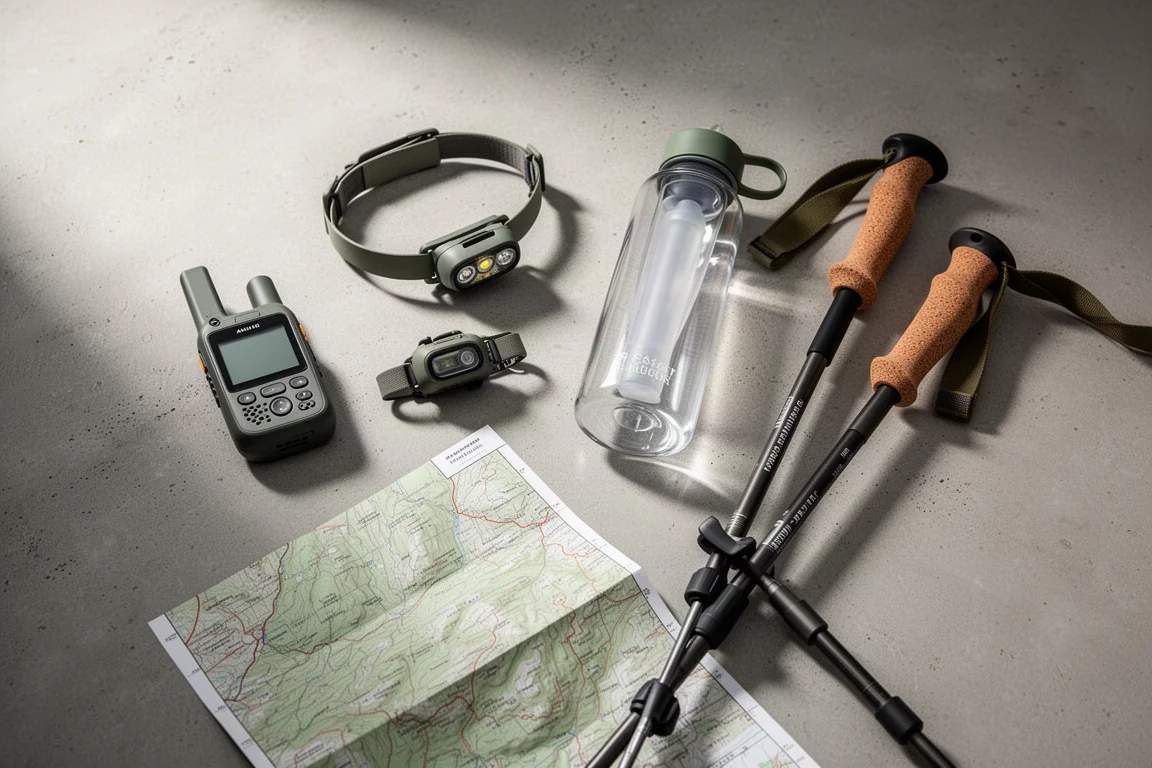
Introduction
The classic ten essentials list dates back to the 1930s. It remains a useful starting point, but it offers little context and does not account for the tools hikers carry today. A more practical framework sorts gear into three buckets: what keeps you comfortable on the trail, how you know where you are and where you are going, and what you need to stay safe when something goes wrong.
The eight items below fit those three buckets. Each entry explains what the gear does well and what it asks of you in return, so the choices are easier to match to the hikes you actually do.
How These Essentials Were Chosen
Comfort gear earns its place by working across a range of conditions without adding needless weight. Navigation gear has to keep working when the weather turns and a phone battery drops. Safety gear has to function when nothing else does.
Redundancy runs through all three buckets. A watch with maps, a phone app, a handheld unit, and a paper map can all live in the same pack, and each one covers a failure mode the others do not.
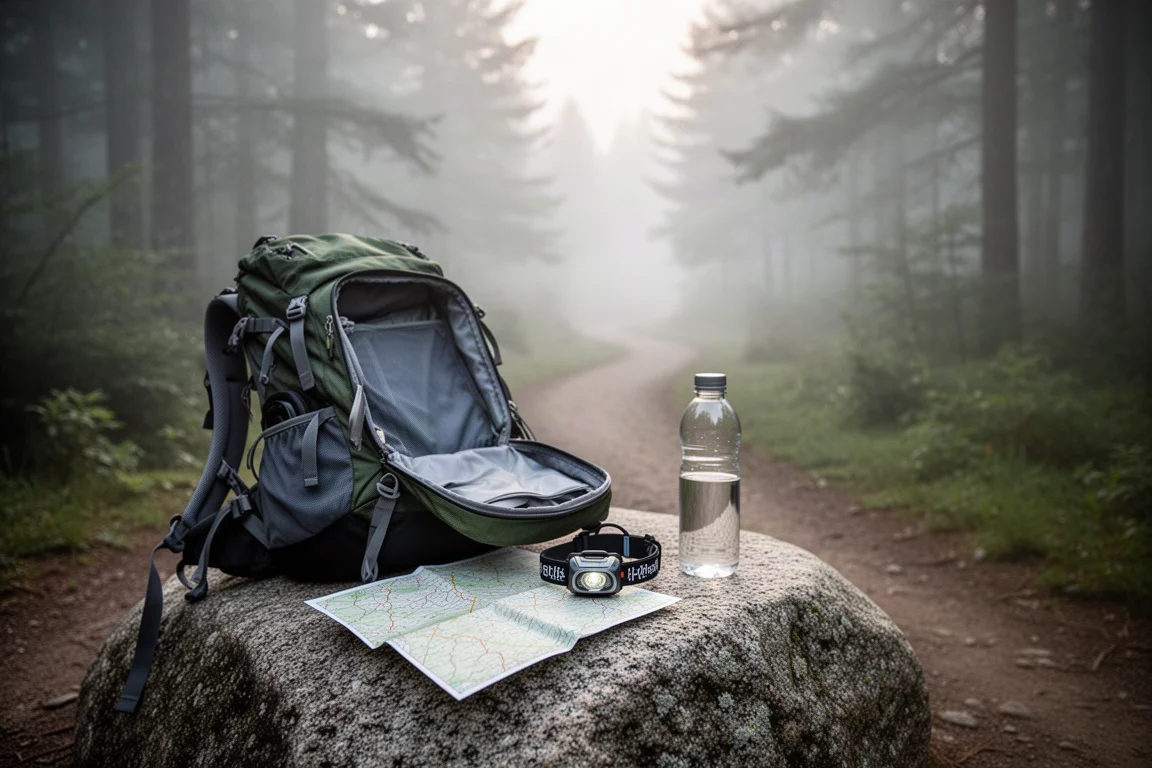
That is also why this list mixes simple, low-cost items with dedicated devices. The point is not to carry the most gear, but to have a clear answer for each problem a trail can present.
Garmin inReach Mini 3 Plus: Satellite SOS and Voice Notes
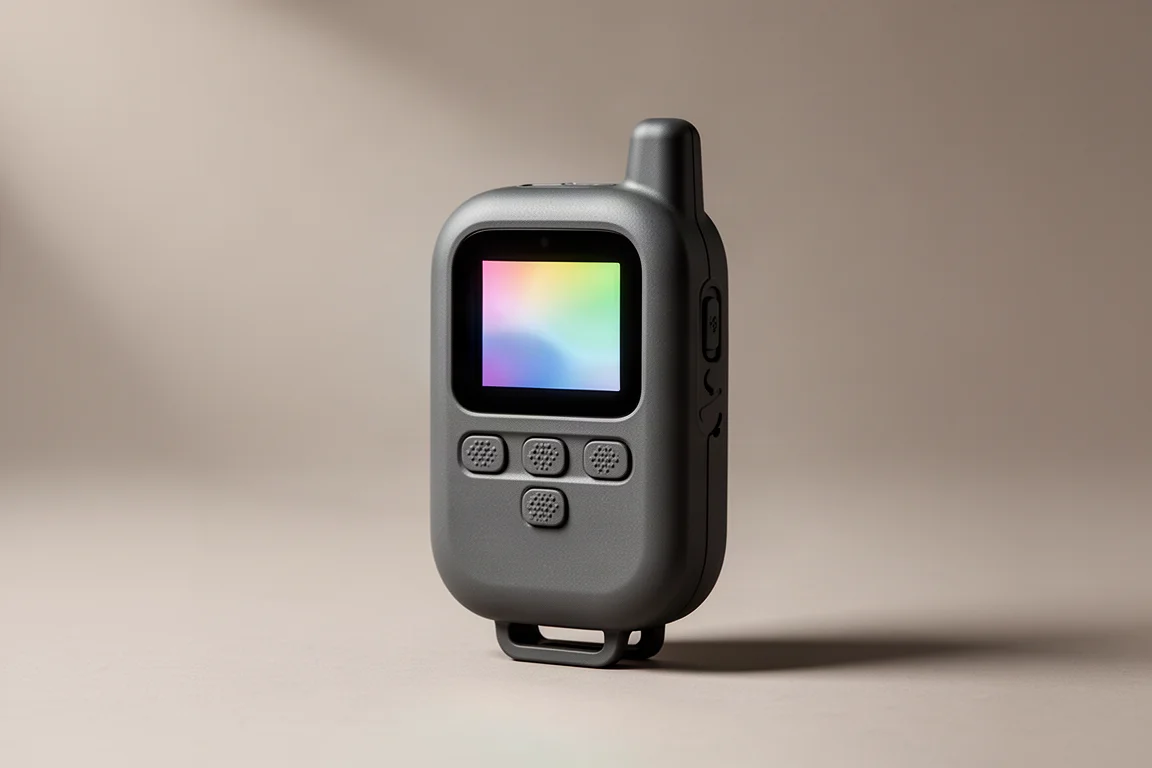
When help is needed in the backcountry, a dedicated satellite communicator built for SOS situations is the most direct route. The inReach Mini 3 Plus includes a microphone, so a voice note can be sent instead of typing a message character by character under stress.
Paired with a phone, it can send an image alongside that message, which can help rescuers understand the situation faster. The same device handles ordinary satellite messages, so a short note home is possible when there is no cell coverage at all. A separate rescue-cost subscription is available for anyone who wants the financial side of an emergency handled in advance.
Nitecore NU25: A Simple, Lightweight Headlamp
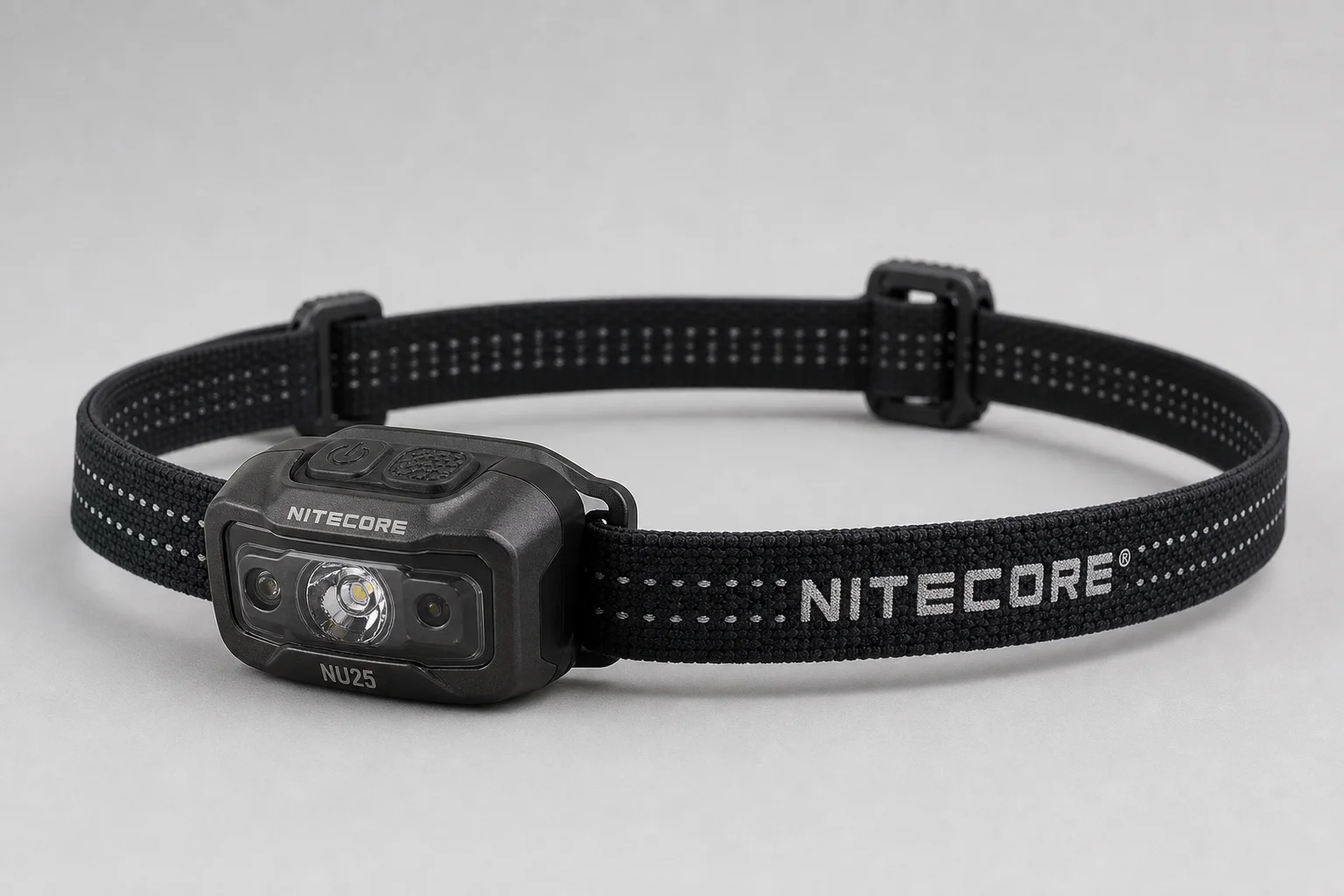
Not every backcountry problem is an emergency. Getting caught out after dark is one of the most common, and a good headlamp solves it. The NU25 is simple, lightweight, and charges over USB-C, which keeps it consistent with a single-cable charging setup for the whole pack.
Because it relies on an internal rechargeable battery rather than spare cells, it belongs on the pre-trip charging list alongside a phone and a watch.
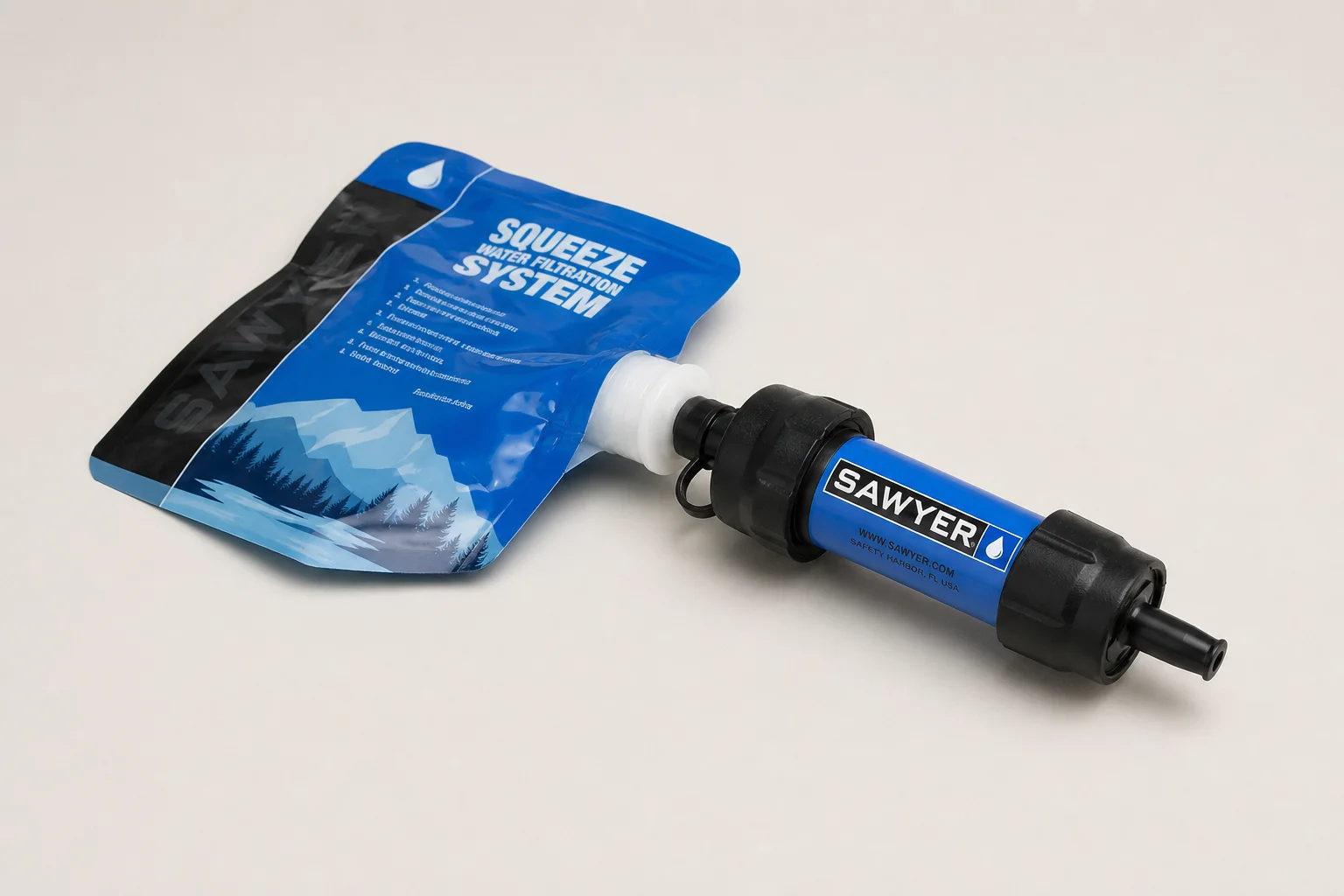
Sawyer Squeeze: Water Filtration Without Batteries
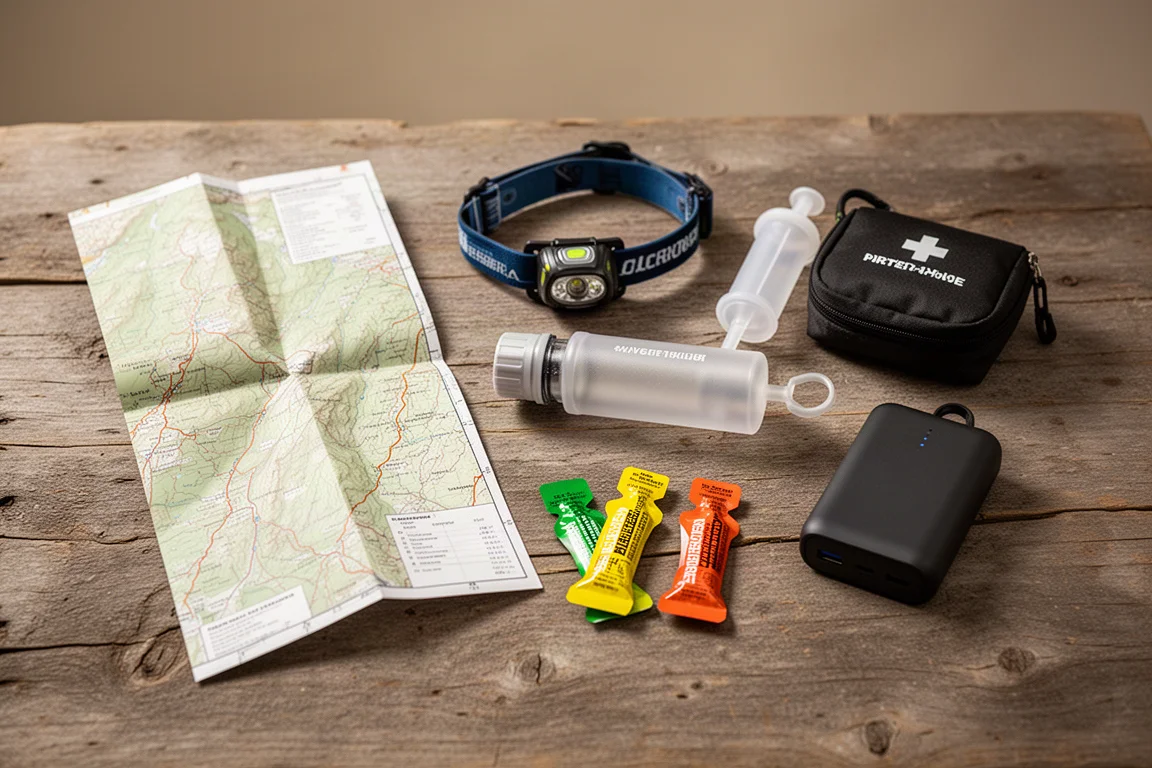
You can survive without food far longer than without water, which makes a filter close to mandatory on most hikes. The Sawyer Squeeze pairs with a two-liter bladder. Open the wide mouth, scoop water from the source, thread the assembly onto a one-liter bottle, leave a little thread exposed so air can escape, and squeeze.
The result is a liter of clean water without pumping and without batteries. A wide-mouth bottle is easy to find almost anywhere, and a full bladder can be carried in the pack and filtered as needed along the way.
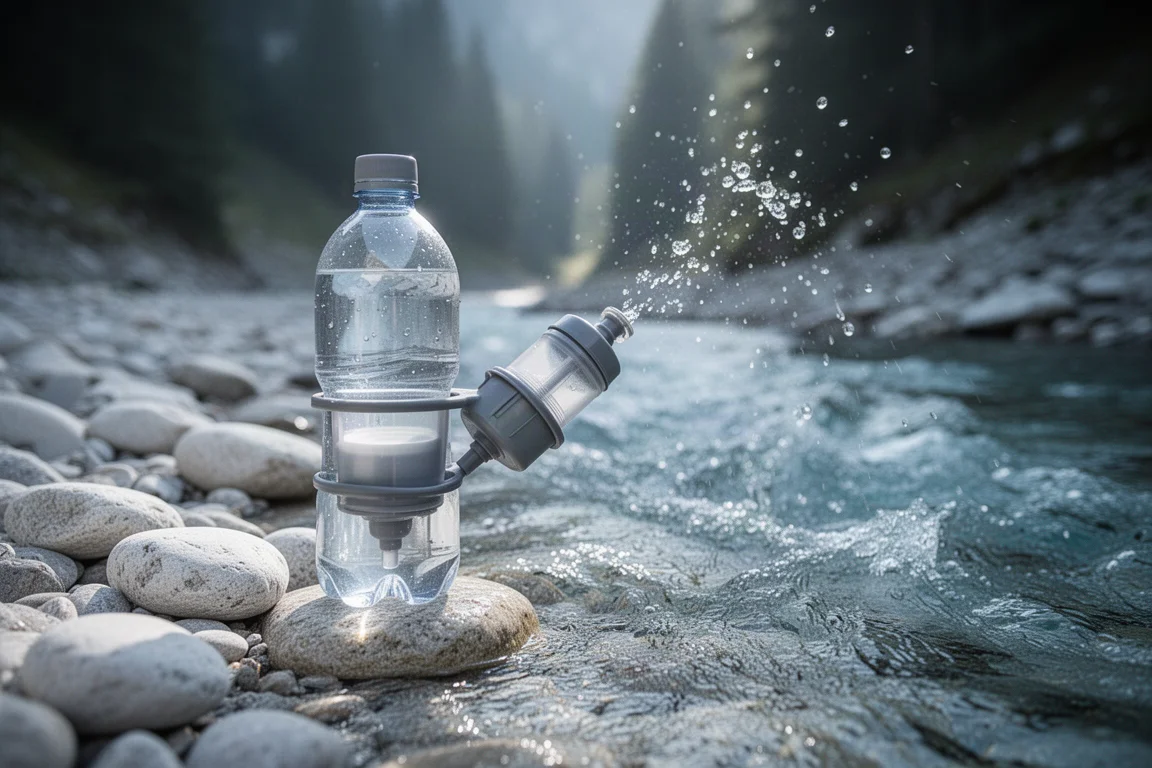
Filters can fail, so water treatment tablets are worth keeping in an emergency kit as a fallback. The same thinking applies to the rest of the kit: duct tape, zip ties, and a blade cover a surprising number of repairs on the trail.
Garmin Fenix 8: Navigation on the Wrist
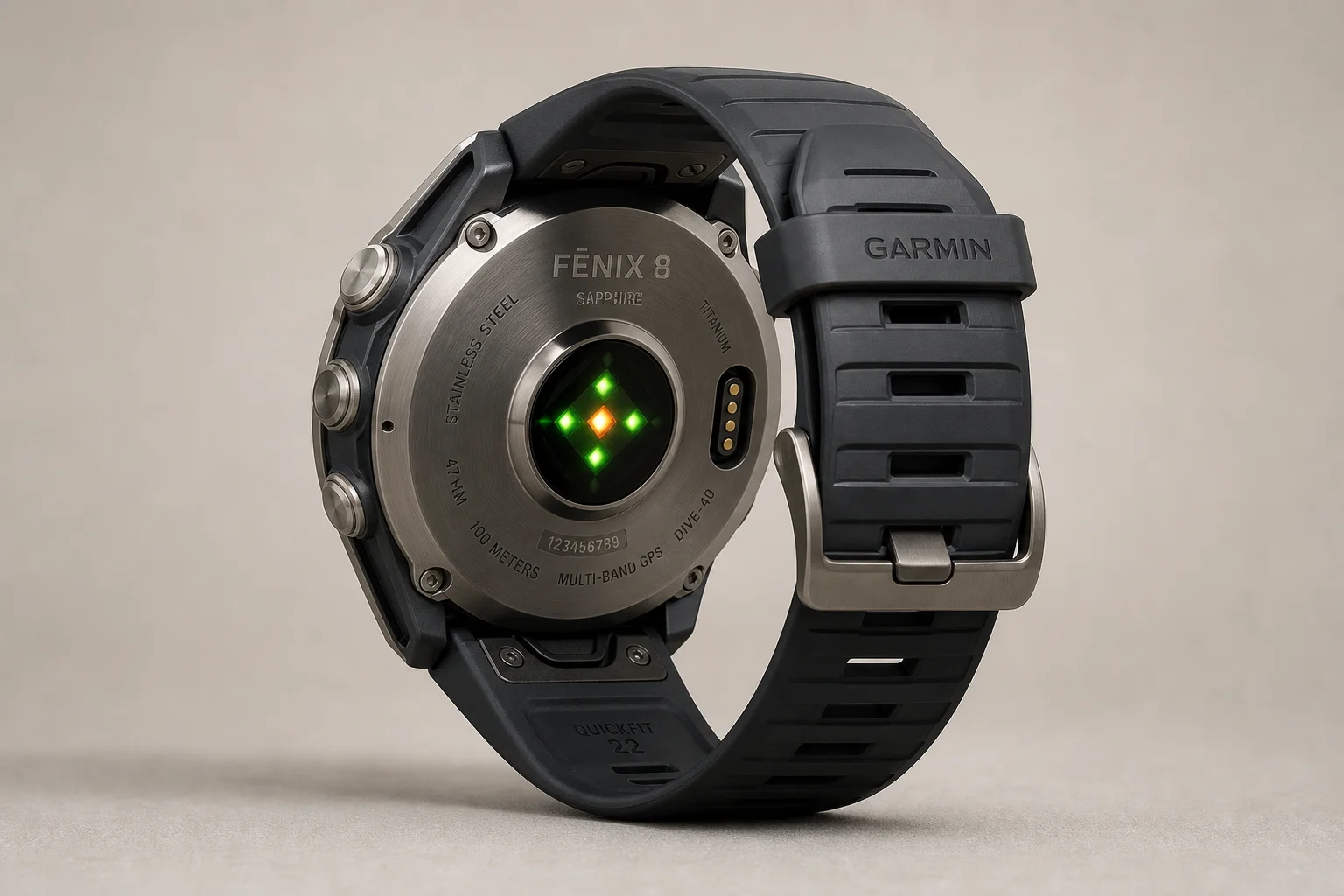
Having the route on a wrist is the most convenient way to check progress without stopping. The Fenix 8 comes preloaded with topographic maps that include trails and trail names, and those maps are routable. Battery life is long enough to rely on across a full day out.
For hikers who prefer a different setup, an Apple Watch Ultra running a route-following app is a workable alternative, and the app-based experience has strengths of its own.
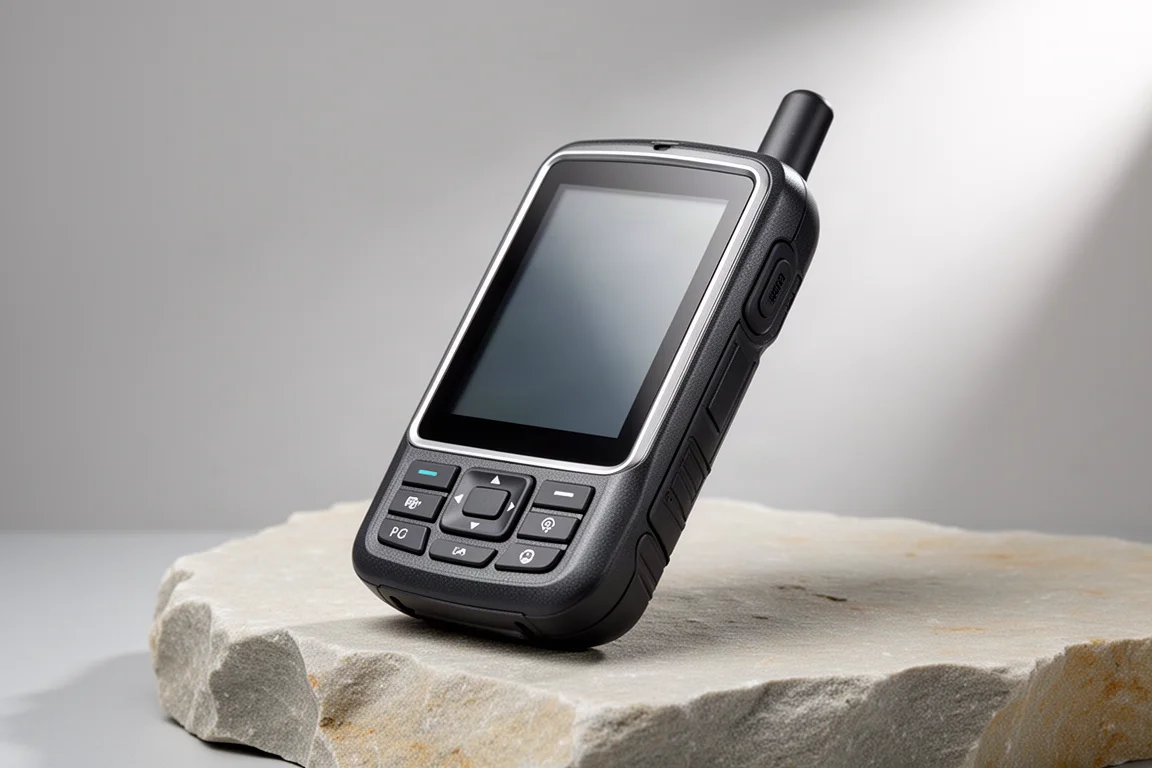
Garmin GPSMAP 67i: Handheld Navigation for Tough Conditions
Wet screens and gloves make a phone awkward in bad weather. A handheld GPS is the answer on those days. In practice, the GPSMAP 67i has been the more dependable navigator than the newer H1 Plus model.
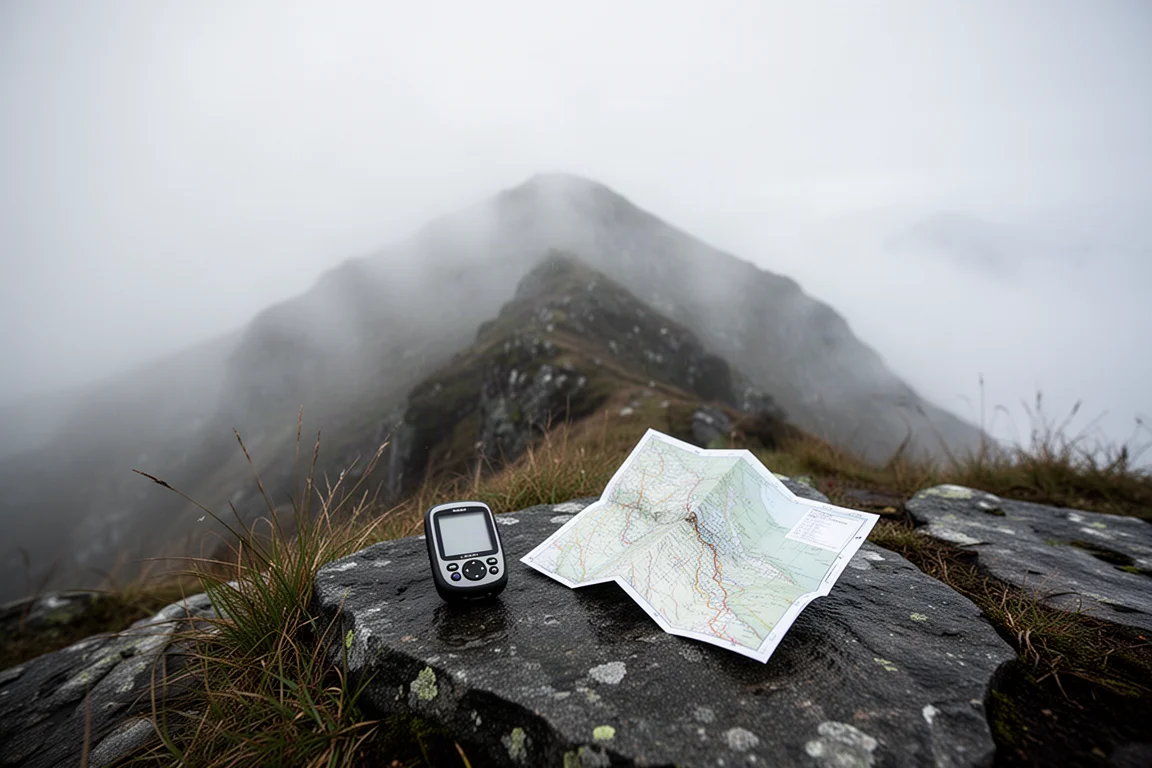
With a watch, a phone app, a handheld, and a paper map, navigation stays covered even if one system fails.
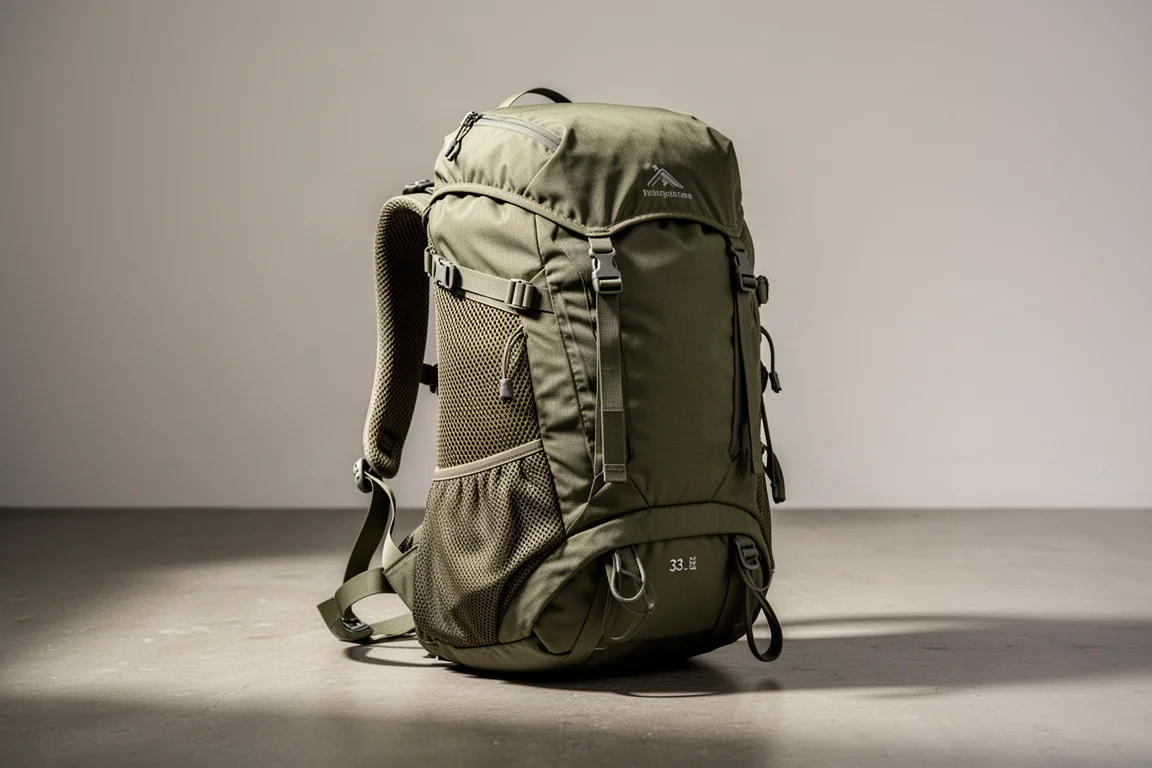
Osprey Talon 33: A Balanced Daypack
Thirty-three liters covers a wide range of hikes. The Talon 33 balances comfort and weight at under three pounds, and its vented back panel helps manage sweat, though it is not a trampoline-style suspension.
The hip belt transfers load comfortably, which matters when the pack is carrying four or five liters of water. On shorter hikes where that capacity is overkill, a waist pack is enough.
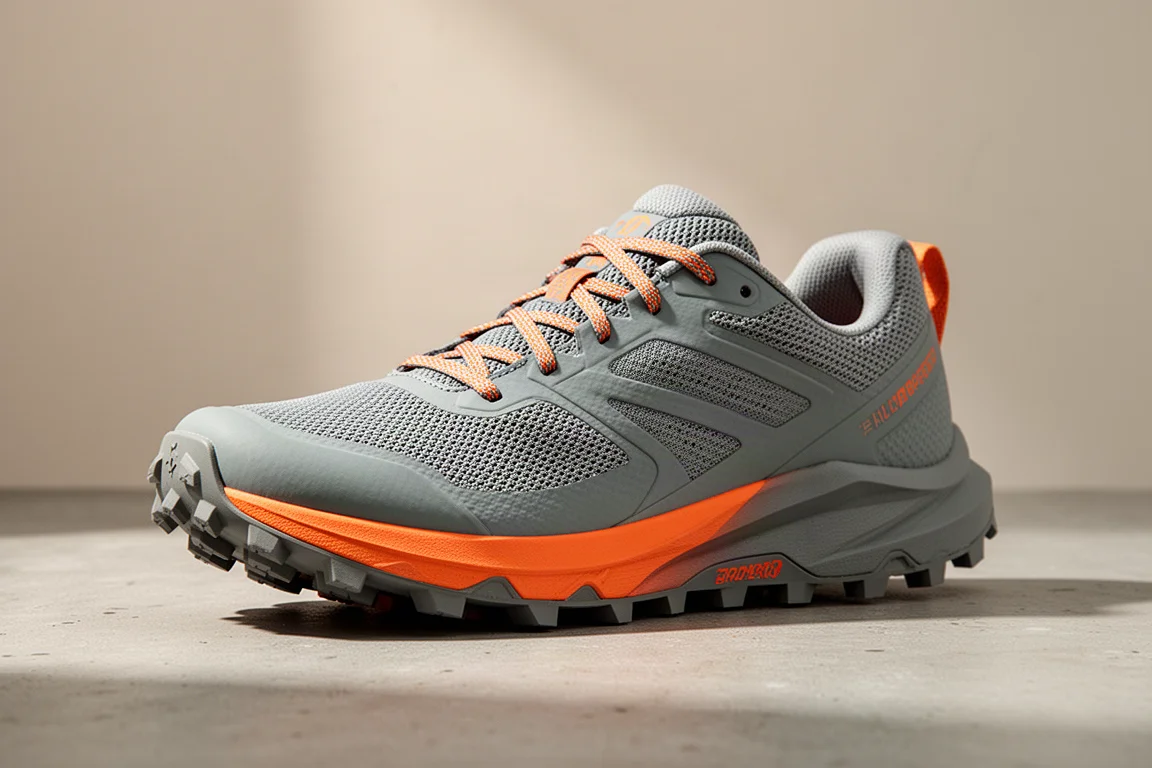
Altra Lone Peak 9 Plus: Comfort for Long Miles
Comfort on the trail starts with footwear. The Lone Peak 9 Plus has a wide toe box that lets the foot swell and splay, which helps keep blisters away. The upper dries quickly, so walking through streams is not a problem, and grip underfoot is strong.
Paired with quick-drying socks, feet stay manageable even when wet. A pair lasts roughly 600 miles.
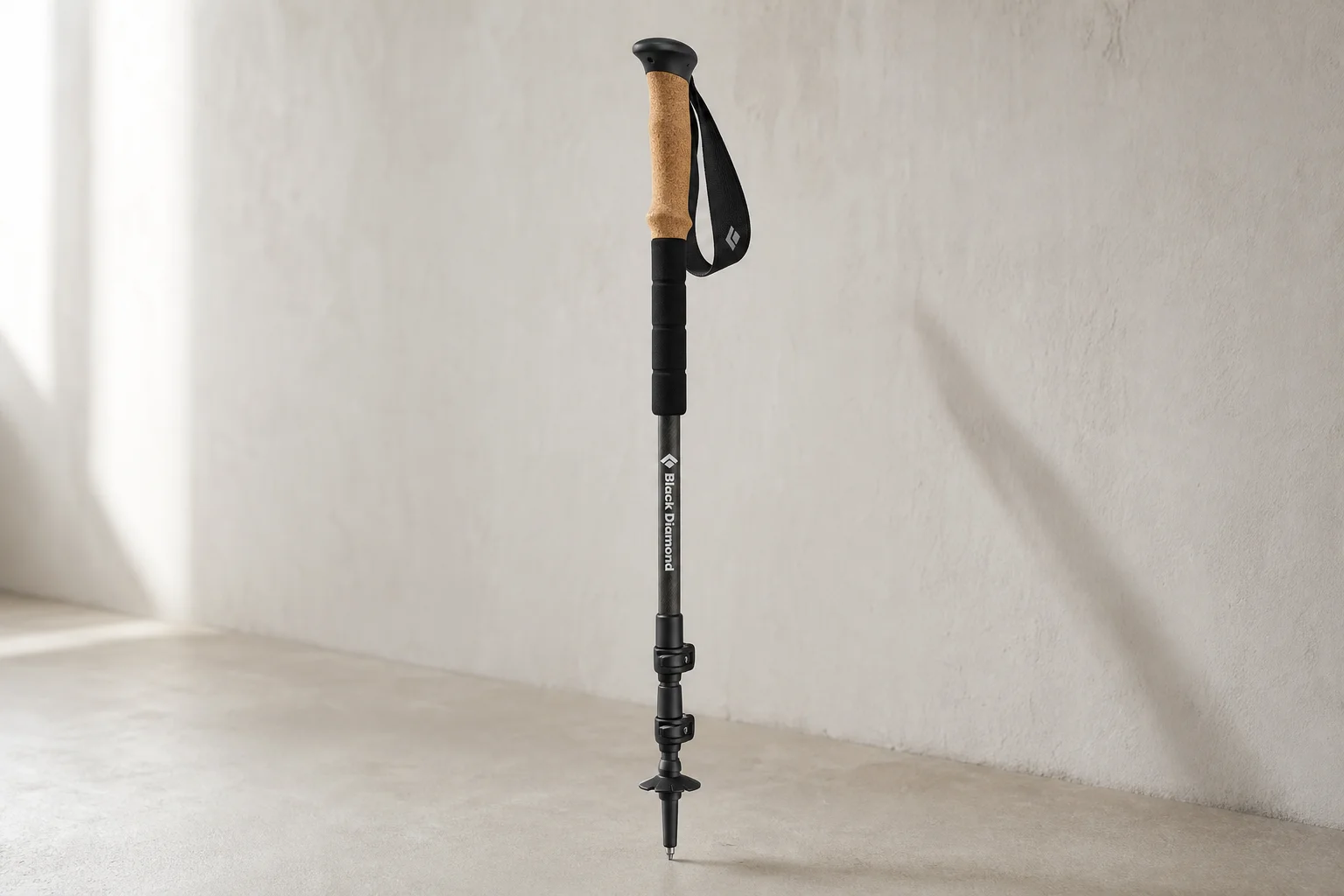
Black Diamond Alpine Carbon Cork: Trekking Poles That Last
Trekking poles earn their keep on descents and uneven ground. The Alpine Carbon Cork poles are lightweight and hold up well to hard use, and the cork grips stay secure when hands are sweaty.
Layers and Smaller Items That Round Out the Kit
Clothing choices matter as much as hardware. A quick-drying hoodie or a ventilated fishing-style shirt with built-in sun protection works well on warm days, and convertible pants cover both warm and cold conditions without a change of kit. A lightweight rain shell and packable rain pants handle sustained rain, while a synthetic puffer packs down small and adds warmth if a hike runs late.
Smaller items fill the gaps. A compact USB-C power bank with an attached cable keeps the headlamp, watch, and phone charged without a loose cable to lose. Radios help a group stay in contact on the move. For being found, a whistle and a radar reflector are light additions, and a rugged strobe light built for long runtime adds visibility while waiting for help. An emergency bivy sack, fire-starting materials, and a lightweight medical kit cover the gap until rescue arrives.
Buying Advice: Matching Gear to the Hike
The right kit depends on the hike, not the catalog. Short, well-traveled trails need less: a headlamp, water treatment, a small pack, and a way to call for help are usually enough. Longer days in remote terrain justify a satellite communicator, redundant navigation, and layers that handle a change in weather.
It is worth spending first where failure is most costly. Water treatment and a light source are inexpensive and essential. Navigation can start with a phone app and a paper map, then move up to a dedicated watch or handheld later. A satellite communicator is the piece most worth prioritizing if you hike where there is no cell signal, since it is the one item that reaches outside the backcountry when nothing else will.
Conclusion
Modern hiking essentials are less about a fixed list and more about answering three questions: comfort, navigation, and safety. The gear above answers those questions without demanding that you carry everything at once. Start with the bucket where a failure would hurt most, build redundancy where it is cheap, and the kit will hold up on the days that do not go to plan.
Further reading
Related Reviews
Outdoor Gear
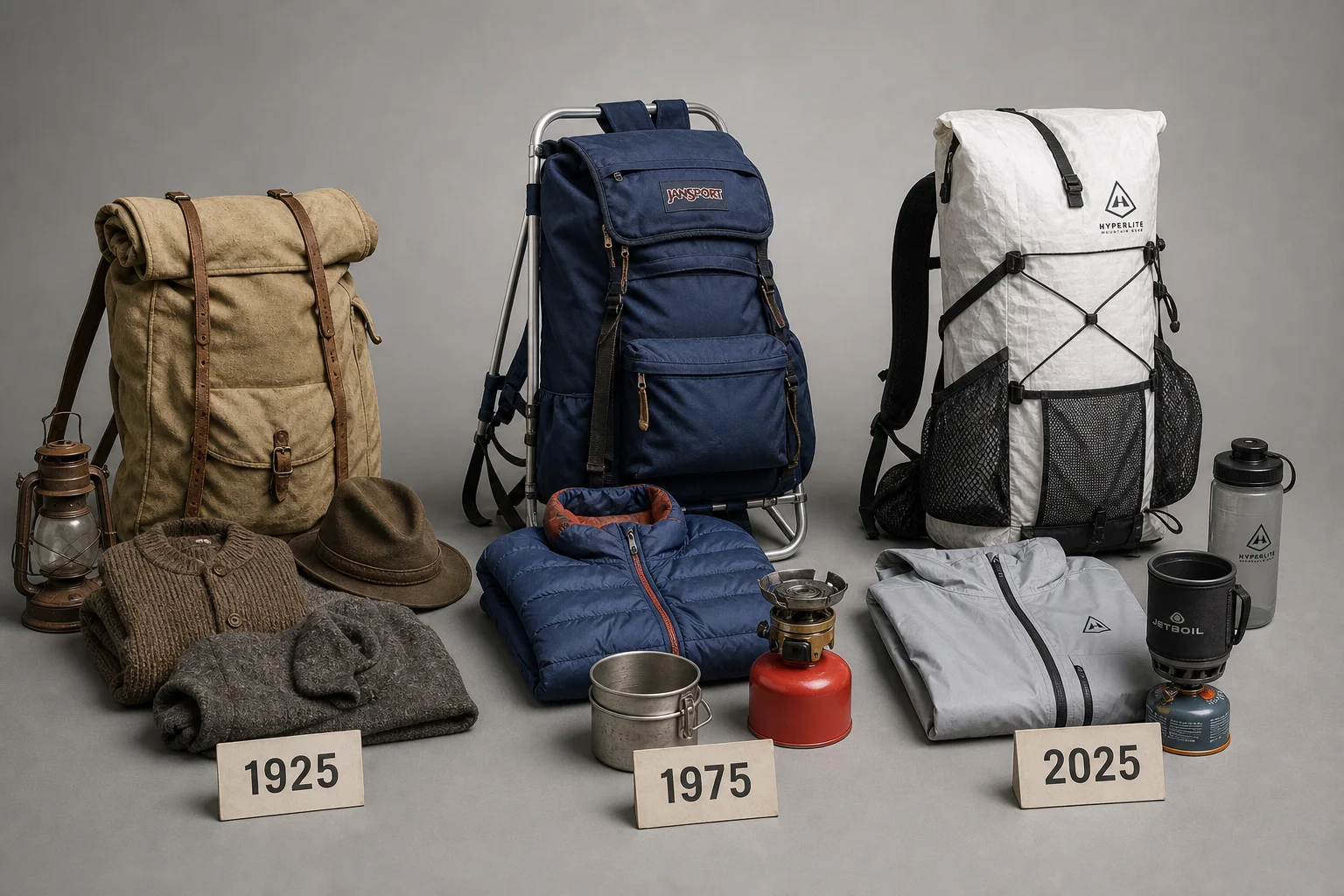
Backpacking Gear Evolution: 100 Years of Technology Compared
We tested backpacking gear from 1925, 1975, and 2025 across a three-day hike in Yosemite. Here's how technology has transformed comfort, weight, and the outdoor experience.
Outdoor Gear
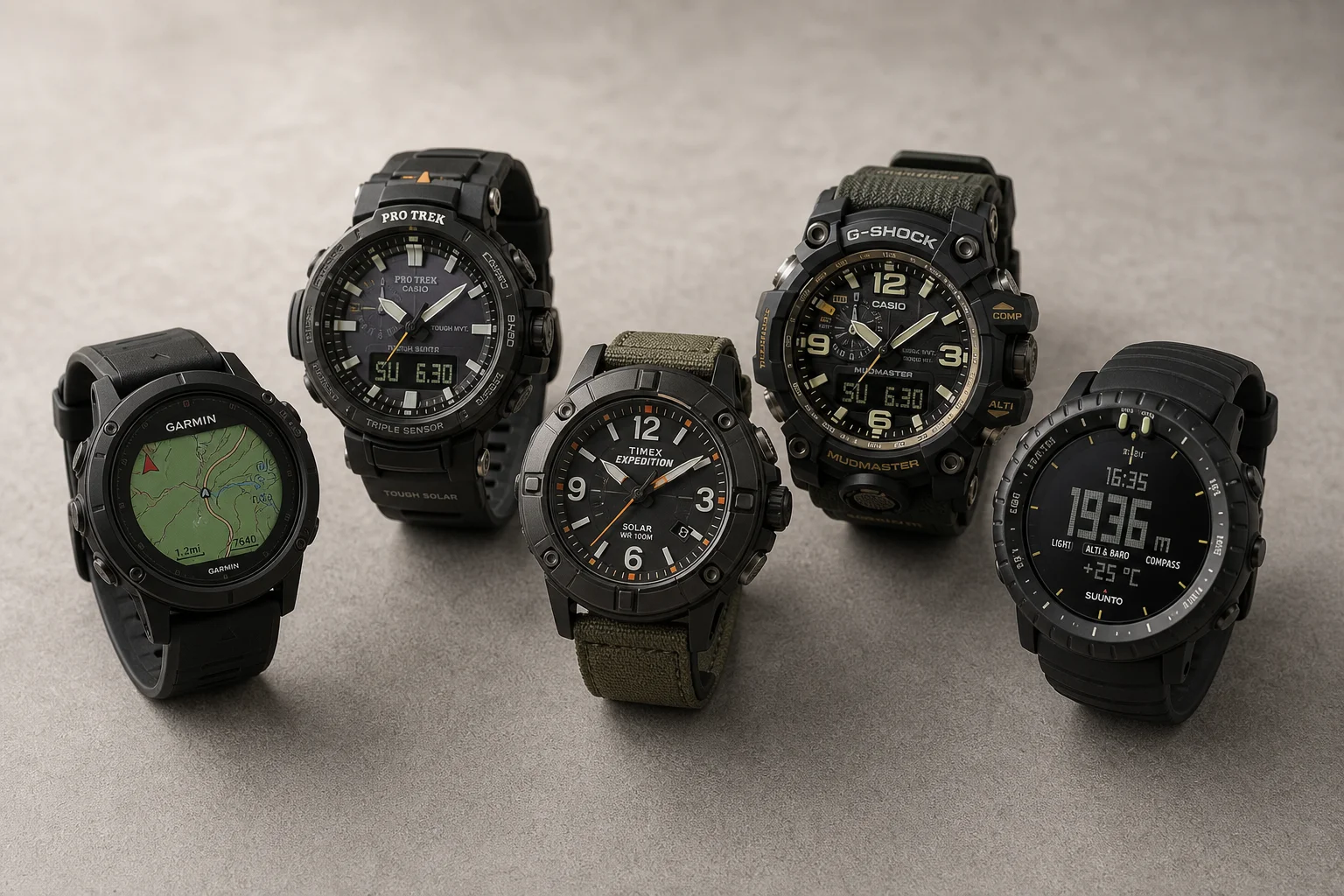
Best Affordable Hiking Watches: Five Rugged Options for Outdoor Adventures
Five durable hiking watches that balance ruggedness, functionality, and value for outdoor enthusiasts who need reliable GPS tracking and weather resistance.
Outdoor Gear
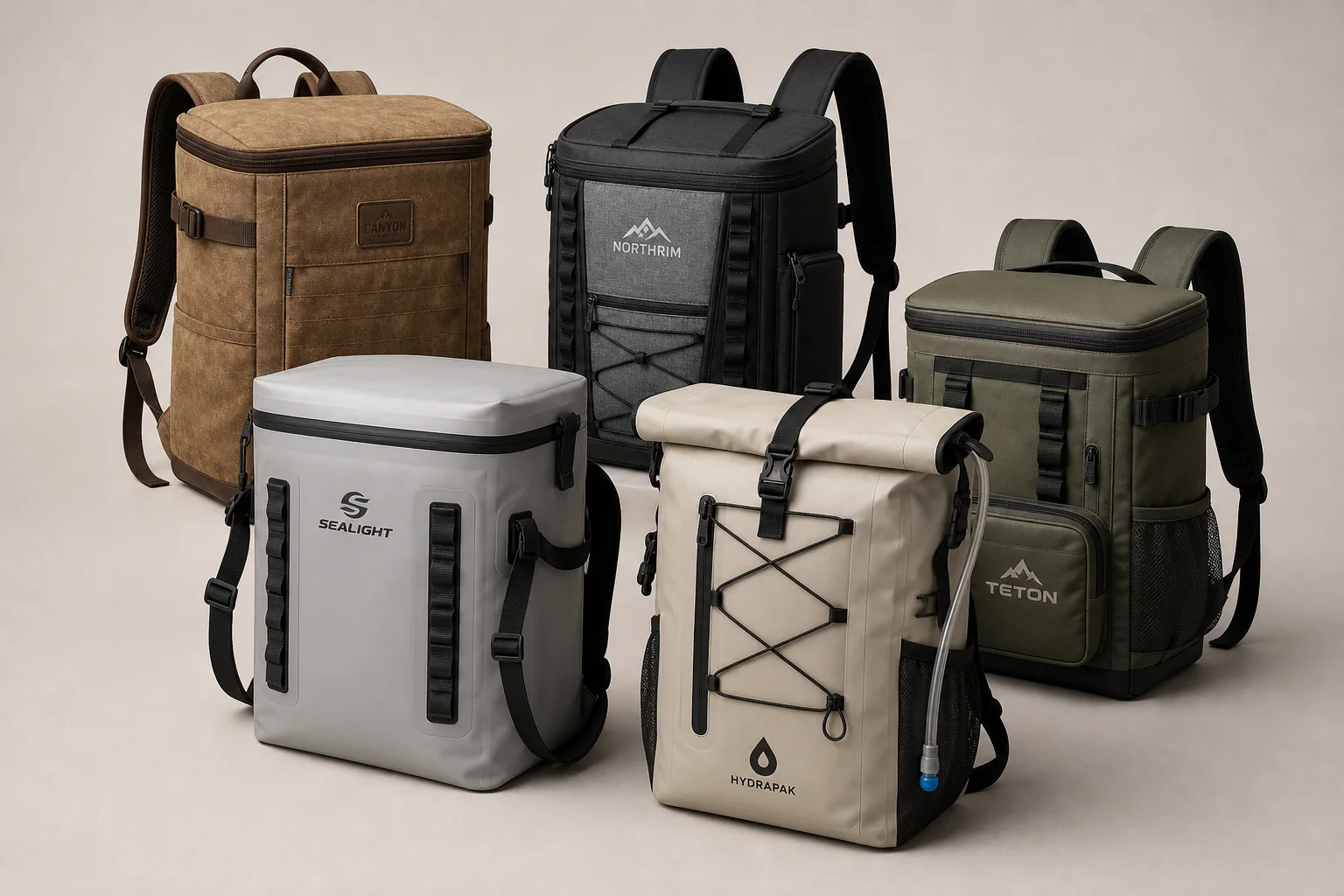
Best Backpack Coolers 2026: Five Practical Options for Outdoor Adventures
Five backpack coolers with distinct cooling capabilities, storage features, and design trade-offs to help you choose the right one for your outdoor needs.