Running Shoes
Mizuno Wave Rider 30 Review: A Daily Trainer Rebuilt From the Midsole Up
The Wave Rider 30 changes its heel drop, foam recipe, and wave plate. We break down what works, what to consider, and how it compares to the Wave Rider 29, Neo Zen 2, ASICS Cumulus 28, and Saucony Ride 19.
Introduction
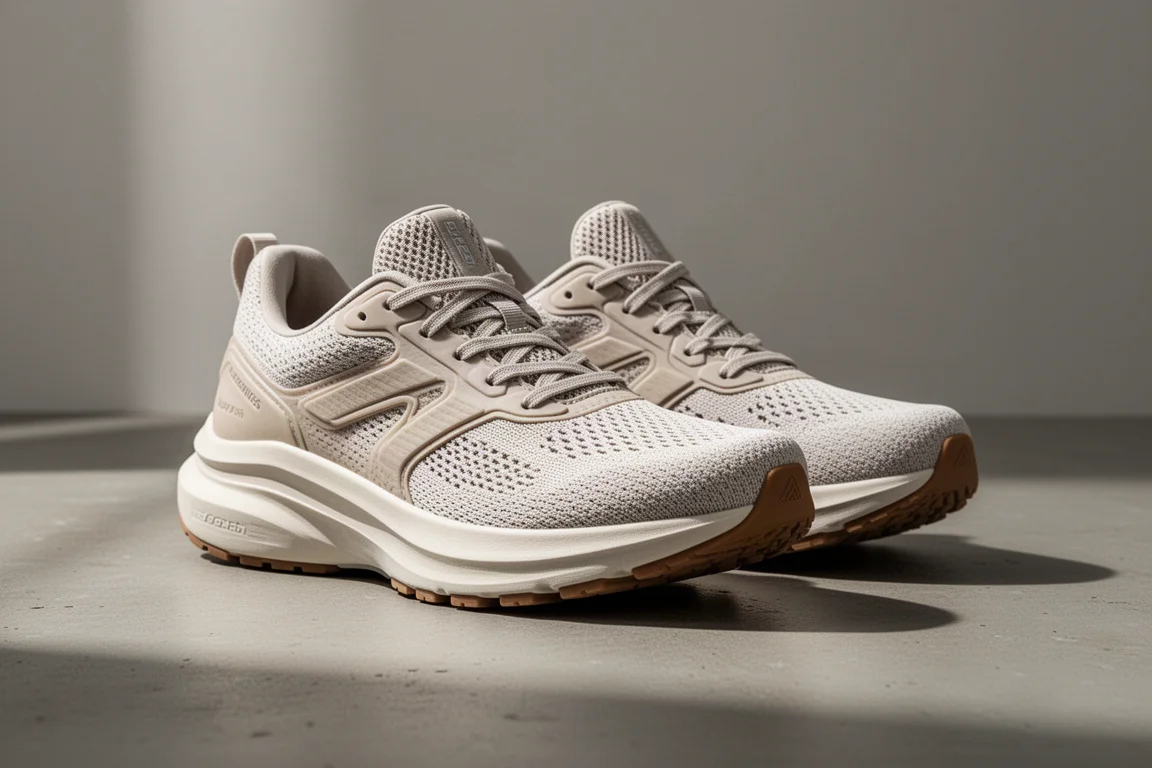
The Mizuno Wave Rider 30 arrived with more changes than any Wave Rider in recent memory. The heel drop dropped from 10 mm to 8 mm, the midsole switched to a two-layer foam recipe, and the signature wave plate went full length for the first time. This is a very different shoe from the one long-time fans have laced up for years, and for the most part, that is a good thing. Here is what you need to know before buying.
What Changed in the Wave Rider 30
The headline numbers are a 42.5 mm stack height at the heel with an 8 mm drop, which puts 34.5 mm of foam under the forefoot. The Wave Rider 29 used a 10 mm drop and the Wave Rider 28 a 12 mm drop, and for years the Wave Rider was one of the last holdouts at 12 mm, a drop long believed to suit heel strikers. Moving to 8 mm closes a chapter in running shoe design and makes the shoe far more approachable for a wider range of runners.
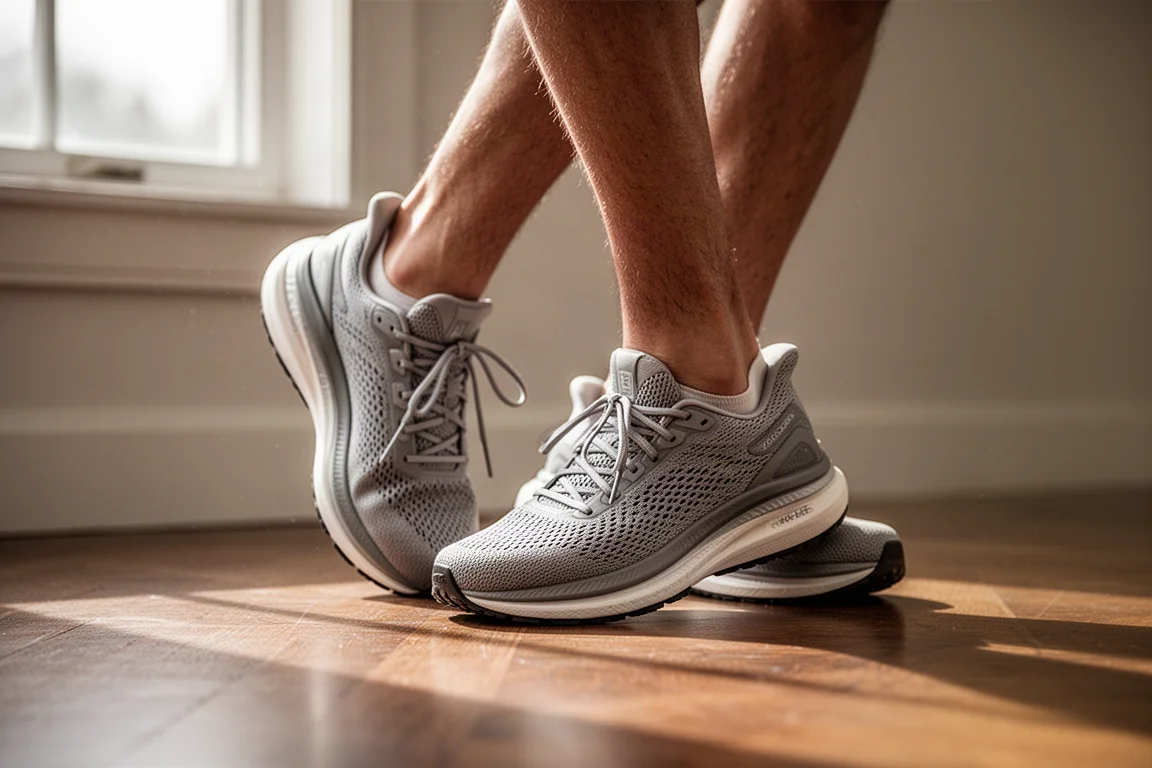
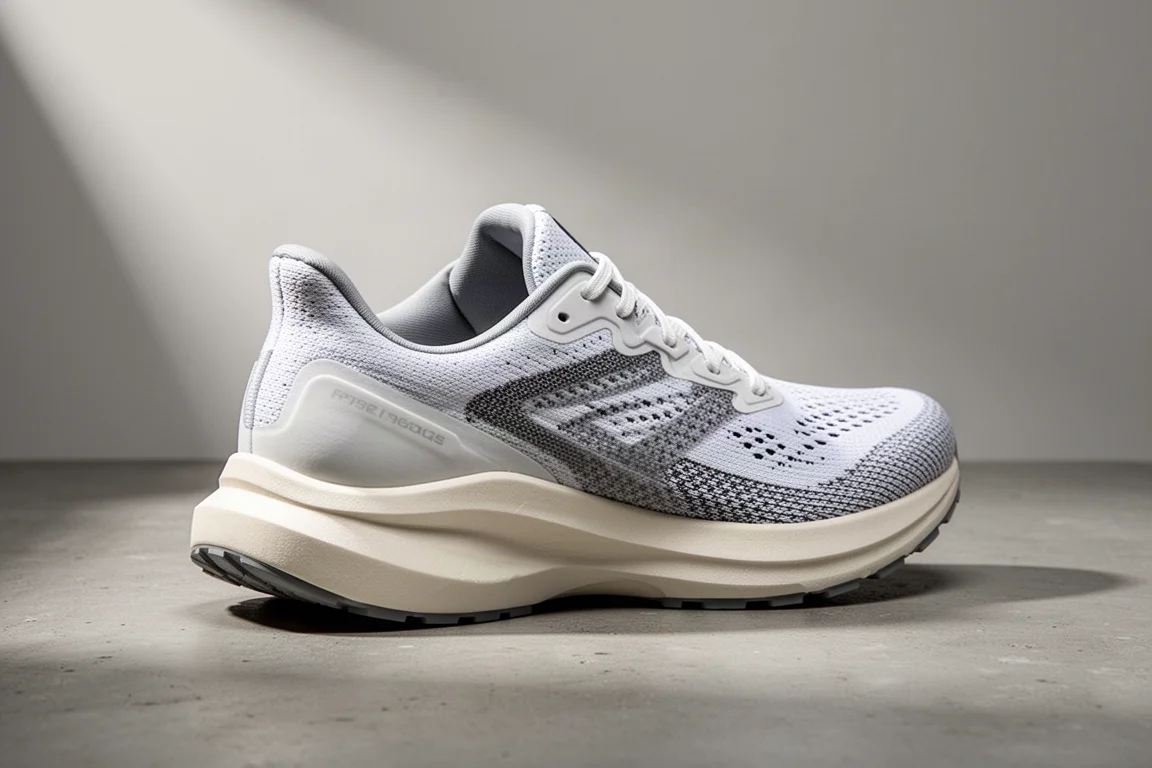
Specs on paper: 9.2 oz / 262 g in a US men’s size 9, a respectable weight for a cushioned daily trainer, and a retail price of $150. Fit runs true to your regular running shoe size, with a noticeably wider heel cup and more room in the back of the shoe than last year’s version. Dual pull tabs, front and back, make it easy to get on.
Midsole: Two Foams and a New Wave Plate
The midsole is labeled Enerzy NXT, but in this shoe that means two different substances. The top layer is a super critical EVA, reportedly similar to the foam in the Mizuno Neo Zen but tuned for a little less bounce. The bottom layer is a standard, denser EVA blend that is thicker in the heel and thins out toward the forefoot, leaving a softer, more cushioned chunk on top.
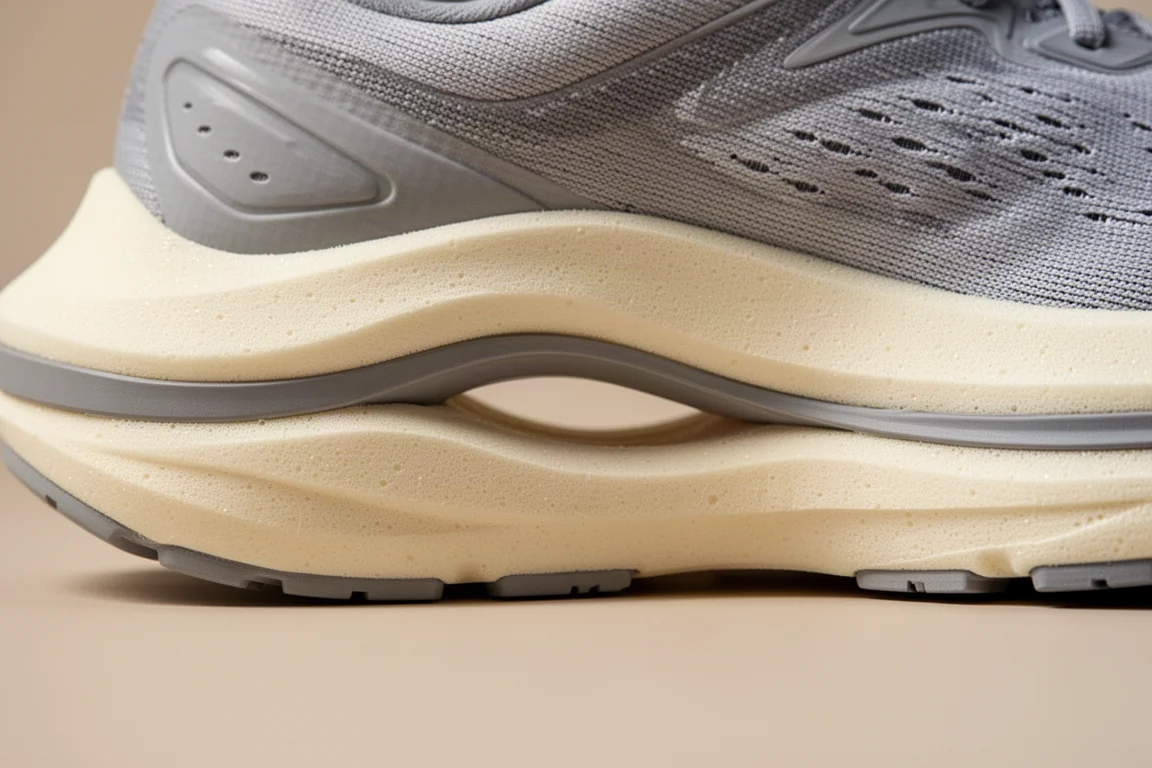
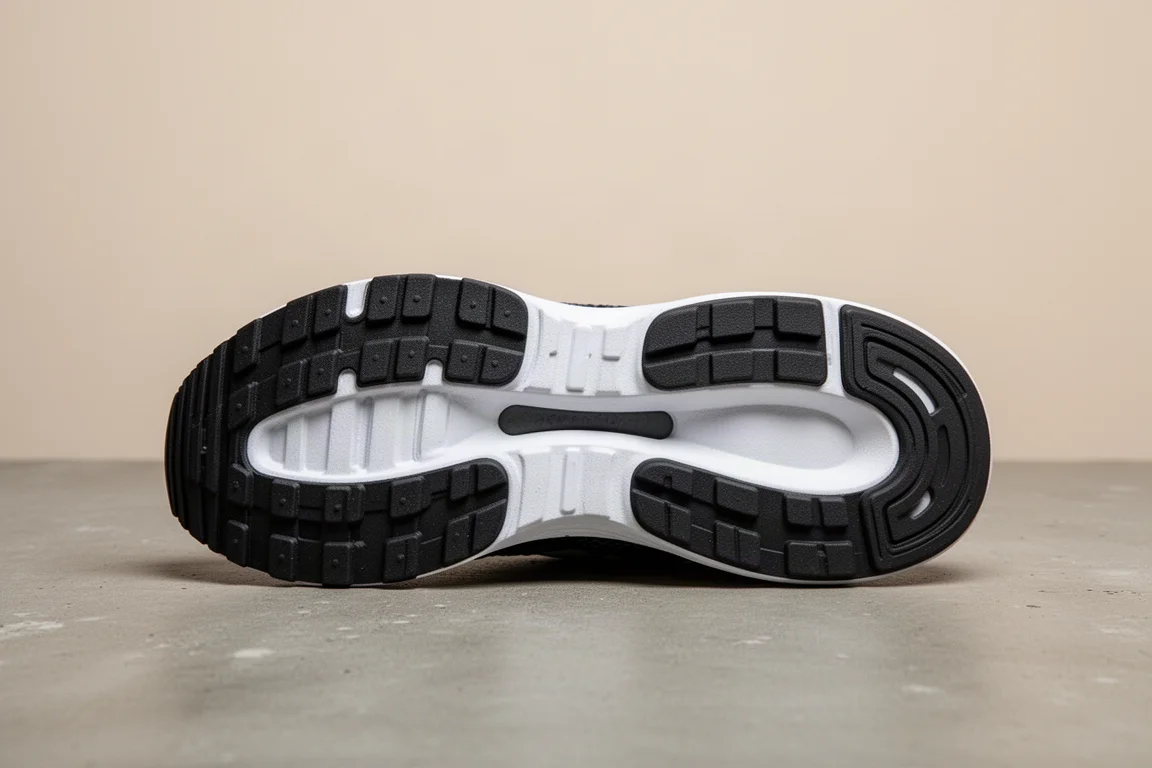
Between those layers sits a brand new wave plate. Historically a half plate or wedge in the rearfoot meant to absorb and disperse heel impact, the plate is now full length, positioned like a nylon plate in a tempo shoe, and made from a far less rigid polypropylene mesh. The outsole also gets updated: rubber is still decently thick, but more exposed foam keeps the shoe lighter, more flexible, and more neutral underfoot. The upper is a soft dual-layer mesh with a padded tongue, moderate heel padding, and a rigid plastic heel counter forming a very wide heel cup.
How It Runs on the Road
As a midfoot and forefoot striker at daily training effort, the tester found the softness from the Enerzy NXT foam genuinely enjoyable, and the new flexible wave plate no longer fights the foot the way older, stiffer plates did. The forefoot cushioning is a highlight of the ride.
The compromise is responsiveness. This is a slightly sluggish foam that does not bounce back quickly, so it is not the pick for extended speed work. A few strides are fine, but for up-tempo sessions you will want a purpose-built shoe. Mizuno clearly was not chasing a lightweight, nimble trainer here; the goal was a comfy, plush daily trainer for easy running and daily living, and on those terms the updates make the shoe much more livable and easier to recommend, even if some die-hard Wave Rider loyalists will be annoyed.

Should You Buy the Wave Rider 30?
At $150, the Wave Rider 30 is expensive for what you get, but it remains a well-cushioned, reliable, durable daily trainer. It should still appeal to the heel strikers the line has always attracted, while the lower drop and softer forefoot make it accessible to far more runners than before. If you have run the Wave Rider for years, expect a softer, more comfortable version you can use in exactly the same way.
Alternative: Mizuno Wave Rider 29
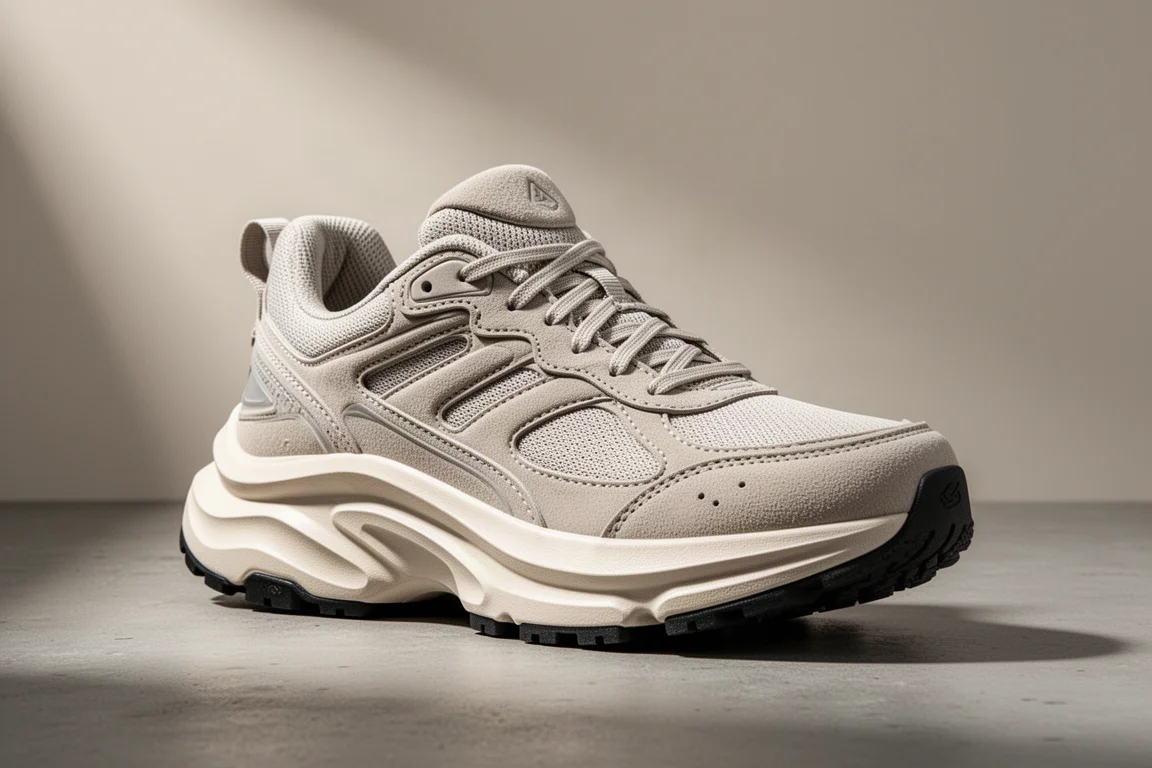
If you want to save money, the Wave Rider 29 is the obvious place to look. It uses a 10 mm drop and an all super critical EVA midsole, essentially the softer top-layer foam of the Wave Rider 30 stacked top and bottom, balanced by a harder plastic wave plate. The reviewer liked that softer, max-cushion feel in a daily training package, but found the rigid plate jammed into the arches as a midfoot and forefoot striker. It is a genuinely comfy shoe for heel strikers and fans of a firmer plate, but midfoot strikers may not find the savings worth the trade-off.
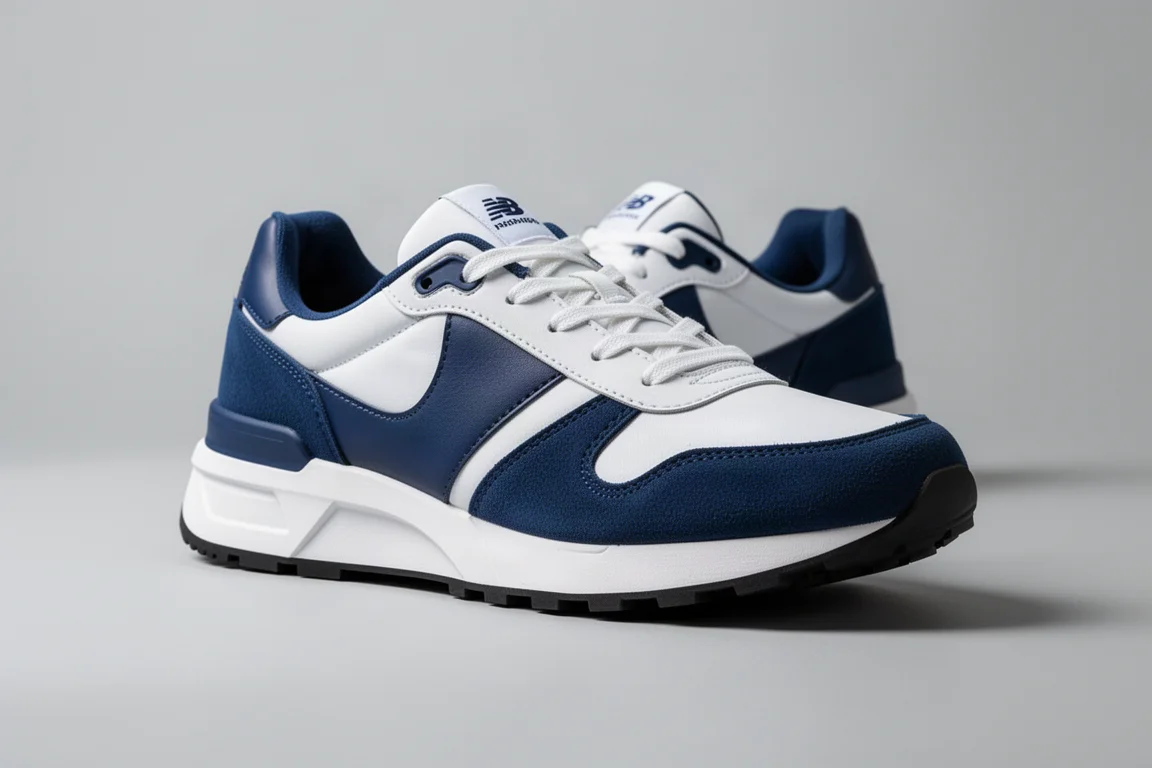
Alternative: Mizuno Neo Zen 2
The Neo Zen 2 takes the same progression one step further: all super critical EVA with the plate removed entirely. Its foam is tuned with a bit more bounce than the Wave Rider 30’s top layer, avoiding the mushiness of the original Neo Zen. If you want to push further toward softness and a more dynamic ride than the Wave Rider 30 offers, this is the Mizuno to look at, though it costs a little more at $160.
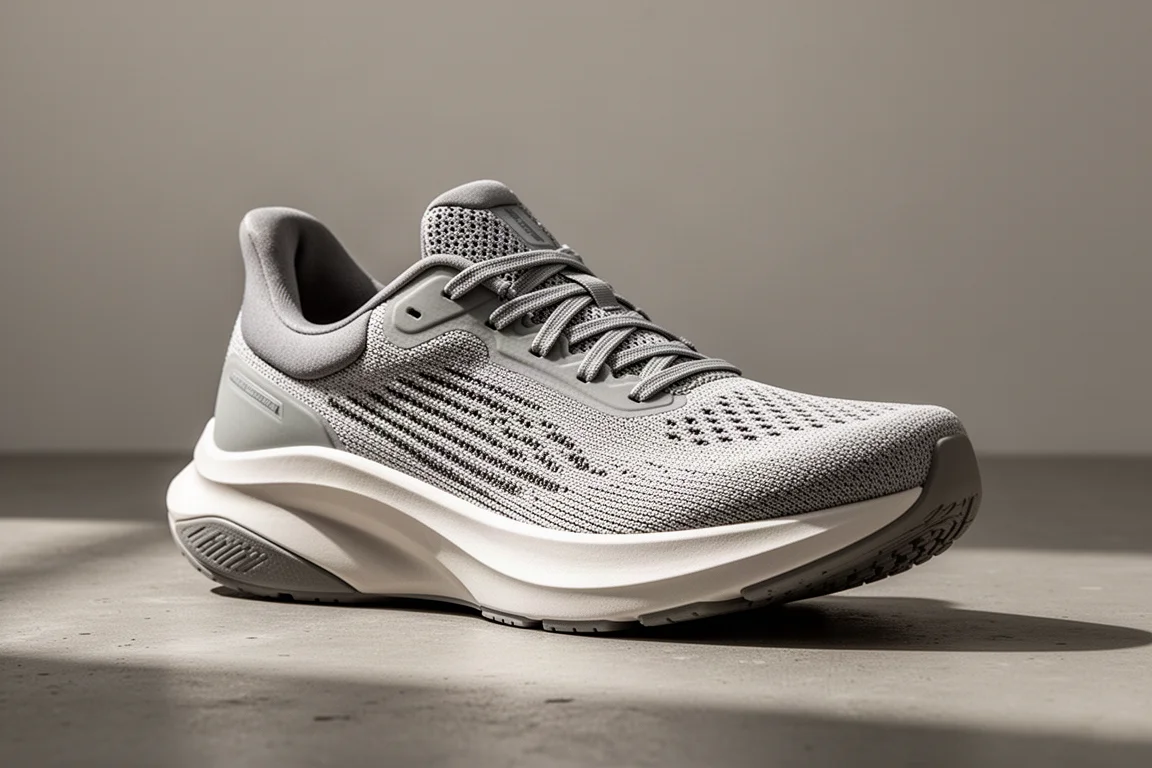
Alternative: ASICS Cumulus 28
The ASICS Cumulus 28 is the Wave Rider’s longtime rival, and the two shoes now show convergent evolution. Both are 8 mm drop shoes using two foams with an impact-absorbing element. The Cumulus pairs FF Blast Max daily training foam on top with a firmer rubberized EVA on the bottom that doubles as the outsole, plus a section of pure gel in the heel to disperse impact and smooth the heel-to-toe transition. The reviewer found the gel less noticeable than the Wave Rider 30’s flexible plate, though the Wave Rider has the softer forefoot foam. At $145, the Cumulus is $5 cheaper.
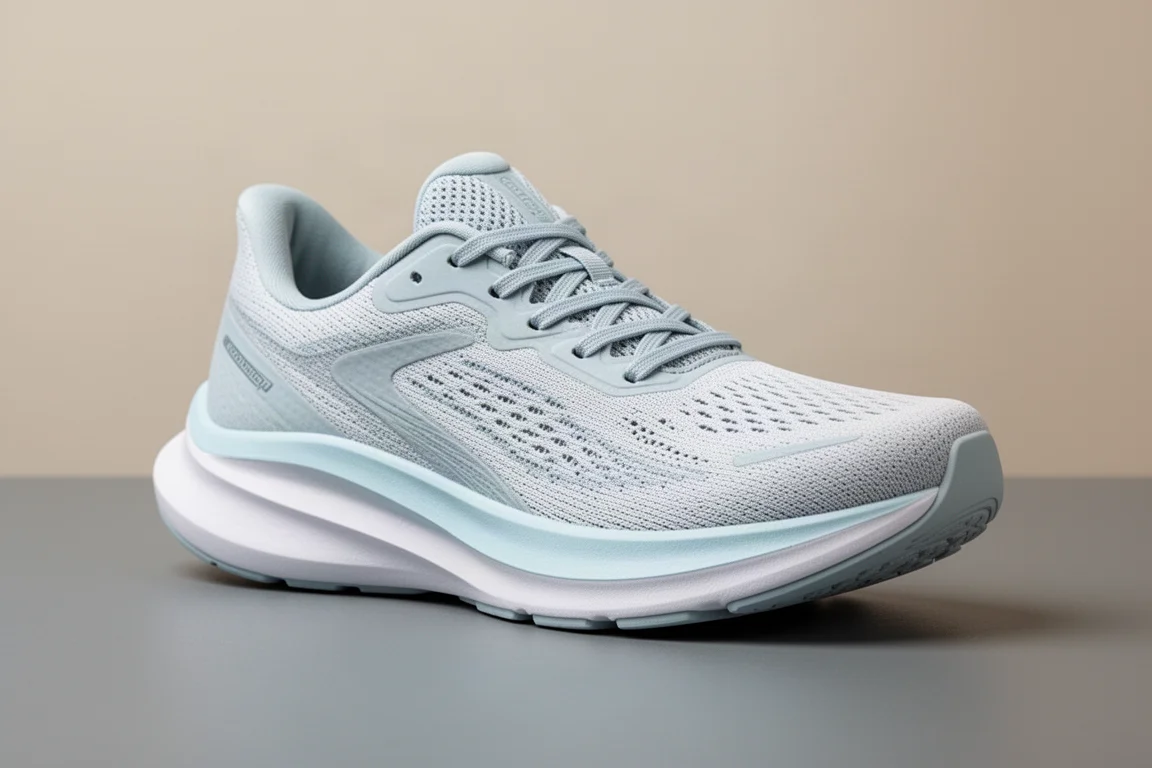
Other Alternatives to Consider
The Saucony Ride 19 is another daily trainer chasing the same comfortable, in-between daily trainer and max cushion concept. It also uses an 8 mm drop, and while reported stack heights differ on paper, real-world stack heights come out very similar. Its beaded TPU midsole, PWRRUN Plus, delivers both cushion and springiness, making it a slightly more responsive experience than the dual-density Wave Rider 30. The tester still would not choose it for serious speed work, but overall preferred the ride in this cushioned daily trainer category, and at $145 it saves you a little money as well.
Conclusion
The Wave Rider 30 is a bold reinvention of a long-running franchise. The lower drop, softer dual-layer midsole, and flexible full-length plate make it more livable and easier to recommend than ever, even if it is no longer the firm, heel-striker-focused tool longtime fans remember. Buy it at $150 if you want a plush, reliable daily trainer, or consider the Wave Rider 29, Neo Zen 2, ASICS Cumulus 28, or Saucony Ride 19 if you want to save money or lean further into softness and responsiveness.
Further reading
Related Reviews

Running Shoes
Best Road-to-Trail Running Shoes: Three Versatile Options for Mixed Terrain
A practical guide to three road-to-trail running shoes that handle both pavement and mild trails, with clear strengths and trade-offs for different runner types.

Running Shoes
Best Running Shoes for Achilles Tendonitis: Three Options Explained
Three running shoes with different heel drops and support features designed to help reduce Achilles tendon pain during walking and running.

Running Shoes
Best Running Shoes for Women: Five Top Choices Ranked
A ranked guide to five women's running shoes, from versatile daily trainers to high-performance racing options, with real strengths and trade-offs for each.