Running Shoes
Mizuno Wave Rider 28 vs 29: Which One Fits Your Running Style?
The Wave Rider 29 breaks sharply from its own tradition: softer, lighter, and lower drop. Here is how it compares to the Wave Rider 28 and which one suits your feet.
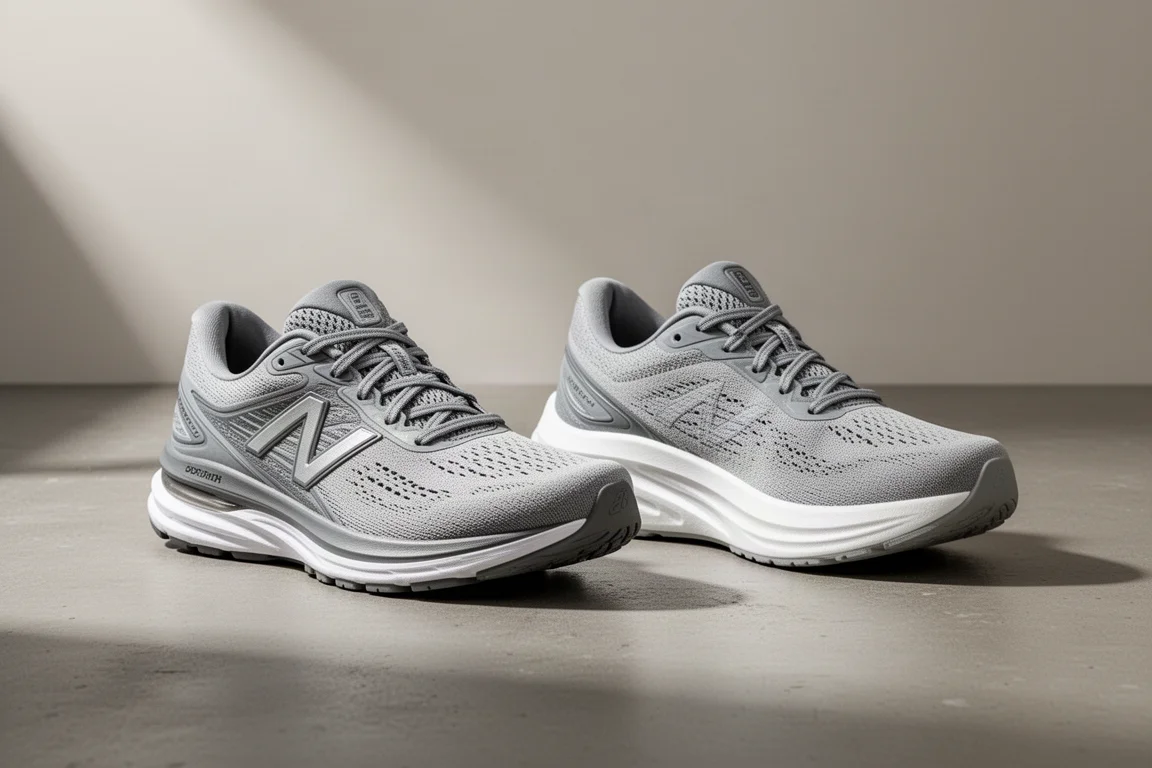
Introduction
The Mizuno Wave Rider has been Mizuno’s flagship neutral trainer for nearly 30 years, and for most of that time the formula barely moved: firmer than average, snappy, slightly stable-neutral, and a classic high 12mm drop. You always knew what you were getting.
The Wave Rider 29 breaks that pattern in a big way. It brings a full-length Mizuno Energy NXT midsole, a softer and more flexible ride, a lower 10mm drop, and a completely different upper fit. These are genuinely different shoes, and that makes the choice between them more meaningful than a typical yearly update. If you are on the 28 and wondering whether to grab a discounted pair or jump to the new version, this comparison should help you decide.

Specs at a Glance
In a men’s size 10, the Wave Rider 28 weighs 10.1 oz (about 286g), while the 29 comes in noticeably lighter at 9.6 oz (about 274g). That is a solid weight reduction that brings the Rider back toward the lighter end of the neutral training category.
Stack heights have changed too. The Wave Rider 28 sits at 37mm in the heel and 25mm in the forefoot, keeping Mizuno’s classic 12mm drop. The Wave Rider 29 is, to our knowledge, the first Wave Rider with a 10mm drop, coming in at 39mm heel and 29mm forefoot. On paper the heel is taller, but the softer midsole compression makes it feel much lower in practice.
Ride and Midsole: Two Very Different Shoes
The Wave Rider 28 is the classic shoe: a firmer, snappier midsole with the wave plate adding structure and shock absorption, plus the traditional gap in the midsole. It does not compress much, so the 12mm drop stays noticeable throughout the run.
The Wave Rider 29 is the first Wave Rider with a full-length slab of Mizuno Energy NXT. The result is a soft heel landing, a very flexible forefoot, and noticeably more flex even in the plate itself. Because the midsole compresses heavily under the heel, the drop actually feels lower than the stated 10mm, which is good news for runners who dislike higher-drop shoes.
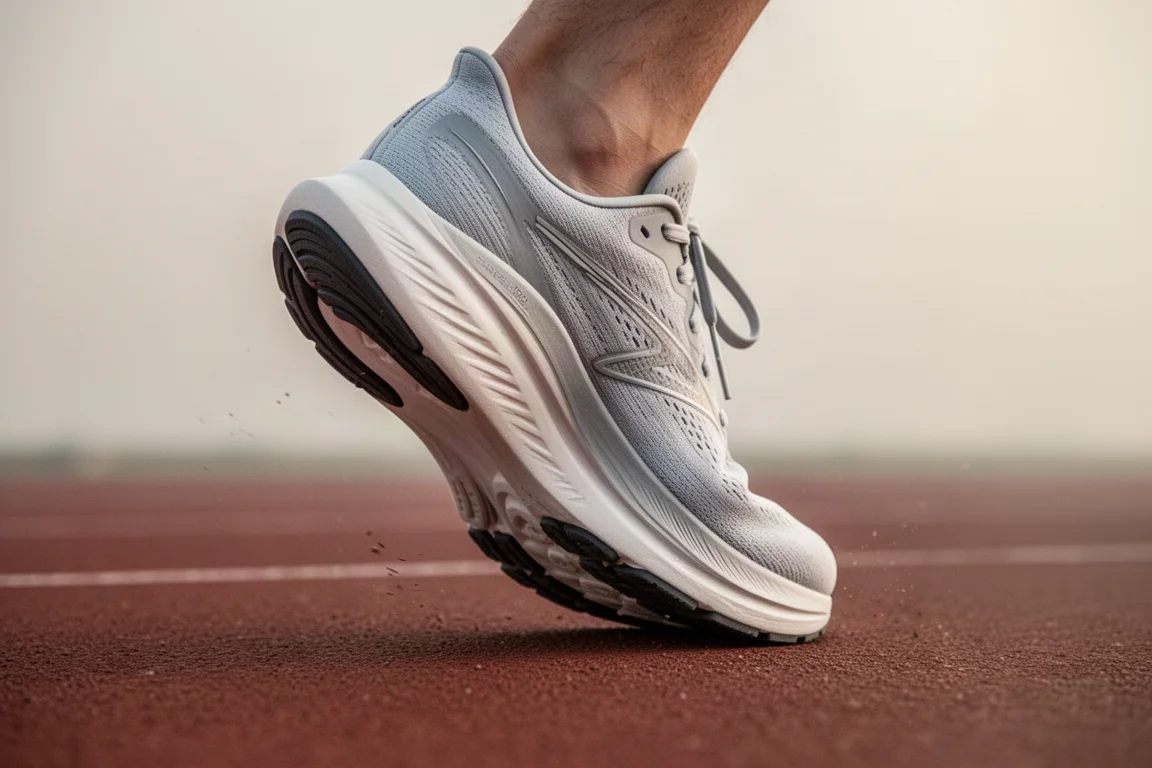
If you want softness and flexibility, the 29 wins. If you want a firmer, more consistent ride, stick with the 28.
Pace Versatility and Stability
Both shoes handle uptempo running surprisingly well. The 29’s midsole has more bounce, which offsets the missing firm snap, and its forefoot transition works across a range of paces. Combined with the weight drop, it works as a daily trainer that could even serve as a marathon race shoe for runners who do not want a super shoe.
Stability is a different story. The softer midsole and what feels like a slightly narrower midfoot make the 29 a more true neutral shoe: not unstable, but not stable-neutral either, especially with the flatter plate. The 28 keeps the firmer, more stable-neutral feel the series was known for. Runners who want that extra touch of guidance will prefer the older version.
Outsole durability and grip are strong on both. A 40-mile test pair of the 29 is holding up extremely well, and the Rider series has always been reliable in this area.

Upper Fit Differences
The uppers are quite different. The Wave Rider 28 and earlier versions use a thinner upper with a wider forefoot, a long-standing Mizuno trait.
The Wave Rider 29 gets a thicker upper with more padding around the collar and heel, which is genuinely welcome for runners with irritated Achilles. The heel counter is stiff but less intrusive because there is less material overall. More padding through the forefoot and midfoot gives the 29 a more normal width and a slightly tapered toe box, so narrower feet will prefer it, while wider forefeet still belong in the 28.
Which One Should You Buy?
If you love a consistent 12mm-drop trainer with a firmer, stable-neutral character, the Wave Rider 28 remains one of the last mainstream shoes in that mold, and it is worth holding onto or buying on sale.
If you want a softer, more flexible, lighter trainer with a more moderate drop feel and better pace versatility, the Wave Rider 29 is the better pick, even though it fits a different runner than its predecessor.
One important warning: if you transition from the 28 to the 29, take it slowly. The lower drop and softer midsole mean far more ankle range of motion, so your calves and Achilles will work harder. Build up calf and ankle mobility gradually and ease into the mileage.
Conclusion
The Wave Rider 28 and 29 are surprisingly different shoes rather than a routine update. The 28 offers the classic firm, stable-neutral, high-drop ride the series built its reputation on. The 29 offers a soft, bouncy, more flexible ride with a lower drop feel and a more traditional neutral fit. Match the shoe to your feet and your running, and either one can be a genuinely great daily trainer.
Product link
View more details for Mizuno Wave Rider 28
This product is mentioned in the review. Check the specifications, options, and compatibility before buying.
View more details for Mizuno Wave Rider 28Further reading
Related Reviews

Running Shoes
Best Road-to-Trail Running Shoes: Three Versatile Options for Mixed Terrain
A practical guide to three road-to-trail running shoes that handle both pavement and mild trails, with clear strengths and trade-offs for different runner types.

Running Shoes
Best Running Shoes for Achilles Tendonitis: Three Options Explained
Three running shoes with different heel drops and support features designed to help reduce Achilles tendon pain during walking and running.

Running Shoes
Best Running Shoes for Women: Five Top Choices Ranked
A ranked guide to five women's running shoes, from versatile daily trainers to high-performance racing options, with real strengths and trade-offs for each.