Running Shoes
Mizuno Wave Rider 28 vs Wave Rider 27: Which Daily Trainer Fits You Better?
Mizuno's classic neutral daily trainer gets a new foam and a softer, bouncier ride. Here is how the Wave Rider 28 compares with the Wave Rider 27, and which one suits your running.
Introduction
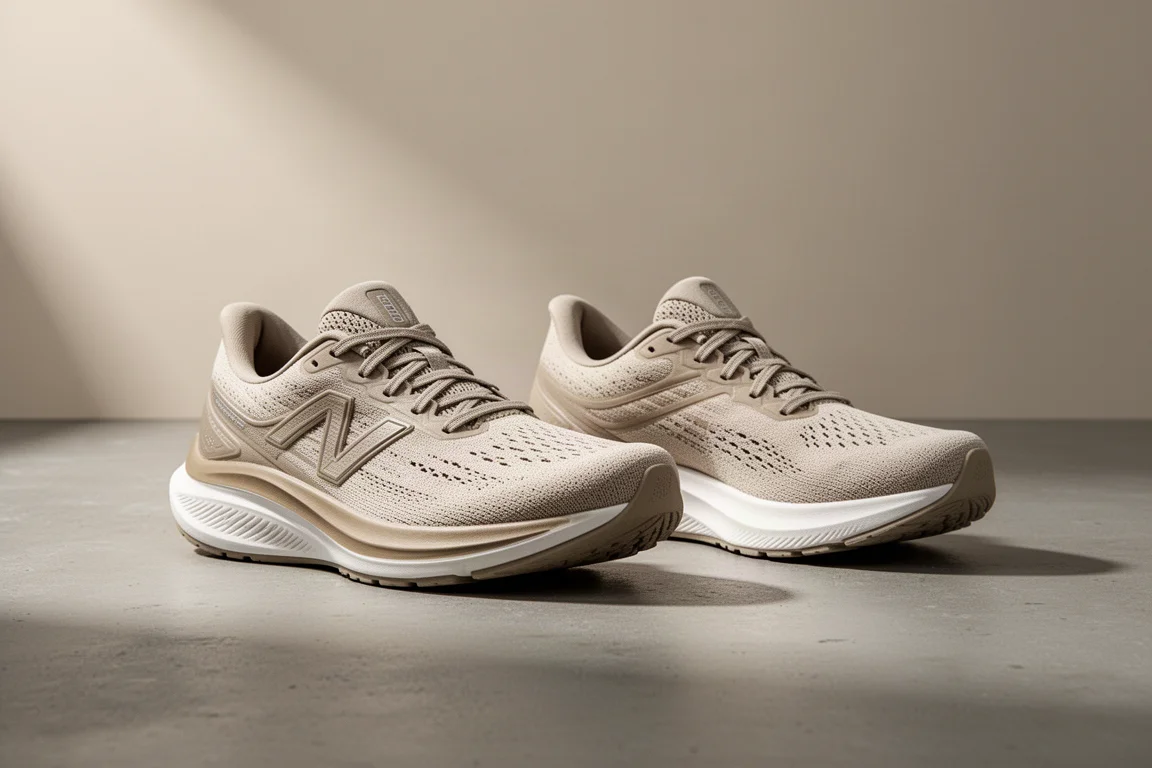
The Mizuno Wave Rider has long been the brand’s standard daily neutral trainer: a dependable mileage shoe with a slightly firmer edge that never quite disappears. The Wave Rider 28 keeps that identity but changes the feel noticeably, thanks to a new foam called Enerzy NXT placed primarily as a heel wedge. That update makes the newest version softer and bouncier than its predecessor, while the Wave Rider 27 stays closer to the classic firm, stable-neutral Mizuno formula.
This comparison breaks down the differences so you can decide which version matches your training.
Specs and Versions
The Wave Rider 27 weighs 9.9 oz for men’s size 9 and 8.3 oz for women’s size 8. The Wave Rider 28 comes in lighter at 9.5 oz for men’s size 9 and 8 oz for women’s size 8.
Stack heights differ too. The Wave Rider 27 measures 38mm at the heel and 26.5mm at the forefoot, a 12mm drop. The Wave Rider 28 adds more foam with 41mm in the heel and 29mm in the forefoot, keeping the same 12mm drop.

Underfoot Feel and Ride
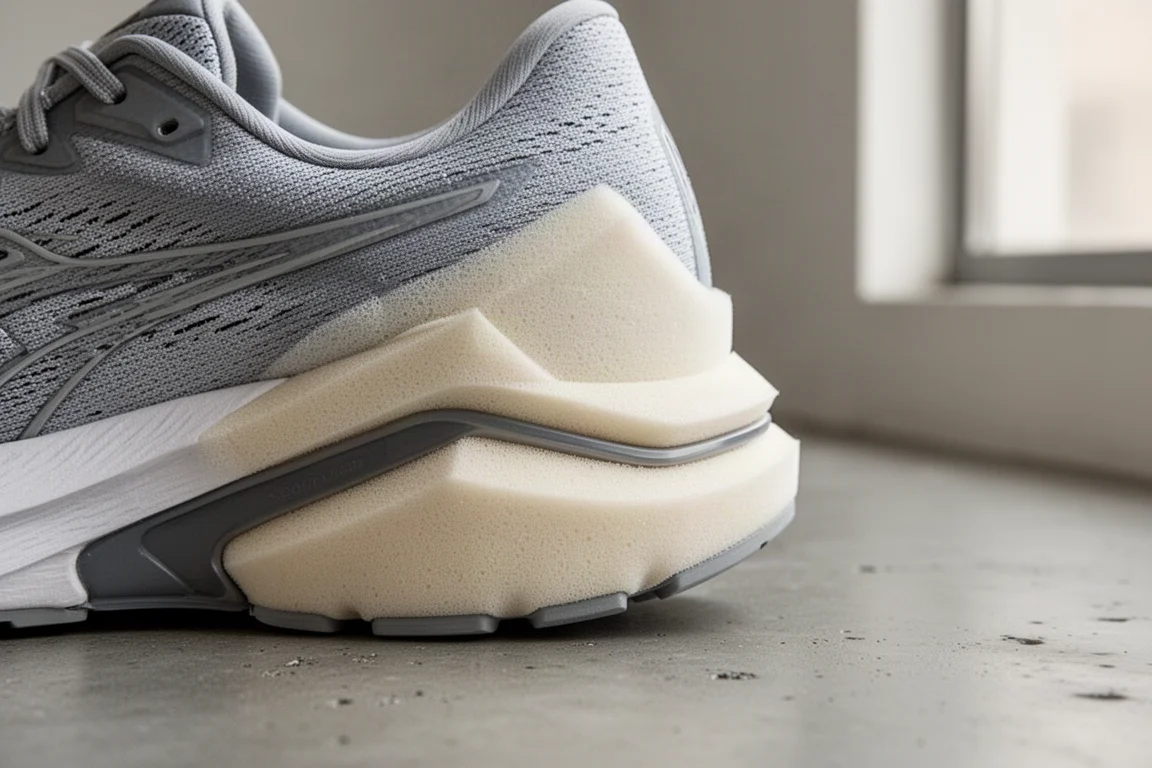
The Wave Rider 28’s Enerzy NXT foam feels much softer underfoot. It still sits on the slightly firmer end of the broader market, but it is the softest Wave Rider yet, with a bouncier character that extends further into faster paces than the older version.
The Wave Rider 27 rides firmer, and the plate is clearly felt in the rear foot, giving it the character of a stable neutral shoe. That firmness made it feel like a true workhorse daily trainer: consistent over training miles, progressing well, with a smooth heel transition that is not always common for Mizuno shoes.
The 28, on the other hand, handles uptempo work better. It is not the fastest shoe available, but the bounce makes it versatile into quicker paces while still working well for recovery and daily mileage. One caveat: the softer heel feels a little clunky at first and takes about two or three runs to break in, after which the midfoot-forward ride becomes smooth with light to moderate flexibility.
Stability and Structure
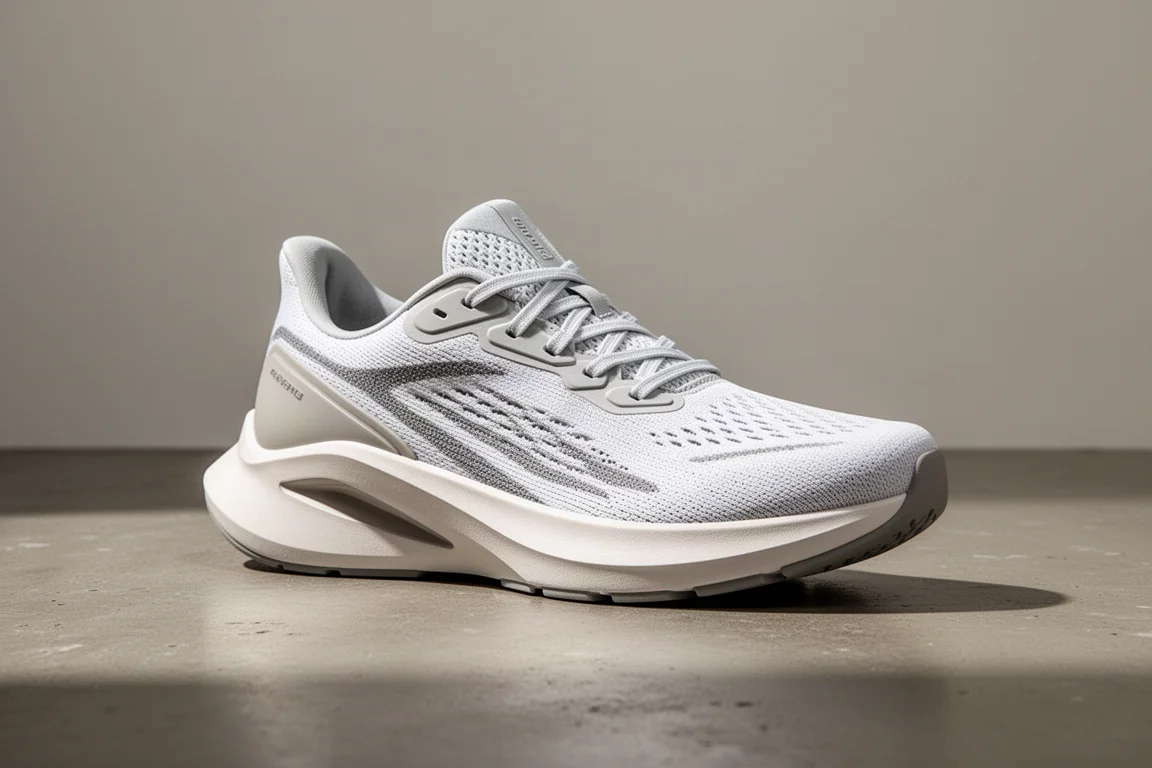
Stability is where the two versions diverge most. The Wave Rider 27’s more prevalent plate and firmer heel make it feel genuinely stable for a neutral shoe, with the plate pushing up noticeably under the foot.
The Wave Rider 28 is less stable due to the softer foam and a less prominent plate, though it is not unstable. The plate still travels the full width of the shoe, so it retains neutral balance. If you found the plate feel of previous Riders uncomfortable, the 28 will suit you better. If you want more of that classically stable neutral Mizuno ride, the 27 is the safer pick.
Fit and Sizing Differences
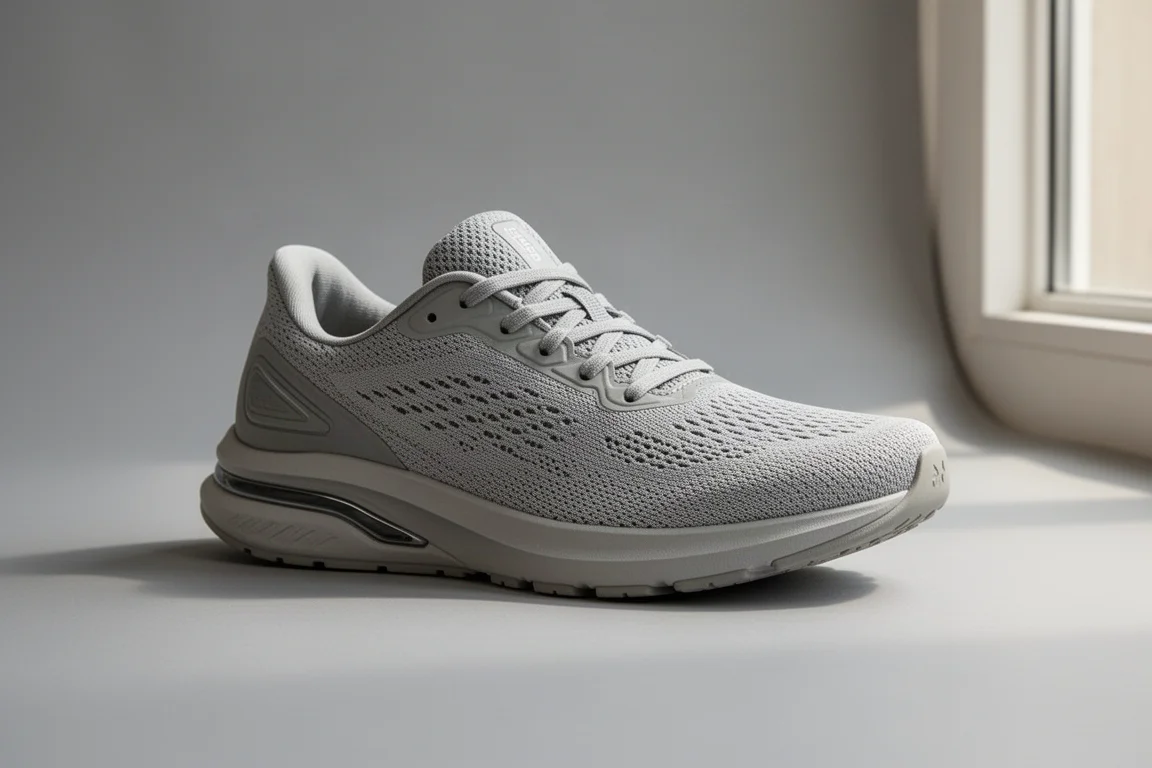
The Wave Rider 27 fits true to size with a width that is just right in the middle: not super wide, not narrow. The heel counter is fairly stiff in the rear foot, so runners with heel sensitivity should be cautious.
The Wave Rider 28 fits wider and slightly shorter. The toe guard is fairly prominent, which makes it feel a tad short on foot. It tends to disappear while running and does not bother much, but on some longer efforts there was a bit of chafing, so going up half a size is not recommended without considering that. If you want a little more width and volume, the 28 delivers; if you prefer a more normal width fit, the 27 is the better choice.
Which One Should You Buy?
Choose the Wave Rider 28 if you want the bounce, extra width, and the ability to dip into faster paces from a daily trainer. Choose the Wave Rider 27 if you prefer the normal width fit and the traditional slightly firmer, stable neutral Wave Rider feel that holds up consistently over daily miles.
Neither is positioned as a racer, but the 28 clearly reaches quicker paces more comfortably than the 27. It is encouraging to see Mizuno softening its midsoles slightly, as long as the brand keeps some of that classically stable neutral ride along the way.

Conclusion
Both versions are genuinely good shoes with distinct personalities. The Wave Rider 28 is the softer, bouncier, wider-fitting option with a bit more speed in its legs. The Wave Rider 27 remains the consistent, firm, stable neutral trainer for daily mileage. Matching the ride character and fit to your own preferences is the best way to pick between them.
Further reading
Related Reviews

Running Shoes
Best Road-to-Trail Running Shoes: Three Versatile Options for Mixed Terrain
A practical guide to three road-to-trail running shoes that handle both pavement and mild trails, with clear strengths and trade-offs for different runner types.

Running Shoes
Best Running Shoes for Achilles Tendonitis: Three Options Explained
Three running shoes with different heel drops and support features designed to help reduce Achilles tendon pain during walking and running.

Running Shoes
Best Running Shoes for Women: Five Top Choices Ranked
A ranked guide to five women's running shoes, from versatile daily trainers to high-performance racing options, with real strengths and trade-offs for each.