Running Shoes
Mizuno Wave Rider 25 vs 26: Two Daily Trainers with Very Different Personalities
The Wave Rider 26 trades the softer, more flexible ride of the Wave Rider 25 for a firmer, stiffer feel. Here is which one fits your running style.
Introduction
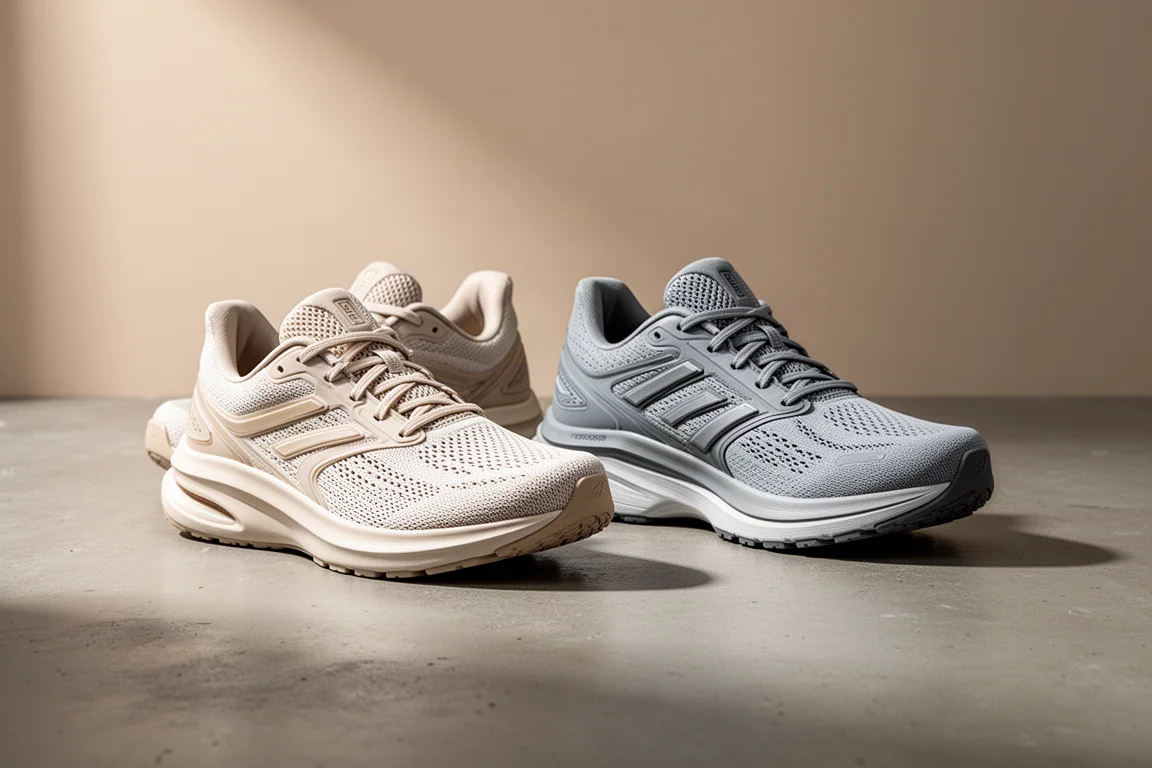
The Mizuno Wave Rider is a classic long-standing high-drop daily training shoe, and the jump from the Wave Rider 25 to the Wave Rider 26 is one of the more noticeable updates in the line. The Rider has changed gradually over the years, slowly gaining a little weight, and that trend continues between these two versions.
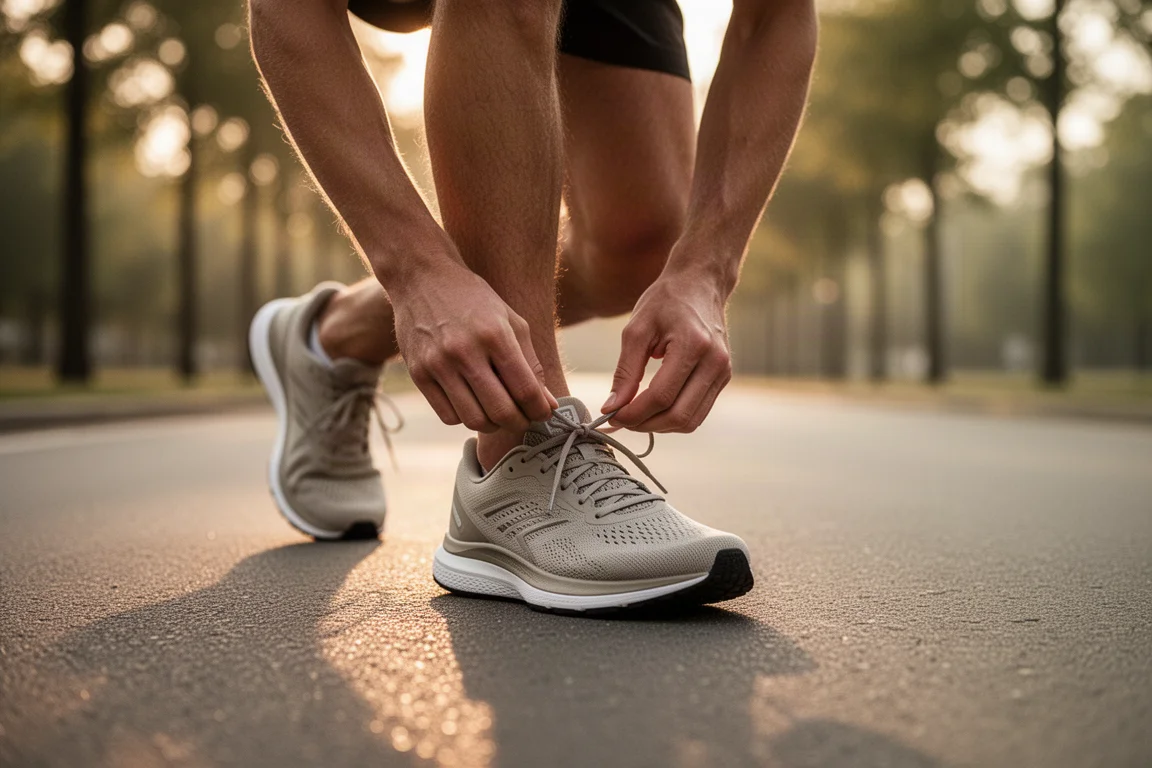
If you are choosing between the two, the decision mostly comes down to ride feel. The 25 is softer and more flexible in the forefoot, while the 26 returns to the firmer character the Rider line is traditionally known for. Both use Mizuno Energy in the midsole, both keep a 12 millimeter drop, and both are aimed at everyday training rather than racing.
Mizuno Wave Rider 25: Softer and More Flexible
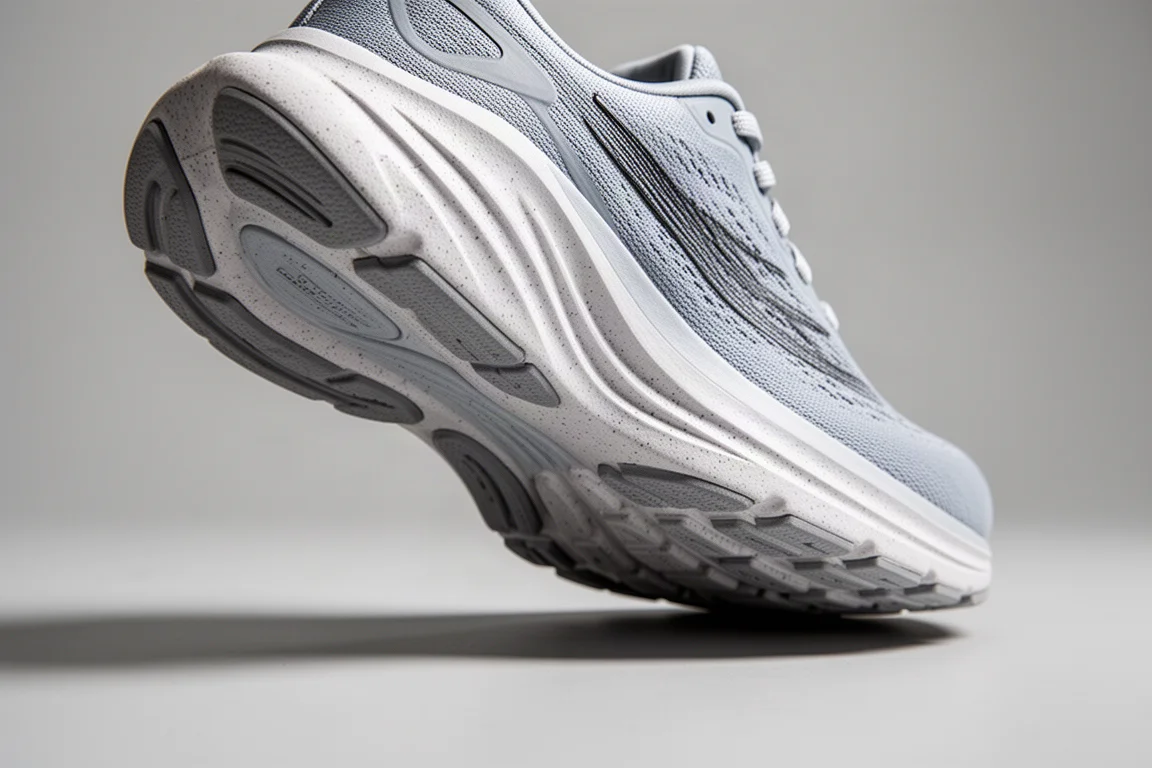
The Wave Rider 25 was a surprise in one key way: it features far more flexibility in the forefoot than you might expect from this line, and the ride is much softer than previous Riders, which are typically on the firmer end. That shift comes from the full-length Mizuno Energy midsole in this version.
On foot, the softer feel changes the character of the shoe. The Mizuno Energy in the 25 compresses a lot more, and the 12 millimeter drop almost feels closer to 10 millimeters, depending on where you land. The 25 also weighs slightly less at 9.7 ounces, and it still feels like a shoe where you can pick up the pace a little. The Rider has long been that kind of trainer: mostly a daily shoe, but able to handle some performance work when needed.
The upper is lighter and more breathable than the newer version, which matters if you run in warm conditions or prefer a less structured fit. If you found previous Riders too firm, the 25 is the version most likely to change your mind.
Mizuno Wave Rider 26: Firmer and More Traditional
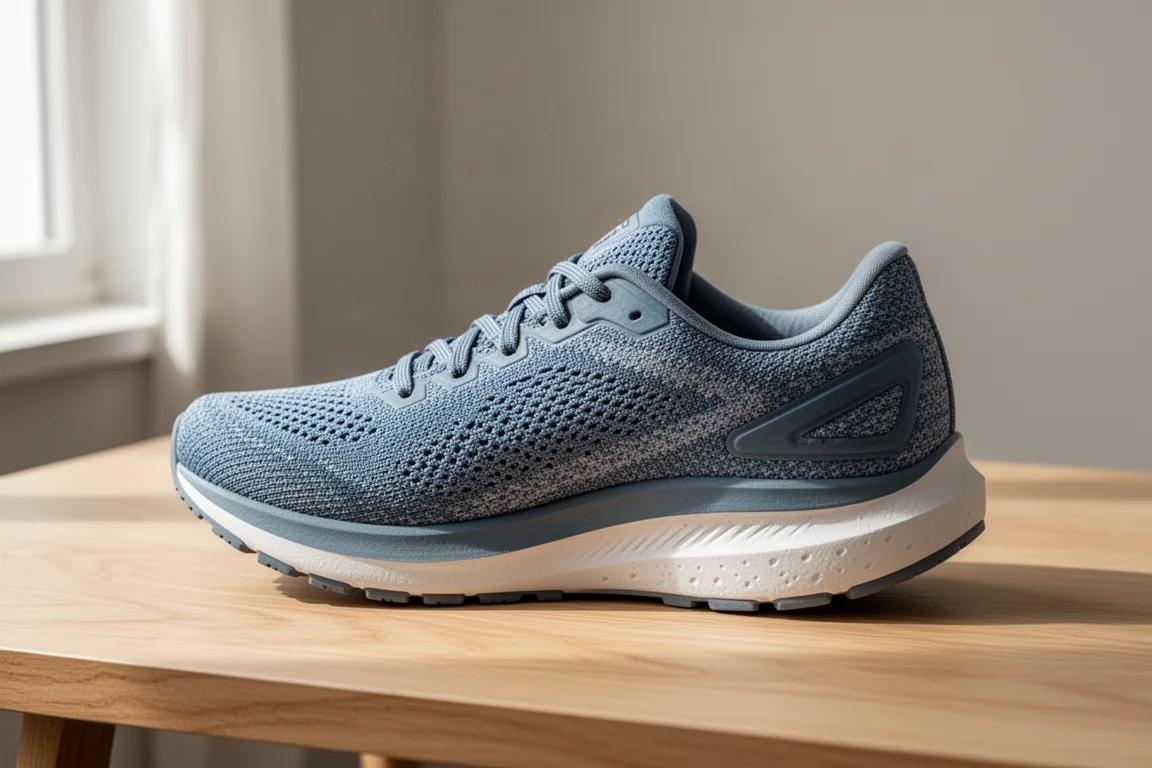
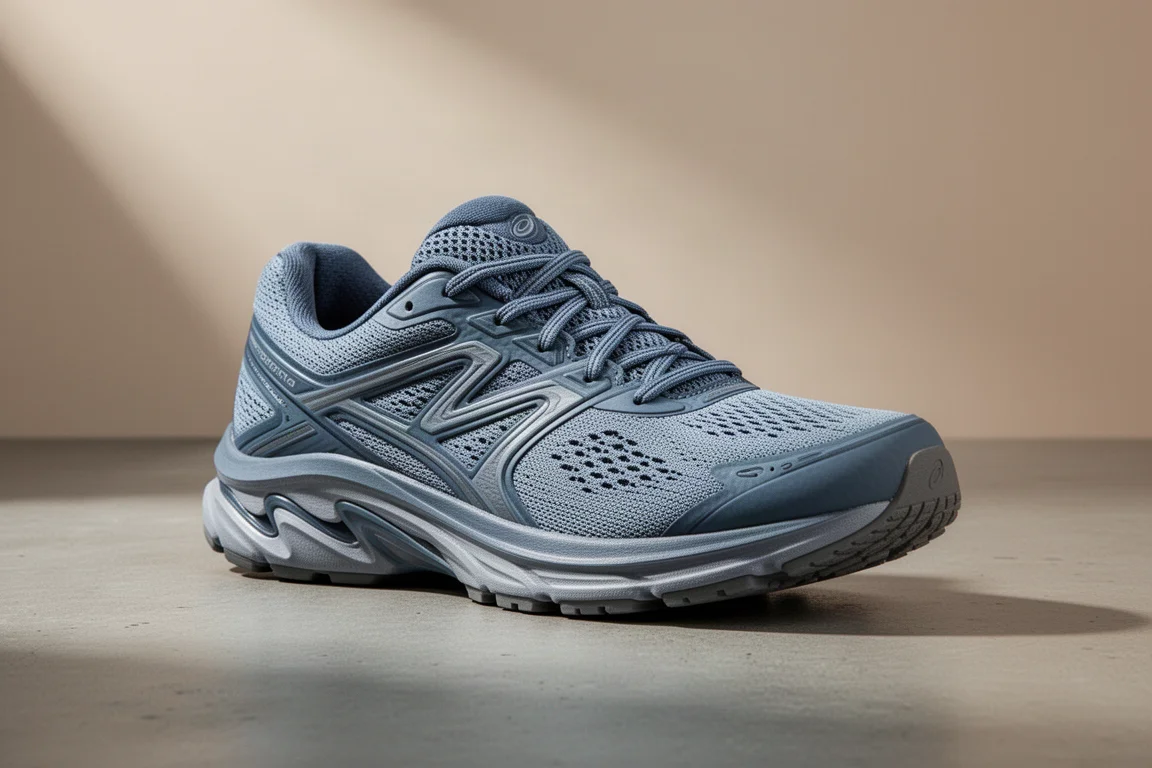
The Wave Rider 26 moves in the opposite direction. The stack height feels a little higher, the shoe gains weight to 10 ounces, and the ride definitely gets firmer, going back to the firmer feel most people associate with the Rider line. Mizuno also added a lot of stiffness, so the 26 does not have the same forefoot flexibility as the 25. Runners who did not like that flexibility in the 25 are likely to prefer the 26.
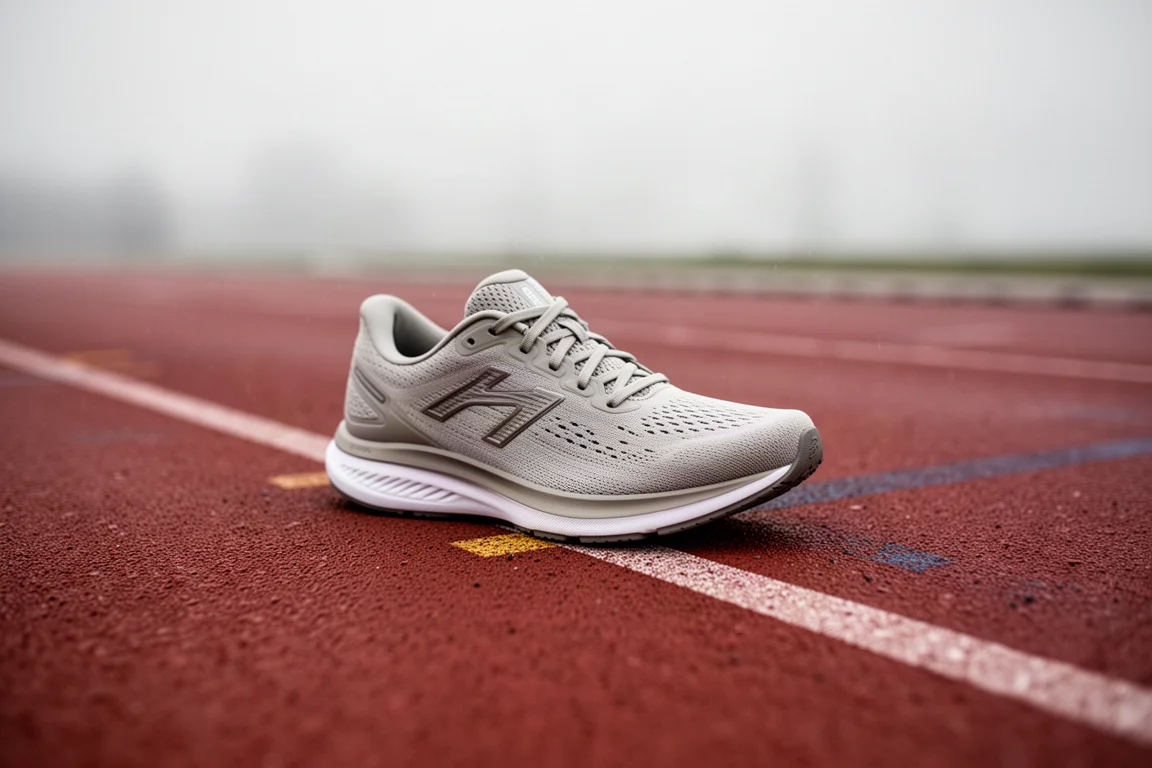
Because the sole is stiffer, the 12 millimeter drop feels much more noticeable here than it did in the 25. The 26 is not a shoe that encourages faster running the way the 25 can. It feels like a heavier, more traditional trainer, meant for easy runs and long runs. If you dislike a high drop, it is probably not the best option for you.
Which Wave Rider Should You Buy?
The clearest way to decide is to start with ride feel. If you want a softer, more flexible daily trainer that can still stretch to quicker sessions, the Wave Rider 25 is the better match. Its lighter, more breathable upper and slightly lower weight also make it the easier shoe to run in day after day.
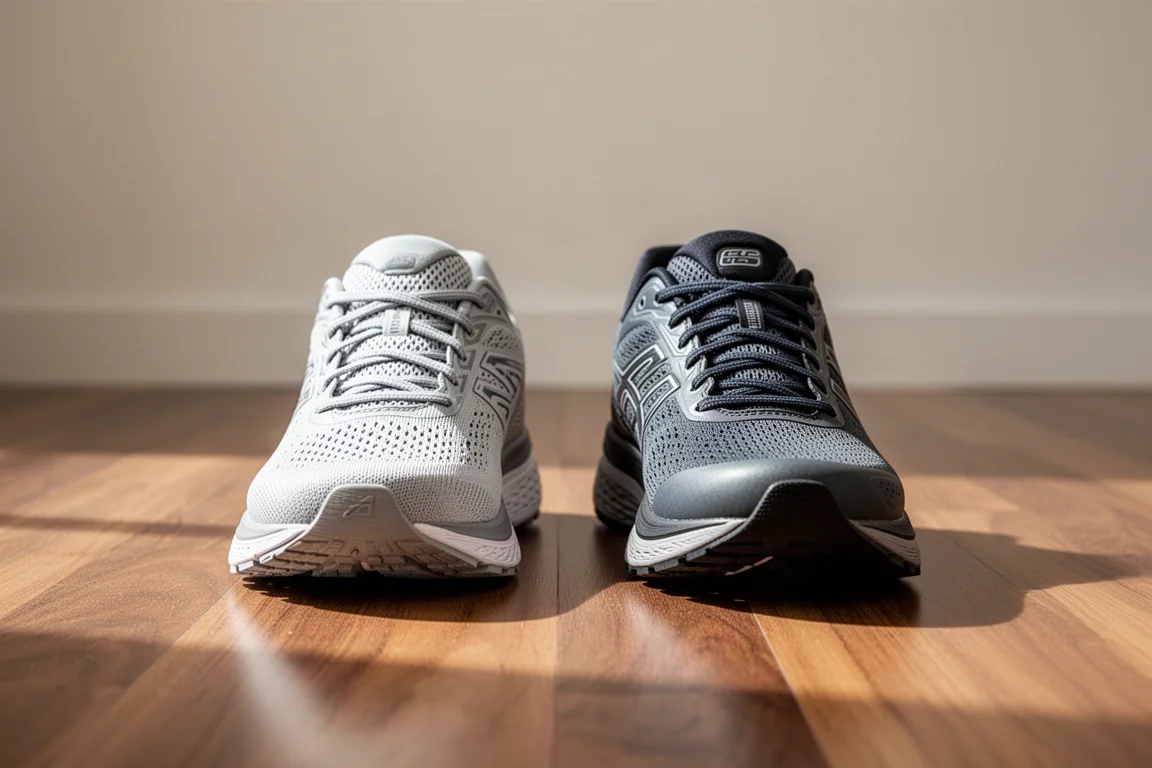
If you prefer the firmer, more structured ride the Rider line is traditionally known for, and you mainly want a stable shoe for easy and long runs, the Wave Rider 26 delivers exactly that. Its thicker upper adds structure, and the stiffer sole makes the 12 millimeter drop unmistakable.
Conclusion
The Wave Rider 25 and 26 are similar on paper but very different on the road. The 25 is softer, more flexible, slightly lighter, and better suited to picking up the pace. The 26 is heavier, firmer, and stiffer, built for easy and long runs in a more traditional package. Choose the 25 for a plusher, faster-feeling trainer, and the 26 if you want the classic firm Rider experience.
Further reading
Related Reviews

Running Shoes
Best Road-to-Trail Running Shoes: Three Versatile Options for Mixed Terrain
A practical guide to three road-to-trail running shoes that handle both pavement and mild trails, with clear strengths and trade-offs for different runner types.

Running Shoes
Best Running Shoes for Achilles Tendonitis: Three Options Explained
Three running shoes with different heel drops and support features designed to help reduce Achilles tendon pain during walking and running.

Running Shoes
Best Running Shoes for Women: Five Top Choices Ranked
A ranked guide to five women's running shoes, from versatile daily trainers to high-performance racing options, with real strengths and trade-offs for each.