Running Shoes
Mizuno Wave Rebellion Review: A Light, Durable Daily Trainer Moving in the Right Direction
After 50 miles of testing, the Mizuno Wave Rebellion stands out for its new PEBA midsole, tough outsole, and secure heel, with a wave plate and price worth weighing.
Introduction
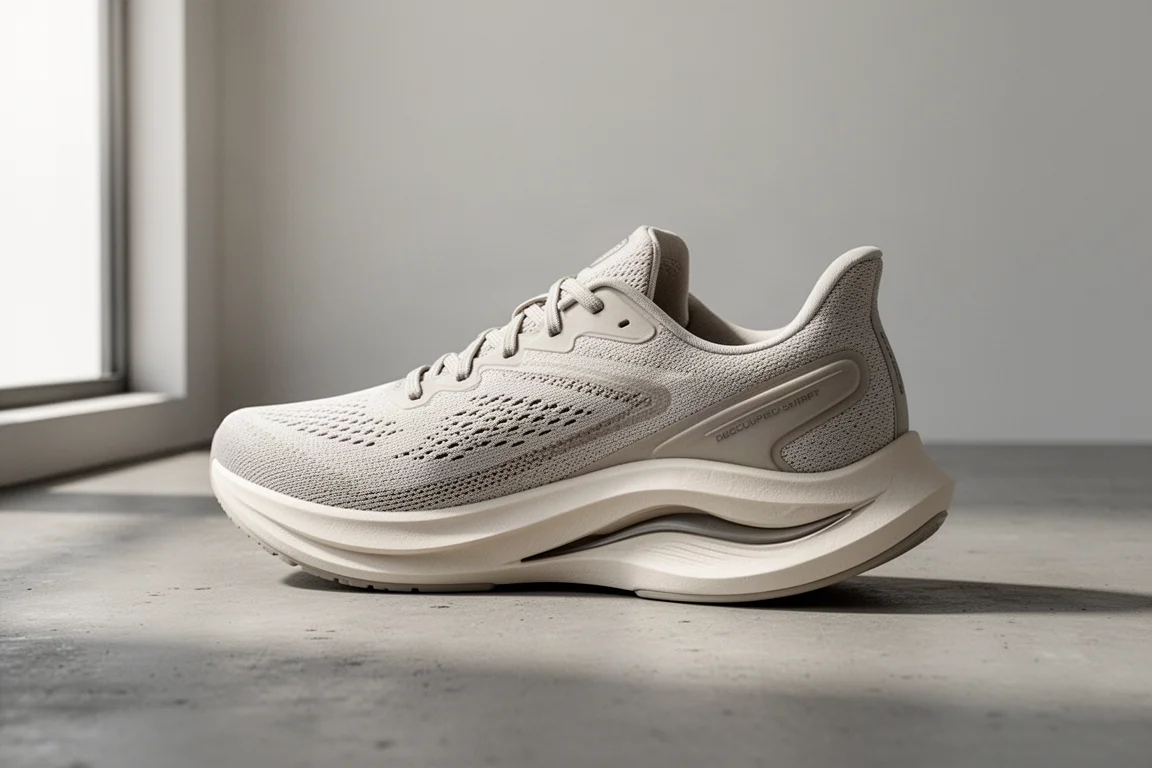
Mizuno has been working its way back into our rotation, and the Wave Rebellion is the latest sign of progress. This neutral road shoe finally made it through a full 50 miles of testing, reached in just four or five days during a high-volume stretch, and it survived that process comfortably. The short version: the new foam is a genuine step forward, the build quality is excellent, and the wave plate is a matter of taste.
First Impressions After 50 Miles
Out of the box, the Wave Rebellion is impressively light. Our men’s size 9 sample came in around 7.7 to 7.8 ounces, which converts to roughly 221 to 222 grams. That puts it only about 0.2 to 0.3 ounces heavier than the Saucony Endorphin Speed 2, a shoe it inevitably gets compared to given the similar price bracket ambitions.

The upper is a single-layer engineered mesh that is very breathable, with a semi-gusseted tongue and minimal overlay. The heel counter deserves special mention: it is stout and structured without being overbuilt with bulky plastic, creating an excellent heel pocket with absolutely no slipping. The only small fit nitpick is that the tongue runs a little long at the top.
Midsole: Mizuno Energy Light PEBA Foam Meets the Wave Plate
The headline feature is the Mizuno Energy Light midsole, a PEBA (polyether block amide) foam that Mizuno calls its lightest and bounciest ever. On its own, this foam delivers a genuinely nice energy ride.
The catch is Mizuno’s signature wave plate embedded in the midsole. It creates a slightly firm landing and a stiffer, less fluid ride through foot strike, which blunts some of the foam’s natural pop. It is easy to imagine the ride scoring higher, and the shoe weighing even less, without the plate in there. That said, the wave is part of Mizuno’s identity, so it is a give and take rather than a flaw.
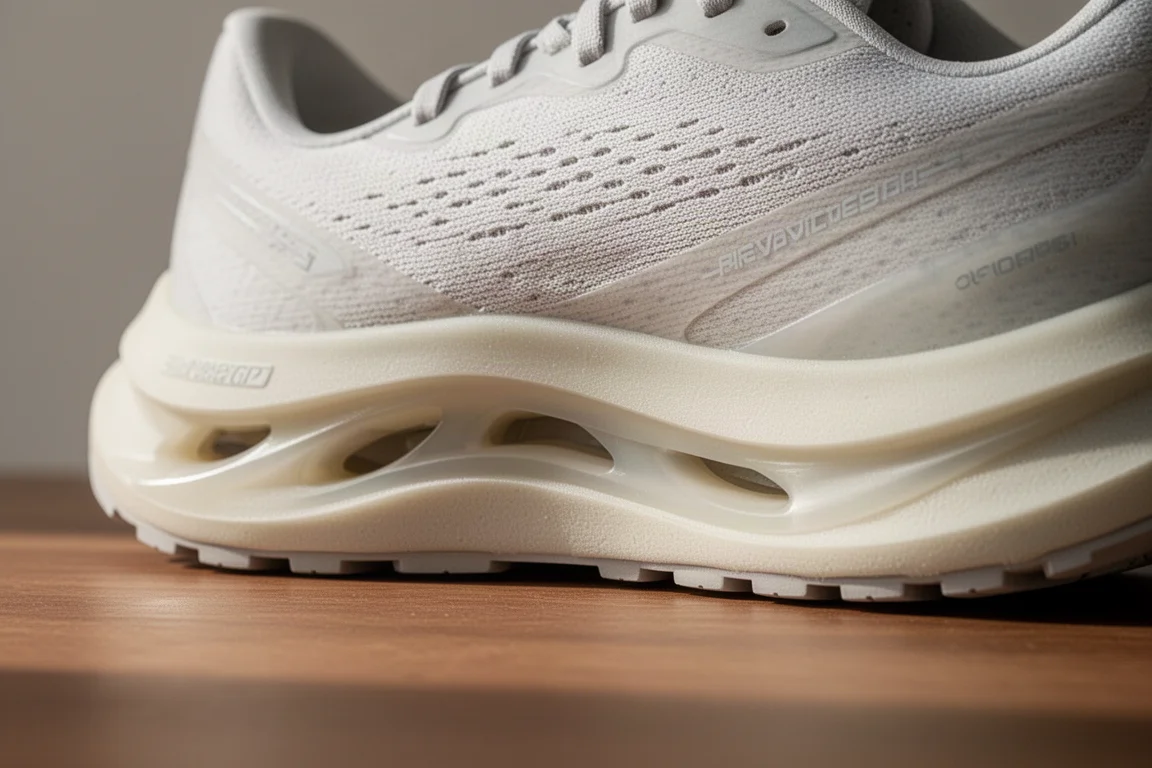
Stack specs: an 8mm heel-to-toe drop with 36mm in the heel and 28mm in the forefoot, landing in the medium to high stack range. The twist test showed a little more give than expected for a shoe with a plate, landing in neutral territory.
Outsole: Built Like a Tank
The outsole is a highlight. It features small nub-like rubber lugs and a very aggressive decoupled groove running from the heel, the deepest we have seen. If anything, there may be slightly more rubber than strictly necessary, particularly through the midfoot, and trimming it would save a little weight.
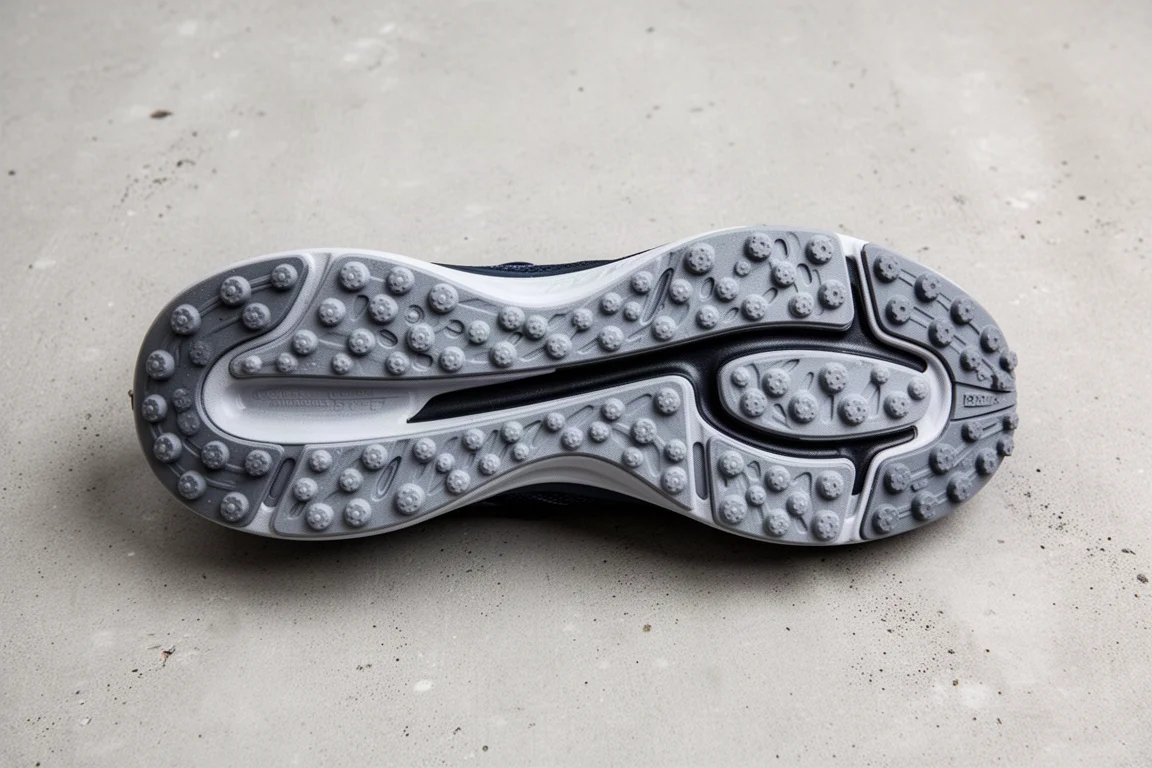
The trade-off is durability, and here the Wave Rebellion excels. The high build quality suggests it could easily push toward 600 or 700 miles depending on your volume. Along with Asics, Mizuno is one of the companies we look to for nearly overbuilt construction, in the best sense.
Fit and Comfort
Fit is true to size with a standard, comfortable shape: no issues with width through the toe box, midfoot, or heel. The comfort score dips slightly, again tracing back to the wave plate, since the foot strike is firmer than the foam itself suggests.
How It Fits Into Your Rotation
This is first and foremost a daily trainer, and a solid long-run option thanks to the cushioned stack. It is also light enough that picking up the pace on fartlek days, and tempo days to a certain extent, is realistic.

Things to Consider Before Buying
The biggest consideration is price. At $180, the Wave Rebellion competes directly with the Saucony Endorphin Speed 2, which sits around $160. It is not an Endorphin Speed and does not feel quite like one, but the comparison is hard to avoid, and $180 felt a little pricey for what the shoe delivers. If the price comes down, the overall score goes up.
Buying Advice
If you value durability, a secure heel, and a light everyday trainer, and you do not mind a slightly firmer, stiffer ride from the wave plate, the Wave Rebellion is worth a look. If you want maximum softness and bounce per dollar, alternatives in the $160 range may serve you better for now.
Conclusion
The Wave Rebellion scores a solid 7.5 out of 10, straight down the middle. It is not a standout at 7.8 or 7.9, but it is a clear step forward for Mizuno: a great PEBA midsole foam, superb build quality, and a ride that suggests the brand is heading in the right direction.
Product link
View more details for Mizuno Wave Rebellion
This product is mentioned in the review. Check the specifications, options, and compatibility before buying.
View more details for Mizuno Wave RebellionFurther reading
Related Reviews

Running Shoes
Best Road-to-Trail Running Shoes: Three Versatile Options for Mixed Terrain
A practical guide to three road-to-trail running shoes that handle both pavement and mild trails, with clear strengths and trade-offs for different runner types.

Running Shoes
Best Running Shoes for Achilles Tendonitis: Three Options Explained
Three running shoes with different heel drops and support features designed to help reduce Achilles tendon pain during walking and running.

Running Shoes
Best Running Shoes for Women: Five Top Choices Ranked
A ranked guide to five women's running shoes, from versatile daily trainers to high-performance racing options, with real strengths and trade-offs for each.