Running Shoes
Mizuno Wave Rebellion Pro 3 Low First Run Review: A Racer That Feels More Normal
Mizuno trims the wild stack of the Wave Rebellion Pro 3 to create a livelier, more stable carbon racer at an appealing $230 price.
Introduction
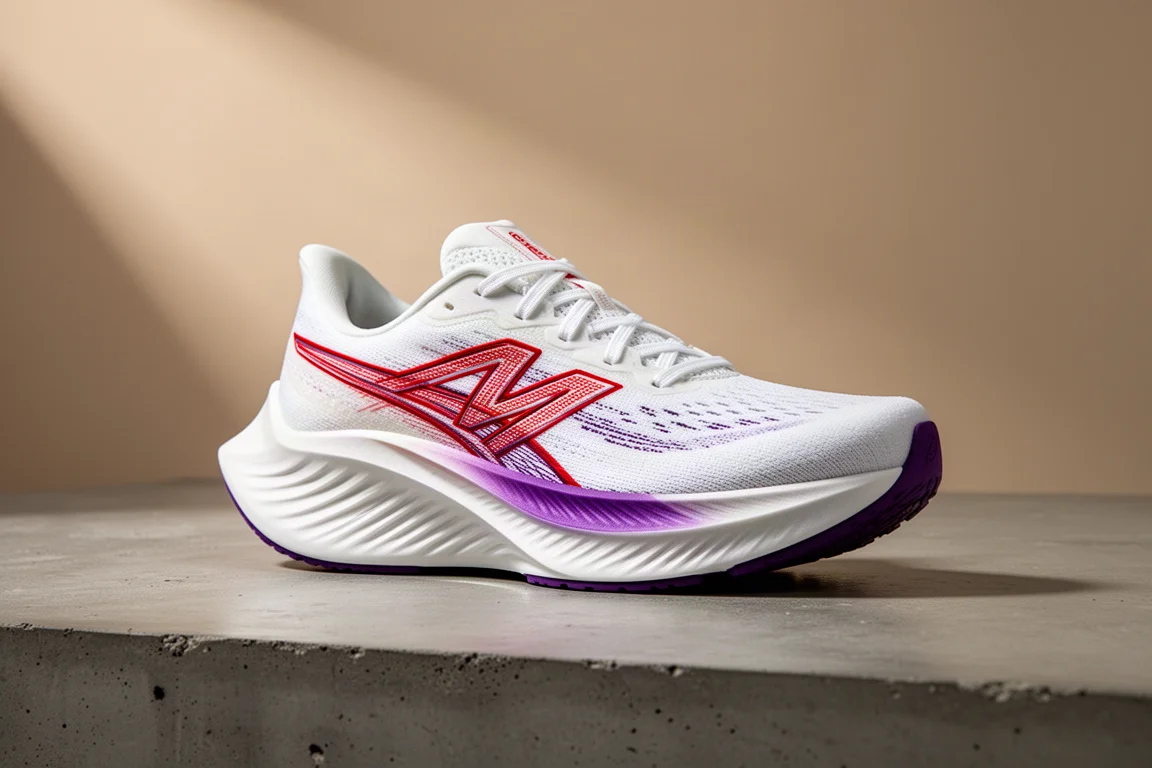
Mizuno is one of the most underrated names in the racing shoe world, and the Wave Rebellion Pro 3 Low is the clearest proof of why. It takes the wild, experimental geometry of the Wave Rebellion Pro 3 and reshapes it into something far more approachable: a lower heel, a more normal on-foot feel, and a friendlier platform for a broader range of runners.
The headline numbers are notable. The rear stack measures around 45 mm, roughly 10 to 13 mm lower than the original Pro 3, and the shoe weighs about 232 grams in this sample. It keeps the carbon fiber plate, the Mizuno Energy XP foam, and the aggressive forefoot rocker, while the price lands at $230, one of the most affordable entries among new-generation carbon racers.
Who This Shoe Is For
This is a racing shoe first and foremost. It is not a daily trainer or a comfort shoe, and it is not trying to be. The low version is aimed at runners who found the original Pro 3’s towering, squishy heel too strange but still want a lively, aggressive platform with real speed assistance.
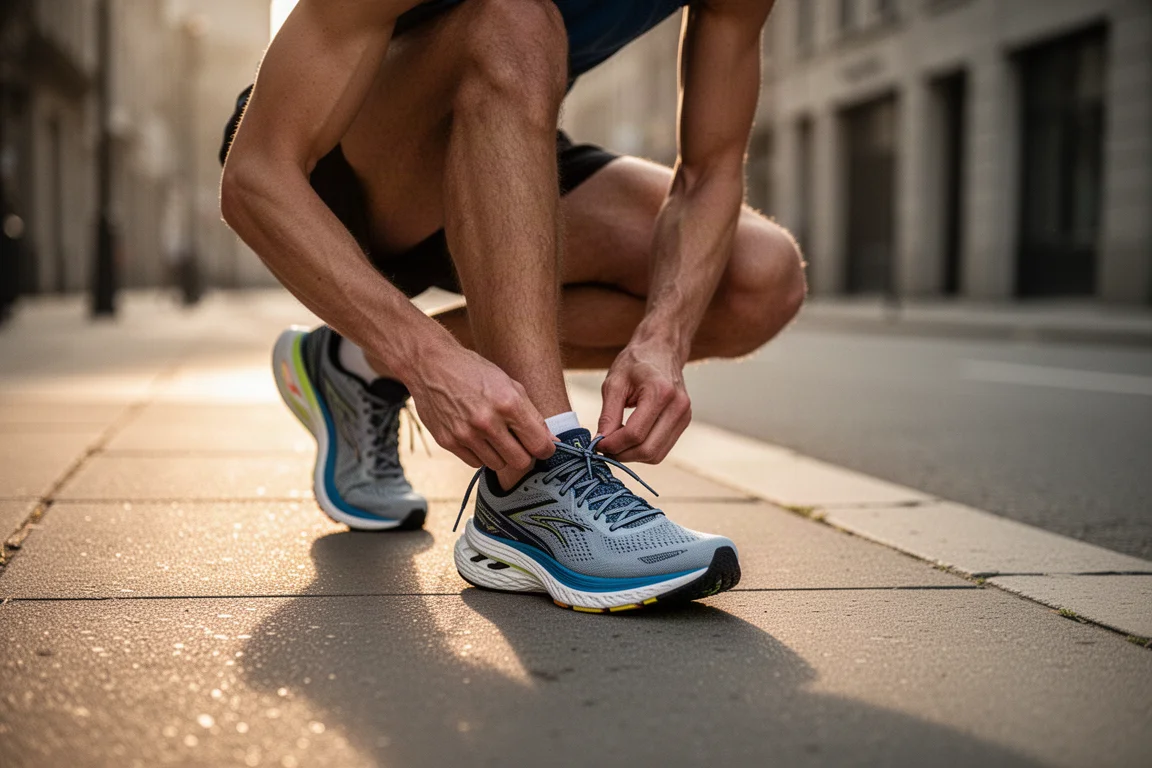
It makes the most sense for midfoot and forefoot strikers who run fast workouts and race days in the 5K to marathon range. If you want one shoe you can race and do occasional hard training in, this fits that brief well.
Main Strengths
The ride is the story here. In this lower formulation, the foam reads noticeably firmer than the original Pro 3, landing closer to a Goldilocks zone: still soft and lively, but not squishy. When you put power down on the forefoot, it snaps back immediately, making it a genuine speed-pace shoe with excellent bite up front.
Stability is a major step up. The reduced midfoot stack and lower heel make it feel wider, more planted, and far less weird than the standard Pro 3, especially on turnarounds and sharp turns. It also delivers good cushioning and protection without the beat-up feeling that some aggressive racers cause.
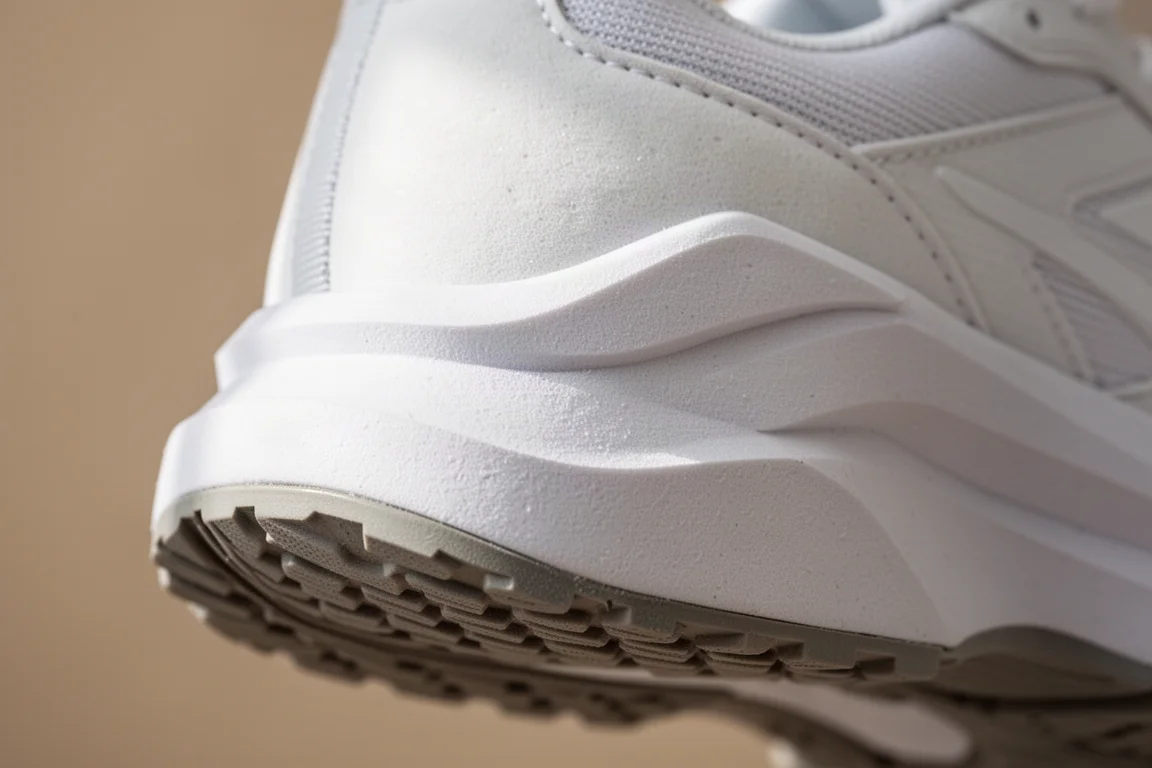
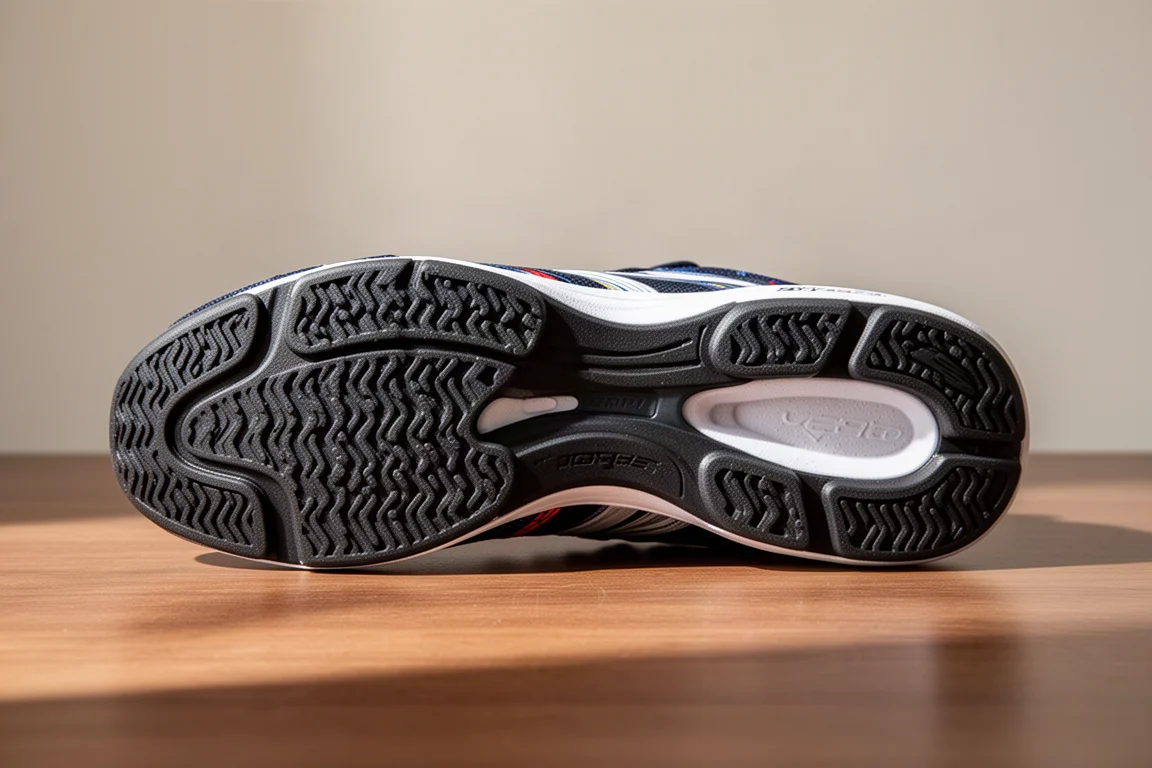
Durability is another underrated strength. The outsole has extensive rubber coverage, far more than most competitors in this category, and the previous Pro 2 held up well over long training blocks. The trade-off is weight: that rubber and the foam density mean this is not the lightest racer on the market.
Things to Consider Before Buying
The weight is the main caveat. At around 232 grams, this sits at the heavy end of the current carbon racer field, and shaving 10 mm of stack only saved about five grams per shoe compared with the 237-gram original. Modern foams are simply so light that most of the mass comes from the upper and the rubber.

If you are chasing the absolute fastest, lightest platform for marathon day, shoes like the adidas Adios Pro 4 or lighter rivals may still sit a step ahead. The upside of that extra mass is a firmer, denser, more robust feel, which is exactly what some runners prefer.
Buying Advice
Against the market, the value case is strong. At $230, this delivers top-tier foam technology and a carbon plate at a price undercutting most premium racers, which would easily run $300 elsewhere. It sits roughly one step below the very fastest new releases, with a character closer to a dialed-up, firmer, more fun daily-speed weapon.
Runners who dislike super-soft supercritical foams and prefer to push power into a firmer platform will find this a particularly good match. If you liked the feel of firmer racers in the past but want something more modern and fun, this is an easy recommendation at A-minus territory, with fair pricing that pushes it close to the top of its class.
Conclusion
The Mizuno Wave Rebellion Pro 3 Low is a fun, fast, protective racer that finally makes the Pro 3 platform accessible to ordinary runners. It trades a little weight for a much more normal, stable, and durable ride, and at $230 it stands out as one of the best value propositions in the carbon racing category. If Mizuno can lighten the foam in a future update, this could climb to the very top tier. For now, it is a big thumbs-up for anyone wanting something different from the usual big-brand racers.
Product link
View more details for Mizuno Wave Rebellion Pro 3 Low
This product is mentioned in the review. Check the specifications, options, and compatibility before buying.
View more details for Mizuno Wave Rebellion Pro 3 LowFurther reading
Related Reviews

Running Shoes
Best Road-to-Trail Running Shoes: Three Versatile Options for Mixed Terrain
A practical guide to three road-to-trail running shoes that handle both pavement and mild trails, with clear strengths and trade-offs for different runner types.

Running Shoes
Best Running Shoes for Achilles Tendonitis: Three Options Explained
Three running shoes with different heel drops and support features designed to help reduce Achilles tendon pain during walking and running.

Running Shoes
Best Running Shoes for Women: Five Top Choices Ranked
A ranked guide to five women's running shoes, from versatile daily trainers to high-performance racing options, with real strengths and trade-offs for each.