Running Shoes
Mizuno Wave Rebellion Pro 1 vs 2: Which One Deserves a Spot in Your Rotation?
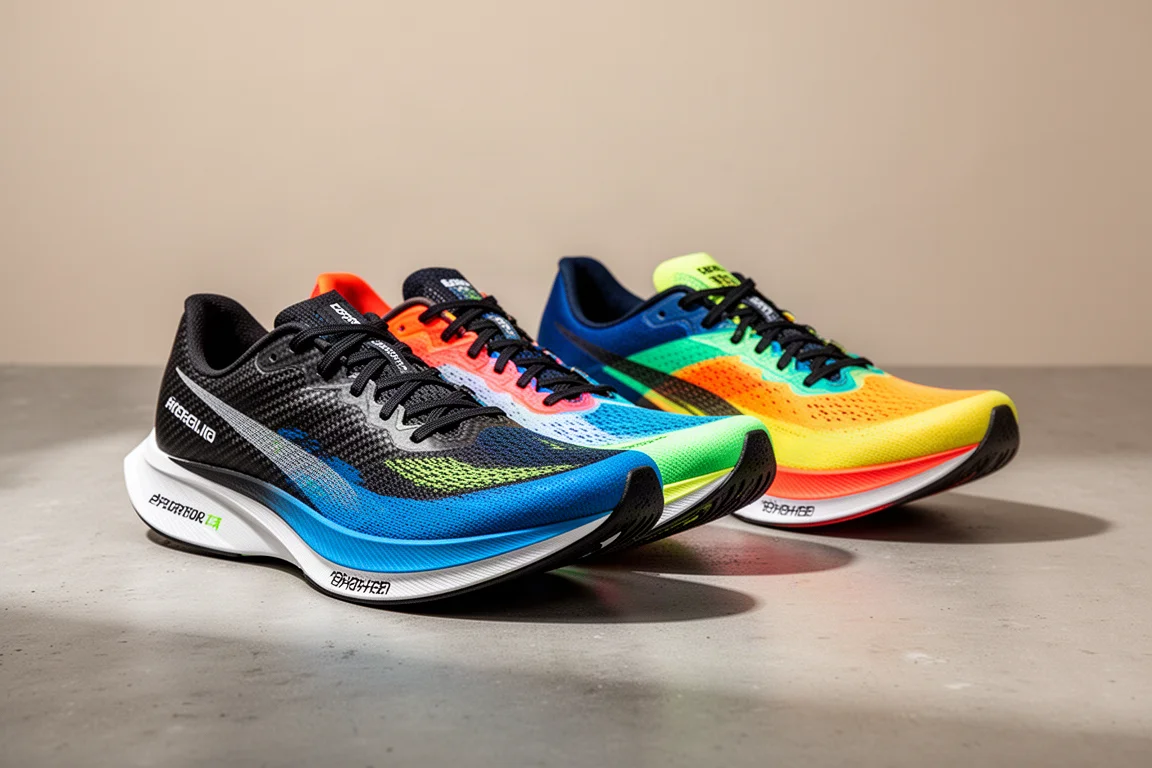
Both versions weigh the same and share the same foam family, but changes to the midfoot, base width, and heel bevel make version two a very different racing shoe.
Introduction
The Mizuno Wave Rebellion Pro line made waves with its aggressive heel bevel, and version two doubles down on that identity. We spent time testing both the original and the updated model to answer the most common question: which one should you buy? The short answer is that version two is the better marathon racer for most runners, but version one still has qualities worth considering, especially if you value a more secure upper and the ability to log easy miles in your race shoe.
Weight and Midsole: Same Mass, Different Stack
Both shoes weigh exactly the same: 7.6 oz (215 g) for a men’s size 9 and 6.3 oz (178 g) for a women’s size 8. That is genuinely light for a super shoe. They are not at the very lightest end of the market, but both feel like true racing shoes on foot.
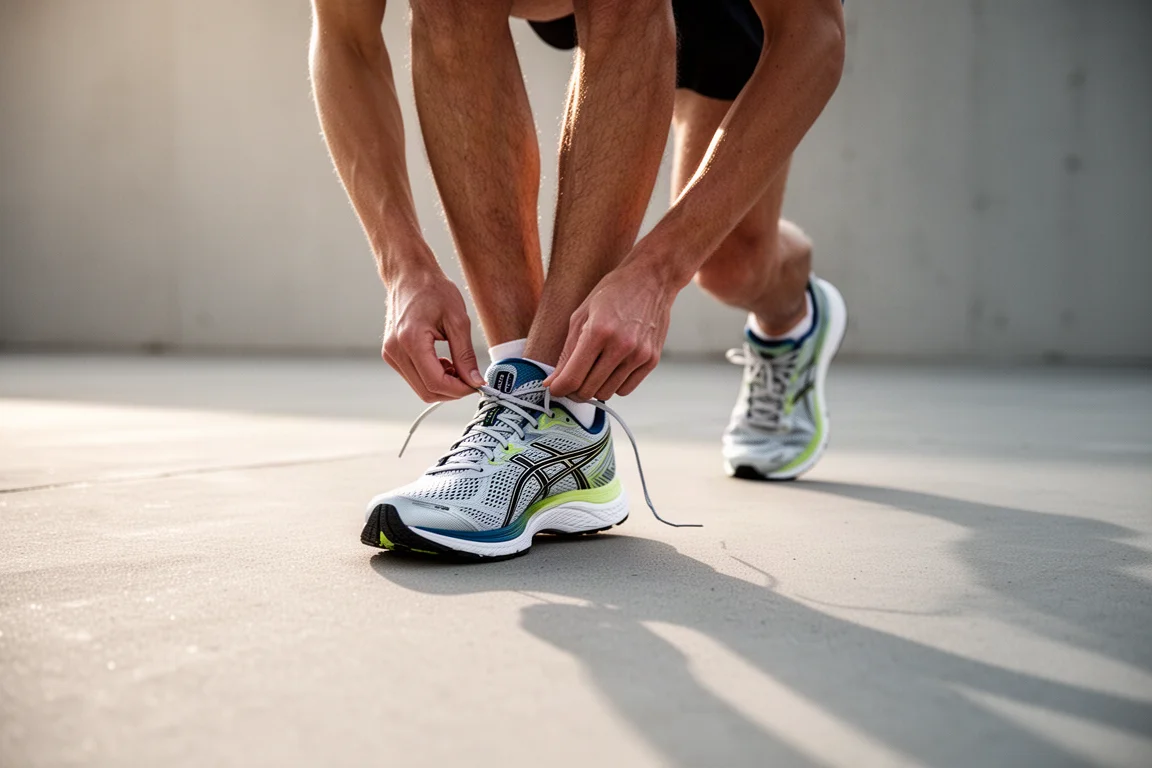
Where things change is the stack. Version one measures 39 mm in the heel and 34.5 mm in the forefoot for a stated 4.5 mm drop. Version two drops to 38 mm in the heel and rises to 36.5 mm in the forefoot, giving a stated 1.5 mm drop. On foot, however, neither shoe feels like a near-zero-drop shoe: version two feels closer to a 4 mm drop, and version one sits around the 6 mm range in practice.
Both use Mizuno foams, with Energy and Energy Plus in the mix. Version two carries 32% more Energy Plus in the midsole, which Mizuno says was designed to make the shoe bouncier and more responsive. That claim holds up: version two simply feels faster than version one. Version one’s foam reads as slightly more muted, which is part of why it works surprisingly well for easy running while version two does not.
Stability and Midfoot Changes
Version one had a medial cutout in the midfoot that many runners found unstable, describing a sensation of collapsing inward between initial contact and push-off. Version two fills that cutout in and widens the base, producing a noticeably more stable feeling overall.
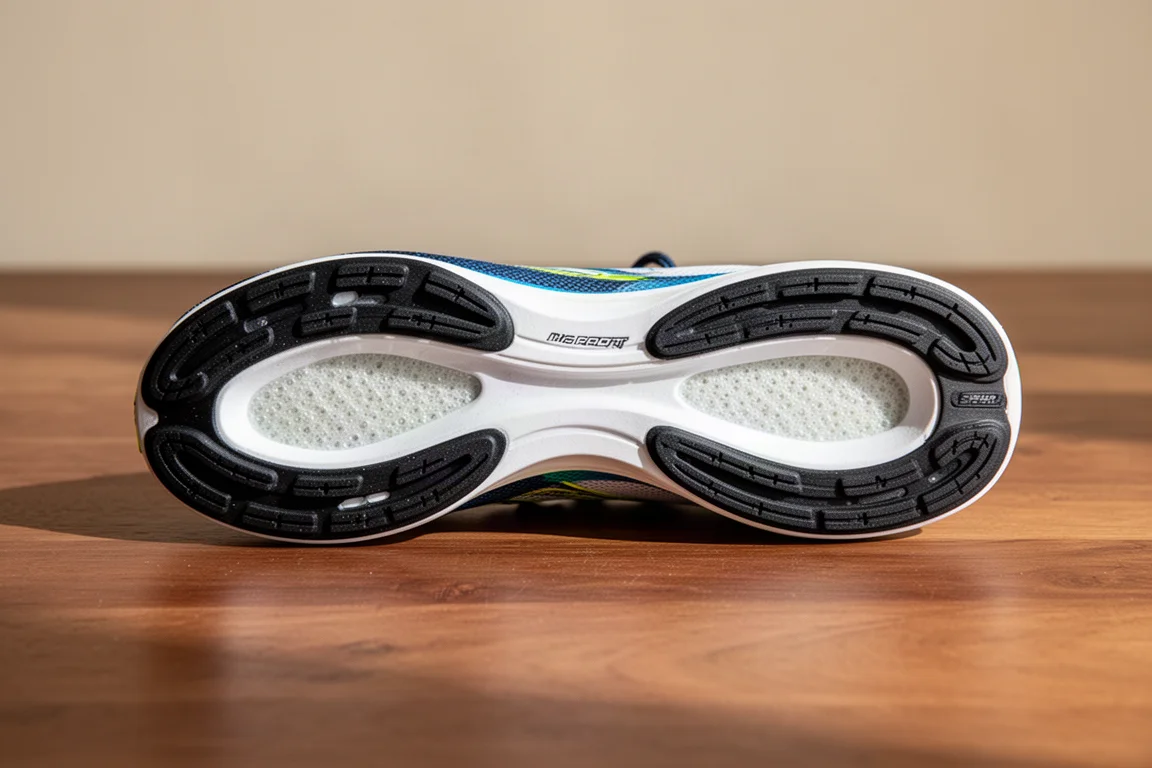
The filled-in midfoot piece is the biggest change, but the wider base in version two makes a real difference too. Runners who felt uneasy in the original will find version two far more planted through the gait cycle.
Upper, Fit, and Sizing
Version one fits a little more securely than version two, mainly because of the heel counters. Version one has more padding and a semi-flexible heel counter with a rigid piece for structure. Version two’s heel counter is extremely flexible with a smaller rigid piece, so initial heel security feels slightly weaker. Once the laces are dialed in, that problem mostly disappears, but some runners will miss the extra structure of the original.
On sizing: version one runs short, and nearly everyone needed to go up a half size, with the fit still feeling slightly snug for a full marathon. Version two also runs a half size up, but offers more length plus additional width in the toe box and midfoot. The more squared-off toe box gives extra room at the first metatarsal head, which makes a real difference over 26.2 miles.
How Each Version Rides
Version one made headlines with its extreme heel bevel, and it works best when you land on or near the apex of that bevel. It handles easy long runs without issue and feels best at marathon pace, though threshold or half marathon pace intervals can work. Anything faster and the ride stops feeling right, because landing further forward sacrifices the rocker push.
Version two pushes the heel bevel significantly further forward, giving it a more aggressive ride. Easy long runs are not its strength; it is fine for warm-ups and cool-downs, but it is not the shoe to pick for a block of easy miles.

At marathon and half marathon pace, version two feels perfectly tuned: landing just in front of the bevel apex shoots you forward into a smooth push-off, with the wide base eliminating excess medial-lateral movement. At significantly faster paces the rocker benefit fades and the ride becomes more of a pogo feel, so a different shoe is a better choice for short intervals.
The honest caveat: where each shoe shines depends on your mechanics and where you land at a given pace. A heel striker might not engage version one’s bevel apex until 10K pace, so trying both, or at least testing your race-pace mechanics, matters more than any general recommendation.
Recovery Feel and Final Verdict
One quality shared by both versions stands out: noticeably less next-day fatigue and soreness after long runs compared with other super shoes. An 18-mile run with 8 miles at marathon pace left legs feeling fresher than expected. This may relate to the extreme heel bevel and how it rewards midfoot landing, so runners with similar biomechanics may find a lot to like.

Between the two, version two is the clear marathon pick. It is bouncier, more stable, roomier in the toe box, and better fitted for the full distance. Version one remains a solid choice if you can find it and prefer a more structured heel and a shoe that tolerates easy mileage better, but for racing your best marathon, version two is the one to reach for.
Conclusion
The Wave Rebellion Pro 2 refines nearly everything that divided opinion in the original: the midfoot cutout is gone, the base is wider, the toe box is roomier, and the extra Energy Plus makes it feel faster and more responsive. The trade-off is a slightly less structured heel and a ride tuned specifically for half marathon and marathon pace. If you are choosing one shoe for race day, version two is the stronger pick; version one remains a worthwhile alternative if its fit and softer, more versatile feel match your running better.
Product link
View more details for Mizuno Wave Rebellion Pro 2
This product is mentioned in the review. Check the specifications, options, and compatibility before buying.
View more details for Mizuno Wave Rebellion Pro 2Further reading
Related Reviews

Running Shoes
Best Road-to-Trail Running Shoes: Three Versatile Options for Mixed Terrain
A practical guide to three road-to-trail running shoes that handle both pavement and mild trails, with clear strengths and trade-offs for different runner types.

Running Shoes
Best Running Shoes for Achilles Tendonitis: Three Options Explained
Three running shoes with different heel drops and support features designed to help reduce Achilles tendon pain during walking and running.

Running Shoes
Best Running Shoes for Women: Five Top Choices Ranked
A ranked guide to five women's running shoes, from versatile daily trainers to high-performance racing options, with real strengths and trade-offs for each.