Running Shoes
Mizuno Wave Rebellion Flash 3 Review: A Comfort-Oriented Speed Trainer With a Wild Geometry
The Wave Rebellion Flash 3 trades raw snap for a smooth, protective, aggressively rockered ride at 264 grams. Here is who it will click for and who should skip it.
Introduction
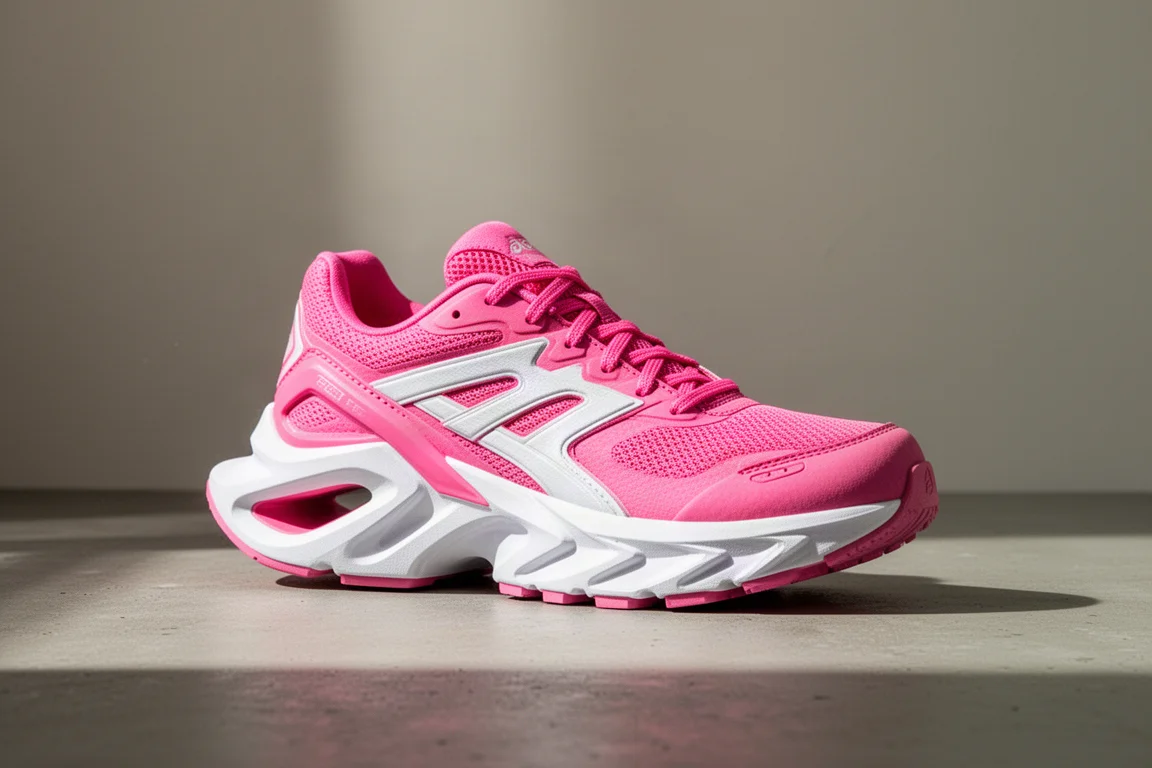
Mizuno has been quietly building a reputation as a comfort-oriented speed brand, and the Wave Rebellion Flash 3 is the latest piece of evidence. This is the third generation of the line, positioned as a speed training shoe: faster than a daily trainer, less aggressive than the Wave Rebellion Pro 3 and Pro 3 Low carbon race shoes that sit above it in the lineup.
On paper, the numbers are competitive. The Flash 3 weighs in at 264 grams in a tested size, lighter than most of its direct rivals while carrying a huge stack of foam. At $180 it undercuts the $230 race shoes in Mizuno’s own range, though it sits well above some strong competitors like the Adidas Evo SL at $150.
The headline question with this shoe is straightforward: does the aggressive geometry work for you, or against you?
Who This Product Is For
This is not a basic shoe. The Flash 3 is built around Mizuno’s signature aggressive rocker and heel bevel, a cutout in the back of the midsole that forces you up onto your midfoot. That same geometry appears in the Wave Rebellion Pro race shoes and in the Neo Vista 2, though the Flash 2 had a noticeably sharper cut than this version appears to carry.
That makes the shoe a natural fit for a specific kind of runner: forefoot or midfoot strikers who spend a lot of time in zone 3 and faster, who want cushioning and protection without losing the encouragement to push pace. If you land with a high cadence and pop off the forefoot, this shoe rewards you. If you are a heel striker, or you need stability in a shoe, it is a poor match, and the bevel will likely feel bothersome rather than helpful.
The intended role is clear too. Mizuno already has the Neo Vista 2 as the long run cruiser and the Pro 3 and Pro 3 Low as race weapons. The Flash 3 slots in between as the pick-up-the-pace training shoe, and it executes that role well.

Main Strengths
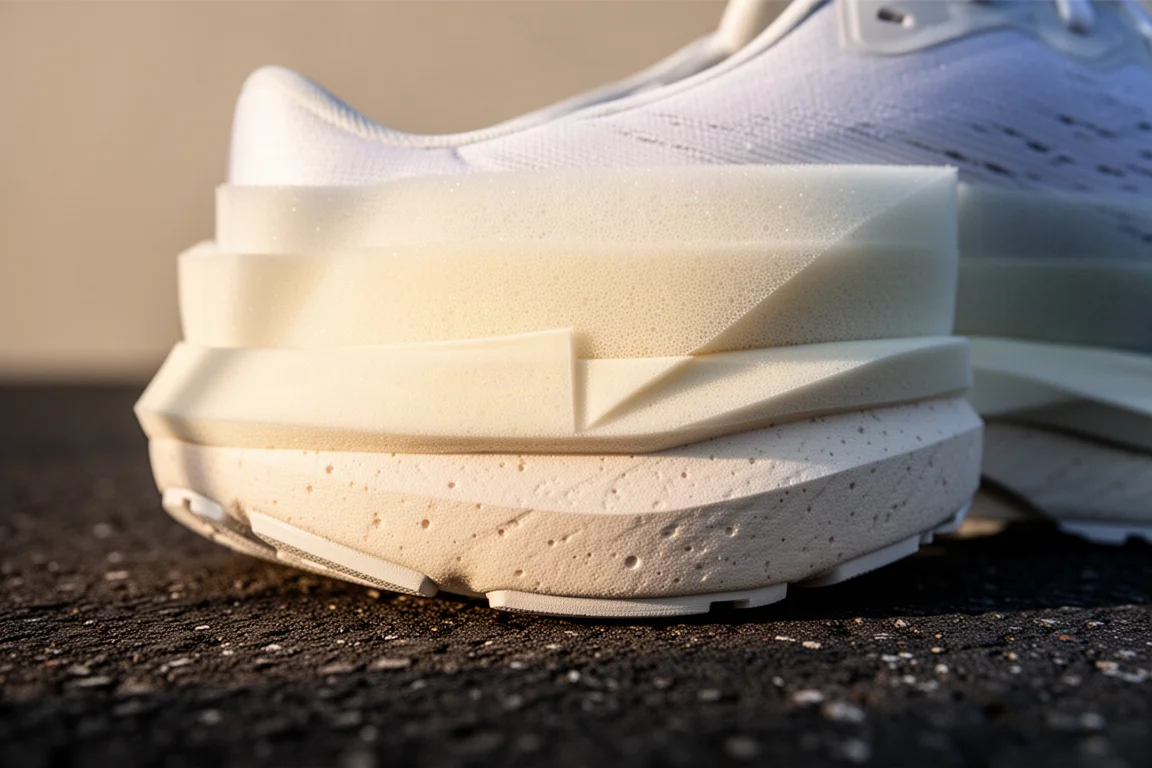
The stack is out of control in the best sense. Measured at the heel, the platform reads around 50 millimeters, with the foam wrapping nearly 60 millimeters up the back of the shoe, kept World Athletics-legal by the geometry of the platform. Even at the toe-off point you are pushing above 30 millimeters of foam. For comparison, the Saucony Endorphin Speed 5 measures in the low 30s at the heel.
The dual-foam setup is a big part of what makes it work. The top layer is Mizuno’s Energy XP race foam, the same name used in the Pro 3 Low, and it feels softer and more comfortable on the step-in than expected. The bottom layer is Energy Next, the compound found in the Neo Vista 2, providing the protection and cushioning base. Between them sits a glass fiber infused nylon plate. Where some dual-foam shoes let one layer overpower the ride, here the bottom foam contributes comfort rather than a slowing-down effect.
Step-in feel is soft and bouncy, the weight is genuinely light at 264 grams, and the fit is true to size, more standard than the Neo Vista 2, which runs long for many people. The rocker itself is excellent, and once you find the right landing zone, the shoe just flies. Landing on the forefoot sweet spot delivers a ton of pop and bounce.
The honest caveat: it did not feel as lively and bouncy as expected. It is more about the roll and the cushion than raw snap on toe-off. The closest comparison is a higher-stack, more aggressive-geometry, slightly more comfortable Boston 13. It is easy to turn over, but it does not provide race-shoe levels of speed assistance, and pushing hard at the end of a fast run, it did not deliver the bite of a true racer. What you give up in snap, you get back in comfort and protection. Hard efforts on hills left legs feeling noticeably less beat up than in a carbon race shoe.
Things to Consider Before Buying
Fit is good but slightly narrow. Wearing slightly thicker socks, there was noticeable narrowness on one side, reminiscent of a sock-style upper, so wide-footed runners should try before buying.
The heel bevel is the defining trade-off. It is very aggressive and very noticeable, and it makes this a specialized zone 3-and-faster shoe rather than an everyday option. Do not buy this as a daily trainer or a walking shoe. It practically begs you to pick up the pace; most running in it will be at 7-minute-mile pace and faster. Unlike the very stiff plate in the Brooks Hyperion Max 3, though, the Flash 3’s plate has some give and flexibility, which is part of why the comfort is surprising.
One more pricing consideration. At $180 it is a fair price, but the competition is tough: the Evo SL is $150 and the Hyperion Max 3 is only $20 more. Unless you are specifically drawn to something new and different, the value case is not automatic.
How It Compares in the Category
The Flash 3 competes directly with three established speed trainers. The Saucony Endorphin Speed 5 is the category standard, lighter at 258 grams with a much lower stack, a solid all-rounder that never wows. The Flash 3 is higher, more protective, and better suited to genuinely fast running, without the mushy forefoot feel the Endorphin Speed can show.
The ASICS Sonic Blast is designed as a protective alternative to carbon-plated shoes for longer time on feet, but its ride discourages cranking the pace. The Flash 3 is the opposite: the aggressive bevel actively encourages you to get up on the front foot and go.

The Brooks Hyperion Max 3, at 310 grams, is the mileage cheat code of the group with a huge, extremely stiff plate setup. The Flash 3 offers more comfort and flexibility in a lighter package, but less torque and bite.
Against the Adidas Evo SL, the Flash 3 is more comfortable with a better upper, though both share that beautiful-rocker-but-not-absolutely-fastest character.
Buying Advice
Buy the Wave Rebellion Flash 3 if you are a forefoot or midfoot runner with a high cadence who wants a fun, cushioned, protective training shoe for tempo runs, progression runs, threshold work, or even more forgiving track sessions. It works nicely as a marathon-pace shoe for some runners and as a long-run-with-speed option.
Skip it if you are an aggressive heel striker, need stability, want a daily trainer, or are hunting the absolute fastest ride for racing. If you are running well under 3:15 in the marathon and want maximum bite for 5K and 10K racing, a dedicated race shoe serves you better.
Conclusion
The Mizuno Wave Rebellion Flash 3 is a thumbs-up: a lightweight, high-stack, aggressively rockered speed trainer that prioritizes comfort and protection over razor-sharp snap. It is a distinctive shoe in a category full of safe options, and for the right runner, that distinctiveness is exactly the point.
Product link
View more details for Mizuno Wave Rebellion Flash 3
This product is mentioned in the review. Check the specifications, options, and compatibility before buying.
View more details for Mizuno Wave Rebellion Flash 3Further reading
Related Reviews

Running Shoes
Best Road-to-Trail Running Shoes: Three Versatile Options for Mixed Terrain
A practical guide to three road-to-trail running shoes that handle both pavement and mild trails, with clear strengths and trade-offs for different runner types.

Running Shoes
Best Running Shoes for Achilles Tendonitis: Three Options Explained
Three running shoes with different heel drops and support features designed to help reduce Achilles tendon pain during walking and running.

Running Shoes
Best Running Shoes for Women: Five Top Choices Ranked
A ranked guide to five women's running shoes, from versatile daily trainers to high-performance racing options, with real strengths and trade-offs for each.