Running Shoes
Mizuno Wave Rebellion Flash 2 First Run: A Fast Shoe With a Very Specific Job
A soft, aggressive forefoot-striking trainer that excels at track work and fast days, but demands speed and strong feet to work properly.
Introduction
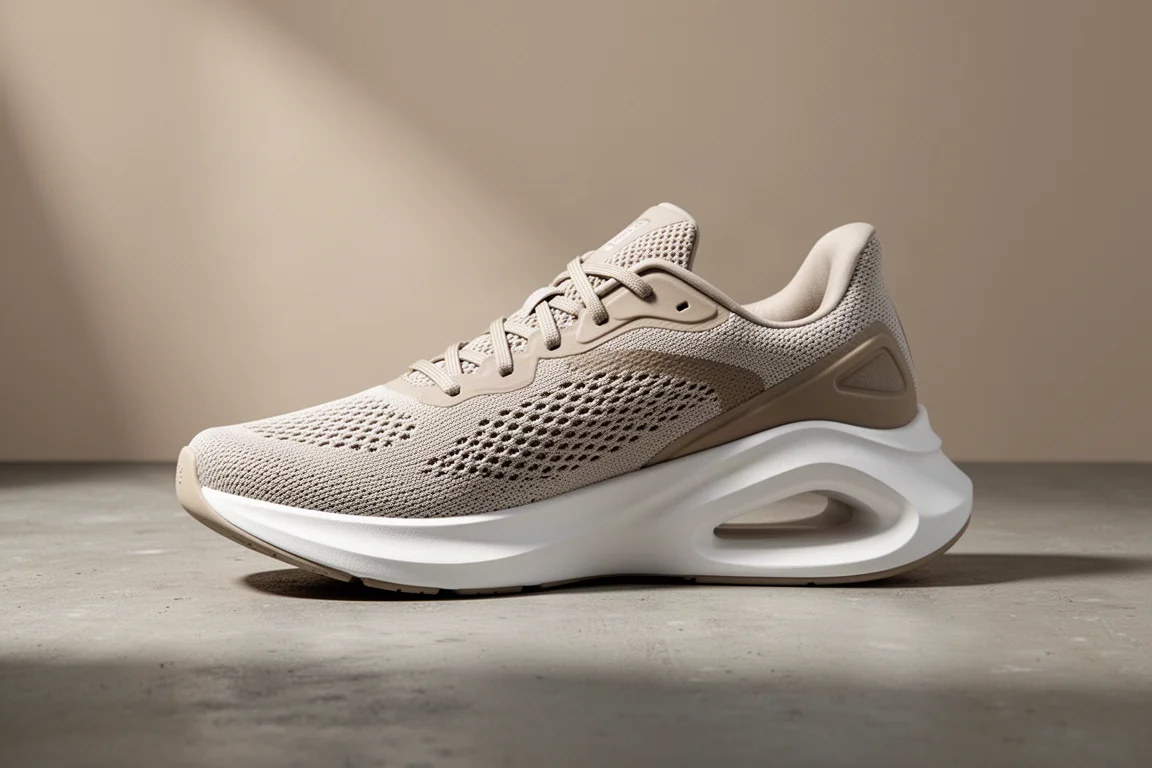
Some shoes try to do everything, and the Mizuno Wave Rebellion Flash 2 is not one of them. After a first session in it, a 6 x 800m workout at roughly 5:30 to 5:40 pace, the picture is clear: this is a fast shoe with a narrow, well-defined purpose. It rewards forefoot striking with a huge bed of soft foam up front and punishes anything that lands on the heel.
It also shares a lot of geometry with the Nike Alphafly, and that comparison runs deep. Both shoes feature a cutout under the heel, and both push you onto the front of the platform. If you have run in the Alphafly, you already have a rough idea of what the Wave Rebellion Flash 2 is asking of you.
How It Feels on the Run
Running up on the forefoot felt great. There is a ton of foam up front, it is comfortable, and it pops you off the ground. It is not as bouncy as something like the Takumi Sen or the Boston 12, delivering more of a soft squish, but when the legs are turning over it feels genuinely good to land up front.
Slower running is where it gets awkward. During warm-ups and recovery jogs, the shoe felt like it forced a shuffle and a more deliberate forefoot strike than usual. Standing flat, the platform almost feels like it slants upward, creating a negative-drop sensation. Landing on the heel does not feel great on the run either.

Fit, Sizing, and the Toe Box
For a size 10.5 with relatively standard-width feet, the toe box and forefoot did not feel tight. There were no discomfort points or hot spots during the run. True to size should work for most runners with standard feet.
It is not a great option for wide feet, particularly through the midfoot, and a wide version does not appear to be offered right now. Wide-footed runners may want to try a half size up, ideally from a retailer with a generous return window such as Running Warehouse, which offers a 90-day return policy. Given the shoe’s unusual feel, that return policy is genuinely useful here.
Sole Geometry and the Drop Question
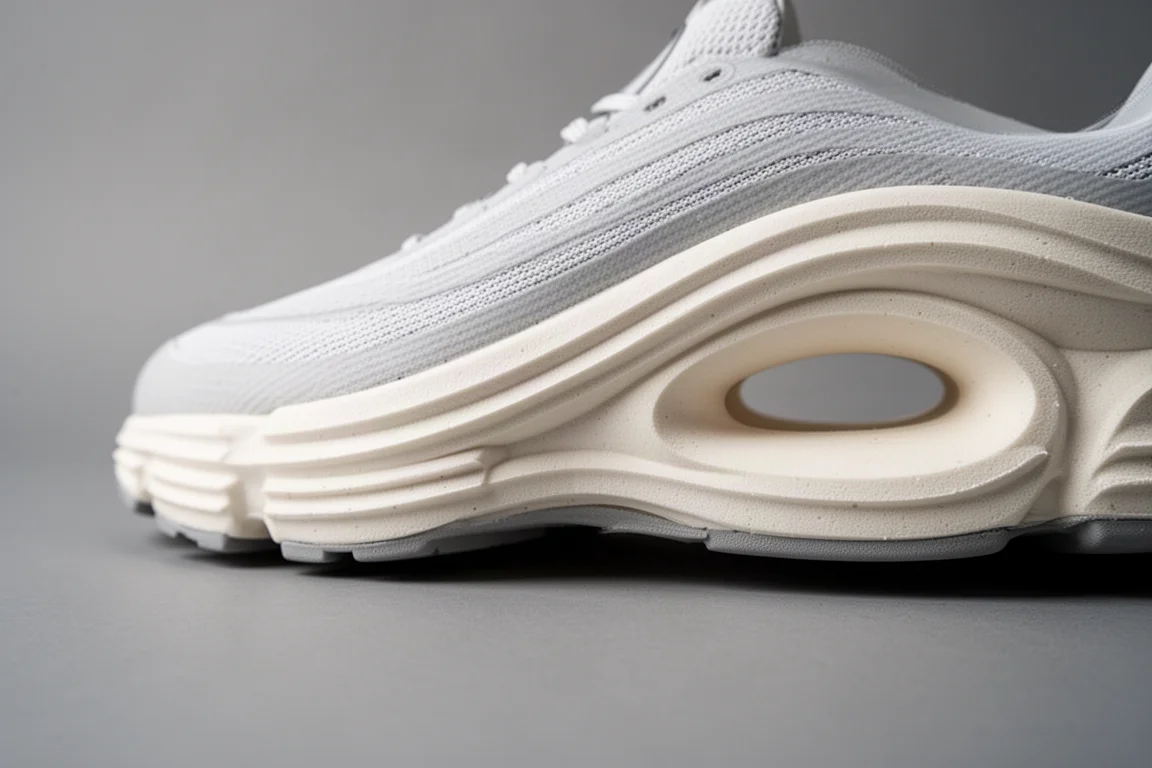
On paper the drop is 0.5mm, which does not mean much in practice, because you will effectively only use the front half of the platform. The sole geometry forces you onto that front platform and rewards planting there and rolling through at the top of the foot.
Compared with the rest of the Mizuno line, this is much more aggressive than anything except the Wave Rebellion Pro, the brand’s marathon racing shoe. If you are used to shoes like the Inspire or Wave Sky, expect something completely different in feel.
Is It a Daily Trainer?
No, and that is the clearest conclusion after the first run. Jogging in it feels awkward and clunky, and even everyday running pace is a stretch for a forefoot striker. Walking in it is not much better.
This seems like a shoe to reserve for track work and days where you know the entire run will be at sub-marathon pace. It is likely less versatile than other plated trainers on the market, at least based on early impressions. The plated trainer category usually promises one shoe that handles the warm-up, the session, the cooldown, and everything after. The Wave Rebellion Flash 2 does not clearly deliver on that promise, which makes it a more specialized proposition.

Overpronation and Stability
Because there is effectively nothing to land on in the heel, the shoe encourages forefoot striking more than any recent shoe in this test rotation, and it punishes midfoot to rearfoot landing with something like a braking force from the middle platform. You can also feel pressure in the arch when standing or walking.
For strong runners whose overpronation comes only from a minor imbalance, this could still work, since it is hard to overpronate while running on your toes. For runners who need serious stability or who lack ankle strength, this is not the shoe. It asks a lot of your feet and ankles to grip the front of the platform.
How the Foam and Plate Feel
The foam is soft and cushioned under the forefoot, softer than the Boston 12 and not as firm, sitting somewhere between that and the softer Saucony Speed 3. It leans toward the Boston 12 end of the plated trainer spectrum: aggressive, fast-running oriented, and optimized for forefoot striking.
The plate is stiff. There is a bit of side-to-side flexibility because it is a plastic plate rather than carbon fiber, but forefoot flexibility is essentially zero. That stiffness rewards landing on the front platform and rolling through. Note that this first impression came from a track run, which is softer than typical road surfaces, so more miles are needed to confirm how the foam behaves on the road.
Comparisons That Actually Hold Up
The Hyperion Max is probably the closest comparison outside the Alphafly, thanks to a similar foam cutout in the rear. If you liked the Hyperion Max but want something firmer for speed training, this could fit well.
The Mach 5 is another reasonable parallel. Both use a softer foam on top with firmer support below, and the plate combined with the softer bottom layer accomplishes a similar ride. The bottom foam here is actually a bit softer than the Mach 5’s standard EVA, so for forefoot strikers the feel should be comparable. It is not a Speed 3 replacement unless your Speed 3 use was exclusively track sessions and fast days, since the Speed 3 is far friendlier at slower paces.
A Serious Track Training Option
For track athletes, this may be one of the best track training shoes tried so far, right up there with the Takumi Sen. For 400 repeats, 800 repeats, or mile work, it offers noticeably more comfort and cushion than spikes or racing flats, and it left the legs feeling fresh even the morning after a hard workout, which is a real benefit during high-mileage training blocks.
Buying Advice
At around $170, the Wave Rebellion Flash 2 sits in the middle of the plated trainer segment, but it behaves more like a specialized fast-day and track tool than an all-in-one plated trainer. Buy it if you are a forefoot striker, you have strong feet and ankles, and you want a protective, comfortable option for track sessions and sub-marathon-pace days. Skip it if you want one shoe for everything, need stability support, or do most of your running at everyday paces. Order true to size if your feet are standard width, and consider a half size up and a retailer with a good return window if your feet are wide.
Conclusion
The Mizuno Wave Rebellion Flash 2 is not trying to be your daily trainer, and it is honest about that from the first stride. As a track and fast-day shoe for forefoot strikers, it delivers a soft, protective, genuinely quick ride. As an everyday option, it fights you the whole way. Know which runner you are before you buy, and this shoe will likely earn its place in the rotation.
Product link
View more details for Mizuno Wave Rebellion Flash 2
This product is mentioned in the review. Check the specifications, options, and compatibility before buying.
View more details for Mizuno Wave Rebellion Flash 2Further reading
Related Reviews

Running Shoes
Best Road-to-Trail Running Shoes: Three Versatile Options for Mixed Terrain
A practical guide to three road-to-trail running shoes that handle both pavement and mild trails, with clear strengths and trade-offs for different runner types.

Running Shoes
Best Running Shoes for Achilles Tendonitis: Three Options Explained
Three running shoes with different heel drops and support features designed to help reduce Achilles tendon pain during walking and running.

Running Shoes
Best Running Shoes for Women: Five Top Choices Ranked
A ranked guide to five women's running shoes, from versatile daily trainers to high-performance racing options, with real strengths and trade-offs for each.