Running Shoes
Mizuno Wave Inspire 20 Review: A Rarer Kind of Stability Shoe
Mizuno's moderate stability shoe gets a softer, more integrated update in version 20, and it still serves a group of runners few other shoes do.
Introduction
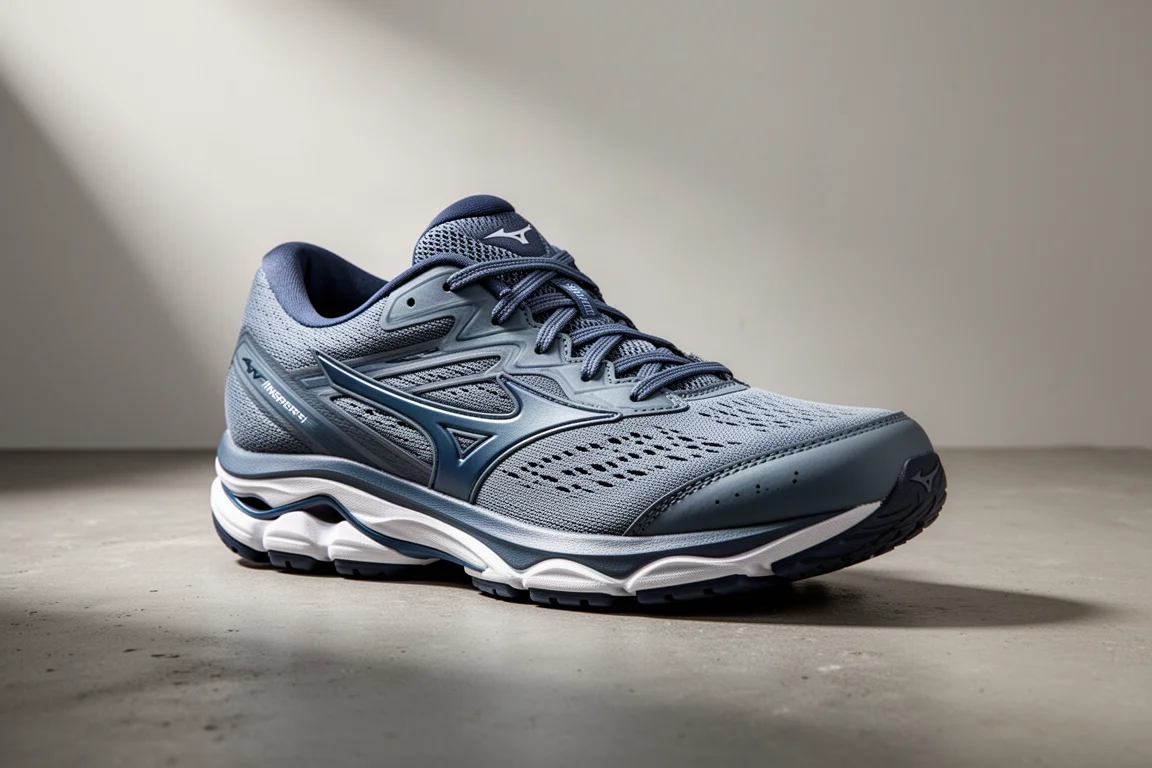
The Mizuno Wave Inspire 20 is Mizuno’s moderate stability shoe, and after two decades of the line, version 20 lands as a milder, smoother take on the formula. The big redesign happened last version, when Mizuno smoothed out the heel and geometry and removed the clunky feel of the Inspire 18. The jump from 19 to 20 is mostly an upper update, but the changes add up to something that feels meaningfully different, and arguably more versatile, than the previous version.
This is not a shoe for everyone, and that is actually the point. It occupies a space that very few shoes still fill, and for a specific group of runners it could be exactly the right choice.
Specs and Ride Feel
In a men’s size 9, the Inspire 20 weighs 10.6 oz. A women’s size 8 comes in at 8.8 oz. The heel stack measures 37.5 mm with a 25.5 mm forefoot for an 8 mm drop according to retailer specs, though Mizuno’s own site lists 38 mm in the heel, 26 mm in the forefoot, and a consistent 12 mm drop. Either way, this remains a higher-drop stability shoe.
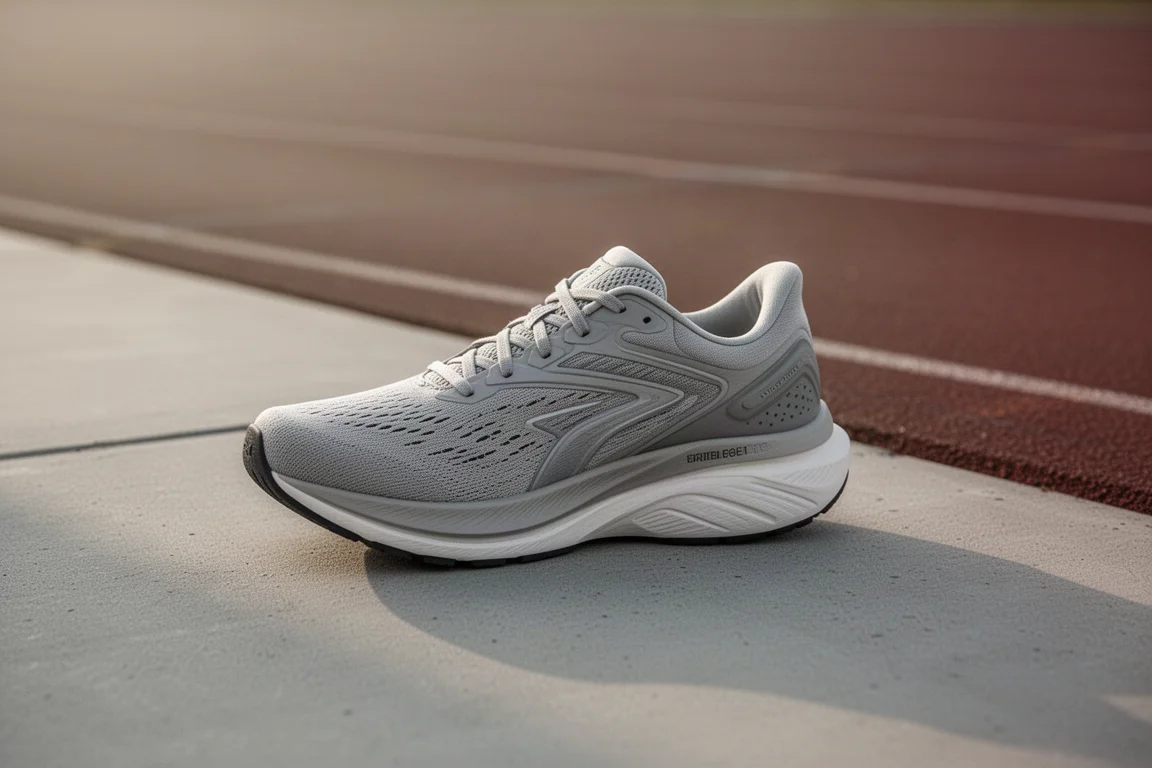
The midsole uses Mizuno’s Enerzy foam in two layers through the length of the shoe. It feels classic Mizuno: a little firmer, a little more solid than the softest modern foams, but the newer foam compounds keep it from feeling heavy despite the scale weight. There is a touch of spring in the ride, and the geometry and bevel at the heel make the 12 mm drop feel closer to 9 to 10 mm in motion. The result is a smooth, consistent ride that is great for daily runs and easy miles, though it is not the shoe you will reach for to pick up the pace.
The Wave Plate Update
The stability in this shoe comes from the wave plate, which is now reportedly plant-based and described as anatomical, meaning it is shaped to follow the arch of your foot. In version 19, there was a noticeable amount of aggressive pressure right in the heel. In version 20, that pressure feels more spread out and more subtle.
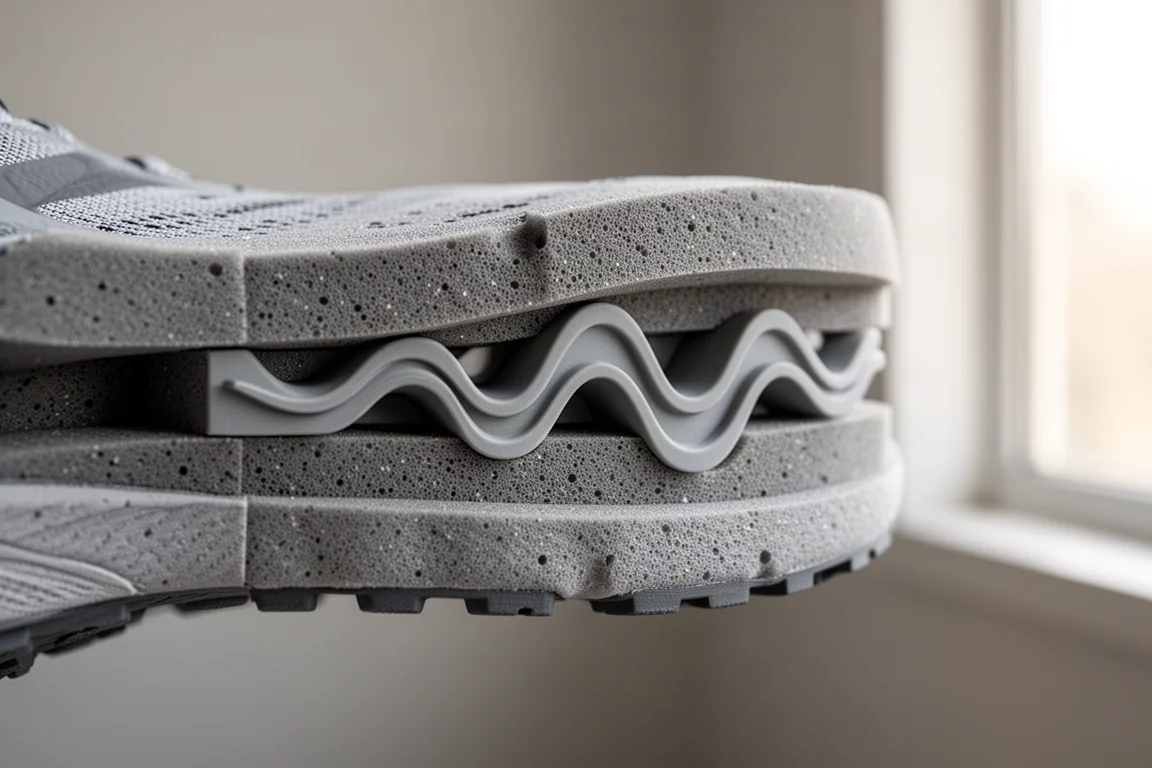
The best way to describe the result is a slightly heavier, more stable Wave Rider. Stability is integrated more throughout the length of the shoe rather than concentrated in one spot, which is why this version sits closer to mild-to-moderate stability than its predecessor. It still feels plenty stable, just in a less intrusive way.
Who This Shoe Is Actually For
This is still a rare 12 mm drop stability shoe; the Brooks Adrenaline is the only comparable option that comes to mind. In an era where most shoes have moved to more moderate drops, it is fair to ask whether a shoe like this is still relevant. The answer is yes, because a specific group of runners genuinely benefits from it.
Current evidence suggests the group most likely to benefit from a stability shoe is runners with a history of pronation-related injuries, where pronation refers to the inward motion of the ankle. That includes posterior tibialis injuries, some Achilles issues, and irritation of the long toe flexor muscles. If you have a history of any of those, a stability shoe may help reduce the risk of recurrence.

There is also a mobility angle. Muscles like the posterior tibialis help point the foot downward, and if that muscle, your calf, or your ankle joint is stiff, you may lack the dorsiflexion needed to get over the front of your foot. Runners with posterior tibialis tendinopathy and stiff calves or limited ankle mobility often find that a higher-drop shoe like this one, or the Adrenaline, simply works better for them.
Fit, Upper, and Comfort
The upper is where version 20 changes the most. There is more volume and a bit more width up top, and the difference is noticeable immediately. Despite the extra room, lockdown remains very good thanks to the inner liner, and the shoe is comfortable enough that wearing it sockless is genuinely viable, though that will not appeal to everyone.
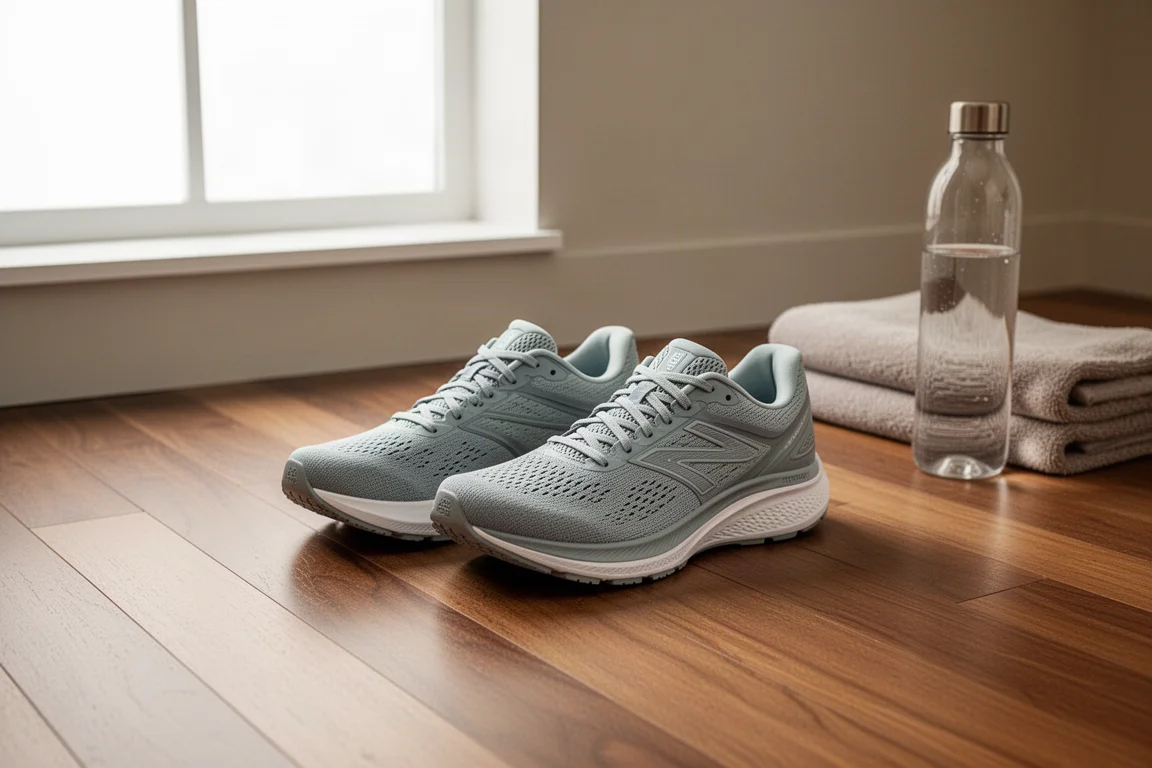
One thing to watch: the heel counter is stiff and the padding around it is a little thin. It did not cause any issues initially, but runners with heel sensitivities should be careful. Outside of that, the fit is secure and the overall package is comfortable for long efforts and easy runs alike.
Buying Advice
A stability shoe does not prevent injuries for everyone. Shoe choice has to be specific to your history and your body. If you have a history of pronation-related injuries, particularly posterior tibialis problems combined with stiff calves or limited ankle mobility, the Inspire 20 is one of the very few shoes built with you in mind. If you are a neutral runner looking for a soft, fast daily trainer, this is not your shoe, and that is fine.
Conclusion
The Wave Inspire 20 is a solid, consistent, moderately stable shoe with a more integrated plate, a roomier upper, and a smoother ride than before. It will only work for a very particular group of runners, but for that group, it remains not just relevant but arguably one of the best options available.
Product link
View more details for Mizuno Wave Inspire 20
This product is mentioned in the review. Check the specifications, options, and compatibility before buying.
View more details for Mizuno Wave Inspire 20Further reading
Related Reviews

Running Shoes
Best Road-to-Trail Running Shoes: Three Versatile Options for Mixed Terrain
A practical guide to three road-to-trail running shoes that handle both pavement and mild trails, with clear strengths and trade-offs for different runner types.

Running Shoes
Best Running Shoes for Achilles Tendonitis: Three Options Explained
Three running shoes with different heel drops and support features designed to help reduce Achilles tendon pain during walking and running.

Running Shoes
Best Running Shoes for Women: Five Top Choices Ranked
A ranked guide to five women's running shoes, from versatile daily trainers to high-performance racing options, with real strengths and trade-offs for each.