Running Shoes
Mizuno Wave Inspire 19 vs Wave Inspire 20: Should You Upgrade?
Mizuno's moderate stability daily trainer got subtle updates in version 20. We compare fit, stability, and durability to help you decide between the older model on sale and the newest version.
Introduction
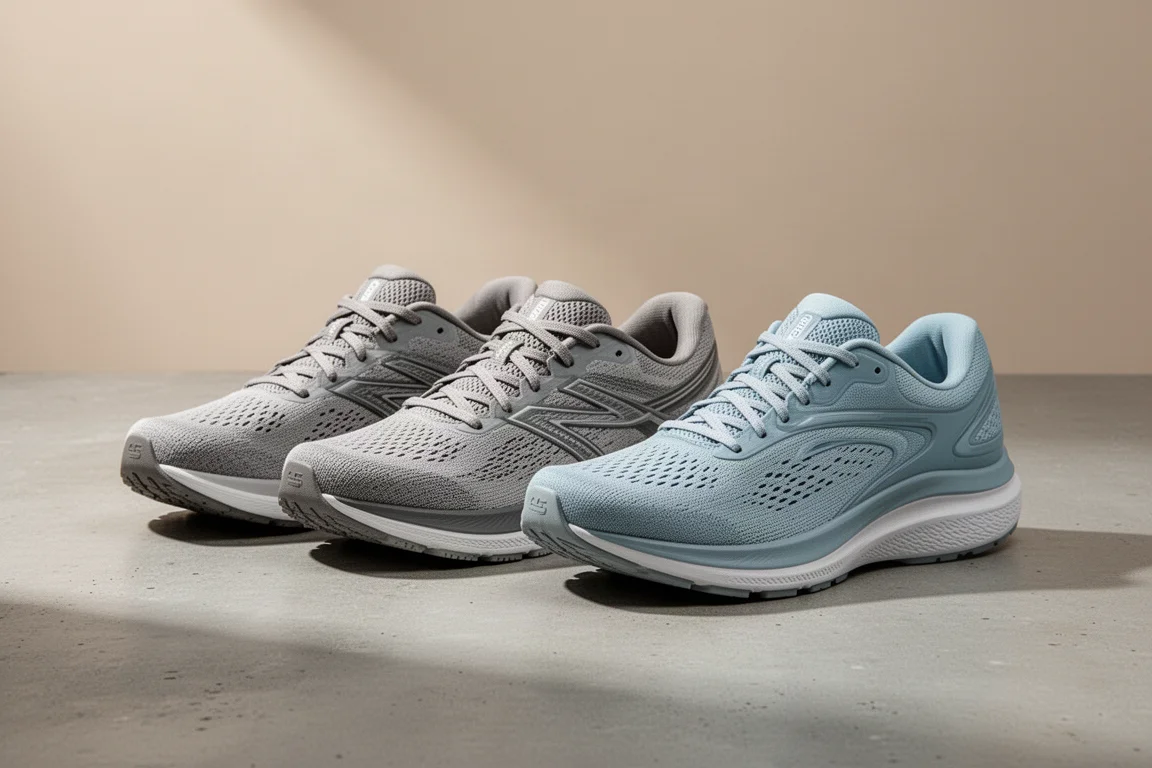
The Mizuno Wave Inspire line is the brand’s moderate stability daily trainer, and the jump from version 19 to 20 is a subtle update rather than a dramatic overhaul. That makes the buying decision genuinely interesting: do you grab the older model while it’s on sale, or pay for the newest version? The differences come down to two things, the upper fit and a plate change that shifts how the stability actually feels underfoot. This comparison walks through both so you can decide which one matches your preferences.
Specs: Closer Than You Might Expect
On paper, the two versions are nearly identical. The Wave Inspire 19 comes in at 10.7 oz for men’s size 9 and 8.8 oz for women’s size 8, while version 20 shaves that to 10.6 oz and 8.6 oz respectively. Stack height listings vary a little depending on the source: version 19 was listed around 38.5 mm in the heel and 26.5 mm in the forefoot, while version 20 showed roughly 37 mm heel and 25.5 mm forefoot on some listings. Mizuno’s own site lists both at 38/26 with a 12 mm drop. Underfoot, they feel about the same in terms of stack height.
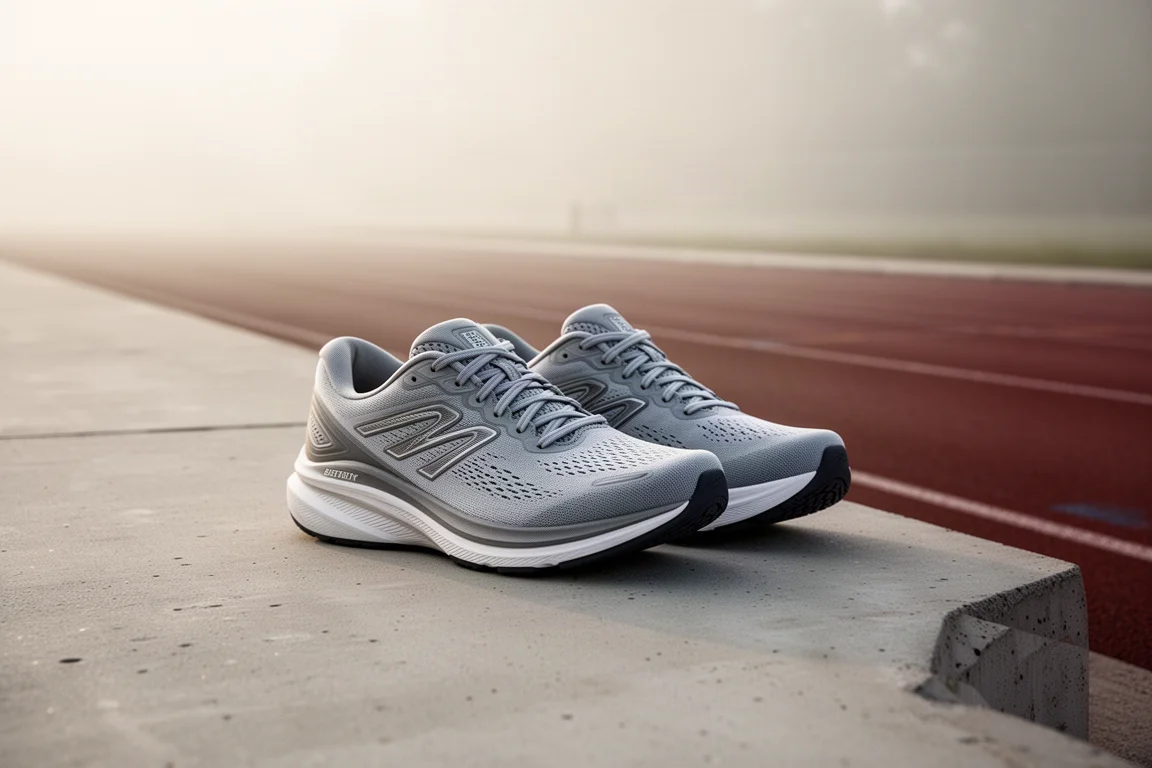
The foam is Mizuno’s slightly firmer EVA-style compound, which keeps both shoes stable but not built for faster running. These are daily run, easy run, and long run shoes for people who want some stability and a higher drop.
Upper Changes: More Volume in the Forefoot
The most noticeable change happens in the upper. Mizuno has historically run a bit wider, especially in the forefoot, and version 20 adds noticeably more volume on top of that, particularly height-wise in the forefoot. The heel and midfoot feel the same between the two versions, and both remain secure there.
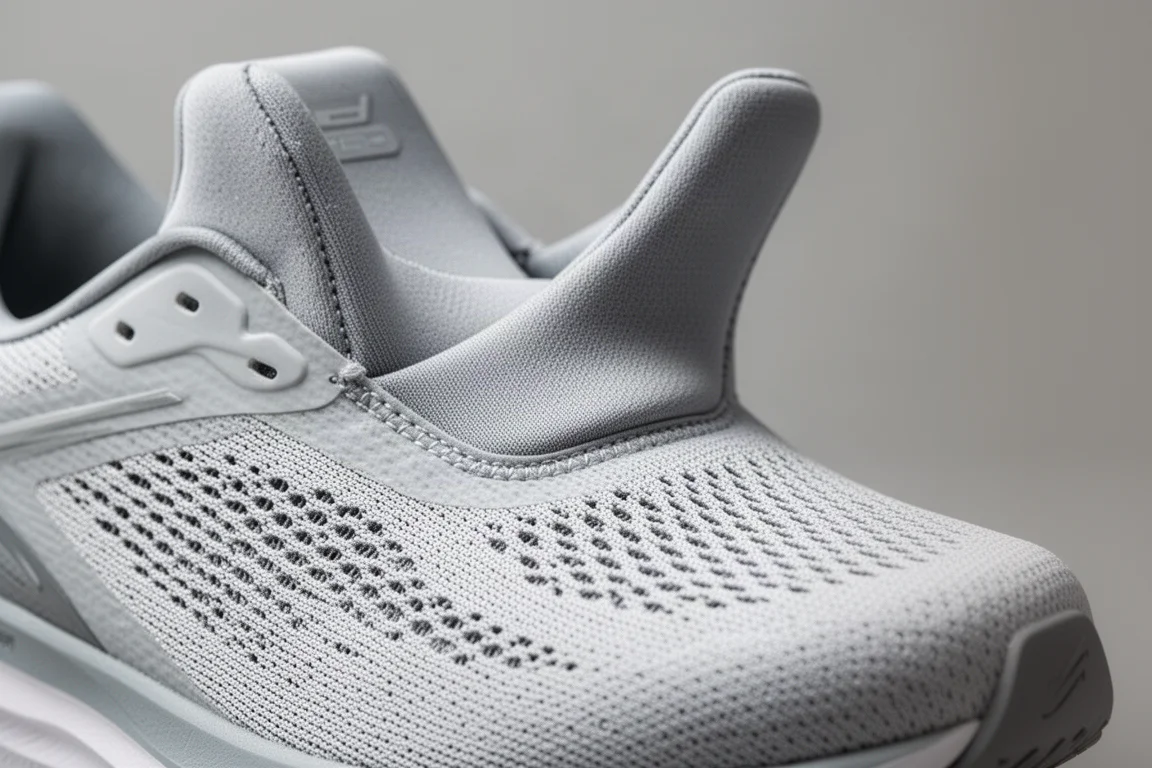
That extra forefoot volume has a trade-off. On a few runs with turns, the 20 could feel like the foot was sliding just slightly. If you found the Inspire 19 a touch snug up front, the 20 may be a good fix. If you liked the 19 fit as it was, that added room might not work in your favor. Outside of that, the uppers are fairly similar: a moderately thick, gusseted tongue and a fairly stiff heel counter on both. If you like stiff heel counters you’ll be happy; if not, know that they’re noticeable, though not a dealbreaker.
Stability Feel: Two Different Approaches
Here’s the change that actually affects the ride. The plate moves from a more traditional design in the 19 to a plant-based, so-called anatomic plate in the 20, intended to follow the shape of your arch. In practice, the two shoes deliver stability differently. The Wave Inspire 19 produces clear pressure in the medial heel, so it immediately announces itself as a stability shoe.

The Wave Inspire 20 integrates that support more smoothly through the length of the shoe, feeling a bit like a stiffer neutral trainer with stability spread from heel through midfoot, with only a hint reaching the forefoot. If you want a mild to moderate stability feel, the 20 is the better fit. If you specifically want that pronounced arch and heel pressure, the 19 delivers it. Neither is objectively better; it depends on what you prefer.
Durability and Daily Use
Durability has been fairly good on both versions, with a similar pattern: some early wear at first that then slows down noticeably as mileage builds. Neither shoe showed a durability advantage over the other.
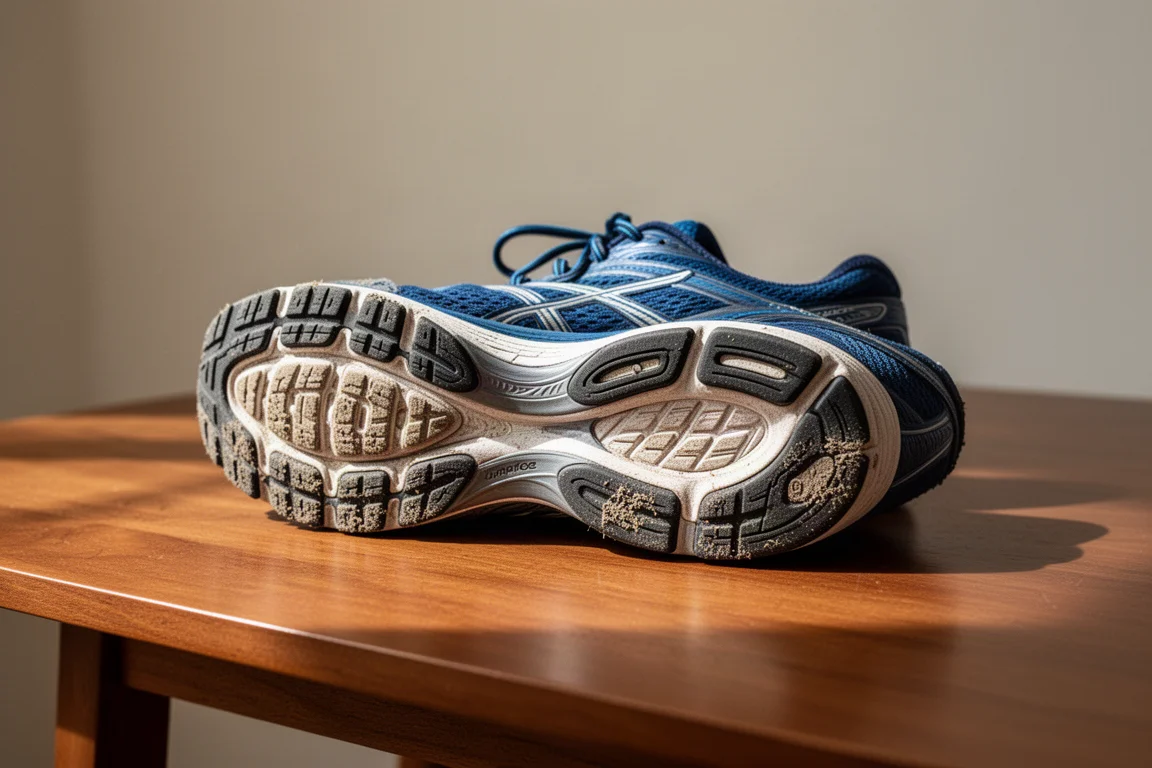
Both remain Mizuno’s moderate stability daily trainer, best suited to easy runs and long runs rather than tempo work or faster sessions. The firmer foam keeps them planted, and the higher drop suits runners who prefer that geometry.
Buying Advice
If the Inspire 19 is on sale and you want a pronounced, traditional stability feel with a snugger forefoot, it remains a very solid choice. If you want the more integrated, milder stability of the anatomic plate, or you simply need extra forefoot volume, version 20 is worth the newer-model price. Try to match the shoe to your arch sensitivity and fit preferences rather than picking purely on price.
Conclusion
The Mizuno Wave Inspire 20 is an upper update plus a plate change that softens the stability character, while the Wave Inspire 19 keeps the firmer, more traditional medial heel feel. Specs, durability, and overall use case are nearly identical, so your decision comes down to fit volume in the forefoot and how much stability pressure you want under your arch.
Product link
View more details for Mizuno Wave Inspire 19
This product is mentioned in the review. Check the specifications, options, and compatibility before buying.
View more details for Mizuno Wave Inspire 19Further reading
Related Reviews

Running Shoes
Best Road-to-Trail Running Shoes: Three Versatile Options for Mixed Terrain
A practical guide to three road-to-trail running shoes that handle both pavement and mild trails, with clear strengths and trade-offs for different runner types.

Running Shoes
Best Running Shoes for Achilles Tendonitis: Three Options Explained
Three running shoes with different heel drops and support features designed to help reduce Achilles tendon pain during walking and running.

Running Shoes
Best Running Shoes for Women: Five Top Choices Ranked
A ranked guide to five women's running shoes, from versatile daily trainers to high-performance racing options, with real strengths and trade-offs for each.