Running Shoes
Mizuno Wave Horizon 6 Review: A Premium Stability Trainer Built to Last
A well-integrated premium stability shoe with a wide, structured platform, durable outsole, and a bouncy ride once broken in.

Introduction
The Mizuno Wave Horizon 6 sits at the top of Mizuno’s stability lineup. It is the structured sibling of the Wave Sky, sharing a similar generous platform but using a different set of tools to keep the ride guided. Priced around 170 US dollars, it asks a fair question: what makes a stability shoe premium? After longer miles in it, the answer comes down to quality materials, a highly integrated stability system, and durability that outpaces most trainers at any price.
Who the Wave Horizon 6 Is For
This is a shoe for runners who want genuine guidance without feeling pushed around. Mizuno has never relied on a single big medial post, and the Horizon 6 continues that approach with multiple elements working together to create a stable, guided ride. It is best suited to easy daily miles and long runs where comfort and structure matter more than speed.
If you are sensitive to aggressive posts, this shoe deserves a look. The stability elements are integrated so smoothly that many neutral-leaning runners could wear it happily, while runners who want motion control get real structure when they land harder. It is not a fast-day shoe, but as a long-run and recovery-mile trainer it moves far better than its listed weight suggests.

Main Strengths
The midsole is the heart of this shoe. It layers three foams: a firmer Euphoric material on the bottom, the standard Energy foam on top, and a softer, more resilient Enerzy core sandwiched between them. That Enerzy core is placed on the lateral side, so the softer material compresses first and creates a subtle, post-like structure without anything digging into your arch. The thick rubber outsole also wraps up on the medial side, adding a pseudo-post effect that resists compression without shoving you outward.
The result is a wide, grounded platform with a mild rocker and a slightly stiff forefoot. Out of the box it feels firm and a touch clunky, which is typical for Mizuno, but it breaks in beautifully. Once the foams settle, the ride turns surprisingly bouncy for a heavier premium trainer, never turning mushy. The softness of the core is what keeps this shoe from feeling like a brick on long efforts, and the firmer surrounding foams are exactly why the stability measures hold up instead of collapsing underfoot.
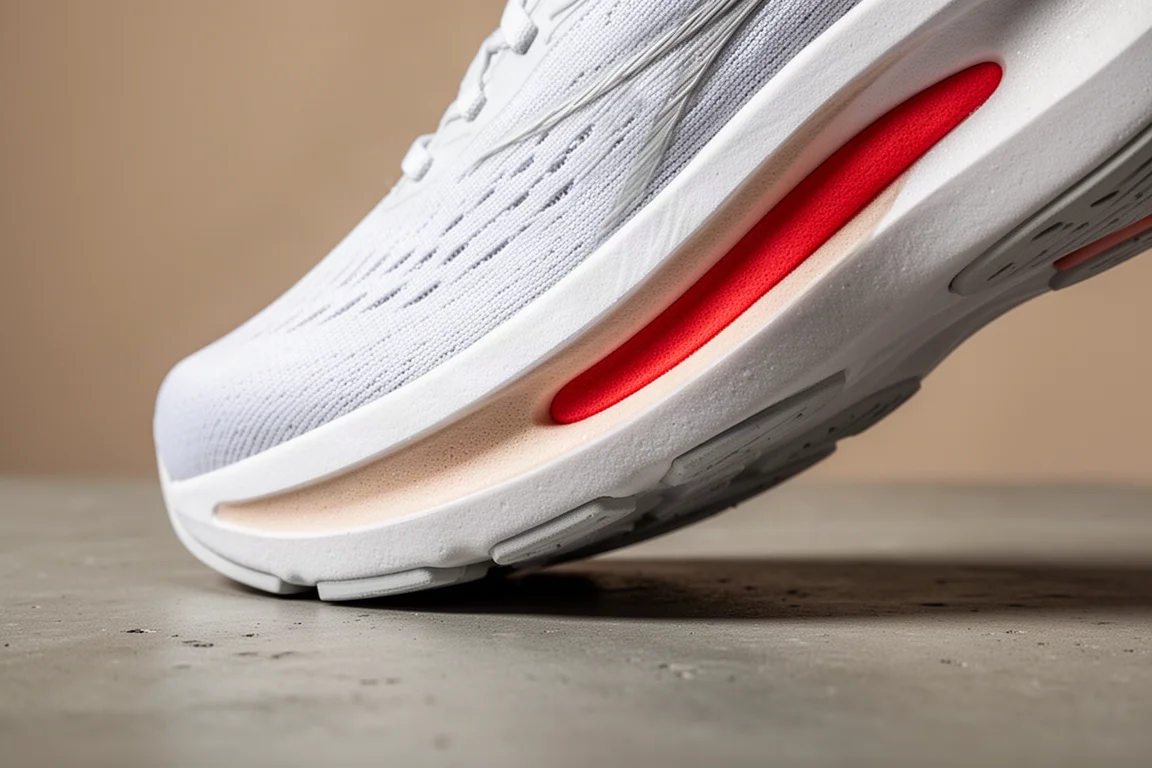
The upper is another highlight. The material is soft, breathable, and genuinely premium, with a durable weave that should hold up for runners who destroy toe boxes. The toe box has good stretch and ventilation, the tongue is comfortable, and the rigid heel counter is well padded and locks the foot down securely. There is also deliberate structural design here: the medial weave wraps up around the arch, which becomes noticeable as you fatigue on long runs, in a good way.
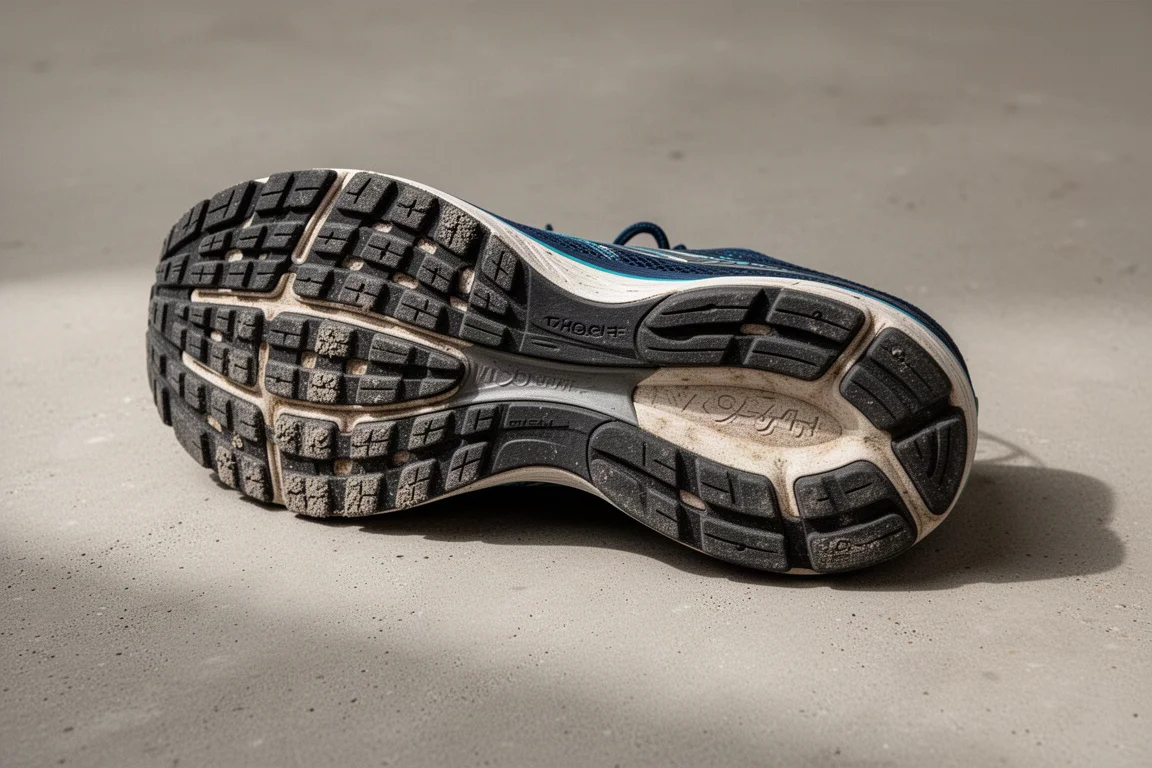
Durability may be the strongest argument for the price. With substantial mileage on a test pair, the outsole showed virtually no wear, which is exceptional when many modern trainers burn through rubber in a fraction of that distance. The Enerzy core is also a resilient foam that retakes its shape over time, so the bounce and structure hold up well beyond typical trainer lifespan.
Things to Consider Before Buying
The fit has one real caveat: the toe box tapers noticeably at the front even though the forefoot platform itself is fairly wide. If you have a wider forefoot or are sensitive to taper, try the shoe on first. Sizing also runs a bit long, and the taper is the reason some testers stayed in their usual size rather than dropping down.
The forefoot stiffness is worth noting too. Even after break-in, some runners wanted a bit more flex for an easier roll through toe-off. The heel bevel could also be more aggressive: on long runs, the wide platform combined with the heel geometry caused some irritation around the front of the shin for one tester, though firmer landings and further break-in softened that issue.
Finally, weight is real. At 11.2 ounces (317 g) in a men’s size 9, this is a heavier daily trainer with 38 mm of heel stack, 30 mm in the forefoot, and an 8 mm drop. Modern foams hide much of that mass once the shoe is broken in, but if you want a lightweight trainer, this is not it.
How It Compares
The closest competitors are shoes like the Hoka Gaviota and the ASICS Gel-Kayano. The Gaviota uses EVA-based foam that firms up over time and delivers a more rolling, walking-friendly ride, while the Kayano throws a lot of materials into the midsole but felt heavier and less lively over long miles. Among these premium stability options, the Horizon 6 stands out for better-integrated stability and a more bouncy, less mushy ride. It is also fairly unique as a stable-leaning option rather than a purely neutral shoe, since the wide platform and layered foams give it a grounded character few brands currently match.
Beyond Running: Walking and Long Days on Your Feet
One underrated use case: this is an excellent standing and walking shoe. For long days on hard floors, the cushioning stays supportive without going soft enough to make your knees and back ache, and nothing digs into the arch even as foot muscles fatigue. If you are on your feet for eight to twelve hours and want a durable shoe with a bit of built-in support, the Horizon 6 handles that role remarkably well.

Buying Advice
At around 170 dollars, the value case rests on durability and material quality. Expect 60 or more miles with minimal outsole wear, resilient foams that keep their bounce, and an upper built to last. If you value a shoe that holds its shape and ride for the long haul, the premium price is easier to justify. If you mainly want a fast or lightweight trainer, spend less elsewhere.
Our overall view on stability applies here: more structure is not automatically better. Shoes are tools, and the right choice depends on your needs at a given time. If you know you want guidance and comfort for easy miles and long runs, this is one of the better-integrated options available. If you do not need stability, you may be paying for features you will not use.
Conclusion
The Mizuno Wave Horizon 6 is a thoughtfully built premium stability trainer that earns its place through integration rather than brute-force posting. It breaks in into a bouncy, comfortable ride, holds up exceptionally well over mileage, and doubles as a great walking shoe. The taper in the toe box and forefoot stiffness are the main trade-offs to check before buying. For runners and walkers who want durable, well-guided cushioning for easy miles and long days, it is an easy recommendation.
Product link
View more details for Mizuno Wave Horizon 6
This product is mentioned in the review. Check the specifications, options, and compatibility before buying.
View more details for Mizuno Wave Horizon 6Further reading
Related Reviews

Running Shoes
Best Road-to-Trail Running Shoes: Three Versatile Options for Mixed Terrain
A practical guide to three road-to-trail running shoes that handle both pavement and mild trails, with clear strengths and trade-offs for different runner types.

Running Shoes
Best Running Shoes for Achilles Tendonitis: Three Options Explained
Three running shoes with different heel drops and support features designed to help reduce Achilles tendon pain during walking and running.

Running Shoes
Best Running Shoes for Women: Five Top Choices Ranked
A ranked guide to five women's running shoes, from versatile daily trainers to high-performance racing options, with real strengths and trade-offs for each.