Running Shoes
Mizuno's New Prototype Racing Lineup: Pure, Elite, and Pro Compared
Three new Mizuno racing prototypes cover everything from sub-5 oz track flats to marathon-day workhorses. Here is how each one runs and who each is for.
Introduction
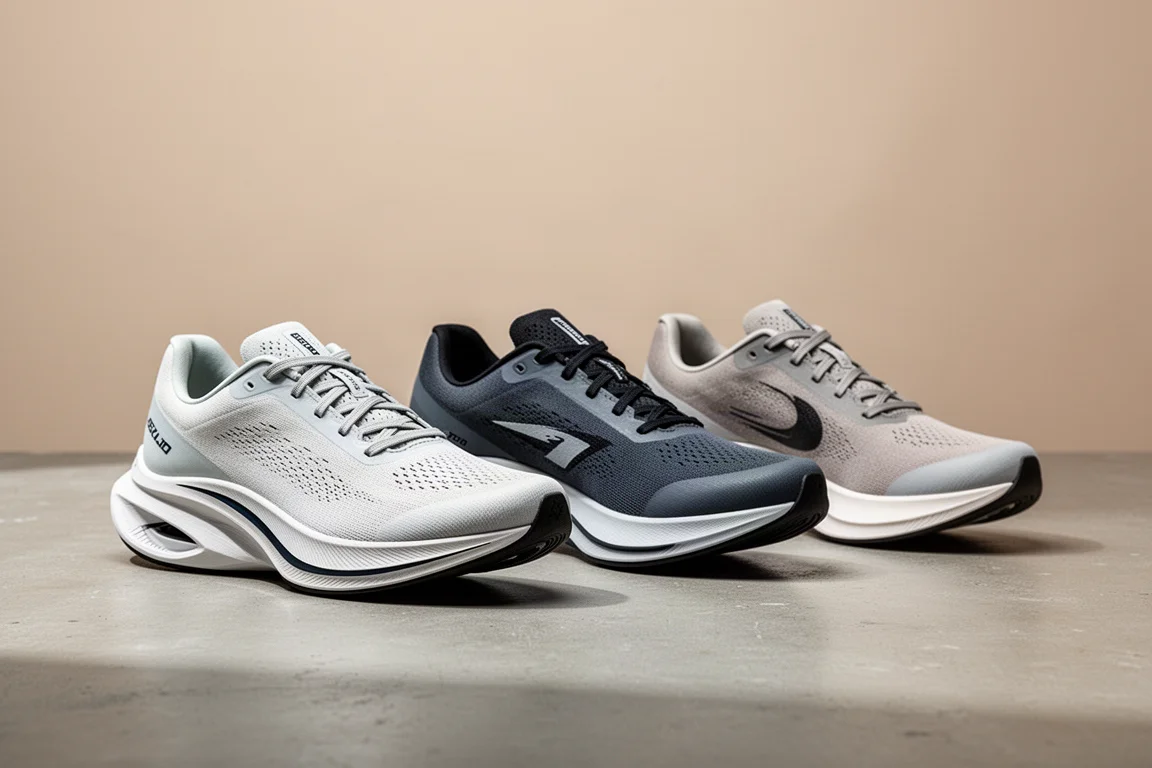
Mizuno’s new racing lineup is one of the more interesting launches we have come across this season. Three distinct race-day models, tentatively known in their early form as the prototype Pure, Elite, and Pro, will arrive in December, and each one takes a noticeably different approach to going fast. Rather than three variations of the same shoe, this is a spread: a sub-5 oz pure speed tool, a balanced dual-foam middle option, and a familiar, marathon-friendly rocker design.
All three are proper racing shoes, and after putting the Pure through a fast pickups session on the road and warming up in the Elite and Pro, the early picture is encouraging. Here is how they differ and which one fits which kind of racer.
Mizuno Prototype Pure: The Featherweight Racer
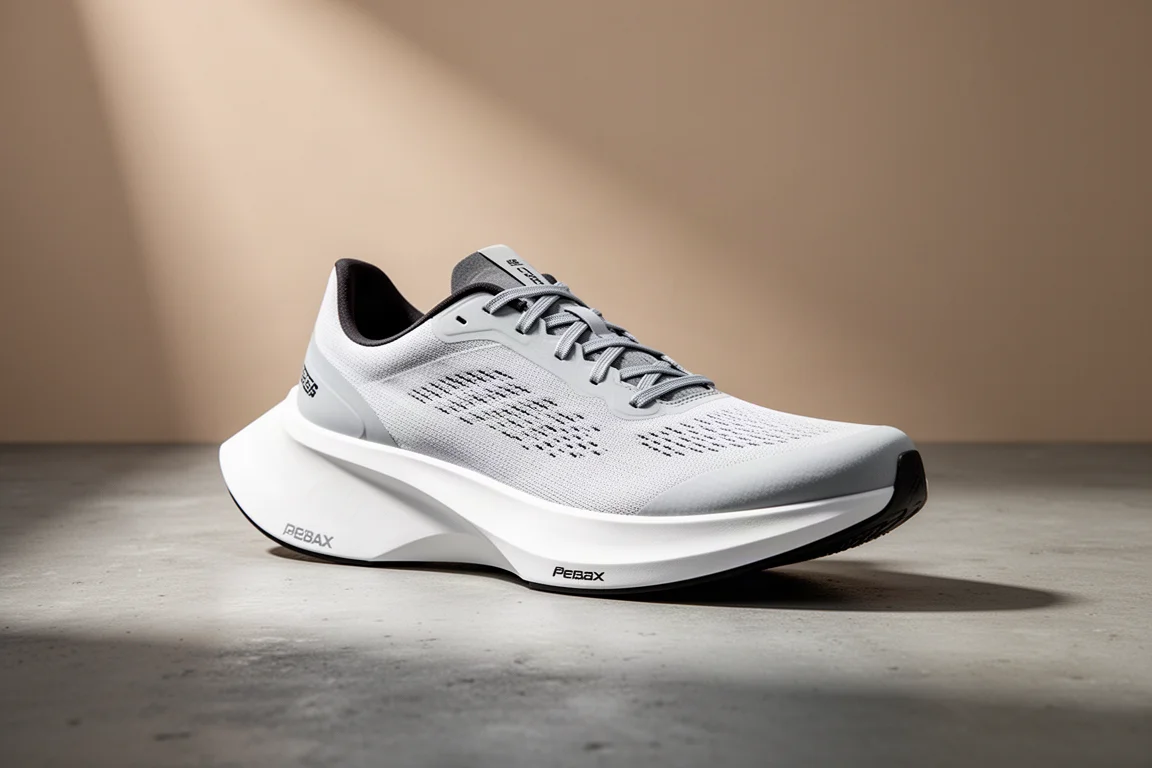
The Pure is the most stripped-down of the three, and its spec sheet shows it. A full Pebax midsole, 34 mm of stack in the heel, and a claimed 4.9 oz weight make it one of the lightest race options around. It is plated too, so this is a genuine racing shoe despite the minimal feel. The design focus is clear: weight reduction, premium materials, and a wide forefoot for a stable push-off.
On the run, the first thing that registers is just how light it feels. The geometry is not aggressively rockered. It sits closer to a traditional racing flat with modern foam, more flat and predictable than the rolling ride you get from the Wave Rebellion Pro line. The midsole runs on the softer side but is more resilient than plush: it holds its structure when you land and gives back a noticeable bounce when you push. The heel is only lightly beveled, so there is less of the big rolling effect from the heel that modern super shoes lean on. Instead, the shoe relies on its weight and lively midsole.
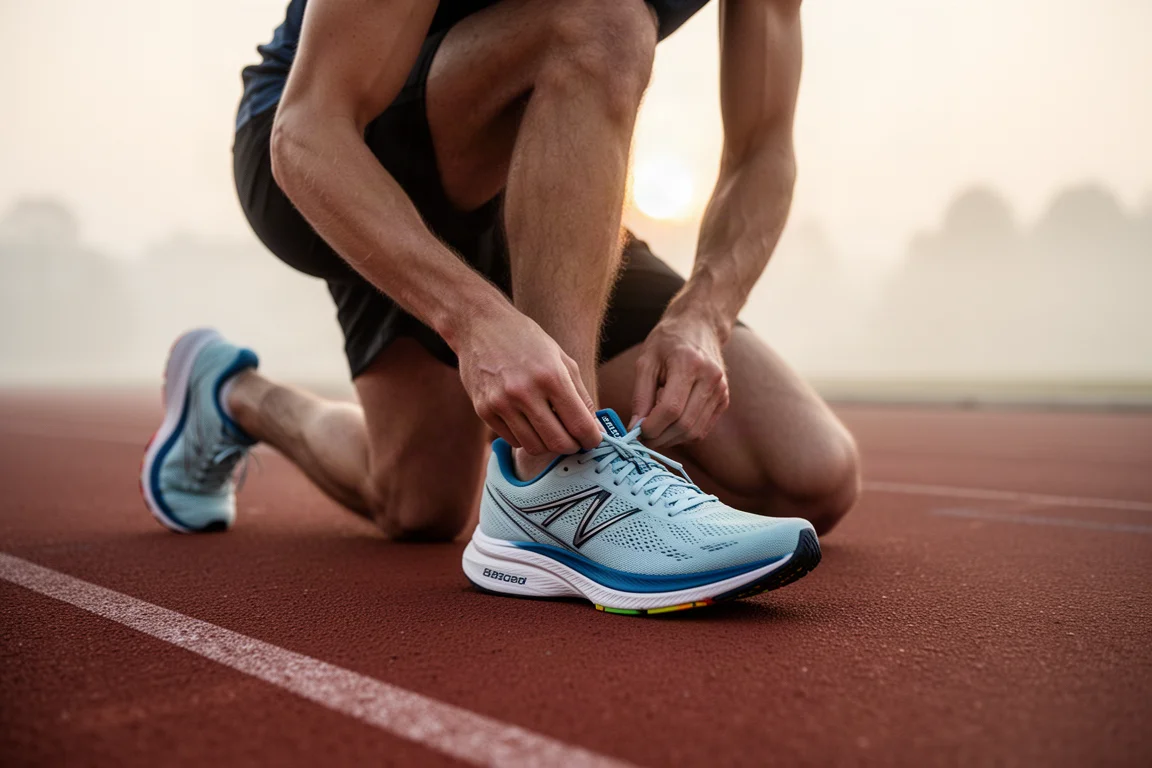
Fit is normal to slightly snug through the heel and midfoot, with a notably wide forefoot for a racing shoe, and lockdown is excellent with no heel slippage. In pace work it feels excellent at top speeds, with a forefoot-focused ride that rewards getting up on your toes and driving hard. It reads as a 5K and 10K specialist, comfortable on the road or the track, and sits in that space between old-school minimal flats and modern super shoes. For half or full marathon duty, the Elite or Pro would be safer picks. At a retail of $300 it is an investment, and it will not be for everyone, but for short-distance speed it is a very solid, stable-at-speed, very neutral tool.
Mizuno Prototype Elite: The Balanced Middle Shoe
The Elite takes the Pure’s basic frame and builds it up into a more balanced, more forgiving race shoe. The top layer of the midsole is the same Pebax as the Pure, while the bottom layer switches to Mizuno Enerzy XP, a super critical TPE. Stack grows to 38 mm in the heel with around a 3.5 mm drop, and the weight lands right around 5.8 oz, keeping it well inside the competitive weight class for modern racers.
From the first warm-up strides it feels noticeably more balanced than the Pure. The heel rolls you forward more, the geometry is more forgiving through the forefoot, and the rockered-but-not-overly-so profile keeps transitions smooth without an overly sharp toe spring. The forefoot remains wide, which keeps the landing predictable and neutral, and the heel sits neutral without ever feeling unstable.
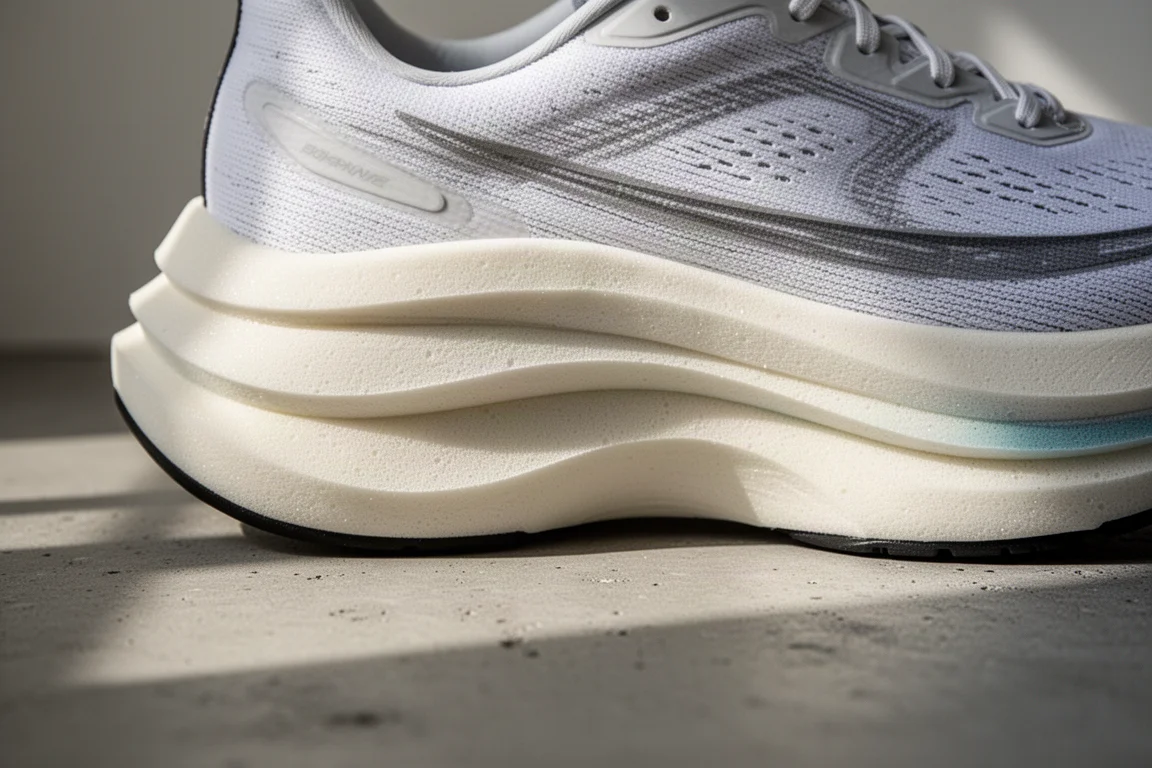
Where the Elite really earns its keep is how the foam responds to pressure. Hit the ground hard and it bounces back hard: slam into the forefoot and you get a genuinely lively rebound, which makes fast rhythm running feel a lot of fun. The dual-foam setup also seems to stabilize the bottom of the stack, giving the shoe a bit more structure than a full-soft build would have. In the pace test it held 5:20s per mile feeling smooth and rhythmic, opening the stride up more naturally than the Pure’s more aggressive forefoot demand.

Out of the three, this is the one with the most wow factor, and the easy personal pick for racing across distances from 10K up through the longer stuff. If you want one shoe that feels lively but forgiving enough for longer efforts, the Elite is the standout of the lineup.
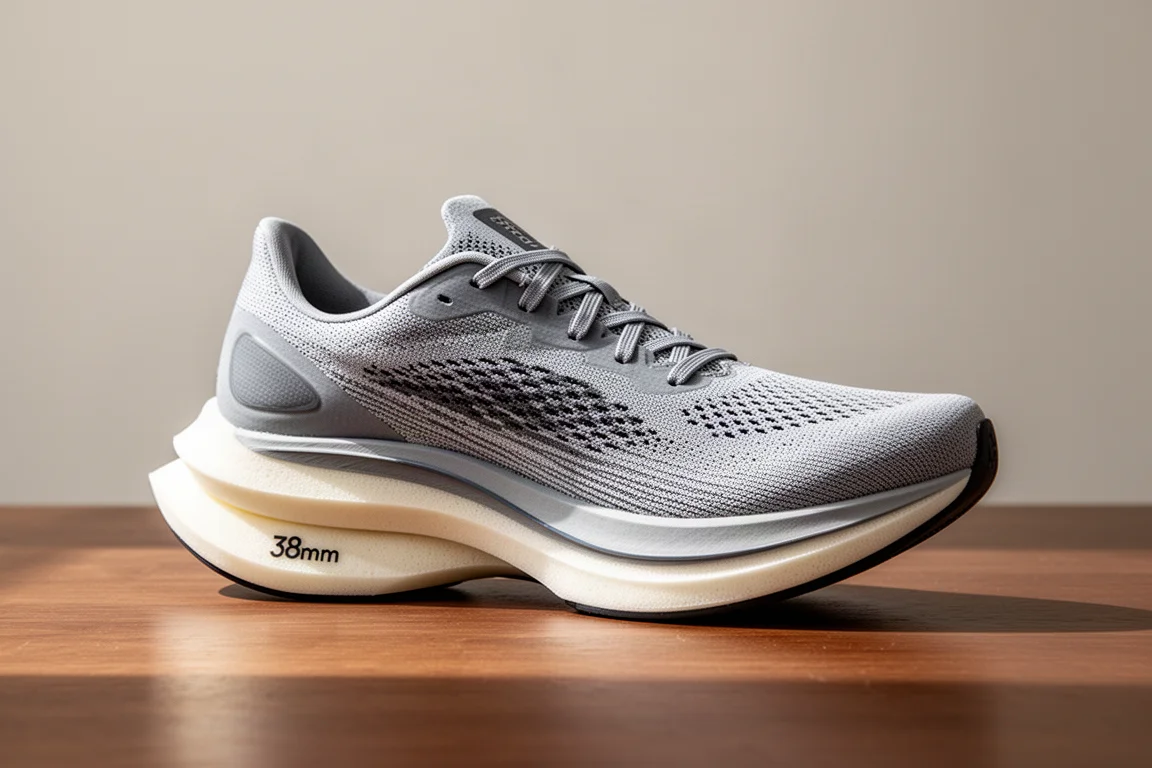
Mizuno Prototype Pro: The Familiar Marathon Racer
The Pro is the most conventional of the three, and that is by design. It uses a full Mizuno Enerzy XP super critical TPE midsole with a carbon-infused nylon plate, 39 mm of heel stack, 33 mm in the forefoot, a 6 mm drop, and a 7.1 oz weight. The geometry is the most consistent with the super shoes already on the market, and the ride is described as closest in character to the Wave Rebellion Pro low: a familiar, predictable rocker with decent rather than dazzling bounce.
During pickups it comes across as sturdy and reliable. The foam does not explode off the ground the way the other two can, but it holds its rhythm and stays stable and controlled at marathon pace. At faster paces it simply stays where it is, falling into a groove rather than demanding constant aggression. Stack height and weight remain competitive, so it never feels like a heavyweight option, just a more traditional one.

One detail worth noting: the plate is visible on both the lateral and medial sides of the shoe, whereas the other two models only show it on the medial side. Whether that adds width or is purely aesthetic, the intent is a bit more sturdiness for runners who want it. This is very much a shoe for runners who loved the Rebellion Pro feel and want that classic, predictable rocker for race day, particularly at full marathon distance. It is more shoe than most would want for a 5K, but for the longer distances it is a pleasant, dependable ride.
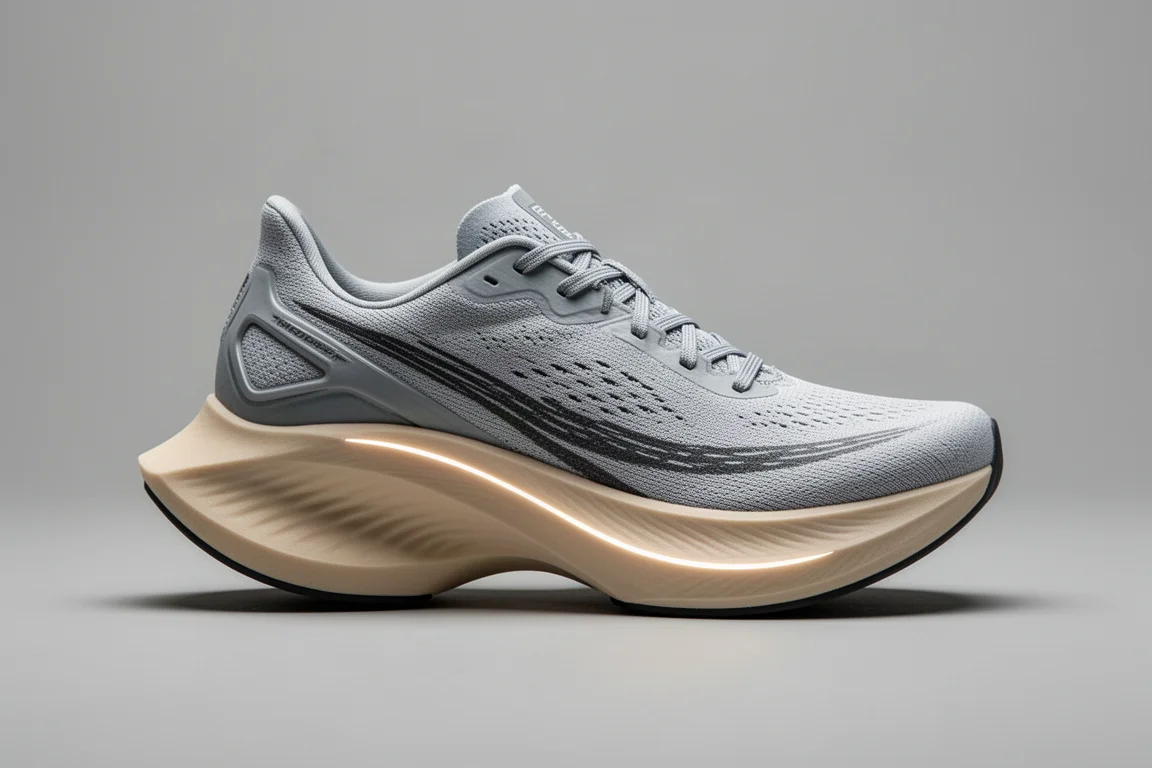
How the Three Stack Up
Picking between them comes down to distance and ride preference. The Pure is the aggressive, featherweight option for short, hard efforts where every gram counts. The Elite adds stack, a rocker, and dual-foam comfort, making it the most versatile and, for many, the most exciting of the three. The Pro trades some bounce for familiarity, stability, and marathon-day predictability, with the geometry that will feel most normal to anyone who has run modern super shoes.
It is also worth noting the broader context: with recent releases like the Neo Zen and Neo Vista, Mizuno is clearly pushing innovation harder than in recent memory, and this prototype racing line fits that pattern. These three race models genuinely stack up against the rest of the market, and the Elite in particular makes a strong case.
Conclusion
All three of these prototype racing shoes are solid, and they divide cleanly by use case: Pure for 5K and 10K speed, Elite for a lively balanced ride across most distances, and Pro for marathon runners who want a familiar, reliable rocker. If we had to pick one, the Elite gets the nod for its combination of bounce, balance, and competitive weight. Mizuno’s new racing era looks well worth paying attention to.
Further reading
Related Reviews

Running Shoes
Best Road-to-Trail Running Shoes: Three Versatile Options for Mixed Terrain
A practical guide to three road-to-trail running shoes that handle both pavement and mild trails, with clear strengths and trade-offs for different runner types.

Running Shoes
Best Running Shoes for Achilles Tendonitis: Three Options Explained
Three running shoes with different heel drops and support features designed to help reduce Achilles tendon pain during walking and running.

Running Shoes
Best Running Shoes for Women: Five Top Choices Ranked
A ranked guide to five women's running shoes, from versatile daily trainers to high-performance racing options, with real strengths and trade-offs for each.