Running Shoes
Mizuno Neo Zen Review: A Plate-Free Max Cushion Daily Trainer Worth a Look
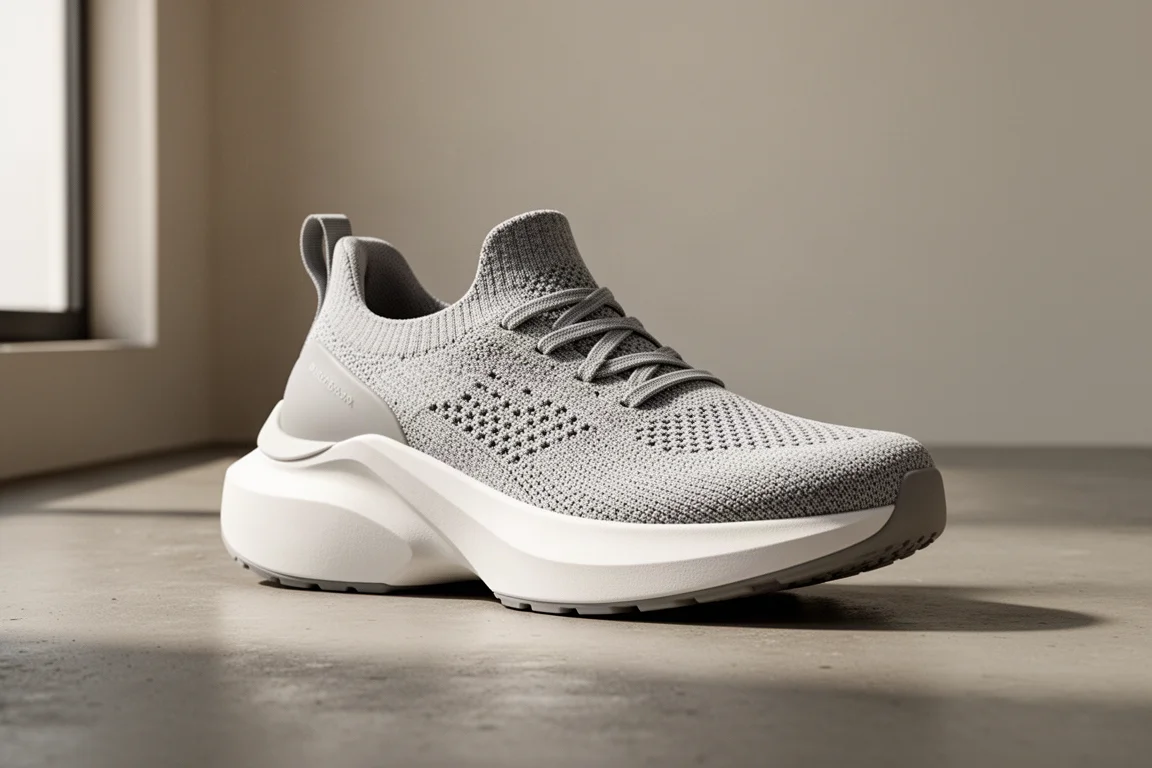
The Neo Zen drops Mizuno's wave plate and keeps the plush Enerzy NXT foam, joining the Neo Vista and On Cloud Surfer in the no-stability-device cushion category.
Introduction
Mizuno’s Neo Zen is the shoe that many runners have been quietly asking for: a Mizuno with soft Enerzy NXT foam, a tall stack, a comfortable knit upper, and no wave plate. Last year’s Neo Vista showed how good that foam could be, but the plastic wave plate made the ride feel stiffer than the spec sheet suggested. The Neo Zen removes that plate entirely, and the result is a genuinely enjoyable max-cushion daily trainer. At $150, it is priced a little above typical daily trainers, but it delivers a ride that feels modern and fun.
In this guide we compare the Neo Zen against the two shoes it most naturally sits beside: the plated Neo Vista, and On’s speedboard-free Cloud Surfer.
Mizuno Neo Zen: What Changed This Year
The Neo Zen is a 40 mm stack shoe with a 6 mm drop, putting 34 mm of Mizuno’s Enerzy NXT foam under the foot. That is the same foam used in last year’s Neo Vista, and the two shoes share a lot: comfortable knit uppers, similar rubber and outsole patterns, and very tall stack heights. The key difference is that the Neo Vista carries the plastic Mizuno wave plate, while the Neo Zen does not.
The Neo Vista is also the taller shoe, with 44.5 mm of heel stack and an 8 mm drop, and the knit patterns and geometry differ in subtle ways. So the Neo Zen is not simply a plateless Neo Vista, but it is the clearer, purer expression of what Enerzy NXT can do.
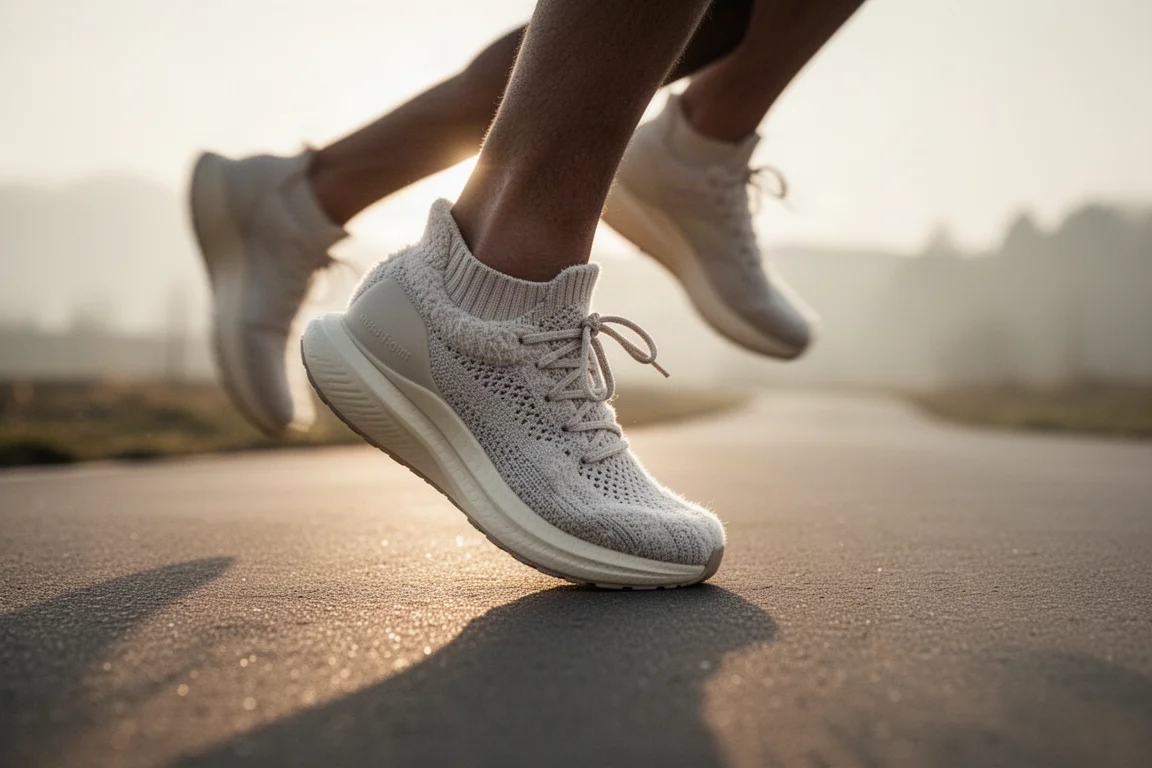
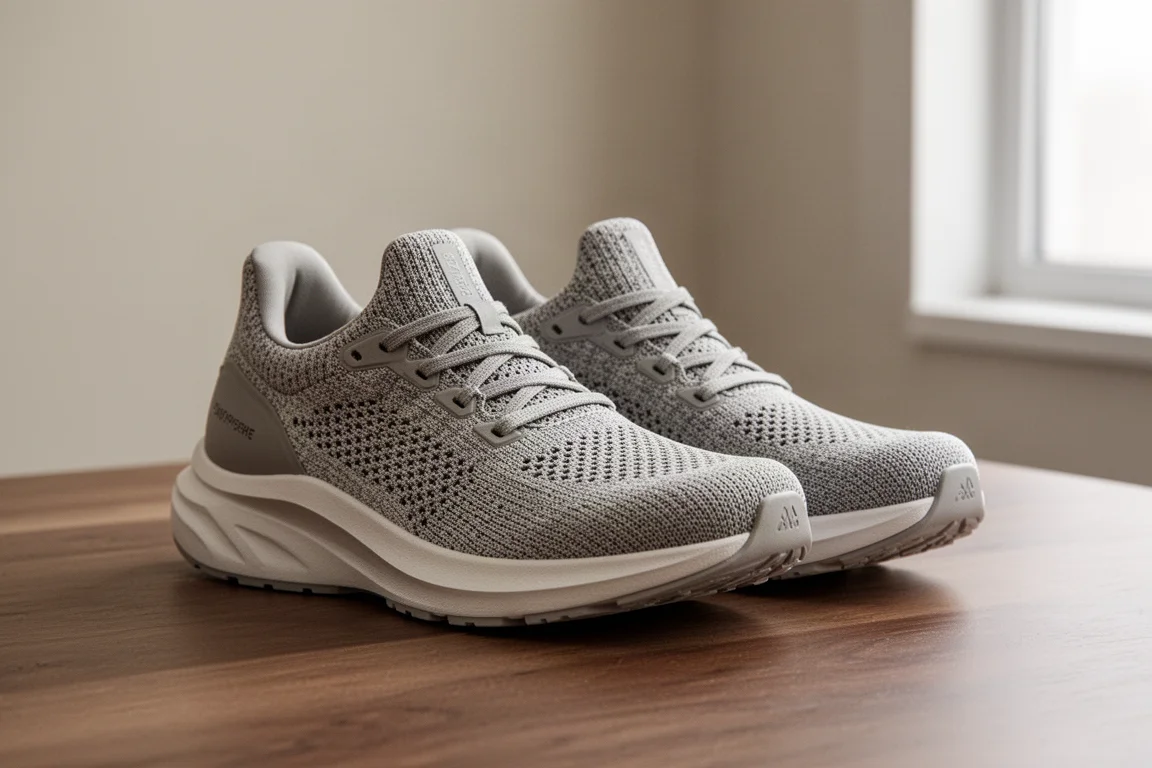
Mizuno reports the Neo Zen at 8.5 oz (241 g). The knit upper is comfortable and looks great on foot, even if it looks a little strangely shaped when empty. If you love soft knit uppers, this is one of the better executions around right now.
How the Neo Zen Rides
As a cushioned experience, the Neo Zen is excellent. The foam compresses nicely and decompresses in a pleasant way that is only slightly on the mushy side. Daily training paces, from recovery runs through the high end of easy runs, feel natural and enjoyable. With no plate under the arch, nothing pokes or pushes the foot the way a stability-leaning ride can.
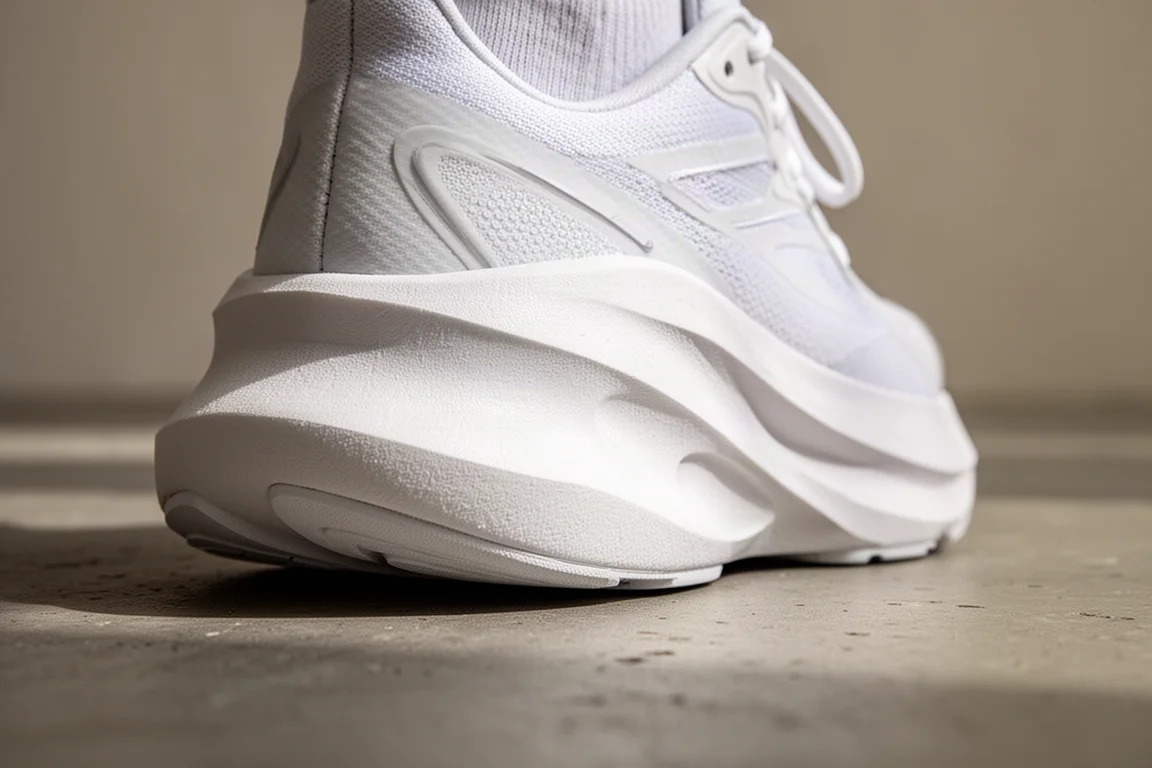
Where the shoe falls short is pace. Mizuno markets the Neo Zen for a “swift run experience” at comfortable middle speeds rather than slow jogging or high speed, but when you actually pick up the pace, the shoe feels reluctant to come along. The midsole response is imprecise for faster running, and at speed there is an unfinished, prototype-like quality to the ride. It is not unstable, and it is certainly not begging for a wave plate, but fast workouts are not what this shoe is for.
Wave Plates and Why Leaving Them Out Matters
The absence of the wave plate is the whole story here. Despite marketing that positions the wave plate as a comfort feature, plates in neutral shoes tend to work as stability elements from the motion control era. They box in otherwise excellent foams, preventing the full compression and decompression that makes those foams enjoyable. The result is a ride that feels firmer and less dynamic than the materials on paper would suggest.
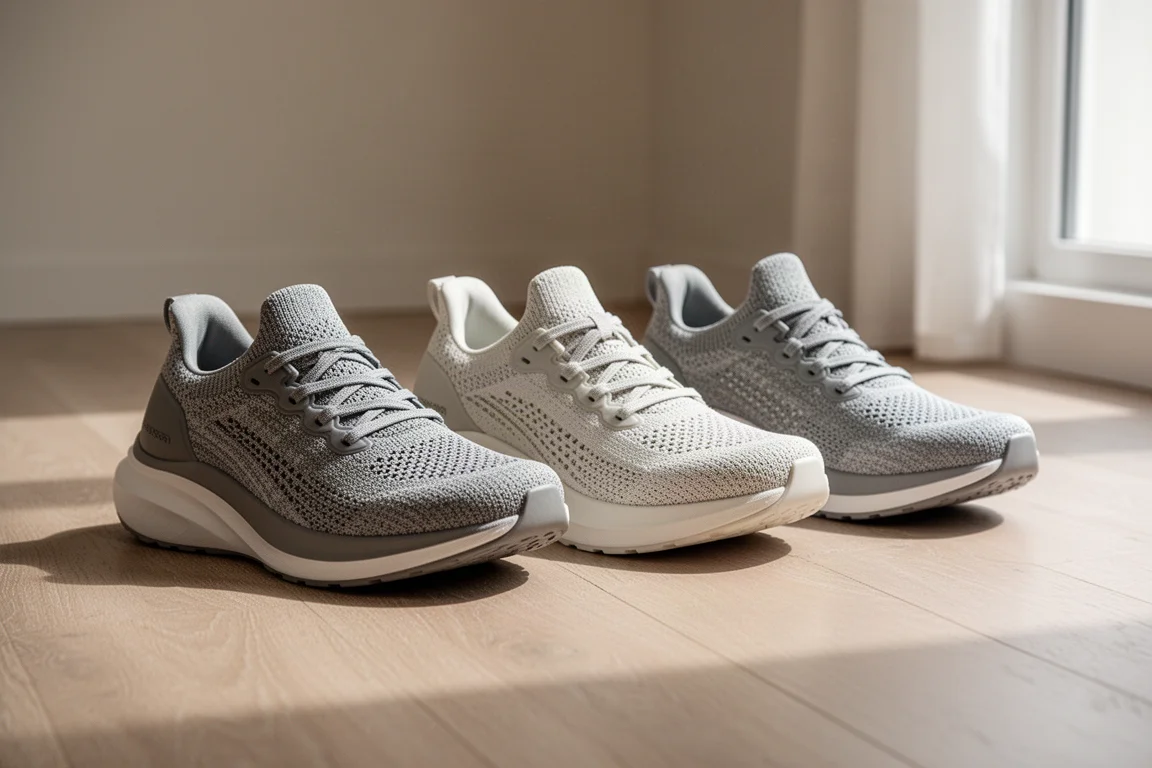
Mizuno is following a path other brands have already walked. ASICS dropped its Trusstic system in its lighter modern lineups and gained a much broader audience. On has been removing its speedboard from shoes like the Cloud Surfer and Cloud Eclipse, and Brooks and New Balance have softened their traditionally firm, dense rides with newer foams like Ghost Max, Glycerin Max, and FuelCell. The Neo Zen looks like Mizuno’s proof of concept for the same approach: keep existing fans happy while reaching runners who never got along with the plate.
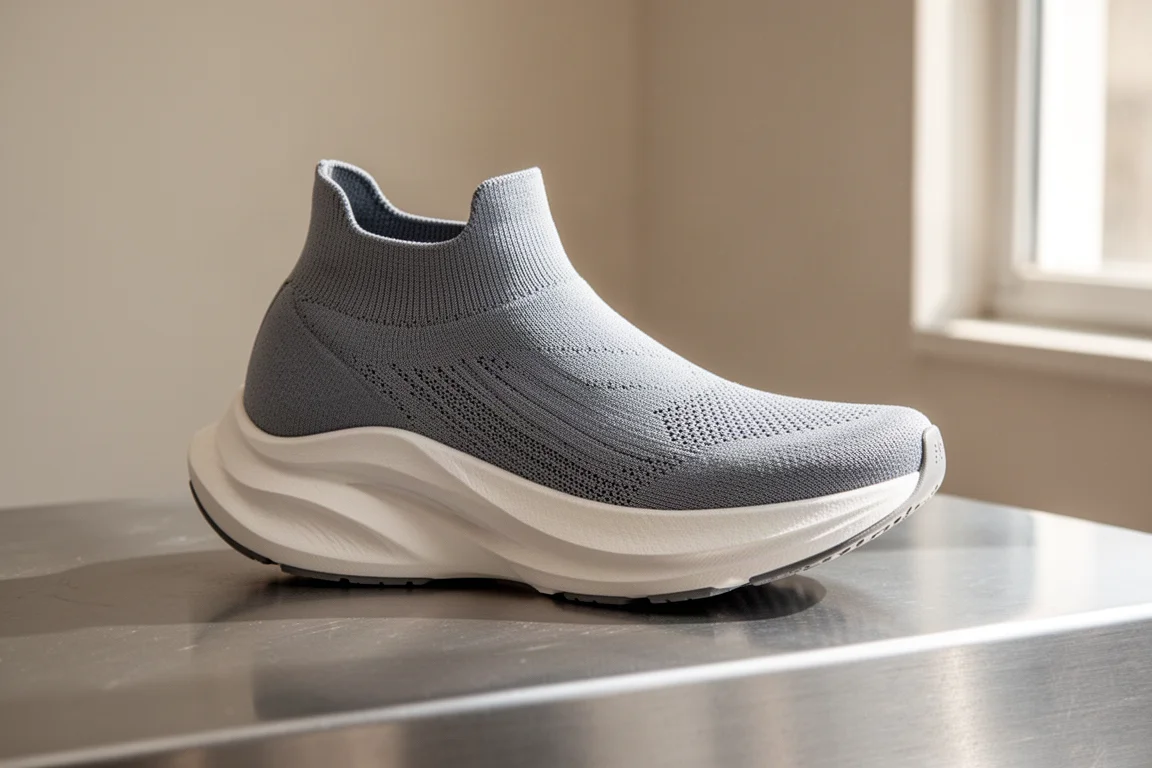
On Cloud Surfer: The Softer On
The On Cloud Surfer, sold in Europe under slightly different naming, is one of the first On shoes to drop the speedboard, the plastic element On historically placed between the foot and the midsole foam. Instead, it uses CloudTec Phase, a new cloud shape with perforations through the midsole that compresses nicely and decompresses with a cushioned, slightly mushy feel.
That makes it a very close personality match for the Neo Zen: a max-cushion shoe in a daily trainer package. The Cloud Surfer is a bit more versatile across paces and a bit easier to run in, while the Neo Zen is more cushioned and comfortable outright. At $160, the Cloud Surfer costs $10 more than the Neo Zen, so the choice comes down to whether you value pace versatility or plushness more.
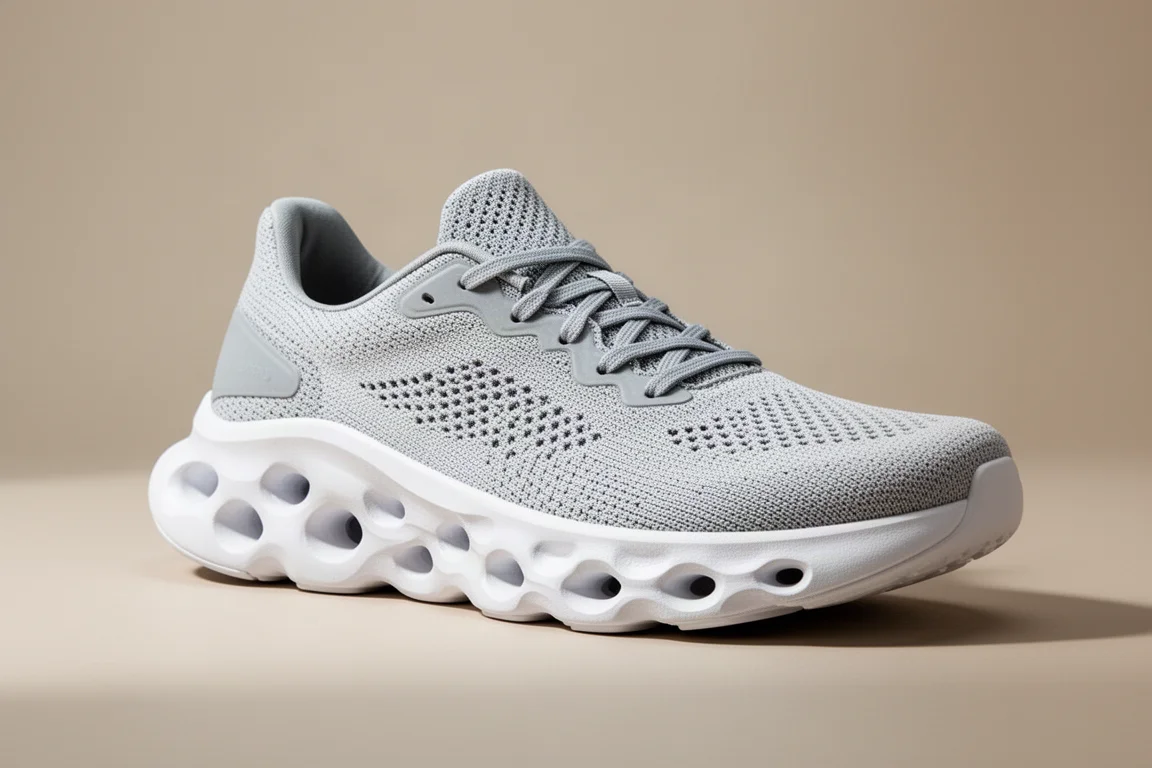
Buying Advice and Alternatives
For most runners shopping this category, the Neo Zen is the easiest recommendation if comfort is the priority and pace runs are not on the menu. If you still enjoy the wave plate but want Mizuno’s modern foam, the Neo Vista splits that difference, though it carries a $180 price premium and the plate noticeably changes the ride. If you want something a touch sportier with a similar soft, squishy character, the Cloud Surfer is the stronger all-rounder.
A few practical pointers:
- Recovery and easy runs are where the Neo Zen shines; leave tempo work to another shoe.
- The knit upper runs comfortable, and the fit looks awkward off-foot but feels great on.
- The $150 price is slightly high for a daily trainer, but the cushioning on offer justifies it.

Conclusion
The Mizuno Neo Zen is the comfortable, fun, and refreshing shoe that shows what Mizuno can do when it trusts its own foam. It is a max cushion shoe in a daily trainer package: superb for easy miles, less convincing when pushed. Between the plated Neo Vista and the speedboard-free On Cloud Surfer, this trio covers nearly every preference in the soft-daily-trainer category, and the Neo Zen’s plate-free design feels like the right direction for Mizuno.
Further reading
Related Reviews

Running Shoes
Best Road-to-Trail Running Shoes: Three Versatile Options for Mixed Terrain
A practical guide to three road-to-trail running shoes that handle both pavement and mild trails, with clear strengths and trade-offs for different runner types.

Running Shoes
Best Running Shoes for Achilles Tendonitis: Three Options Explained
Three running shoes with different heel drops and support features designed to help reduce Achilles tendon pain during walking and running.

Running Shoes
Best Running Shoes for Women: Five Top Choices Ranked
A ranked guide to five women's running shoes, from versatile daily trainers to high-performance racing options, with real strengths and trade-offs for each.