Running Shoes
Mizuno Neo Zen 2 vs Three Popular Daily Trainers: Which One Deserves Your Miles?
A close comparison of the Mizuno Neo Zen 2, Saucony Endorphin Azura, ASICS Novablast 5, and Adidas Adizero Evo SL for easy miles, steady runs, and everything between.
Introduction
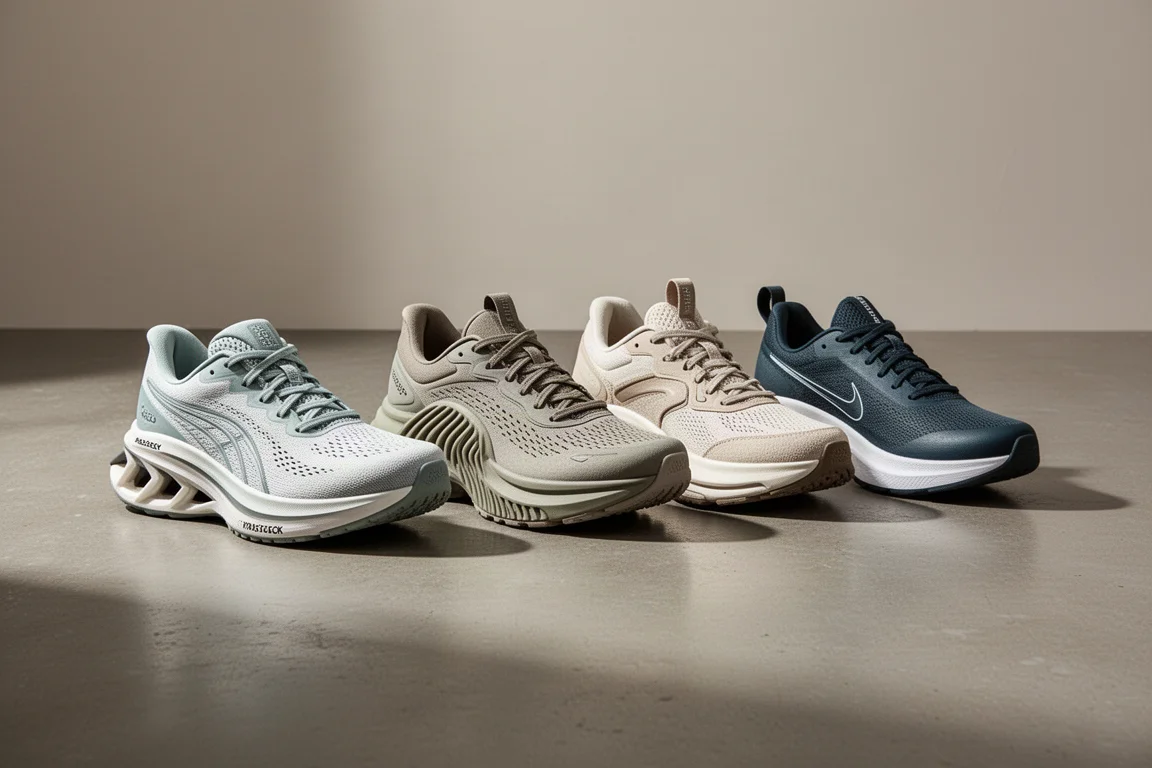
A new breed of daily running shoe has arrived: bigger midsole stacks, but at weights far lower than we used to see from max-cushion trainers. The Mizuno Neo Zen 2 and Saucony Endorphin Azura are two of the clearest examples, and both were lined up against two established favourites, the ASICS Novablast 5 and the Adidas Adizero Evo SL, to see how they shape up.
How They Stack Up
All measurements below are for a UK 11 or US 12 (sometimes a US 11.5 equivalent). The comparison between the Azura and the Neo Zen 2 is remarkably close: similar forefoot width, similar midsole stack, exactly the same price, and only about 3 grams apart in weight. The Evo SL is easily the lightest of the four, though for a daily shoe that is not always the stat at the front of people’s minds. The Azura and Novablast 5 are the widest in the forefoot, while the Evo SL is by far the narrowest, especially in the heel.
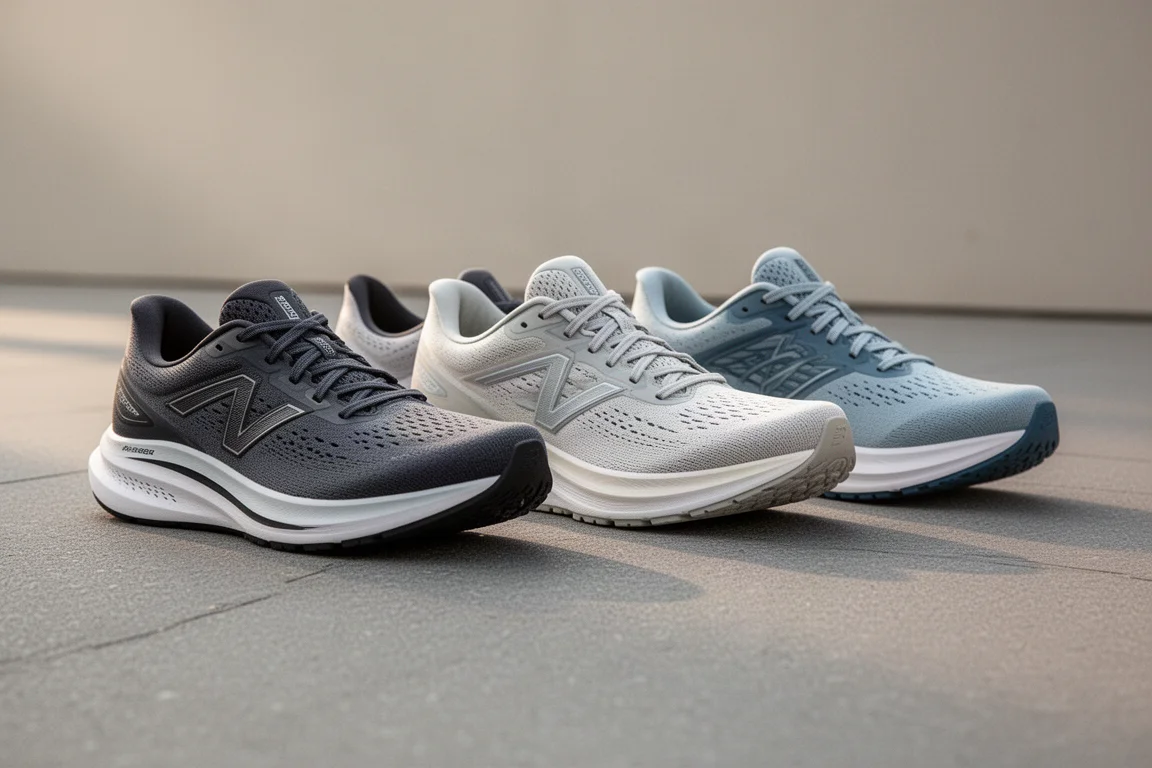
Each model currently retails between £130 and £140 in the UK, so none of these is an outlier on price. The choice really comes down to ride character and fit.
Mizuno Neo Zen 2 vs Saucony Endorphin Azura
These two are possibly the closest match of the bunch. The Neo Zen 2 uses Mizuno’s Enerzy Next midsole, which is slightly less dense than the PEBA-based foam in the Azura, and the ride is a touch more compressive underfoot, partly helped by the slightly thicker Mizuno midsole. If you want a more stable, consistent feel, the Saucony edges it; if you want squish, the Mizuno delivers.
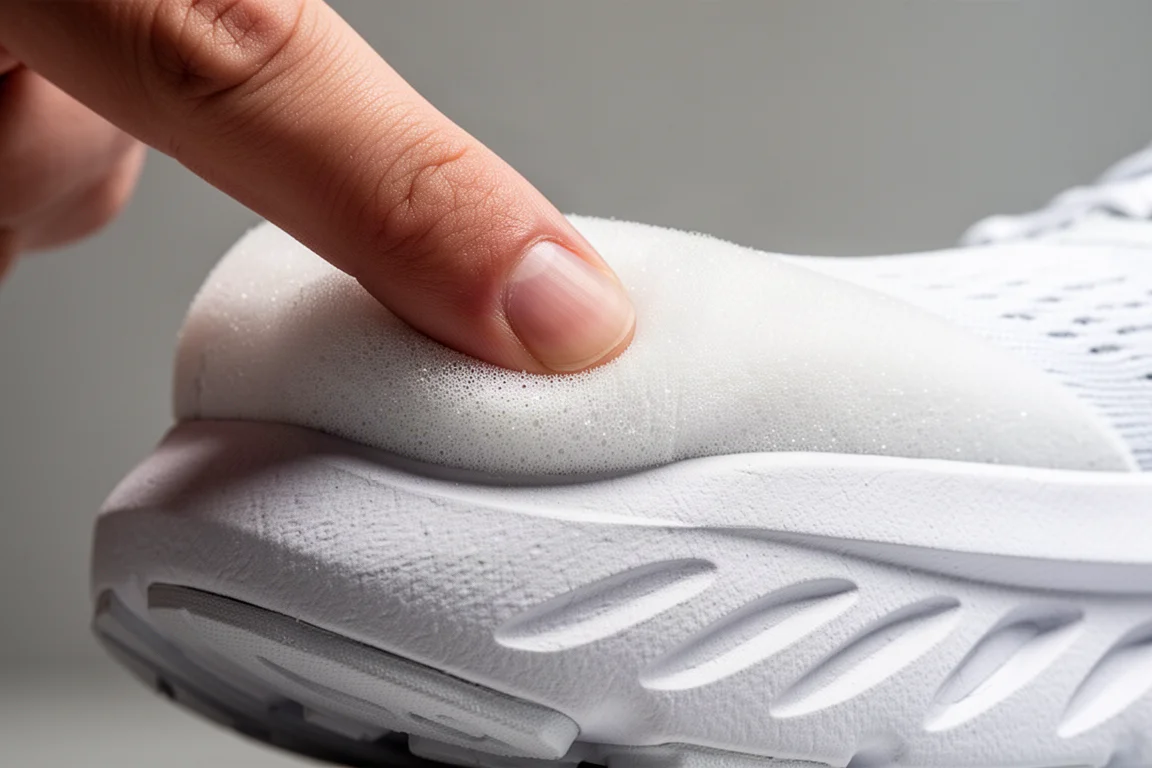
Both are light enough to pick up the pace a little, though neither is an out-and-out tempo contender. Both suit easy-pace training, steady zones, and even recovery runs without feeling like big clogs. The Neo Zen 2 has the better upper fit, with an elasticated tongue that eliminates tongue slide, while the Azura showed some slip on longer efforts thanks to a less perfectly fitting insole. The Azura has a more aggressive ridged outsole but more exposed midsole, while the Mizuno’s rubber sticks out a bit more. Overall, the Neo Zen 2 gets the nod for fit and feel; its main wishlist item is a lace loop on the tongue.
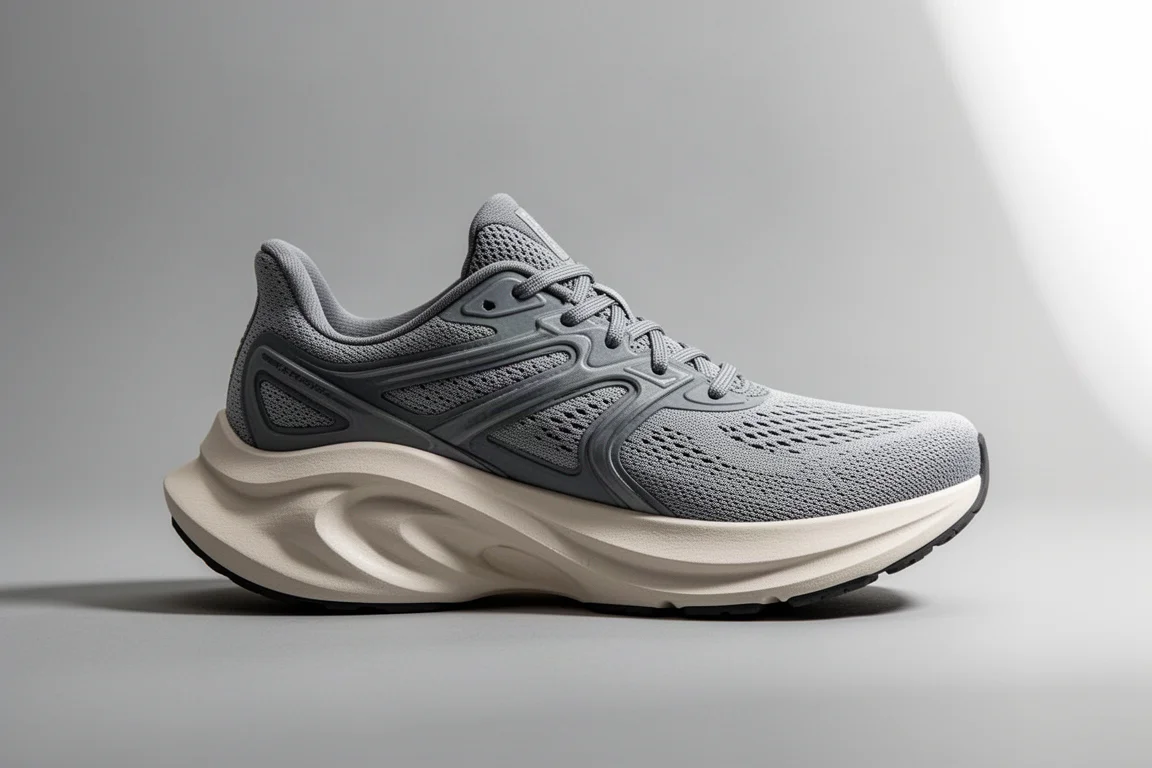
ASICS Novablast 5
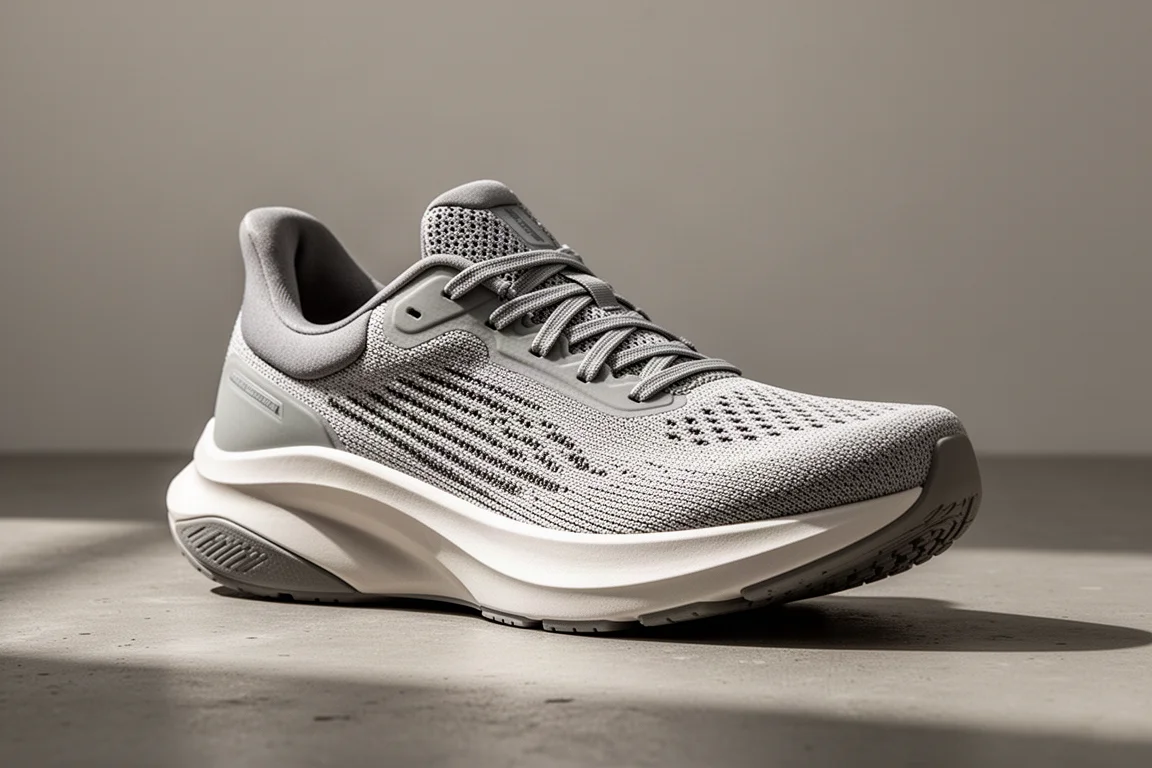
The Novablast 5 has been around a while, and its FF Blast Max foam is very squishy and compressive, though it felt like it lacked a little energy return compared with earlier versions. It is certainly comfortable, but it is not a shoe built for faster miles. The upper is more traditional, which may suit runners who want a standard fit they can lock down, and the heel flare or pull tab is quite considerable.

It is a touch heavier than the Neo Zen 2, which pushes it firmly into daily trainer territory rather than faster sessions. Outsole-wise, the Novablast 5 is a big improvement over the Novablast 4, with better grip, though the many cutouts and ridges trap debris and need regular cleaning, and the shoe picks up dirt easily. It just about takes the outsole edge over the Mizuno. Still, for an all-round pick, the Neo Zen 2 feels a little more peppy, fun, and, honestly, cooler-looking, even with that heel flare.
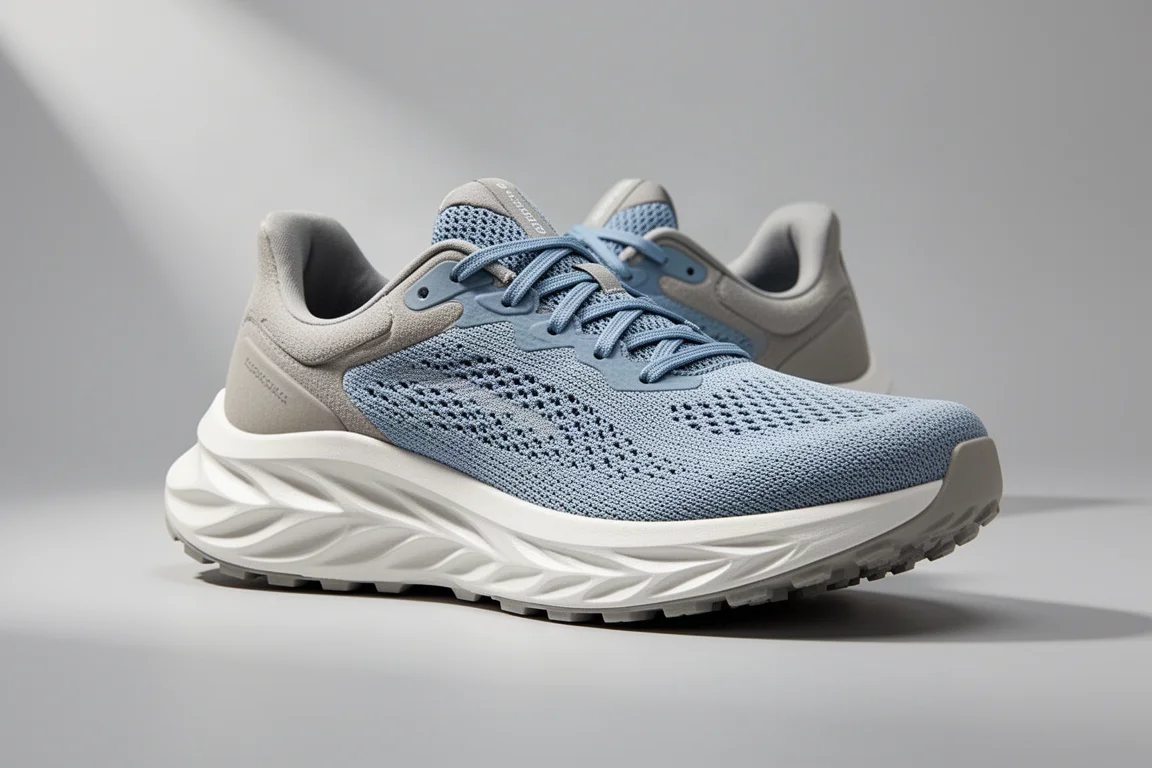
Adidas Adizero Evo SL
The Evo SL is many people’s favourite daily shoe, but it always feels like something a bit more, handling a wider range of paces. It is almost an ounce lighter than the Neo Zen 2 in this size, but with that comes a much narrower, less stable heel. The Neo Zen 2 has noticeably more heel and forefoot stack, making it more of a pure daily shoe, while the Evo SL pushes into tempo territory for many runners. It is not a shoe for slow recovery miles; the Mizuno can do those up to steady pace, and then the Evo SL takes over, being lighter and nimbler on foot.
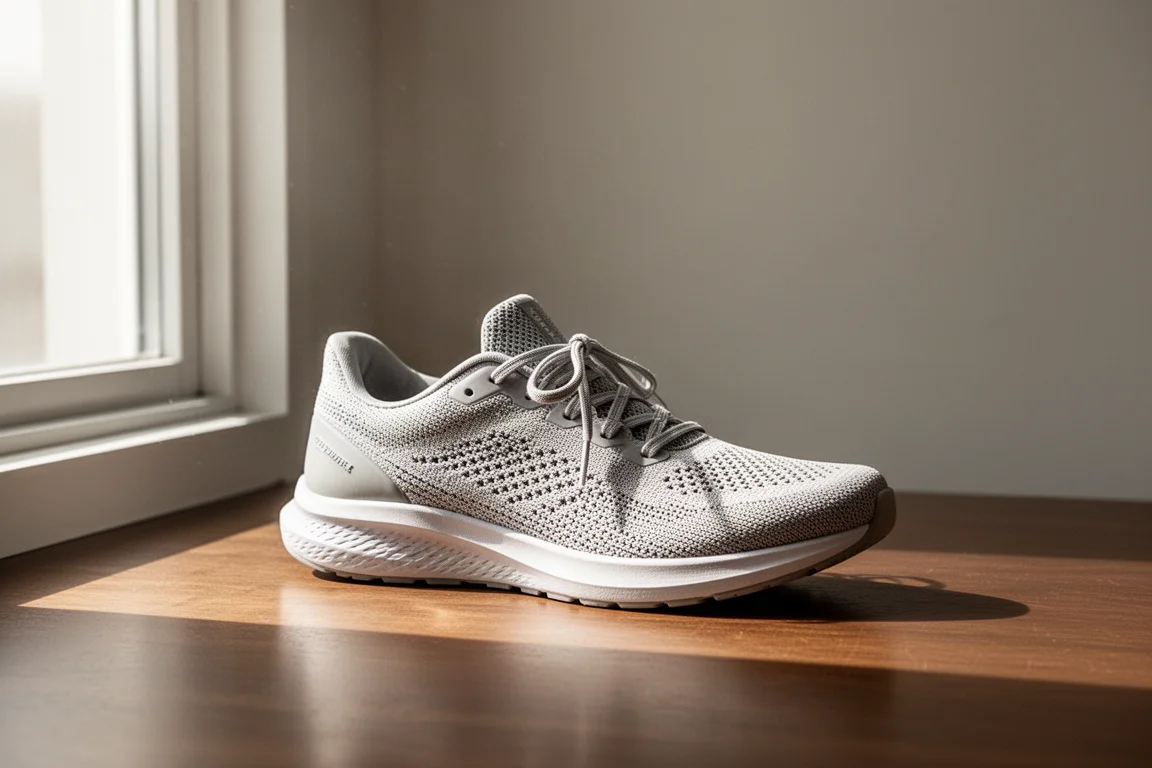
Out of the box the Adidas midsole is very compressive but stays firm, and it does soften up, you just have to put the miles in. Many runners find it a bit dense at first, so break-in is required to unlock the bounce. The upper is more traditional with a standard tongue, some gusseting in this woven version, and a foot-hugging, breathable fit with extra padding around the rearfoot. At a similar price, if you want an out-and-out daily shoe, the Neo Zen 2 is the better bet; if you want one shoe that can handle a lot of different things without building a big rotation, the Evo SL is the answer.
Buying Advice
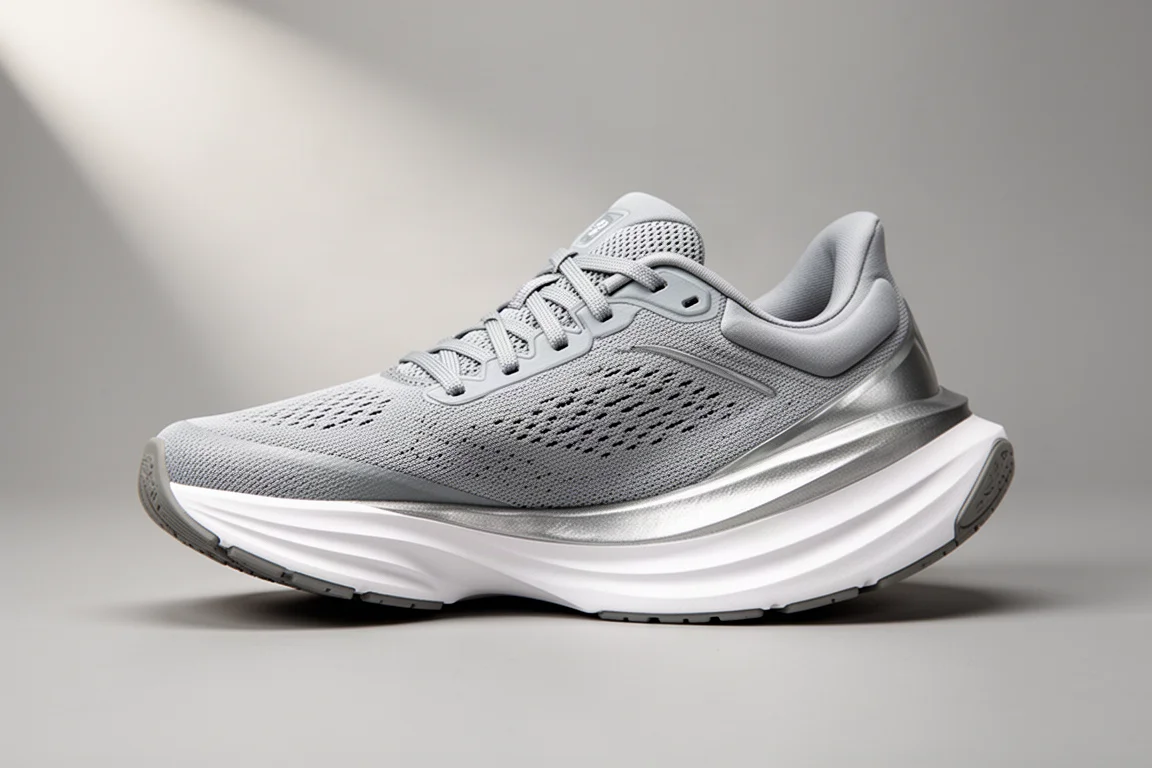
If stability and a consistent underfoot feel matter most, lean Saucony. If you want maximum squish with a secure modern upper, the Neo Zen 2 is hard to beat. The Novablast 5 is the comfortable, traditional daily workhorse, and the Evo SL remains the pick if you want one lighter, more responsive shoe to cover everything from steady runs to quicker sessions.
Conclusion
All four sit in the same price band and all four are genuinely good shoes, so the deciding factors are fit, ride character, and how much speed range you actually need. Match the shoe to your weekly miles and you will not go far wrong with any of them.
Further reading
Related Reviews

Running Shoes
Best Road-to-Trail Running Shoes: Three Versatile Options for Mixed Terrain
A practical guide to three road-to-trail running shoes that handle both pavement and mild trails, with clear strengths and trade-offs for different runner types.

Running Shoes
Best Running Shoes for Achilles Tendonitis: Three Options Explained
Three running shoes with different heel drops and support features designed to help reduce Achilles tendon pain during walking and running.

Running Shoes
Best Running Shoes for Women: Five Top Choices Ranked
A ranked guide to five women's running shoes, from versatile daily trainers to high-performance racing options, with real strengths and trade-offs for each.