Running Shoes
Mizuno Neo Zen After 100 Miles: A Soft, Bouncy Daily Trainer That Stops Short of Greatness
A full 100-mile verdict on Mizuno's Neo Zen: lightweight supercritical TPU foam, a roomy stretchy upper, and clear trade-offs you should weigh before buying.
Introduction
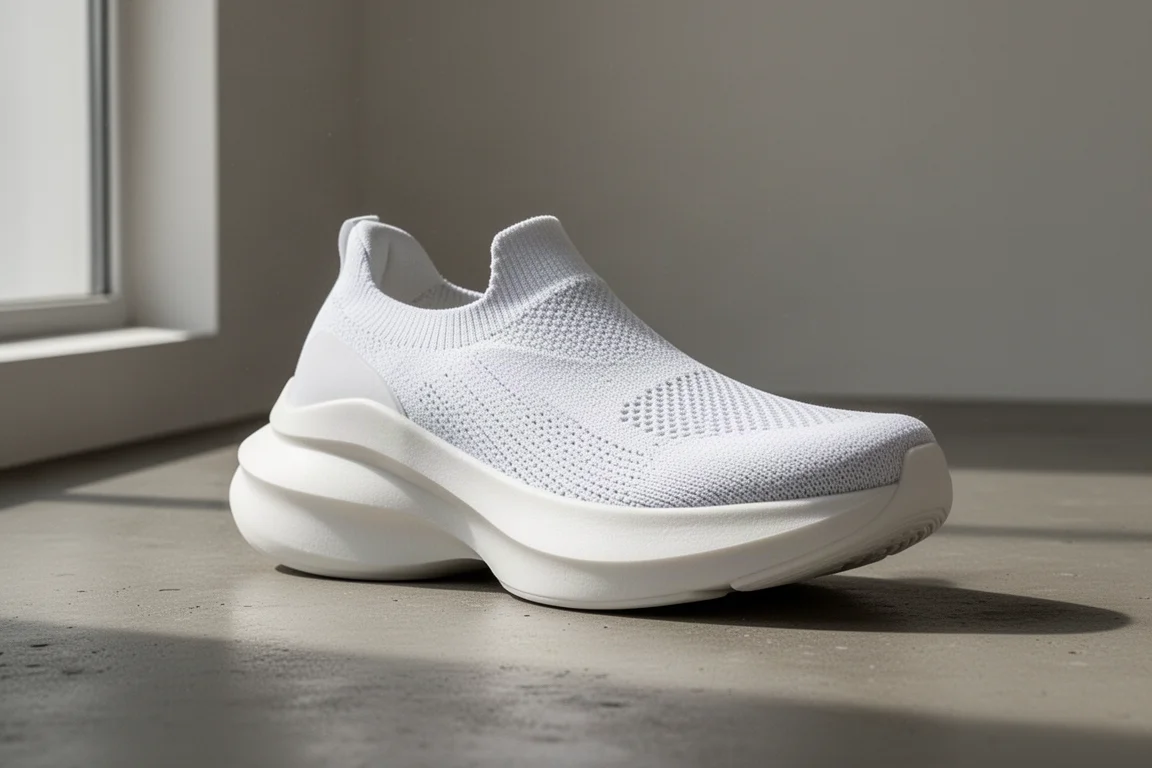
The Mizuno Neo Zen arrived with a lot of excitement, and after putting 100 miles on it, the verdict is nuanced: this is a genuinely good soft-and-bouncy daily trainer that stops just short of the super shoe tier it was sometimes hyped into. At $150, it pairs the real supercritical TPU-based ENERZY Next foam with a non-plated, lightweight build of roughly 250 grams. That combination sounds like a recipe for a max-cushion monster, but in practice it behaves more like a well-rounded standard daily trainer.
This long-term review covers how the Neo Zen feels deep into the mileage, where it excels, and the limitations that became impossible to ignore on tired legs.
Who This Shoe Is For
The Neo Zen is aimed at runners who want a soft, bouncy everyday trainer with good bounce and clean geometry, but who do not need the built-in support of a plated max-stack shoe. Because the foam is supercritical TPU, the ride sits on the softer side, and the shoe has a lower-drop, rockered feel underfoot. The 44mm heel measurement does not translate into a tall, assisted sensation; it feels lower to the ground than the numbers suggest.
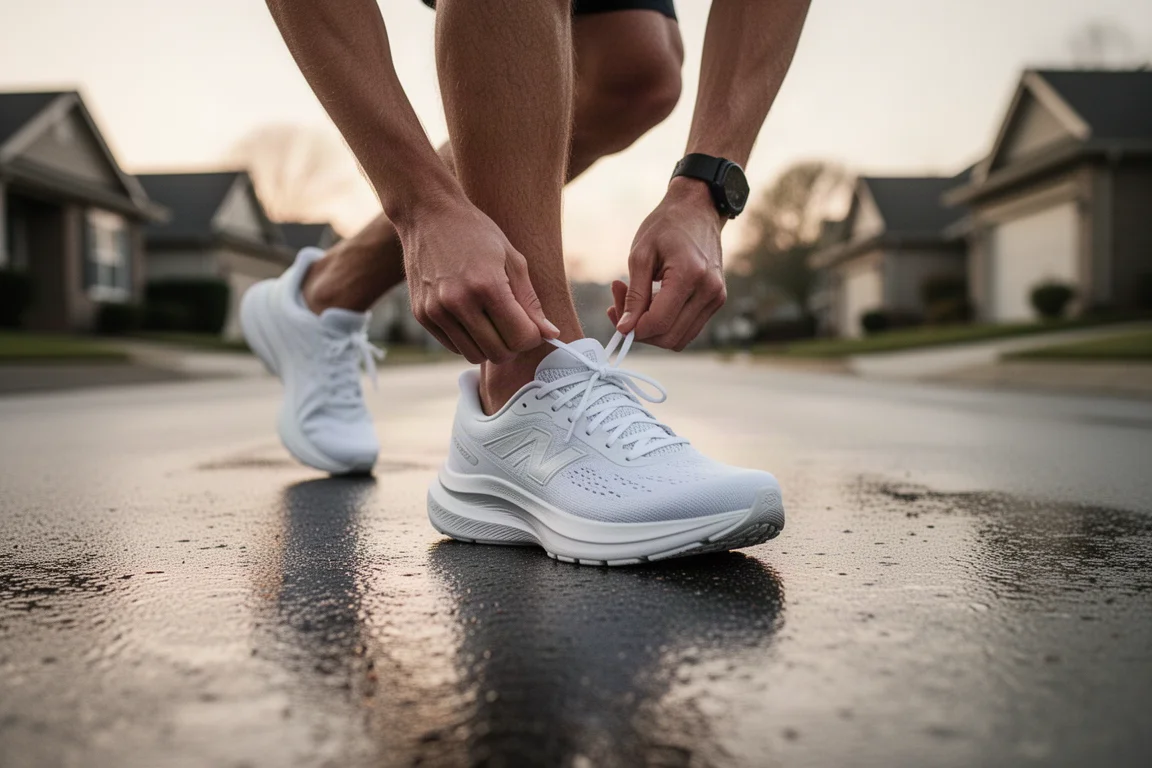
It also suits runners who like a roomy fit. The upper uses a stretchy sock-like material that gives extra length and width, which most average-width feet will appreciate, though very narrow-footed runners may find it loose.
Main Strengths
The headline strength is the foam. This is the genuine supercritical TPU ENERZY Next, not the firmer supercritical EVA variant Mizuno used elsewhere. If you want that soft, bouncy training experience, this is the shoe to get. The ride is energetic, the geometry is well shaped, and the weight is genuinely impressive for the cushion on offer, about 250 grams next to roughly 320 grams for the Puma MagMax and 290 grams for the Neo Vista.
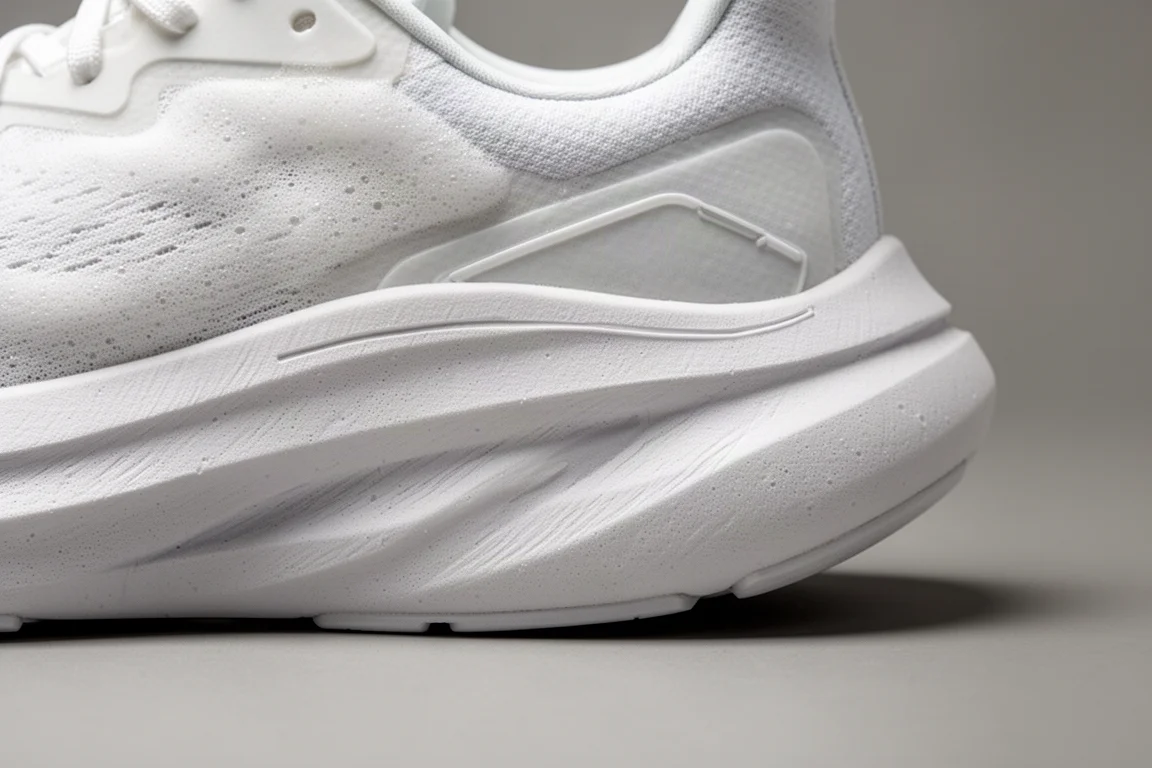
Over the bulk of the 100 miles, the underfoot feel was consistently pleasant. The rocker rolls well at an easy pace, the laces hold a secure fit, and the extra room in the forefoot makes long, easy days comfortable rather than restrictive.
Things to Consider Before Buying
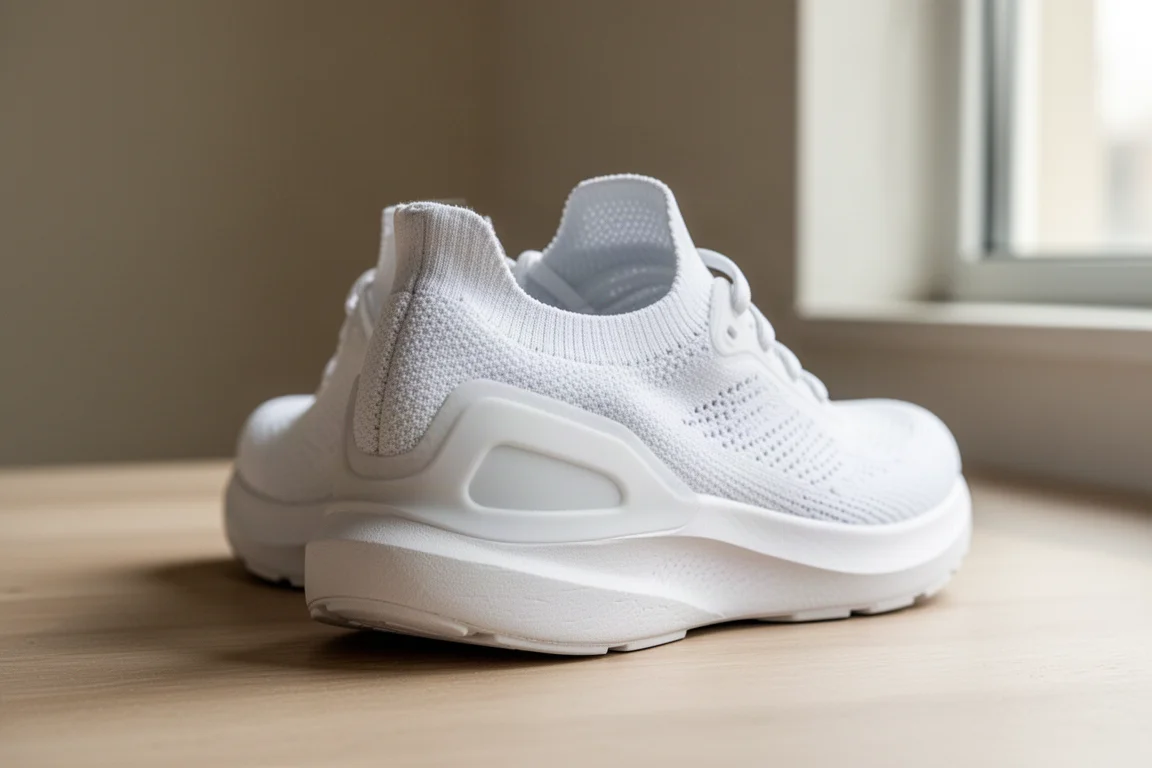
The trade-offs show up in the heel. Without a plate and with a narrower heel platform, the Neo Zen does not wrap and support the foam the way a MagMax or Super Blast does. The heel upper is essentially a soft cloth construction, so rearfoot support is limited, and some runners have reported heel rubbing from the stretchy collar. The lower drop is also worth noting: on fatigued days, the low, soft, rockered profile can feel less reliable than a firmer, higher-drop trainer.
On a rough, beat-up 20-mile day late in the review period, the shoe fell flat. The front end felt mushy, the heel stability was not there, and it lacked the few extra percentage points of assistance that plated max-stack options like the Neo Vista 2 or the MagMax provide. That is the clearest dividing line: this is a daily trainer, not a super max recovery savior.
Buying Advice
After 100 miles, the Neo Zen lands near the Novablast category: very good, but a step below the AeroGlide and Novablast tier. It is comparable in role to a Saucony Ride 18 or Nike Vomero 18 rather than the MagMax, Glycerin Max, AeroGlide, or Neo Vista 2 class of super max trainers. If you want a soft, bouncy, lightweight daily trainer at $150, it is an easy recommendation. If you need a shoe that can rescue completely wrecked legs on brutal recovery days, the Neo Vista 2 is the better pick of the two.

One practical note: this is not a true recovery shoe in the reviewer’s rotation. It rewards a bit of pace and effort to get the foam working, and it shines most when your legs still have something left to give.
Conclusion
The Mizuno Neo Zen is a really solid, soft-and-bouncy daily trainer built on genuinely excellent supercritical TPU foam, at a competitive $150 price and around 250 grams in weight. Its weaknesses are predictable: limited heel support, a lower-drop feel that tired legs may not love, and an upper that some runners will dislike. Expect a strong standard daily trainer, not a super max shoe, and it will reward you with plenty of enjoyable miles.
Product link
View more details for Mizuno Neo Zen
This product is mentioned in the review. Check the specifications, options, and compatibility before buying.
View more details for Mizuno Neo ZenFurther reading
Related Reviews

Running Shoes
Best Road-to-Trail Running Shoes: Three Versatile Options for Mixed Terrain
A practical guide to three road-to-trail running shoes that handle both pavement and mild trails, with clear strengths and trade-offs for different runner types.

Running Shoes
Best Running Shoes for Achilles Tendonitis: Three Options Explained
Three running shoes with different heel drops and support features designed to help reduce Achilles tendon pain during walking and running.

Running Shoes
Best Running Shoes for Women: Five Top Choices Ranked
A ranked guide to five women's running shoes, from versatile daily trainers to high-performance racing options, with real strengths and trade-offs for each.