Running Shoes
Mizuno Neo Vista vs Neo Zen: Which Soft Max-Cushioning Shoe Fits Your Run?
Two plush Mizuno trainers that feel completely different under load. Here is what separates the Neo Vista from the Neo Zen and which one to try first.
Introduction
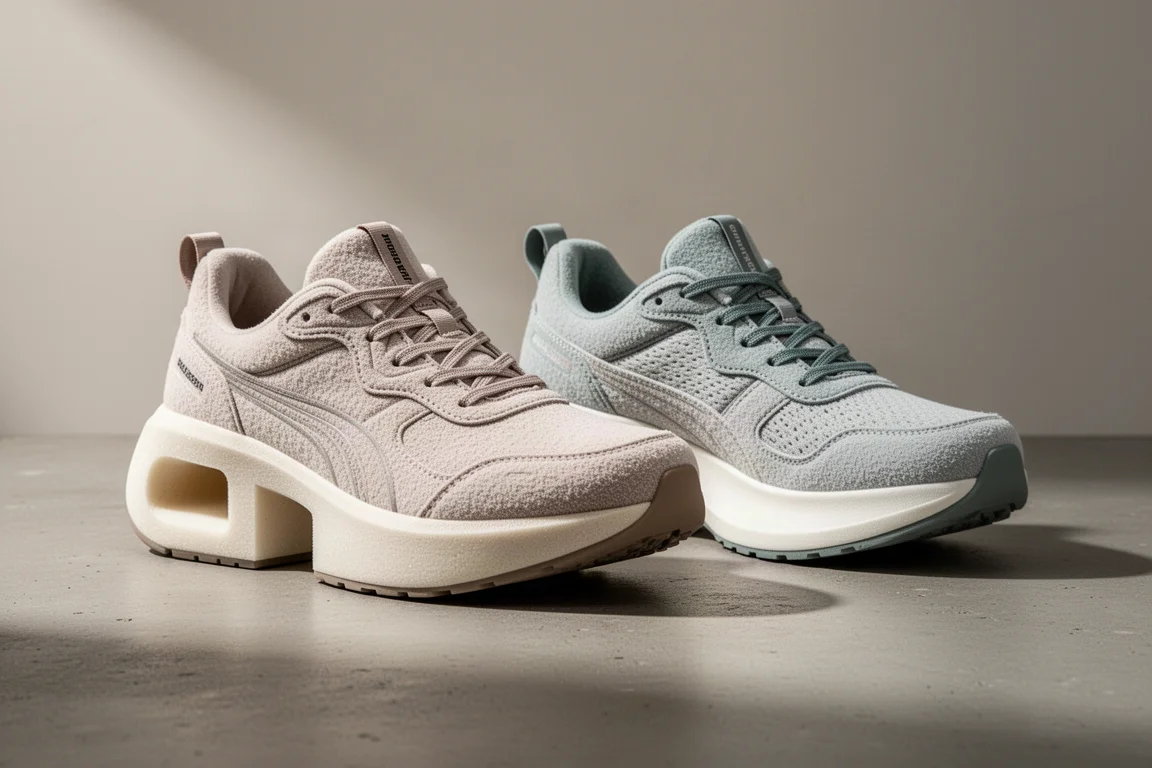
Mizuno has quietly evolved a lot over the past year. Both the Neo Vista and the newer Neo Zen belong to a generation of shoes with updated foams and a very different construction philosophy from what the brand was known for in the past. We compared both models side by side, both with equal wear on them, to understand what actually separates them and what buyers should look for when choosing between them.
Two Soft Shoes, Two Different Characters
On paper, the Neo Vista and the Neo Zen are close siblings. The Neo Vista launched a year earlier, while the Neo Zen is just arriving now, and both sit in Mizuno’s soft, cushioned line-up. Once you actually run in them, though, the experience flips in a way that surprises most people, and it comes down to foam behavior and midsole geometry rather than marketing claims.
First Impressions: The Step-In Test Can Be Misleading
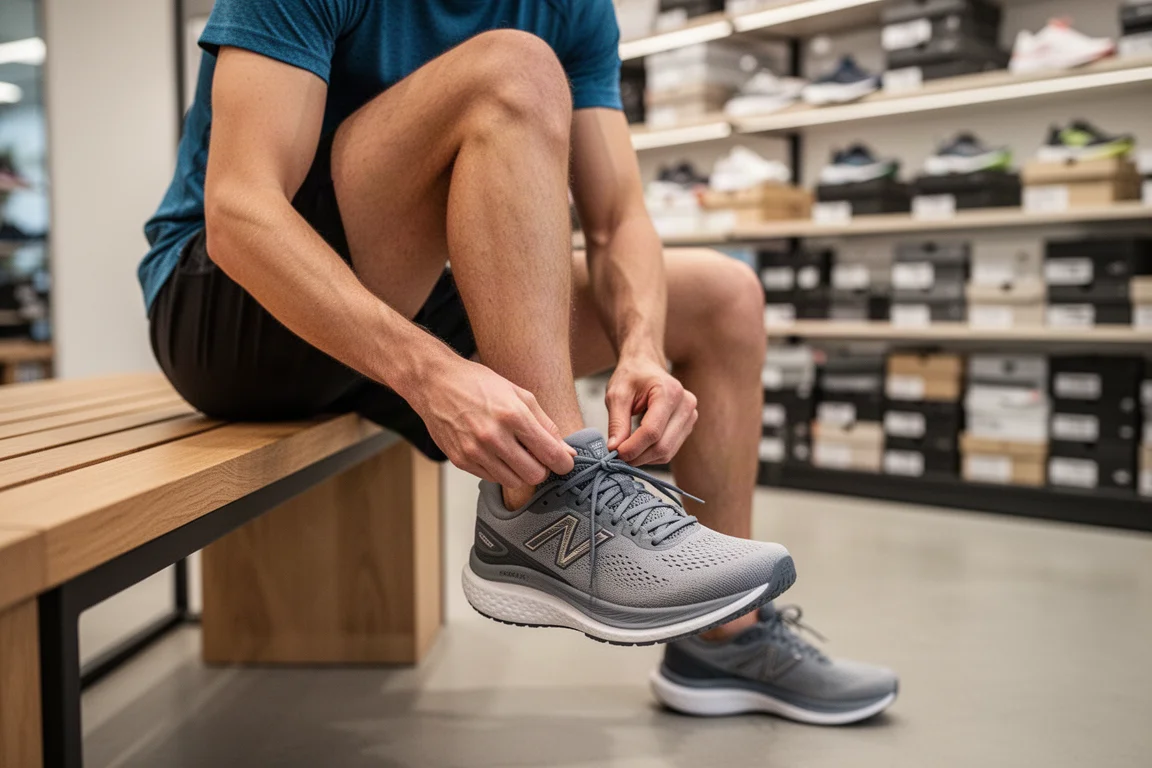
Slipping into the Neo Zen is an immediately plush experience. Your foot and toes sink into a very soft, compliant midsole, and the static feel suggests an extremely cushioned, forgiving ride. Standing in the Neo Vista feels soft too, but without that same sinking, mushy quality.
Here is the catch: step-in feel alone is a poor predictor of ride quality. Midsole foams are velocity dependent, meaning the compression and compliance you feel while slowly standing on a foam is completely different from what you get when you load it quickly during a run. Standing and walking around a store simply cannot tell you how the shoe will actually feel at running pace.
Mizuno Neo Vista: Softer and Less Stable Under Load
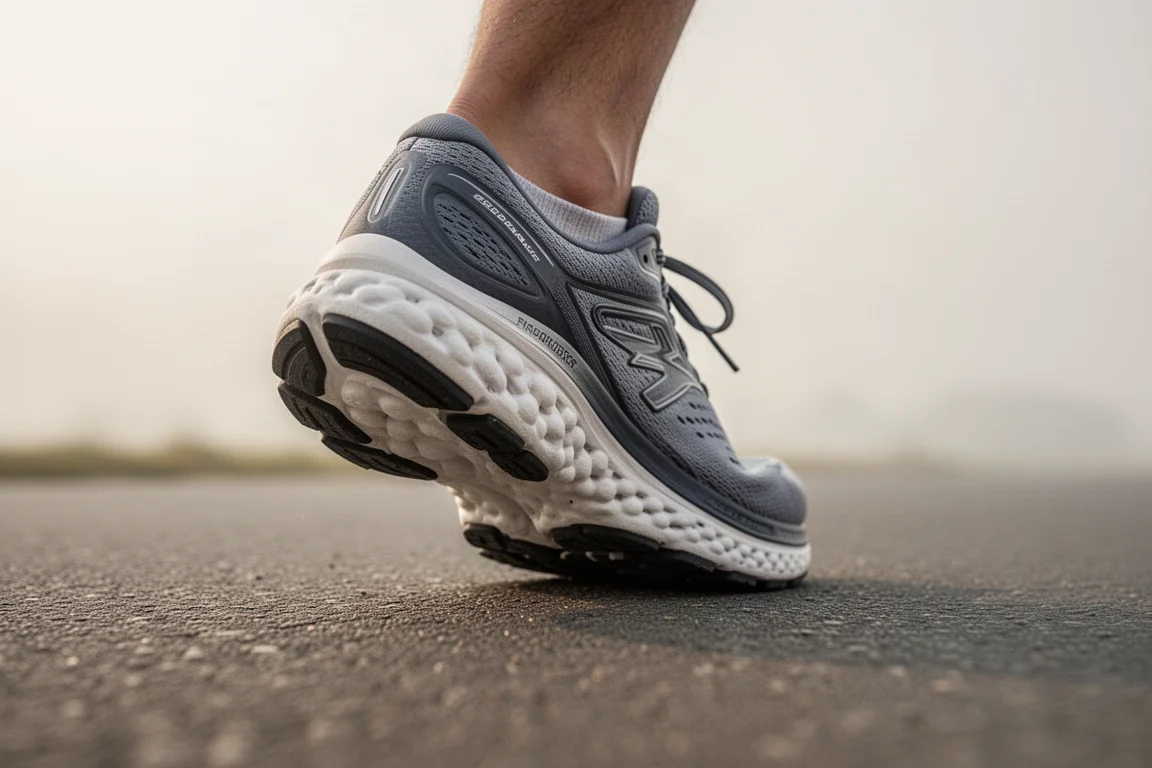
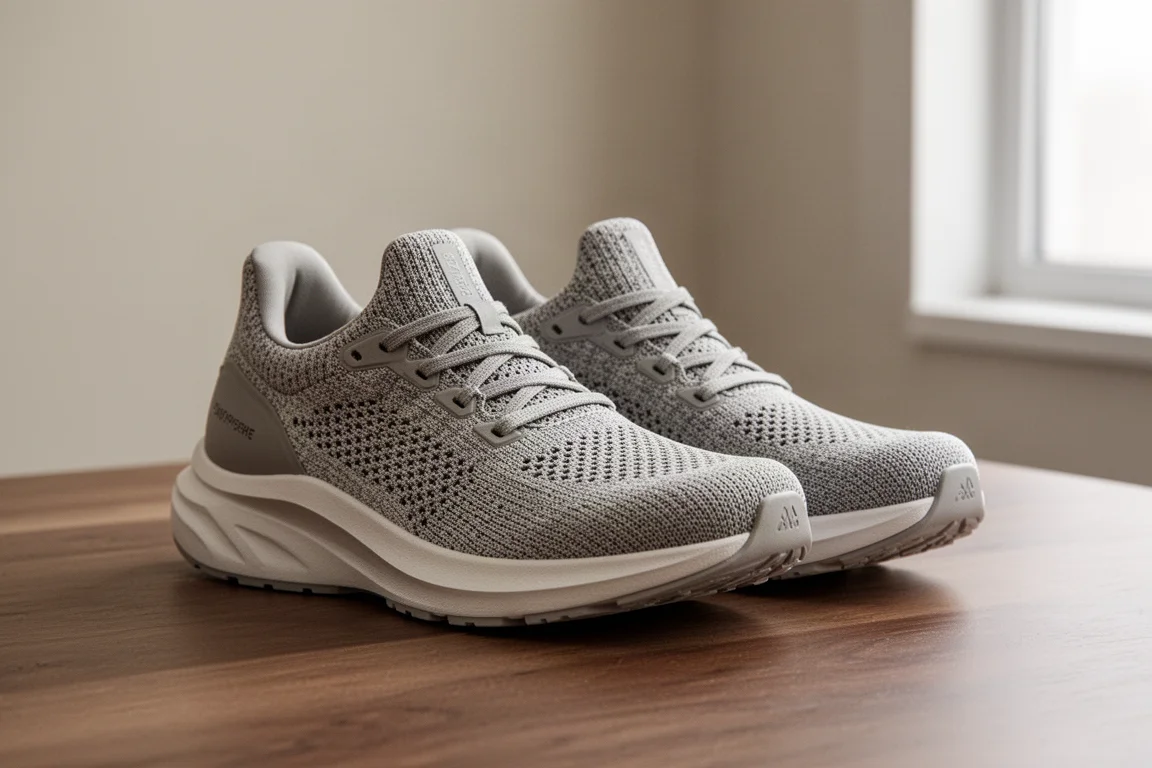
Once you start running, the roles reverse. The Neo Vista actually comes across as the softer, more compliant and slightly less stable of the two. One reason is that its midsole foam responds differently under fast loading. The bigger factor, though, is geometry: the Neo Vista has a large cutout in the middle of the midsole, creating two separate pillars of foam on the medial and lateral sides.
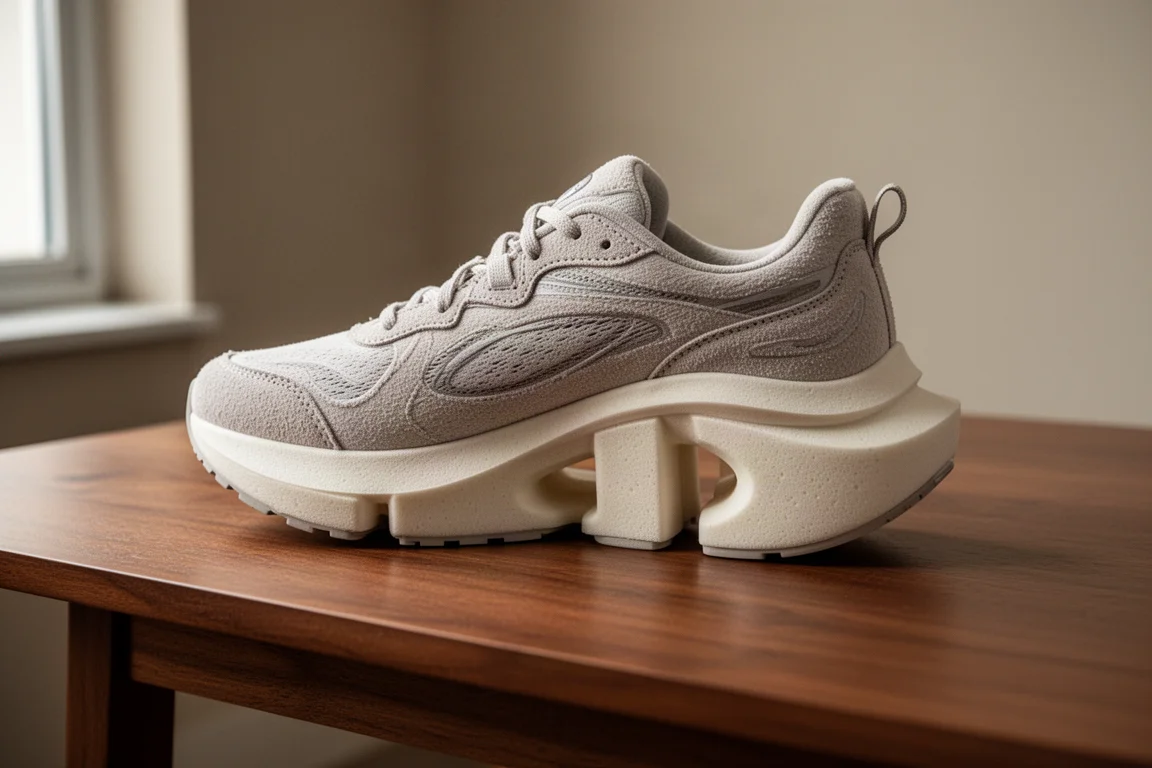
Those pillars compress independently of each other and can move to the side because there are fewer cross bridges between them. That independent compression gives the Neo Vista a plusher, more forgiving feel, but it costs some stability on the platform, even with the plate in the shoe. It remains an excellent option if your priority is a softer, more relaxed ride.
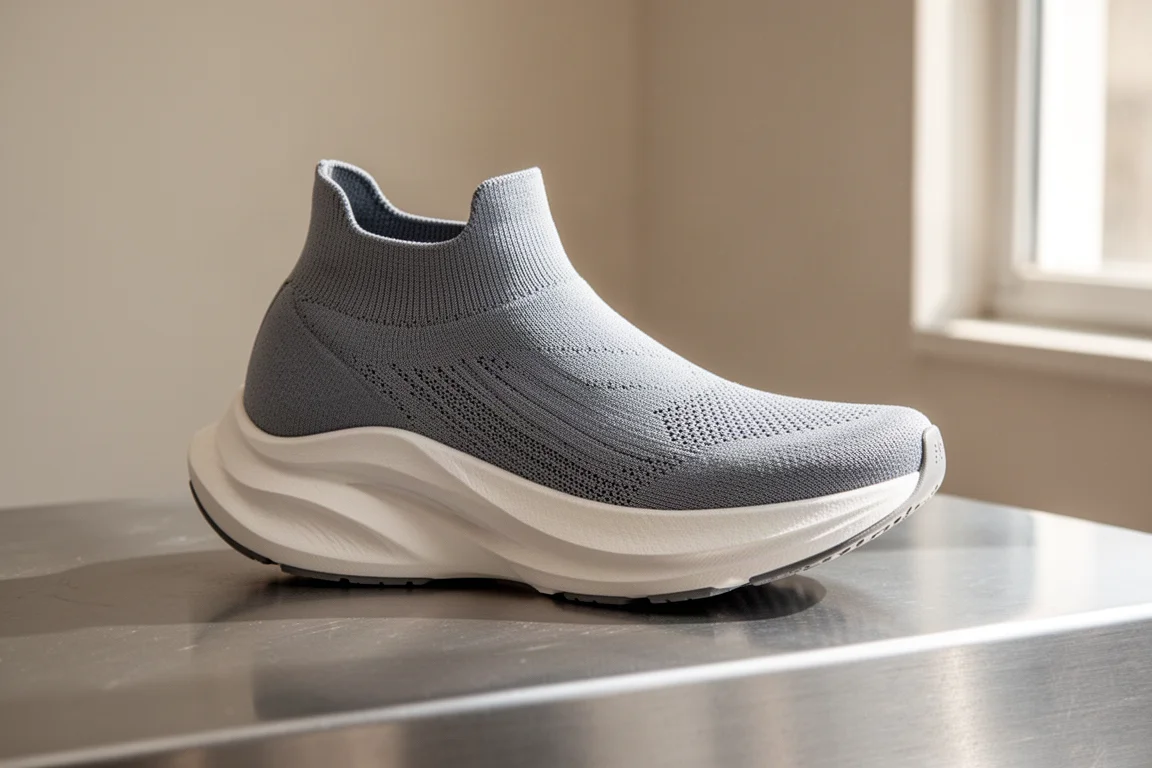
Mizuno Neo Zen: Stable Despite the Softness
The Neo Zen is the opposite surprise. Despite feeling softer on first step-in, it runs as the more stable of the two. Its midsole is completely filled in, with only a small groove, so the medial and lateral sides are connected. That connection reduces independent compression across the platform.
The payoff shows up in cornering and overall platform stability. If you want the plush step-in feel plus a ride that holds its shape better through turns and uneven footing, the Neo Zen is the more convincing pick.
Buying Advice: Always Take Them for a Run
The lesson from this comparison applies to any cushioned shoe you are shopping for. Because midsole foams respond differently depending on how fast they are loaded, the shoe that feels softest while you stand in it is not necessarily the softest or most cushioned when you run.

If you are trying shoes in a store, running shops are generally happy to let you take a short run in them, so advocate for yourself and get that run in. Pay attention to how the geometry, stiffness, and midsole cutouts shape the experience at real pace, and you will know whether the cushioning on offer is truly the one you want.
Conclusion
Both the Neo Vista and the Neo Zen are strong examples of how far Mizuno’s foams and construction have come. The Neo Vista rewards runners who want a softer, more compliant ride and can accept a slightly less stable platform. The Neo Zen gives you the plush step-in feel with better stability and cornering confidence. Try both at running pace before you decide, because static feel will not tell you the whole story.
Further reading
Related Reviews

Running Shoes
Best Road-to-Trail Running Shoes: Three Versatile Options for Mixed Terrain
A practical guide to three road-to-trail running shoes that handle both pavement and mild trails, with clear strengths and trade-offs for different runner types.

Running Shoes
Best Running Shoes for Achilles Tendonitis: Three Options Explained
Three running shoes with different heel drops and support features designed to help reduce Achilles tendon pain during walking and running.

Running Shoes
Best Running Shoes for Women: Five Top Choices Ranked
A ranked guide to five women's running shoes, from versatile daily trainers to high-performance racing options, with real strengths and trade-offs for each.