Running Shoes
Mizuno Neo Vista vs Asics Superblast 2: Two Super Trainers, One Tough Call
Two of the most versatile super trainers of 2024 go head to head on ride, fit, stability, and value to help you pick the right one.
Introduction
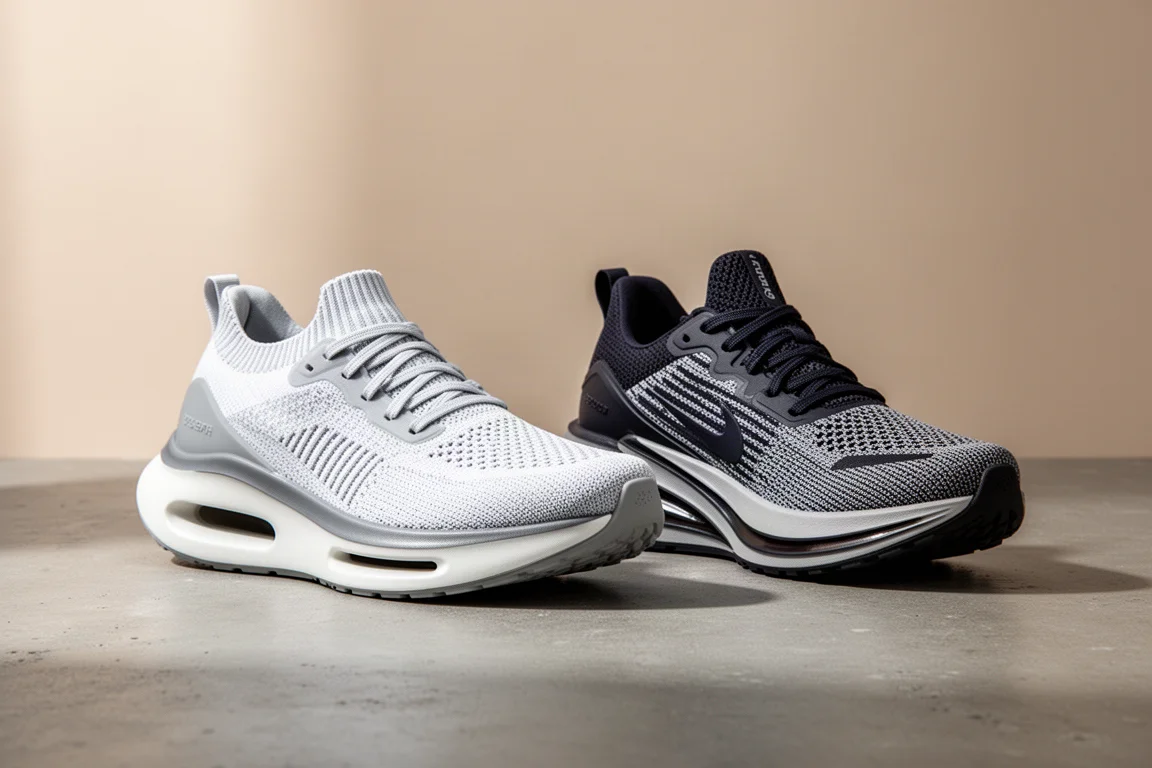
Some comparisons are hard because the shoes are polar opposites. This one is hard because the Mizuno Neo Vista and the Asics Superblast 2 are two of our favorite shoes of 2024 so far, both broadly falling into the super trainer category, both versatile, both comfortable yet lightweight and surprisingly speedy.
They share a similar silhouette: very high stacks, an 8mm drop, and exciting foam technology. But the ride character, the uppers, and especially the price set them apart in ways that genuinely matter when you are choosing one shoe to do most of your training in.
Specs and Construction
The Superblast 2 is the more expensive shoe at £200 or $200, while the Neo Vista comes in at £150 or $180. They are close in weight, with the Superblast slightly lighter: 252g or 8.9 oz in a UK 9, versus 259g or 9.1 oz in the Neo Vista’s UK 8.5.
Stack heights are nearly identical. The Neo Vista measures 44.5mm at the heel dropping to 36.5mm at the forefoot; the Superblast 2 is 45mm at the heel and 37mm at the forefoot. Both have an 8mm drop.
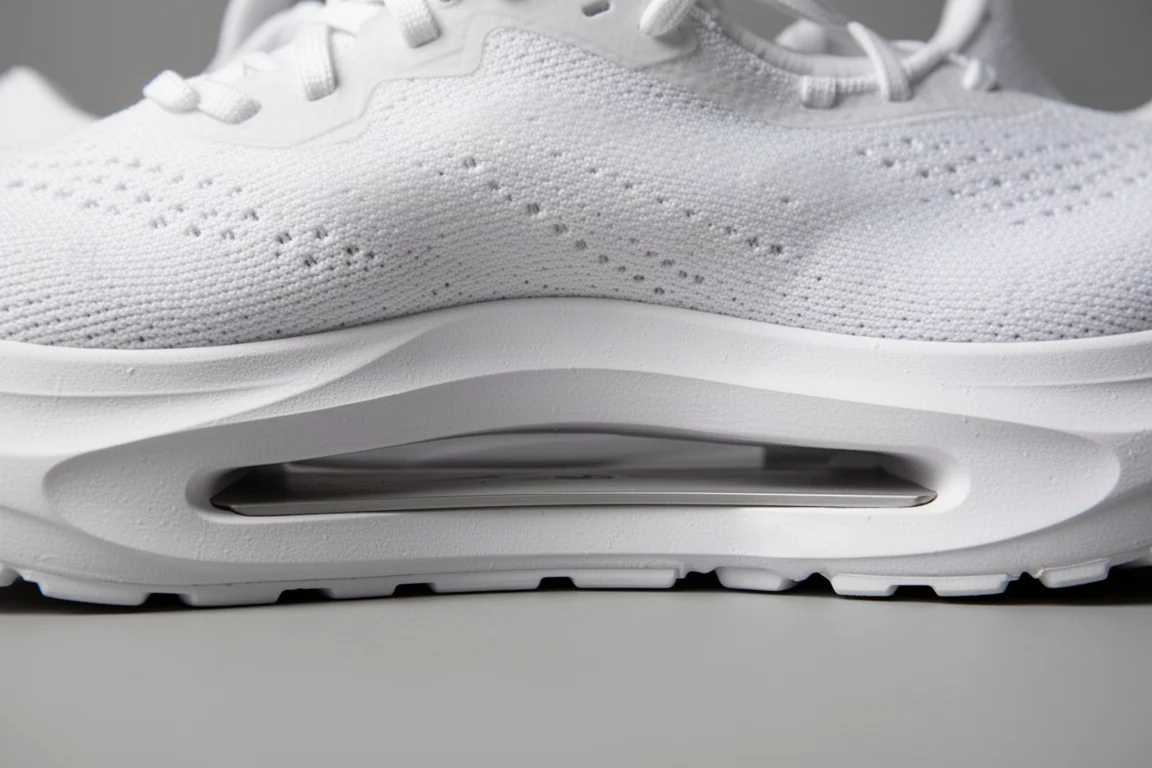
In the Neo Vista, Mizuno uses two layers of its NZ NXT foam, a soft and springy EVA, with a nylon plate running through the midsole, visible from the bottom thanks to a huge cutout that runs along the length of the shoe. The Smooth Speed Assist rocker is set at a gentler 5-degree angle than the more aggressive geometry of Mizuno’s Wave Rebellion Pro racing shoes. The upper is a bootie-style design with an integrated tongue, and a rubber outsole covers all the foam that contacts the ground around that big cutout.
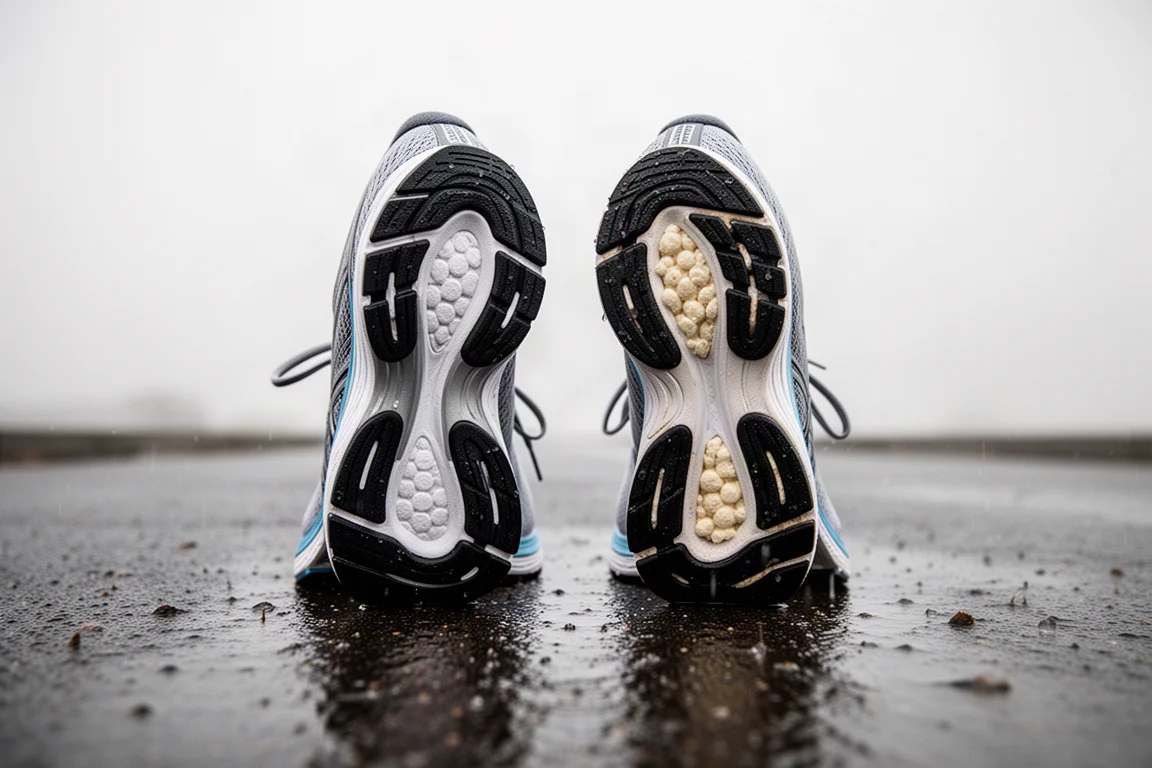
The Superblast 2 upgrades the original’s midsole to FF Turbo Plus, the same foam used in the Metaspeed Sky Paris and Edge Paris, with FF Blast Turo Eco underneath. It gets a fairly standard engineered mesh upper with a partially gusseted tongue, a slightly more substantial heel counter than the Mizuno, and an AHAR rubber outsole with rubber used sparingly, leaving plenty of exposed foam but covering all the key impact areas.
Fit and Sizing
The fit is where these two diverge most. The Superblast 2 has come down slightly in length compared to the original, which suits runners who were between sizes in the first version. It fits true to size for most, is roomy in the forefoot, and has a comfortable, traditional, well-padded upper that most people will get on with easily. Our tester’s advice: if you are between two sizes, go for the bigger one.
The Neo Vista’s bootie upper is a different story. It is roomy and stretchy, and one of our testers, a UK size 8, found a bit of extra space at his usual size and suggested possibly sizing down half a size. Our other tester went half a size down specifically because the bootie design benefits from a slightly tighter fit. If you are on the fence between two sizes in the Neo Vista, take the smaller one.
One tester was neutral on bootie uppers in general but found this one a bit oppressive at times, rising very high at the heel. The other is not a fan of the design at all, noting that when cornering, the foot pushes against the soft material and you lose a little control. The Superblast 2, by contrast, feels much more locked down and racier at speed. Neither shoe is unstable despite the towering stacks, but the Asics upper is the easier one for more people to live with.
Ride Feel: Tempo Precision vs Bouncy Fun
This is the heart of the comparison, and it is genuinely close. The Superblast 2 is not a huge departure from the first Superblast; it feels like a refinement. The new FF Turbo Plus adds a bit more energy return and a slightly faster feel, though not dramatically. Over a long progression run, the shoe makes it remarkably effortless to pick up the pace: speed builds before you notice it, heart rate stays low, and tired legs on long marathon-pace segments stay comfortable. It shines on tempo runs, long runs with hard sections, and marathon training.

The Neo Vista is softer and bouncier. It skews more toward comfortable, fun daily miles than fast sessions, though it has proven it can handle a track session too. At slower paces it is arguably the more enjoyable of the two, with more spring on offer for shuffly, shorter-stride runners who sink into the generous foam wedge and get a satisfying bounce back out.
There is a nuance worth noting: because the Superblast’s foam is slightly firmer and the shoe squishier under load, heavier runners may get more bounce out of the Asics, while lighter runners may extract more spring from the Mizuno. Both handle easy miles well, both can do long runs and progression runs, and neither is a dedicated speed day shoe. The rides are simply different flavors of the same versatility.
Daily Practicality and Stability
If you plan to use one shoe for everything, every single day, some small quality-of-life details tip toward the Superblast 2. It is a little more stable because it is not quite as soft and has no giant midsole cutout, which on the Neo Vista occasionally catches stones. The more traditional upper is more comfortable for more people, and the fuller outsole coverage makes it more reassuring on canal towpaths, forest trails in summer, and cambered pavements with roots.
The Neo Vista is not unstable despite its stack and softness, but those little things add up for a shoe you wear day in and day out. On pure ride feel, though, there is very little between them for the same use cases: long runs, progression runs, and easy miles.
Verdict: Which One Should You Buy?
If price were removed from the equation and you had to pick one shoe for most of your training, the Superblast 2 takes it. It feels faster and easier to hold pace on tempo efforts and long marathon-training runs, the upper is more locked down and racier, and it is the safer daily all-rounder.
But price is exactly why the Neo Vista is the smarter call for most people. It is £50 cheaper in the UK, a difference comparable to an entire pair of budget trainers in the sale, and for what is essentially a top-tier super trainer, that is remarkable value. In the US the gap is $20, which makes the decision tougher and leans back toward the Asics for those who prefer its upper and outsole.
Our take in short: at the same price, lean Superblast 2. But if you love a really bouncy ride, take the Neo Vista without hesitation; it does much of the same job, is arguably better at easy paces, and is not far behind at faster ones. It is also worth remembering that strong, cheaper alternatives like the New Balance Rebel V4 are emerging in this space, so the Superblast 2 faces more competition than the original did. For most buyers, though, the Neo Vista’s combination of bounce, comfort, and value wins.

Conclusion
The Neo Vista and Superblast 2 are close enough in performance that fit preference and budget should drive your decision. The Superblast 2 edges ahead on tempo pace, upper lockdown, and everyday practicality; the Neo Vista counters with a bouncier, softer ride and a significantly friendlier price. Two excellent shoes, one clear value winner.
Product link
View more details for Mizuno Neo Vista
This product is mentioned in the review. Check the specifications, options, and compatibility before buying.
View more details for Mizuno Neo VistaFurther reading
Related Reviews

Running Shoes
Best Road-to-Trail Running Shoes: Three Versatile Options for Mixed Terrain
A practical guide to three road-to-trail running shoes that handle both pavement and mild trails, with clear strengths and trade-offs for different runner types.

Running Shoes
Best Running Shoes for Achilles Tendonitis: Three Options Explained
Three running shoes with different heel drops and support features designed to help reduce Achilles tendon pain during walking and running.

Running Shoes
Best Running Shoes for Women: Five Top Choices Ranked
A ranked guide to five women's running shoes, from versatile daily trainers to high-performance racing options, with real strengths and trade-offs for each.