Running Shoes
Mizuno Neo Vista Review: A Confusing Super-Stack Trainer That Almost Works
Twenty miles in the Mizuno Neo Vista reveal a lightweight, protective daily trainer with pleasant geometry but foam that never quite earns its $180 price tag.
Introduction
The Mizuno Neo Vista is a max-stack daily trainer that arrives with high expectations. Many runners recommend it as one of the softest and bounciest shoes they have tried, and the shoe carries a $180 price tag that puts it in the top-tier performance trainer category. After a high-mileage test day totaling 20 miles across two runs, the picture is mixed: the geometry, weight, and protection are genuinely good, but the foam never delivers the pop that separates the best shoes in this class from the rest.
Who This Product Is For
The Neo Vista makes the most sense as a protective daily trainer for easy and moderate running. It is lightweight for its stack height, absorbs impact well, and has a smooth rocker that rolls you forward comfortably once you learn to work with the heel bevel. Runners coming from a standard, less cushioned shoe will find it noticeably softer and plusher than what they are used to.
It is a solid pick if you want an 8-to-12-mile morning run shoe that does nothing offensive, similar in character to a cushioned workhorse rather than a race-day weapon. If you are coming from the best max-stack shoes on the market, expect a step down.
Main Strengths
The strongest part of the Neo Vista is its ride geometry. The rocker is smooth and the heel bevel, which looks unusual with its cut-out heel design, stopped being a problem once running instead of standing in the shoe. The weight-to-stack-height ratio is also a genuine plus, and the cushioning and impact absorption are comfortable even on big mileage days.
The shoe also holds a nice middle ground in feel: not the softest, not the bounciest, but sitting in the fat part of the bell curve toward the softer end. During fresher miles at around 7:30 pace, the shoe performed well and nearly disappeared underfoot.
{{image:1}}
Things to Consider Before Buying
The foam is the sticking point. On the second run of a 20-mile double, once the legs faded, the midsole had little resilience left to give. The outsole creases looked less like a foam breaking in and more like a foam that was simply tired. By the end, the ride felt like running on a slowly deflating balloon, soft without being forgiving, mushy without much return.
The plastic plate does not add much noticeable pop either, and the shoe feels sluggish compared with more energetic rivals. The Puma MagMax, with a 47mm heel stack, has proven a reliable and fun workhorse with good bounce and structure over more than 100 miles, and the Hoka Skyward X pairs a race foam with a training foam and a carbon fiber plate for a firmer, bouncier, more fun ride. The Brooks Glycerin Max leads the category on pure comfort. Against that trio, the Neo Vista is a notch below.
{{image:2}}
It also carries some family resemblance to Mizuno’s Wave Rebellion line, including the same unusual heel geometry. Riders who liked the Wave Rebellion Pro 2’s aggressive character may feel at home, but the Neo Vista’s foam is more ordinary. In the wider lineup, it lands somewhere around a six or seven out of ten: not a bad shoe, just not the pick for high mileage. For context, the ASICS Super Blast is a lighter-feeling shoe with better high-mileage resilience but a less pleasant ride experience, and the Neo Vista actually beats it on ride feel.
{{image:3}}
Buying Advice
At $180, the Neo Vista is priced like a top-line performance trainer alongside shoes such as the Brooks Hyperion Max 2 and New Balance SC Trainer v3, but it does not have the fast bite of those shoes. It should really sit closer to the $150 to $160 range. If you can find it discounted to around $140 or $150, it becomes a reasonable value as a protective, lightweight daily trainer.
As a comparison point on pricing, the Puma MagMax undercuts this category at $180 while rivals like the Glycerin Max and Skyward X run higher, which makes the Neo Vista feel caught in no man’s land. If you are shopping purely for a comfortable daily trainer, alternatives like the Saucony ride-focused options, the Adidas Supernova Prima, or the Hoka Skyflow are worth a look first.
{{image:4}}
Conclusion
The Mizuno Neo Vista is a confusing shoe: good geometry, nice weight, solid protection, and average foam that cannot hang with the best super-stack trainers. It is not actively bad to run in, and it beats some rivals on ride feel, but it lacks the zip and resilience that make a $180 shoe worth that price. Buy it on discount as an easy-day cruiser; otherwise the big three of the max-stack category remain the safer choices.
Product link
View more details for Mizuno Neo Vista
This product is mentioned in the review. Check the specifications, options, and compatibility before buying.
View more details for Mizuno Neo VistaFurther reading
Related Reviews
Running Shoes
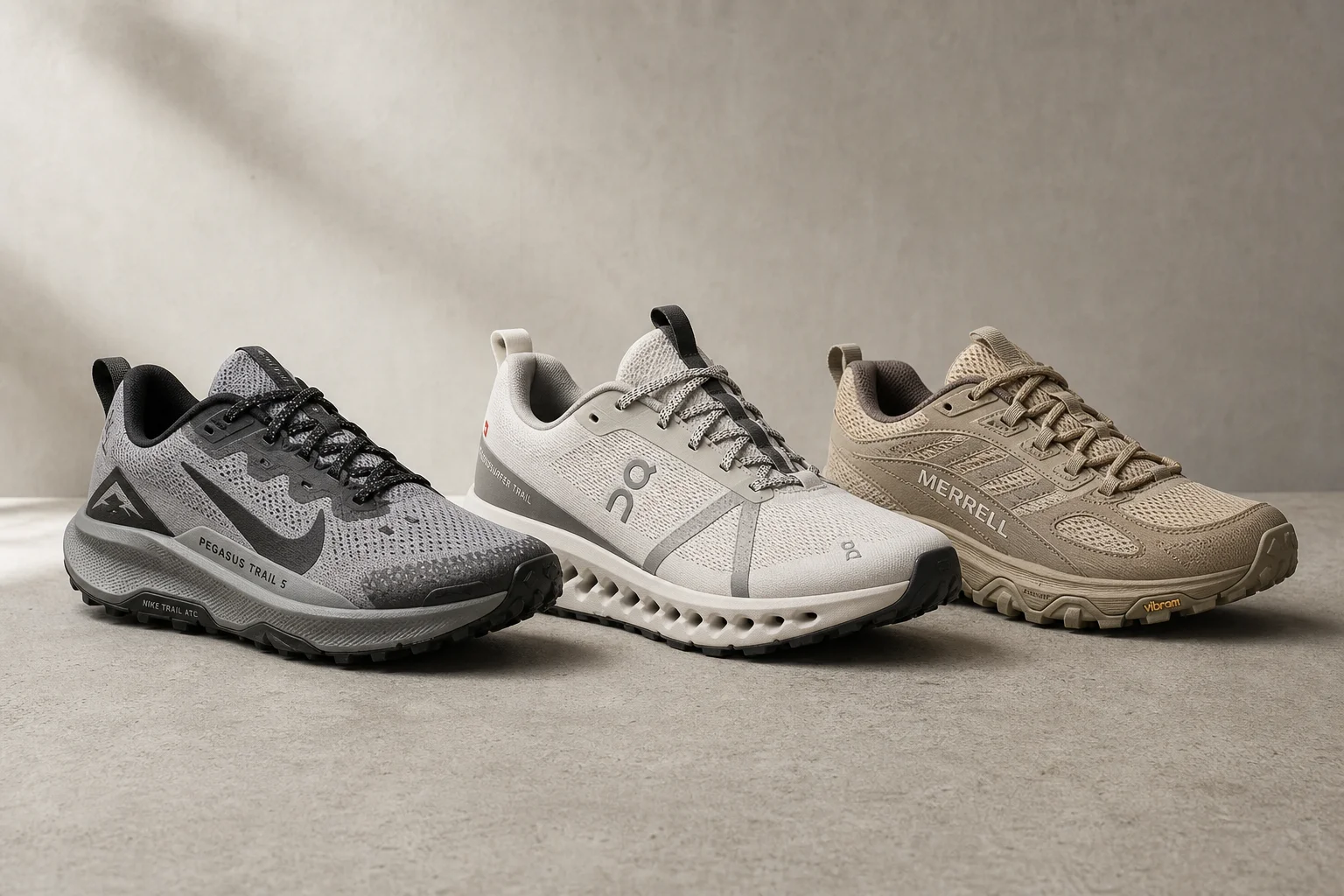
Best Road-to-Trail Running Shoes: Three Versatile Options for Mixed Terrain
A practical guide to three road-to-trail running shoes that handle both pavement and mild trails, with clear strengths and trade-offs for different runner types.
Running Shoes
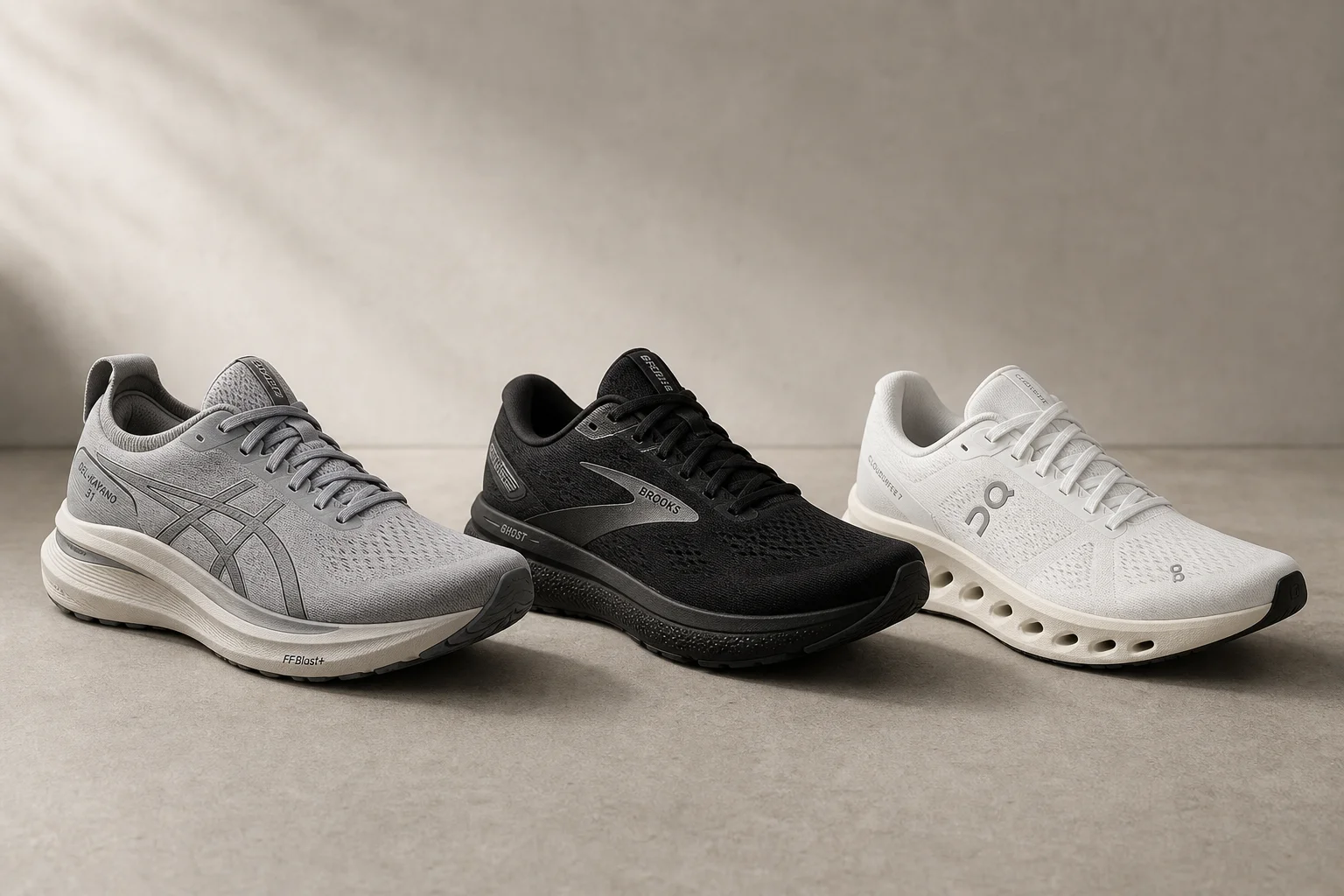
Best Running Shoes for Achilles Tendonitis: Three Options Explained
Three running shoes with different heel drops and support features designed to help reduce Achilles tendon pain during walking and running.
Running Shoes
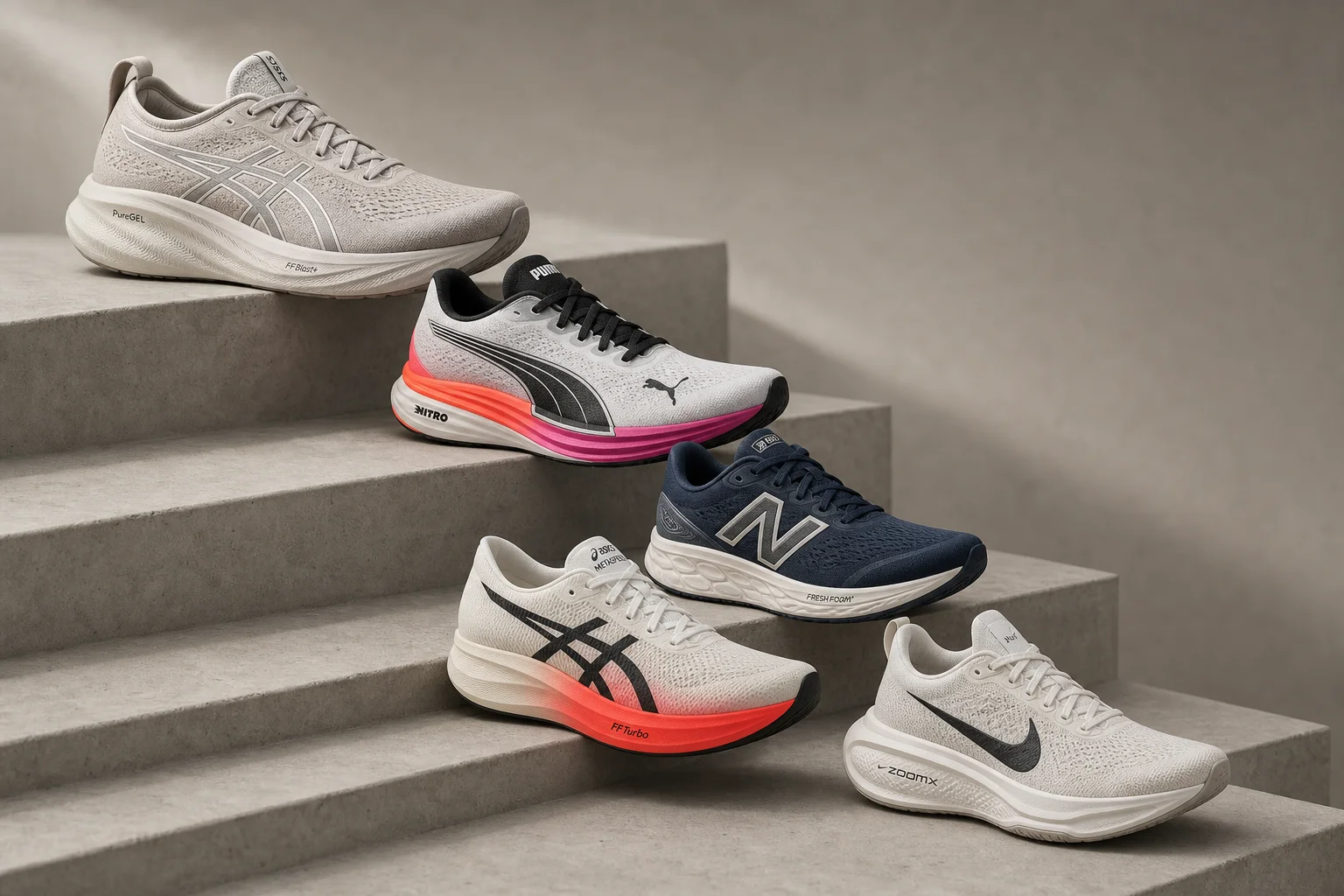
Best Running Shoes for Women: Five Top Choices Ranked
A ranked guide to five women's running shoes, from versatile daily trainers to high-performance racing options, with real strengths and trade-offs for each.