Running Shoes
Mizuno Neo Vista 3 Review: A Refined Max Cushion Trainer, Plus the Alternatives Worth Considering
The Neo Vista 3 refines Mizuno's max cushion formula with a reshaped wave plate and firmer underfoot feel. Here is how it runs, and how it compares to the Neo Vista 2, Wave Sky 9, Nike Vomero Plus, and Asics Superblast 3.
Introduction
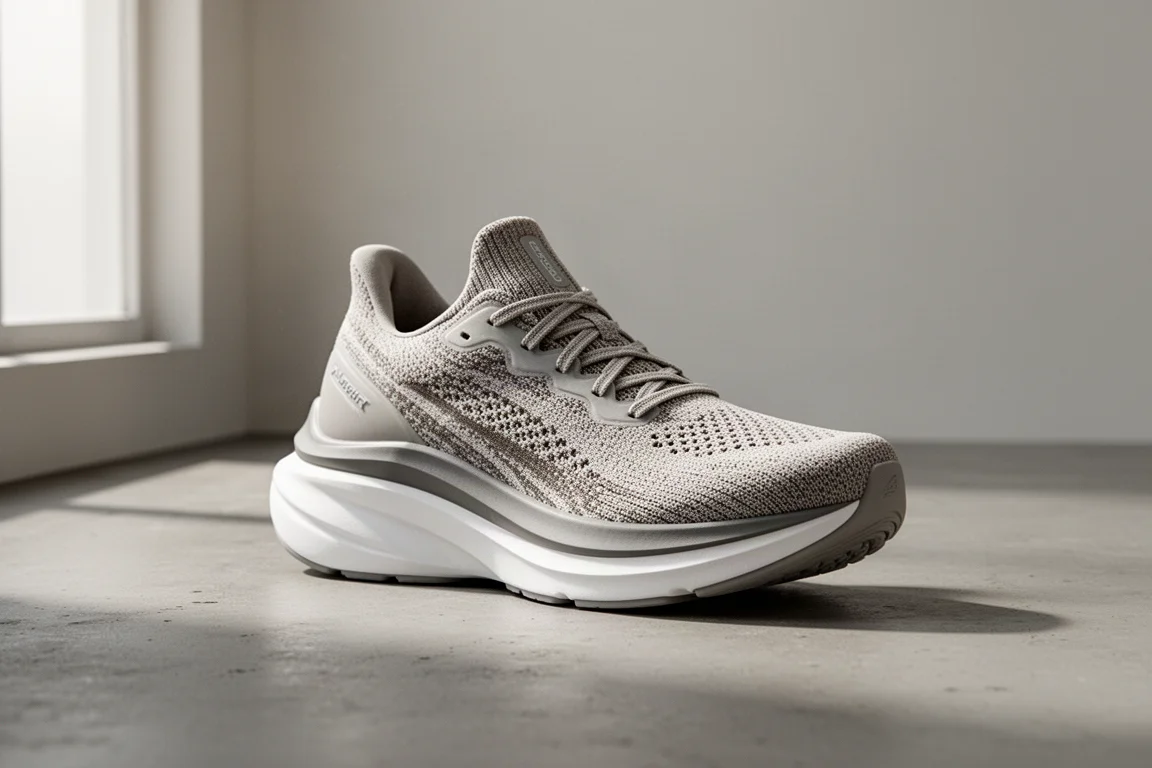
Mizuno’s Neo Vista line has quietly become one of the more interesting takes on the max cushion daily trainer: tall, soft, but with just enough structure to keep things predictable. The Neo Vista 3 keeps the same stack height, drop, and dual-foam midsole as its predecessor, yet Mizuno has reshaped nearly everything under the surface. The result is a shoe that feels more controlled and slightly more energetic at easy paces, even if it still resists going genuinely fast.
This guide walks through what actually changed in the Neo Vista 3, how it performs on the road, and how it stacks up against the Neo Vista 2, Mizuno Wave Sky 9, Nike Vomero Plus, and Asics Superblast 3, so you can pick the right shoe for how you actually run.
Evaluation Criteria
For a shoe in this category, four things matter most. First, cushioning that stays comfortable over long distances without turning mushy. Second, stability and predictability through the gait cycle, which is where plates and firmer foam layers earn their keep. Third, versatility: whether a shoe can handle easy days, long runs, and occasional moderate efforts. Fourth, value, since max cushion trainers now span a wide price range and the differences between them can be subtle.
Mizuno Neo Vista 3: What Changed This Year
On paper, the Neo Vista 3 is nearly identical to last year’s version. It keeps the 44.5 mm heel stack with an 8 mm drop, giving 36.5 mm in the forefoot. The midsole is still dual-layered: a supercritical TPU version of Mizuno Enerzy NXT foam on top, and a firmer, non-supercritical EVA blend underneath. The familiar knit upper returns as well.
The biggest change is the plate. While it was plastic last year and remains plastic this year, its shape is very different. There is a lot going on in the midfoot section, apparently intended to add lateral stability, plus a slot near the big toe that should add flexibility at toe-off. Mizuno is clearly trying to control exactly how the foams compress under load.
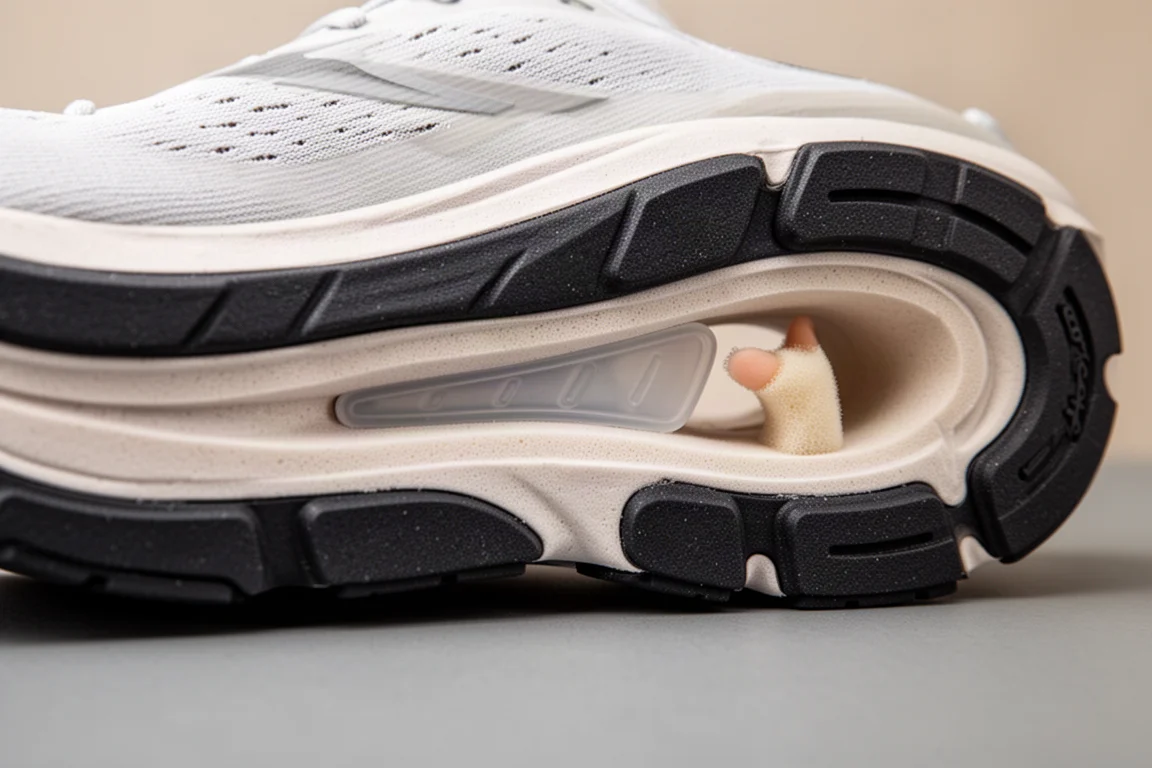
The midsole shaping has also changed. Last year’s version had a bulbous protrusion on the side; this year there is an indent that allows more compression on the lateral side. The stiffer EVA bottom layer is narrower under the arch and thicker in the forefoot and the very back of the heel, so Mizuno is targeting firmness and softness in specific zones rather than uniformly.
The outsole cavity is much more open than before, with a small finger of foam reaching down into it, a design detail that should have a functional effect. In the upper, the heel cup now has internal structure and a cushy bumper pad, which should help runners who found last year’s heel too soft, though it can absorb sweat in hot weather. There is also a slightly odd three-dimensional logo on the lateral side that looks a touch oversized, but the medial-side treatment and the small cut-out details in the painted knit are genuinely nice touches.
On the road, the Neo Vista 3 feels refined. There is a nice sense of cushion without being too mushy, and the dense EVA blend bottom layer adds a stability and predictability at foot strike that many runners will appreciate. It has a big sweet spot: heel, midfoot, and forefoot strikers all land on plenty of foam, and it is a very agreeable daily trainer, particularly for easy and long slow distance running where comfort holds up even as form slips late in a run.
Where the shoe falls short is pace. At faster efforts, the stability elements, the wave plate design, and the dense EVA layer seem to absorb energy rather than return it. Compression in the top TPU layer happens, but the spring-back is muted, so there is a noticeable lack of pop above easy pace. The weight is a factor too: on the scale it came in at 9.3 oz (266 g) in US men’s size 9, which is not heavy in absolute terms, but for a speedy long run shoe in 2026 many runners will want to be under 9 oz. Fit was true to regular running size and very similar to last year.
Mizuno Neo Vista 2: The Softer, Cheaper Option
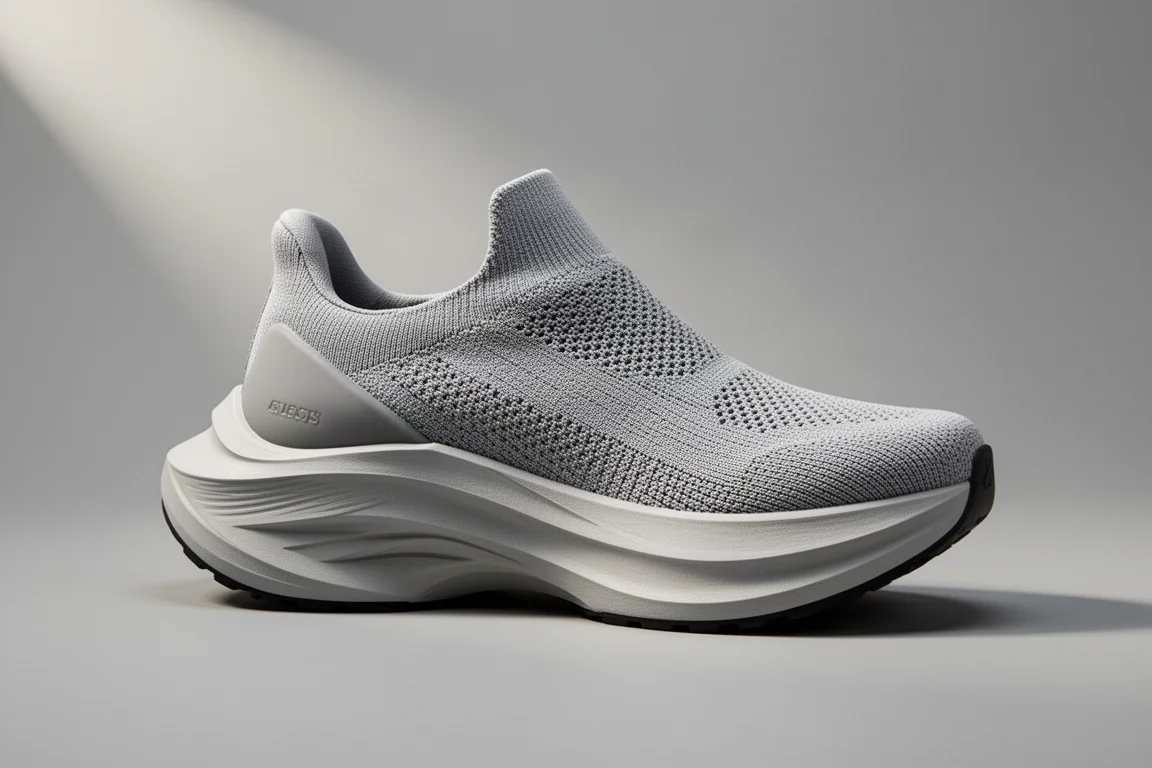
If you want to save money, the Neo Vista 2 remains on sale after originally retailing at the same price as the current model. It now sits at $150, which is a solid price for what it delivers. The two shoes look very similar, but the Neo Vista 2 is softer and mushier, with even less pop on push-off. It is more purely a max cushion shoe, which is precisely what makes it appealing to a certain type of runner.
If your priority is maximum comfort and you are not worried about picking up the pace, the Neo Vista 2 is a sensible way to get that experience for less.
Mizuno Wave Sky 9: Dense, Stable Comfort
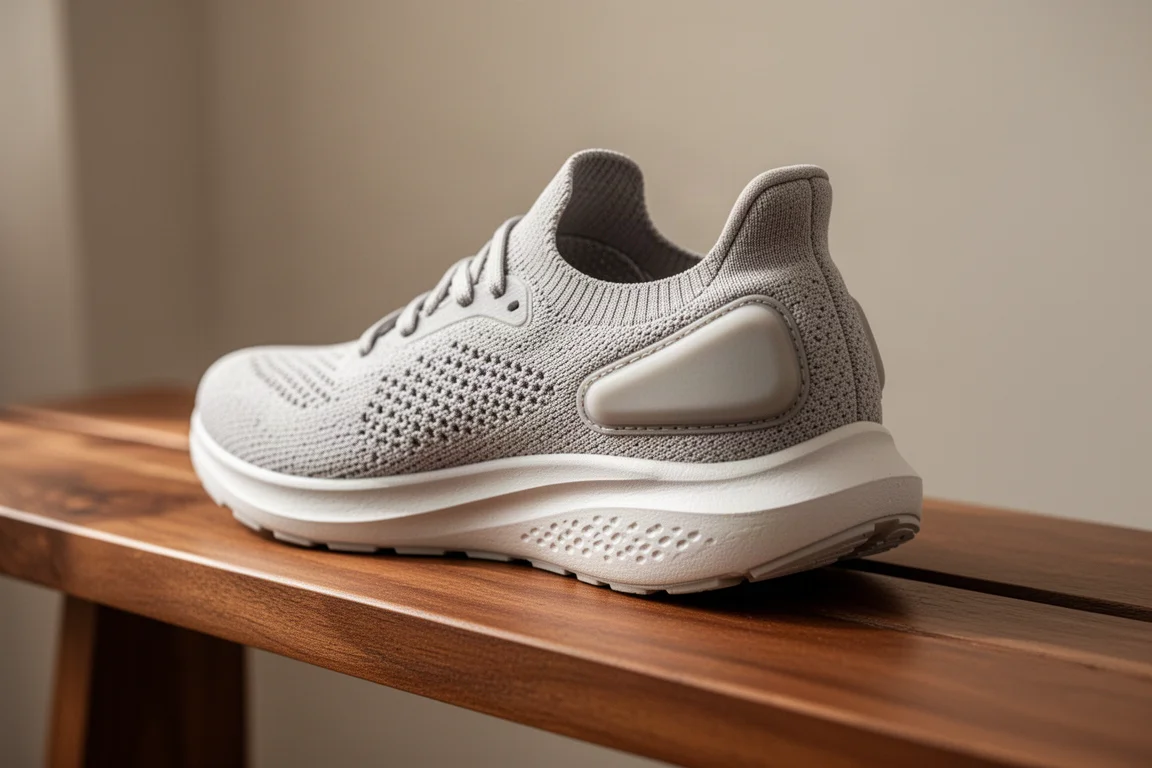
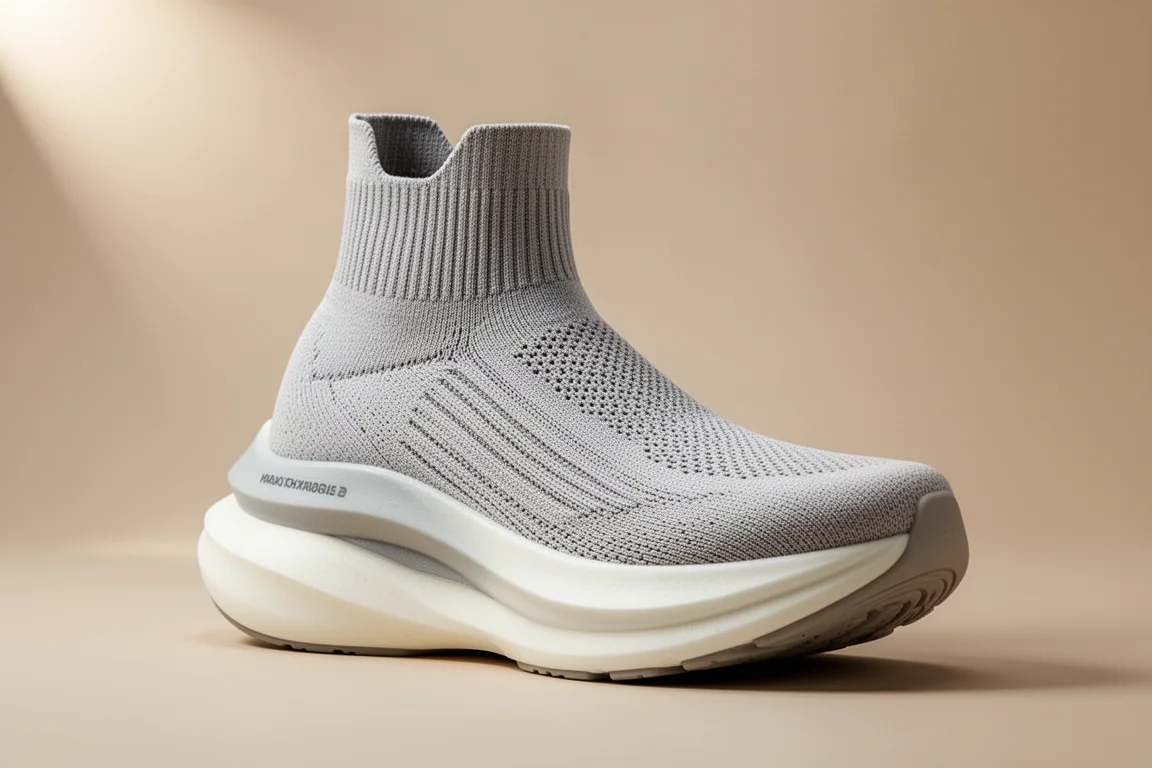
Another max cushion option in Mizuno’s lineup is the Wave Sky 9. It uses a third formulation of Enerzy NXT foam: supercritical EVA, which sits somewhere between the Neo Vista 3’s supercritical TPU top layer and its non-supercritical EVA blend bottom layer in terms of feel and character. The result is a much denser and more stable shoe overall.
The Wave Sky 9 has a 44 mm heel stack with a 6 mm drop, leaving an even taller 38 mm in the forefoot. Despite the height, the experience is predictable through the gait cycle rather than squishy. If you look at the current market and feel that everything has become too soft, this is the Mizuno for you, and it comes in at $180.
Nike Vomero Plus: Comfort With More Pop
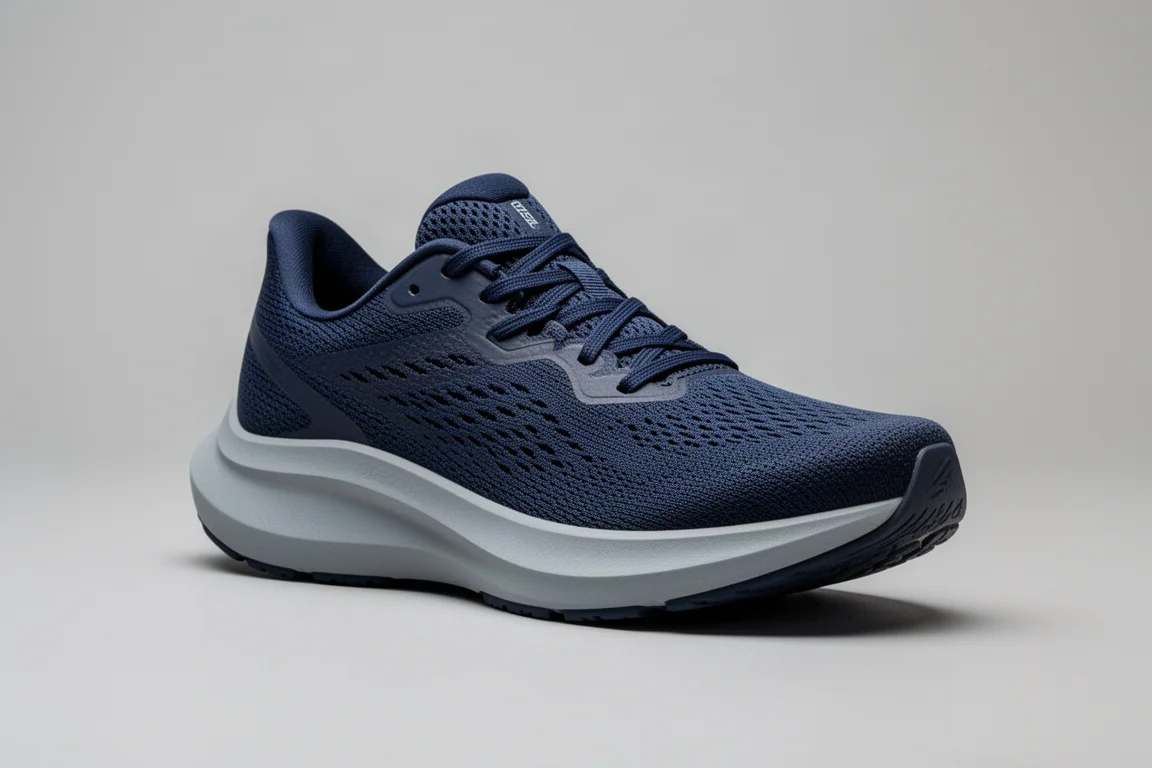
The Nike Vomero Plus occupies similar territory as a long run shoe. There is a nice bit of pep to the midsole, plenty of cushioning, and lots of puffy padding throughout the heel cup. Crucially, it is not so mushy that it feels unstable; there is real density in the midsole, which gives it the predictability that many runners prefer.
It differs in a few ways: a 10 mm drop, noticeably more pop in the foam, and more weight, coming in at 10 oz. That weight limits it for faster runners to comfortable everyday running, but for bigger or heel-striking runners it could serve as a speedy long run shoe or even a marathon option. It retails at $180.

Asics Superblast 3: The Class Leader for Versatility
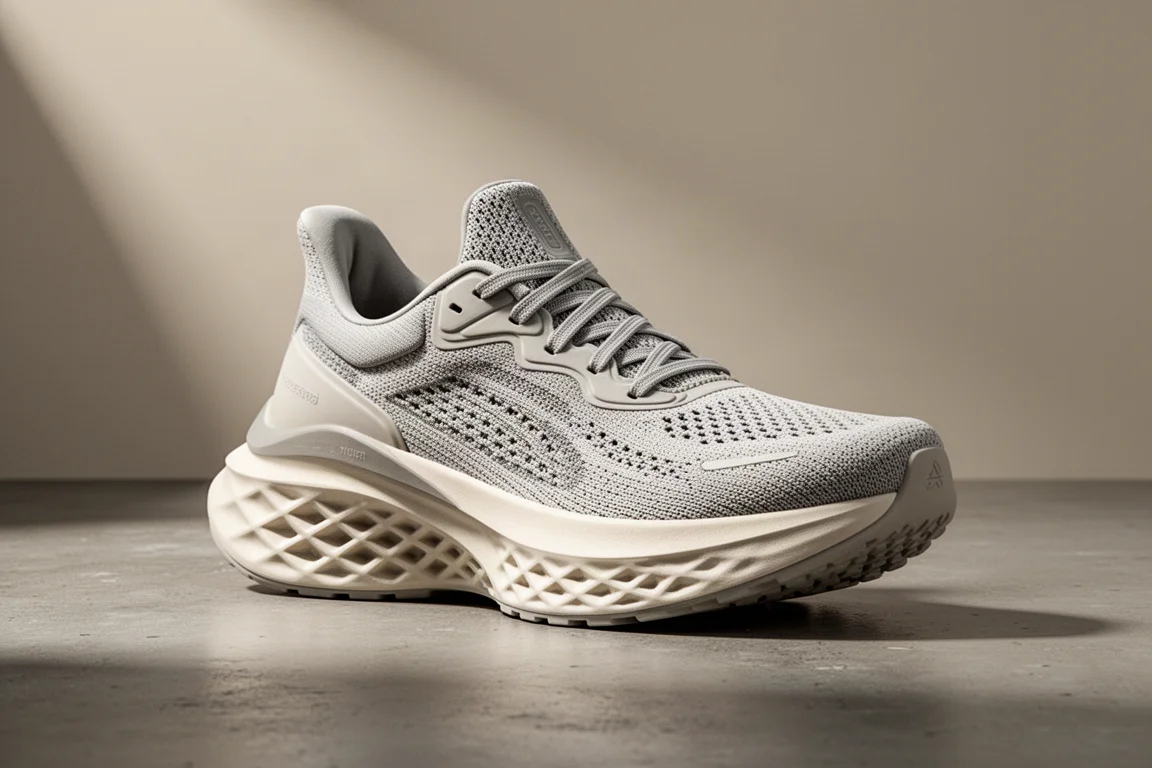
The Asics Superblast 3 is the shoe trying to do the most in this space. It works as a max cushion shoe and as a long run option, but it is also genuinely better at picking up the pace than anything else here. Asics stacks a squishier, bouncier foam on top, FF Blast, a race-grade aliphatic TPU, over a daily-training bottom layer that keeps things from getting too squishy.
The result is a shoe that handles daily training yet comes alive at faster paces, and it is a viable non-plated race day option. At 8.2 oz it is more than an ounce lighter than the Neo Vista 3, and it is arguably the best in its class for runners who want max cushion with real pace range. That versatility commands a premium: it retails at $210.
Which One Should You Buy?
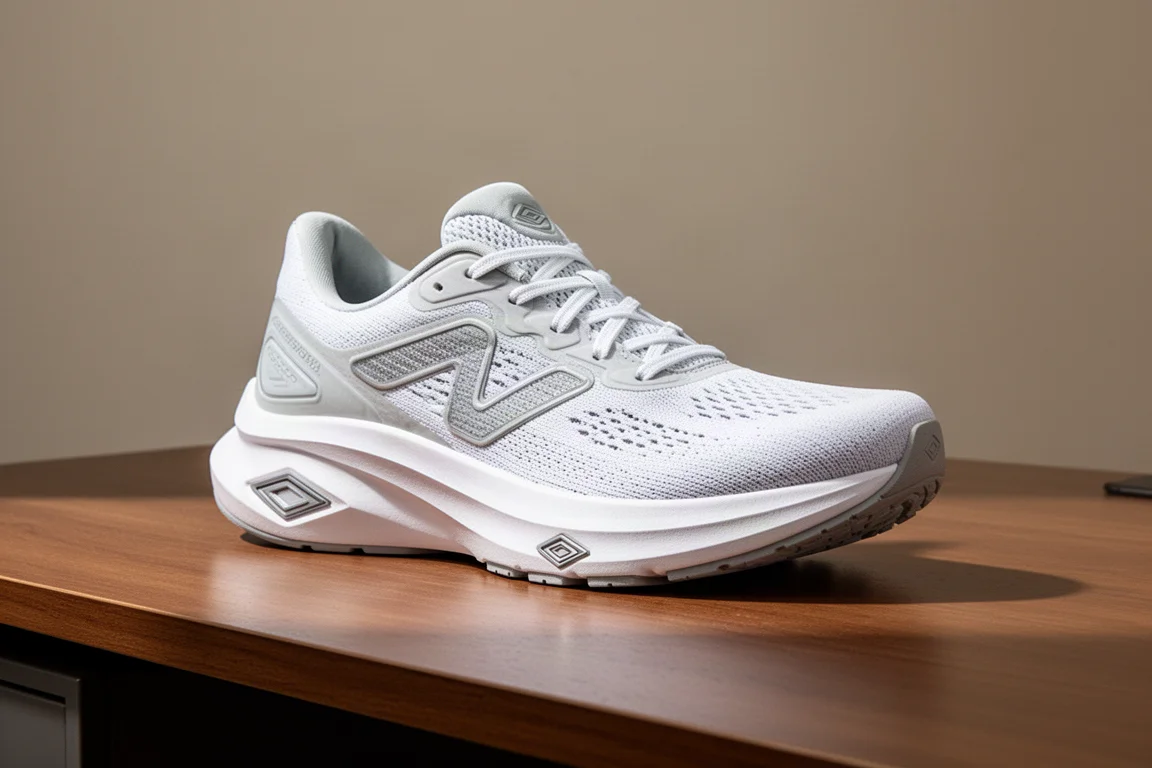
The Neo Vista 3 is available now for $200. Whether that price makes sense depends entirely on how you run. For bigger, taller runners, or for heel strikers, it is an energetic shoe at easy and moderate paces and can make an exciting, not-too-squishy long run option. It could even work as a marathon shoe for runners who do not want to step up to a carbon-plated racer. Used that way, $200 is a fair price. If your main use is easy daily miles, it is harder to justify over cheaper alternatives.
For pure max cushion on a budget, the Neo Vista 2 at $150 is the value play. For a denser, more predictable ride, the Wave Sky 9 at $180 is the pick. For more pop in a comfortable long run shoe, the Vomero Plus at $180 fits, though it is heavier. And if you want one shoe that covers max cushion, long runs, and faster paces, the Superblast 3 at $210 is the strongest overall choice, and the preference in this category.

Conclusion
The Neo Vista 3 is a nice refinement over the Neo Vista 2: better controlled foam compression, a more purposeful plate, and a more structured heel, all of which point to a promising new direction for Mizuno’s lineup. It is at its best as an agreeable, cushioned shoe for easy and long slow distance running, especially for heel strikers and bigger runners. If speed versatility is your priority, the Superblast 3 remains the benchmark; if value or a denser ride matters more, the Neo Vista 2 and Wave Sky 9 cover those needs well.
Further reading
Related Reviews

Running Shoes
Best Road-to-Trail Running Shoes: Three Versatile Options for Mixed Terrain
A practical guide to three road-to-trail running shoes that handle both pavement and mild trails, with clear strengths and trade-offs for different runner types.

Running Shoes
Best Running Shoes for Achilles Tendonitis: Three Options Explained
Three running shoes with different heel drops and support features designed to help reduce Achilles tendon pain during walking and running.

Running Shoes
Best Running Shoes for Women: Five Top Choices Ranked
A ranked guide to five women's running shoes, from versatile daily trainers to high-performance racing options, with real strengths and trade-offs for each.