Running Shoes
Mizuno Neo Vista 3 First Run Review: A Refined Max Cushion Long Run Trainer
The third Neo Vista is a minor but well-executed update with a more structured heel, a more dialed upper, and the same smooth, soft-and-bouncy ride that made version two a favorite.
Introduction
The Mizuno Neo Vista 3 is the third generation of Mizuno’s max cushion super trainer, a shoe built for mileage and long runs. If you loved the Neo Vista 2, the short version of this review is simple: Mizuno has not messed it up. This is a minor update, but the tweaks it makes should nudge the shoe into a more comfortable, slightly more stable package while keeping the smooth, soft-and-bouncy ride that defines the franchise.
First Impressions Out of the Box
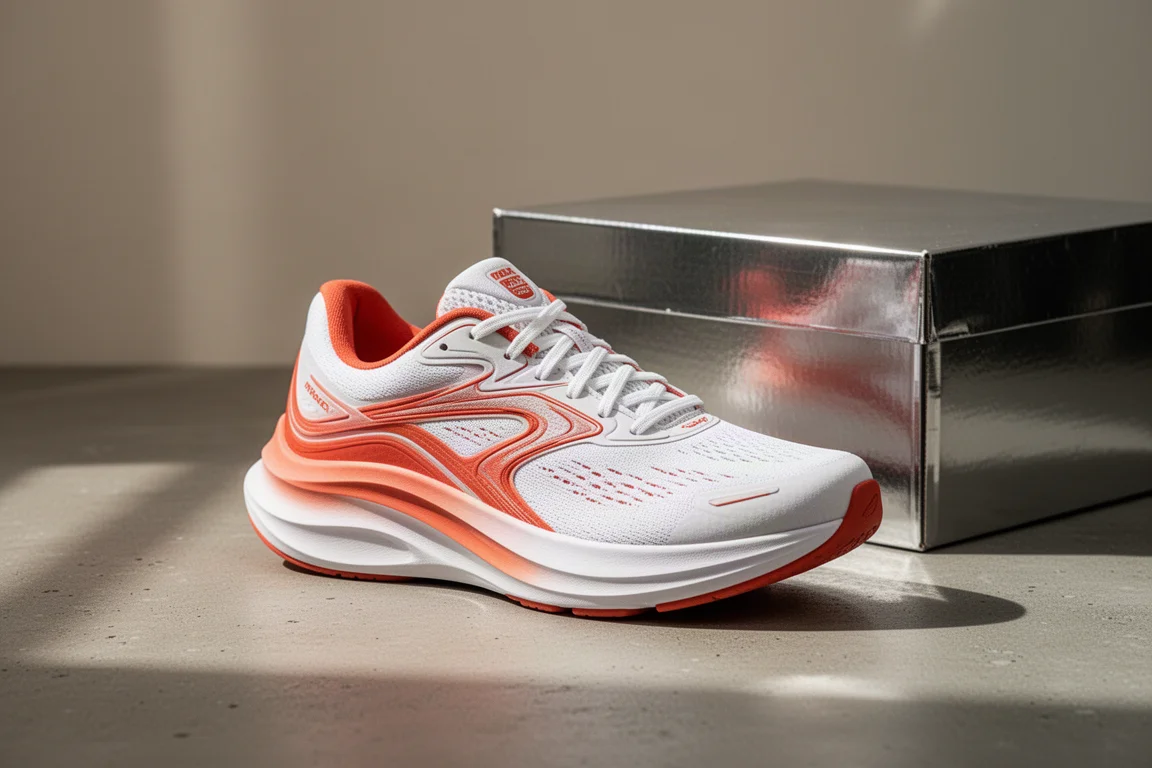
Unboxing sets a nice tone. The shoe arrives in Mizuno’s classic silver chrome box, with the brand’s “smoothness” motto printed inside. It is a small touch, but it signals intention and attention to detail.
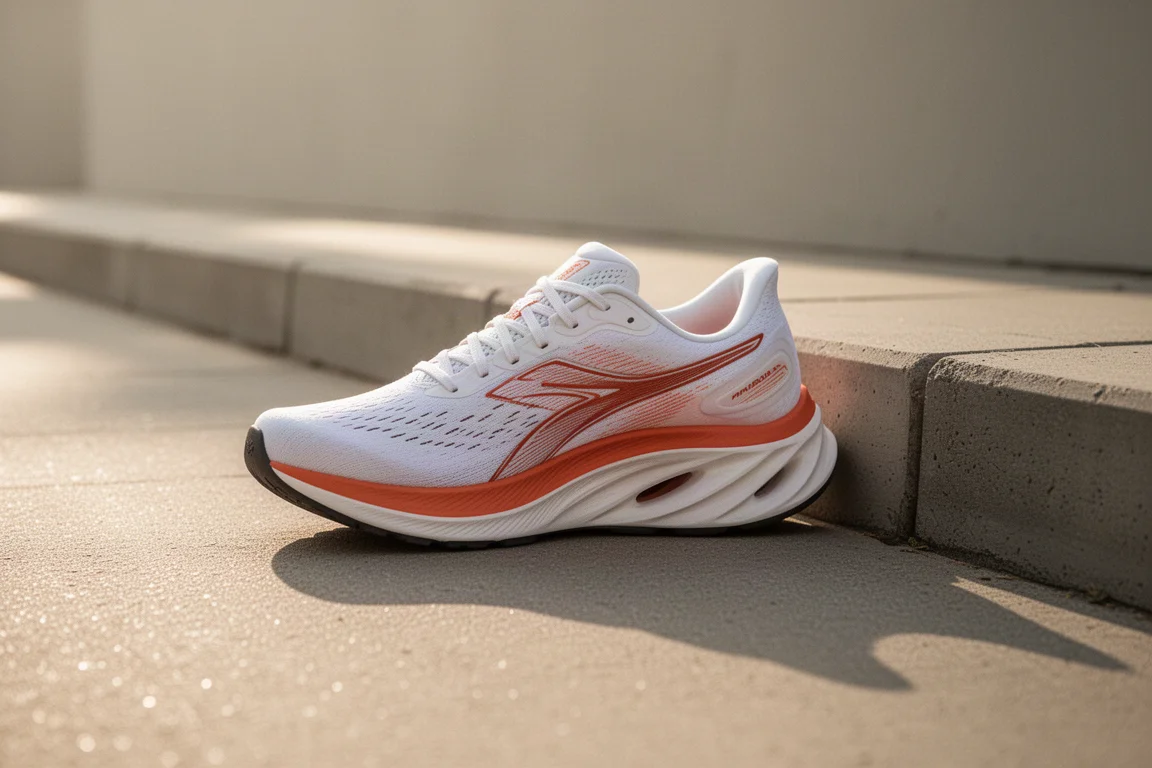
The launch colorway is clean and summery: a white base with a warm red-orange accent that calls to mind those chili pepper-coated mangoes from corner stores. Mizuno has also moved the logo from the back heel up to the middle of the lateral side, done as a small rubber overlay piece that looks more traditional. The large Mizuno logo remains on the medial side.
Updates: What Changed from the Neo Vista 2
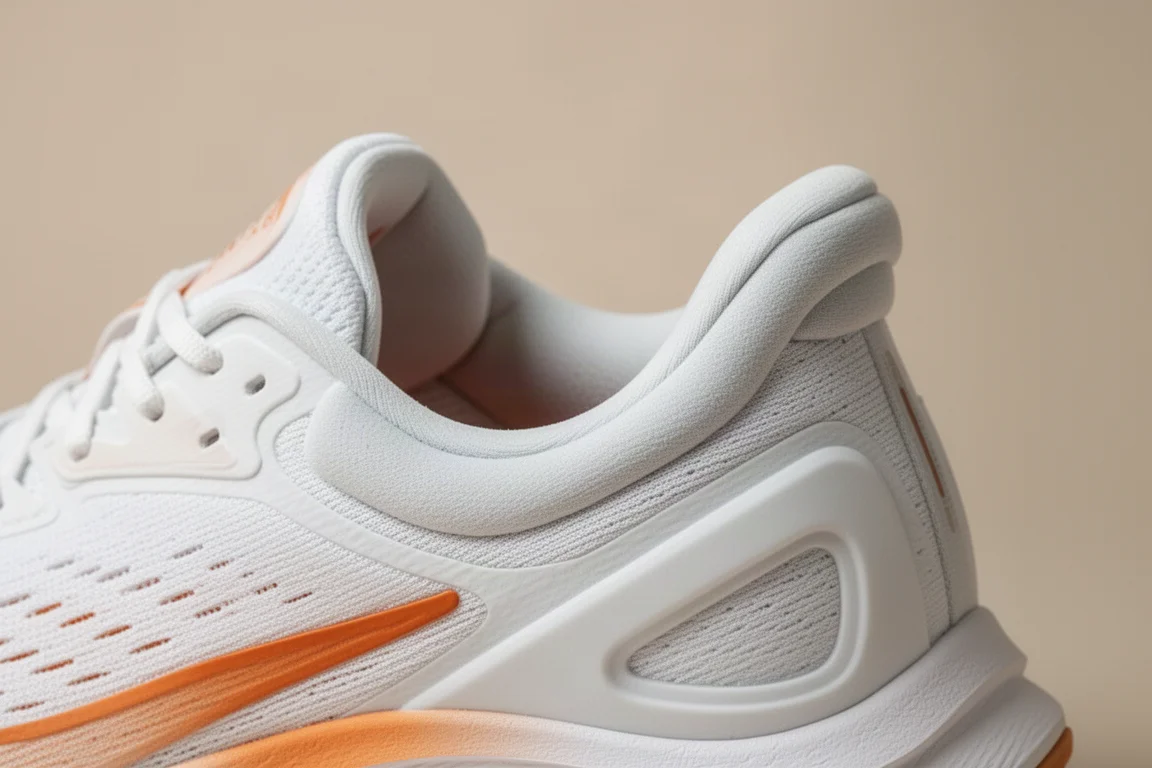
The biggest change is at the back of the shoe. The Neo Vista 2 had a completely soft heel collar with no padding inside, and some runners found the upper sloppy, running about half a size big, and even got irritation at the heel. The Neo Vista 3 adds substantial padding and structure around the heel, with a thin semi-translucent internal counter. It is not as rigid as a stability shoe, but it is far more secure than before.
The midsole layout is also revised. The foam compounds stay the same: the energetic ENERZY Next-style top layer that made the second version such a great high mileage trainer, sitting over the softer super critical EVA bottom layer. Mizuno has filled in some of the gap in the bottom foam, changed the plate design, and added a “mini hoof” indent at the heel for more stability, plus a slightly larger chunk of EVA at the back of the shoe. Rocker geometry remains wonderfully smooth, perhaps with a marginally less aggressive heel bevel.
Weight is essentially unchanged: around 283 to 285 grams, nearly identical to the previous versions. In a market where rivals keep shaving grams, that will not win any spec-sheet battles, but for a comfort-first max cushion shoe, the tradeoff makes sense. Stack height measured in the mid-to-high 40s millimeter range at the midfoot, roughly 42 to 43 millimeters at the very back of the heel, with the official figure coming in at 44.5 millimeters.
Ride Experience
On foot, the step-in feel is excellent. The padded heel collar cradles the foot nicely, and the shoe rolls forward immediately thanks to the pronounced canoe-like rocker.
The ride sits in a genuine Goldilocks zone: softer than the firmer dual-foam rivals, but not as squishy as the softest options on the market, with the defining characteristic being that huge, smooth rocker. Land anywhere on the shoe and it just keeps rolling. There is a gentle, soft bounce to it, and when the pace picked up toward the seven-minute range, the top layer of foam responded with a bit more rebound and pop.

Very little goes wrong here. It is smooth, cushioned, protective, and pleasant, with a slight touch of added firmness compared to the previous version that comes across as extra stability rather than a harsher feel. It is not a wild, exciting shoe, and it was never meant to be. Think of it as a long-run-focused Endorphin Speed: a comfortable trainer optimized for eating miles.
Things to Consider Before Buying
The obvious caveat: if you do not like max cushion, this shoe is not for you. That is really the only fundamental disagreement available.
The upper remains the question mark. Some testers have found it still too big and voluminous, while one tester felt it ran too low volume. My own fit felt perfect, but upper fit varies by foot, so it is worth trying on before committing. Heel lockdown looks improved, but the voluminous sock-style fit heritage is still there.
There is also the matter of use case. If your typical run is a short 30-minute effort, this shoe may be overkill, and lighter, faster trainers would serve you better. This is a mileage shoe first and foremost.
How It Fits into Your Shoe Rotation
This is a daily trainer, recovery shoe, and long run cruiser, not a speed work shoe. The plastic plate is there for support and structure, not propulsion. For faster sessions, a dedicated workout shoe still makes more sense.
In the crowded max cushion segment, its closest competitors are the ASICS Superblast 3, the Hoka Skyward X, and the Cloudmonster Hyper. The distinguishing feature of the Neo Vista 3 is that it is the only one of that group with a plastic plate, paired with the softest bottom-layer foam of the bunch, which means no brick-like sensation anywhere in the ride.
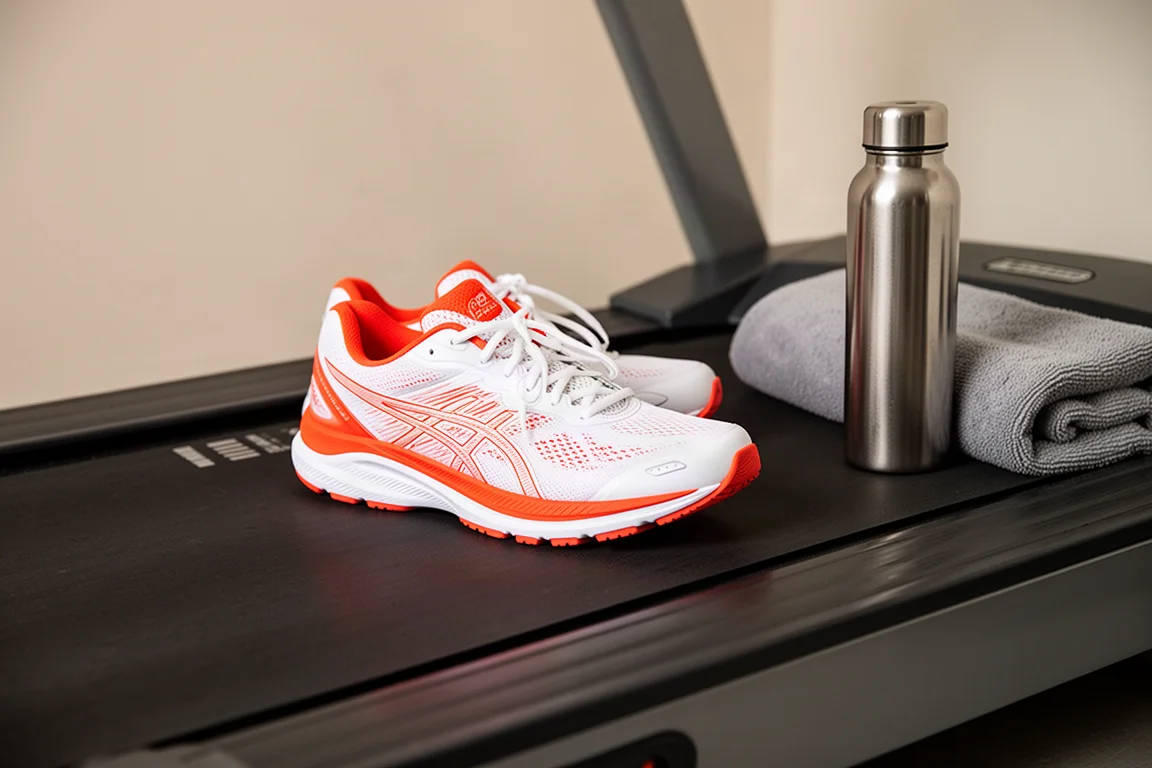
Slower marathoners, roughly three and a half hours and slower, may even use it as a tempo or progression shoe on long run days. Faster runners will likely keep it for easy miles and zone two work. For treadmill running, afternoon recovery miles, and 20-mile long runs, it should be exactly what you want.
Buying Advice
If you tried and liked the Neo Vista 2, this is an easy call: buy it. The updates are minor but all move in the right direction, adding heel comfort, structure, and a slightly more dialed fit without touching the ride you enjoyed. If you skipped the Neo Vista 2 because of the sloppy upper or heel irritation, the padded and structured heel is a meaningful fix worth a second look. If you are new to the shoe and want a smooth, comfortable long run trainer that is neither too soft nor too firm, this deserves a spot on your try-on list. I would grade it an A to A minus: dialed, solid, and very enjoyable.
Conclusion
The Mizuno Neo Vista 3 does not reinvent anything, and that is its strength. It keeps the smoothness, cushion, and gentle bounce that made version two a faithful 100-mile companion, while quietly fixing the heel comfort and fit issues that held it back. In a segment full of flashier launches, this is the reliable crowd-pleaser that just quietly gets everything right.
Product link
View more details for Mizuno Neo Vista 3
This product is mentioned in the review. Check the specifications, options, and compatibility before buying.
View more details for Mizuno Neo Vista 3Further reading
Related Reviews

Running Shoes
Best Road-to-Trail Running Shoes: Three Versatile Options for Mixed Terrain
A practical guide to three road-to-trail running shoes that handle both pavement and mild trails, with clear strengths and trade-offs for different runner types.

Running Shoes
Best Running Shoes for Achilles Tendonitis: Three Options Explained
Three running shoes with different heel drops and support features designed to help reduce Achilles tendon pain during walking and running.

Running Shoes
Best Running Shoes for Women: Five Top Choices Ranked
A ranked guide to five women's running shoes, from versatile daily trainers to high-performance racing options, with real strengths and trade-offs for each.