Running Shoes
Mizuno Neo Vista 2 Review: A Max Cushion Long Run Shoe That Finally Clicks
The Neo Vista 2 softens its plate, firms up its base layer, and becomes a genuinely comfortable max cushion option for long slow distance days. Here's how it compares to the Neo Vista 1, Skechers Aero Burst, and ASICS Super Blast 2.
Introduction
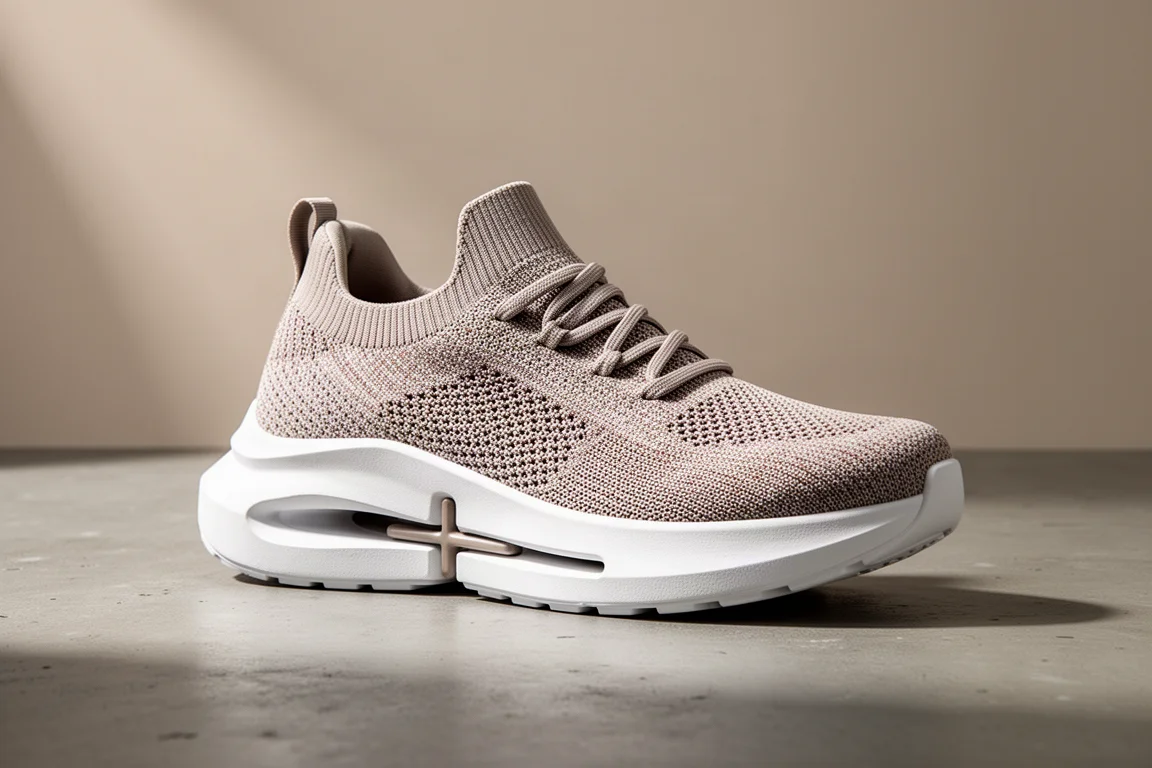
The original Neo Vista was one of the more interesting departures Mizuno has made in years: a tall, max cushioned long run shoe with a knit upper and a wave plate, nothing like the firmer heel-striker oriented trainers the brand is known for. It had promise, but the plate was assertive and the foam was a touch too soft, which made it a mismatch for anyone not landing exactly where the shoe wanted.
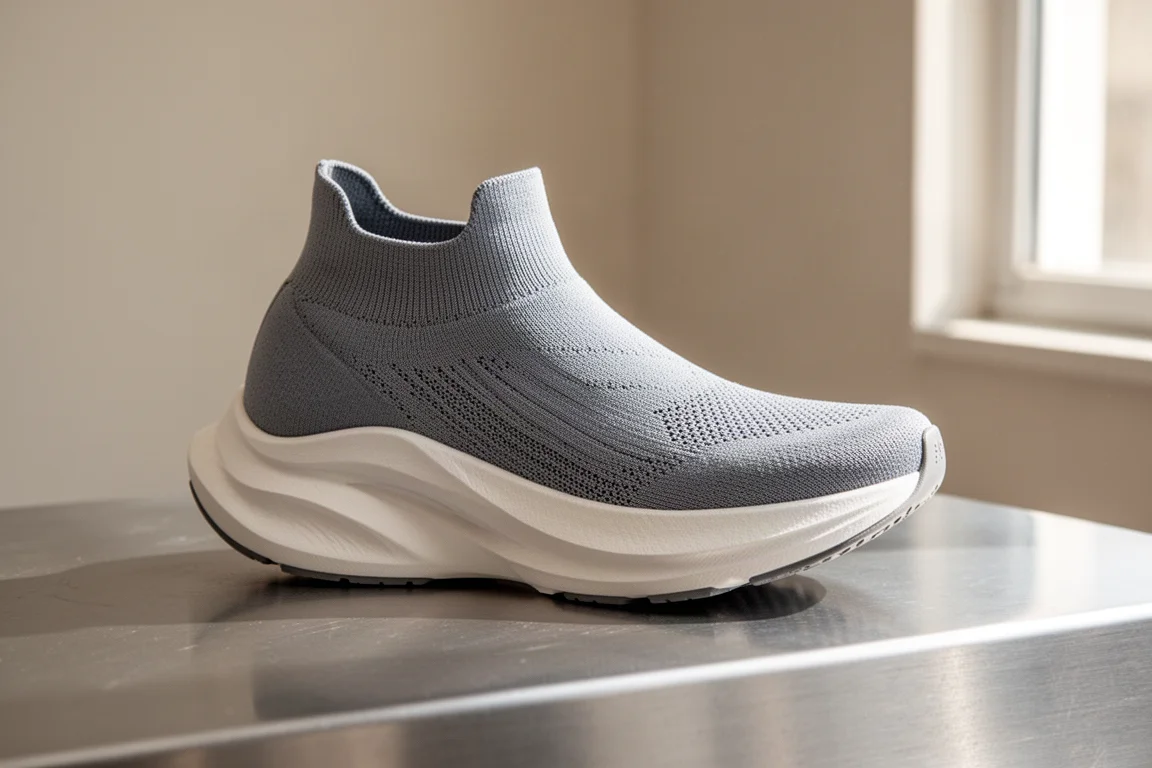
The Neo Vista 2 keeps the concept and refines it. The midsole has perked up, the plate is less obtrusive, and the result is a shoe that finally works as the comfortable long slow distance trainer Mizuno seems to have intended all along.
Specs and Construction
On paper, the Neo Vista 2 is a big shoe. It carries a 44.5 mm stack height in the heel with an 8 mm drop, giving 36.5 mm in the forefoot. A stated weight of 9.2 oz (260 g) is respectable for a shoe of this size, though a scale may run slightly heavier than the claimed figure.
The midsole uses a dual foam system. The top layer, including the visible bubble, is a nitrogen-infused TPU supercritical foam in the Mizuno NXT family. The bottom layer is also labeled Mizuno NXT but is an EVA formulation, which resists compression better and keeps the shoe from collapsing into pure mush. Sandwiched between the two layers is a glass-fiber reinforced nylon wave plate, which Mizuno describes as a way to distribute impact forces and stabilize the foam underfoot so it does not tip too far to one side on landing.
Compared with version 1, there is a new cross member underneath the bottom of the shoe, splitting the previous single open channel into two smaller areas. It mostly looks like a measure to keep rocks from getting lodged in the channel. Full rubber coverage on a relatively thick outsole should deliver a lot of grippy miles, and traction held up without issue in testing.
What Changed on the Neo Vista 2
On the road, the Neo Vista 2 is enjoyably squishy without being mushy. The EVA bottom layer adds just enough push-back and stability that you do not feel like you are sinking into the shoe for too long, and the foam recovers quickly enough to keep the ride dynamic. For a max cushion long run shoe, that balance is exactly what you want: plenty of comfort, with reasonably quick rebound out of the squish.

The plate is also less noticeable this year. It may well be the same plate, but with the firmer foams around it, it no longer feels like it is steering your foot into a specific landing pattern. Version 1 essentially demanded a heel strike and, if you did not comply, pushed foam up into the arch in an uncomfortable way. That made it a recovery run shoe at best and a poor match for long runs. Version 2 gets along with the runner instead, letting you run the way you naturally run.
Fit and Upper
The upper is nearly identical to last year’s: a stretchy knit that is easy to get into, very comfortable to wear, and deliberately unstructured at the ankle for a relatively floppy collar. The lacing system, the protective piece on the tongue, and the pull tab all carry over. Construction tweaks include larger holes along the lateral side and a logo moved from the outside to the inside.
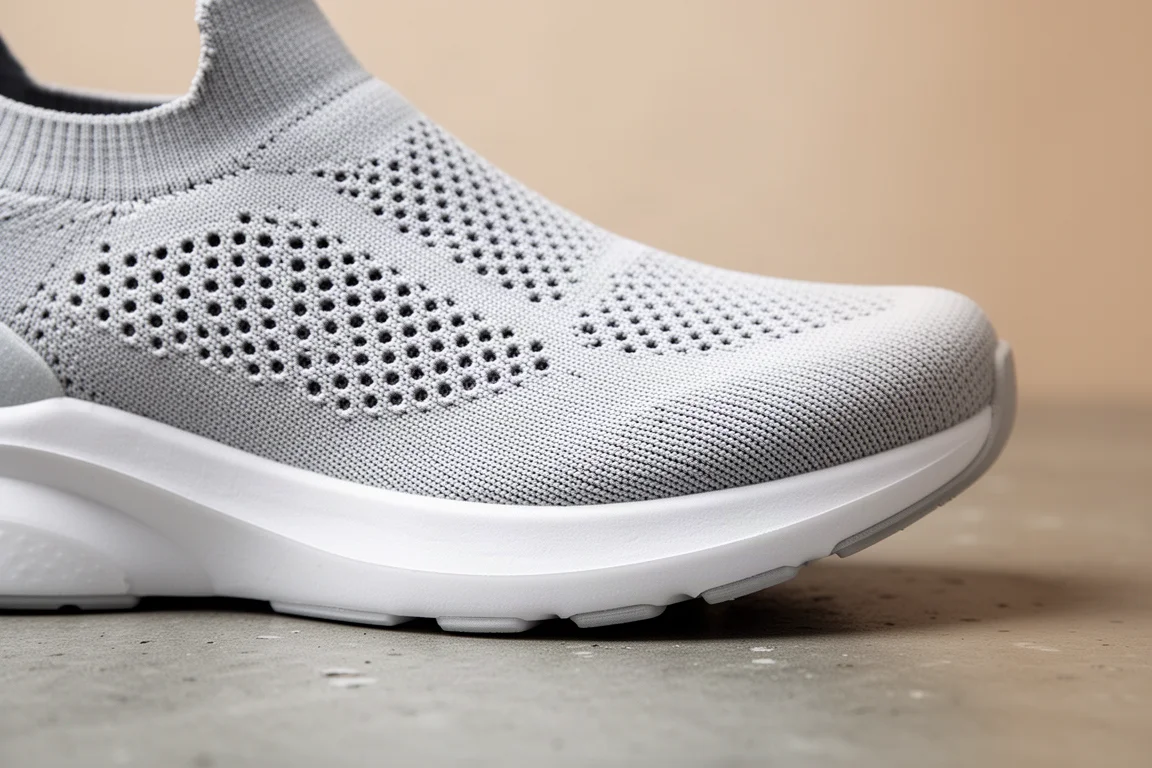
Sizing carries over too, so if you fit the Neo Vista 1, stick with the same size. The knit does what knit does when soaked, either through sweat on a hot long run or a rainy day of puddle stomping: it holds moisture longer than synthetic materials and gets a little heavy. For a shoe not intended for racing, that trade is easy to accept for the comfort it provides.
Where It Fits in the Mizuno Lineup
Mizuno’s traditional lineup, from the Wave Rider daily trainer to the Wave Inspire and Wave Horizon stability shoes, tends to skew toward heel strikers and firmer rides. The Neo line is a deliberate departure, closer in spirit to a capsule collection like Saucony’s Endorphin series. The Neo Zen, a plateless daily trainer with a similar knit and a max cushion leaning ride, sits as the everyday option, while the Neo Vista 2 serves as its max cushion sibling for recovery days and long slow distance. Both pair naturally with the Wave Rebellion Flash 2 as an up-tempo workout shoe and the Wave Rebellion Pro as a racing shoe.
For a midfoot or forefoot striker who does not get along with the Wave Rider or Wave Inspire, the Neo Zen, Neo Vista 2, and Wave Rebellion Pro make a coherent three-shoe rotation.
Alternatives
Skechers Aero Burst
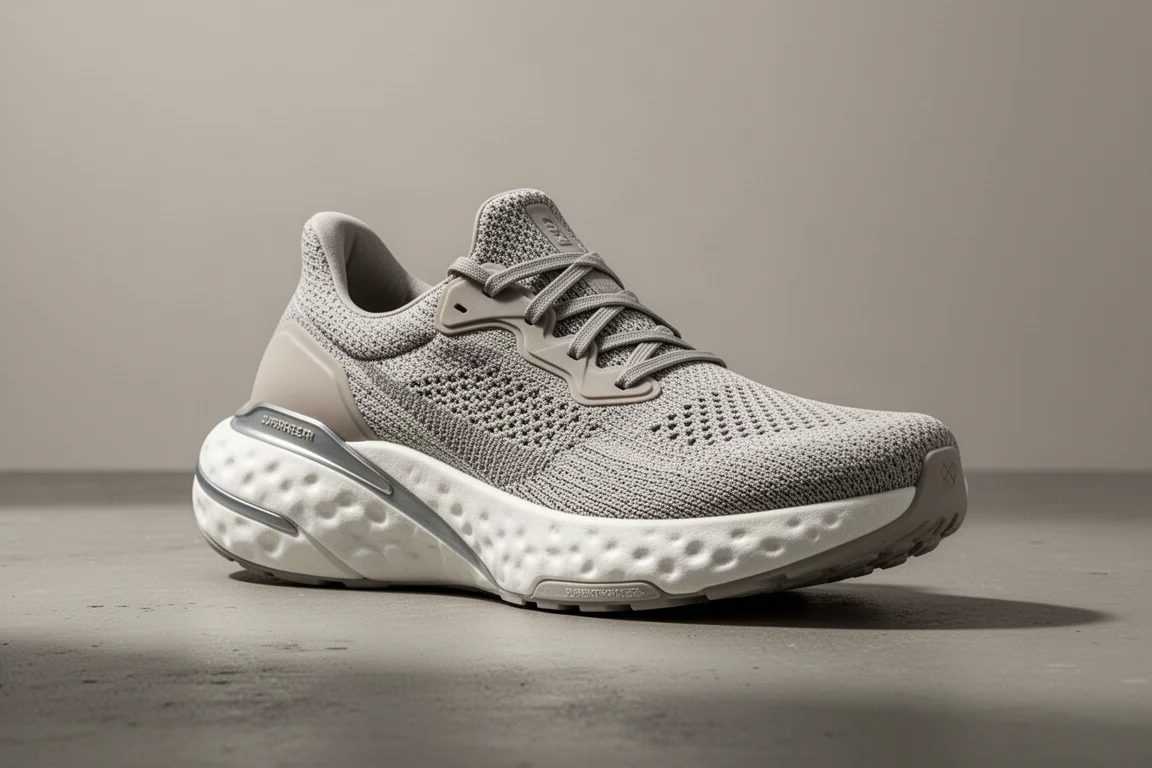
The Skechers Aero Burst was the first shoe that came to mind while running in the Neo Vista 2. Both use two densities of foam to control compression and decompression, and the Hyper Burst ice foam in the Aero Burst is genuinely impressive. It is a solid max cushion shoe that can go a little faster, though it is also big and even heavier than the Neo Vista 2. The upside is price: it retails for $150, a meaningful discount at the same performance tier.
ASICS Super Blast 2
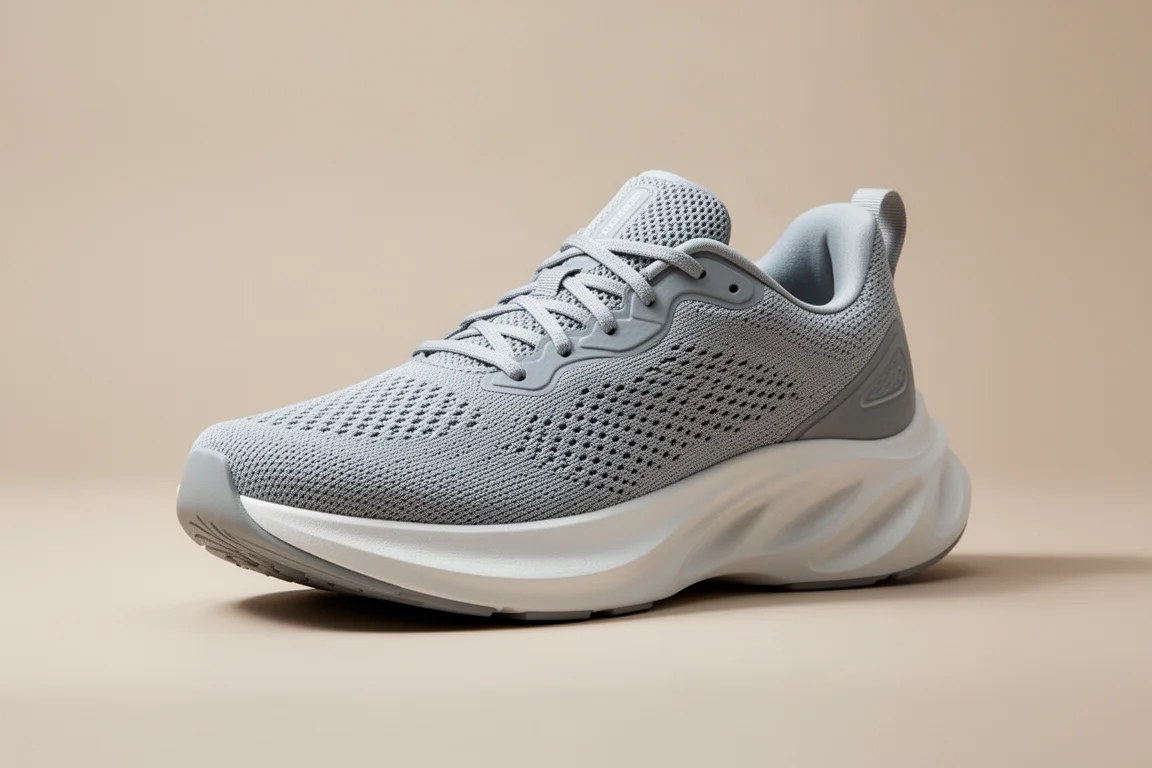
The ASICS Super Blast 2 is the shoe Mizuno appears to be targeting. It also layers two foams, with the race-caliber FF Turbo Plus on top and a daily training foam underneath. Because of that race-caliber top layer, it is lighter and pepperier in compression and decompression. It works as a max cushion shoe, but it shines on long runs with speedier miles built in, whether that is a progression, up-tempo, or marathon effort work in the middle of a bigger session. It also sits at the $200 price point and can feel slightly overpriced, though the performance justifies it for the right runner.

Mizuno Neo Vista 1
Last year’s Neo Vista 1 is now available at a discount for $125, down from its original $180 retail. It remains a very comfy cushion option for max cushion and long slow distance use, with one significant caveat: because of how the plate and foams interact, it only really works for solid midfoot or heel strikers. If that describes you, it is the better value by far. If not, the Neo Vista 2 is worth the extra money.
Buying Advice
The Neo Vista 2 retails for $200, which feels a bit high for what you get. The jump from the Neo Vista 1’s original $180 price stings, and as a pure max cushion shoe, $200 is a lot. As a specialized long run shoe with some pace potential, the price starts to make more sense, but the Neo Vista 2 is not quite there yet. It needs to be a touch snappier and lighter to handle long runs stacked with marathon effort miles or up-tempo progression work. Its own weight on the scale came in above the stated figure, which does not help that case.
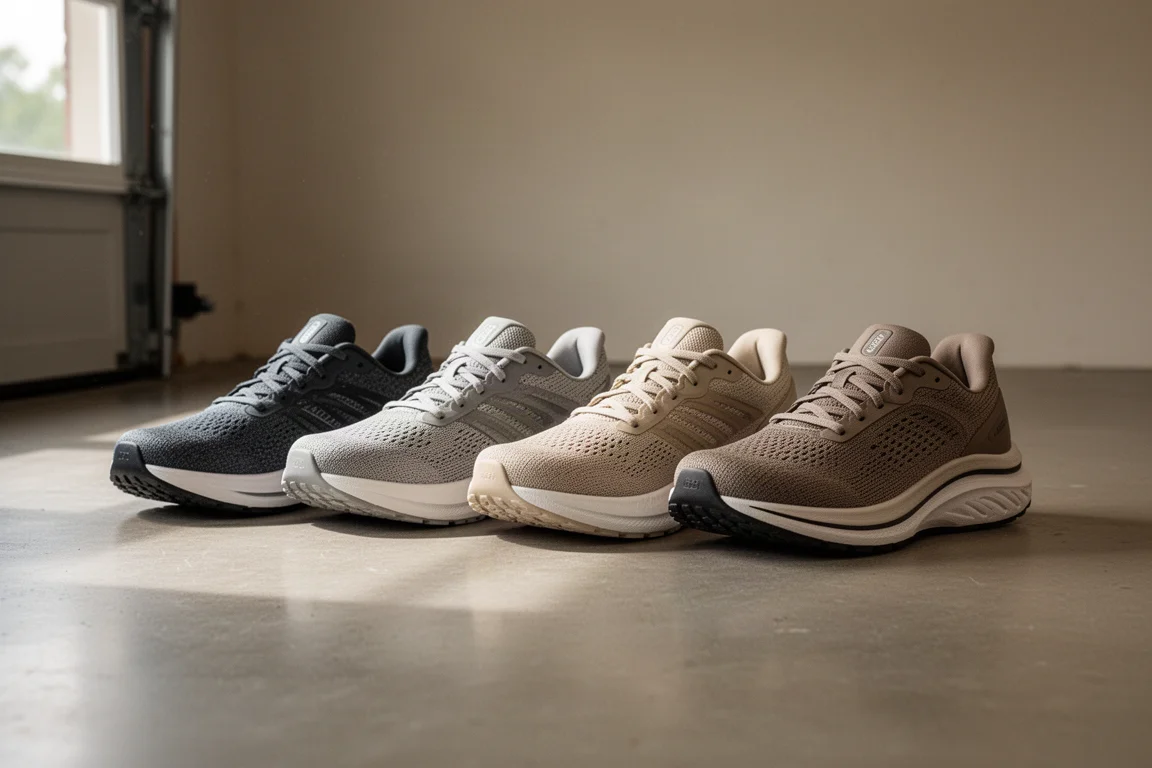
If your priority is comfort above all, high training volume during a marathon block, or a go-to recovery run shoe, the Neo Vista 2 hits the spot and can now be recommended to a wide range of runners. If you want one shoe that covers both cushioned long runs and faster miles, the ASICS Super Blast 2 remains the stronger pick. If budget matters and you land midfoot or heel first, the discounted Neo Vista 1 is a smart buy.
Conclusion
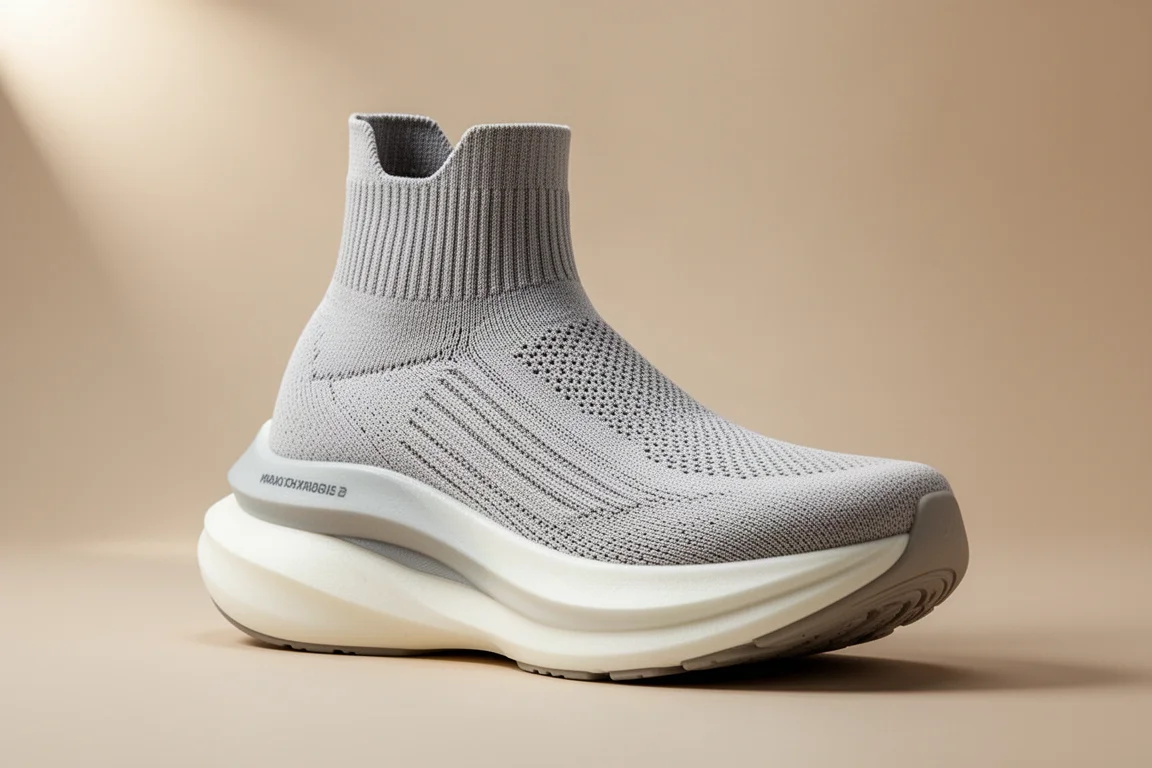
The Neo Vista 2 fixes what held back the original. A firmer EVA base layer and a quieter wave plate turn a promising but picky concept into a comfortable, versatile max cushion shoe for long slow distance and recovery days. It is not the peppy long run weapon Mizuno is aiming for yet, and $200 is a lot to ask, but as a comfort-first high mileage trainer, it finally delivers.
Further reading
Related Reviews
Running Shoes
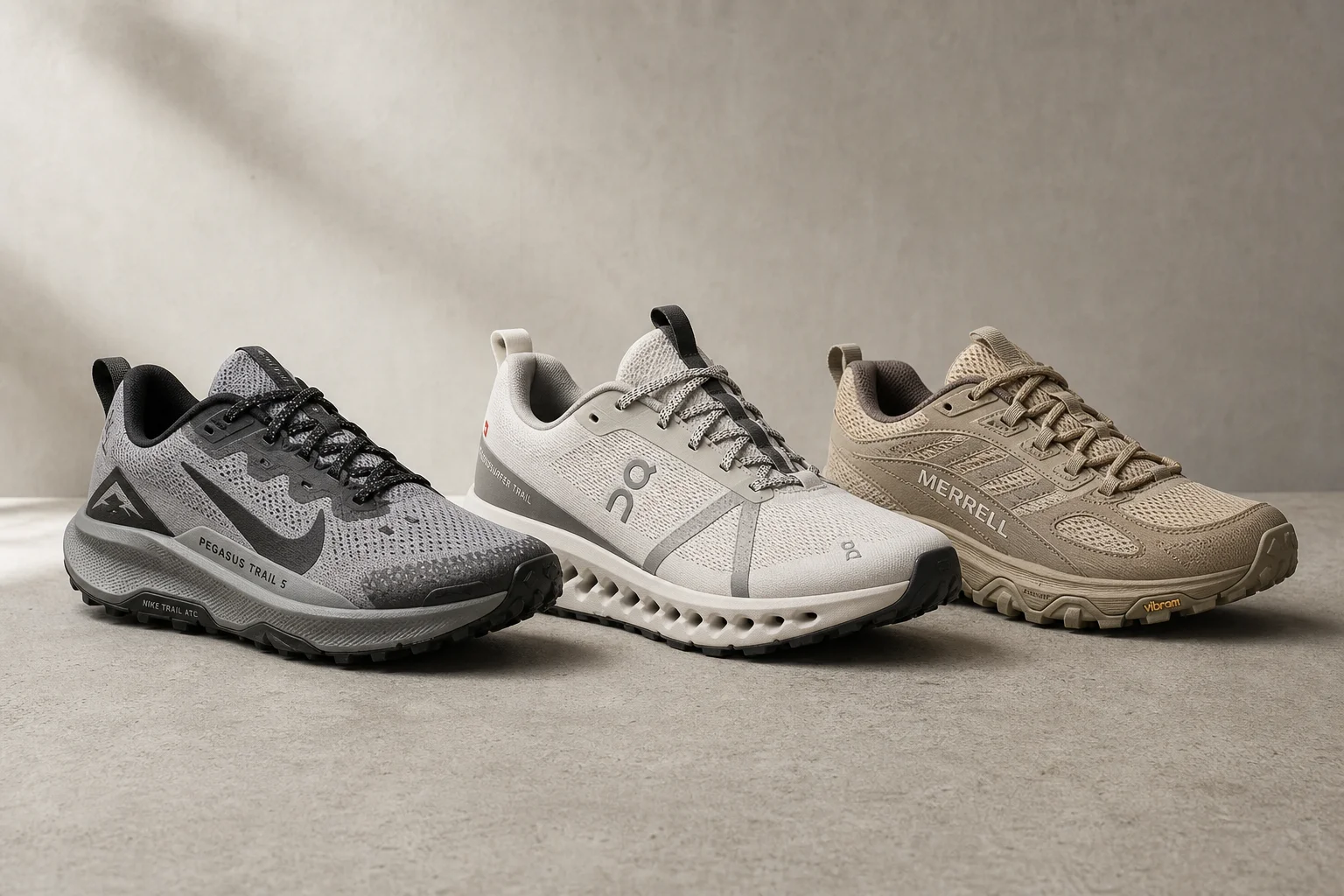
Best Road-to-Trail Running Shoes: Three Versatile Options for Mixed Terrain
A practical guide to three road-to-trail running shoes that handle both pavement and mild trails, with clear strengths and trade-offs for different runner types.
Running Shoes
Best Running Shoes for Achilles Tendonitis: Three Options Explained
Three running shoes with different heel drops and support features designed to help reduce Achilles tendon pain during walking and running.
Running Shoes
Best Running Shoes for Women: Five Top Choices Ranked
A ranked guide to five women's running shoes, from versatile daily trainers to high-performance racing options, with real strengths and trade-offs for each.