Running Shoes
Mizuno Neo Vista 2 First Run Review: Softer, Bouncier, and Built for Easy Miles
A first look at the second-generation Mizuno Neo Vista, a plated super trainer with a dual-foam midsole, a new knit upper, and a relaxed, bouncy ride geared toward daily and long runs.
Introduction
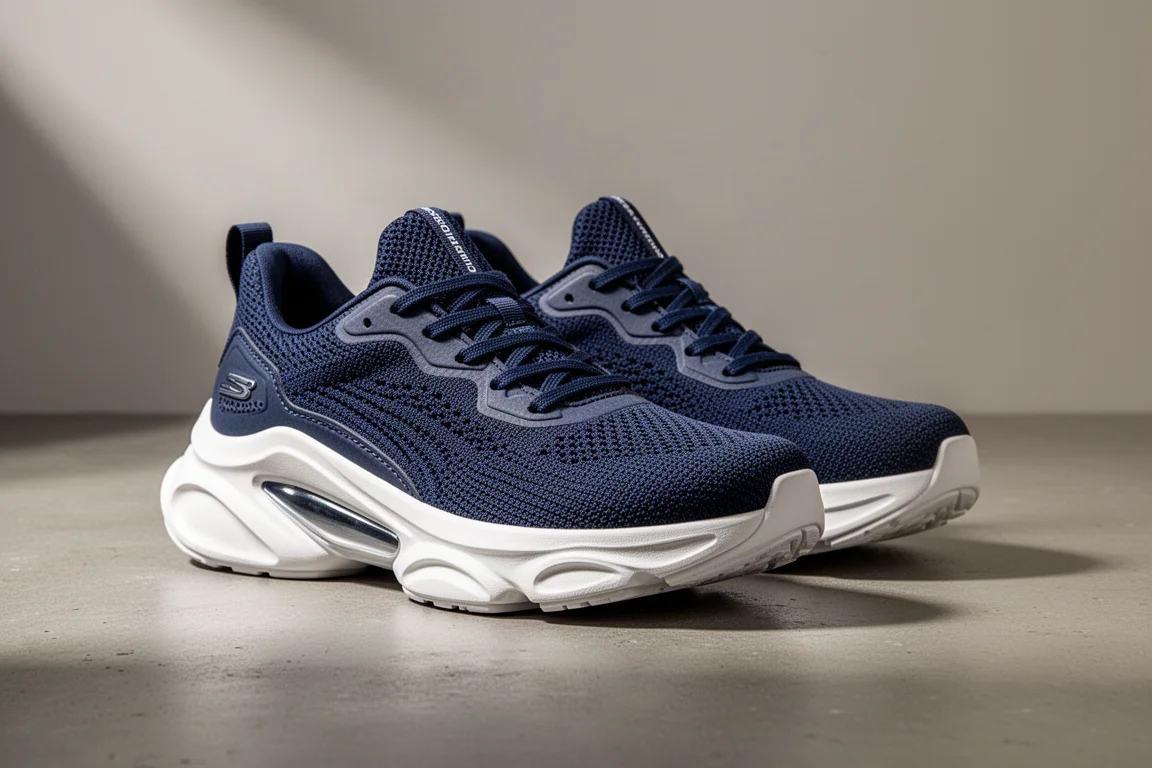
The Mizuno Neo Vista 2 is the second generation of a plated super trainer that won plenty of fans in its first version, largely because it made everyday miles feel genuinely fun. This first-run look focuses on what has changed: a tweaked nitrogen-infused midsole foam layer, a restructured knit upper, and a slightly higher price. The short version is that this is still very much the same relaxed, bouncy cruiser as before, just a touch softer and springier, with a fit that needs a little attention at sizing.
Key Specs at a Glance
The Neo Vista 2 comes in at a 45mm heel and 37mm forefoot for an 8mm drop, a notably bigger stack and drop than the Neo Zen. It weighs 9.5 oz (267g) in a UK men’s 8 test shoe, which is a US men’s 9. Pricing is £150 in the UK and $200 in the US, a $20 increase over the first-generation Neo Vista in the US.
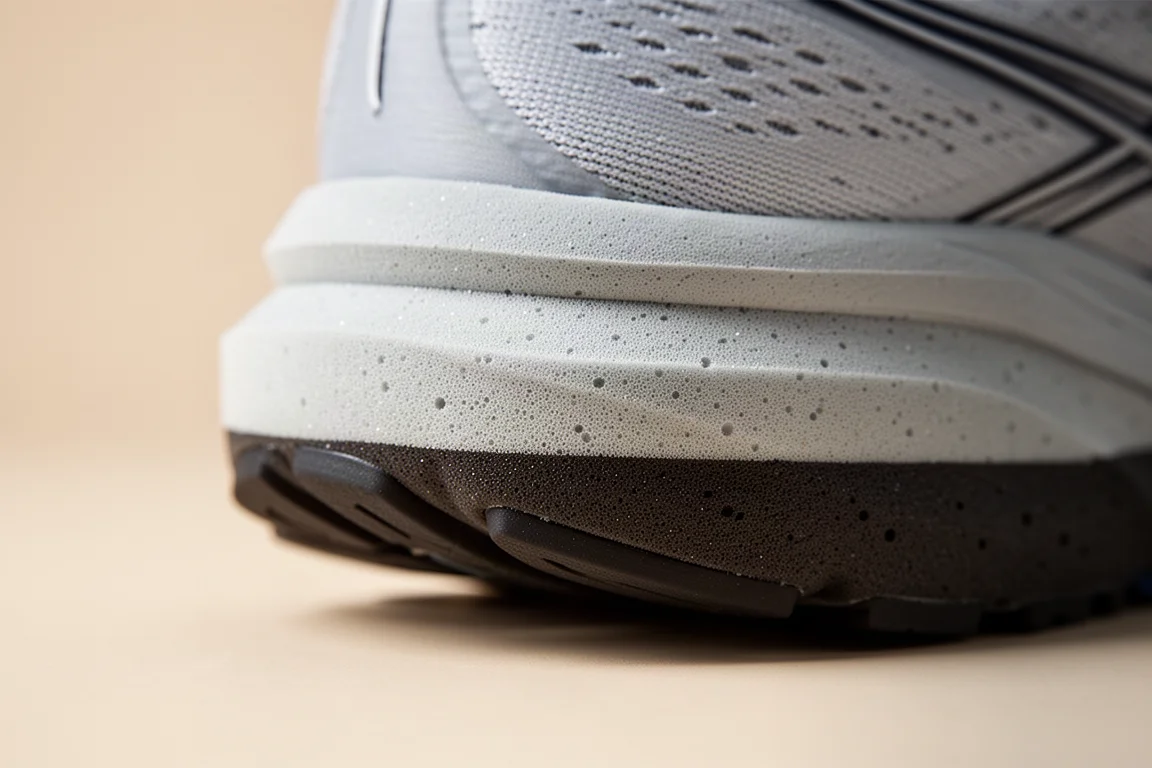
The midsole uses a dual-foam setup: a large wedge of supercritical nitrogen-infused Mizuno Energy Next foam on top for bounce and energy, with a slice of nitrogen-infused EVA underneath to add stability. A Mizuno wave plate sits within the stack, aimed at stability and dispersing impact from foot strike. The midsole is rockered with what Mizuno calls Smooth Speed Assist geometry, designed to smooth the transition from heel strike through to toe-off.
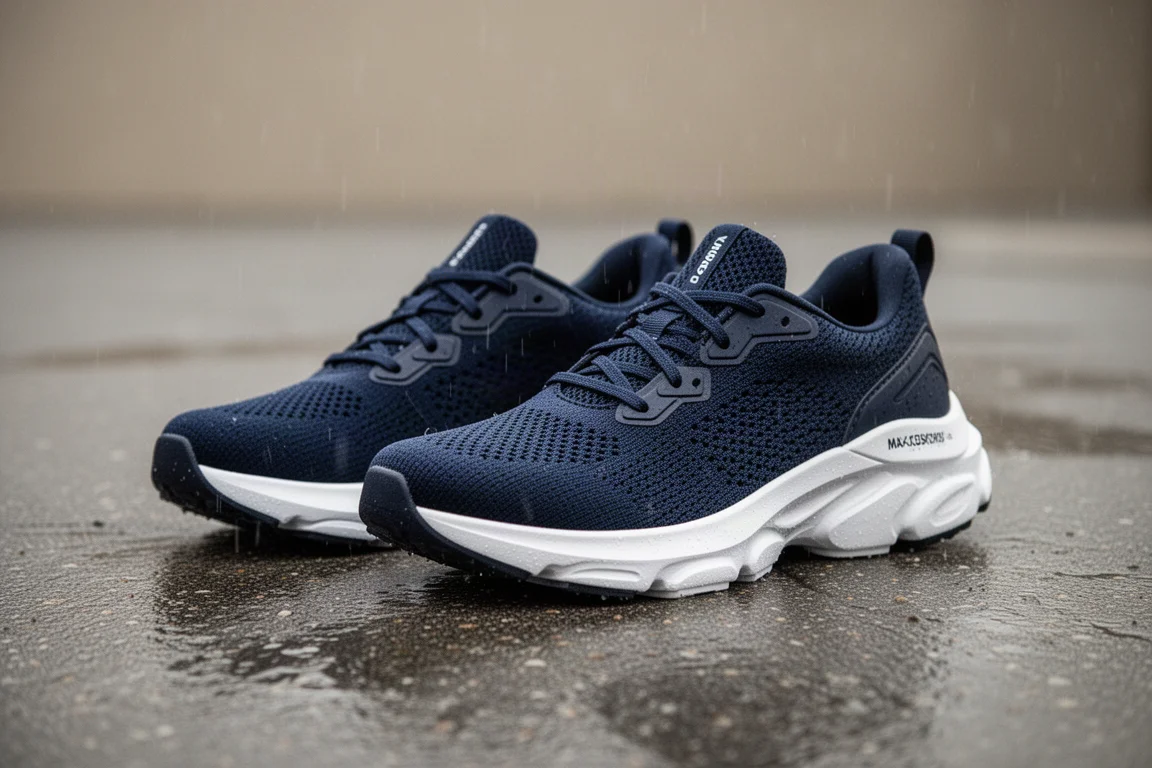
Underfoot, there are two wide sweeps of Mizuno X10 rubber either side of a large central cutout where the wave plate is visible. The trenches look wide enough to avoid stone catching unless you are running over very large rocks, and the rubber layer looks thick enough to suggest reasonable durability.
Fit and Upper: Roomy, Soft, and Better Locked Down
The new knit upper uses an integrated tongue in a one-piece bootie-style design. It is perforated along the outer side but otherwise dense and strong without being too thick. Two pull tabs, one at the heel and one on the tongue, help you get into the bootie fit. There is no padding in the heel and no real heel counter to speak of; instead, two overlays on the outside provide some side support.
Across testers, a consistent theme emerged: this shoe comes up large. One tester who normally wears a UK 8 found the UK 7.5 to be spot on and recommends going down half a size. Another, in a US 9.5 (half a size down from their normal), found plenty of room at the front of the shoe and described the upper as roomy and slightly baggy for a narrow foot, though it held securely around the heel and midfoot. A third, who has higher-volume feet, went half a size down on the brand’s advice and found it worked well, with loads of toe-box room, good midfoot lockdown, and a minimal heel collar that held comfortably without digging in.
The structural changes to the upper are a real improvement over the original, which could be tricky to lock down. This version feels noticeably more secure, and the minimal heel collar has caused no rubbing so far. If you prefer a dialed-in fit, try before you buy, and consider going half a size down, potentially even half a size down from what you wore in the Neo Vista 1.
Ride Feel: Soft, Bouncy, and Relaxed
On an easy 10k around 5-minute kilometre pace, the ride felt very enjoyable: a nice bounce as soon as you head out, a comfortable sink into the midsole, and a run that feels easy even when you pick the pace up a little. Compared with the original, the nitrogen-infused foam layer feels slightly denser, which appears to add a bit of support and returns a little more energy on the roll forward. It is not a dramatic change; the ride is very similar overall, just softer and springier.
At faster paces, the picture is more nuanced. During a session with a one-mile warm-up followed by sub-6:30-per-mile efforts, the shoe delivered a super-soft, compressive midsole that springs back with good energy, plus plenty of rolling from the rocker. It is not particularly stable, though: landing further back on the heel brings more wobble as the heel compresses, with little lateral or medial protection, so you have to work to find the sweet spot. Midfoot and forefoot landings handle the softness better.
The most common criticism is a desire for more stiffness and leverage. The foam, plate, and rocker combination feels relaxed and controlled rather than aggressive and snappy. One high-cadence runner actually preferred the firmer feel of the original Neo Vista for faster turnover, and suggested the extra bounce here will suit runners with a longer, loping gait more than quick-turnover shufflers. Against plated speed trainers like the Hoka Mach X2 or the Saucony Endorphin Speed line, this is clearly the more relaxed shoe.
Stability, Range, and Everyday Versatility
On an easy-to-steady 45-minute run with strides, the Neo Vista 2 felt comfortable at very easy paces and moved well through the gears. There is some instability, but it is manageable given the high stack: the soft foam and plate help counter it, and the canyon-like outsole cutout seems to centre the foot. Sharp corners exposed less stability than a traditional trainer such as a Brooks Ghost, but it never felt worrying.
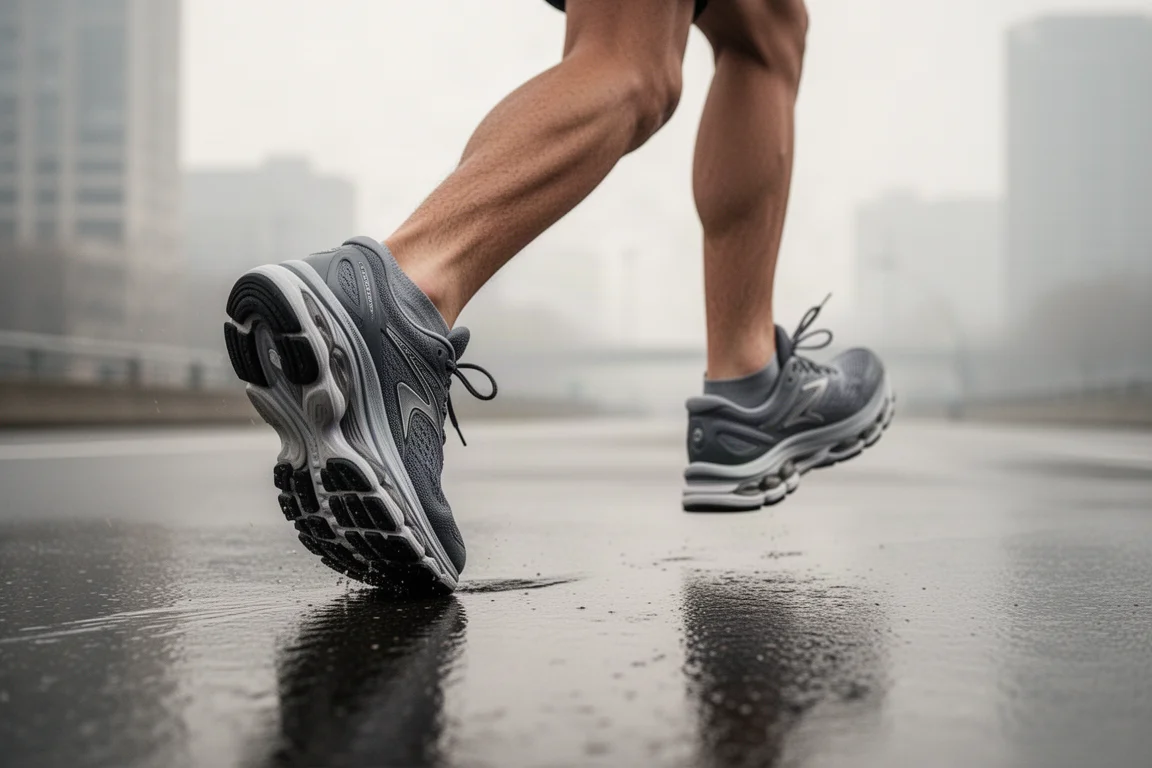
The shoe feels light for its big stack and has a good pace range. It is best described as a plated trainer geared toward everyday running rather than a fast-day weapon: comfortable, fun, and happy to gobble up miles. Long runs are where the original excelled, and this version looks set to do the same, possibly even better, since the denser foam seems tuned to give a bit more energy back over distance.
Things to Consider Before Buying
The bootie fit and minimal heel collar mean you will not get much support at the heel. If you rely on a structured heel counter, this shoe may feel lacking. The soft ride brings some wobble, and the lack of immediate snap off the ground will bother runners who want compression and rebound with a punchy lever effect. The roomy upper also means sizing needs care: half a size down is the recurring recommendation, and trying them on is worthwhile if you can.
On the plus side, the comfort is excellent, the energy is real, and the outsole coverage looks durable, though there is nothing conclusive to report after just 10k of wear.
Who the Neo Vista 2 Is For
This is a shoe for runners who want soft, cushioned miles with bounce and a bit of fun, whether that is daily easy runs, longer steady efforts, or the occasional pick-up in pace. If you loved the original Neo Vista, this is a faithful sequel rather than a redesign: very similar, slightly denser and more stable in the midsole, with a restructured upper that makes lockdown easier. If you want a rigid, aggressive speed trainer, look elsewhere; this one is built for bouncing merrily along.
Conclusion
The Mizuno Neo Vista 2 keeps the formula that made the original a favourite and refines it gently: a touch more density and stability in the midsole, a little more energy returned on the roll forward, and a more lockable bootie upper. It is priced at £150 in the UK and $200 in the US. For easy and long runs, it looks set to be one of the more enjoyable super trainers of the year, provided you size down half a size and do not need a firm, snappy platform.
Product link
View more details for Mizuno Neo Vista 2
This product is mentioned in the review. Check the specifications, options, and compatibility before buying.
View more details for Mizuno Neo Vista 2Further reading
Related Reviews
Running Shoes
Best Road-to-Trail Running Shoes: Three Versatile Options for Mixed Terrain
A practical guide to three road-to-trail running shoes that handle both pavement and mild trails, with clear strengths and trade-offs for different runner types.
Running Shoes
Best Running Shoes for Achilles Tendonitis: Three Options Explained
Three running shoes with different heel drops and support features designed to help reduce Achilles tendon pain during walking and running.
Running Shoes
Best Running Shoes for Women: Five Top Choices Ranked
A ranked guide to five women's running shoes, from versatile daily trainers to high-performance racing options, with real strengths and trade-offs for each.