Running Shoes
Mizuno Neo Vista 2 Review: 100 Miles of Cushioned, Easy-Mileage Comfort
After 100 miles of testing, the Neo Vista 2 proves itself as a plush, bouncy max-cushion daily trainer built for long runs and recovery days.
Introduction
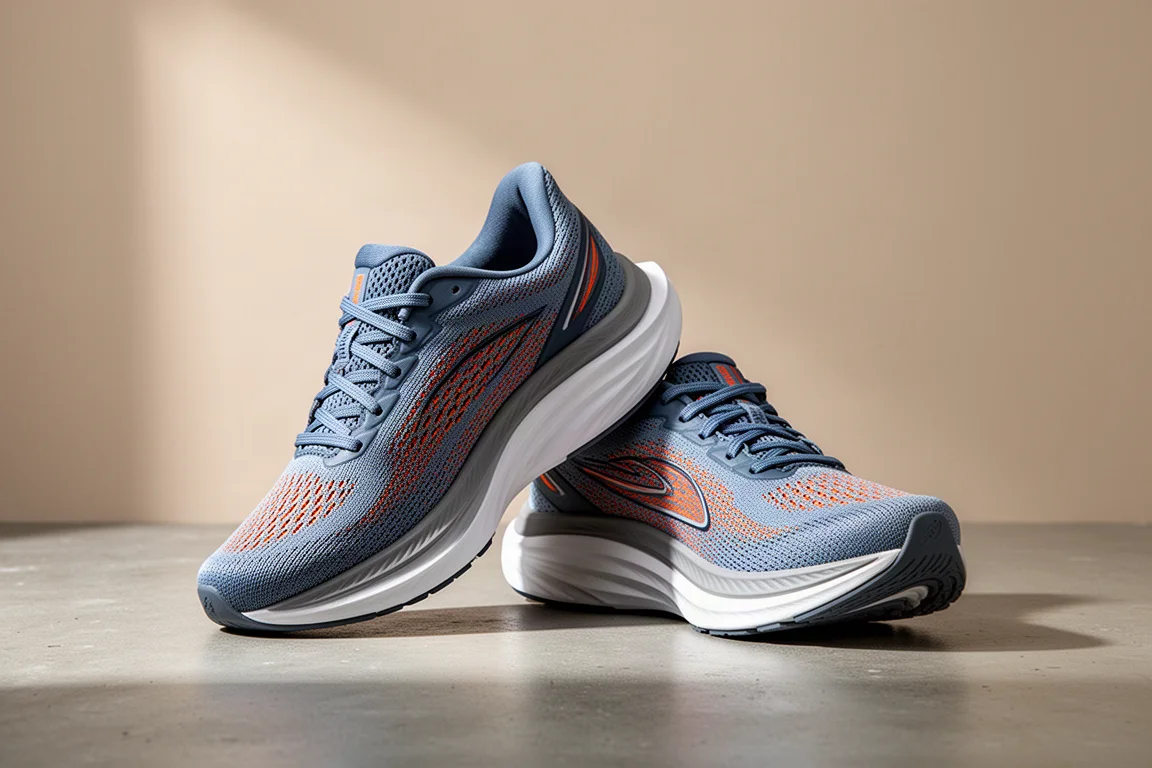
The Mizuno Neo Vista 2 earns its place here for one simple reason: it got 100 miles of testing, and only shoes that genuinely get reached for make it that far. Over those miles, including a 25-mile day and a 20-mile day, it turned out to be one of the most pleasant, easygoing trainers of the year. The price moved up 20 dollars from the original to $200, but the ride improved enough that it now feels like a shoe worth actively choosing rather than settling for. The original Neo Vista was comfortable but felt flat and lifeless in its full midsole of softer foam; this version adds bounce, response, and a lighter overall feel while keeping the cushioned personality intact.
Who This Shoe Is For
The Neo Vista 2 is aimed squarely at runners who want a cushioned, forgiving ride for daily miles, long runs, and recovery days. It is a shoe for effort and enjoyment rather than pace. If your priority is a 5K personal best, this is not the tool for it. But for anything 30 minutes or longer, especially days when your legs feel beat up, it offers a level of running assistance that makes ticking the legs over almost effortless. It is tuned for aerobic and recovery efforts, so it works beautifully at slow paces without demanding speed to feel good.
Ride and Midsole: Dual-Foam With a Plate
The midsole is a dual-foam construction with a soft foam layer on top and a firmer layer underneath, plus a plastic plate that stabilizes the stack and reinforces the rocker. The top layer is the same soft foam found in the Mizuno Neo Zen, but the plate and firmer bottom layer give this shoe noticeably more response and less squish in the forefoot. It is not a firm shoe by any measure, but compared with the Neo Zen there is more life in the ride.

The stack is genuinely tall, measuring around 48 mm at the heel after 94 miles of testing, and it was above 50 mm fresh, making it one of the tallest shoes measured. Softer foam naturally compresses over time, but the ride has not deteriorated in quality. The forefoot does not go mushy or bottom out on longer miles, which is where this shoe really separates itself.
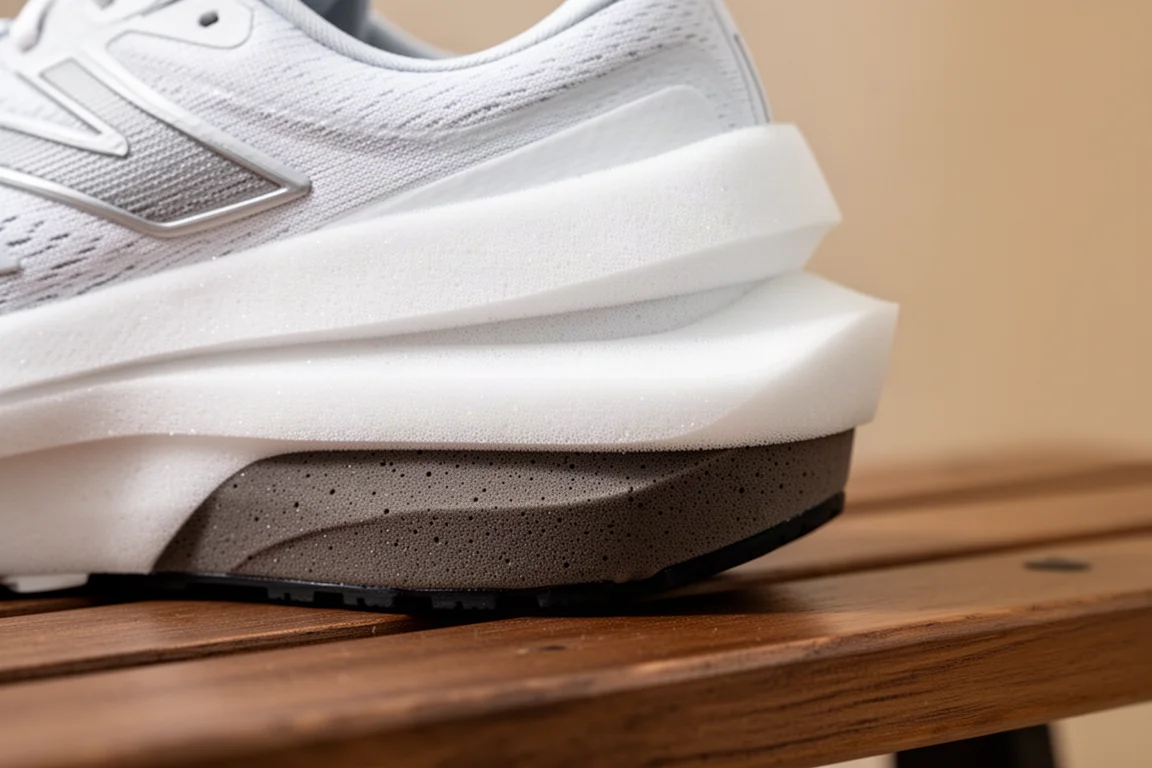
Weight comes in around 285 g for a tall-stacked trainer, which is impressively light for this category. Despite the plate, this is not a fast shoe in the race-day sense. It sits well below dedicated racers and even marathon-ready performance shoes in speed terms, but it has the hallmark of the best daily trainers: it can handle recovery runs, long runs, and even a hard push when the mood strikes.
Fit, Sizing, and the Upper
The upper is roomy, with nearly a full inch of space ahead of the toes in a standard size. Some runners may want to go down half a size, though the fit is not so oversized that it forces the issue. Width is generous, so wider feet and even 2E foot shapes have a good chance of fitting comfortably without pinching.
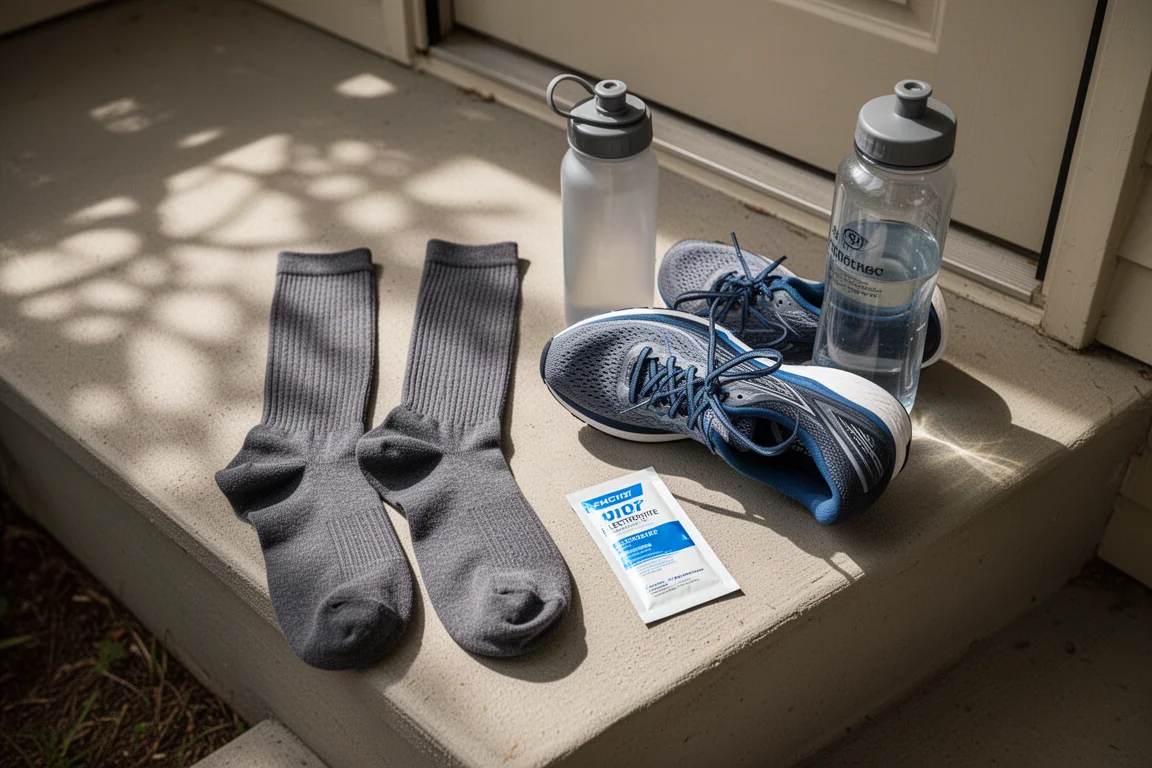
The step-in experience is plush, and the aggressive rocker geometry is immediately noticeable: a large beveled curve at the heel and a smooth roll through the front. One practical caution: the heel collar can rub, and wearing low socks led to some cutting during early runs. Taller socks solve the problem entirely. Breathability is solid, which makes the shoe a good match for hot summer running.
Durability and Grip
At 102 miles, the outsole is holding up very well, particularly in the usual high-wear zone at the heel. Durability here looks strong, and the expectation is that midsole bounce will fade before the outsole does. Grip is the weaker point. The rubber is essentially a flat layer with shallow grooves that are more cosmetic than functional, and the shoe felt slippery on a gravel path. It is manageable on smooth pavement, but if your routes include gravel or loose surfaces regularly, a standard daily trainer or something with more aggressive traction is a better pick.
Things to Consider Before Buying
The biggest friction points are price and fit quirks. At $200, it sits at the top end of the daily trainer market, and the Mizuno Neo Zen offers the same soft top-layer foam for $50 less, just without the plate that adds structure and response. The plate is what makes this shoe feel complete, though: it stabilizes the foam and makes the rocker glide rather than flop. The voluminous fit and heel-collar rubbing are worth checking with the right socks and, if possible, trying both sizes before committing.
Buying Advice
Think of the Neo Vista 2 as a cushy, luxurious max cruiser: not the fastest, but enormously comfortable and smooth, with an air-suspended, float-along quality. If you want one shoe that can absorb long runs, recovery days, and everything in between without demanding speed to feel good, this is a strong pick. It is a certified banger for the mileage-first runner and one of the best max-cushion options on the market right now, and it is genuinely underrated given how little attention Mizuno tends to draw.
Conclusion
After 100 miles, the Neo Vista 2 stands out as a smooth, comfortable, bouncy trainer purpose-built for high mileage and easy effort. Its dual-foam midsole with a plate, lightweight build, and forgiving geometry make it a top-tier daily trainer for 2025, with grip and the roomy upper as the only real caveats. For long-run days and relaxed cruising, few shoes make the miles feel this easy.
Product link
View more details for Mizuno Neo Vista 2
This product is mentioned in the review. Check the specifications, options, and compatibility before buying.
View more details for Mizuno Neo Vista 2Further reading
Related Reviews

Running Shoes
Best Road-to-Trail Running Shoes: Three Versatile Options for Mixed Terrain
A practical guide to three road-to-trail running shoes that handle both pavement and mild trails, with clear strengths and trade-offs for different runner types.

Running Shoes
Best Running Shoes for Achilles Tendonitis: Three Options Explained
Three running shoes with different heel drops and support features designed to help reduce Achilles tendon pain during walking and running.

Running Shoes
Best Running Shoes for Women: Five Top Choices Ranked
A ranked guide to five women's running shoes, from versatile daily trainers to high-performance racing options, with real strengths and trade-offs for each.