Running Shoes
Mizuno Hyperwarp Race Shoes: Elite, Pro, and Pure Compared
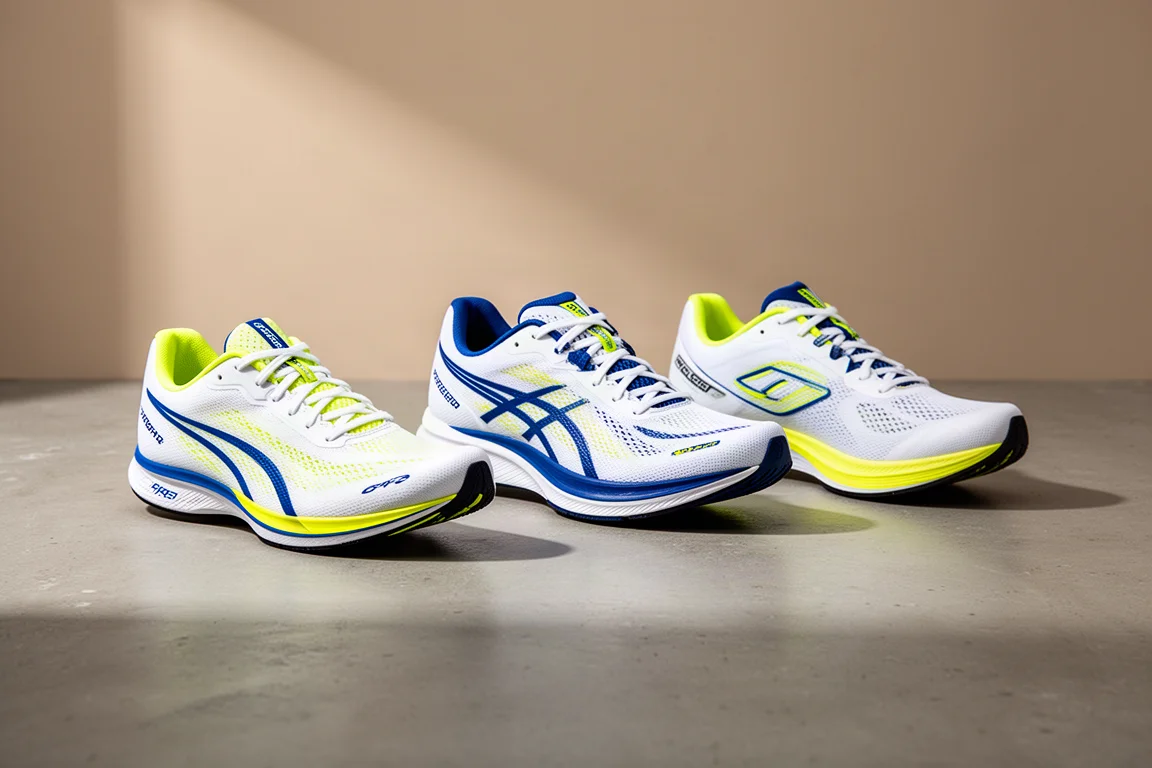
Mizuno's new Hyperwarp lineup brings three distinct race shoes: a dual-foam all-rounder, a high-stack Wave Rebellion successor, and an ultra-light 5K specialist.
Introduction
Mizuno has quietly built one of the strongest running shoe lineups of the past year, and the new Hyperwarp family is its most ambitious race-day release yet. Three shoes, three very different jobs: the Hyperwarp Pure goes after the ultralight 5K crowd, the Hyperwarp Elite is the balanced marathon-class racer, and the Hyperwarp Pro carries the high-stack, high-support torch of the Wave Rebellion line.
We spent time with all three on the scale, under the stack checker, and on the road, including a 20-mile long run in the Elite. Here is how the family shakes out.
How the Three Shoes Differ
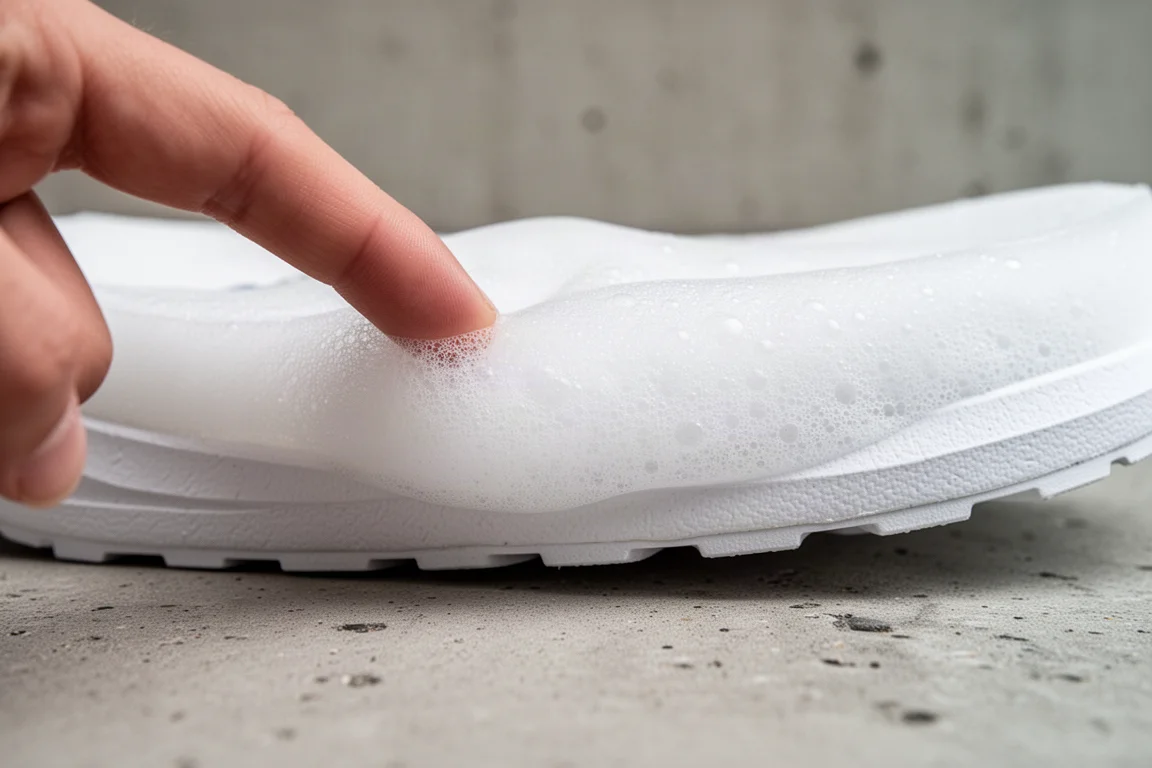
All three share the same aggressive race silhouette and a very low drop, but the foam strategy splits the family in two. Mizuno now runs two race foams: a new soft PEBA and a firmer TPE. The Pure uses the new PEBA exclusively. The Elite layers that softer PEBA on top of firmer TPE for a dual-foam setup, similar to the classic soft-up-top, structured-below formula. The Pro uses only the firmer TPE in the tallest stack of the three.
Weight and stack tell the rest of the story. The Pure is the stripped-down option at 30.5 mm in the forefoot and 34 mm in the heel, with a claimed 137 g in sample size. The Elite sits in the middle at 38 mm in the heel, 34.5 mm in the forefoot, and a claimed 165 g, with a 3.5 mm drop that leaves a lot of foam under the forefoot. The Pro is the tallest and heaviest at 39 mm in the heel and 33.5 mm in the forefoot.
Mizuno Hyperwarp Elite: First Impressions
The Elite is the shoe most likely to land in a marathon kit. On the scale it measured 184 g on the left shoe and 186 g on the right, which puts it right alongside the lightest racing shoes on the market, slightly under the Puma Fast-R 3. The stack measured close to 37 mm at the heel, a touch under the stated 38.
On foot, the ride is a bruiser, not a cruiser. There is real snap and bite off the forefoot, a stiff plate positioned wide up front to drive power through the big toe, and a firmer, denser feel than the current soft-shoe trend. Over a 20-mile long run at a steady faster effort, it stayed quick, responsive, and easy to surge in. It feels like a beefed-up racing flat with modern foam: low to the ground, lean, and mean.
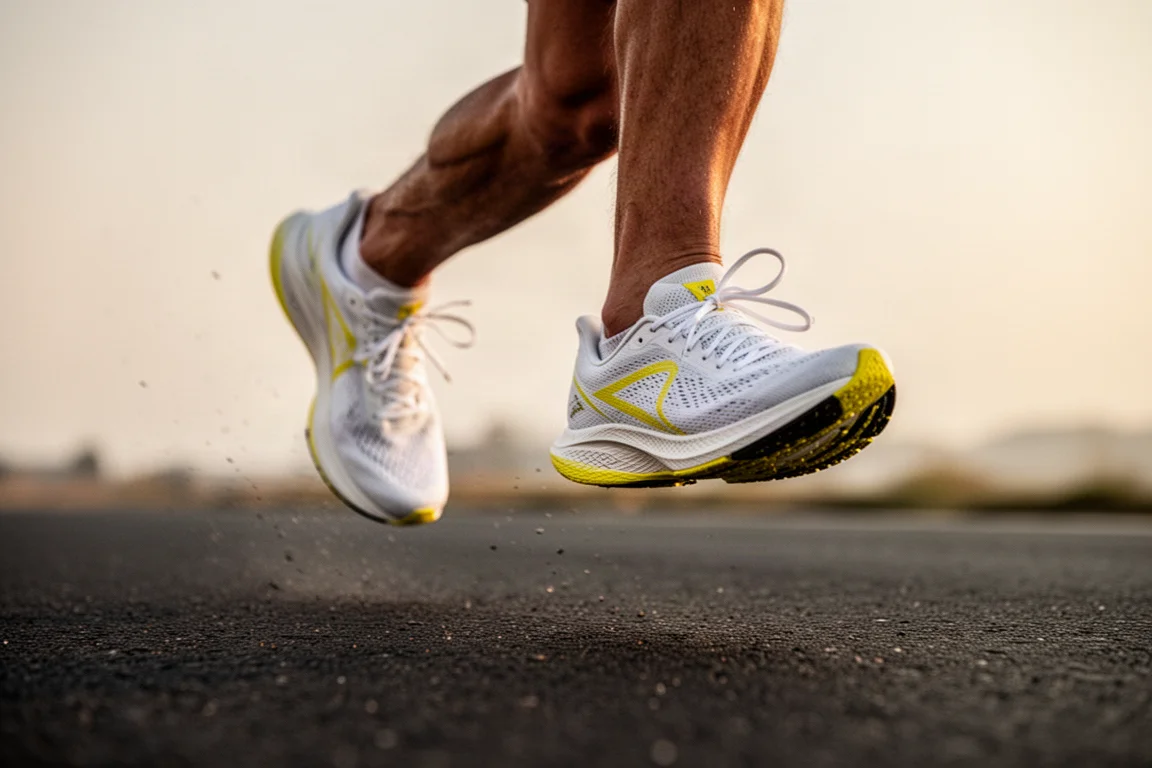
The fit is a genuine highlight. The sawtooth laces held without a single re-tie, the upper caused no hot spots over two hours, and the construction quality is excellent. The heel is narrow, though, and the soft PEBA top layer compresses noticeably under the heel, so slower heel-striking runners may find the back end wobbly. Downhill protection is also limited; if you hammer descents or are on your feet for three and a half hours or more, the Pro may be the safer marathon pick.
Mizuno Hyperwarp Pro: The Stability Pick
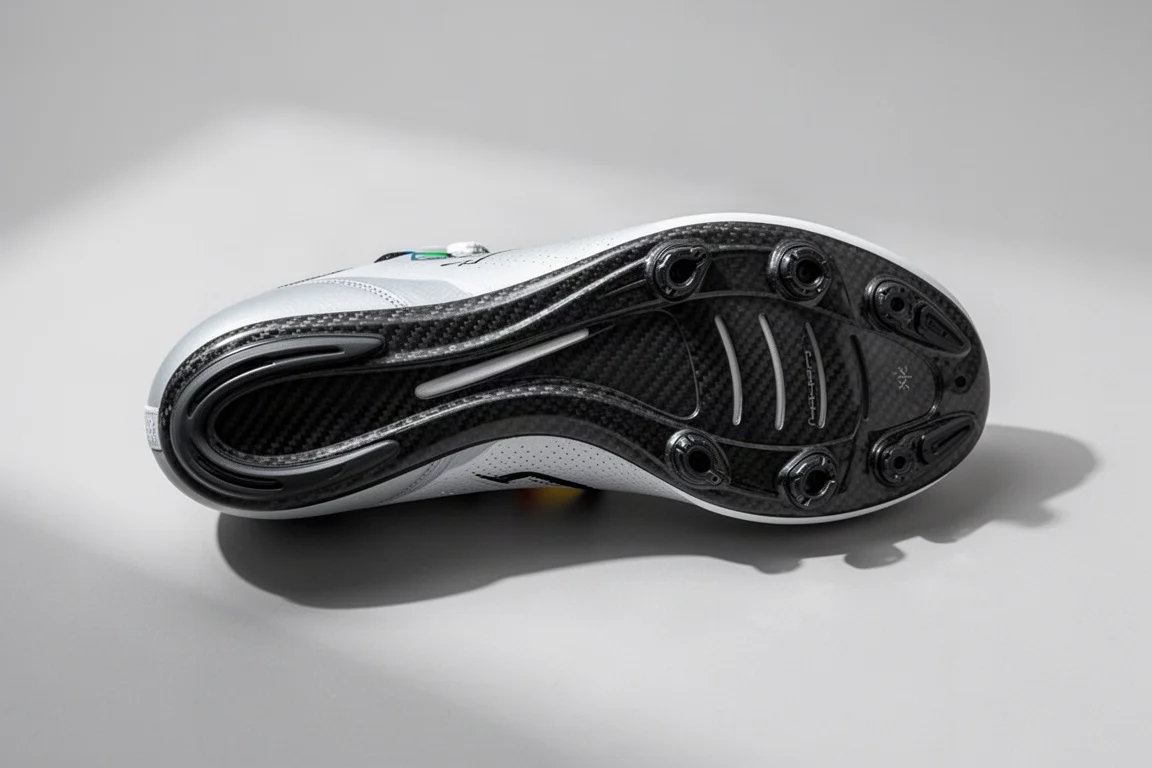
The Pro is the spiritual successor to the Wave Rebellion Pro, and it shows. It measured 213 g and 214 g on the scale, the heaviest of the three, and its stack check confirmed it as the tallest shoe in the family. It keeps the aggressive heel bevel and cut-away geometry of the Wave Rebellion line, and Mizuno describes it as the balance of rebound and support.
Because it uses 100 percent firmer TPE with no soft layer on top, it feels denser and more structured than the Elite. That extra weight and structure translate into the most stable and supportive ride of the three, which is exactly why it may be the better choice for long days on your feet or hilly marathon courses.
It is also the least flashy of the trio in terms of outright speed, but that is the point. Where the Elite is a scalpel, the Pro is built to hold up over distance without punishing you. Runners who found the Wave Rebellion Pro too extreme but loved its propulsive character should find this a more complete shoe.
Mizuno Hyperwarp Pure: The 5K Weapon
The Pure is the weight weenie’s dream. It measured 150 g and 151 g on the scale, with the lowest stack of the family at 34 mm in the heel and 33.8 mm measured, right in line with the stated 34 mm heel and 30.5 mm forefoot. It runs 100 percent of Mizuno’s new PEBA foam, making it the softest feeling of the three underfoot despite the lowest profile.
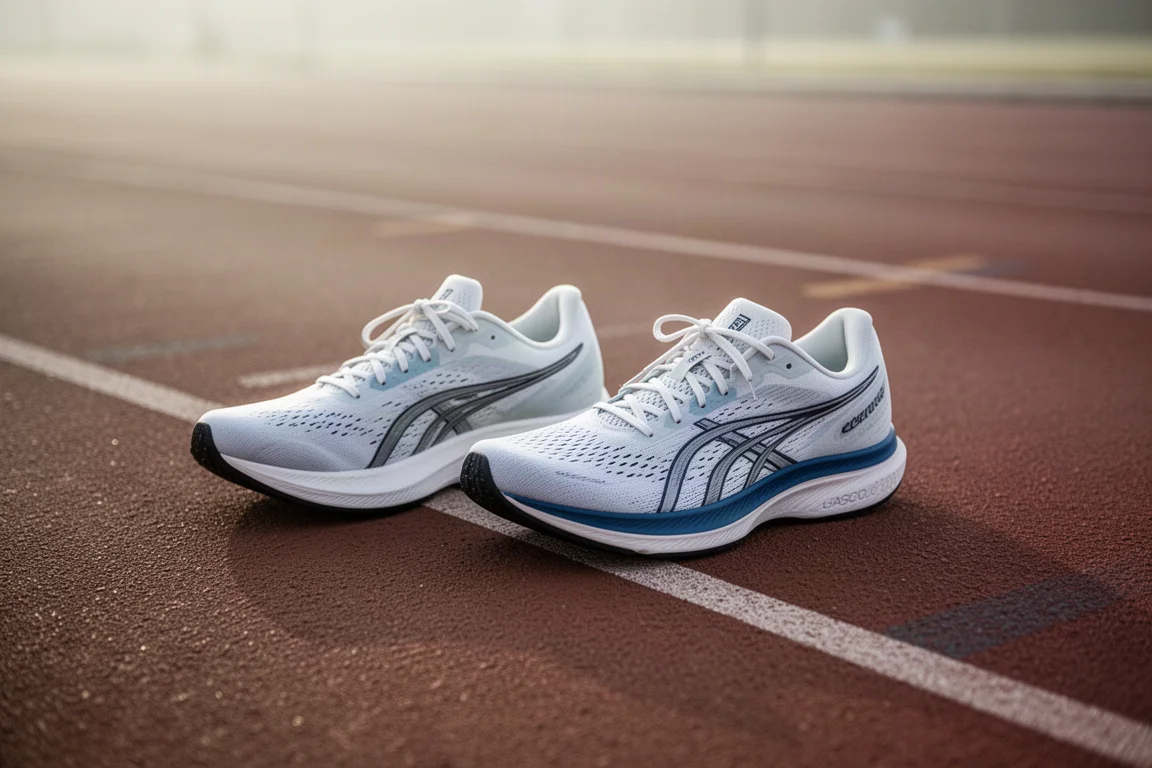
This is a shoe with a clear job: 5K and 10K racing and fast interval sessions. It is the direct competitor to the lightest racing shoes on the market, and the prototype-style white-and-paint colorway only adds to the appeal. If you like an aggressive, stripped-down racer and mostly race short, this is the one to look at.
Which One Should You Buy?
If you want one shoe for everything from 5Ks to the marathon, the Elite is the sweet spot: near-lightest-in-class weight, a dual-foam setup that balances snap with just enough cushion, and an upper that outclasses most competitors. At $275 it faces stiff competition from the established ASICS Meta Speed line, but the fit and finish make a strong case.
Choose the Pro at $250 if stability, stack, and long-run protection matter more than raw speed. Choose the Pure at $300 if short-distance speed is your only goal and you want the lightest possible shoe. Pricing note: the Pure and Pro carry flagship prices, so value-minded runners should weigh how often they will actually race in them.
Conclusion
Mizuno has earned a place in the race shoe conversation with the Hyperwarp family. The Elite is the standout all-rounder and an easy first pick, the Pro covers the high-stack stable end, and the Pure is a genuinely exciting short-distance weapon. Pick based on the distances you race and how much cushion you want underfoot.
Product link
View more details for Mizuno Hyperwarp Elite
This product is mentioned in the review. Check the specifications, options, and compatibility before buying.
View more details for Mizuno Hyperwarp EliteFurther reading
Related Reviews

Running Shoes
Best Road-to-Trail Running Shoes: Three Versatile Options for Mixed Terrain
A practical guide to three road-to-trail running shoes that handle both pavement and mild trails, with clear strengths and trade-offs for different runner types.

Running Shoes
Best Running Shoes for Achilles Tendonitis: Three Options Explained
Three running shoes with different heel drops and support features designed to help reduce Achilles tendon pain during walking and running.

Running Shoes
Best Running Shoes for Women: Five Top Choices Ranked
A ranked guide to five women's running shoes, from versatile daily trainers to high-performance racing options, with real strengths and trade-offs for each.