Running Shoes
Mizuno Hyperwarp Lineup: Pro, Elite, and Pure Race Day Shoes Compared
Three new Mizuno race day shoes with near-identical uppers and very different personalities. Here is which one fits your racing and training needs.
Introduction
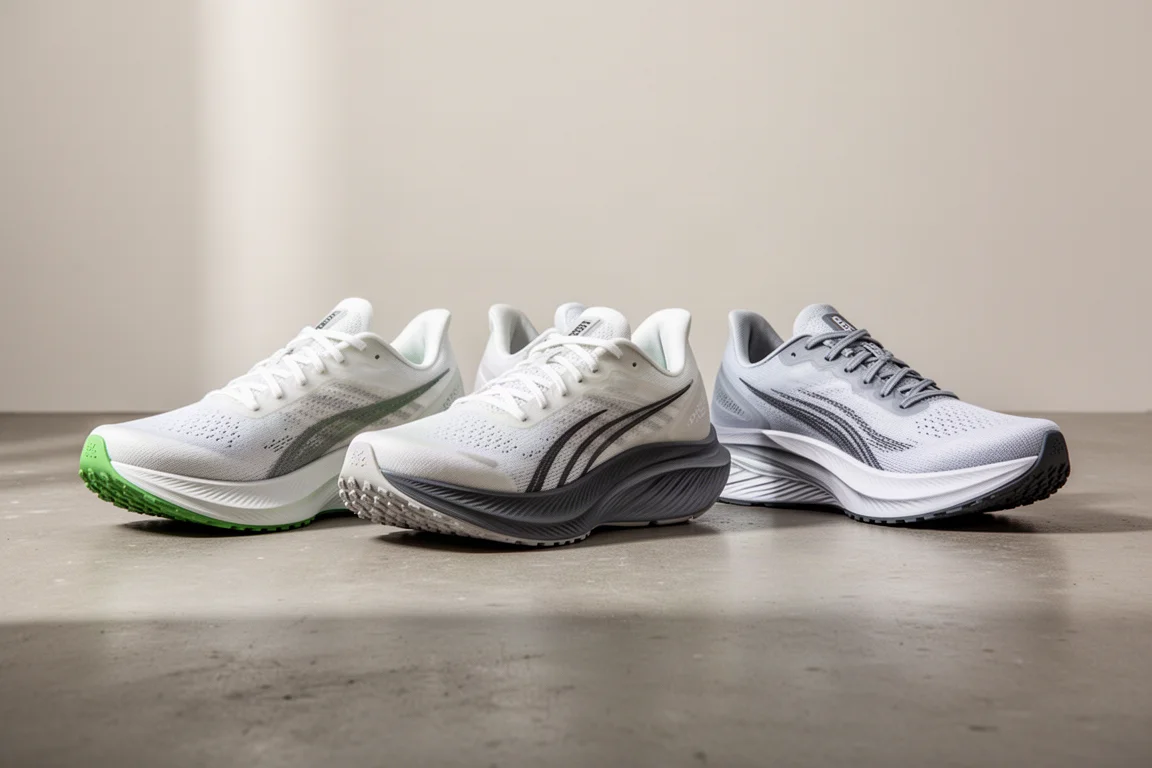
Mizuno launched three race day shoes at once: the Hyperwarp Pro, Hyperwarp Elite, and Hyperwarp Pure. All three share nearly identical uppers and the same Enerz XP foam family, yet each targets a slightly different runner. They are best understood as a set, so this comparison covers them together rather than scoring them one by one.
Three Shoes, One Family
The Hyperwarp line is Mizuno’s follow-up to the Rebellion Pro, an aggressive race shoe that delivered plenty of stack and a spike-like platform but proved too much for many runners once form broke down late in long races. The Hyperwarp trio dials that philosophy back while keeping the race day focus.
Across the lineup you get a light, airy TPE-yarn style upper that breathes exceptionally well, a minimal tongue, and a low-profile heel counter that still holds the foot securely. All three are built for quick-turnover runners: the geometry and feel genuinely assist a fast cadence rather than demanding long, powerful strides.
Mizuno Hyperwarp Pro
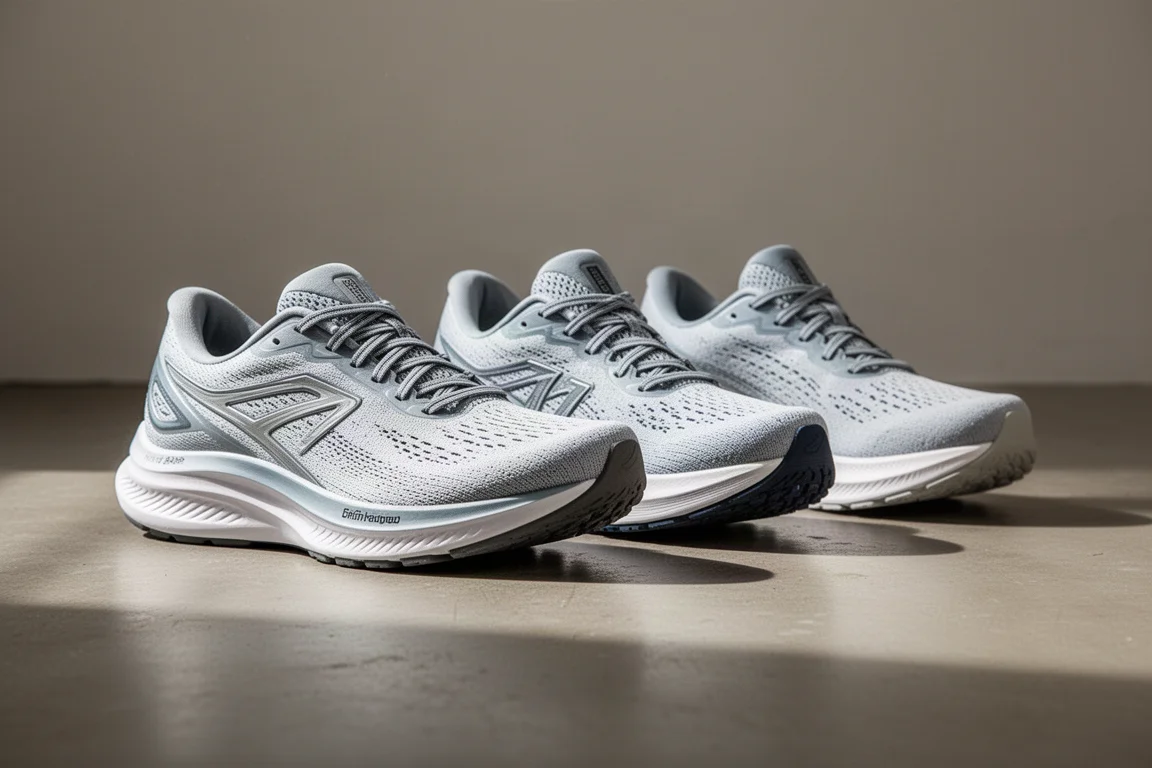
The Pro is the most affordable of the three at $250 and also the heaviest, coming in at 7.4 oz (211 g) for a men’s size 10.5. The stack is 39 mm in the heel and 33.5 mm in the forefoot, a relatively low platform for a modern super shoe.
It uses TPE on both the top and bottom of its carbon-infused nylon plate, which makes it the most stable and the most durable of the trio. The firmer TPE lasts longer, and the extra outsole rubber means more usable miles. If you liked the Neo Vista as a trainer and want something in that spirit for faster days, the Pro is the closest match.
The Pro is also the most versatile. It can handle tempo workouts and pre-race training in addition to race day, which is exactly why some runners may pick it over the pricier tiers despite the extra weight. Final function scoring lands it a 4, with testers wanting a bit more toe spring and propulsion.
Mizuno Hyperwarp Elite
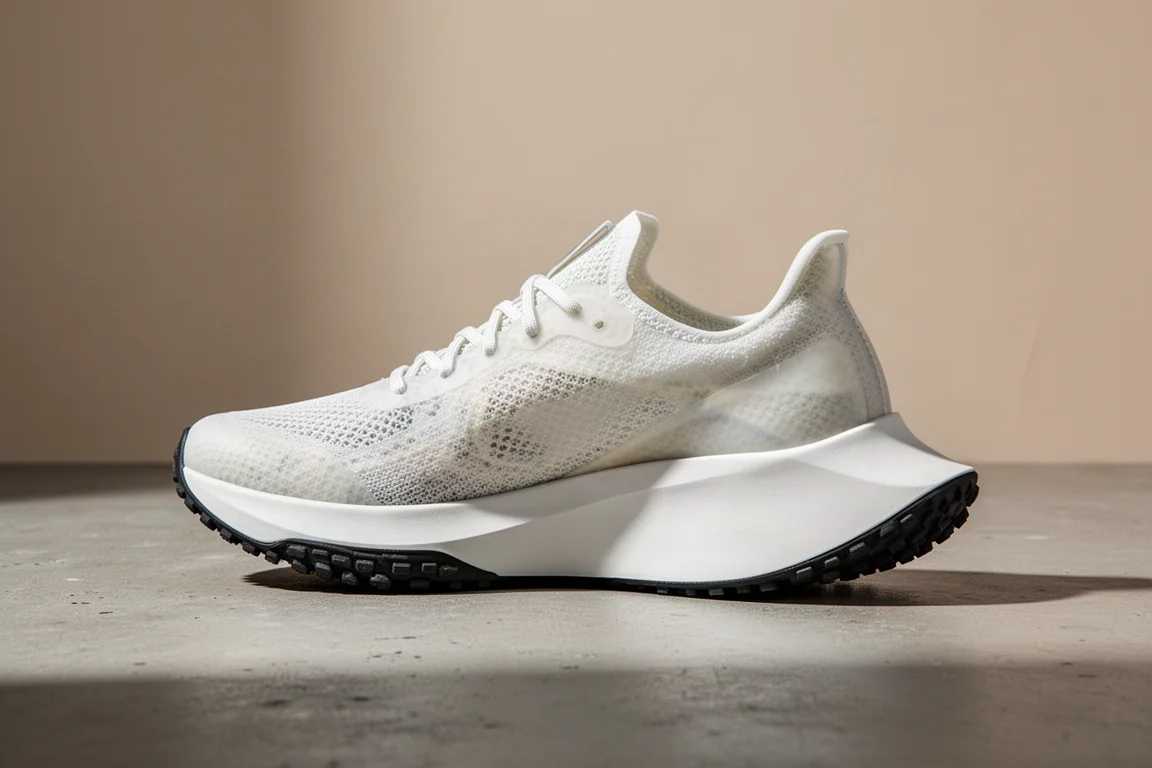
The Elite, at $275, is the most traditional race day shoe of the three. It adds a softer PEBA foam layer on top of the TPE, narrows the platform slightly, and swaps in the same carbon fiber plate used in the flagship tier. The stack rises to 38 mm in the heel and 34.5 mm in the forefoot.
This is the shoe where the plate truly works for you. When the ball of the foot loads in the front, there is a clear snap off the plate, and the ride hums when cadence picks up. It earned the highest marks of the three for function, landing a 5 with only a mild wish for a touch more toe spring.
At 6.5 oz (185 g) for a men’s size 10.5, and comfortably under 6 oz for a men’s size 9, it balances lightness, cushioning, and stability better than anything else in the lineup. For testers, this was the marathon pick, sitting at an A grade rather than the super tier.
If you can buy only one of the three, this is the consensus choice, even at a higher price than the Pro.
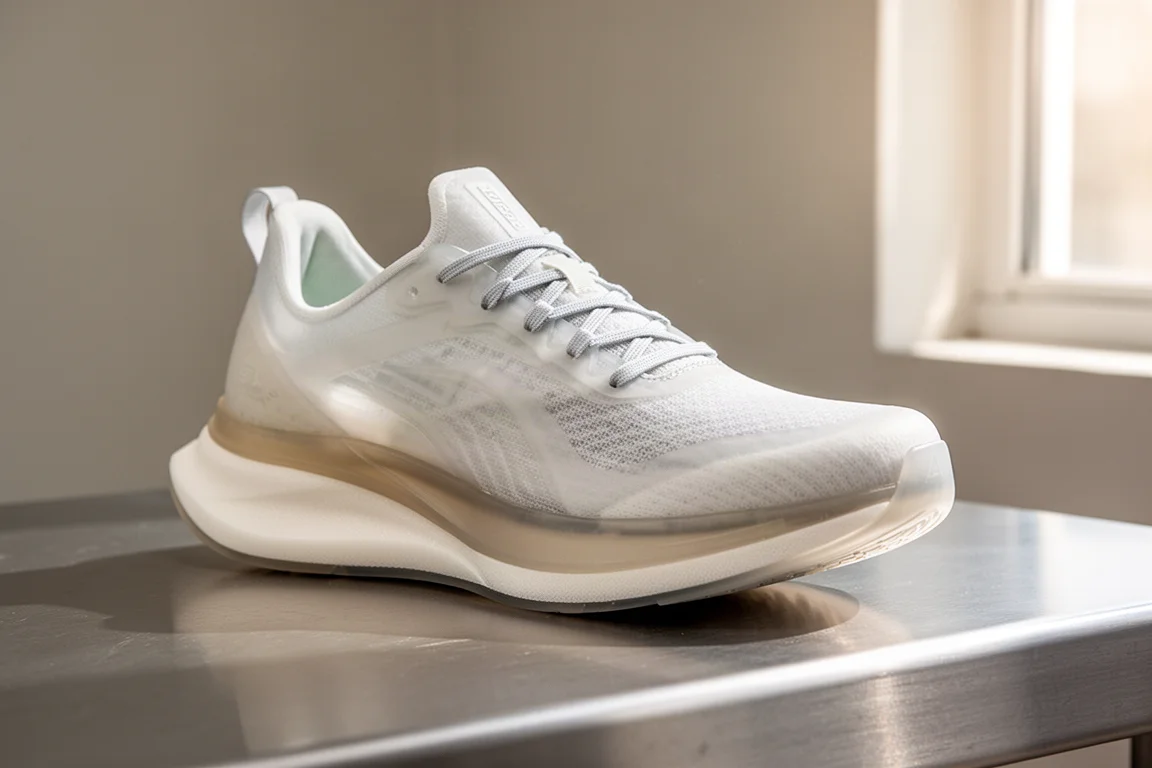
Mizuno Hyperwarp Pure
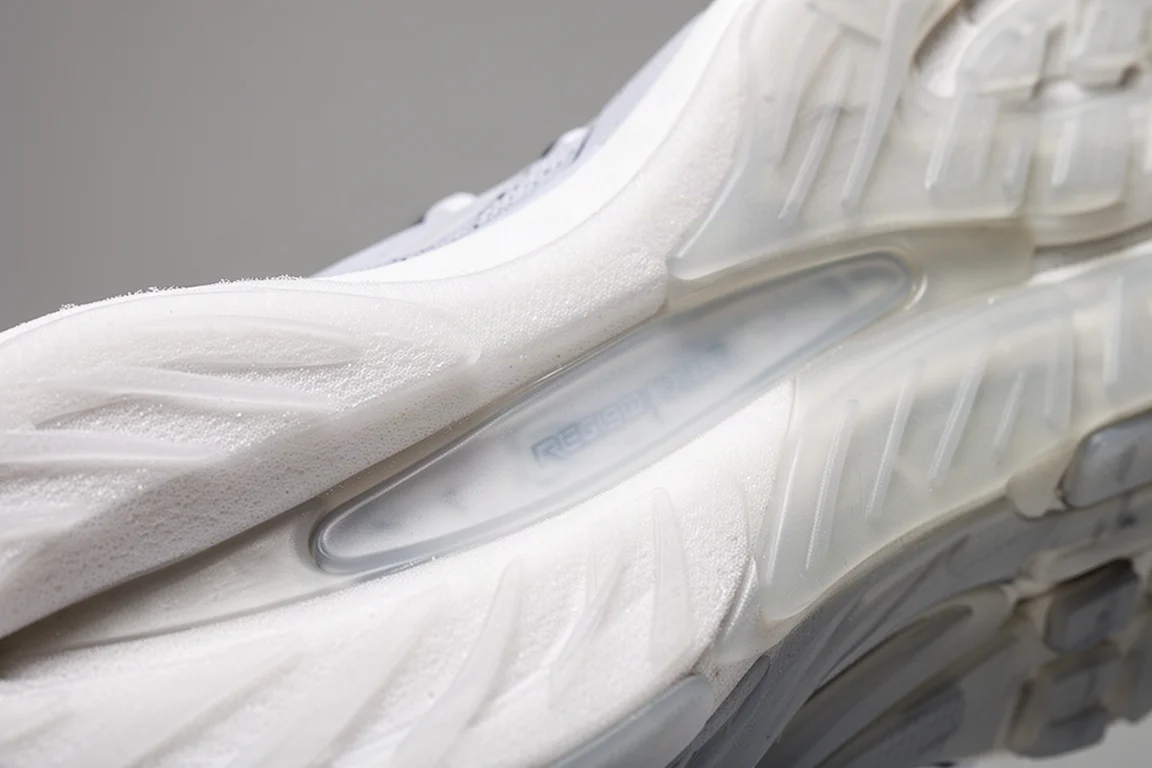
The Pure is the ultralight option at $300, and the weight speaks for itself: 5.2 oz (149 g) in a men’s size 10.5, with under 5 oz expected for men’s size 9. It uses PEBA foam top and bottom around a carbon fiber plate, with a lower 34 mm heel and 30.5 mm forefoot stack.
Because the foam is so soft around the plate, the plate sensation is more noticeable than in the Elite, and the structure and curve give the shoe a familiar, efficient feel. It competes directly with the lightest super shoes on the market.
The trade-off is underfoot volume. This is the shoe for short, fast efforts and for lighter marathoners who do not need as much cushioning beneath them. Testers still rated it a 5 for function, but it is not the pick for runners who want a plush, forgiving marathon ride.

How to Choose Between Them
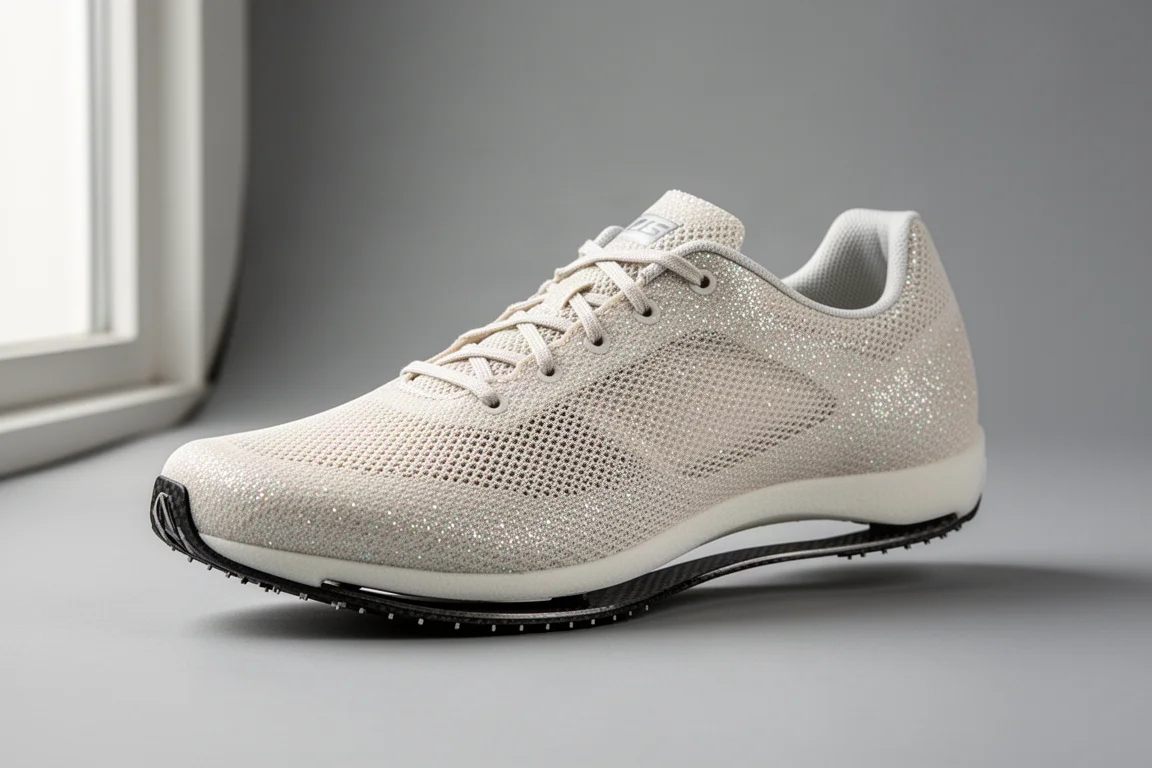
Because the uppers are effectively identical, fit will not decide this for you. The real differences are underfoot and in your intentions.
- Choose the Pro if you want extra stability, more durability for tempo work, or a race day shoe that doubles as a fast workout shoe.
- Choose the Elite if you want the best all-around marathon racer with a real plate snap and balanced cushioning.
- Choose the Pure if you are chasing the lightest possible race shoe for shorter distances or you are a lighter runner who does not need a big stack.
Fit across all three was genuinely good, with the main caveat being a little heel and lacing wiggle room for narrower feet and a thin tongue that discourages cranking the laces down hard. The breathability is excellent, even in cold conditions where thinner socks are worth considering.
Blended together, the lineup scores around 13 out of 15, a clear green light. The Hyperwarp family is far more accessible than Mizuno’s previous race shoe experiments, and it is hard to imagine anyone trying these on and finding them unrunnable for fast racing.

Conclusion
Mizuno now offers a race day shoe for nearly every kind of fast runner. The Pro rewards runners who want stability and durability, the Pure serves weight-obsessed racers, and the Elite is the standout all-rounder that most people should buy first. The one catch: you really need to try them on, because the differences come down to subtle feel rather than dramatic spec sheets.
Further reading
Related Reviews

Running Shoes
Best Road-to-Trail Running Shoes: Three Versatile Options for Mixed Terrain
A practical guide to three road-to-trail running shoes that handle both pavement and mild trails, with clear strengths and trade-offs for different runner types.

Running Shoes
Best Running Shoes for Achilles Tendonitis: Three Options Explained
Three running shoes with different heel drops and support features designed to help reduce Achilles tendon pain during walking and running.

Running Shoes
Best Running Shoes for Women: Five Top Choices Ranked
A ranked guide to five women's running shoes, from versatile daily trainers to high-performance racing options, with real strengths and trade-offs for each.