Running Shoes
Mizuno's New Warp Collection and Neo Zen 2: Four Running Shoes Worth Watching
Mizuno's lightest-ever racing shoe headlines a new Warp collection, while the Neo Zen 2 refines one of the bounciest daily trainers around.
Introduction
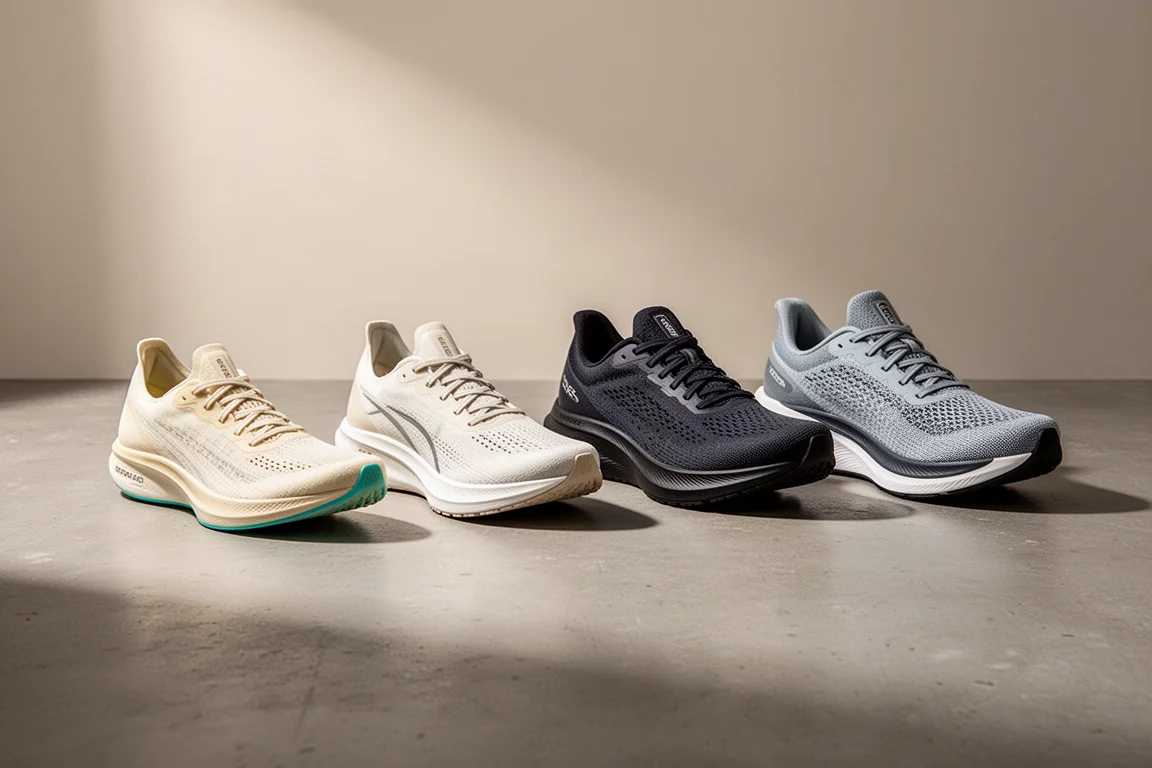
Mizuno is having a moment with its newest running footwear. The brand has introduced an entirely new Warp collection of racing shoes built around a brand-new foam, and alongside it comes the Neo Zen 2, an update to one of its most distinctive daily trainers. We have spent time running in all four, and the differences between them are worth understanding before you pick one.
What the Warp Collection Is Built On
The new lineup centers on a fresh foam called Mizuno Energy XP. Its base material is a paper-derived material, processed through an extensive refinement process to reach a remarkably light and springy feel. The result is a super critical PE-based midsole that enables Mizuno’s first racing shoe under 5 oz.
Mizuno positions the collection as a more approachable alternative to the aggressive Wave Rebellion Pro. Rather than a geometry that leans you forward like a track spike, the new shoes use what the brand calls a smooth speed plate: a full-length carbon plate with a sweeping shape that keeps the midfoot stiff while supporting efficient gait. Same philosophy as the Rebellion Pro, very different construction.
Mizuno Hyper Warp Pure: Lightest Mizuno Racing Shoe Yet
The Hyper Warp Pure is the top-of-the-line model and the lightest shoe Mizuno has ever made: 4.9 oz, or 137 grams. It uses a single foam throughout, split for the plate, with a full-length three-dimensional carbon plate. The ride has a very spongy, light sensation rather than the dense, hard feel many racing shoes deliver.
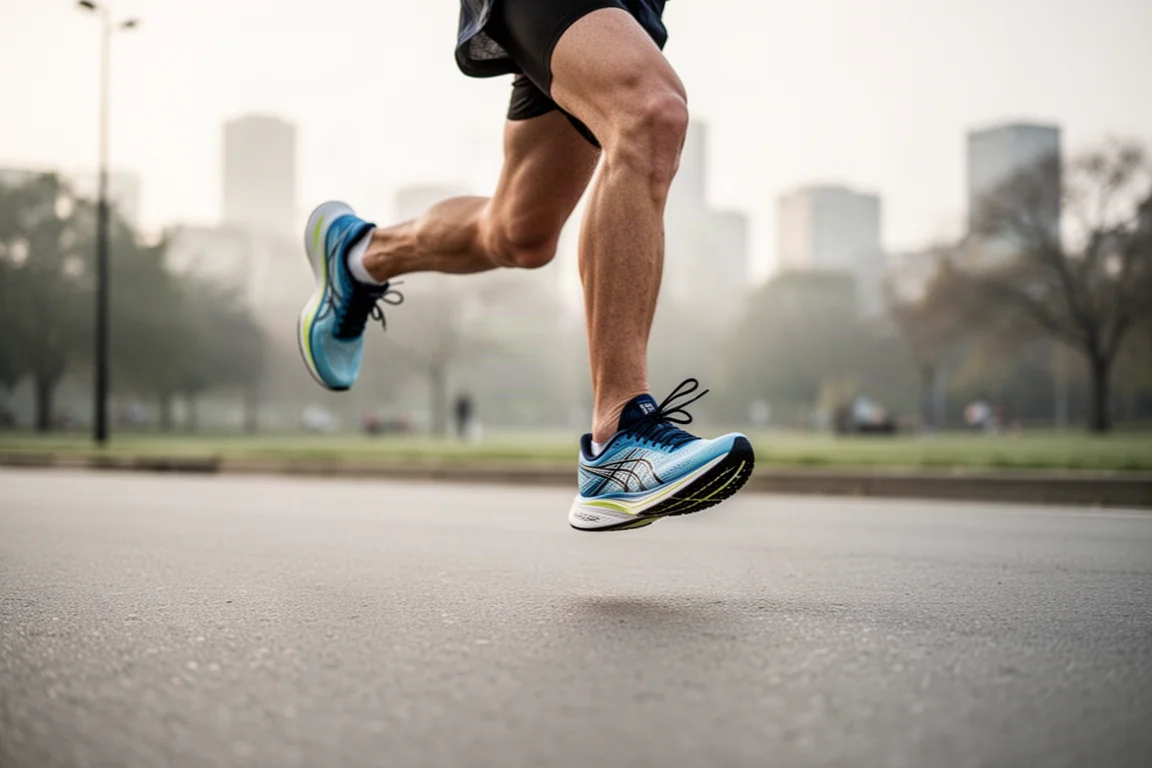
Spec-wise, it sits at 31.5 mm in the forefoot and 34.5 mm in the rearfoot. At $300, it is aimed squarely at efficient, fast runners who value weight above everything else. Athletes who prefer a lighter weight sensation for shorter distances are responding especially well to it.
Mizuno has said the Pure is a great fit for shorter races, and our own time in it backs that up: it shines at uptempo paces and over shorter efforts, though it is not an everyday trainer.
Mizuno Hyper Warp Elite: Built for the Long Haul
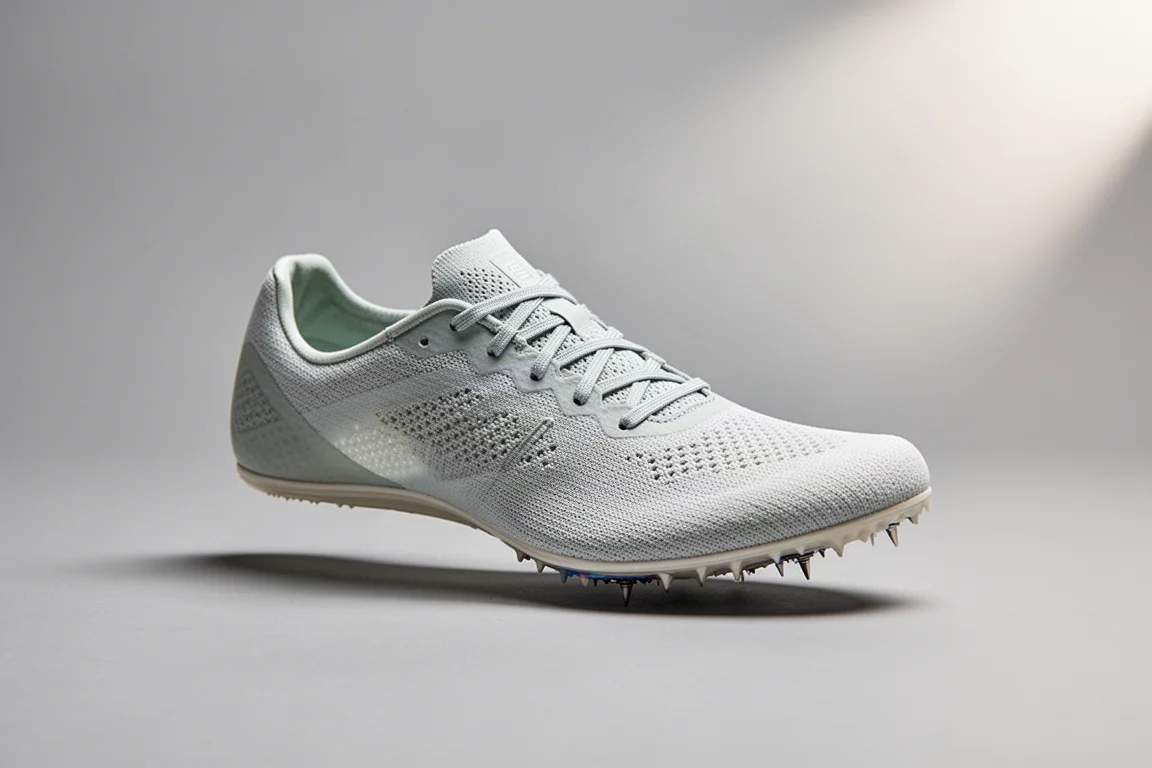
The Hyper Warp Elite looks very similar to the Pure, but the construction is quite different. Mizuno keeps the same full-length carbon plate and layers a super critical PE on top with a super critical TPE carrier underneath. That dual-density setup creates a little more structure, more stability, and a more powerful feel, along with added durability.

The numbers bear this out: 34.5 mm in the forefoot, 38 mm in the rearfoot, 170 grams, and 5.9 oz at $275. The extra rigidity matters most in the later stages of longer races, which is exactly why athletes going beyond shorter distances tend to prefer this over the Pure. If you are racing anything approaching 26.2, this is the one built to hold up deep into the run.
Mizuno Hyper Warp Pro: A Racier Take on a Familiar Formula
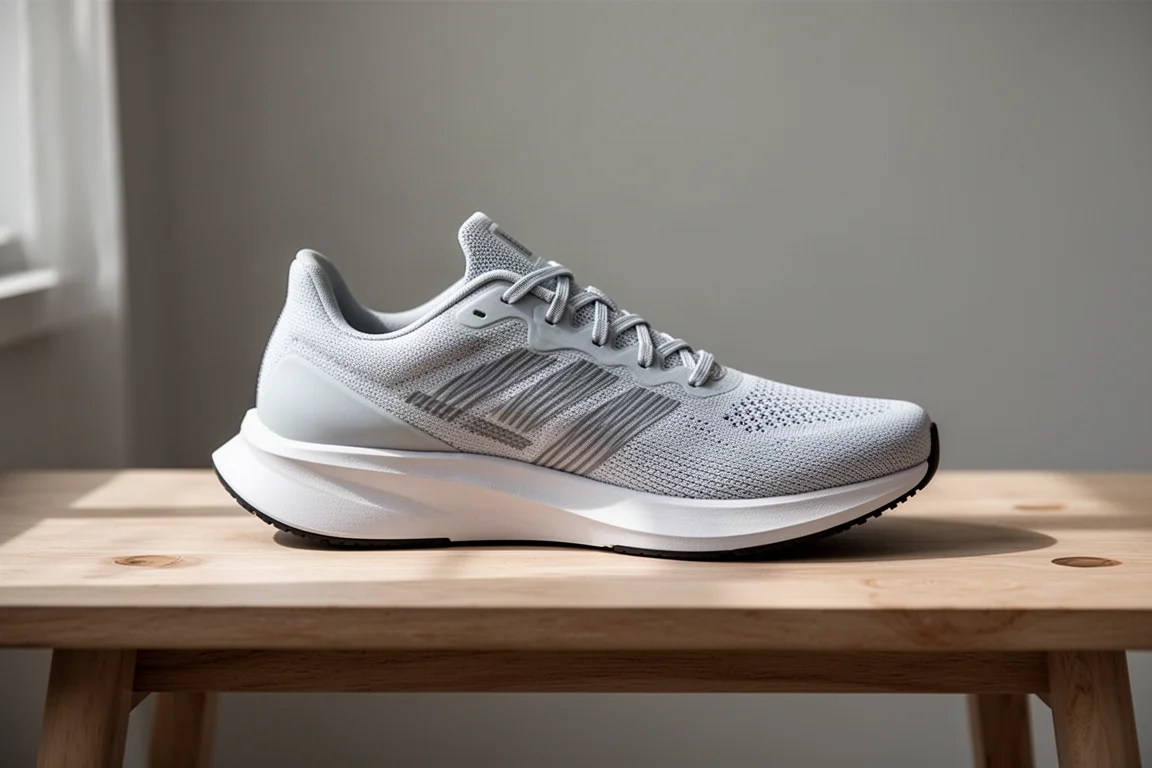
The Hyper Warp Pro rounds out the trio at $250. It uses a denser TPE base on both the top and bottom of the midsole for a slightly more powerful, stable feel, and it carries the slightly aggressive geometry familiar from the Wave Rebellion lineup. Mizuno describes it simply as a racier version of the Wave Rebellion.
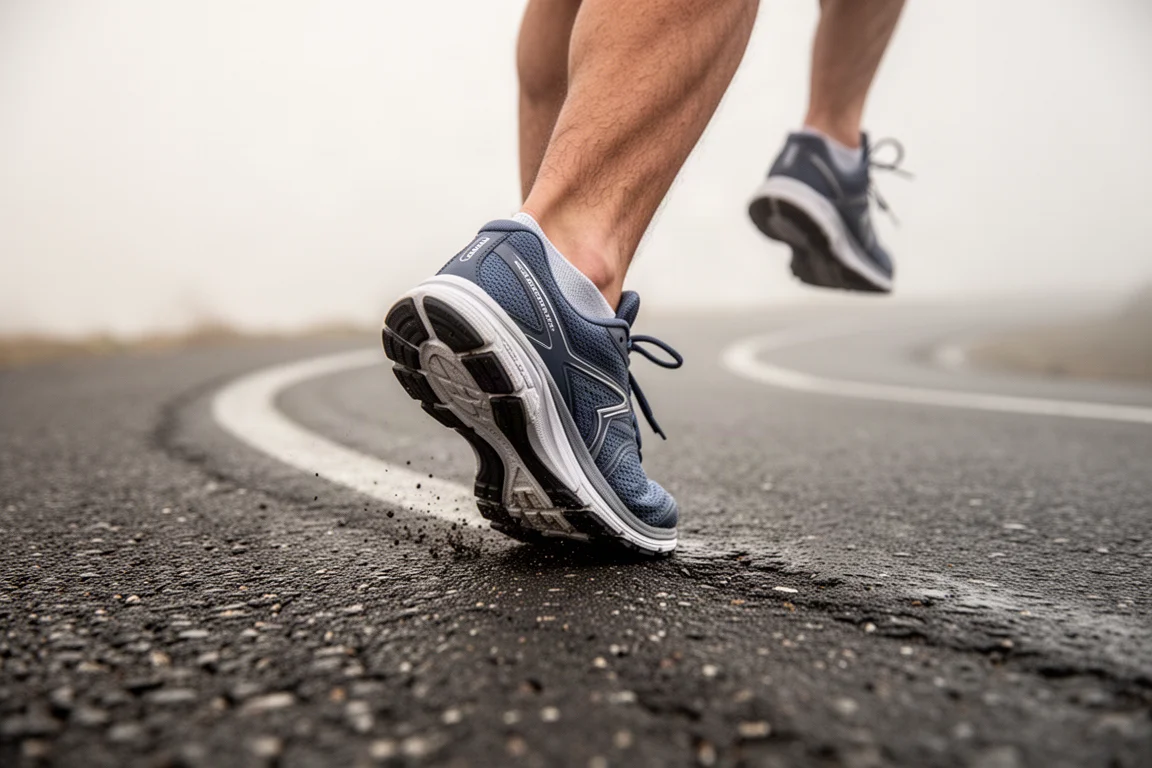
Stack height comes in at 33.5 mm in the forefoot and 39.5 mm in the rearfoot, slightly thicker than the other two Warp models, and it weighs 7.1 oz at 200 grams.
Honestly, between the Elite and the Pro, there is not a lot of nuance when you are actually running in them. It may come down to how the shoe feels on your foot. The best advice: try them on, get a couple of strides in, and go with the one that delivers that confident feeling on race day.
Mizuno Neo Zen 2: Directional Bounce for Daily Miles
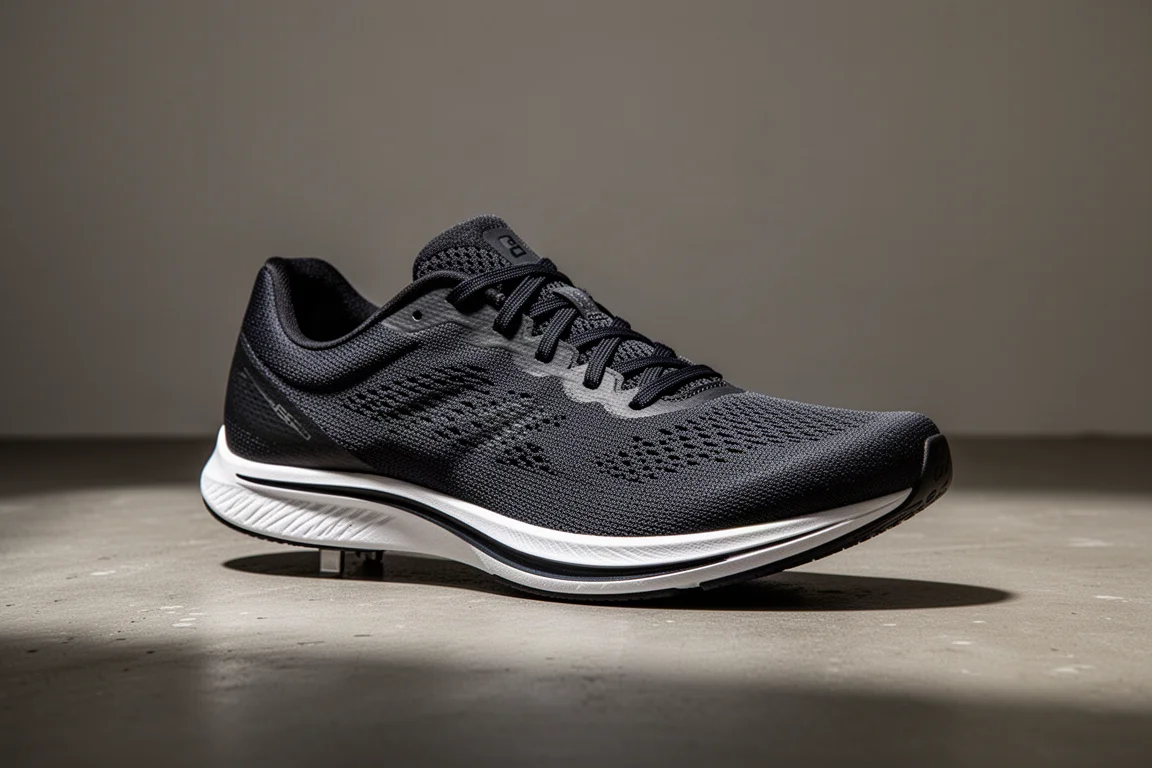
Away from the Warp collection, the Neo Zen 2 arrives in February as a fix for the original’s main quirk. The Neo Zen 1 was bouncy for bouncy’s sake, bouncing in every direction. Version 2 focuses on directional bounce instead.
The biggest change is the move from super critical TPU to super critical EVA. That sounds like a downgrade, but testers around the world consistently felt the proprietary EVA blend delivered more bounce than the TPU did. Mizuno also filled in the forefoot and increased the stack up top to push that bounce toward toe-off.

The upper is new too. Mizuno calls it a fusion upper: the best qualities of a mesh upper blended with a knit, gusseted in the heel rather than down the sides. Combined with a sponge and a soft heel counter, it gives a nice lockdown fit, easy on and off, and the breathability, durability, and adaptability of mesh in the forefoot.
Specs stay close to the original: 34.5 mm in the forefoot, 40.5 mm in the heel, 6 mm drop, and a lighter feeling underfoot with more cushion up front. The price moves from $150 to $160, which still keeps it well below the Warp racing shoes.
Which One Should You Buy?
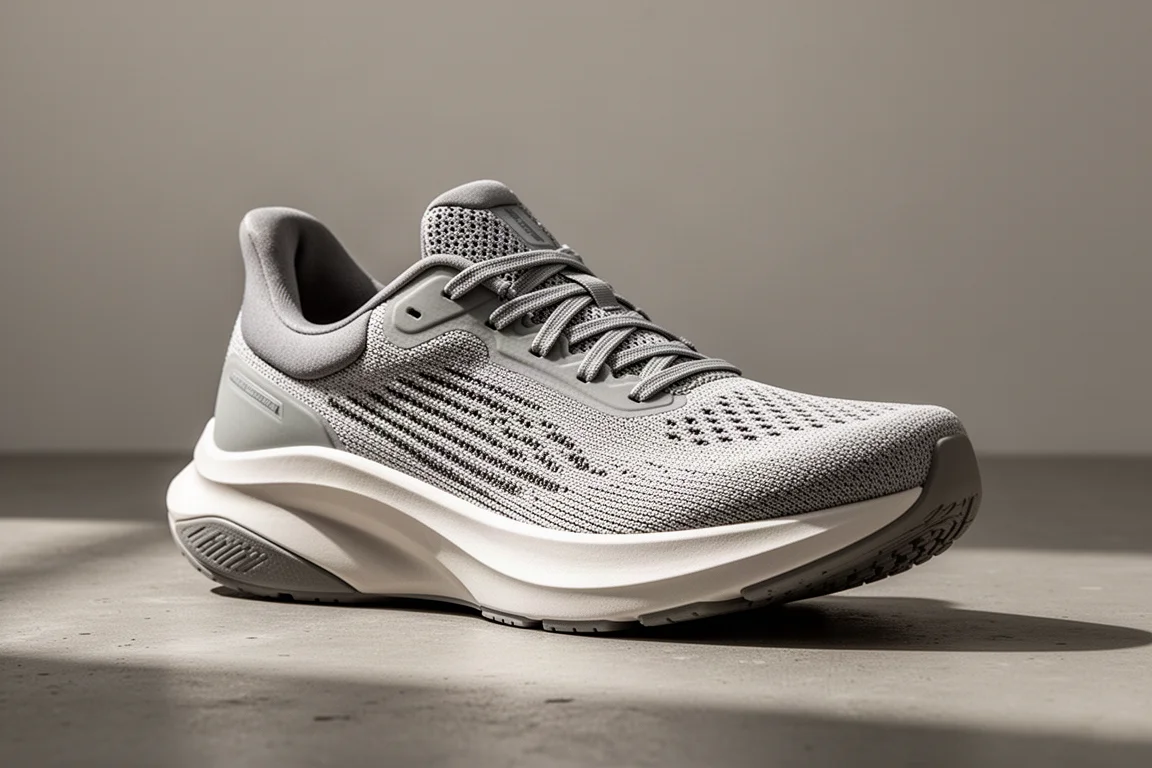
If you are a fast, efficient runner racing shorter distances and weight is everything, the Hyper Warp Pure is the statement shoe. For longer races where you need to hold form late, the Elite’s dual-density build adds structure and confidence. The Pro suits runners who want that Rebellion-style aggressiveness in a more approachable package. And if you want a fun, bouncy daily trainer rather than a race-day weapon, the Neo Zen 2 is the value pick of the group at $160.
Availability differs across the lineup: the Hyper Warp Pure is available today in the US, while the Elite and Pro arrive January 26, and the Neo Zen 2 follows in February.
Conclusion
Mizuno’s new Warp collection marks a genuine shift: its first sub-5 oz racing shoe, a new paper-derived foam, and a more approachable take on aggressive race-day geometry. Add in a smarter, more directional Neo Zen 2, and the brand has a stronger, more complete running lineup than it has had in years. Pick based on race distance and how each shoe feels underfoot, and there is something here for nearly every runner.
Further reading
Related Reviews

Running Shoes
Best Road-to-Trail Running Shoes: Three Versatile Options for Mixed Terrain
A practical guide to three road-to-trail running shoes that handle both pavement and mild trails, with clear strengths and trade-offs for different runner types.

Running Shoes
Best Running Shoes for Achilles Tendonitis: Three Options Explained
Three running shoes with different heel drops and support features designed to help reduce Achilles tendon pain during walking and running.

Running Shoes
Best Running Shoes for Women: Five Top Choices Ranked
A ranked guide to five women's running shoes, from versatile daily trainers to high-performance racing options, with real strengths and trade-offs for each.