Running Shoes
Mizuno 2026 Running Line: Hyperwarp Racing Shoes, Neo Trainers, and Wave Rider 30
A closer look at Mizuno's 2026 releases, including the new Hyperwarp racing line, updated Neo Zen 2 and Neo Vista 2 daily trainers, and the big Wave Rider 30 change.
Introduction
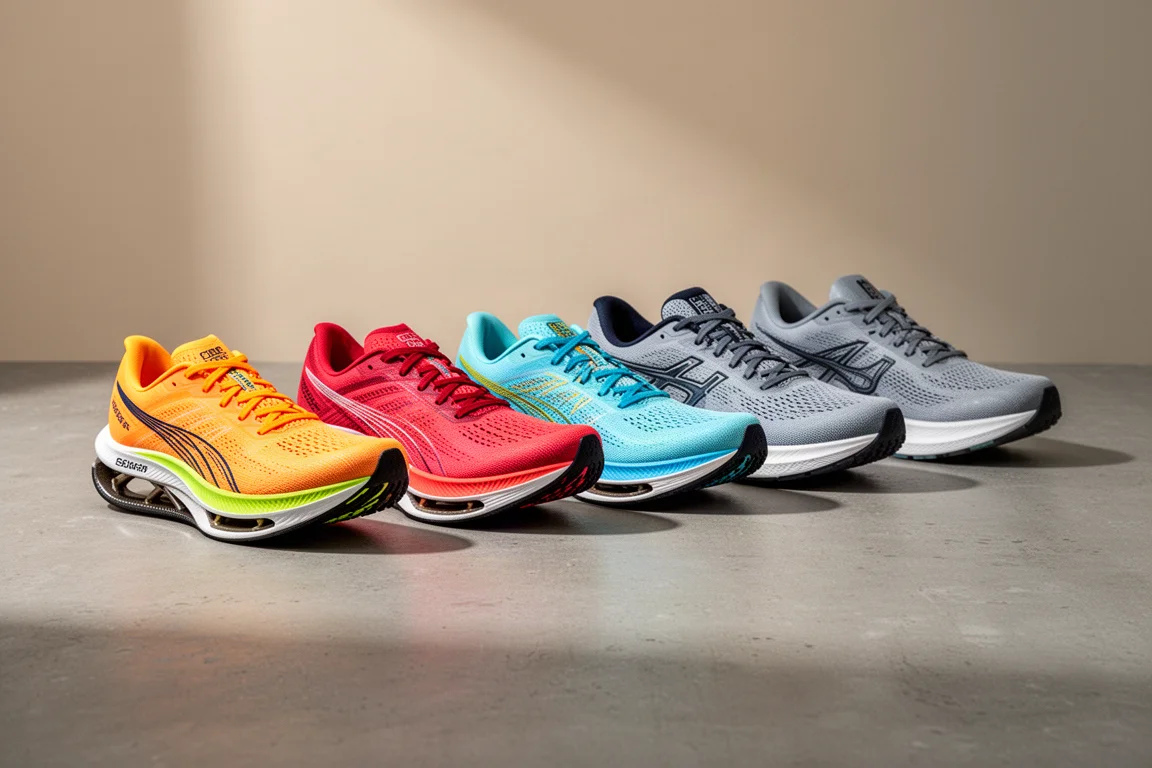
Mizuno has been in a clear period of transformation, and the 2026 running line is the most visible expression of that yet. The Rebellion Pro racing line is being replaced by an entirely new range called Hyperwarp, the Neo collection of daily trainers is getting second versions, and the legendary Wave Rider is set for one of the biggest updates in its history.
This guide breaks down what is new, how the models differ, and which runners each shoe makes the most sense for.
The Hyperwarp Line at a Glance
The core philosophy behind all three Hyperwarp models is simple: lightweight, responsive, and stable. Feedback gathered from professional athletes, amateurs, and everyday runners pointed to the same priorities. Racers want low weight and response, but they also want a stable ride that holds up at high speeds, especially in the later stages of a marathon when form starts to break down.
That stability focus is the biggest departure from the Rebellion Pro line. The Rebellion Pro 3 was a cushioned, forward-driving shoe, but its tall stack made it less confident on tight turns and varied road surfaces. The Hyperwarp line widens the platform meaningfully, giving all three models a significantly wider base than any Rebellion, and pairs that with a new full-length carbon plate.
Mizuno spent considerable development time finding the ideal width for every part of the outsole, balancing stability against weight gain. The result is a formula that delivers cushioning, response, low weight, and stability at the same time.

Another carryover philosophy is efficient gait. The Rebellion Pro’s heel geometry made midfoot landings feel natural, and that sensation continues in the Hyperwarp line, now achieved through plate stiffness rather than an aggressive heel bevel. The stiff plate supports the shoe position during forefoot and midfoot landings, stops the heel from dropping excessively, and reduces calf muscle workload.
Mizuno Hyperwarp Pure
The Pure is the featherweight of the range at just 4.9 oz, a dramatic reduction from the Rebellion Pro 3’s 7.6 oz. That saving comes largely from a new lightweight, PEBA-based version of Mizuno Energy XP foam, tuned with a nitrogen infusion process to keep a lively pop and bounce-back feeling despite the low weight.
It uses a 31.5 mm forefoot stack, which sounds conservative next to modern racers, but the height was chosen deliberately. A very thick slab of such lightweight foam would feel unstable, and 31.5 mm proved the best balance of stability, cushioning, and response. The Pure has no insole, keeping weight down, and its platform is wide enough that it feels remarkably stable taking tight turns.
Intended use: shorter racing. The Pure is aimed at 5K, 10K, and half marathon distances, and most professional athletes prefer it for shorter events. In testing, it handled 5K and 10K intervals beautifully and even felt excellent on a 10-mile marathon-pace run. It feels stiff longitudinally but slightly flexible torsionally, which means little resistance to loading the big toe joint at push-off.
Mizuno Hyperwarp Elite
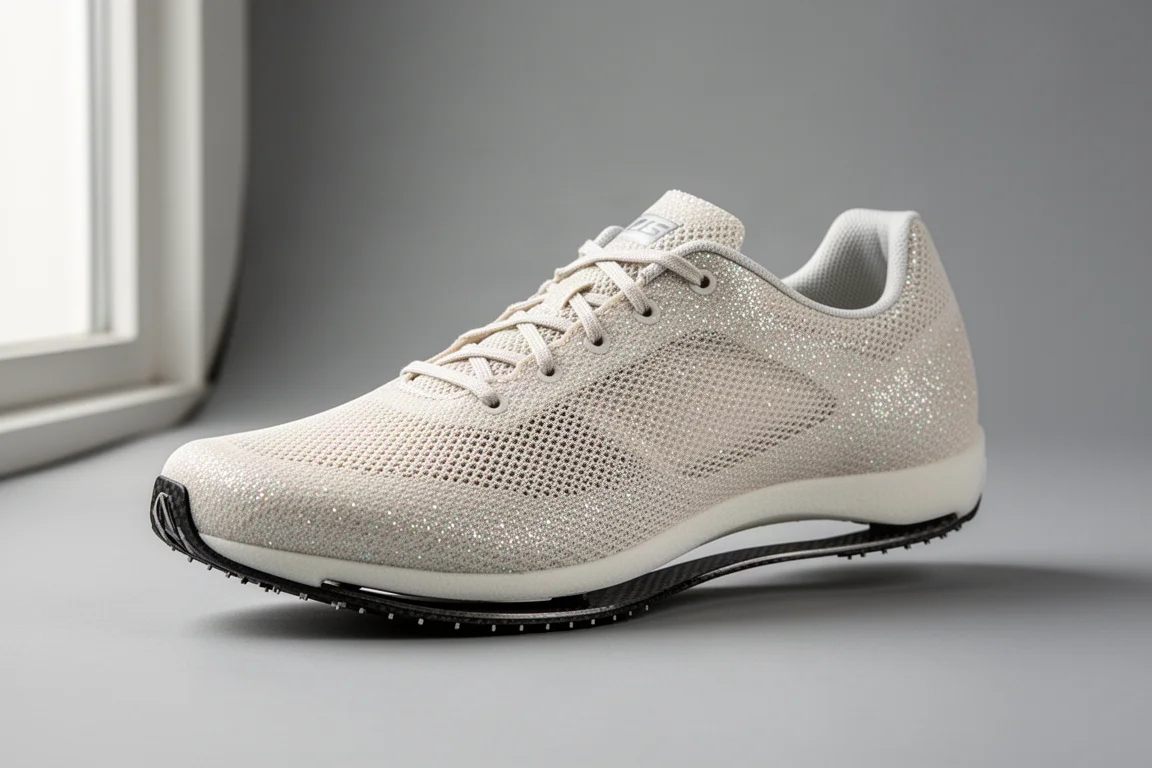
The Elite looks similar to the Pure but is built differently where it counts. The top midsole layer uses the same lightweight PEBA-based Mizuno Energy XP, while the bottom layer uses a TPE-based material carried over from the Rebellion Pro. That dual-layer construction adds a bit more responsiveness and cushioning, at the cost of half an ounce: the Elite weighs 5.9 oz.
It shares the same full-length 3D swept-shape full carbon plate as the Pure, sits at the same height from foot to plate, and differs in stack height only by the insole. The Elite has one, the Pure does not, creating a 3.5 mm forefoot stack versus the Pure’s 31.5 mm.
Intended use: longer racing. Around 70 percent of Mizuno’s professional athletes prefer the Elite for full marathons, while the Pure dominates shorter distances. The Elite feels stiffer in every direction and is noticeably more stable, but it does not feel as quick at 5K and 10K pace. Where it shines is locking into half marathon and marathon efforts, making it the more versatile marathon-day option.
Mizuno Hyperwarp Pro
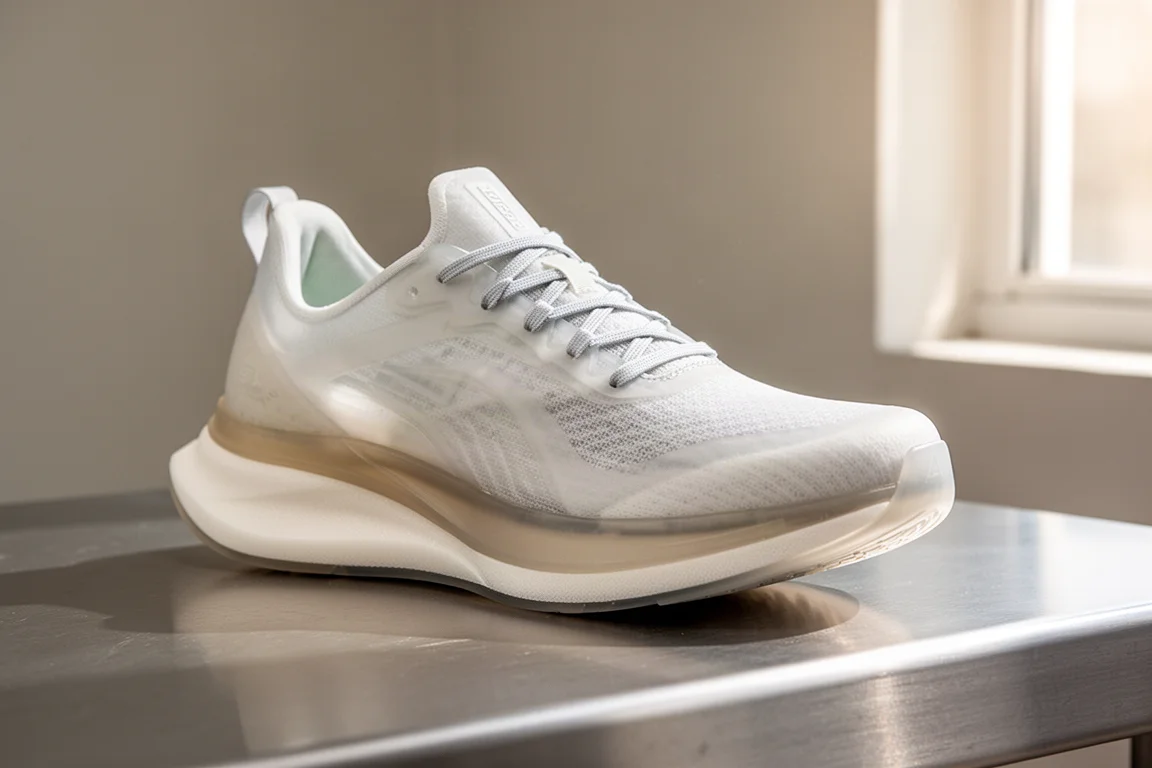
The Pro sits in its own category, best described as a hybrid between the Rebellion Pro and the Neo Vista. It uses Mizuno Energy XP in its TPU version for both the top and bottom midsole layers, the same material as the Rebellion Pro 3, so it carries that strong cushioning and response. The heel geometry is lower and less aggressive, closer to the Rebellion Pro and identical in feel to the Neo Vista.
Rather than a full carbon plate, the Pro uses a nylon-based carbon-infused plate with a swept shape and added reinforcement at the center to achieve sufficient stiffness. The midfoot is the thickest of the three Hyperwarp models, giving it a more cushioned, compliant feel. Weight comes in at 7.1 oz, still 0.5 oz lighter than the Rebellion Pro 3.
Intended use: full marathon and half marathon racing or fast training. Mizuno does not position it for 5K and 10K, but in real-world testing it handled everything from 5K pace to marathon-pace long runs comfortably. It is the softest and most compliant of the three, and while it reads more as a performance trainer than a pure race shoe for some runners, it remains extremely responsive and could easily serve as a race-day shoe for others.
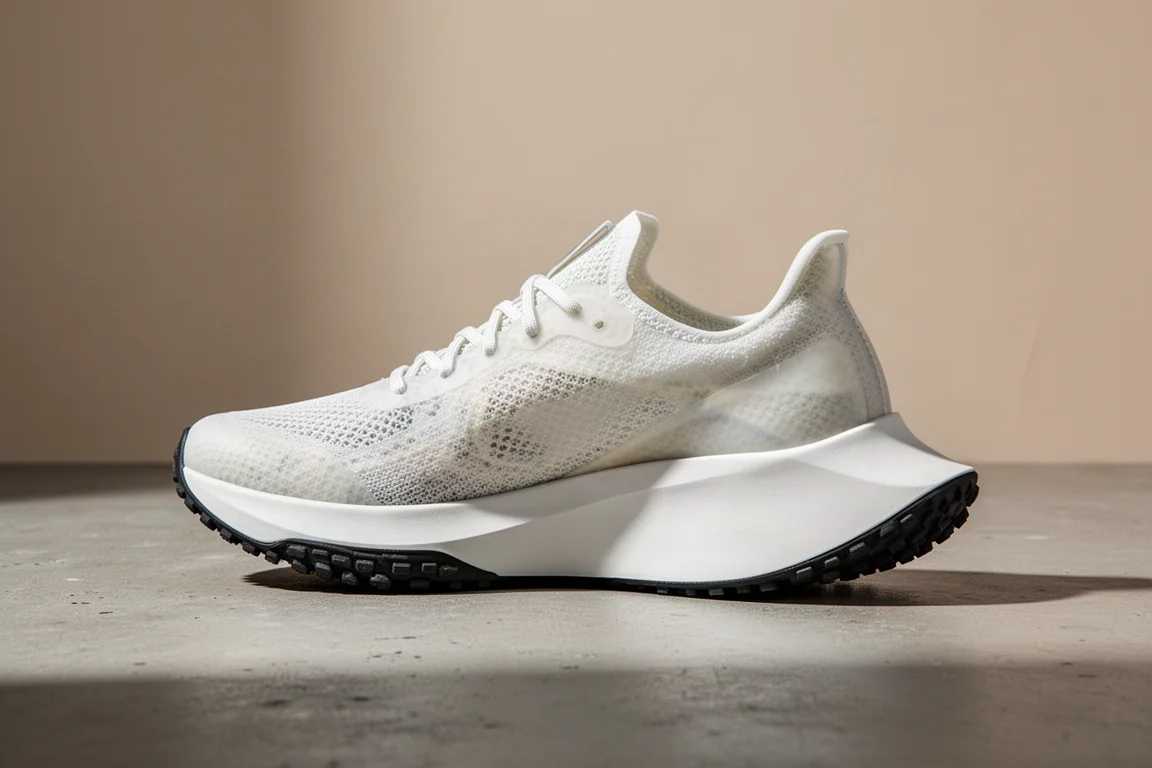
Mizuno Neo Zen 2
The Neo line is how Mizuno transfers what it learns from super shoe development into daily trainers: less aggressive geometry, efficient gait characteristics, and lively new materials without the race-day price of complexity. The Neo Zen launched at the beginning of this year, and the second version arrives in 2026.
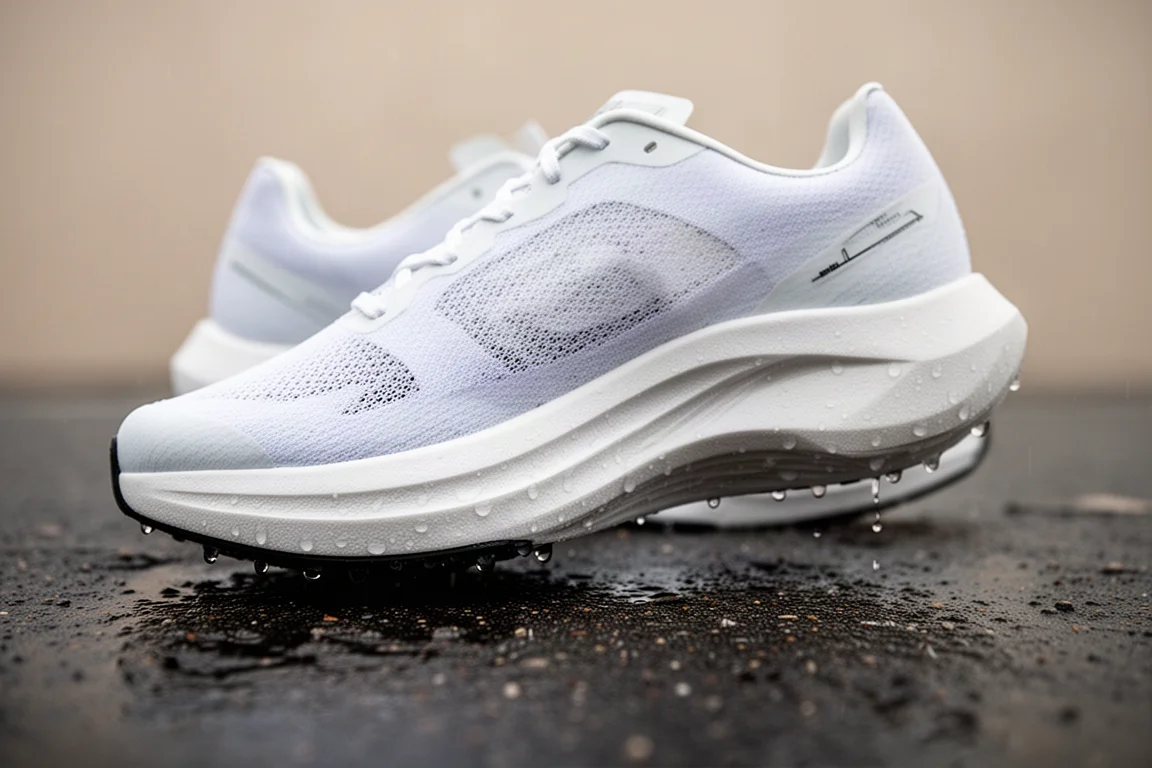
The original Zen earned better feedback than expected, but some runners found it occasionally too soft and a bit unstable for everyday running. The Zen 2 keeps the lightweight, cushioned, responsive feel while adding a more structured sensation. Mizuno rearranged the internal structure of the midsole material so the softness and bounce direct forward rather than wandering, making the shoe easier to control and easier to run forward in.
The upper changes are significant. The one-piece sock-like knit upper is retained where it worked best, keeping the snug knit feel at the tongue area, while the rest shifts to conventional mesh. A new heel counter, a first for the Neo line, adds secure heel hold and a more contained overall fit.
The outsole is filled in even further than the original. The groove running from heel to forefoot is removed at the forefoot to add foam and a better kicking-off sensation, while the heel groove remains for a softer landing phase.

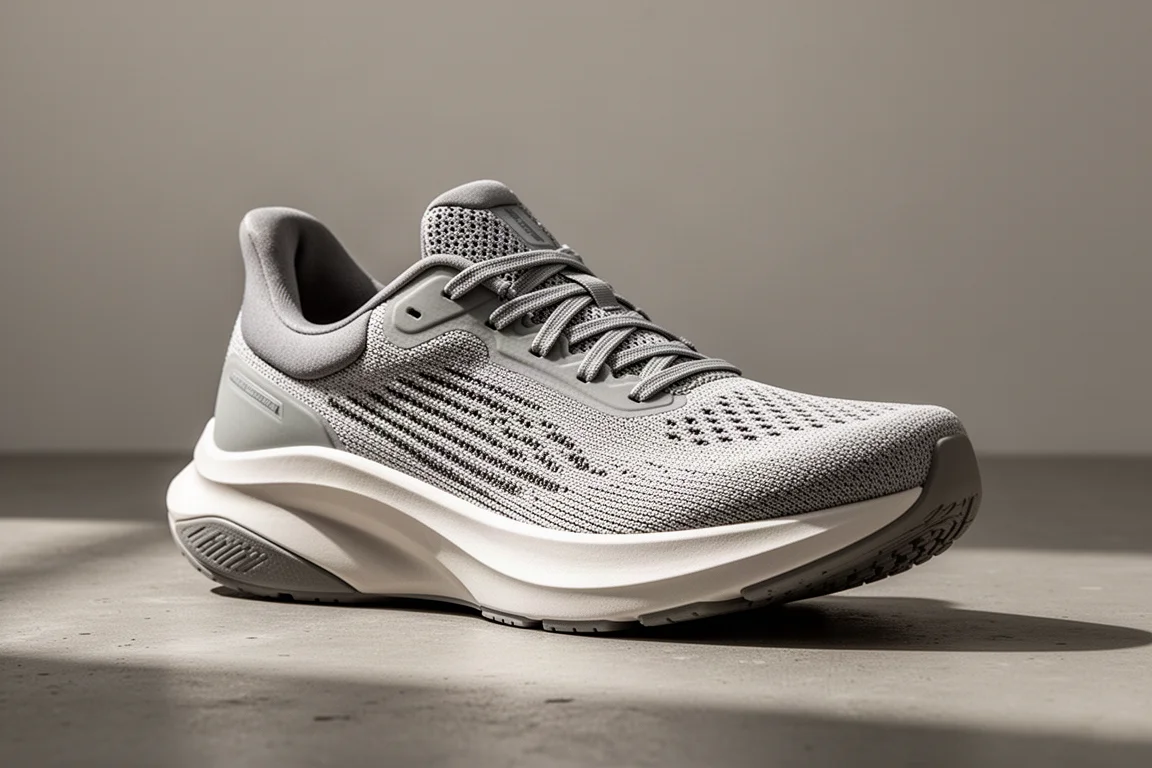
Mizuno Neo Vista 2
The Neo Vista 2 follows a similar evolution to the Zen 2. The original Vista had a large midfoot cutout in the outsole; version two shrinks it, adding a bit more stability through the midfoot. The midsole uses a TPU-based foam with heavy nitrogen infusion on the top layer, producing the huge bounce that defines the shoe.
The trade-off some runners found with the first Vista was difficulty controlling the direction of that bounce. The 2026 update, arriving sometime in the year, aims to make the shoe easier to drive forward while keeping the signature bounciness.
For runners who loved the original Neo Vista’s energetic, max-cushion feel but wanted a touch more control, the second version should be a meaningful step up.
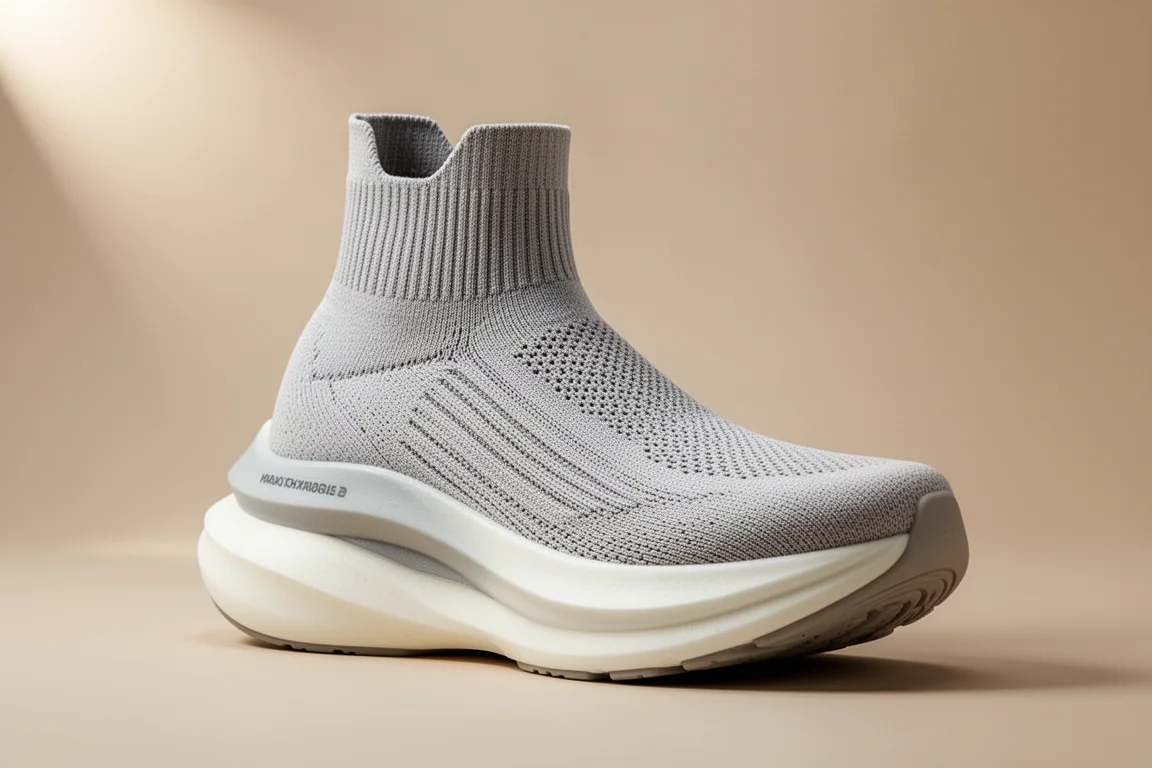
Mizuno Wave Rider 30: A Big Change for a Classic
The Wave Rider 29 was already a notable update, changing the drop and the midsole material. Wave Rider 30 goes further. Mizuno describes the 29-to-30 transition as a huge step for the model’s history, bigger than the last change, and it arrives in 2026.
The headline shift in philosophy: Mizuno is no longer sticking to the authentic classic Rider structure. The goal is a very smooth-transitioning daily trainer built with the latest materials, knowledge, and experience, then named Wave Rider. The aim is twofold: keep existing Rider fans excited, and introduce the legendary model to a broader audience.
Details remain scarce, but for a model with one of running’s most loyal followings, this is one of the most interesting releases of the year.
Which Mizuno Shoe Should You Choose?
The three Hyperwarp models split cleanly by race distance and preference. If you want the absolute lightest shoe for 5K to half marathon racing and value stability on turns, the Pure is the pick. If you are targeting a full marathon and want more cushioning and response with the same plate technology, the Elite is the more natural choice. If you want one shoe that covers marathon-pace long runs and fast training with a softer, more compliant ride, the Pro fits.
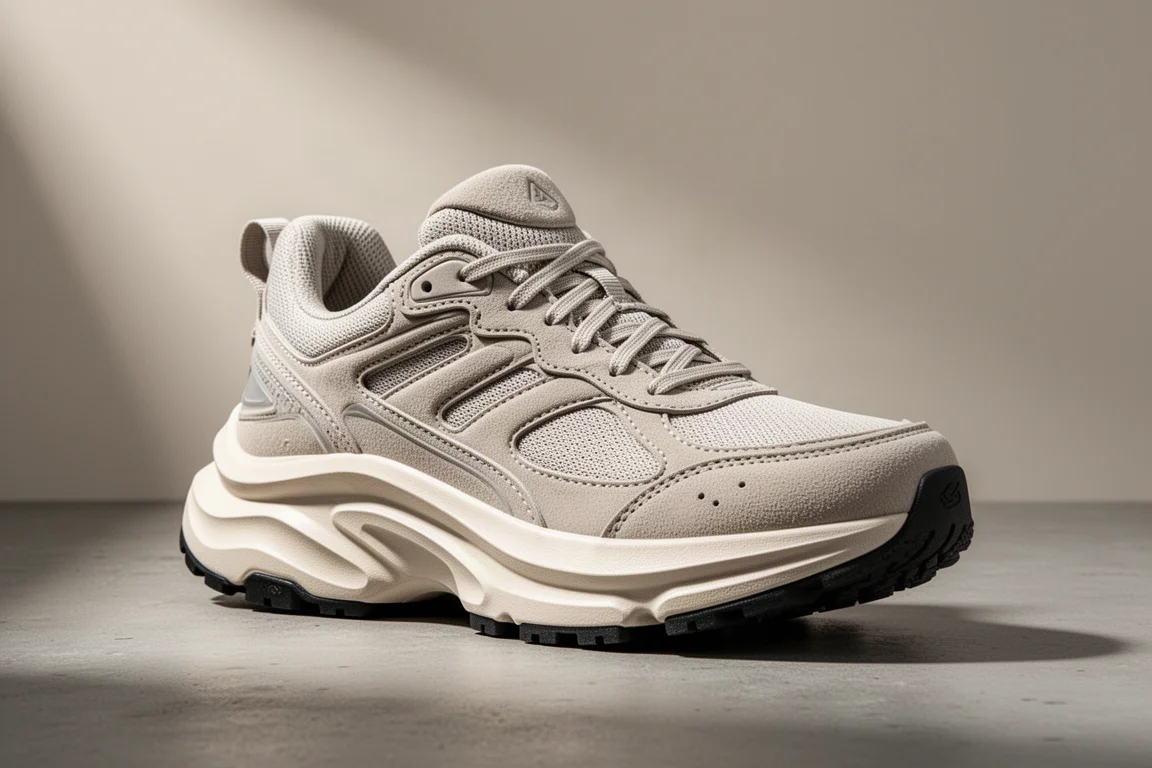
In the daily trainer category, the Neo Zen 2 suits runners who want soft, lively cushioning that is easier to steer than the original, while the Neo Vista 2 remains the bouncier, max-cushion option for easy miles. The Wave Rider 30 is the wildcard for riders of the classic line who want a modern, smoother daily trainer.
Conclusion
The 2026 Mizuno lineup shows a brand actively reinventing itself. The Hyperwarp line delivers lighter, more stable racing shoes with a genuinely new 3D full carbon plate, the Neo collection brings super shoe technology into everyday running, and the Wave Rider is being rethought for a new generation. If you have been waiting to see what a transformed Mizuno looks like, this is the year to pay attention.
Further reading
Related Reviews

Running Shoes
Best Road-to-Trail Running Shoes: Three Versatile Options for Mixed Terrain
A practical guide to three road-to-trail running shoes that handle both pavement and mild trails, with clear strengths and trade-offs for different runner types.

Running Shoes
Best Running Shoes for Achilles Tendonitis: Three Options Explained
Three running shoes with different heel drops and support features designed to help reduce Achilles tendon pain during walking and running.

Running Shoes
Best Running Shoes for Women: Five Top Choices Ranked
A ranked guide to five women's running shoes, from versatile daily trainers to high-performance racing options, with real strengths and trade-offs for each.