Kitchen Appliances
Mitsubishi TO-ST1-T Review: The £300 Single-Slice Toaster That Actually Delivers
A hands-on look at the famously expensive Mitsubishi TO-ST1-T, the Japan-only toaster that seals moisture into every slice and produces toast unlike anything else.
Introduction
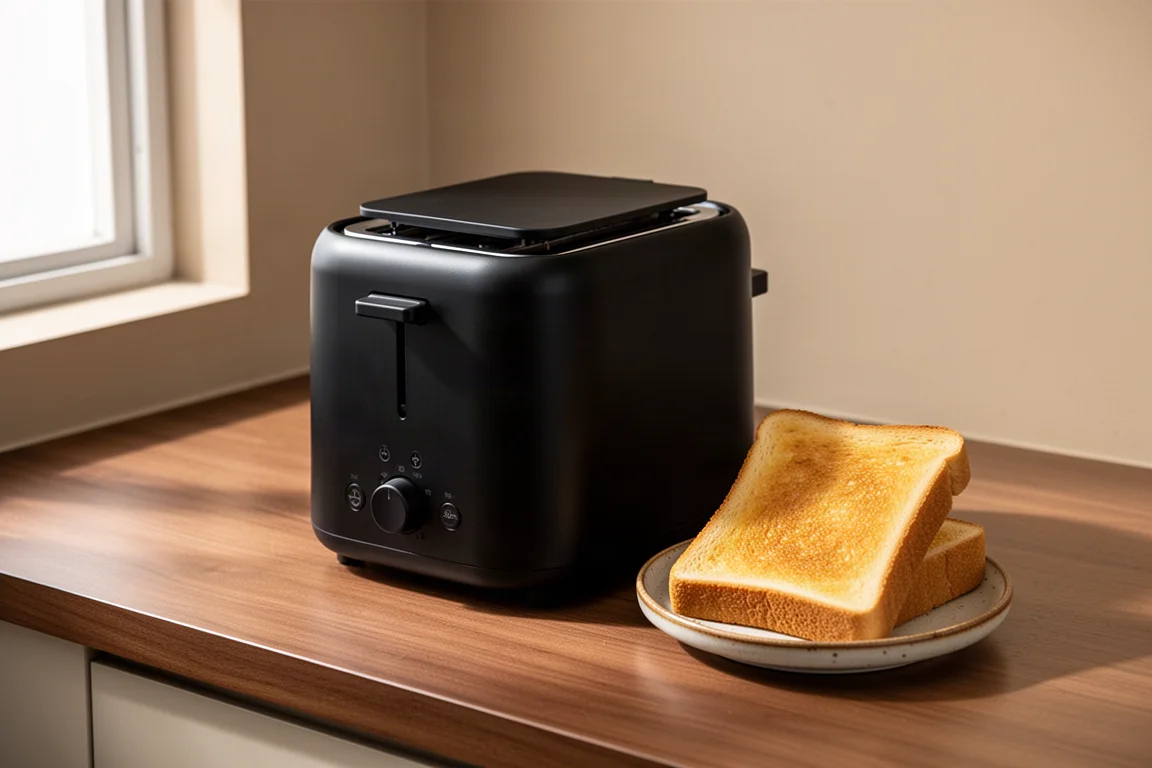
The Mitsubishi TO-ST1-T is often described as the most expensive toaster in the world. It cooks one slice of bread at a time, it costs over £300, and it is officially designed for use in Japan only. On paper, that sounds like a recipe for an easy dismissal. In practice, it turned out to be something quite different: a meticulously engineered appliance that does one thing, and does it remarkably well.
First Impressions and Unboxing
The unboxing experience does not exactly feel premium, which is surprising given the price. The toaster itself does not look like a toaster either. It is compact, with enough interior space for a single slice of bread, and it is engineered to within an inch of its life. It sounds like a toaster and opens like a toaster, but the resemblance ends there.
One important practical note: this appliance is designed for use in Japan only and cannot be used in any other country. Testing it elsewhere required a transformer running it at 110 volts, and skipping that step reportedly destroyed the first unit.
How the Settings Work
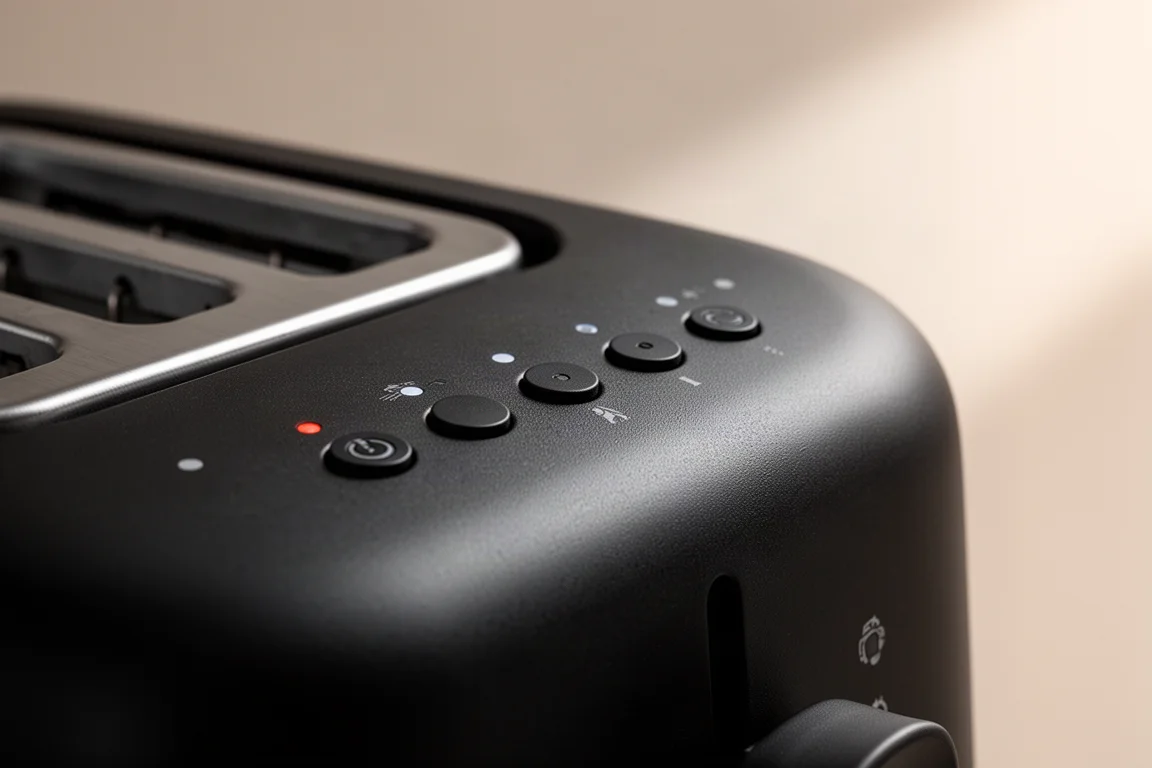
Instead of a timer, the TO-ST1-T offers modes: toast, frozen toast, toast with a topping, and French toast. You then select bread thickness (four, five, six, or eight slices per loaf, with no seven) and a colour level from fluffy through to dark and crispy. The machine works out the timing itself. It also includes a small spatula, a thoughtful touch for retrieving the slice.
The Basic Slice: Where the Magic Happens
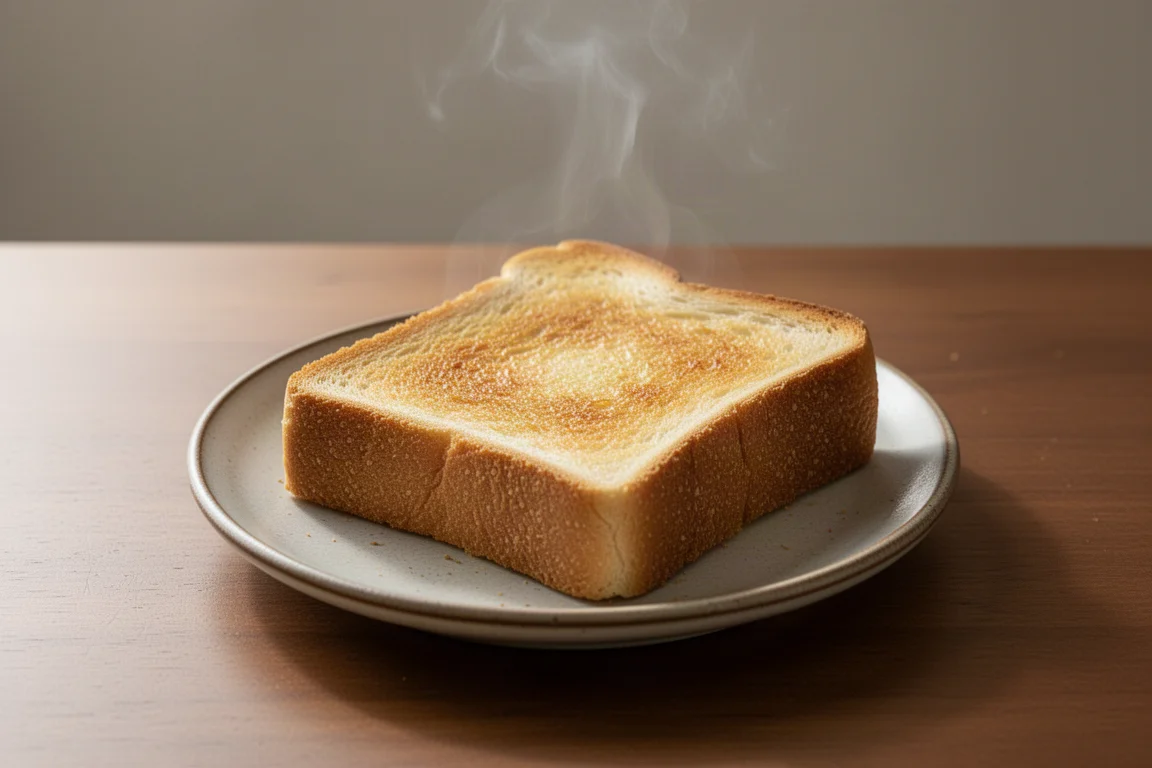
With a thick four-slice-cut Japanese milk loaf set to medium, the toaster finished in roughly 90 seconds to two minutes. The result was striking: a slight crisp on the outside, light and fluffy in the middle, with the sweetness of the milk bread intact. The design principle is said to trap and seal moisture inside while toasting the exterior, and the eating experience backs that up.
Testing a standard loaf at a darker setting produced equally even, golden results, though less browning because of the lower sugar content. The signature quality remained: a very thin layer of genuinely crusty toast surrounding warm, moist bread that tastes almost refreshed rather than dried out. The company’s home appliance division has framed the philosophy as wanting to focus on the single slice and treat it with respect, and that focus shows in every result.
Toast With a Topping: The Surprise Winner
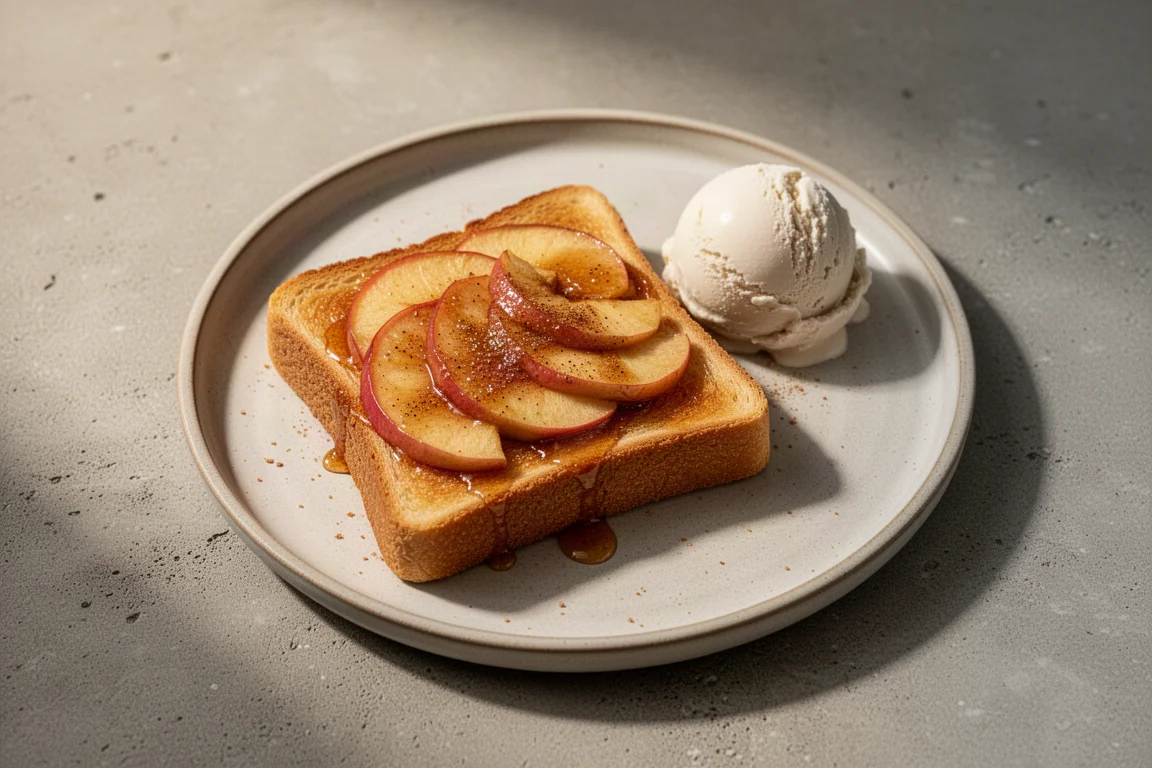
The topping mode opens up genuinely creative cooking. One recipe from the included booklet, translated with an app, calls for buttering the toast, covering it with apple slices, sugar, and cinnamon. Preparation took under two minutes; the machine reported a cooking time of about 15 minutes.
The result was remarkable. The bread stayed soft and fluffy underneath while the topping caramelised, delivering apple pie vibes that would pair perfectly with a scoop of ice cream. It was at this point that the appliance stopped being a novelty and started feeling like genuine cooking equipment.
French Toast
A classic egg, cream, sugar, vanilla, and cinnamon soak, buttered into the machine and set on the medium-only French toast mode, produced a texture described as a cross between a custard bun and toast: golden and crisp outside, gooey and custardy within. The texture is on par with an excellent pan, except with a pan you need to flip it. Here you simply pop the slice in and let the machine do its thing.
Going Savoury: Croque Monsieur
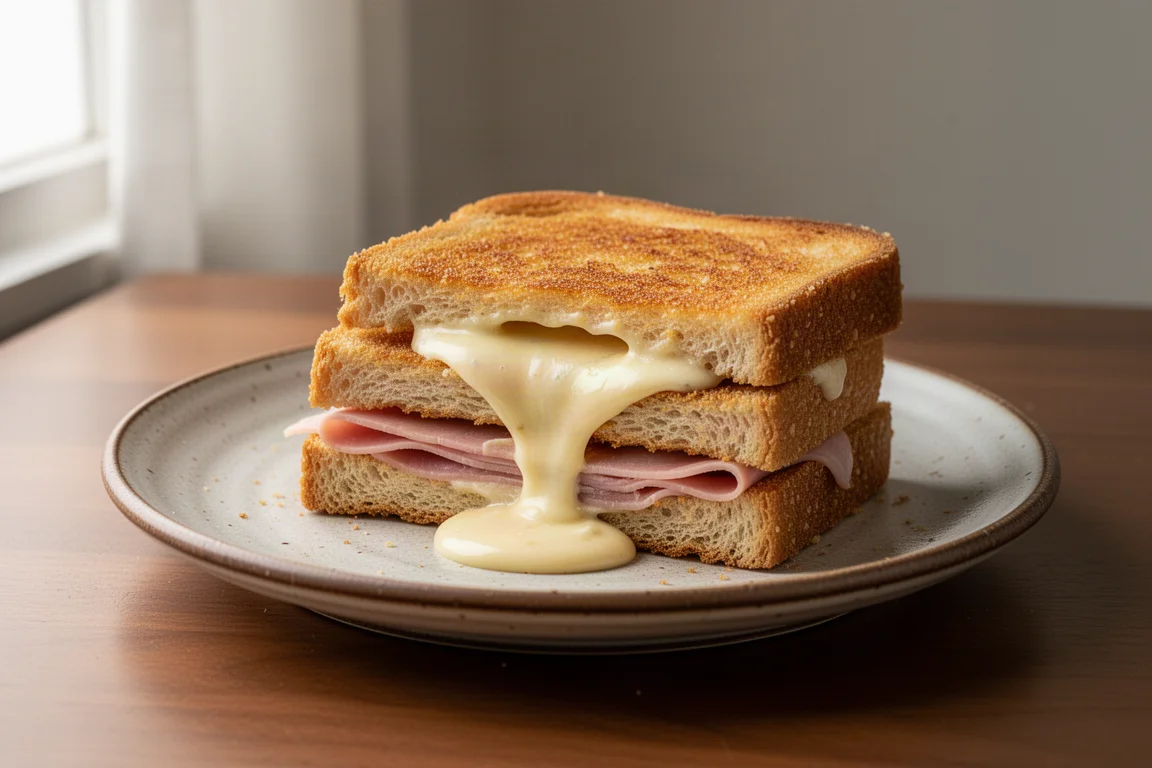
With no dedicated setting, a croque monsieur was assembled with butter, bechamel, ham, cheese, and a second buttered slice, then run on the thick-bread, brownest, crispy setting. The bottom came out perfectly crisp, the cheese molten, and the interior rich and gooey. Even with inexpensive bread and cheap cheese, the machine delivered the same moisture-sealing effect, which says a lot about how forgiving it is.
Ambitious Experiments
A Korean toast attempt with thin sliced white bread, cabbage, kimchi, cheese, egg, and brown rice syrup on the topping setting pushed the machine harder. One side came out slightly burnt while the other was perfectly even and golden. The verdict: genuinely nice, keeping moisture in the interior, though not quite matching the memory of the real thing done properly. It is a reminder that experimentation has limits, and sticking to the machine’s strengths pays off.
Should You Buy It?
This is not a toaster designed to replace an everyday four-slice machine. Anyone feeding a family at breakfast would find one slice at a time genuinely torturous. The TO-ST1-T is a specialist instrument for people who care deeply about a single, perfect slice. It also carries real caveats: it is designed for use in Japan only, requires a transformer elsewhere, and one unit was reportedly destroyed by running it without one. Those realities matter as much as the performance.
Conclusion
The expectation going in was to hate a £300 toaster. That did not happen. The Mitsubishi TO-ST1-T is a phenomenal piece of engineering, a consolidation of expertise into a single appliance that does something to toast that did not seem necessary until it was tried. The best slice of toast produced on it came very close to being called the best ever. It is not just a toaster. But whether that justifies the price depends entirely on how much a perfect slice means to you.
Product link
View more details for Mitsubishi TO-ST1-T
This product is mentioned in the review. Check the specifications, options, and compatibility before buying.
View more details for Mitsubishi TO-ST1-TFurther reading
Related Reviews
Kitchen Appliances
Arboleaf Smart Kitchen Scale Review: Connected Cooking Made Simple
A Bluetooth-enabled kitchen scale that syncs with a nutrition-tracking app, offering real-time weight monitoring and recipe guidance for home cooks.
Kitchen Appliances
Best Air Fryer Toaster Ovens Under 100: Five Practical Options for Budget-Conscious Kitchens
Five air fryer and toaster oven combinations that deliver real cooking performance without breaking the bank, each with distinct strengths for different kitchen needs.
Kitchen Appliances
Best Air Fryer Toaster Ovens: Three Top Picks for Multi-Function Cooking
Three high-performing air fryer toaster ovens tested for versatility, ease of use, and real-world cooking results. Find the right fit for your kitchen.