Road Bike Wheels
Mismatched Road Wheels: Kdex 42 Front and Kdex 65 Rear
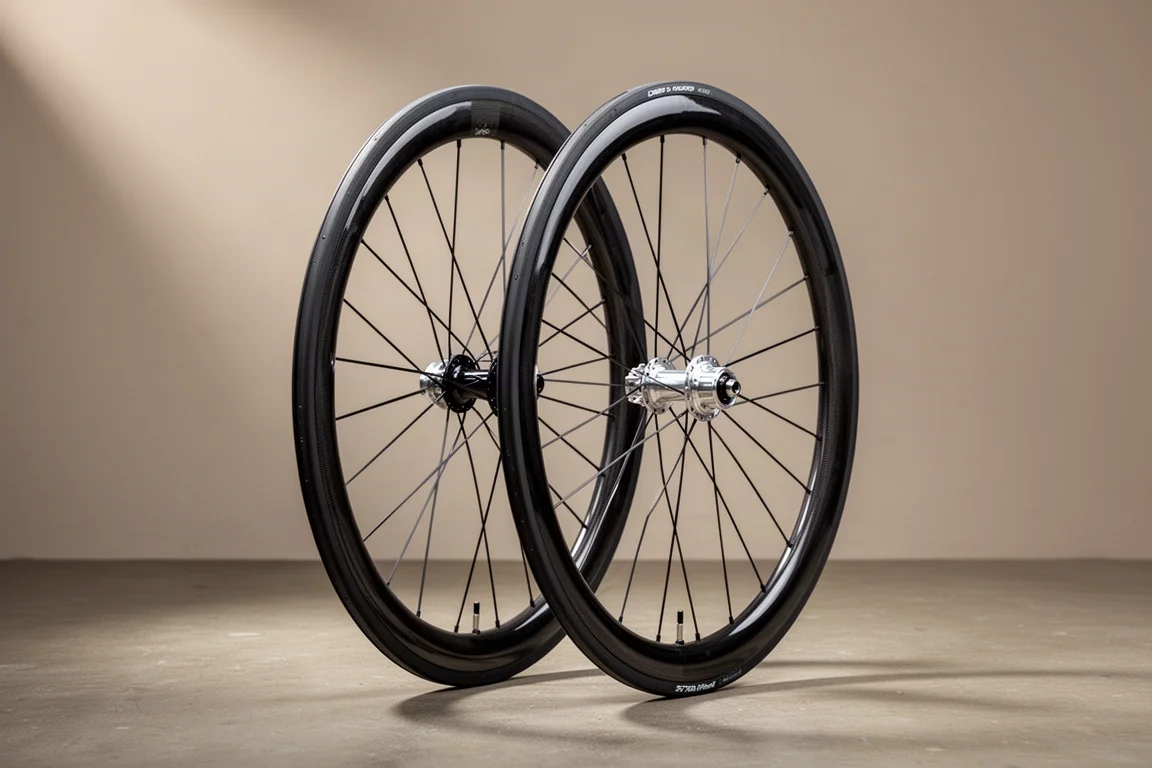
A mid-section front wheel paired with a deep-section rear can combine agile handling with aerodynamic efficiency. Here is how the Kdex 42 and Kdex 65 work together.
Introduction
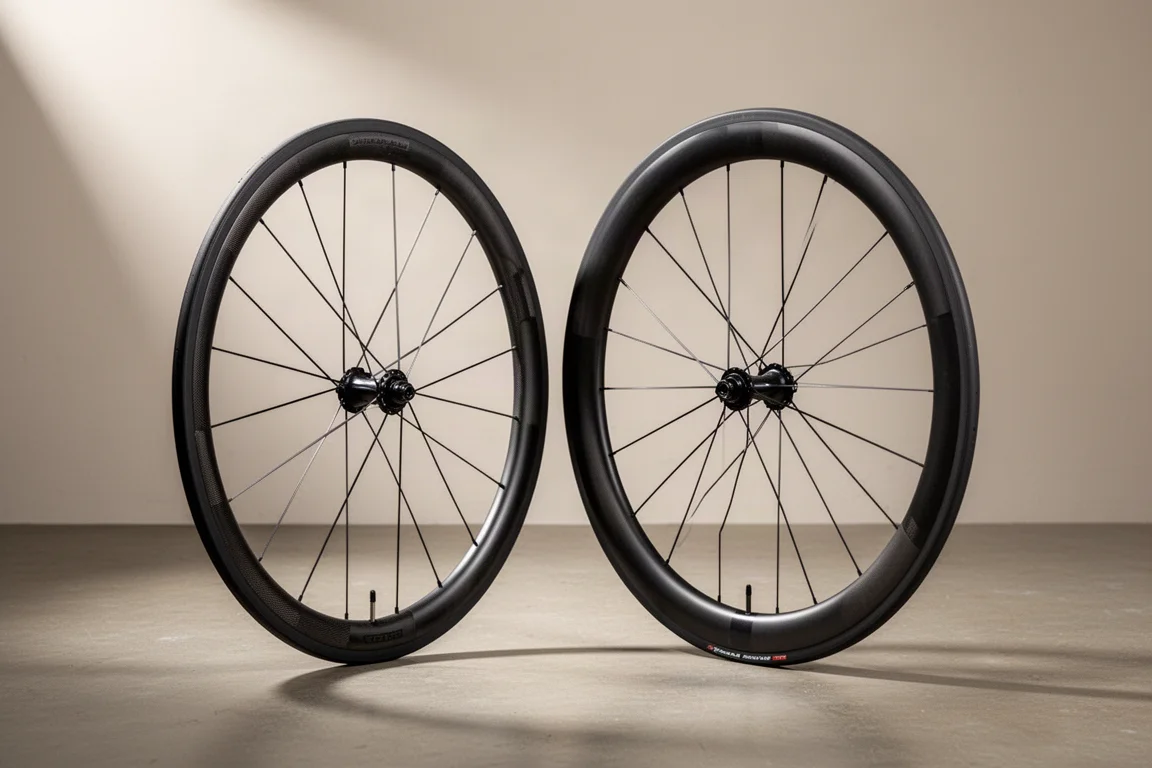
Shallow or deep is the classic decision when upgrading road wheels. Shallow rims are lighter, more agile and easier to live with in crosswinds, while deep rims chase aerodynamic efficiency at speed. Between the two sits the mid-section wheel, and pairing a mid-depth front with a deeper rear has become a realistic option rather than a curiosity. This guide looks at the Kdex 42 and the Kdex 65 as a mismatched pair, what each one contributes, and where the trade-offs genuinely sit.
Why Mismatched Wheel Depths Make Sense
Mismatched wheels are not a new idea. Time trial riders have long paired a disc rear wheel with a shallower front, and in mountain biking some racers run a larger front wheel with a smaller rear. On the road, the traditional advice has been to run a matched pair: shallow sections for winter training, hill climbing and crosswind stability, or deep sections between roughly 60 and 85 millimetres for aerodynamic efficiency.
Mid-section wheels, generally 35 to 45 millimetres deep, have since become popular at both amateur and professional level, and they now sit close to eclipsing the shallow carbon wheel entirely. Pairing one with a deeper rear aims to combine climbing ability and front-end handling with the stiffness and aerodynamics of a deeper rim.

The logic is straightforward. A mid-depth front keeps the bike predictable and agile, while a deeper rear adds efficiency where it matters most, without the front-wheel penalty that deep rims bring in gusty conditions.
Kdex 42 as a Front Wheel
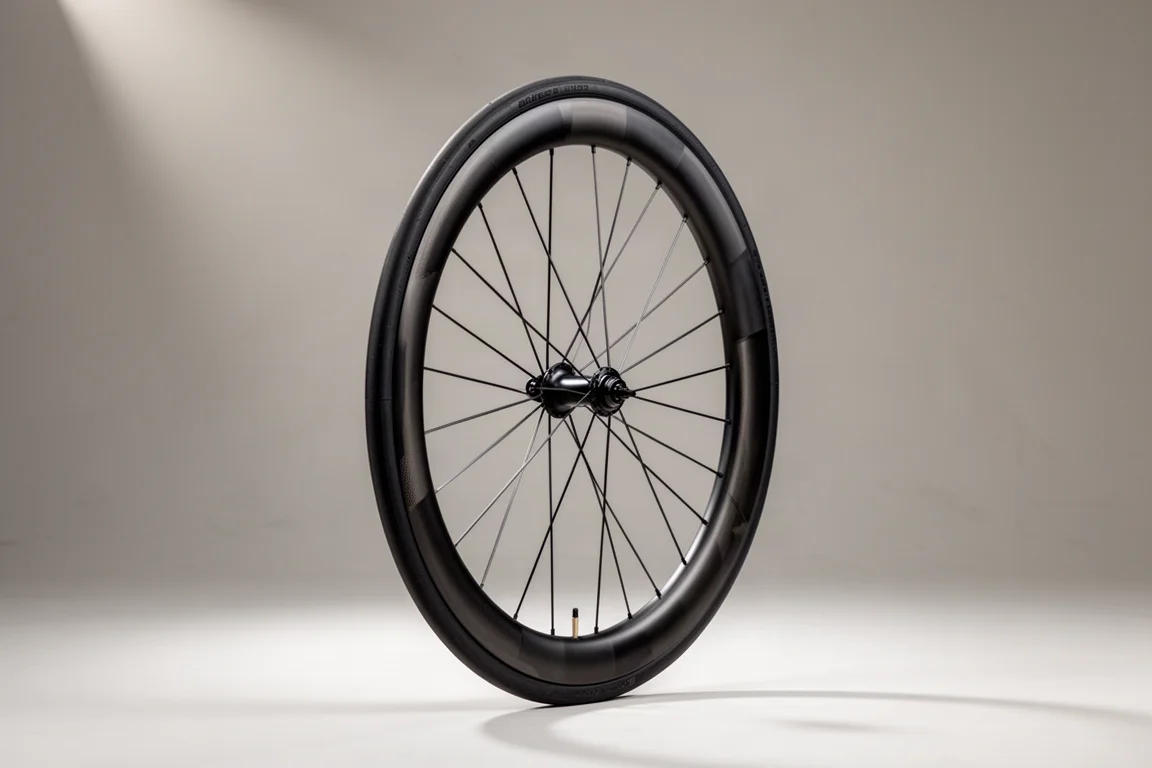
The Kdex 42 sits in the mid-section bracket. Kdex builds it as a hookless rim, which means the internal bead that traditionally holds the tyre in place has been removed. That change allows air to flow more cleanly from the rim into the tyre, and it is one of the reasons a modern mid-section wheel can be considerably faster than an older box-section design. The wheel also uses aero-optimised carbon spokes, which add efficiency at speed.
As a front wheel it is the handling choice. Lower surface area means less material to catch the wind, more agility when the road points downhill, and more confidence when you are committed to a descent.
Kdex 65 as a Rear Wheel
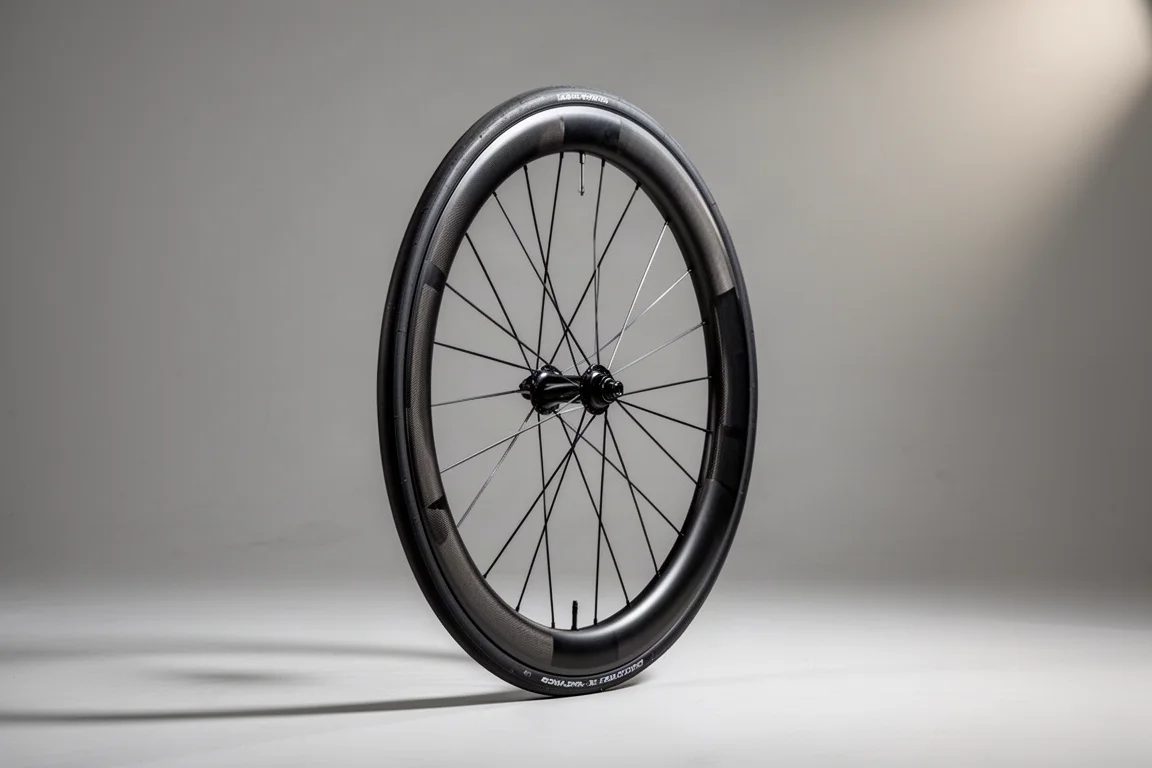
At the rear, the Kdex 65 moves into deep-section territory, the 60 to 85 millimetre range that professional riders and time trialists favour for aerodynamic efficiency. Deep rims are also stiffer, converting your input into forward momentum more efficiently, which is welcome on climbs and on rolling terrain.
The aerodynamic jump from a mid-section rim to a deep one is less dramatic than the jump from a box-section rim to a mid-section rim, because most of the available gain has already been captured at the shallower depth. What you gain at 65 millimetres is a rear wheel that holds speed well. What you accept is a rim that is more affected by crosswinds and less forgiving on descents.
Handling and Crosswind Behaviour
Handling is where the mismatched setup earns its place. A deep front wheel in a gusty crosswind can be pushed offline, and at 65 kilometres an hour that is genuinely unsettling. A mid-section front reduces that risk because it presents less surface area to the wind, so steering stays calmer and more predictable.
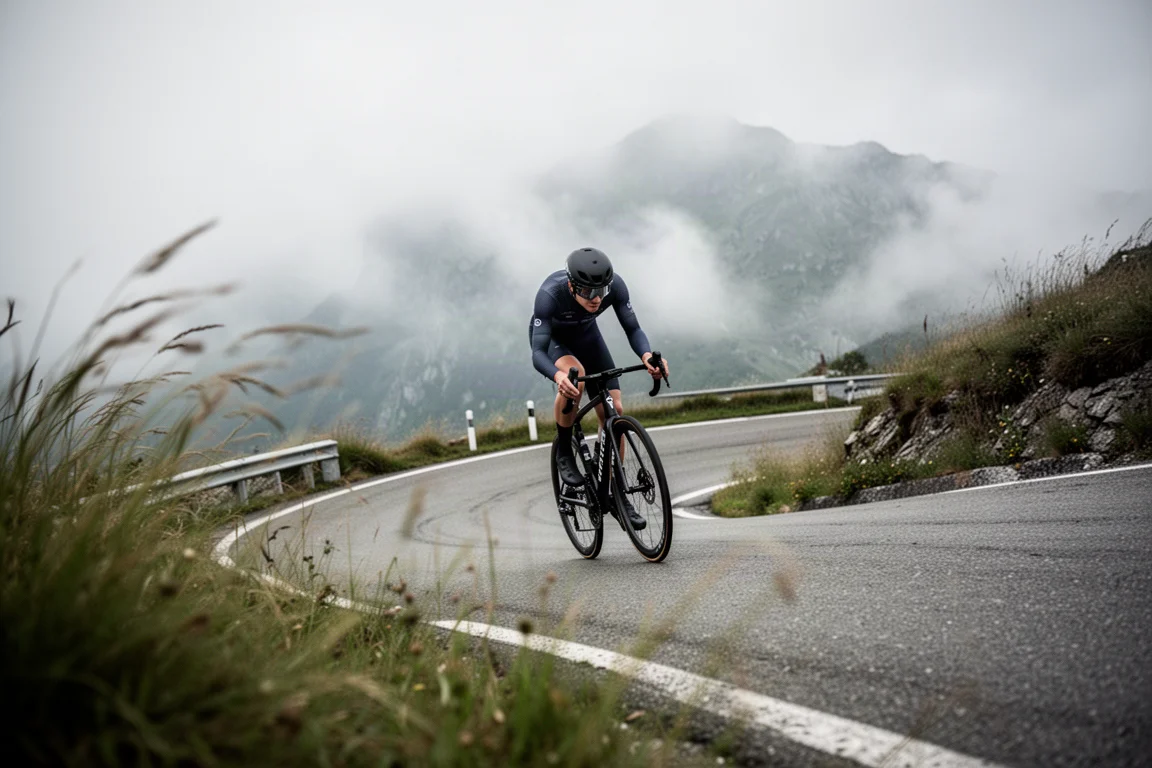
That stability changes how you ride a descent. Instead of bracing against the wind, you can let the bike run, carry more speed into corners and use the brakes less. Riders who avoid deep front wheels for exactly this reason often find that a mid-depth front paired with a deep rear gives them most of the aerodynamic benefit with far less of the nervousness.
Where the Aerodynamic Gains Come From
Aerodynamics start to matter at any speed above roughly 16 kilometres an hour, which means they are relevant on climbs and rolling roads, not only on flat efforts. The largest single improvement comes when moving from a box-section rim to a mid-section rim, with efficiency gains reported up to around 20 watts.
Going deeper from there adds less, because the rim design work has already been done at the mid-section level. That is why a mid-depth front paired with a deep rear can be a sensible split. You capture the big aerodynamic step at the front without the handling cost, and you add a little more efficiency at the rear, where crosswind sensitivity matters less.
Weight, Stiffness, and Climbing
Weight still matters to riders chasing hill performance. A very shallow carbon rim remains the lightest option, and if you ride in the mountains or on steep local hills, that is a real advantage. The counter-argument is that weight penalties at the mid-section level are no longer as large as they once were, thanks to advances in carbon fibre and rim design, particularly at the top end of the price range.
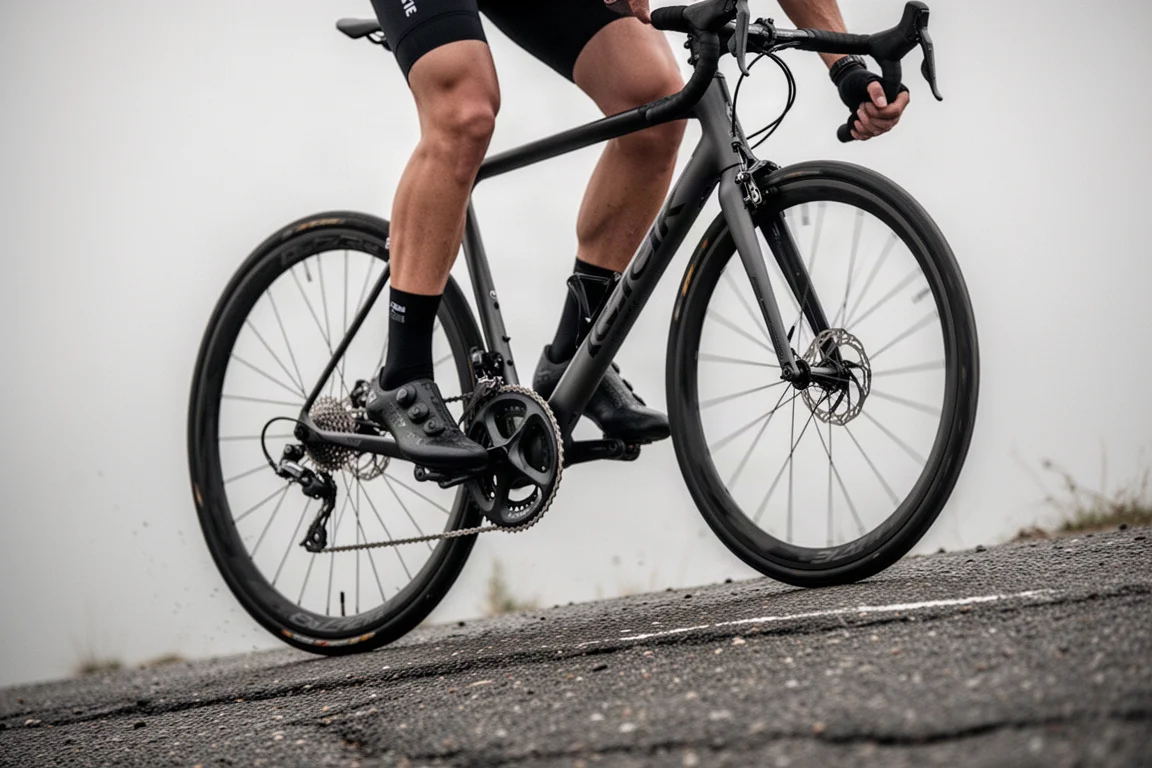
Stiffness works in the other direction. A deeper rim such as the Kdex 65 flexes less under load and transfers effort into forward motion more efficiently, which helps when you are climbing at speed or pushing over a rise. A mid-depth front keeps the steering quick and predictable, so the pair balances climbing response with control.
Cost and Budget Considerations
The main caveat is cost. A well-optimised aerodynamic wheelset is a significant investment, and whether a mismatched pair makes sense depends on how far your budget stretches. There are, however, plenty of decent carbon wheels at mid-section depths that roll well without breaking the bank, and the handling arguments for a mid-depth front stand on their own regardless of how deep the rear wheel is.
Buying Advice for Mismatched Setups
A mismatched pair suits riders who want the front-end behaviour of a shallower wheel and the efficiency of a deeper one. If you race, ride an aero road bike, or simply like the way a bike feels at speed, a mid-section front combined with a deep rear is worth considering. It is also a setup that appears regularly in professional racing, including in the mountains.
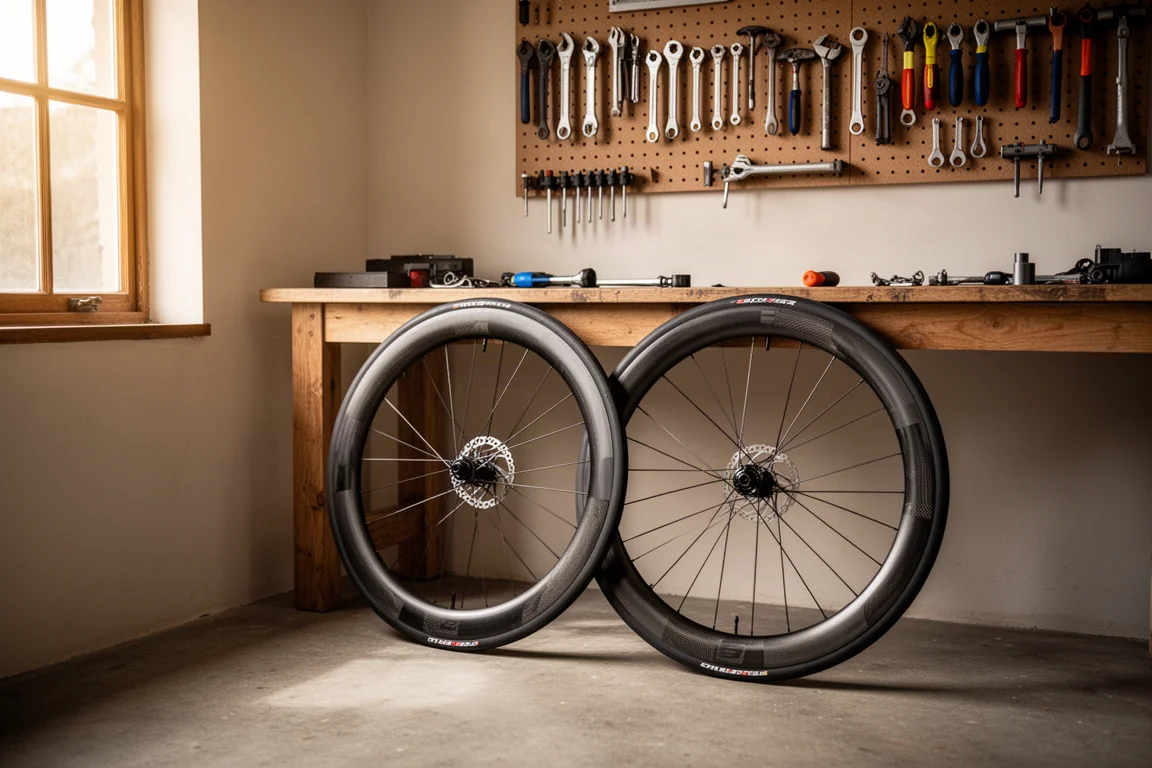
Consider a matched pair instead if you want the simplest ownership experience, if you rarely ride at speed, or if budget is the deciding factor. And if your riding is almost entirely hilly, a very shallow carbon wheel remains the lightest route.
Conclusion
Pairing the Kdex 42 at the front with the Kdex 65 at the rear is a practical way to split the difference between shallow and deep. You keep the agile, crosswind-friendly handling of a mid-section rim where it matters most, and you get the stiffness and aerodynamic efficiency of a deep rim at the back. The trade-offs are cost and a rear wheel that is less settled in gusty conditions. If that balance matches how and where you ride, the combination is easy to recommend.
Further reading
Related Reviews
Road Bike Wheels
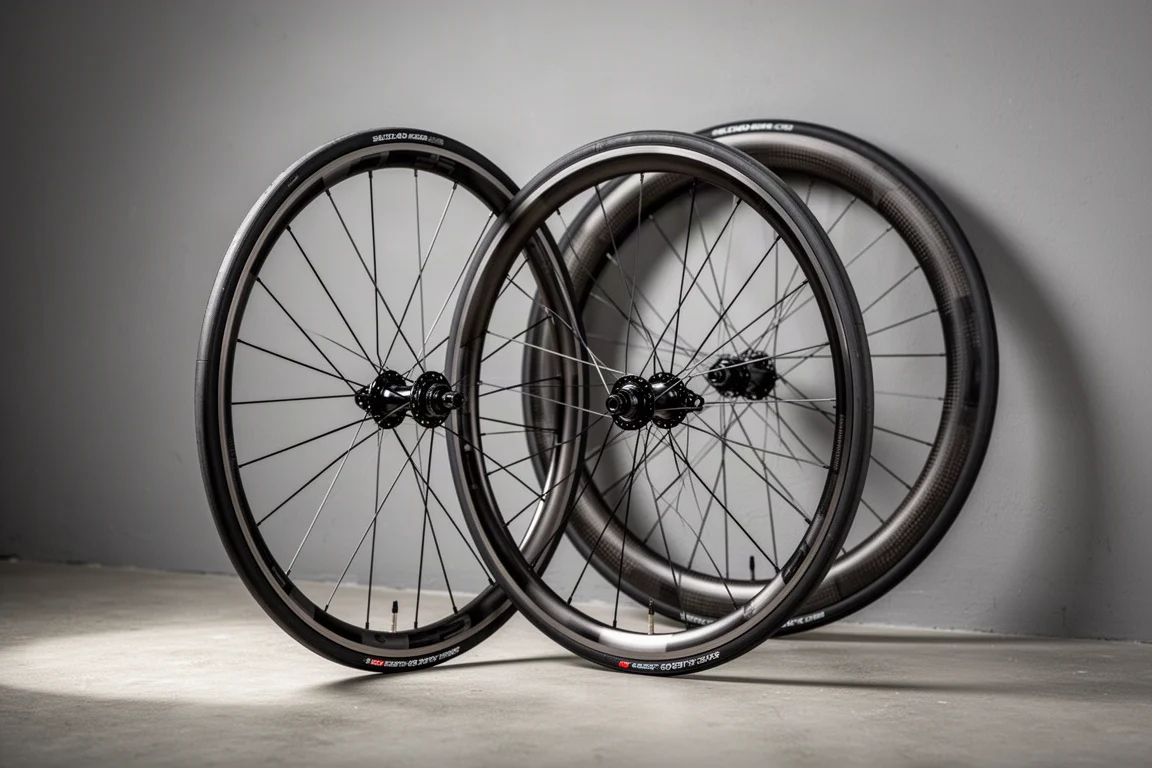
Best Rim Brake Road Wheels 2026: Seven Options for Every Budget
A practical guide to rim brake road wheelsets across almost every price point, plus custom build advice and a secondhand inspection checklist.
Road Bike Wheels
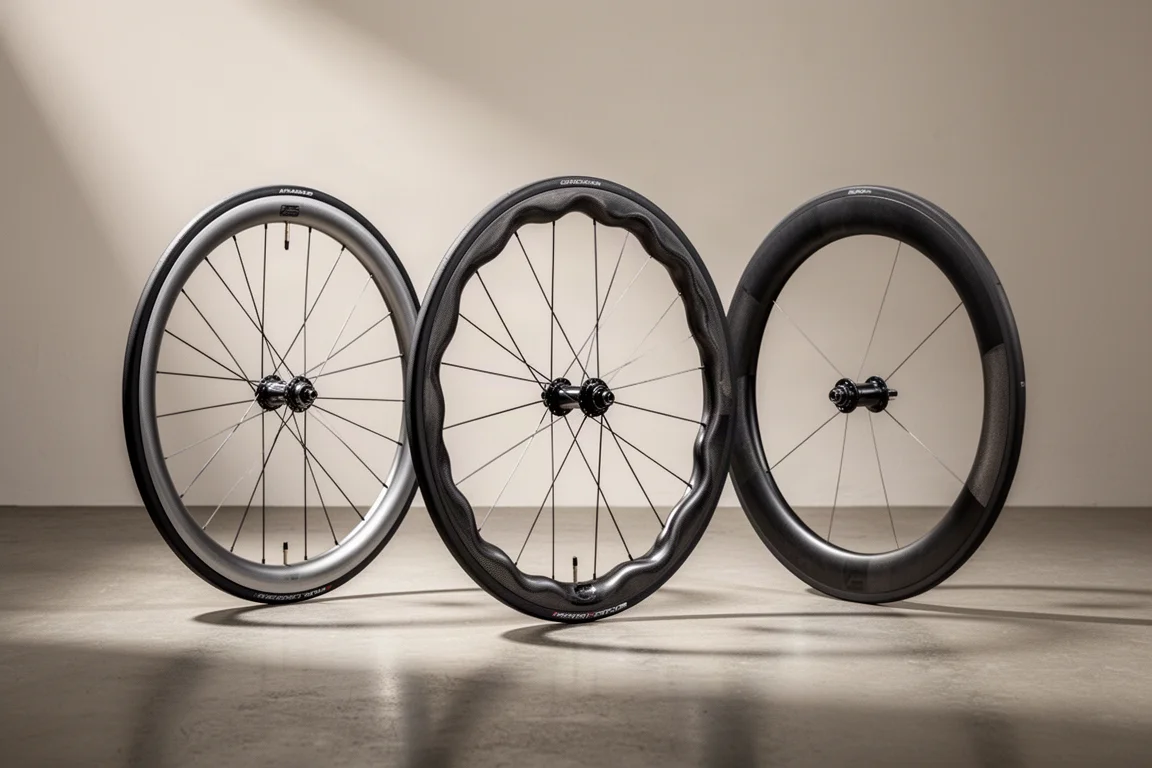
Best Road Bike Wheels: A Practical Tier Guide to Six Sets Worth Buying
Six road and gravel wheelsets compared, from accessible carbon upgrades to World Tour race wheels, with the trade-offs that matter before you buy.
Road Bike Wheels
Campagnolo Hyperon Review: A 37mm Carbon Wheelset Built for All-Round Road Riding
A mid-depth carbon road wheelset that climbs well, stays stable in gusty crosswinds and looks the part, with a few trade-offs worth checking first.