Cookware
Misen Nitrided Carbon Steel Pan Review: Does It Really Last Forever?
We tested every claim behind Misen's nitrided carbon steel pan, from non-stick performance and durability to rust resistance and heat responsiveness.
Introduction
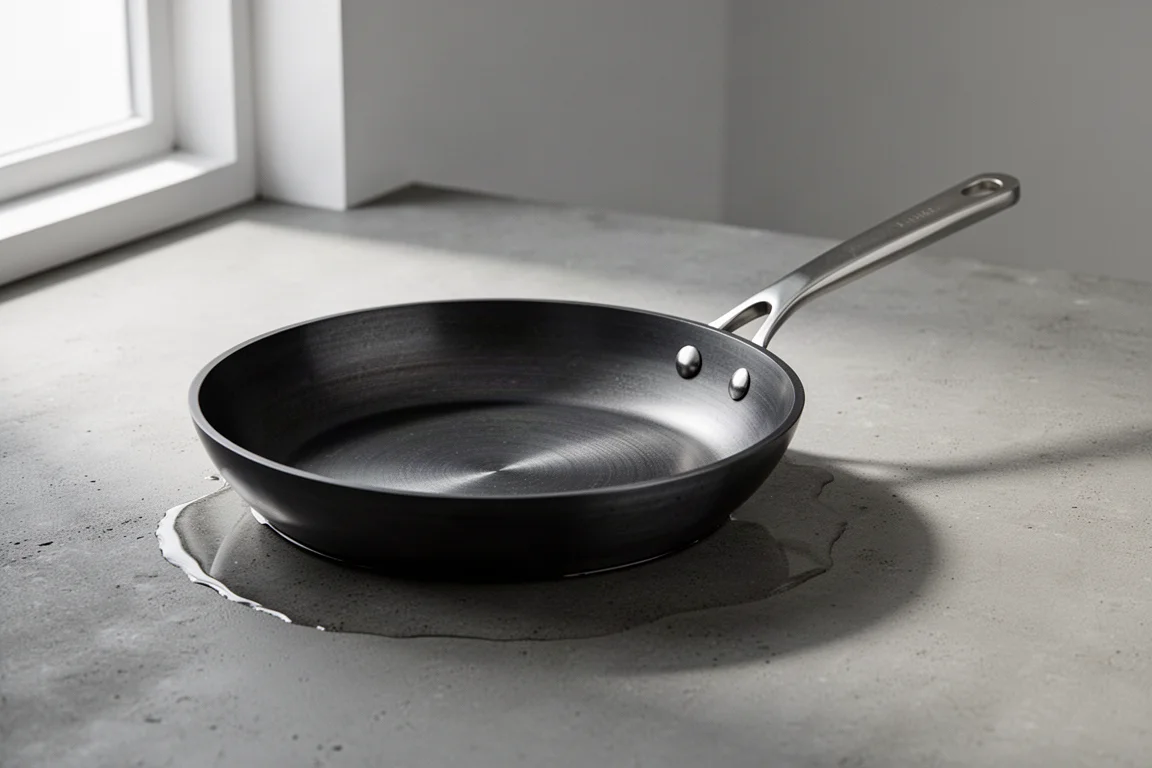
Misen wants you to believe this is the first non-stick pan that lasts forever. The company launched the pan with the claim that it is as easy to use as non-stick while lasting as long as carbon steel, and that pitch helped it rack up over $2 million in pre-orders. To see whether it lives up to the hype, we put each claim to the test: dozens of eggs, metal utensil abuse, acidic simmering, overnight soaking, high-heat cooking, warp checks, and the same heat conduction and retention tests run on more than 60 other pans.
The short version: this is a genuinely well-engineered pan with a few trade-offs you should know about before buying.
Who This Product Is For
The Misen Nitrided Carbon Steel Pan is aimed at anyone who wants to replace a disposable non-stick pan with something more durable, but without the weight or maintenance of traditional carbon steel. It suits cooks who want good food release without a seasoning routine, and it works on induction cooktops, where its flat-bottom stability and fast heating are real advantages.
How It Handles Everyday Cooking
The pan is not coated with Teflon or ceramic. It is a three-layer construction: an aluminum core sandwiched between two layers of nitrided carbon steel. Nitriding bakes the steel in a hot nitrogen-rich oven, hardening the surface and improving corrosion resistance, which gives it better food release than raw carbon steel even without seasoning.
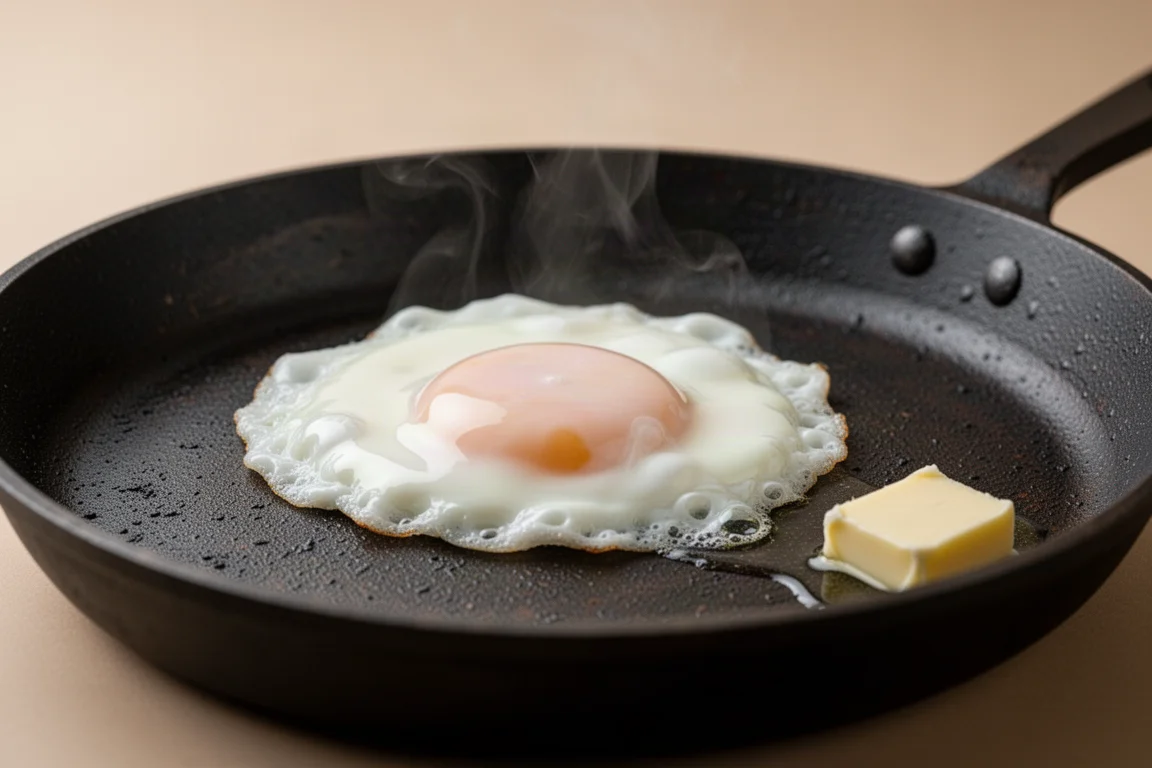
Right out of the box, it performed like a well-seasoned carbon steel pan. A fried egg cooked with a small amount of butter did not stick at all, and scrambled eggs and omelets released cleanly. Pancakes, vegetables, burgers, and pork all came off without trouble. Salmon started to stick, likely because it was flipped too early, and a few eggs stuck when the pan was clearly overheated. You still need to grease it, and it is not as slippery as a brand new Teflon-coated pan, but it is noticeably easier to use from day one than traditional carbon steel.
Durability and Warp Resistance
Misen claims the pan will last forever: no warping, and no scratching or peeling from metal utensils. To test that, a weight-loaded metal ladle was scraped across the cooking surface 50 times, followed by the same treatment with a metal spatula, plus two minutes of continuous whisk contact from a stand mixer. All three tests left some rub marks, but no scratches, gouges, or permanent damage, and eggs cooked normally afterward.
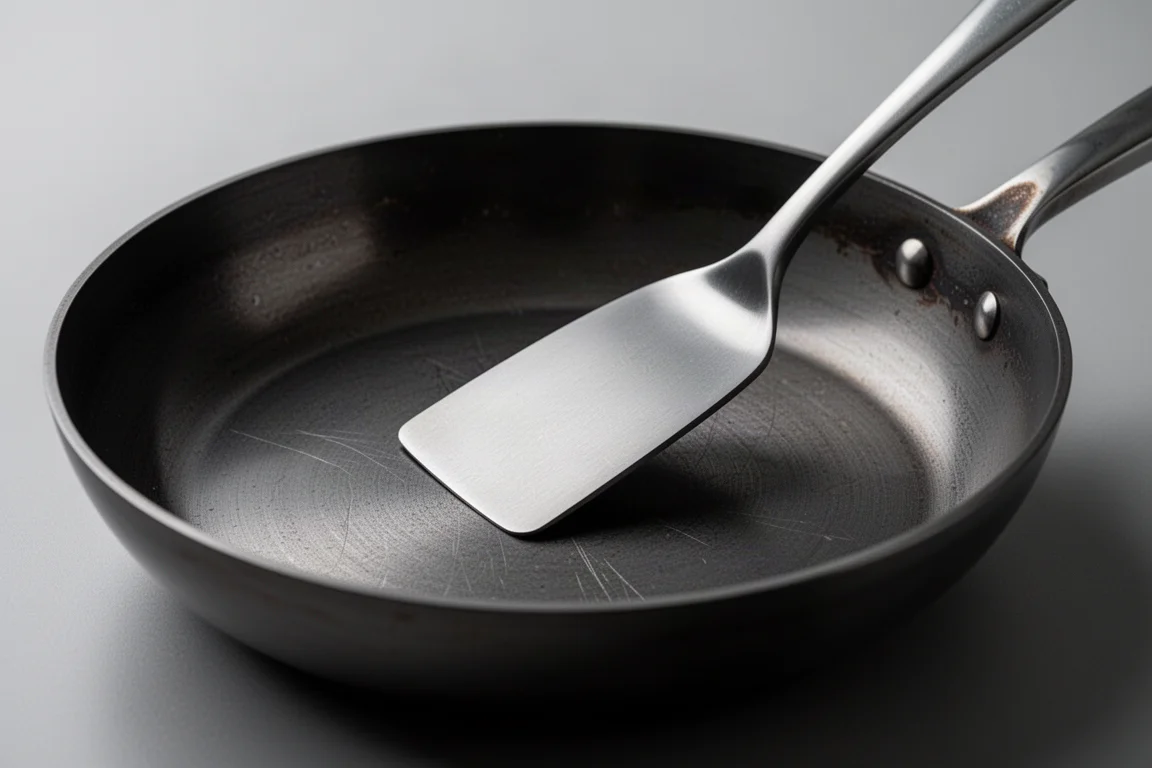
For context, the same tests left visible scratches or coating damage on a Teflon-coated pan, a ceramic non-stick pan, and a HexClad pan. On warping, the pan was heated to 425°F for two minutes on an induction cooktop and its flatness measured before and after. The shape did not change at all, while several other carbon steel pans did not hold their shape in the same test.
No Seasoning Required: Rust and Acid Tests
Unlike traditional carbon steel, Misen says this pan needs no seasoning: you can cook with it immediately, even with acidic ingredients, and wash it with soap or leave it wet overnight without rusting. The tests compared it against a well-seasoned Lodge carbon steel pan and a de Buyer pan with spotty seasoning and exposed steel.
After a night soaking wet, the de Buyer was rusty while the Lodge and Misen showed no rust at all. Then came the acid test: crushed tomatoes simmered for 15 minutes in each pan. The de Buyer’s seasoning was almost completely gone afterward, and the Lodge looked noticeably lighter, while the Misen showed no visible change. A repeat of the overnight water test left the de Buyer heavily rusted, and this time the Lodge rusted too, likely because the tomatoes had worn down its seasoning. The Misen still showed nothing.
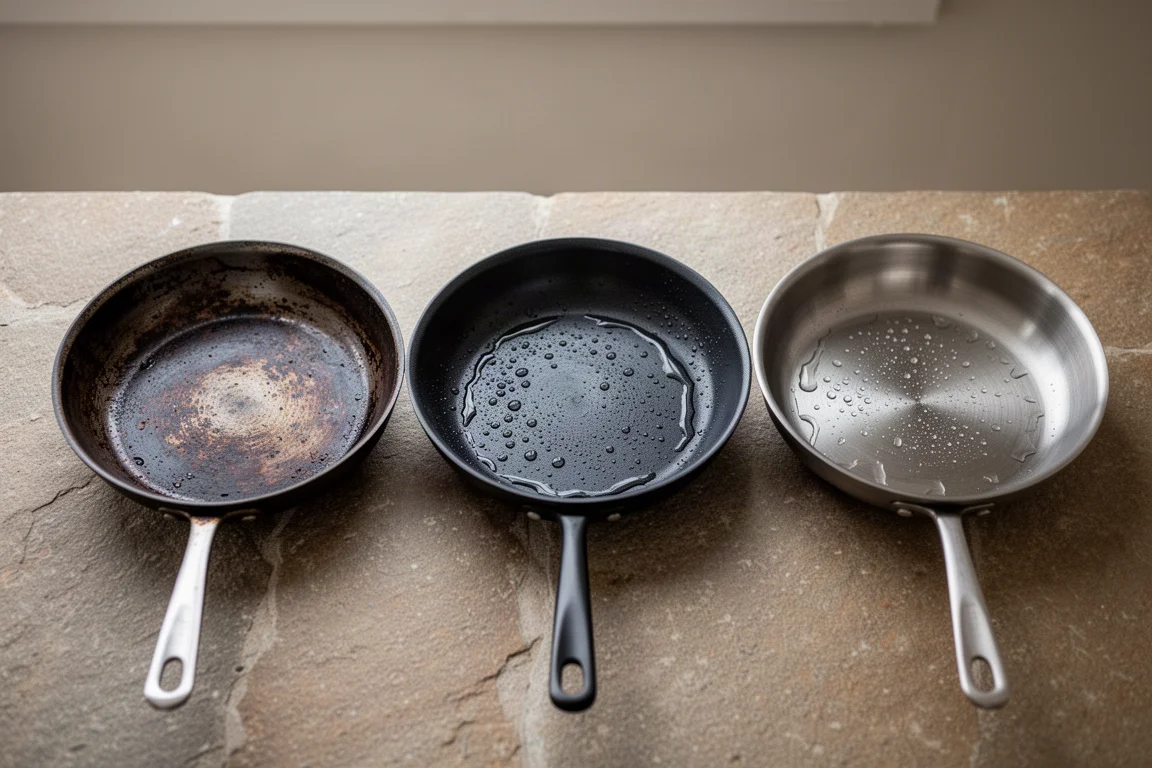
A final boiling-water test told a similar story. After boiling water for 10 minutes, the water from the Lodge pan was cloudy, a sign that bits of seasoning had leached into it. The water from the Misen pan stayed completely clear.
Heat Performance and Weight
The aluminum core is meant to make the pan more responsive to temperature changes, and the measurements back that up. Heated on medium, it warmed up extremely fast: the fastest carbon steel pan tested and the second fastest across all materials. The temperature difference between the center and edge was the third lowest among all carbon steel pans tested, and in real cooking, food near the edge browned almost as evenly as food in the center. It also cooled quickly, ranking third fastest among carbon steel pans in retention testing.
Weight is one of its most underrated benefits. The 10-inch pan weighs just 2.4 lb, lighter than even some of the thinnest carbon steel pans and lighter than many aluminum, non-stick, and stainless steel pans. That lightness comes from the aluminum core, not from thin walls: the base is about 3 mm thick, tapering to 2.5 mm at the walls.
Things to Consider Before Buying
The handle is comfortable, but the rounded edges make it a little slippery, especially with an oven mitt or soapy hands. A design like the Strata pan’s handle, with a subtle groove on top, offers a more secure grip. The shallow sidewalls are another drawback: at 1.75 inches tall on both the 10- and 12-inch versions, they hold less volume than most pans this size and do not contain splatter as well.
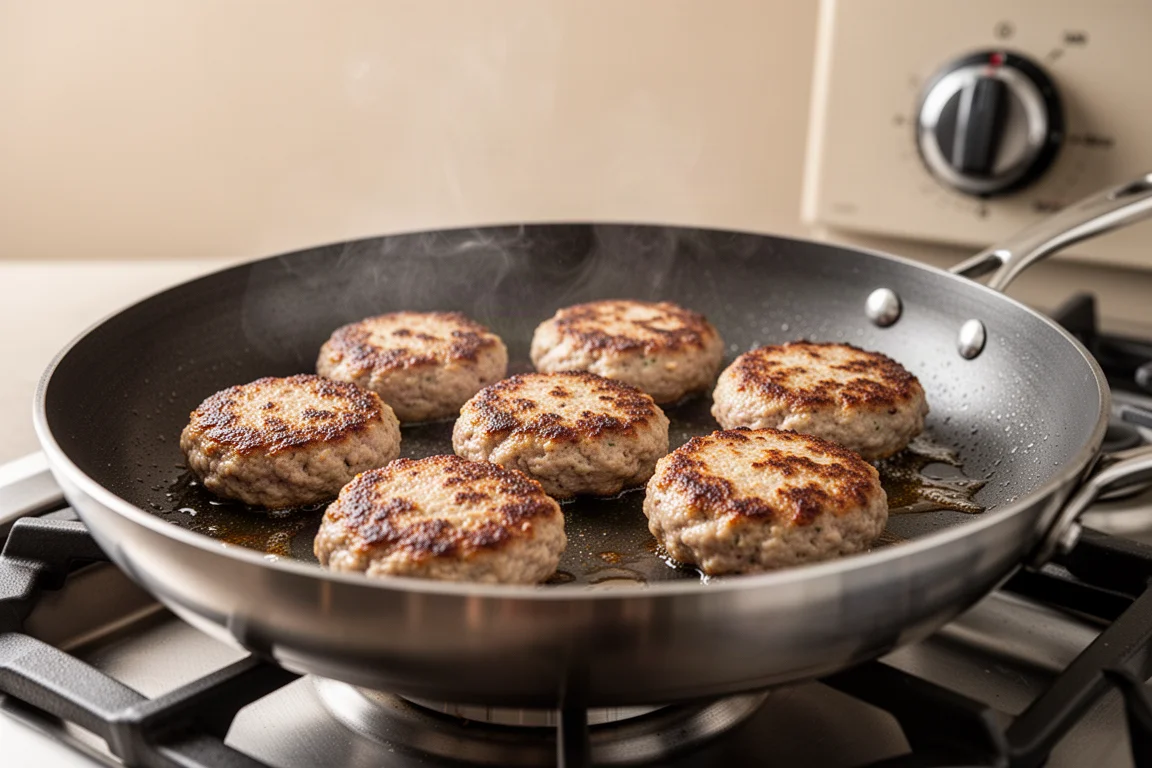
Heat retention is a deliberate trade-off. Because the pan is designed to be responsive, it cools quickly, which Misen’s own regular carbon steel does better. When the pan got crowded cooking turkey burgers, it lost heat and took a while to recover, making a good sear harder, and shallow frying tortillas required adjusting the dial a few times. Results were still fine in both cases, but steady heat over long periods is not this pan’s strength.
It is also worth noting that this construction is not radically different from a fully clad stainless steel pan. Options like Heritage Steel are made in the US and cost about the same, and with the right heat and fat, stainless steel can become nearly non-stick as well.
Buying Advice
If you want to move away from disposable non-stick cookware without taking on the seasoning, rust worries, or heft of traditional carbon steel, this pan is easy to recommend. The hardened surface is noticeably more food-release friendly than stainless steel, cast iron, or even preseasoned carbon steel, it resists warping, and acidic foods and soap do not damage it. If you prioritize maximum searing power and steady heat above all else, a traditional carbon steel or a comparable stainless pan may suit you better.
Conclusion
The Misen Nitrided Carbon Steel Pan lives up to its claims. It is non-stick enough out of the box, remarkably durable under metal utensils, rust-resistant without seasoning, fast and even heating, and impressively light. The shallow walls, slippery handle, and quicker heat loss are real trade-offs, but none of them undercut the core promise. It is a meaningful step toward reducing the need for disposable cookware, and a smart buy for everyday home cooking.
Product link
View more details for Misen Nitrided Carbon Steel Pan
This product is mentioned in the review. Check the specifications, options, and compatibility before buying.
View more details for Misen Nitrided Carbon Steel PanFurther reading
Related Reviews
Cookware
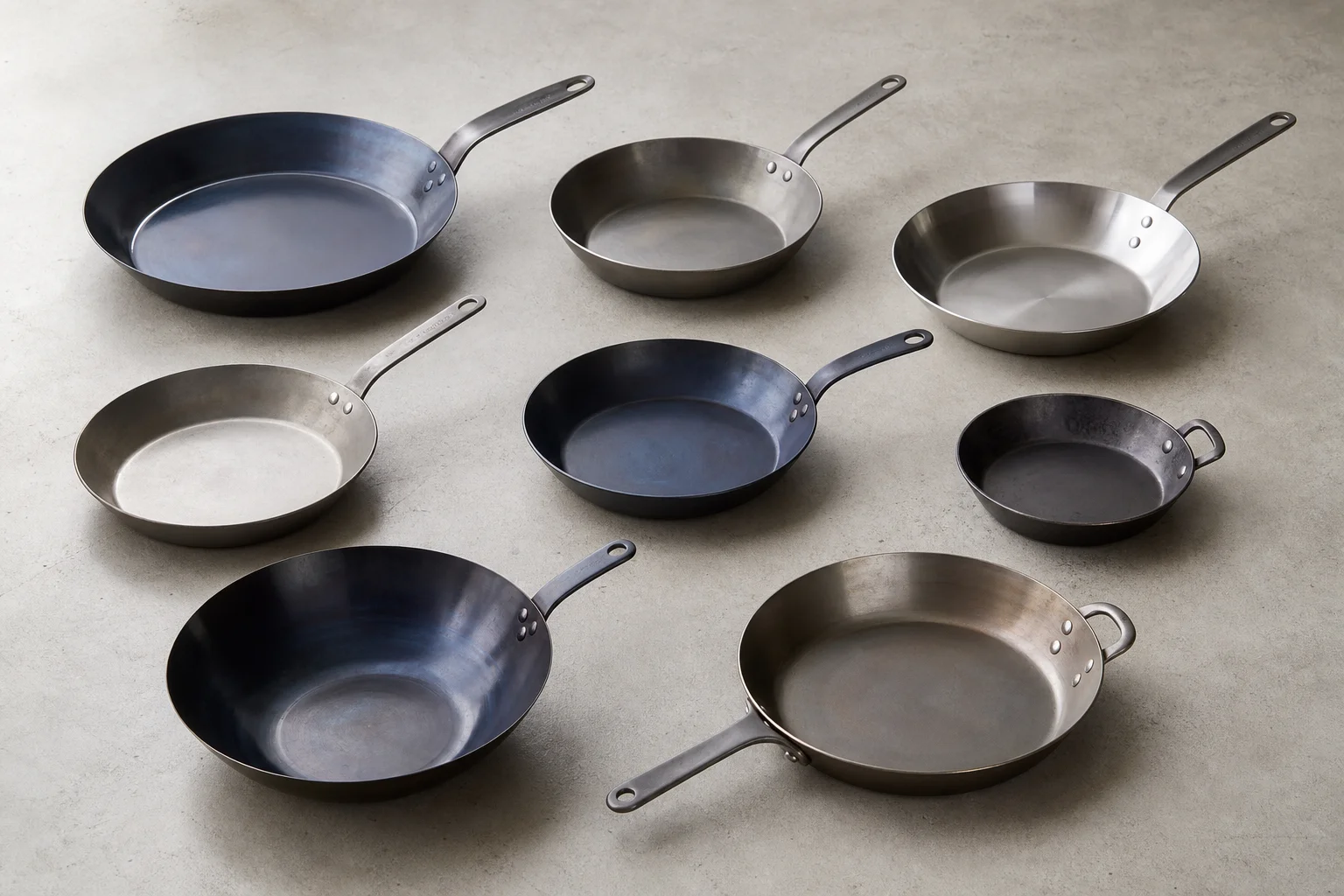
Best Carbon Steel Pans Tested: Which Brands Deliver Real Value
We tested eight popular carbon steel pans with controlled durability, heat, and cooking tests. Here's which ones perform best and which to avoid.
Cookware
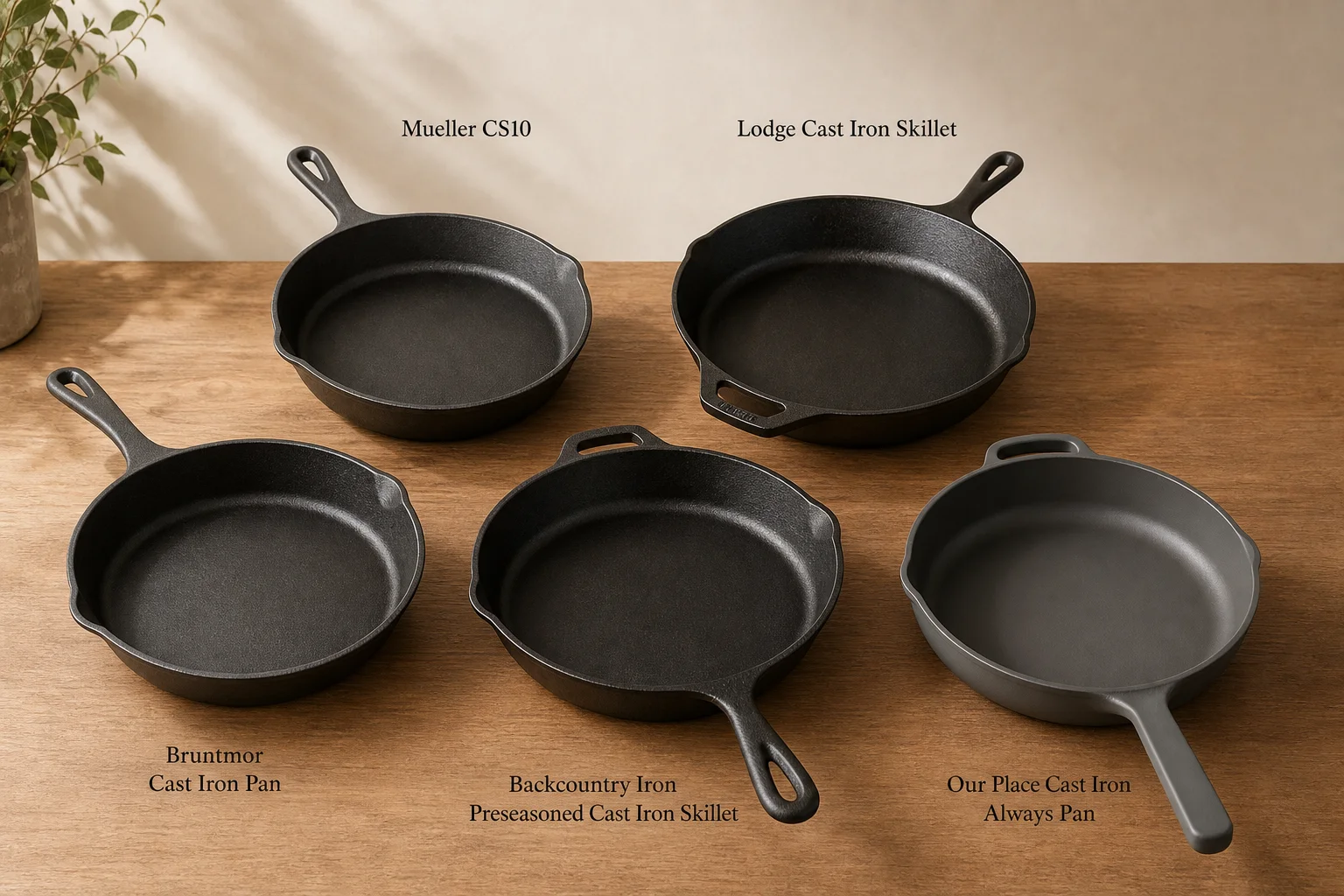
Best Cast Iron Pans 2026: Five Options from Budget to Premium
A practical breakdown of five cast iron skillets, from affordable Mueller to premium Our Place, with clear strengths and trade-offs for different cooking needs.
Cookware
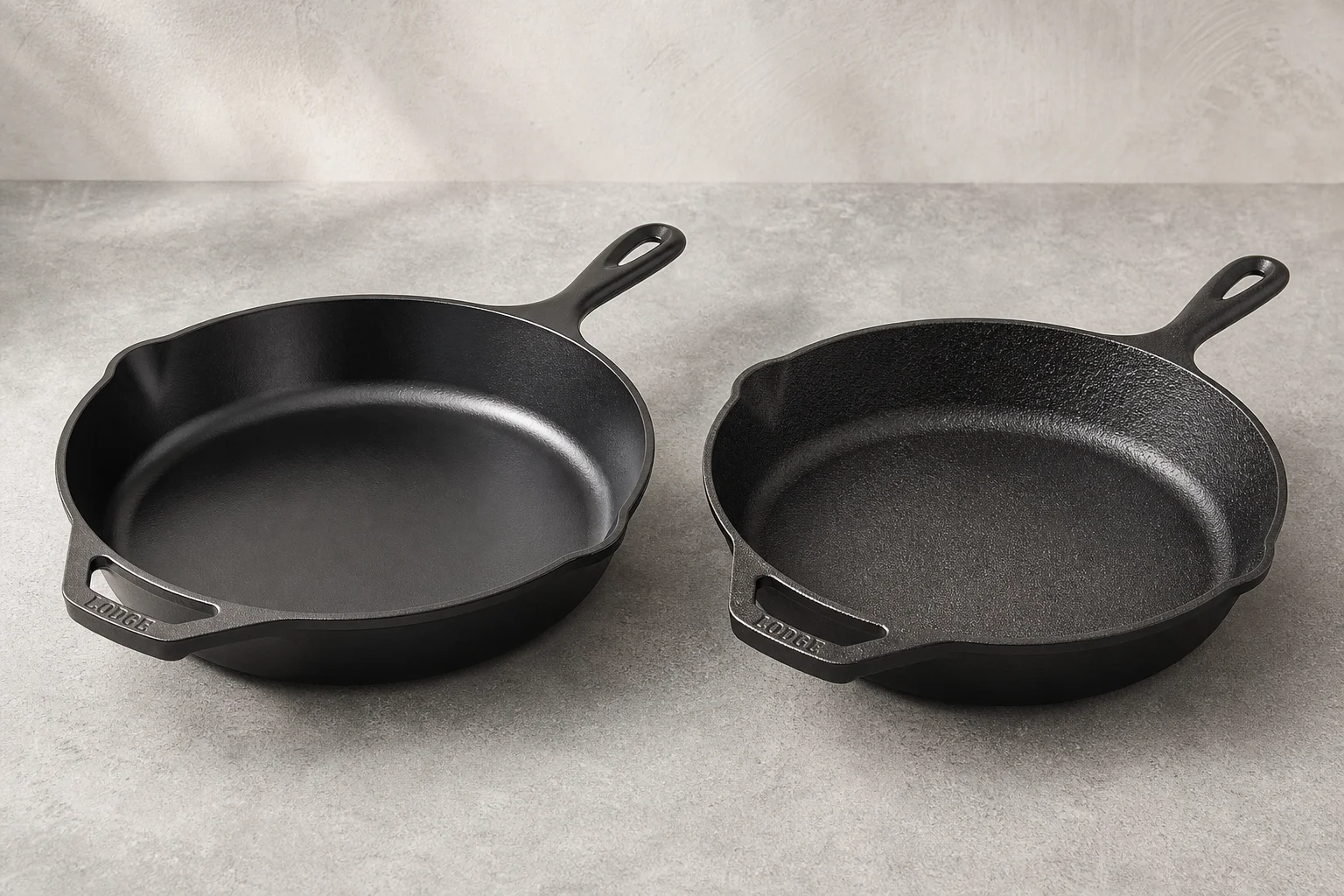
Best 12-Inch Cast Iron Skillets: Premium Craftsmanship vs. Reliable Budget Option
Two standout 12-inch cast iron skillets tested for heat retention, surface finish, and durability. One premium choice and one budget-friendly alternative that both deliver.