Kitchen
Misen Food Storage Containers Review: Are the Bold Claims True?
We tested Misen's stainless steel containers claim by claim: microwave safety, leakproofing, freezer, oven, grill, stains, and brutal drop tests.
Introduction
Misen’s stainless steel food storage containers arrived with a long list of bold promises: unbreakable, leakproof, and somehow microwave safe despite being made of metal. The Kickstarter campaign clearly struck a nerve, drawing more than $2.7 million in pre-orders from nearly 19,000 backers. But bold claims deserve real testing.
To find out what holds up, we put each promise through its paces: microwaving sauce, freezing containers solid, baking brownies, grilling vegetables, shaking sealed containers, running them through the dishwasher over a dozen times, opening and closing one lid 300 times, and dropping them onto pavement and even out of a second story window. Here is what survived, and what did not.
Design and Everyday Usability
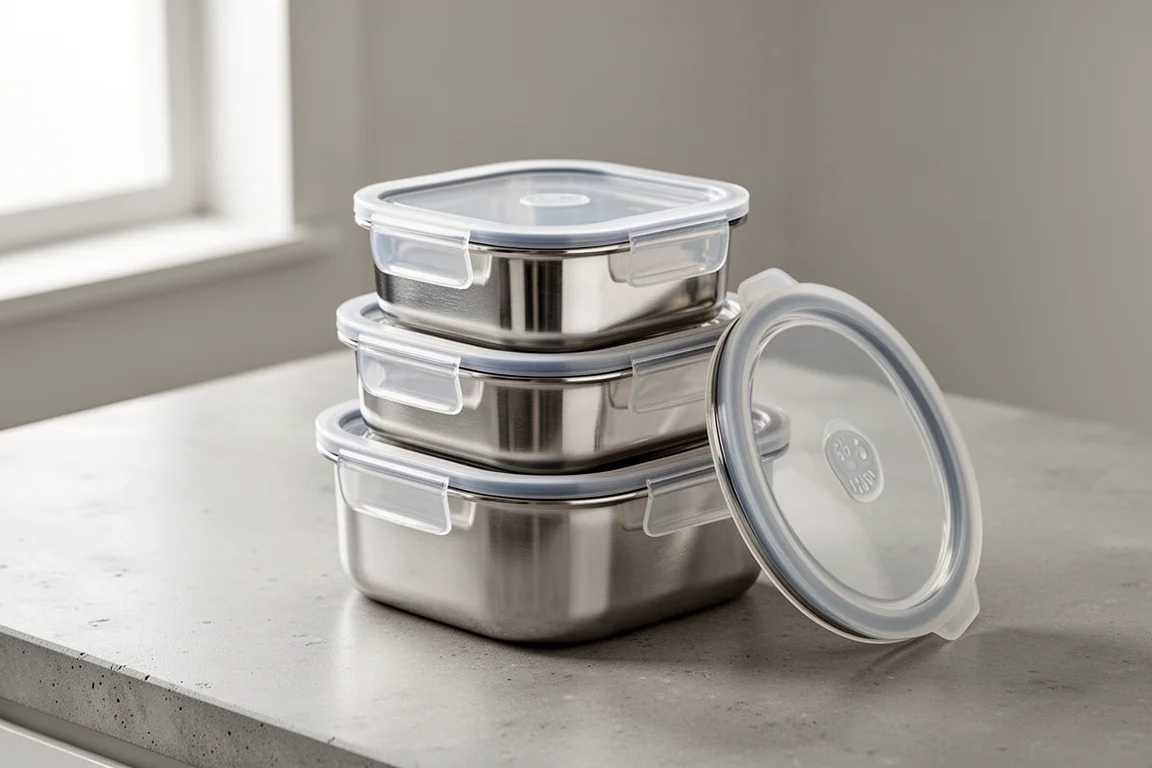
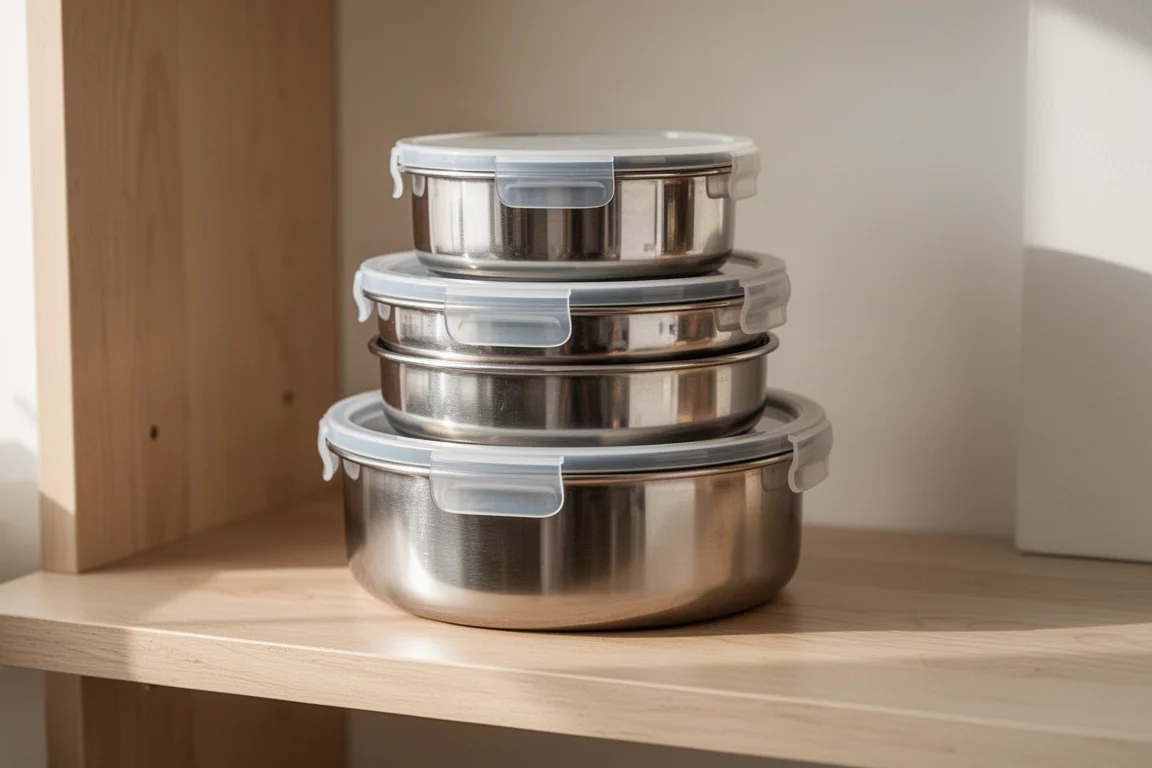
One of the biggest problems with most food storage containers is chaotic storage: mismatched lids, awkward stacking, and a cabinet that turns into a mess. Misen tackles this with universal lids and containers that nest in any order, and the claim checks out. All three sizes share the same opening, every lid fits every container, and no matter which order we stacked them in, nothing jammed. The set takes up very little space and is noticeably lighter than comparable glass containers.
Because stainless steel is opaque, you cannot see what is inside a container tucked higher up in the fridge. Misen’s workaround is that you can write directly on the containers, and it genuinely works: a dry erase mark left in the fridge for six hours wiped completely clean with a damp paper towel. The containers also have accurate measuring lines and a curved lip that pours cleanly.
The one usability annoyance is the lid itself. With two hands it opens and closes easily, but one-handed operation is difficult: you have to open the vent first and pull up on the silicone while holding the container down. It is slower than a traditional snap-latch lid.
The Microwave Test
The claim we were most skeptical about was microwave safety, since the usual advice is never to put metal in a microwave. Misen’s explanation is that the steel is thick and the corners are rounded, so microwave energy does not concentrate in one spot and cause sparks. The official guidance is up to 5 minutes in an 1100 W microwave or up to 10 minutes at 1000 W.
We tested the full 5 minute limit at 1100 W with a container full of tomato sauce. No sparks, no strange noises, no fire, and no damage.
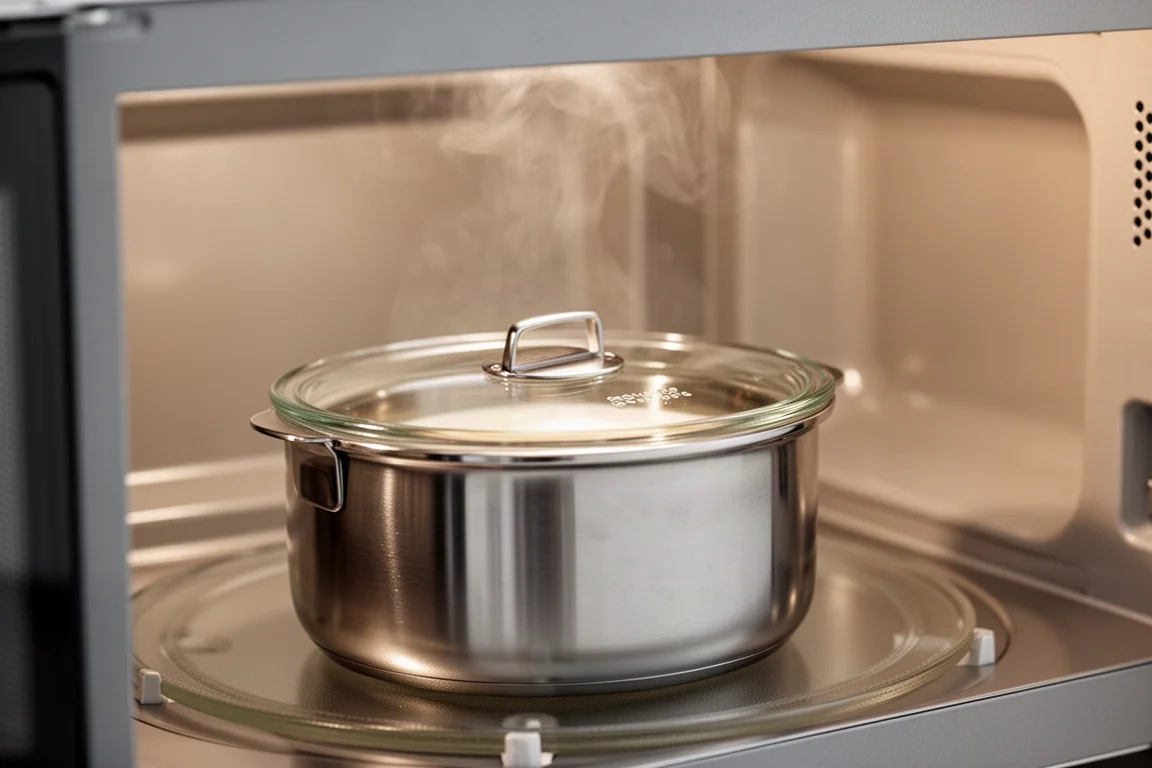
For reheating quality, we compared the same amount of tomato sauce in a Misen container and a similarly sized glass one. Both heated the sauce well, though neither was perfectly even, and the glass developed a much hotter spot around the edge. The Misen container stayed noticeably cooler on the outside. Heating with the lid on and the vent open also worked fine, though the glass part of the lid got quite hot. With cold pork, the glass container heated the food faster, so depending on the dish, Misen may take longer than glass.
Leakproof Claims Under Pressure
Misen says the containers are leakproof when the lid is sealed and the vent is closed. Filled with water and shaken as hard as possible for 30 seconds, nothing leaked. The same test with crushed tomatoes produced the same result.
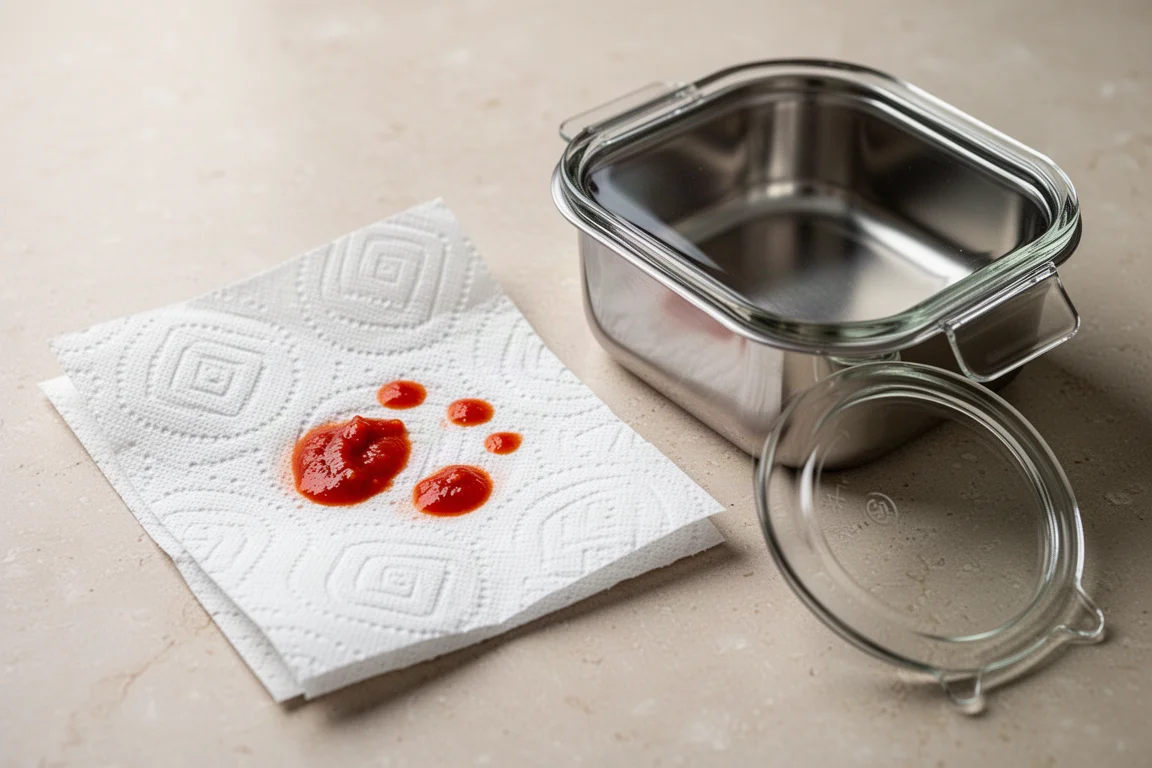
Impact changes the picture. Dropping a sealed container a few inches onto its lid let a small amount of water escape, and tomato sauce left a few splatters around the lid edge. A more realistic stress test, a sauce-filled container wrapped in paper towels inside a backpack that was run around with, shaken, and dropped on grass a few times, also produced a few spots of sauce on the towel and around the lid edge. Leakproof holds up for shaking and carrying, but a hard knock can push small amounts past the seal.
Freezer, Oven, and Grill
Misen claims the containers are safe in the freezer, the oven, and even on the grill. Filled almost to the top with water and left in the freezer overnight, the water froze solid while the lid stayed on, with no cracking, warping, or damage. Brownies baked in two containers came out great with no heat issues, though one batch stuck slightly despite greasing. Chopped, seasoned zucchini cooked directly in a container on the grill also turned out fine, and the container did not warp.
Stains and Odors
Stainless steel is supposed to resist the staining and lingering smells that plague plastic. After two days of tomato sauce followed by a wash with soap and water, the container came out completely clean with no staining or odor. A second container holding minced garlic for three days showed no garlic smell on the steel or the lid after washing.
Durability: Dishwashers, Drop Tests, and a Second Story Window
The lifetime-durability claim got the harshest treatment. More than a dozen dishwasher cycles and 300 open-close cycles on a single lid produced no cracking, tearing, stretching, or loosening; the lids worked exactly as they did on day one.
Then came the drops. Filled with water and dropped from chest height onto pavement at the same time as a similarly sized glass container, the glass shattered while the Misen container bounced, lid still on, with only tiny cosmetic nicks on the bottom and no dents. Dropped directly onto its lid, the lid popped off and the water spilled, but the lid’s glass did not break and nothing was damaged. A repeat drop on the lid caused no harm either.
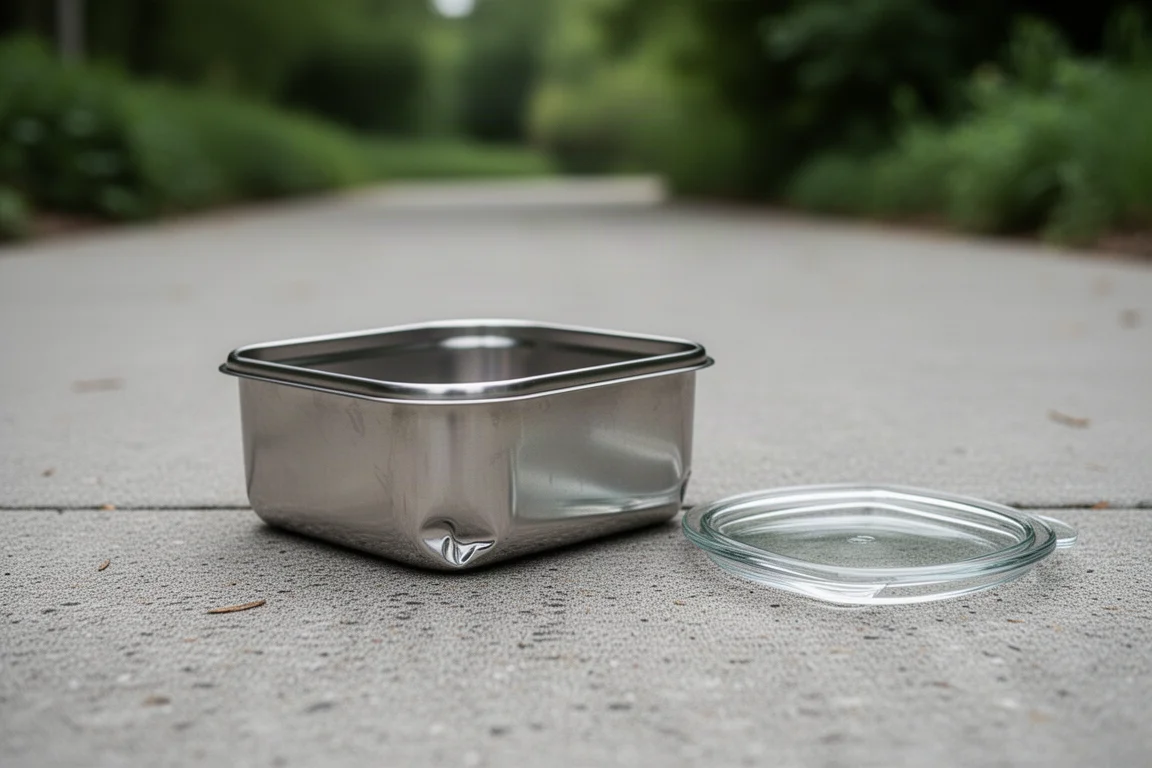
Pushed to the extreme, the limits finally showed. Dropped from about 22 feet, a second story window onto a driveway, the container badly dented at the bottom corner and the glass in the lid shattered. Extremely durable and far more forgiving than glass, yes. Indestructible, no.
Buying Advice
So, are they worth buying? The short answer is yes. The biggest reason is the design: one lid that fits every container sounds minor, but if you have ever dug through a drawer hunting for matching lids, it makes a huge difference. The set stacks and nests extremely well, and you get better durability and more versatility than a typical plastic or glass set.
The main trade-off is price. In earlier testing of seven top-rated glass and plastic sets, OXO Smart Seal was the winner, and you can get a larger set with more containers for considerably less money. Misen also has a few other drawbacks: you cannot see through the sides, the lid takes more effort to open one-handed, and because every container shares the same relatively narrow footprint, larger sizes get deeper instead of wider. That makes them less convenient for sandwiches, pizza, or large flat pieces of food.
If Misen is outside your budget, OXO remains a strong pick for glass containers. But if you are willing to spend more for containers that stay organized, survive drops, and handle the microwave, freezer, oven, and grill, Misen earns the investment.
Conclusion
Almost all of Misen’s claims held up under testing: the universal lids and nesting design work, the containers survived the microwave, freezer, oven, and grill without staining or holding odors, and durability is genuinely impressive, though the 22 foot drop proved they are not literally unbreakable. Leakproofing is solid for everyday carrying but can fail under hard impacts, and the lid is the weak point for one-handed use. If organization, durability, and versatility matter more than the lowest price, these containers are worth it.
Product link
View more details for Misen Food Storage Containers
This product is mentioned in the review. Check the specifications, options, and compatibility before buying.
View more details for Misen Food Storage ContainersFurther reading
Related Reviews
Kitchen
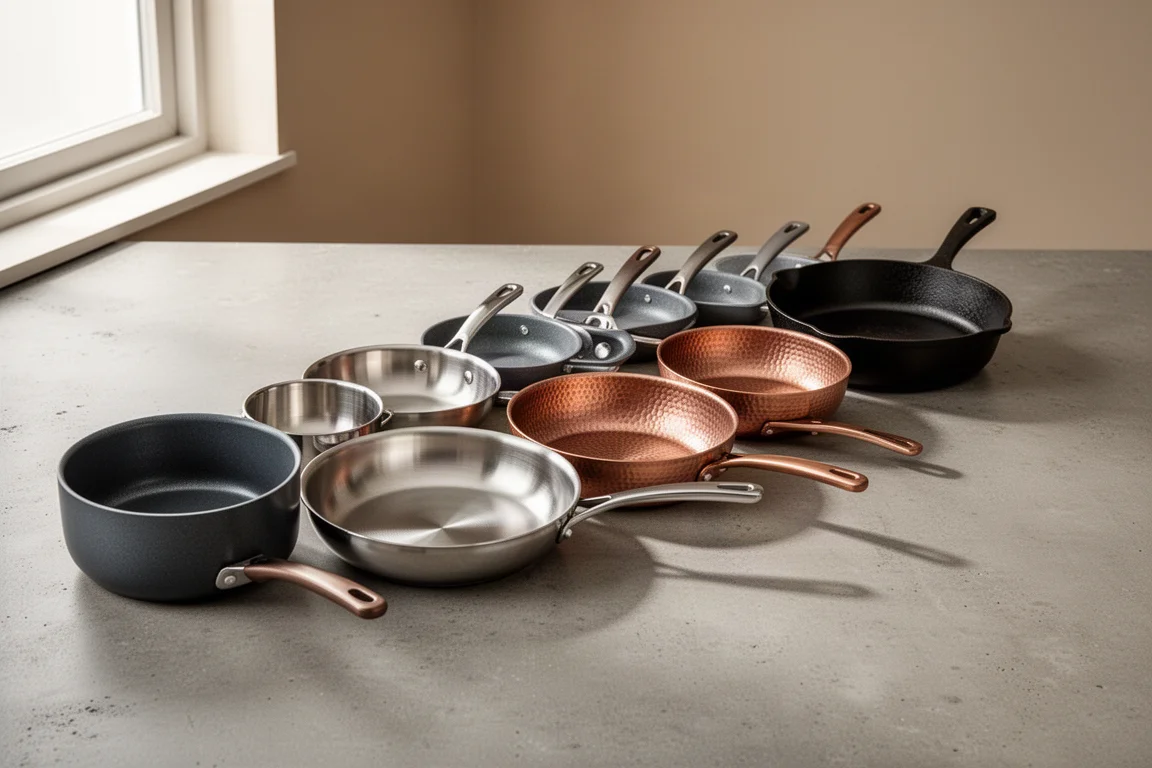
Best Nonstick Frying Pans Compared: 11 Skillets From $16 to $185, Tested
Eleven nonstick frying pans go head to head in pancakes, eggs, heat distribution, thermal efficiency, and scratch resistance to find out whether a cheap pan can really compete with a premium one.
Kitchen
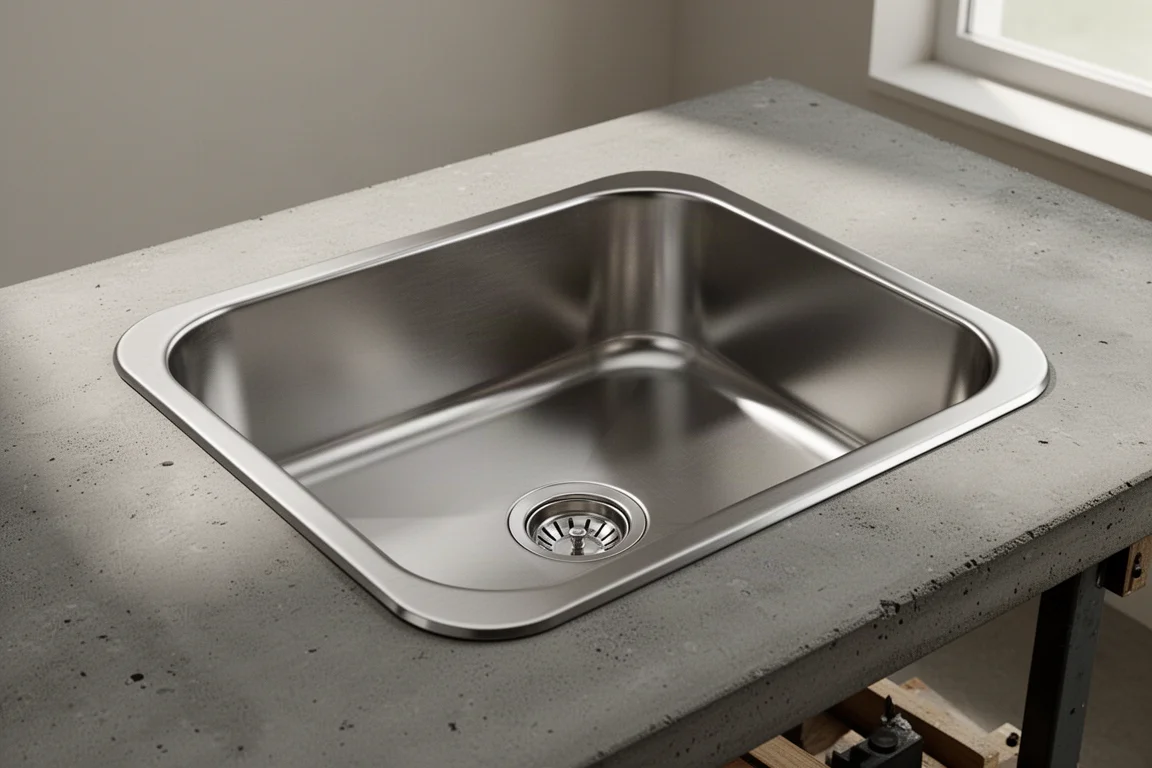
Vivor Stainless Steel Kitchen Sink Review: A Solid Drop-In Upgrade With One Weak Spot
An all-stainless single-basin drop-in sink with easy-clean rounded corners and a drain-sloped base, at a roughly $200 price point.
Kitchen
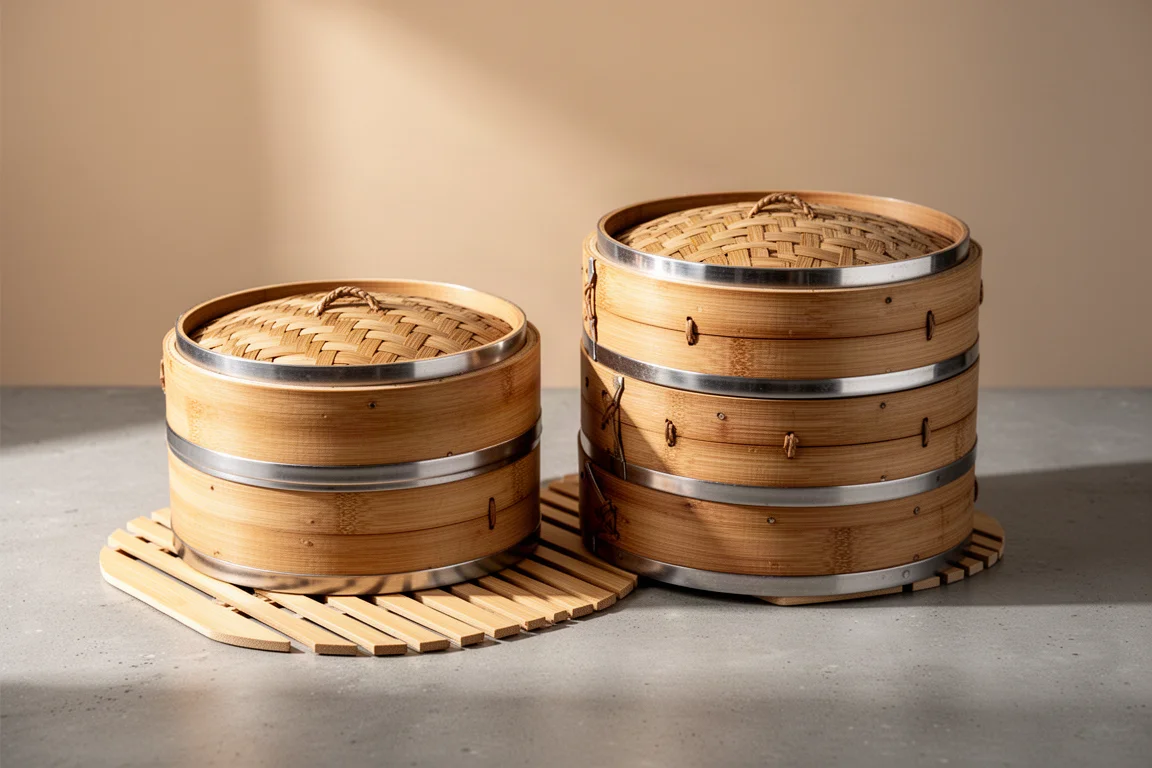
Best Bamboo Steamers: Two Tested Picks for Dumplings, Bao, and More
After hands-on steaming tests with dumplings and bao, two bamboo steamers stood out for build quality and staying in alignment.