Camping Gear
Minimal Car Camping Gear: 7 Compact Picks That Fit in One Trunk
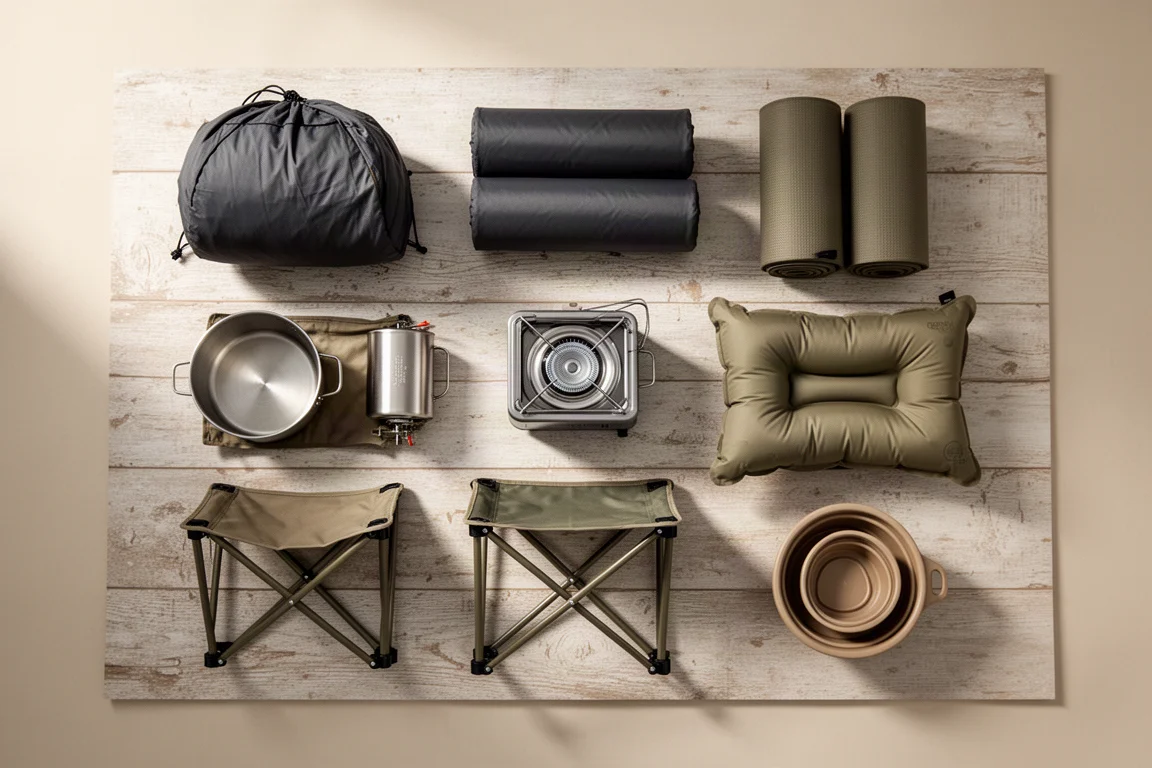
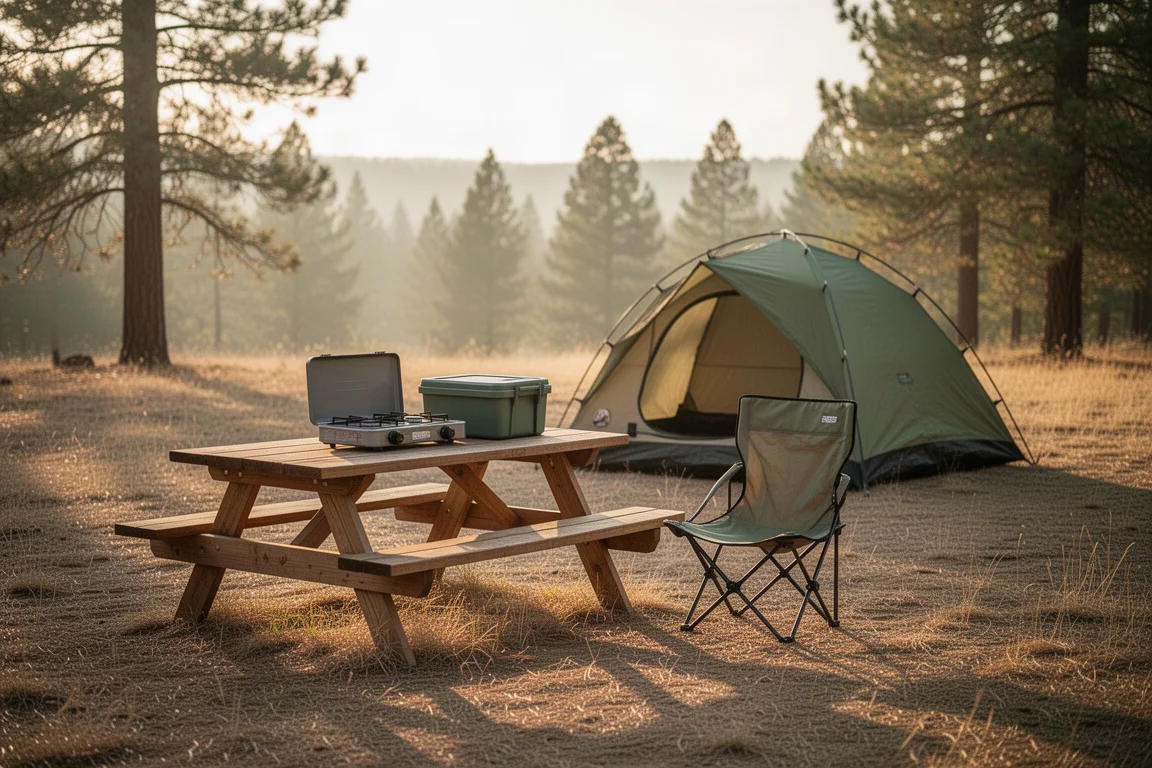
A complete family car camping setup, from a dark room eight-person tent to a nesting two-burner stove, packed into a single trunk without a roof box.
Introduction
Packing for a family camping trip usually turns into a volume problem. Two adults, a toddler, and a dog fill a trunk quickly, and the easy answer is a roof box plus a second layer of gear stacked against the rear glass. That answer is also the reason a lot of people quietly stop camping.
This setup went the other way. Everything needed for an overnight family trip, an eight-person tent, three complete sleep systems, a two-burner stove, a full kitchen bin, and a camp seat, fit inside the trunk alone, below the top of the rear seats, with a little space left over. No roof box, nothing stacked to the roof, and roughly a third of the gear that came on the previous trip.
The seven items below are the ones that made the difference. Each entry covers what the product actually does, what worked on the trip, and where the compact-versus-comfort trade-off showed up.
How We Packed a Full Camping Setup Into the Trunk
The packing strategy mattered as much as the gear. Kitchen equipment went into a single bin, so the stove, cookware, utensils, and cleaning supplies travelled as one unit that could be lifted straight onto a picnic table. Clothing and sleep gear went into one 140-litre box-style duffel with internal compartments, and each person got a small personal bag inside it.
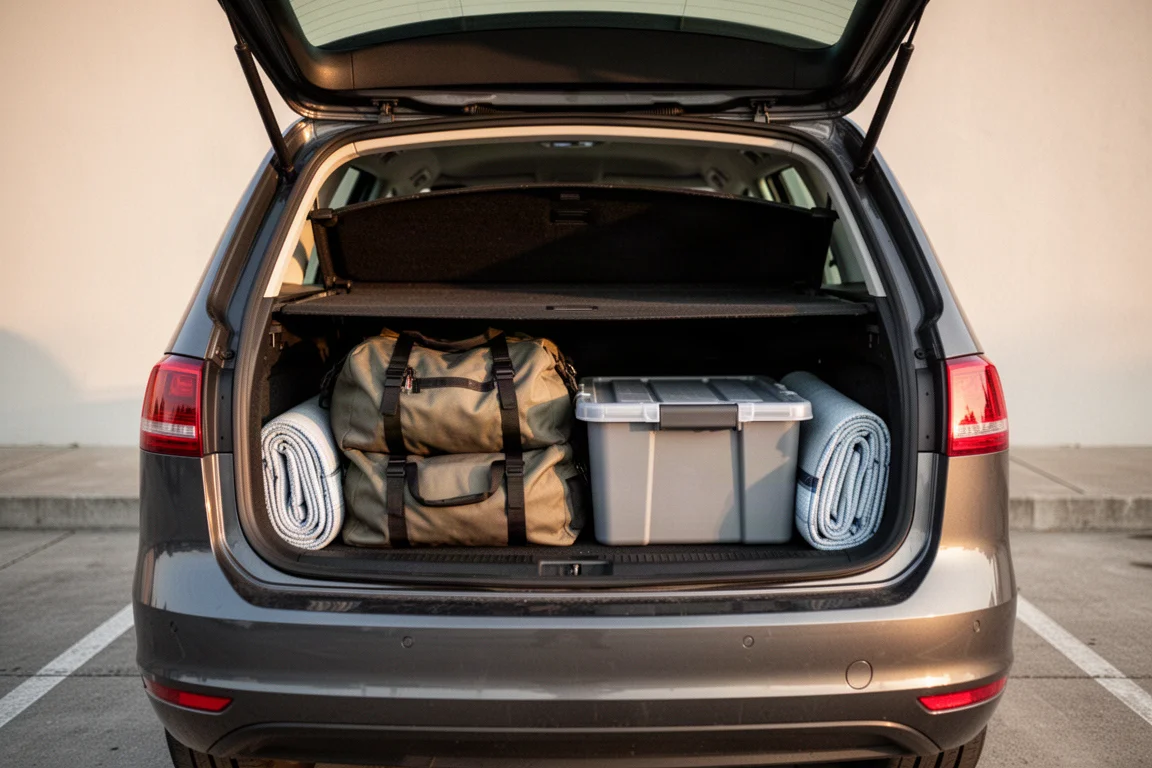
Compression was the real unlock. Sleeping bags, sleeping pads, and two full-size pillows were squeezed down using compression sacks until all three sleep systems fitted inside that single duffel. In an earlier setup, one person’s sleep system alone would have filled the same bag.
Two items were missing from the list and both relate to temperature rather than space. A small fan or two would have cost almost nothing in volume and would have made a much earlier bedtime possible on a hot evening, which turned out to be the bigger constraint of the trip.
Coleman Skydome Dark Room Tent
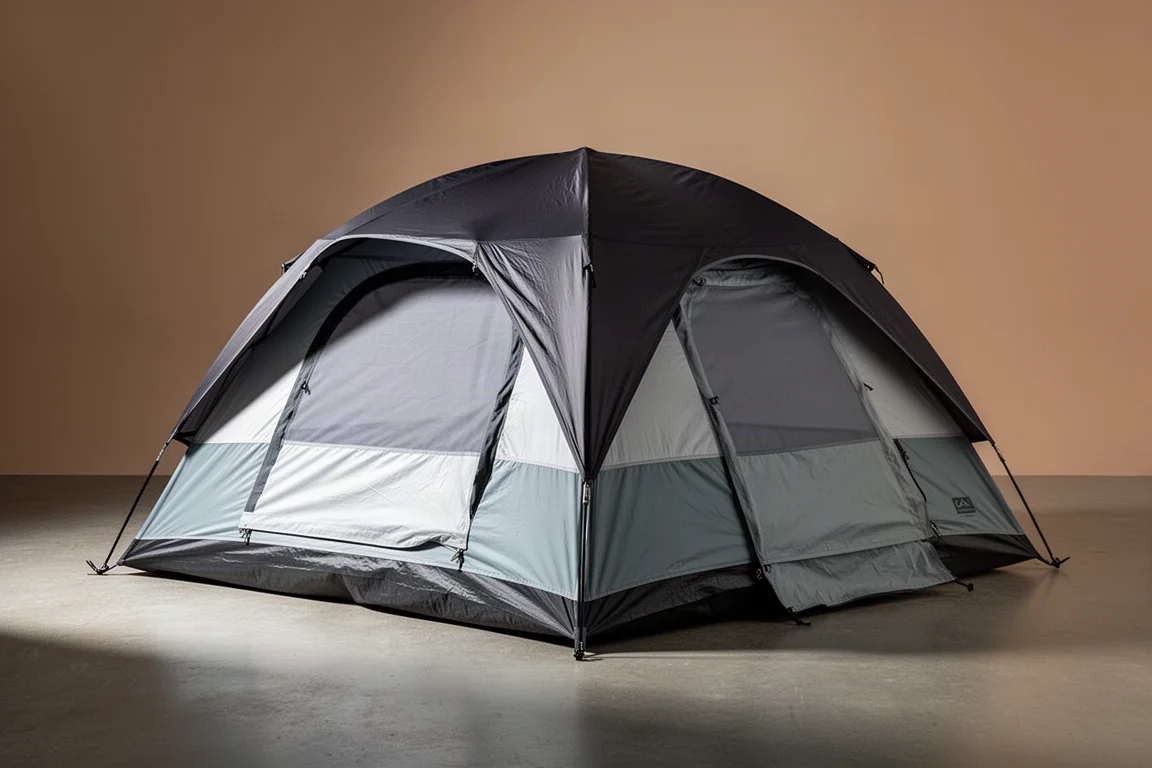
The tent is an eight-person dome with a dark room fly. The fly material is thick and reflective, and it blocks most of the light that would otherwise pass through the fabric. That single feature solved two problems at once.
The first was bedtime. A toddler who is ready for sleep at 6:30 or 7:00 in the evening still has hours of daylight outside in a mountain summer, and a normal tent interior is bright enough to turn that bedtime into a fight. The second was heat. With temperatures close to 30 degrees Celsius and direct sun on the tent, a standard fly turns the interior into a greenhouse, while the dark room fabric kept the inside noticeably cooler.
On the trip, the tent stayed dark enough after sunrise that everyone slept past 4:30 in the morning. The side panels could be pulled out for extra ventilation while the evening air was still warm. For an eight-person tent it also packed down surprisingly small, and a four-person version of the same design is available at roughly half the packed size for trips where space matters even more.
Exped MegaMat Sleeping Pad
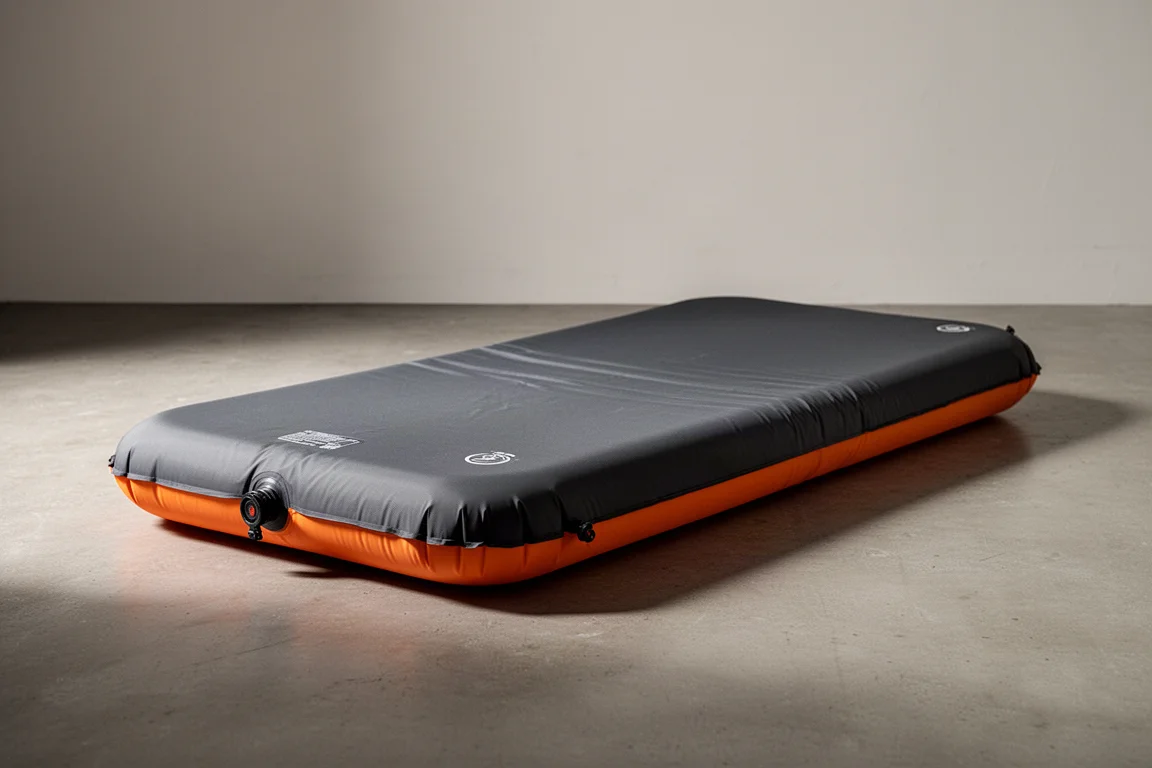
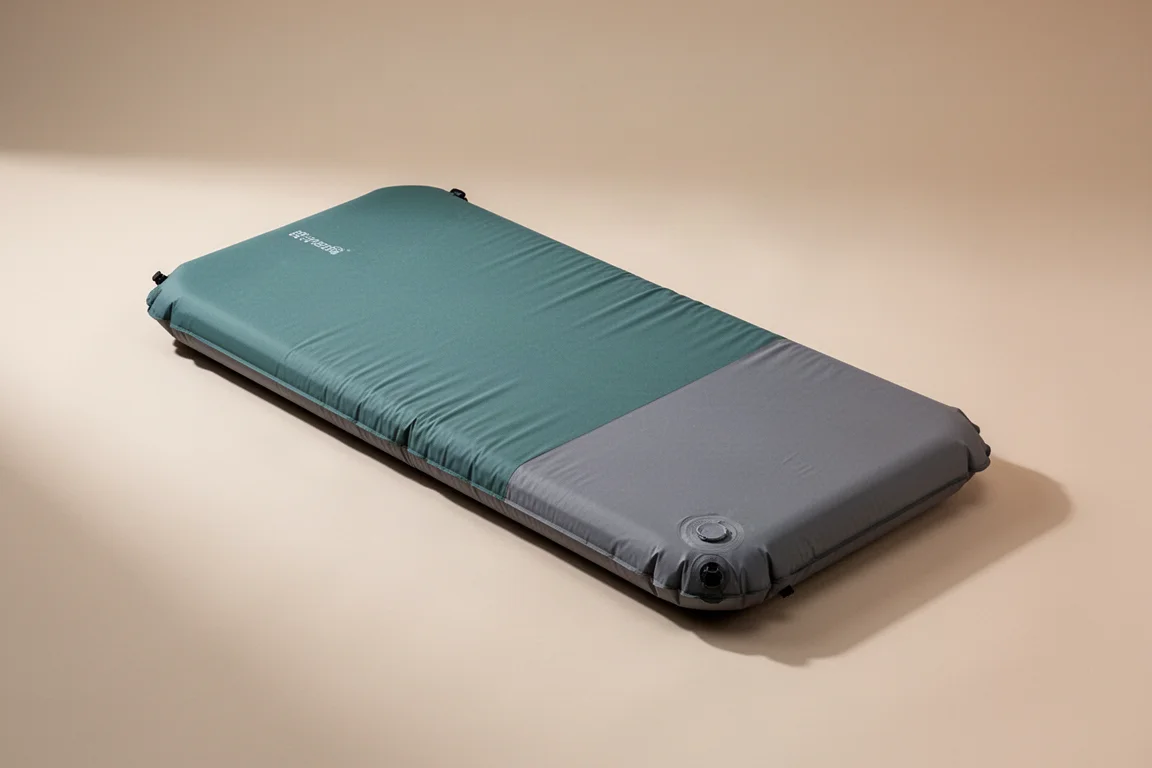
Sleeping pads are usually the bulkiest part of a car camping sleep system, and they are also the part you feel the most. This pad uses a soft, squishy top surface over a thick air chamber, and it comes in a 25-inch wide version and a 30-inch wide version.
Both widths were on the trip: the 30-inch for the larger sleeper and the 25-inch for the smaller one. The extra width and the thickness are what make it feel less like camping gear and more like a mattress, and the surface texture keeps it from feeling like a bare air bladder. The feedback after a full night was simple. The pad and the pillow were the two most comfortable pieces of the entire setup.
The trade-off is built into the design. A pad this thick and this wide does not disappear into a stuff sack on its own, which is exactly why it travelled inside a compression bag with the rest of the sleep system.
Zen Bivy Core Zip Bed
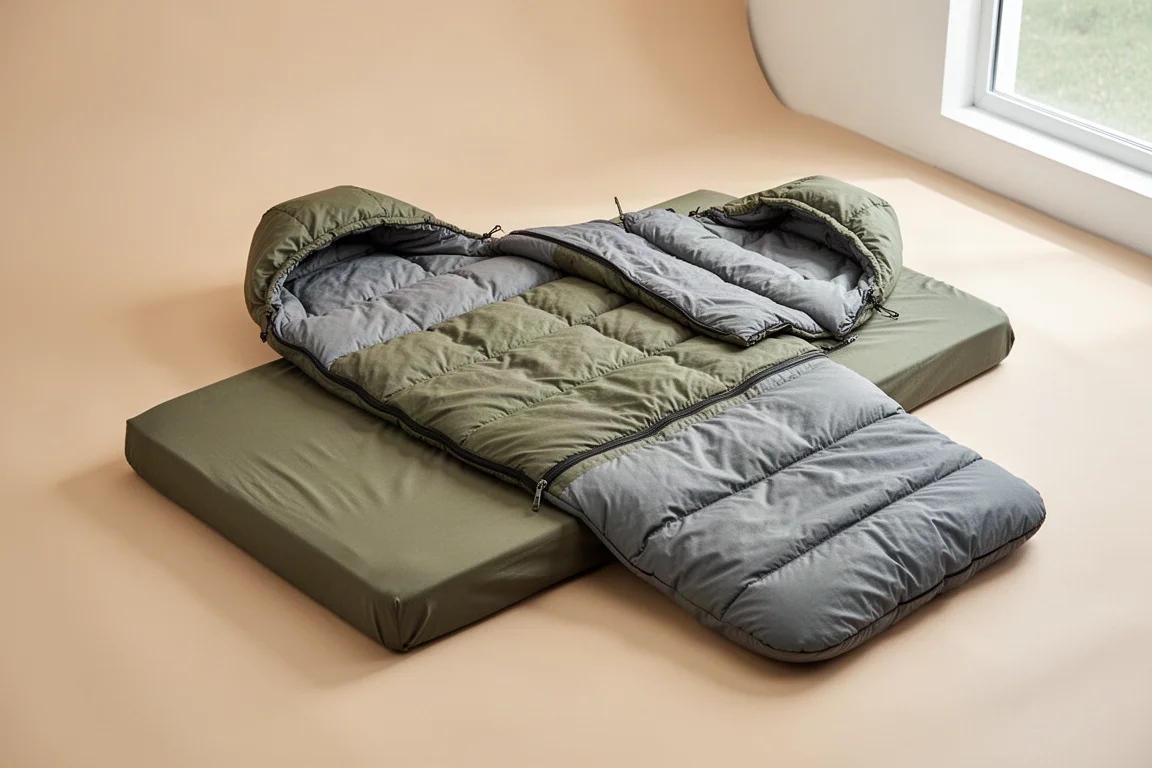
This is a two-part sleep system rather than a traditional sleeping bag. A fitted sheet attaches to the sleeping pad, and a quilted blanket zips onto that sheet along both sides. A shaped hood sits at the head end.
The zipped connection is the detail that changes the experience. It keeps the blanket in place and blocks drafts along the edges, so you can roll over and reposition the way you would under a duvet at home instead of wrestling a bag back into alignment. The hood does double duty as well. It adds a little insulation around the head and holds a pillow in place so it does not slide off the pad overnight.
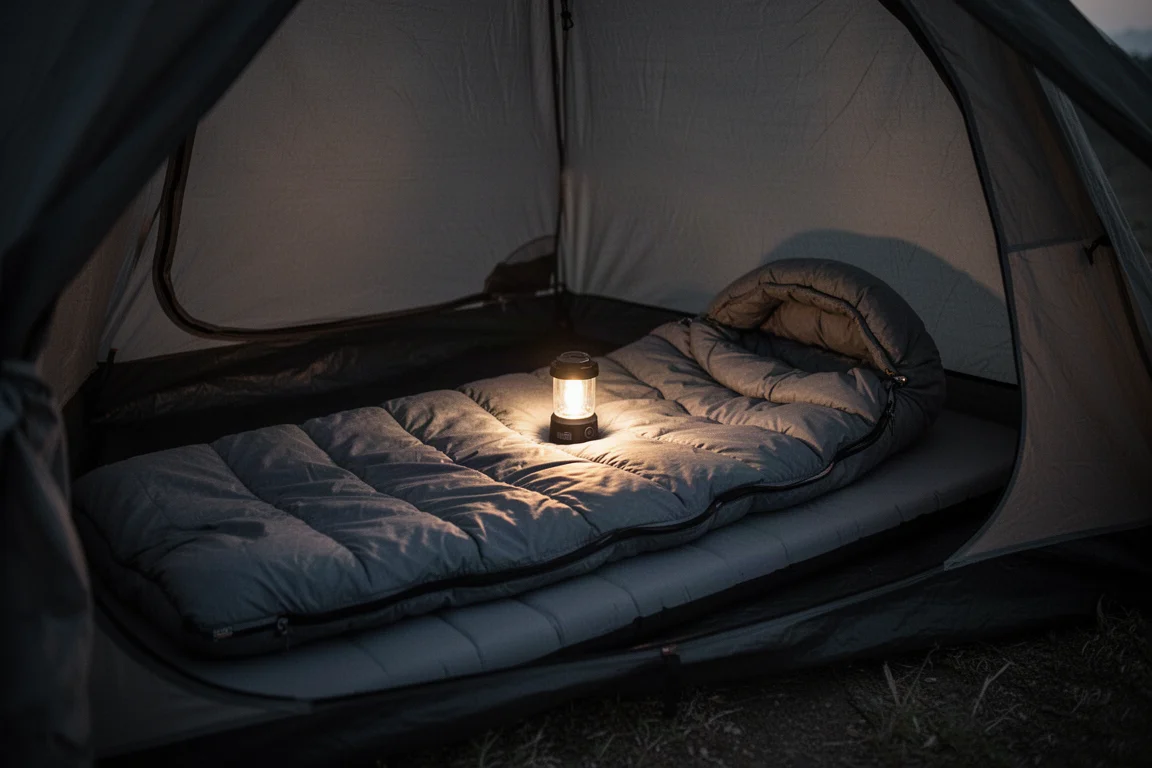
In warm weather the quilt top can feel a little sticky against bare skin, and a liner would smooth that out. It also ran slightly warm for a hot summer night, which is a fair complaint for a system designed around three-season use. Overall comfort across the night was rated good, and the bed itself stayed put.
Sea to Summit Aeros Premium XL Pillow
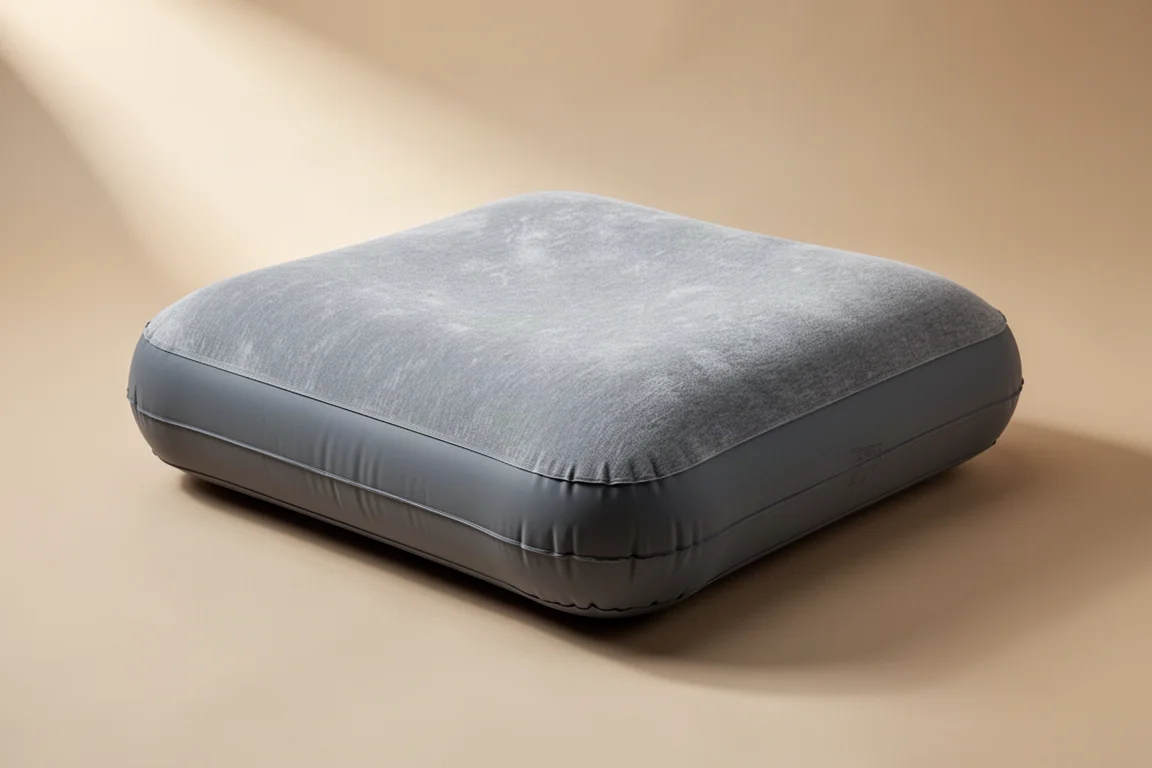
A camping pillow is one of those items that seems optional until you sleep badly without one. This is an inflatable pillow in an extra-large size, with a soft brushed top surface, meaningful thickness, and a thin layer of foam that adds squish and support rather than a taut air bladder feel.
It packs down small enough to vanish into a compression bag, which is how two of them travelled with the rest of the sleep gear. Both sleepers rated it as good as a pillow from home, and that is the entire point of bringing it. The pillow is often the first thing people sacrifice for space, and here there was no reason to.
If you prefer the weight and bulk of a normal bed pillow, this will not replace that preference. If you want the comfort without the volume, it is the better trade.
Priap Elevate Sleeping Pad
Children need a sleep surface that fits them, and a full-size adult pad is wasted space and wasted height. This pad comes in a small size that suited a toddler almost exactly, with a little insulation built in and a comfortable, stable surface.
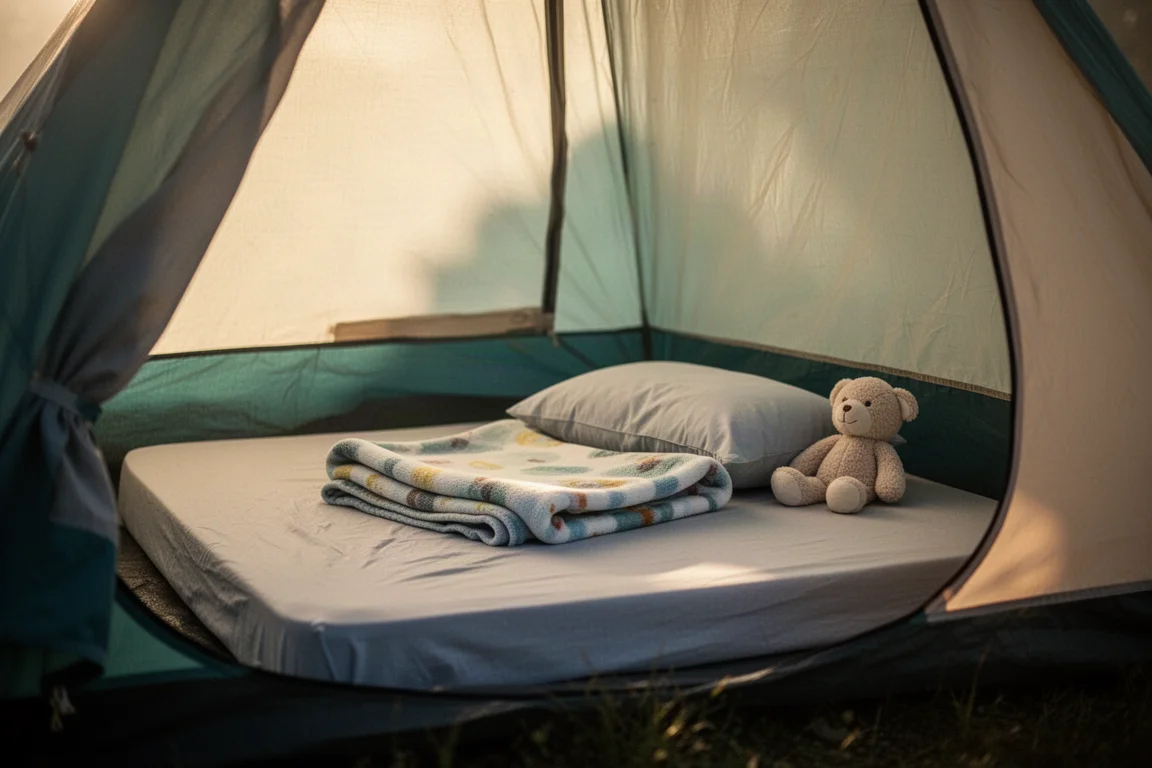
The overnight result was encouraging. The child stayed on the pad for the whole night and only slid toward the edge occasionally in the morning, which is normal for a nearly two-year-old. A fitted sheet was added so the surface felt more like home, and the same pad had already handled a two-and-a-half-hour nap without a stir. The small size should suit roughly the toddler years, after which a larger pad makes more sense.
Jetboil Genesis Two-Burner Stove
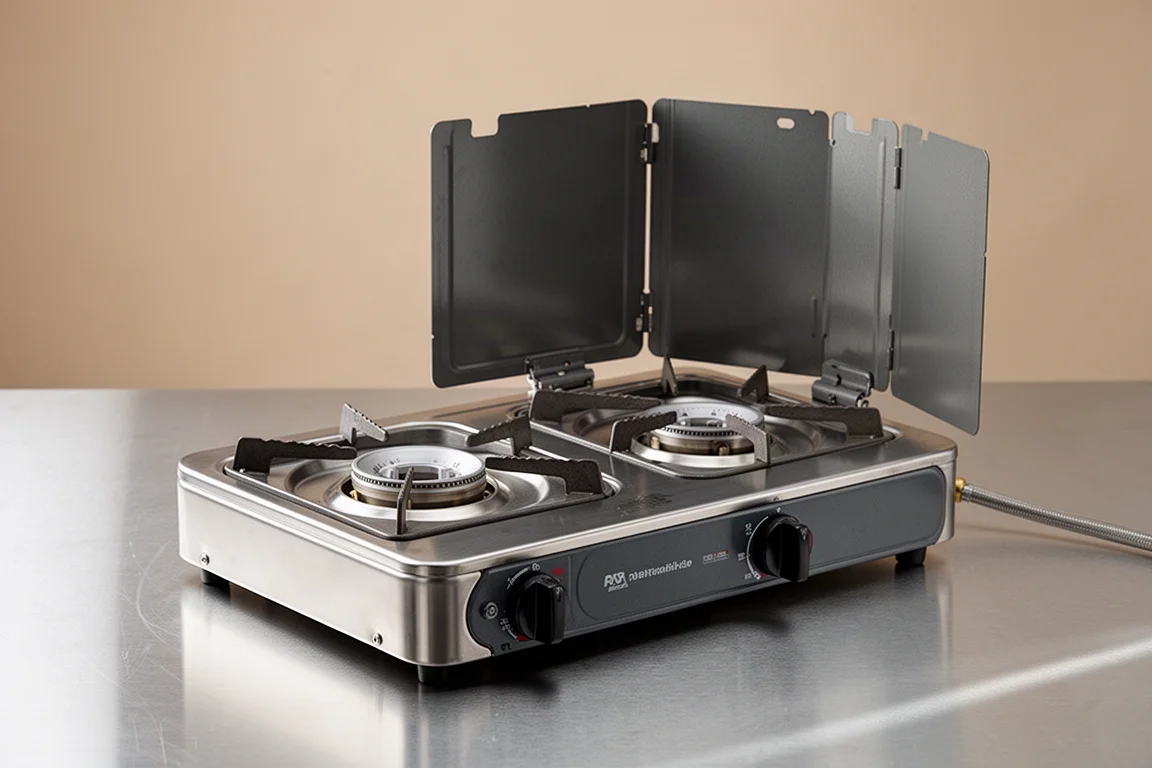
This is a two-burner propane stove, and the storage design is what earns it a place in a compact kit. The stove body nests inside a pot, and the pot nests inside a pan, so the whole cook system travels as one stack rather than three separate items rattling around a bin.
Cooking performance was solid across the trip. It handled quesadillas in a pan and pancakes the next morning without trouble, and the two burners meant more than one dish could move at once. Wind is the one thing to plan for. On a breezy evening the flame heat drifted, and a windscreen, sold as a separate accessory, would have helped.
The rest of the kitchen still fitted into a single bin alongside it, including collapsible bowls, plates, mugs, and cutlery, a collapsible water container, and a folding wash station.
Kelty Low Seat
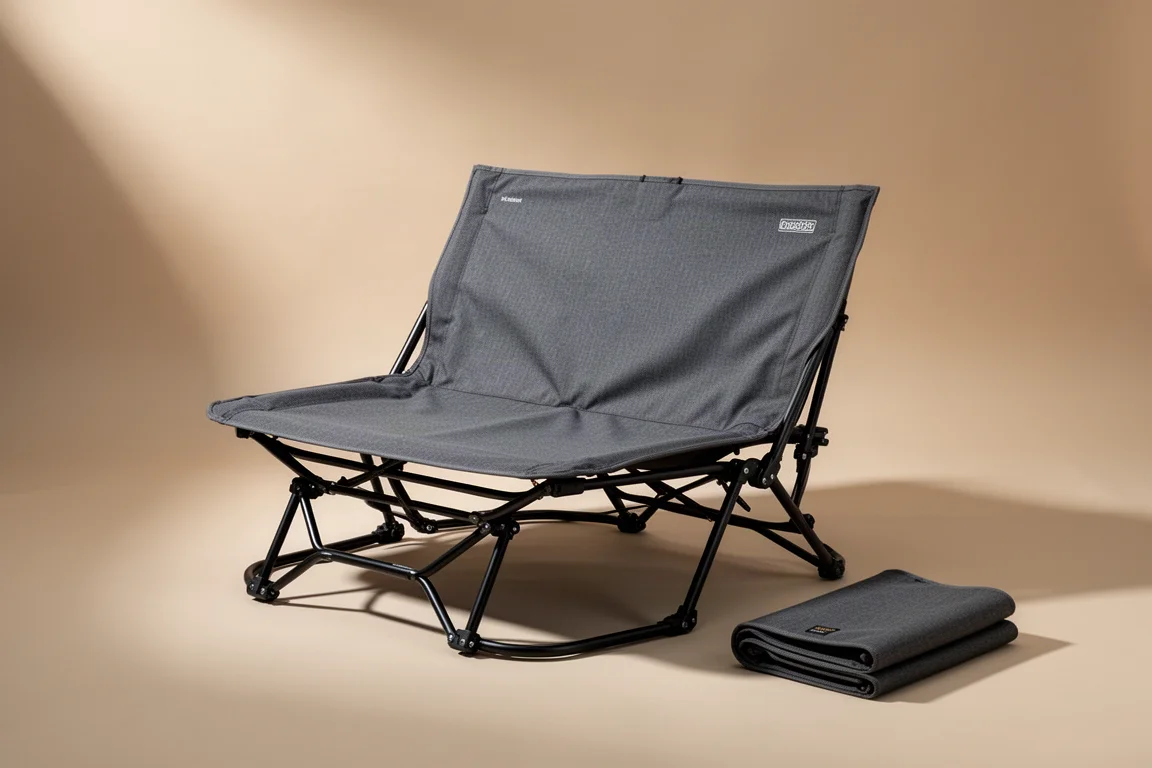
Comfort items are usually the first thing cut when space is tight, and camp chairs are usually the first comfort item to go. This low loveseat-style seat stayed in the trunk and was used every evening around camp.
A low seat keeps you close to the ground, which suits relaxed evenings more than upright dining, and the two-person width means one piece of furniture covers a couple. A small mat travelled with it for the dog to lie on. It is not a space-saving item in the way a compression sack is, but it fitted inside the trunk-only limit, and sitting around camp at night is a large part of why the trip was enjoyable.
Overall Buying Advice
If you are rebuilding a car camping kit around space, start with the sleep system, because that is where the volume usually lives. A wide, thick pad, a zip-on quilt, and a packable pillow will take up less room together than a conventional bag and pad setup once compression is factored in, and the comfort difference is the part you notice every night.
The tent is the next decision. A dark room fly is worth considering if you have small children, or if you camp somewhere the sun stays up late and rises early, since it addresses both bedtime light and daytime heat. Sizing down to a smaller version of the same design is the easiest way to save additional space.
Two gaps stood out on this trip and both relate to temperature rather than volume. A fan, or a small tent air conditioner paired with a battery bank, would have made an earlier bedtime possible on a hot evening, and a portable seat with a tray would have made mealtimes with a toddler far less messy. A fire pit, by contrast, was left at home and not missed in summer heat.
One practical note for anyone camping in bear country. Food and kitchen gear were loaded back into the car overnight rather than left out at the campsite.
Conclusion
Fitting a family setup into a single trunk came down to three things: gear that compresses, gear that nests, and gear that solves more than one problem at a time. The dark room tent handles light and heat together. The sleep system replaces a bag, a pad, and a pillow with three pieces that pack smaller than one conventional setup. The stove stores as a single stack.
Nothing here is a compromise you would feel on the trip. The only real gaps were cooling and a toddler seat, and both would have fitted in the space that was left over.
Further reading
Related Reviews
Camping Gear
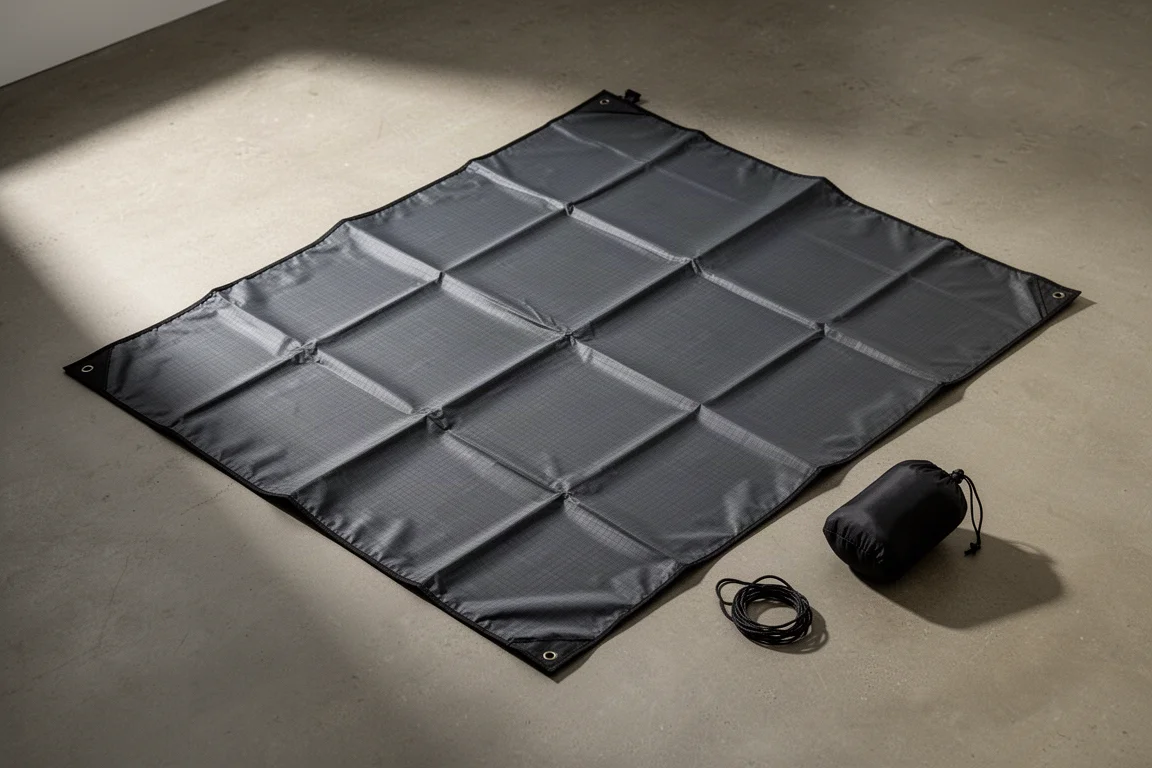
3FUL Ultralight Ground Sheet Review: A Two-Person Footprint Worth Packing
A 6.7 oz two-person ground sheet in ripstop silnylon, priced around $30. Here is what it protects, what it does not do, and who should pack it.
Camping Gear
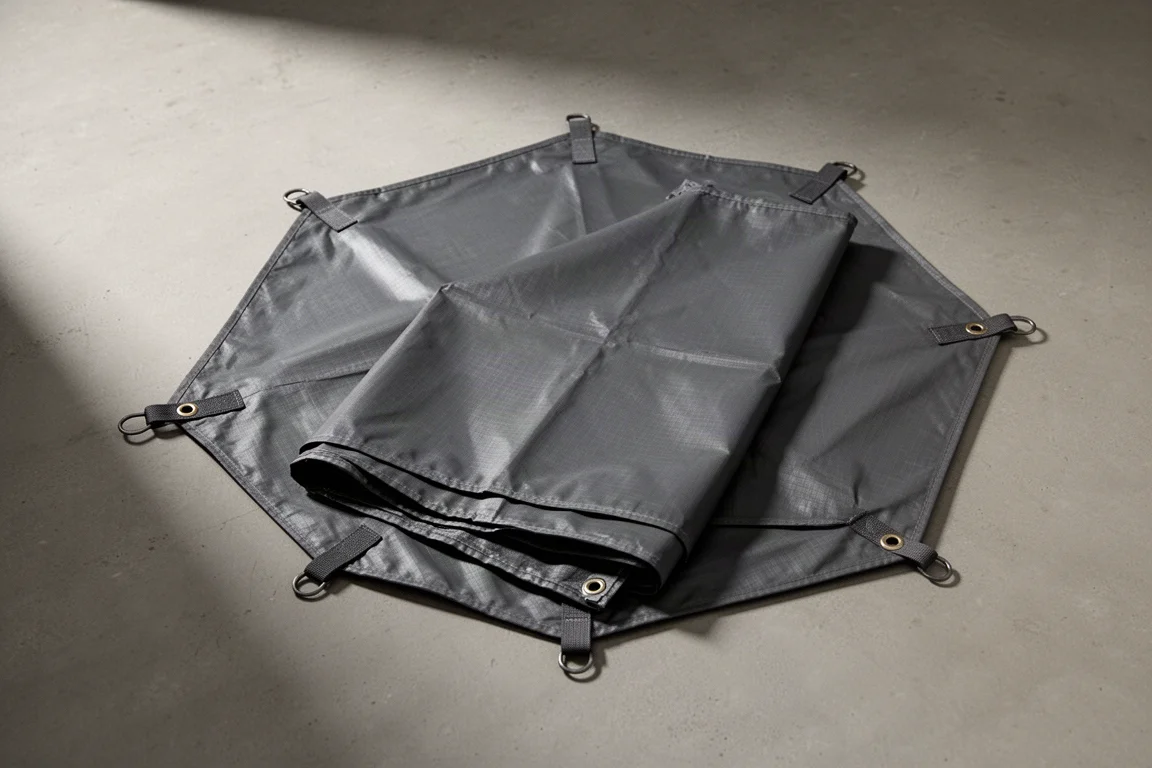
Backcountry Light Dual-Function Tarp and Floor Review: A Footprint First
A dual-purpose tent floor and tarp that keeps falling rain off you, but cannot block wind. Here is where it works and where it does not.
Camping Gear
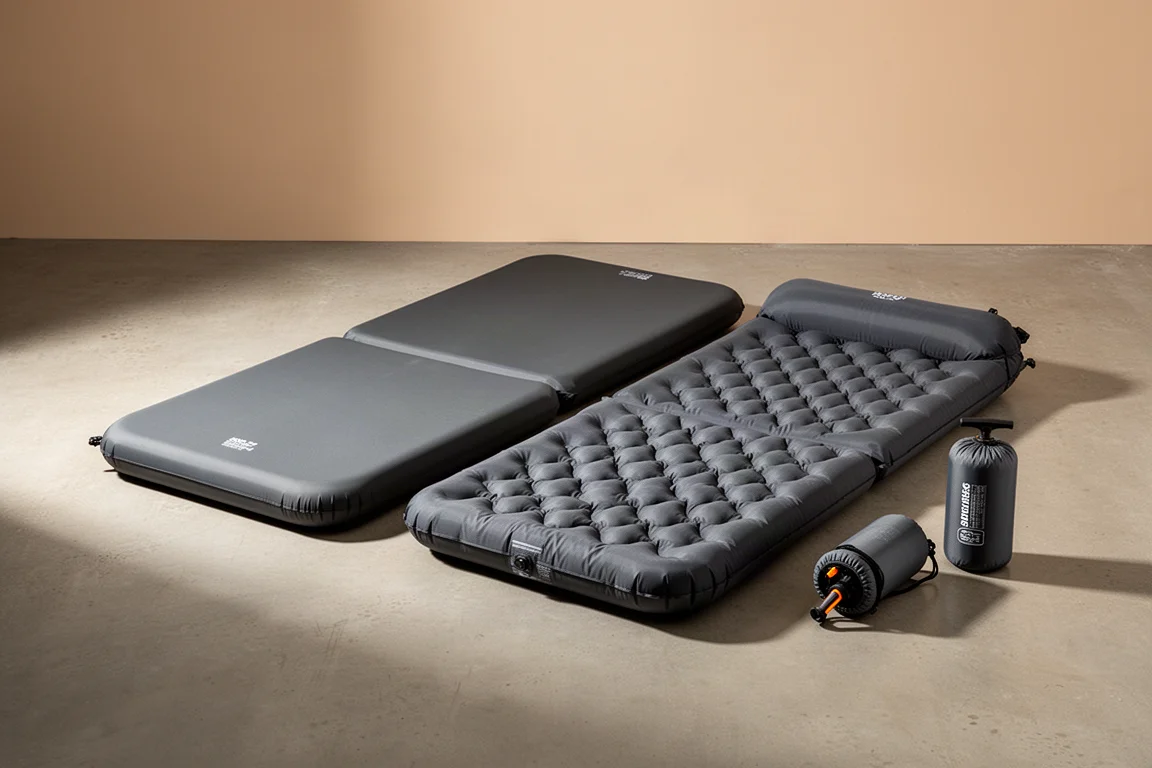
Best 2-Person Camping Mattresses for Couples: 10 Options Compared
A practical comparison of ten two-person camping mattresses, covering self-inflating pads, air pads and air mattresses for couples.