Tech
Milwaukee vs DeWalt Earbuds: Two Trades-Ready Earbuds Face Off
After a year of jobsite use, we compare Milwaukee and DeWalt earbuds on control, sound, range, and charging to see which one makes more sense for tradespeople.
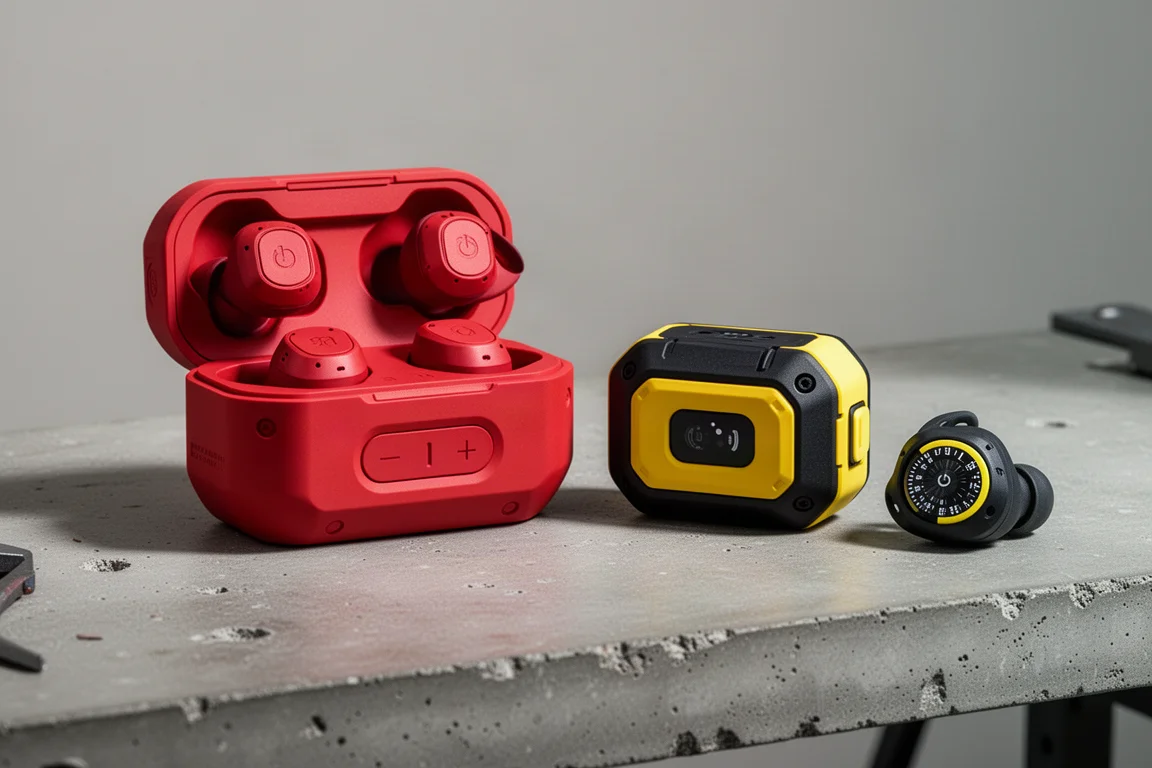
Introduction
Worksite earbuds are a divisive category. Both of today’s contenders, from Milwaukee and DeWalt, have drawn plenty of criticism online, much of it centered on their size and price. But a lot of that criticism misses the point: these are not earbuds for joggers, cyclists, or office desks. They are built for people in the trades who wear gloves all day, work around loud equipment, and need to control audio and calls without touching a phone.
After a year of real use, both sets have proven durable and genuinely useful, each with clear strengths and real frustrations. Here is how they compare.
Milwaukee Earbuds: Big Buttons Built for Gloves
The Milwaukee earbuds launched about a year ago at $179, which is the most common complaint about them. Yes, that is expensive, though it is worth remembering that mainstream premium earbuds sell for even more. The trade-off for the price is a set of features aimed squarely at jobsite use.
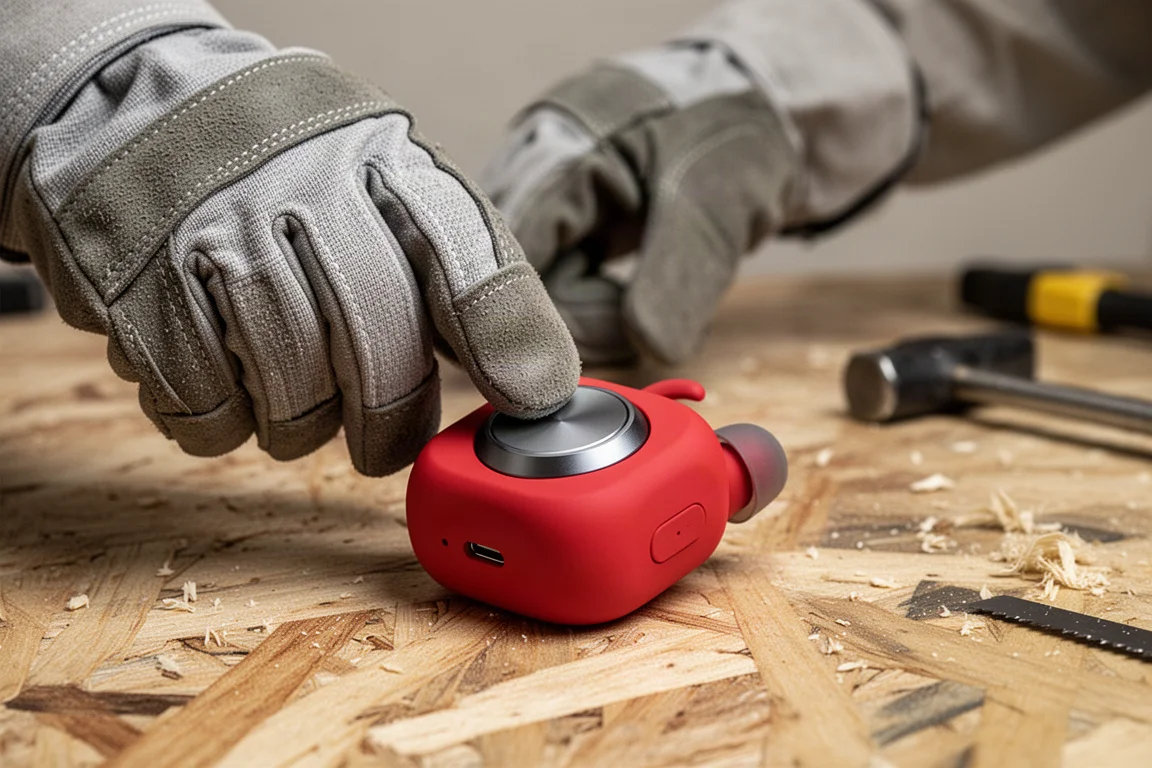
The headline feature is usability with gloves on. The large button surface lets you skip tracks, rewind, hang up calls, and toggle active listening modes with a press. One press toggles the active hearing mode so you can hold a conversation while music is playing, two presses turns that mode up, and three presses switches it off. There are also microphones built into the earbuds, so you can make and take calls without pulling out your phone, including voice-dialed calls.
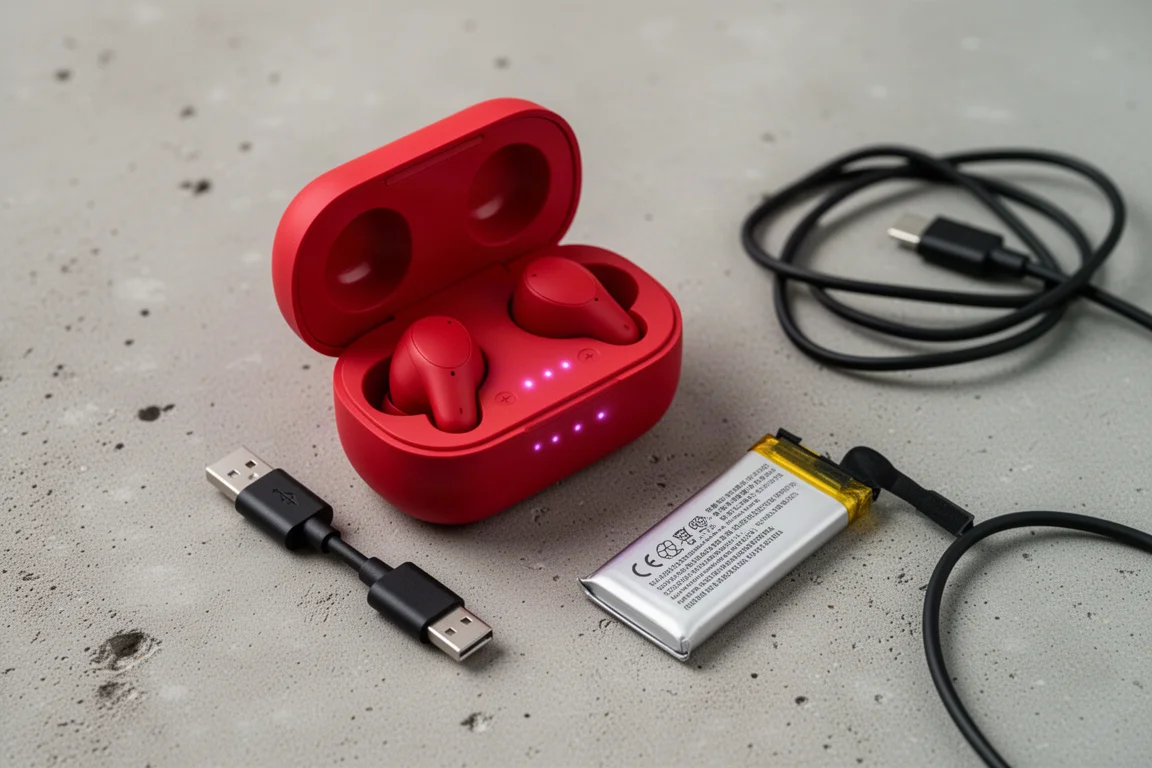
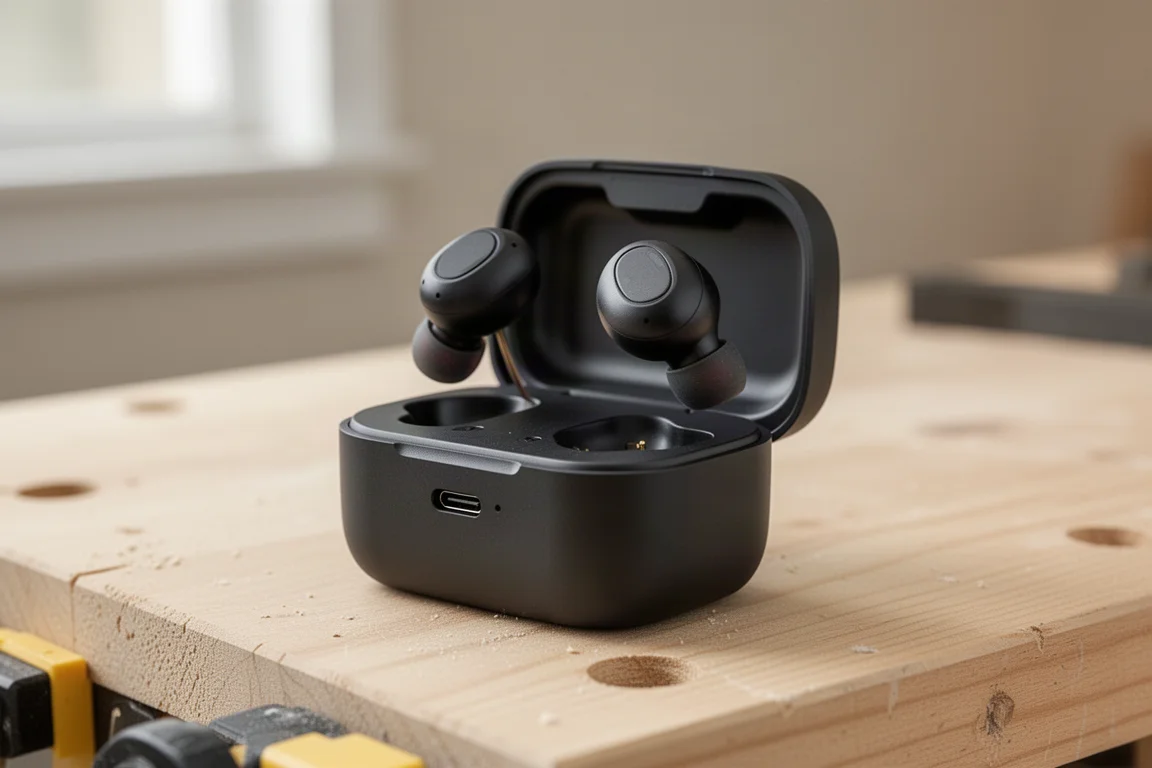
The case itself is large, red, and hard to lose, and it holds a slide-in 4V lithium battery pack. That means you can swap in a fresh battery instead of waiting for a recharge, which is genuinely useful for long days.
Where the Milwaukee falls short:
- Price: $179 is a lot, and even with the swappable battery included, it still feels excessive.
- Charging reliability: Even with clean contacts, the earbuds sometimes fail to charge in the case until you reopen it. This happens often enough to be frustrating.
- Volume ceiling: Sound quality is clear with good bass and an adjustable equalizer, but the maximum volume is limited, and it leaves you wanting more.
- Battery run time: Shorter than the DeWalt. Expect a few hours before needing a recharge.
- Range: Around 100 feet of solid connection, but walls or distances near 150 feet cause it to fall apart.
DeWalt Earbuds: Analog Control That Works with Gloves
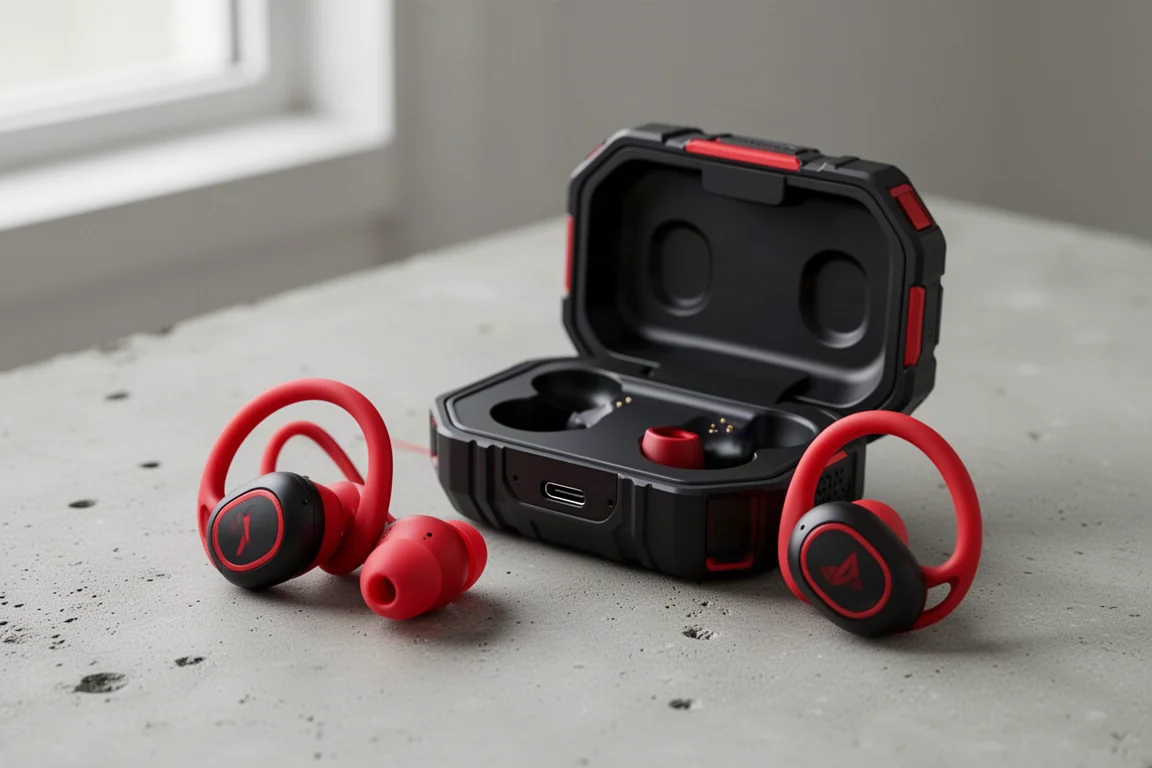
The DeWalt earbuds follow the same overall concept but take a more analog approach, and that approach works. Instead of pressing buttons, you twist a scroll wheel on each earbud to adjust volume or active listening. With gloves on, a simple twist is easier than hunting for a small button.
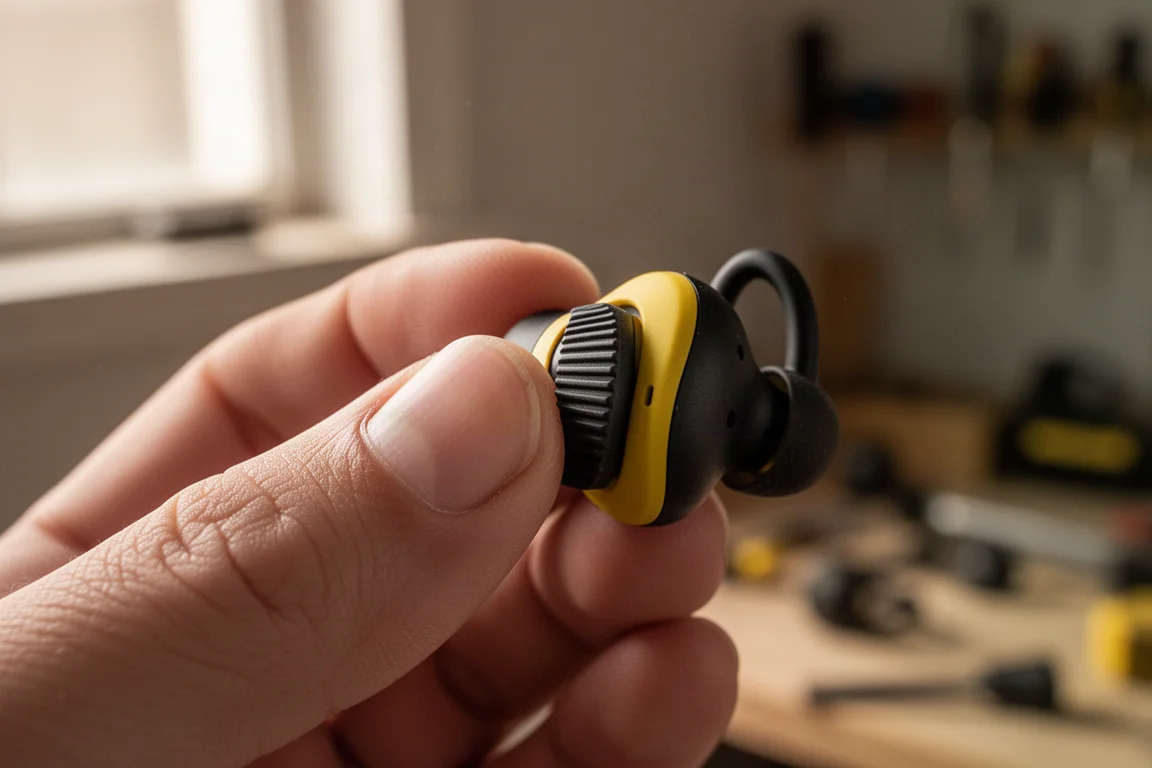
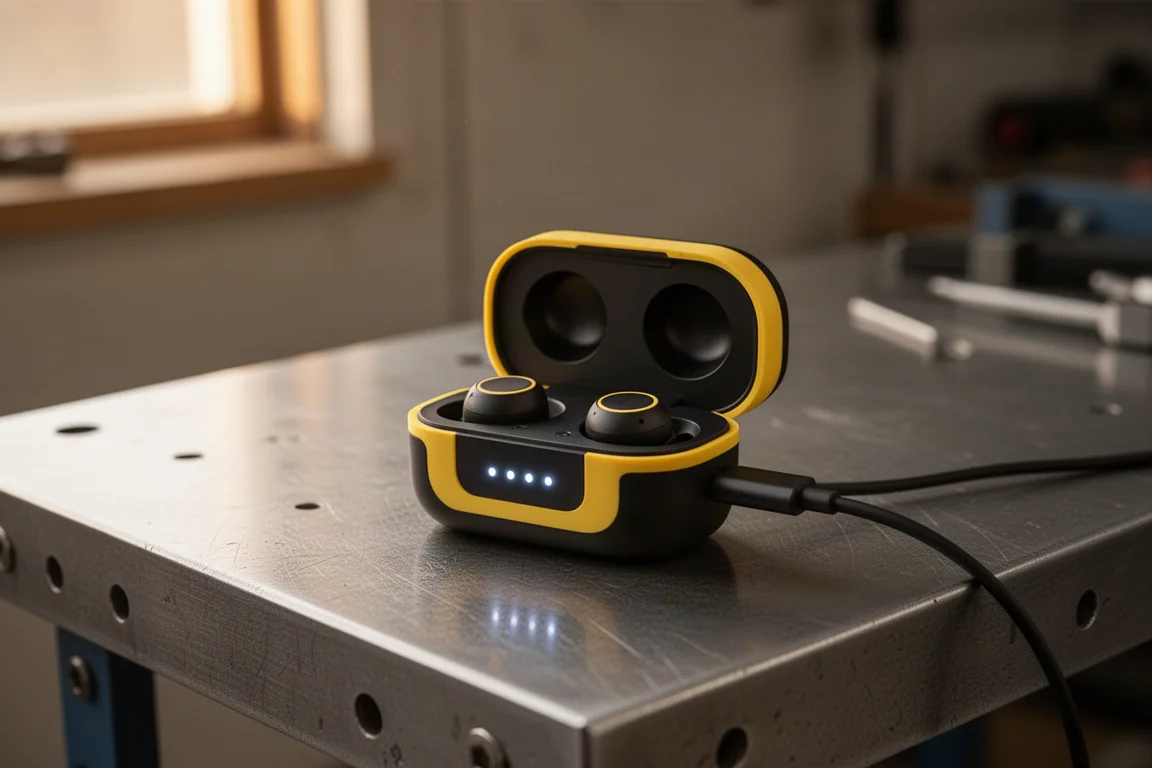
The case is noticeably smaller than Milwaukee’s, with a lanyard hook and a USB-C port on top. Four LED bars on the case show remaining charge, and a full recharge of a dead case plus earpieces takes about an hour and a half. Charging has been trouble-free, with none of the contact issues seen on the Milwaukee.
On calls, the DeWalt reportedly sounds noticeably better to the person on the other end. People on calls through these are happier with the audio quality than through the Milwaukee. Like any earbud, wind remains a problem in exposed or high-airflow environments, but the DeWalt handles it better.
Where the DeWalt falls short:
- The push button: The small, deeply recessed button is hard to hit accurately, especially with gloves on, which makes skipping tracks or ending calls fussy.
- Size: These are still large earbuds by consumer standards, thicker at the base, though that is intentional for gloved use.
The advantages are substantial: $116 on sale versus $179, noticeably louder maximum volume, dramatically better wireless range (reliable well past 150 feet, even with the phone left inside), easier charging, and longer run time that keeps going after the Milwaukee has faded.
Which One Should You Buy?
If you are choosing one, the DeWalt comes out ahead overall. The lower price, louder output, longer battery life, better call quality, and exceptional wireless range add up to a stronger package. The Milwaukee is not a bad choice, especially for brand loyalists, and the swappable battery system and oversized controls are genuinely well thought out. But the charging fussiness, volume cap, and higher price hold it back.
The most important thing either way is knowing who these are for. If you work with gloves on, on a construction site or in a shop, the larger form factor of both is a feature, not a flaw. If you want tiny, discreet earbuds for commuting, neither of these is the right pick.
Conclusion
Both earbuds are built for the trades, and both do their core job well: glove-friendly control, calls without a phone, and audio that survives a workday. The DeWalt simply does more of it better, for less money, with better range and battery life. The Milwaukee counters with swappable batteries and larger, easier controls, but charging quirks and the volume ceiling are real drawbacks. For most buyers, the DeWalt is the smarter pick.
Further reading
Related Reviews
Tech
Apple MacBook Neo Review: A Surprisingly Capable Budget Laptop
The MacBook Neo brings M1-equivalent performance to a $599 entry-level laptop. We tested it across real workflows to see if it's worth considering over pricier alternatives.

Tech
ASUS ZenBook 16 With Snapdragon and RTX 4060: Can an ARM Laptop Game With an External GPU?
An early look at pairing an Nvidia RTX 4060 with a Snapdragon-powered laptop using a Thunderbolt 5 eGPU dock, including real gaming results.

Tech
GPD G2 eGPU Dock Review: A Sturdy, Future-Ready Boost for Your Handheld or Mini PC
The GPD G2 eGPU dock brings new connectivity standards, a robust build, and desktop-class graphics to laptops, handhelds, and mini PCs.